
NASA - Part 8
307 reports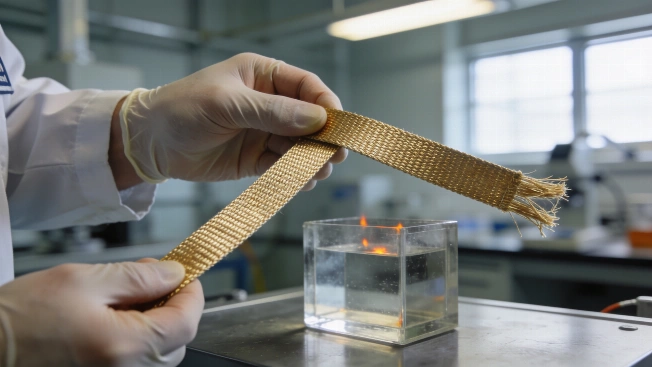
NASA Tests Fire-Resistant Webbing for Moon and Mars Missions
NASA testing found that natural, gold-colored Kevlar(R)/PBI webbing met flammability criteria in a high-oxygen environment, though complete softgoods assemblies still require configuration and wear testing.
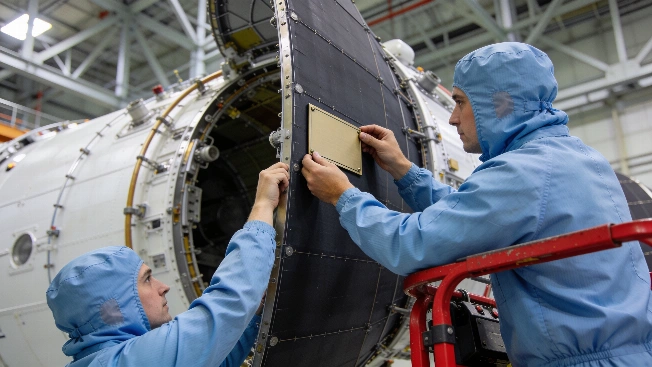
NASA's Roman Telescope Will Carry 1.35 Million Names to L2
A memory card carrying 1,350,144 names has been mounted on NASA's Nancy Grace Roman Space Telescope ahead of its planned launch to an orbit about one million miles from Earth
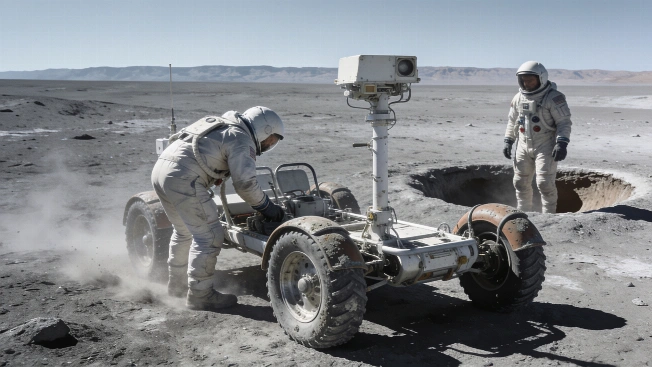
Apollo 15's Lunar Rover Turned Moonwalking Into Exploration
Apollo 15's Lunar Roving Vehicle gave astronauts their first way to travel extensively across the moon's surface, extending scientific exploration beyond the immediate landing site in July 1971.
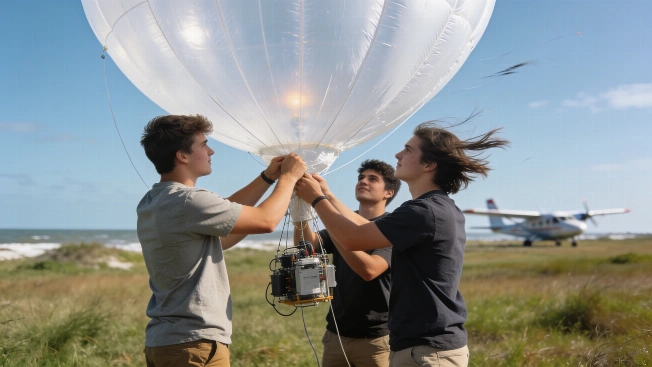
NASA's SARP Students Launch Ozone Sensors in Gulf Coast Field Campaign
Undergraduates in NASA's Student Airborne Research Program deployed ozonesonde balloons and flew on science aircraft to collect atmospheric data over the Texas Gulf Coast, gaining hands-on experience with field instruments and satellite validation.
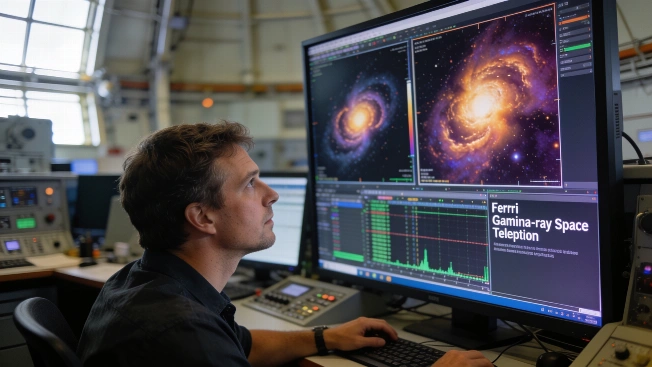
Astronomers Link Two Supernova Remnants to a Single Binary Star System
A faint supernova remnant near the Jellyfish Nebula has been identified as the likely companion explosion from a binary star system, based on 16 years of gamma-ray data and multiwavelength observations
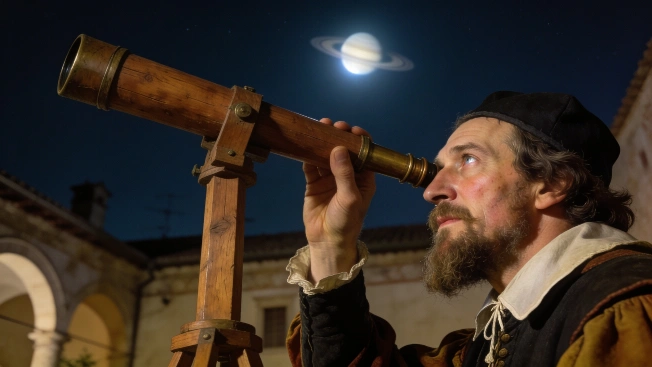
Galileo's 1610 Observation of Saturn's Rings Changed Planetary Science
In July 1610, Galileo Galilei used a newly invented telescope to observe Saturn, recording features later identified as the planet's rings, a finding that reshaped our understanding of planetary systems.
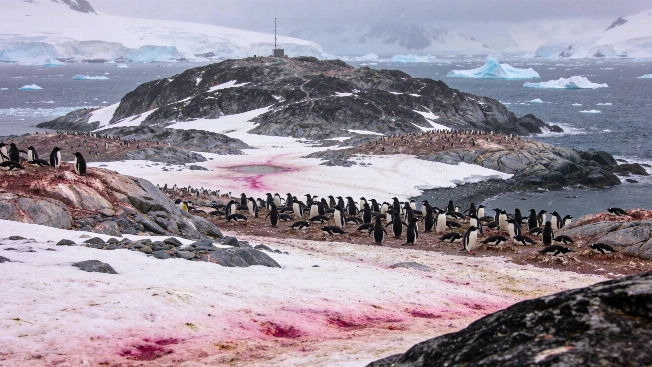
Satellite Images Reveal Penguin Diet Shifts on Antarctica's Danger Islands
NASA's Landsat 8 satellite and drone surveys have enabled researchers to monitor Adélie penguin colonies on the Danger Islands by analyzing the color of their guano, offering new understanding into how changing sea ice may affect Antarctic food webs.
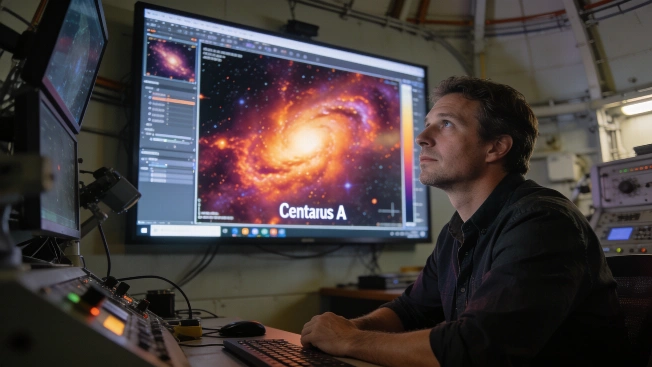
Webb Telescope Maps Dusty Structures in Active Galaxy Centaurus A
NASA's James Webb Space Telescope has captured a detailed mid-infrared image of Centaurus A, revealing complex dust lanes and energetic activity in this nearby galaxy with its MIRI instrument
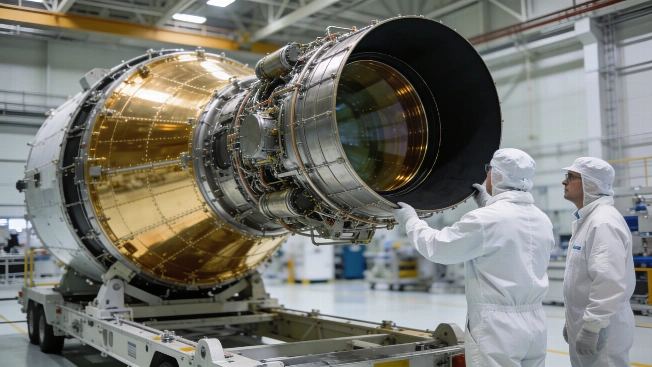
NASA Prepares Roman Space Telescope for Early Launch to L2 Orbit
NASA's Nancy Grace Roman Space Telescope launched on August 30 and is heading to L2, where it will conduct wide-field infrared surveys and exoplanet imaging
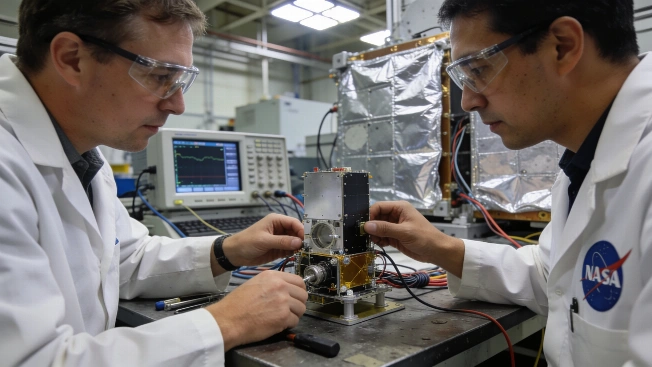
NASA Funds 18 Early-Stage Space Technology Concepts for 2026
NASA selected 18 new Phase I projects under its New Advanced Concepts program, committing $3.2 million to early-stage studies of technologies for future space exploration and astrophysics missions
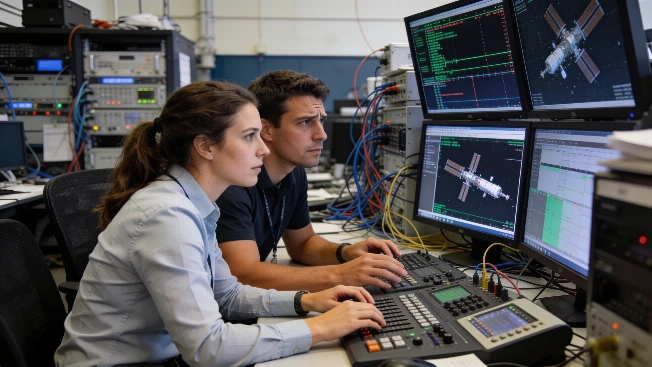
NASA's Swift Boost Mission Faces Setback After Spacecraft Malfunction
NASA's Swift Boost mission, launched to extend the life of the Neil Gehrels Swift Observatory, has encountered a critical control issue with its LINK spacecraft, raising uncertainty about the planned orbital rescue operation
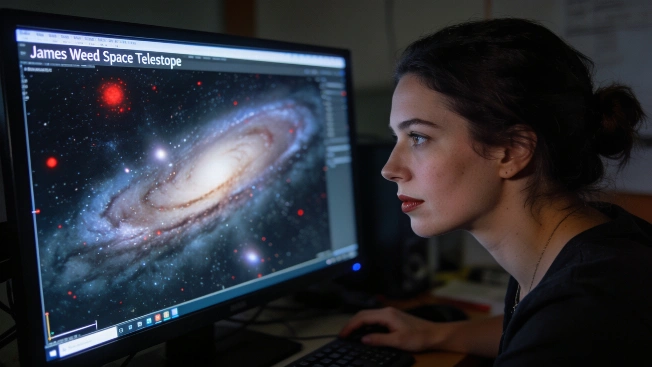
Webb Telescope Study Links Little Red Dots to Black Hole Activity
Astronomers using the James Webb Space Telescope have traced the origins of mysterious “little red dots” in deep space, suggesting that these compact sources are linked to phases of intense supermassive black hole activity.
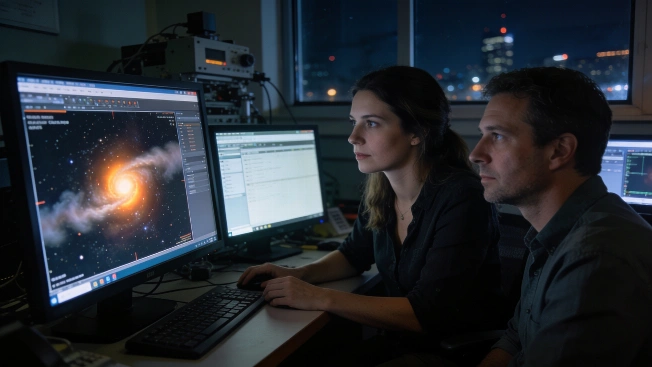
Chandra X-ray Observatory reveals hot gas from early quasar
NASA's Chandra X-ray Observatory has detected extremely hot gas surrounding a distant, radio-quiet quasar, offering new understanding into the formation of galactic cluster atmospheres in the early universe.
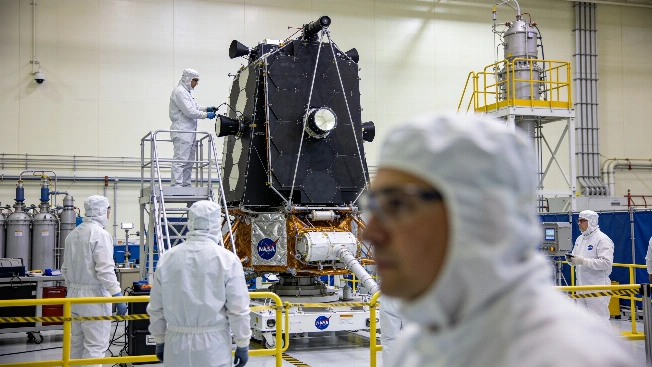
NASA Prepares Roman Space Telescope for 2026 Launch to L2 Orbit
NASA has fueled the Roman Space Telescope, a next-generation infrared observatory scheduled to launch in August 2026. It is expected to collect hundreds of terabytes of cosmic data annually and expand studies of dark matter and dark energy while probing exoplanets.
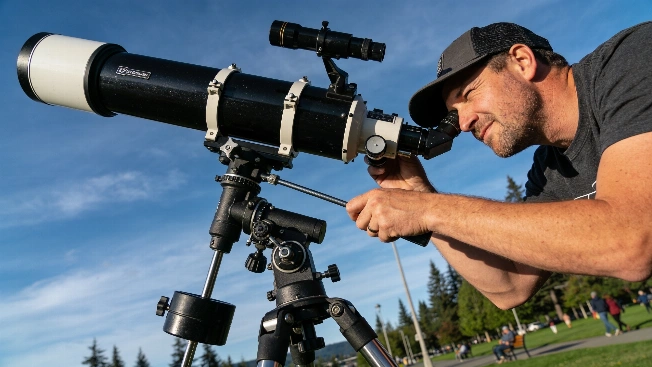
Astrophotographer Captures ISS Passing Venus in Daylight Sky
A rare daylight image shows the International Space Station appearing close to Venus, captured by AJ Smadi using a specialized telescope and camera setup in Washington state.
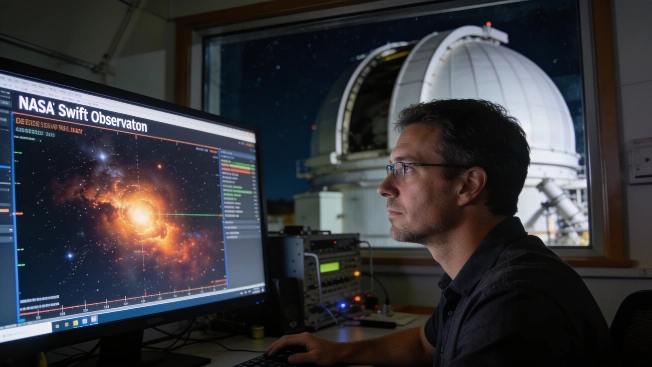
Swift Observatory Detects Black Hole Consuming Star Far From Galaxy Core
NASA's Swift Observatory has observed a rare tidal disruption event caused by a supermassive black hole devouring a star on the outskirts of a distant galaxy, challenging assumptions about where such events occur
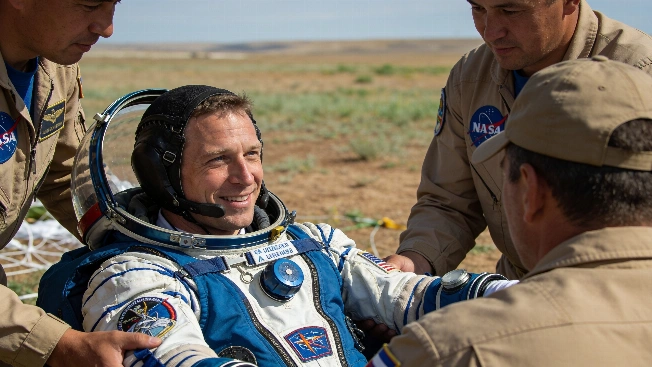
NASA Astronaut Chris Williams Completes First ISS Mission After Eight Months
NASA astronaut Chris Williams has returned to Earth after eight months aboard the International Space Station, where he supported scientific research and technology upgrades during Expedition 74.
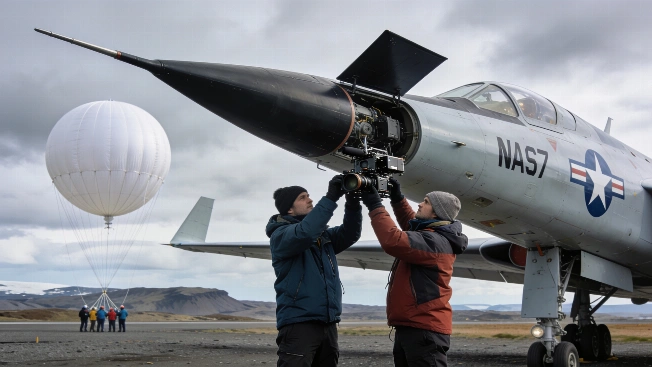
NASA Prepares High-Altitude Observations for August 2026 Solar Eclipse
NASA-funded teams will use a high-altitude jet and scientific balloons to study the Sun's corona and atmospheric changes during the total solar eclipse crossing Greenland, Iceland, and Spain on August 12, 2026

NASA Moon Tree Planted in Manhattan Grew from Lunar-Orbiting Seed
A young American sweet gum tree in Madison Square Park was grown from a seed that orbited the Moon aboard NASA's Artemis I mission, highlighting the intersection of space exploration and urban ecology.
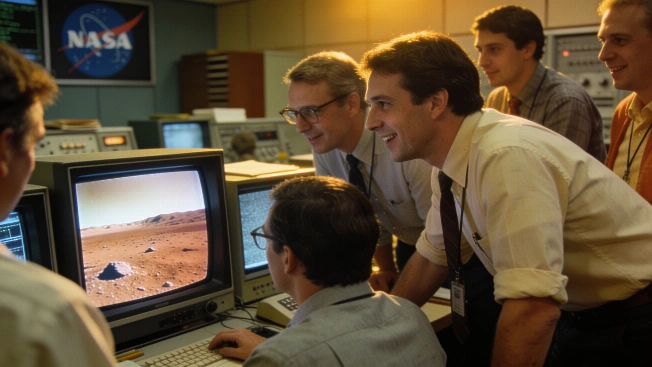
Viking 1's First Mars Surface Image Revisited on 50th Anniversary
NASA has released the original images captured by Viking 1 after its 1976 Mars landing, offering a detailed look at the Red Planet's surface and the mission's scientific legacy.
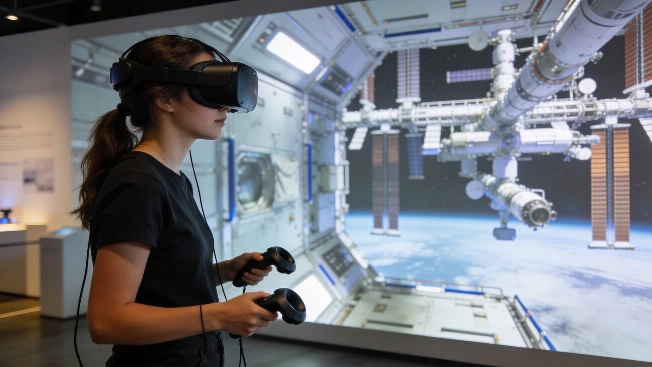
Virtual Reality Brings the International Space Station to Earth
A new VR experience, Space Explorers: The ISS Experience, uses real footage and astronaut collaboration to simulate life aboard the International Space Station, offering the public an immersive look at orbital science and daily routines.
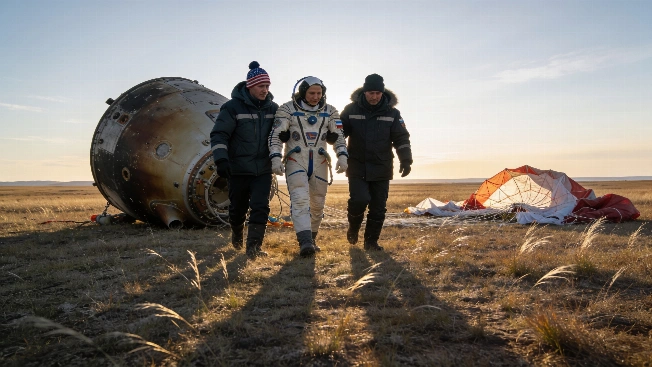
Soyuz MS-28 to Return NASA and Roscosmos Crew from ISS July 26
NASA astronaut Chris Williams and Roscosmos cosmonauts Sergey Kud-Sverchkov and Sergei Mikaev returned from the International Space Station aboard Soyuz MS-28, which landed in Kazakhstan on July 26.
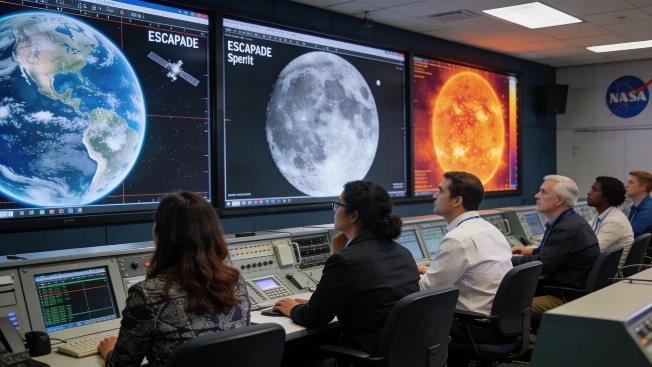
NASA's ESCAPADE Spacecraft Captures Earth and Moon in Dual Light
NASA's ESCAPADE mission has imaged Earth and the Moon in visible and thermal infrared light, offering a rare chance to calibrate its cameras as the spacecraft prepare for their journey to Mars.
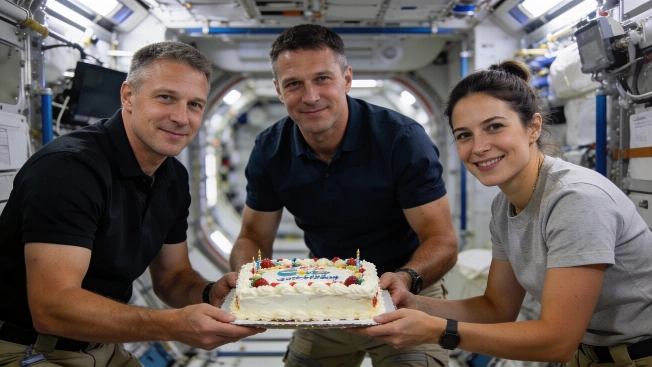
Expedition 74 Crew Begins Science Operations on International Space Station
Expedition 74 astronauts Anna Kikina, Pyotr Dubrov, and Anil Menon have joined the International Space Station, beginning an eight-and-a-half-month mission focused on microgravity research and operational adaptation.
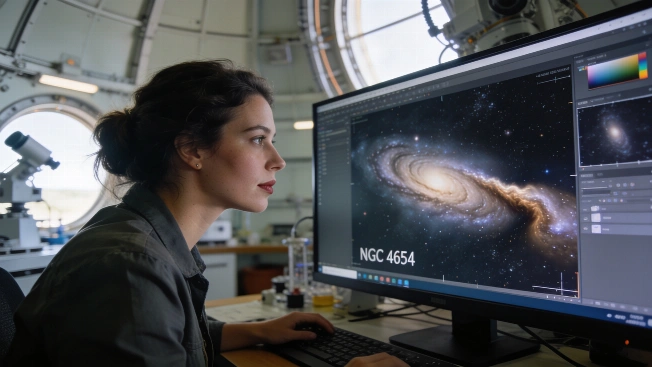
Hubble Reveals Asymmetric Spiral Galaxy Shaped by Cluster Forces
A new Hubble Space Telescope image captures NGC 4654, a spiral galaxy in Virgo, showing dramatic asymmetry caused by ram pressure stripping and past gravitational encounters
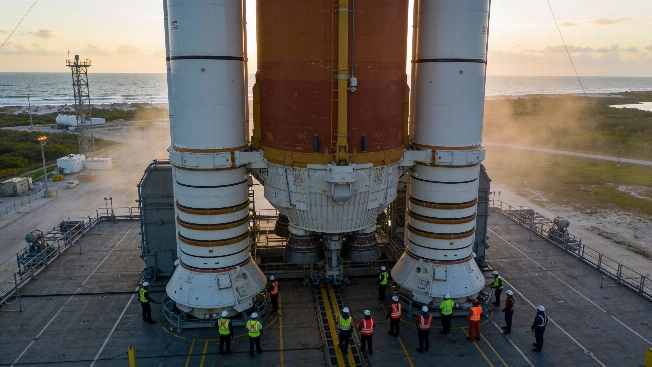
NASA Assigns SunRISE Mission to SpaceX Falcon Heavy After Vulcan Issues
NASA's SunRISE mission, designed to study solar radio bursts, will now launch aboard a SpaceX Falcon Heavy after technical concerns paused United Launch Alliance Vulcan Centaur flights
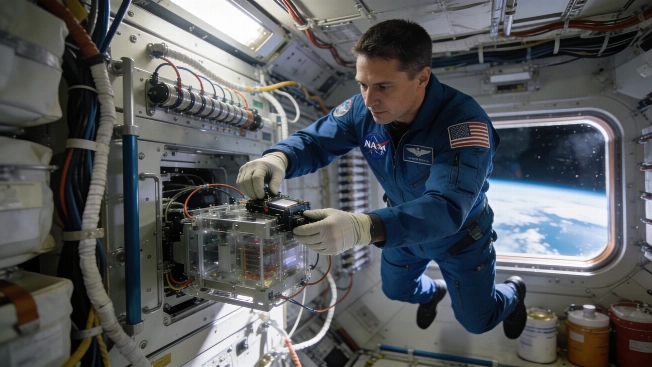
NASA Astronaut Chris Williams Ends ISS Mission After Eight Months
Chris Williams is set to return from his first mission aboard the International Space Station, where he supported research on cancer therapies and semiconductor materials, alongside tests of robotic systems during an eight-month stay.
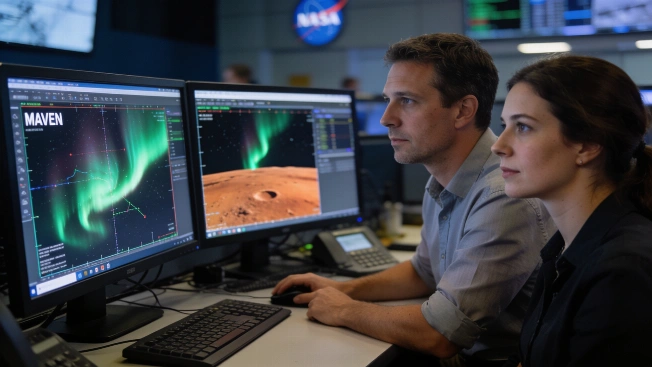
MAVEN Data Reveals Earth-Like Aurora Mechanism on Mars
NASA's MAVEN orbiter has found evidence that localized auroras on Mars are powered by a process similar to Earth's Dungey cycle, offering new understanding into Martian atmospheric loss and magnetic-field interactions.
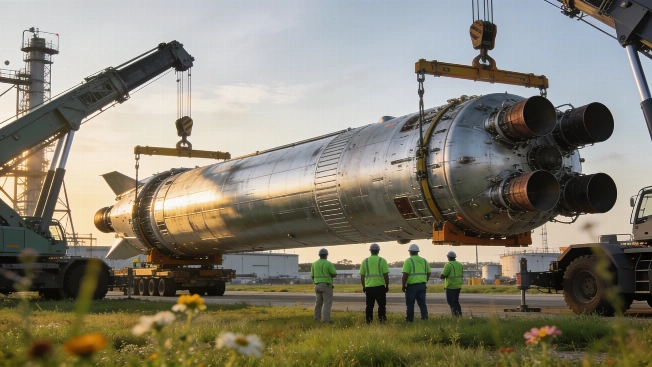
NASA Moves Artemis IV Hydrogen Tank for Core Stage Testing
A 130-foot liquid hydrogen tank for Artemis IV was transported at NASA's Michoud Assembly Facility, marking a basic step toward core stage testing for the Space Launch System rocket.
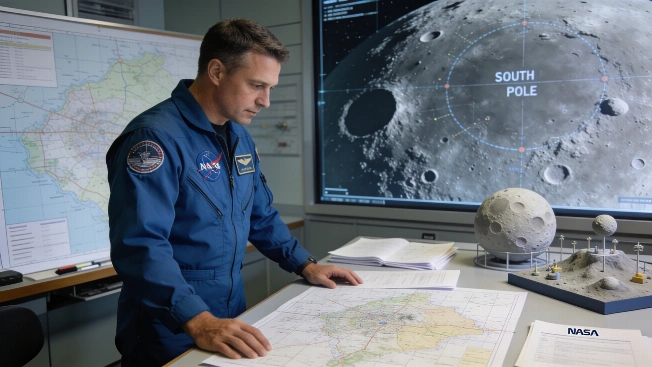
Artemis IV Landing Debate: South Pole or Lunar Equator for Crew Safety
NASA's Artemis IV mission faces a critical decision: whether to target the Moon's challenging south pole or opt for a safer equatorial landing, as astronaut Victor Glover urges a reassessment of mission priorities and safety constraints.
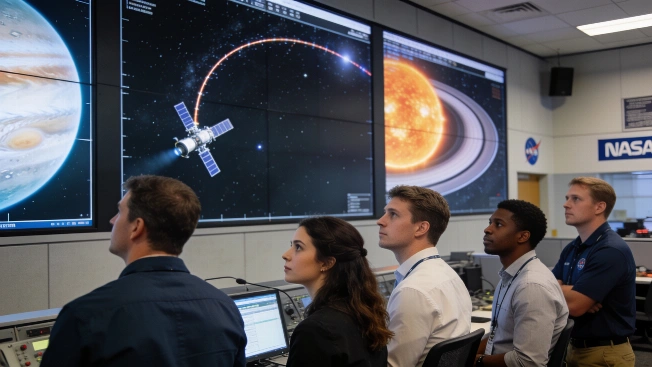
New Horizons Resumes Science at Solar System's Edge After Hibernation
NASA's New Opportunities spacecraft has emerged from a 321-day hibernation and is transmitting data from the outer solar system as it prepares to study the boundary between the Sun's influence and interstellar space with its advanced instruments.
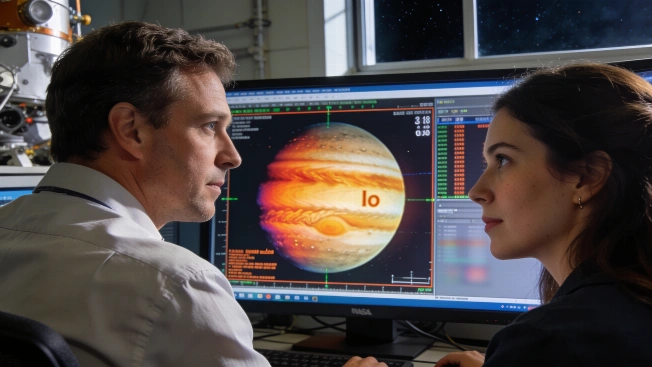
Juno Mission Probes Subsurface Heat on Jupiter's Volcanic Moon Io
NASA's Juno spacecraft has measured temperatures beneath Io's surface, revealing intense internal heating and unexpectedly smooth, low-density terrain. The findings, published in a peer-reviewed journal, offer new understanding into tidal heating on active moons
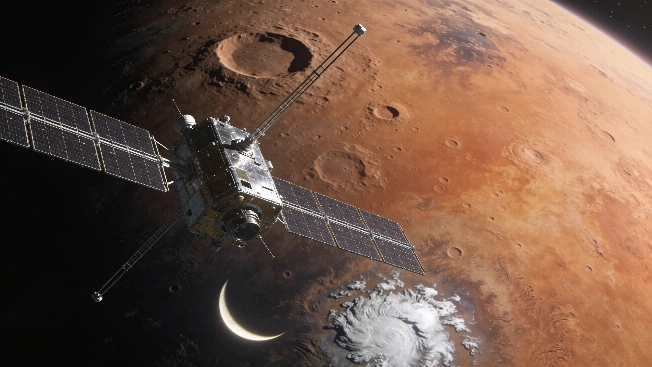
NASA's Psyche Spacecraft Uses Mars Flyby to Refine Asteroid Trajectory
NASA's Psyche probe has completed a close flyby of Mars, capturing a time-lapse sequence and using the planet's gravity to adjust its course toward the metal-rich asteroid Psyche, its target for arrival in 2029.
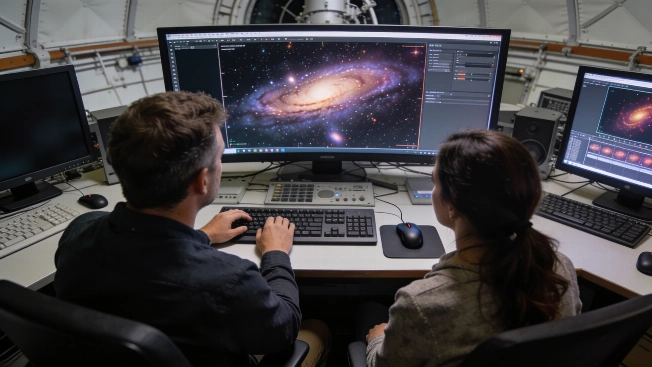
Webb Telescope Reveals How Early Galaxies Produced Cosmic Dust
Astronomers used the James Webb Space Telescope to study a nearby dwarf galaxy, uncovering how ancient galaxies enriched the early universe with stardust impressive for star and galaxy formation.
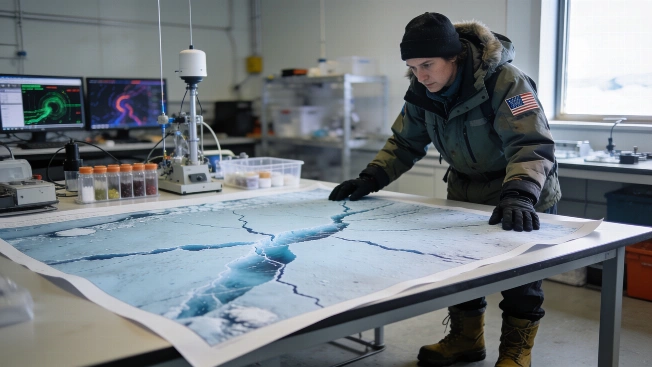
NISAR Satellite Data Reveals Antarctic Ice Fractures in Unprecedented Detail
NASA and ISRO have begun releasing data from the NISAR satellite’s dual radar systems, giving researchers fresh understanding into Antarctic ice movement and structure, as well as other dynamic Earth surfaces.
Part 8 of 9