
NASA - Part 9
307 reports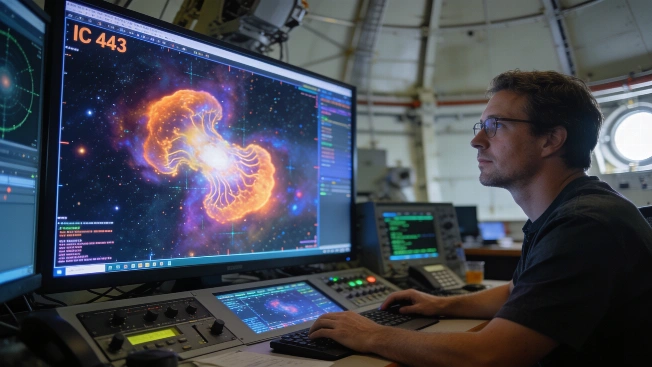
Possible Twin Supernova Remnants Identified in the Jellyfish Nebula
Astronomers analyzing data from NASA's Fermi Gamma-ray Space Telescope and other observatories have found evidence suggesting that both stars in a binary system exploded as supernovae, leaving overlapping remnants in the IC 443 region.
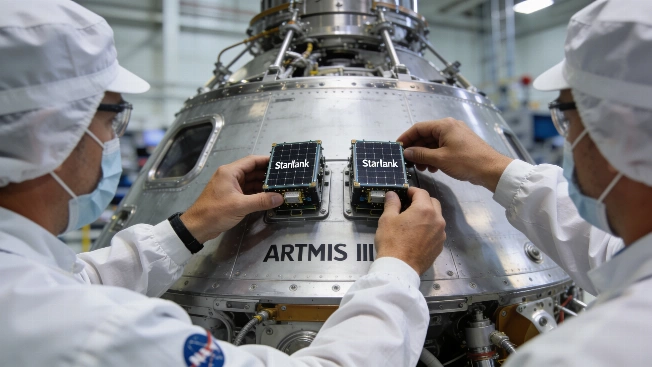
NASA to Equip Artemis III Orion with Starlink Laser Terminals
NASA plans to test Orion’s communications systems during Artemis III, a low-Earth-orbit mission involving commercial landers and currently targeted for 2027, as the agency prepares for later lunar operations.
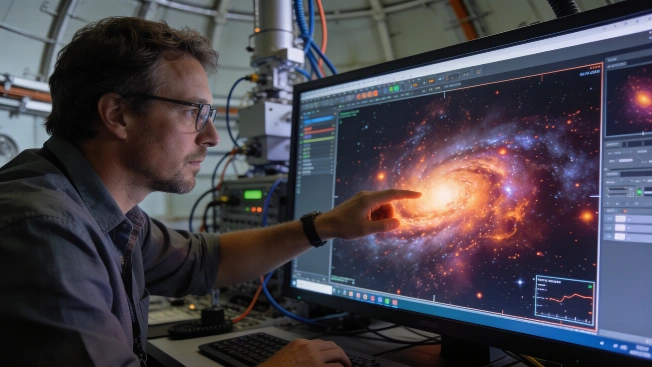
Webb Telescope Reveals 4.4-Billion-Year-Old Galaxy Cluster in Formation
The James Webb Space Telescope has imaged the young galaxy cluster MACS J0553.4-3342, capturing light that began its journey 4.4 billion years ago and offering new understanding into the assembly of large-scale cosmic structures.
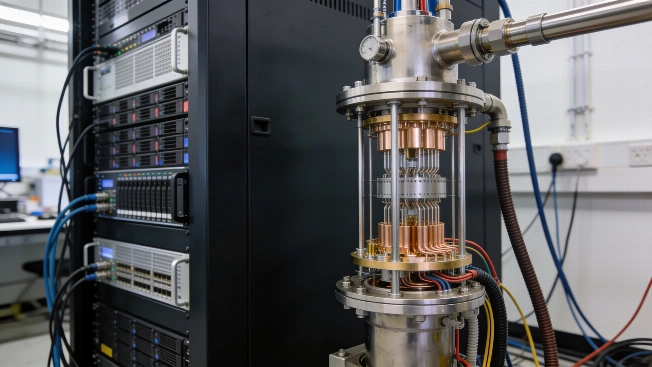
New Model Sets Limits for Quantum and HPC Integration Performance
A joint study by AWS, NVIDIA, LBNL, and NASA presents a quantitative model for deciding when quantum processors need physical integration with supercomputers and when remote cloud access can support hybrid quantum-classical algorithms
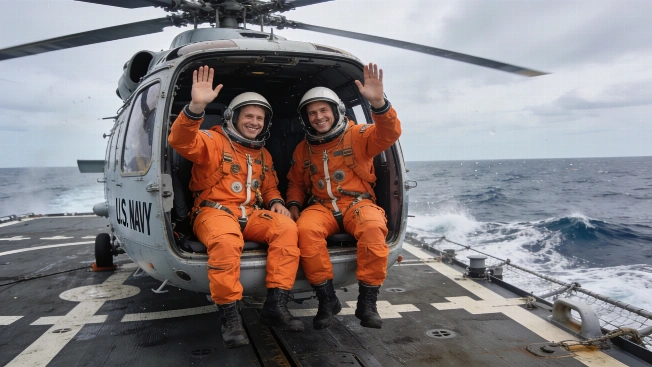
Artemis II Crew's Moon Orbit Mission Highlights Human Connection
NASA's Artemis II mission sent four astronauts around the moon, sharing daily updates and personal moments that resonated globally during a period of international tension and uncertainty.
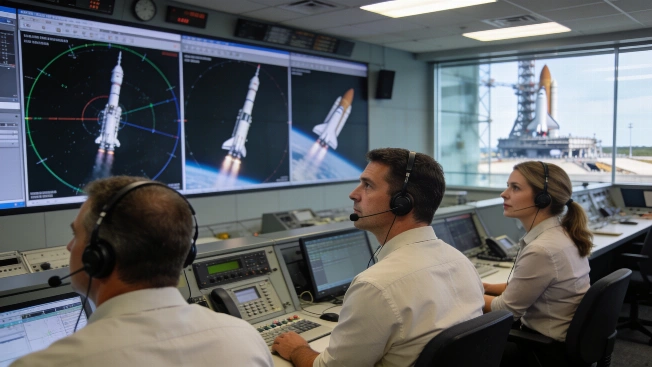
Artemis III to Test NASA's Most Complex Multi-Spacecraft Mission Yet
NASA's Artemis III mission will attempt a coordinated two-week operation involving four astronauts and three independently launched spacecraft, aiming to validate critical lunar landing technologies in low Earth orbit
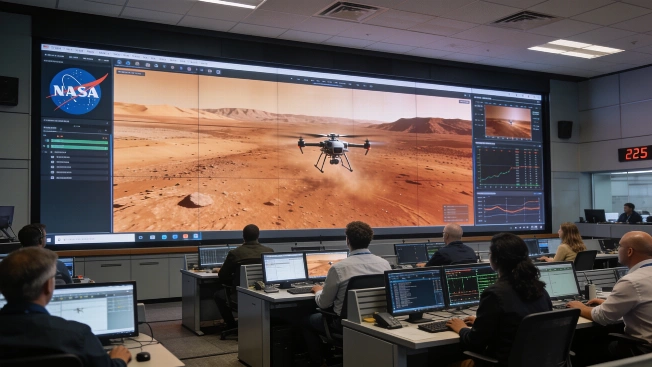
NASA Eyes Mars Skies 50 Years After Viking 1's Landmark Landing
NASA's Viking 1 lander touched down on Mars in 1976, opening a new era of planetary exploration. Now, five decades later, the agency is preparing to extend its reach above the Martian surface with aerial missions.
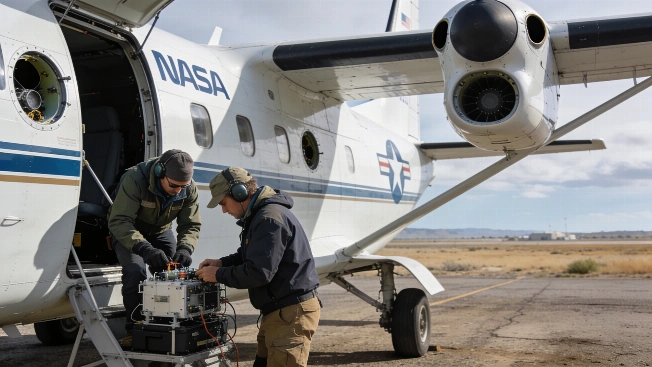
NASA Prepares Six New Airborne Missions to Study Earth's Extremes
NASA is launching a new series of suborbital missions with aircraft and drones, alongside remote sensors, to investigate wildfires and air quality as well as glacier retreat and landslides. The missions aim to improve scientific understanding of rapid environmental change.
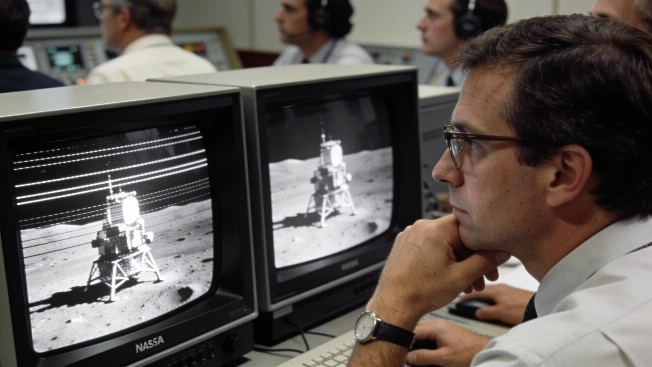
Viking 1's First Mars Surface Image Changed Planetary Exploration
NASA's Viking 1 lander transmitted the first direct image from the Martian surface in July 1976, revealing the planet's rocky terrain and marking a milestone in robotic planetary science
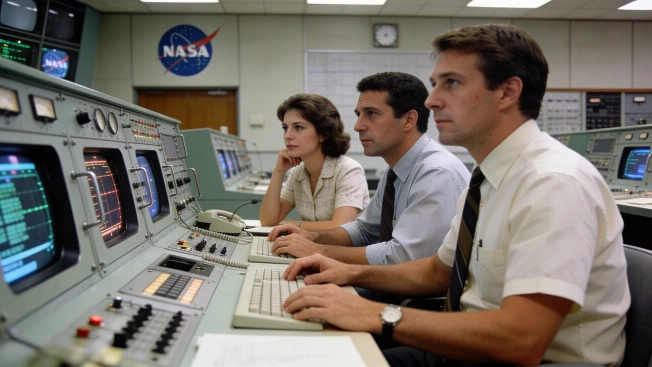
How NASA Langley Engineered the First Mars Landings
Fifty years after Viking 1 and 2 touched down on Mars, the engineering and mission design led by NASA's Langley Research Center remain central to how planetary landings are planned and executed across the solar system.
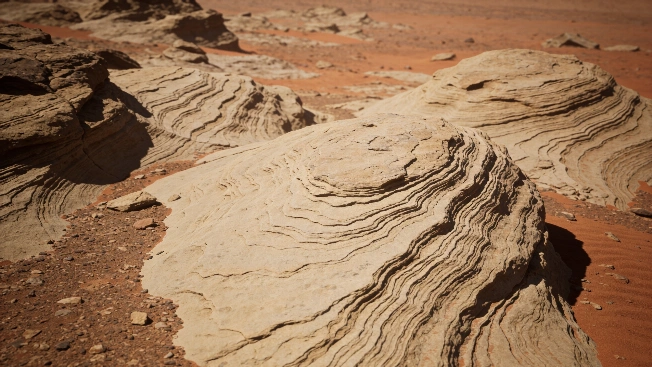
Curiosity Rover Reveals Ancient Sandstorm Evidence on Mars
NASA's Curiosity rover has imaged Martian rocks shaped by a powerful ancient sandstorm, offering new understanding into the Red Planet's dynamic past and the processes that once shaped its surface.
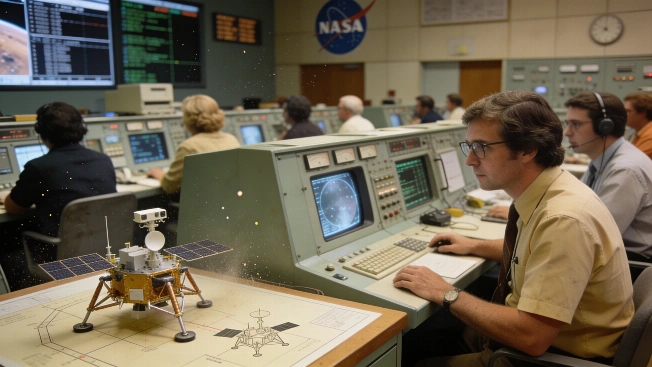
Viking 1's Mars Life Experiments: What the Evidence Still Can't Prove
Fifty years after NASA's Viking 1 lander touched down on Mars, scientists remain divided over whether its life-detection experiments found evidence of Martian biology or were confounded by non-biological chemistry and instrument limitations.
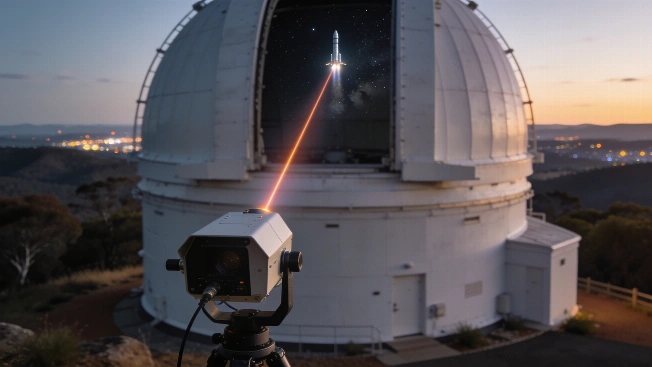
NASA Tests Laser Link for Live 4K Video Transmission From the Moon
NASA's Artemis II mission used an experimental laser communications system to transmit live high-definition video from lunar orbit to Earth, testing a lower-cost, higher-bandwidth alternative to traditional radio links under real mission conditions.
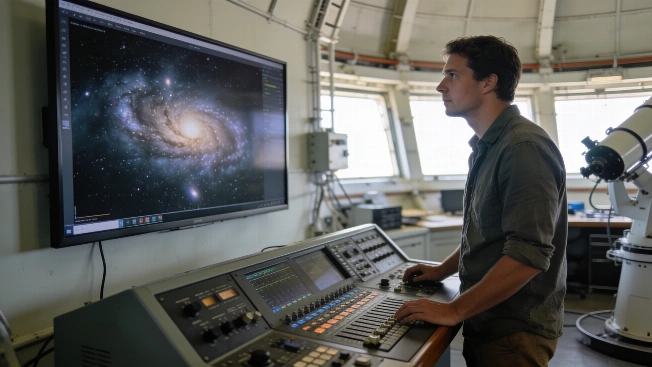
Webb Telescope Uses Gravitational Lensing to Reveal Ancient Galaxies
The James Webb Space Telescope has captured a detailed image of the galaxy cluster MACS J0553.4-3342, using gravitational lensing to magnify galaxies from the universe's first billion years
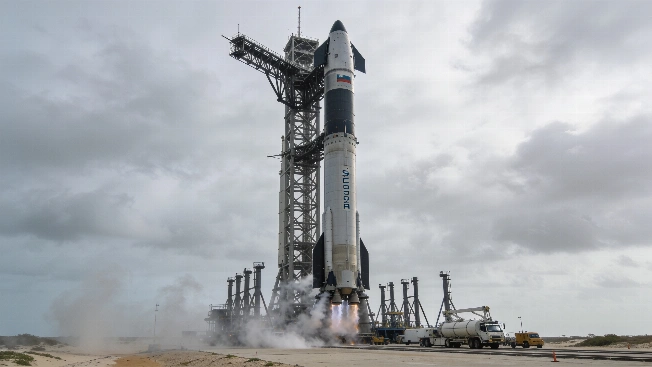
SpaceX Starship Test Aborted as Defense and Science Missions Advance
SpaceX's Starship Flight 13 test launch was halted seconds before liftoff, highlighting ongoing technical challenges as the company expands its role in US military and scientific space operations
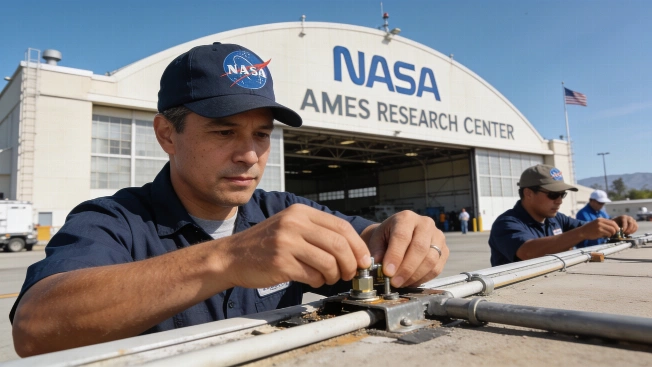
NASA Contracts Chugach for Ames Research Center Facility Operations
NASA has awarded Chugach Intelligence Solutions LLC a five-year contract to manage facility operations and maintenance, including repairs, at Ames Research Center in California, supporting its scientific missions and infrastructure needs
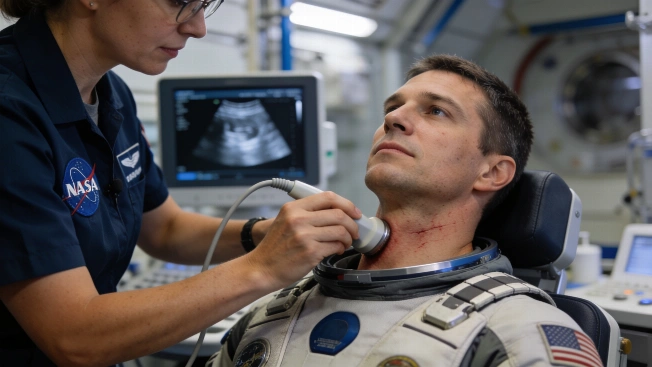
NASA Develops VTE Risk Algorithm for Astronauts on ISS Missions
NASA's medical office has established a new risk assessment algorithm for venous thromboembolism (VTE) in astronauts, following updated case reviews and in-flight blood-flow data from International Space Station missions.

Asteroid Apophis to Make Exceptionally Close Approach in 2029
Researchers have mapped the 2029 flyby of asteroid Apophis, predicting that up to 90% of Earth's population could see the object with the naked eye as it passes closer than many satellites, offering a rare opportunity for direct observation
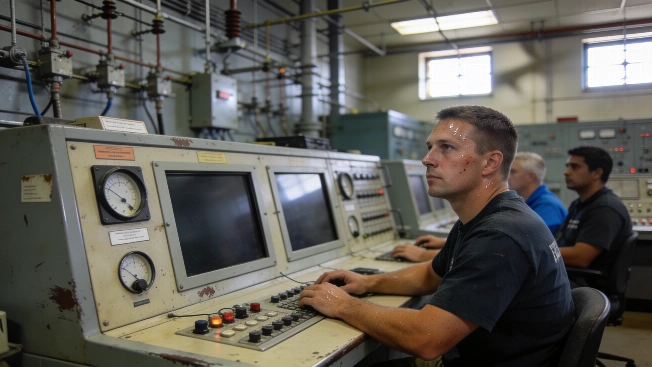
Extreme Solar Storms May Exceed Previous Impact Estimates
A new analysis of solar wind data suggests that the most powerful solar storms could cause greater geomagnetic disturbances on Earth than previously calculated, with implications for satellites and power grids
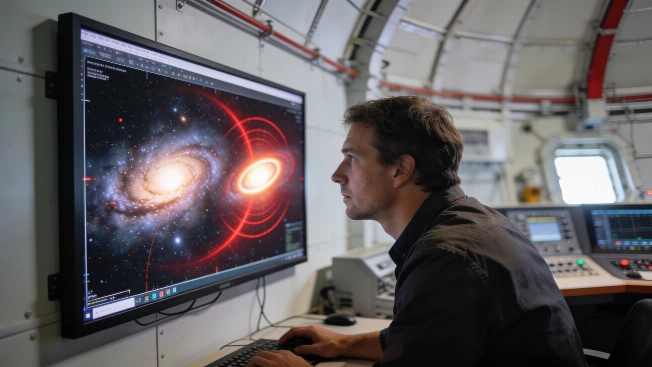
Webb Telescope Reveals Merging Young Galaxy Cluster 4.4 Billion Light-Years Away
NASA's James Webb Space Telescope has imaged galaxy cluster MACS J0553.4-3342 as it appeared 4.4 billion years ago, capturing two massive sub-clusters in the process of merging and showing the gravitational effects shaping distant galaxies
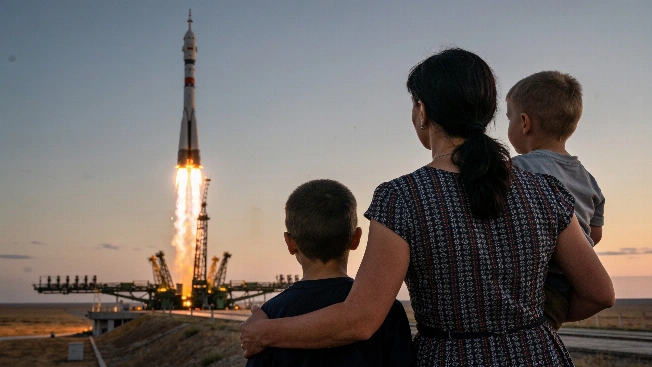
Soyuz MS-29 Launches NASA and Roscosmos Crew to Space Station
A Soyuz rocket has launched from Baikonur Cosmodrome, carrying NASA astronaut Anil Menon and Roscosmos cosmonauts Pyotr Dubrov and Anna Kikina to the International Space Station for a long-duration mission focused on scientific research
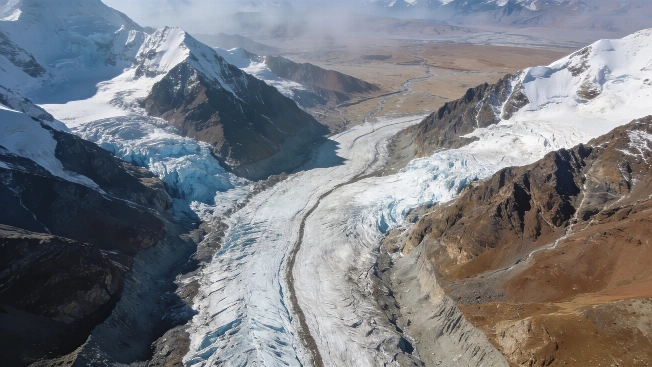
Glaciers Observed Flowing Down the Himalayas from Space
A NASA astronaut aboard the International Space Station captured detailed images of glaciers moving across the Himalayas, providing a rare perspective on the scale and dynamics of these ice flows as they descend toward the Tibetan Plateau
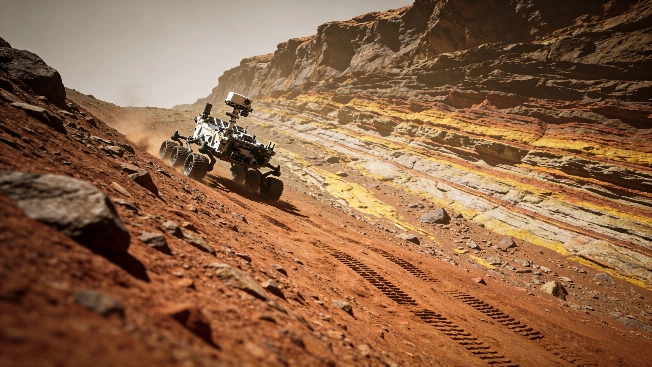
Perseverance Rover Images Ancient Martian Bedrock at Jezero Crater Rim
NASA's Perseverance rover has captured a detailed view of the Jezero Crater rim on Mars, revealing a thick sequence of ancient rocks. Recorded by the Mastcam-Z instrument, the scene offers new evidence about the planet's impact history and surface evolution.
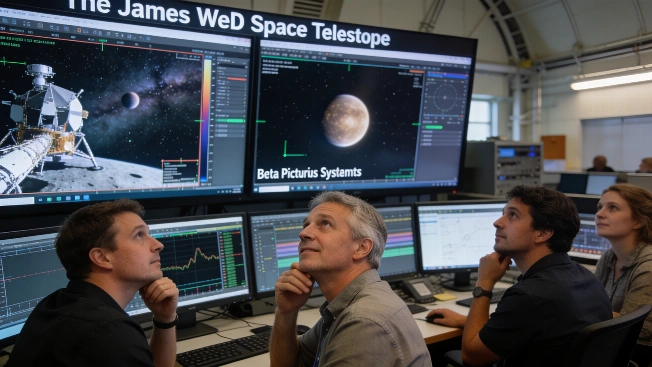
Webb Telescope Detects Hidden Giant Planet in Beta Pictoris System
The Beta Pictoris system contains three known giant exoplanets, while radio observations of β Pictoris b may offer clues to auroral activity and help investigate magnetic fields around distant planets.
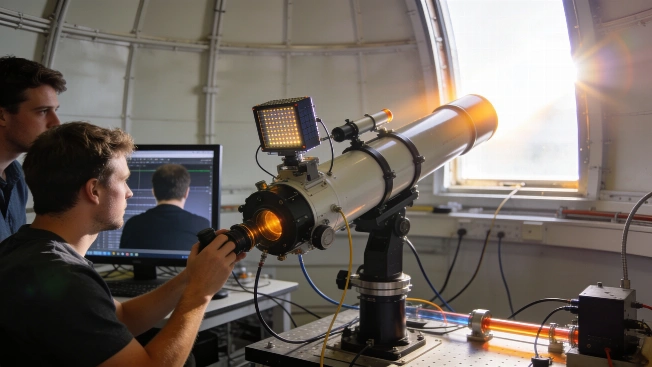
Metasurface Grating Demonstrates Compact Solar Magnetic Field Mapping
A polarization-sensitive metasurface grating has matched conventional instruments in mapping solar magnetic fields, offering a route to smaller, simpler, and potentially more robust hardware for future space-based solar telescopes
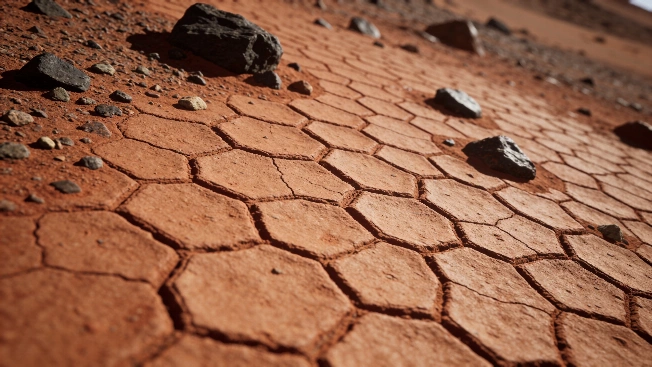
Curiosity Rover Images Unusual Honeycomb Patterns on Martian Surface
NASA's Curiosity rover has captured detailed images of a honeycomb-like texture on Mars, revealing polygonal surface patterns and scattered dark rocks. Scientists are investigating the origin of these features using in situ rover observations and orbital data
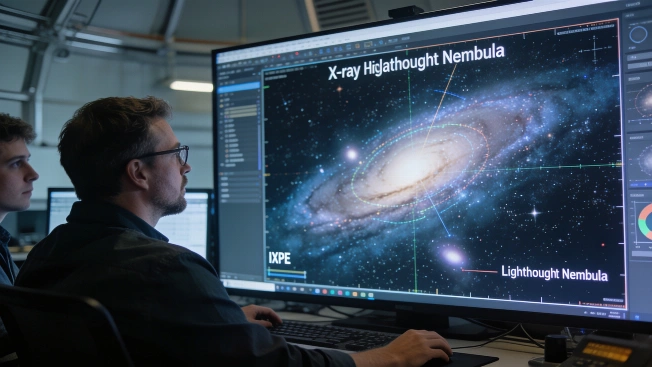
NASA's IXPE Maps Magnetic Field of Unusual Pulsar in Milky Way
Astronomers used NASA's Imaging X-ray Polarimetry Étudier to map the magnetic field around pulsar PSR J1101-6101, revealing how high-energy particles stream through the Milky Way and testing long-standing theoretical predictions.
Part 9 of 9