
Voyager Program
9 reportsQuestions raised by Voyager Program are explored through spacecraft health and long-distance communications, with separate attention to outer-planet observations. Before drawing conclusions about spacecraft health, readers can compare engineering milestones with released scientific results; the comparison must account for the fact that proposed schedules and capabilities may change during development.
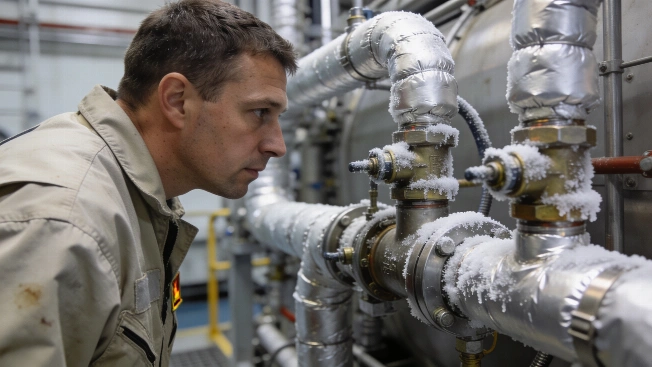
Hydrazine Freeze-Thaw Cycles Can Put NASA Hardware at Risk
NASA's technical guidance warns that repeated freeze-thaw exposure can rupture hydrazine plumbing, create slush blockages and reduce the service life of propulsion and auxiliary systems.
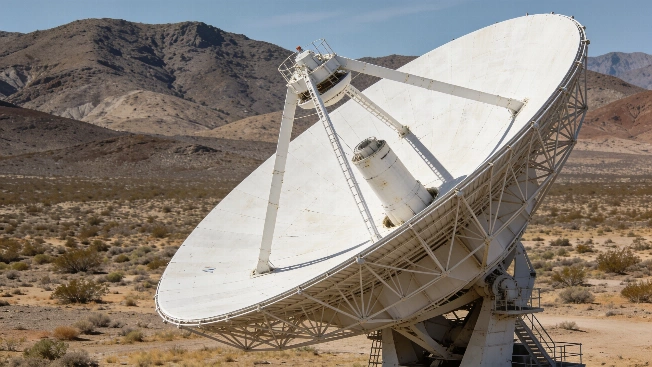
NASA adds new Goldstone antenna to expand deep space communications
NASA has activated a new 34 meter antenna at Goldstone to increase the Deep Space Network's capacity as Artemis and other missions strain existing communication infrastructure
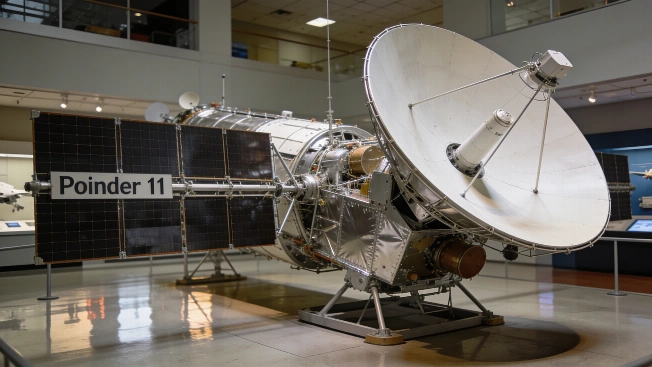
Pioneer 11's Saturn Flyby Tested the Limits of Deep Space Navigation
NASA's Pioneer 11 spacecraft became the first probe to traverse Saturn's rings in 1979, gathering data on the planet's moons, rings, and magnetic field while clearing the way for later missions to the outer solar system
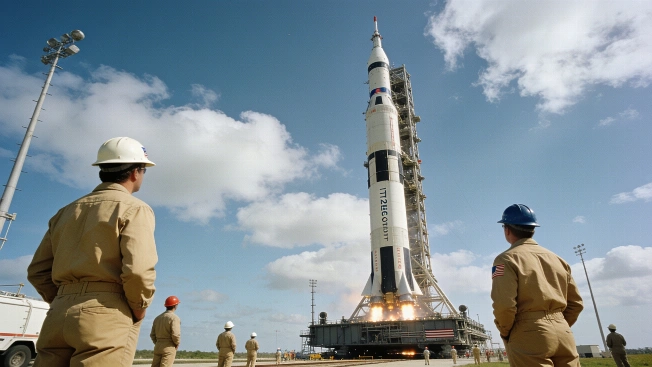
Voyager 2's Launch Opened the Outer Solar System to Exploration
NASA's Voyager 2 spacecraft began its journey to the outer planets on August 20, 1977, using a rare planetary alignment to visit Jupiter, Saturn, Uranus, and Neptune and extend humanity's reach into interstellar space
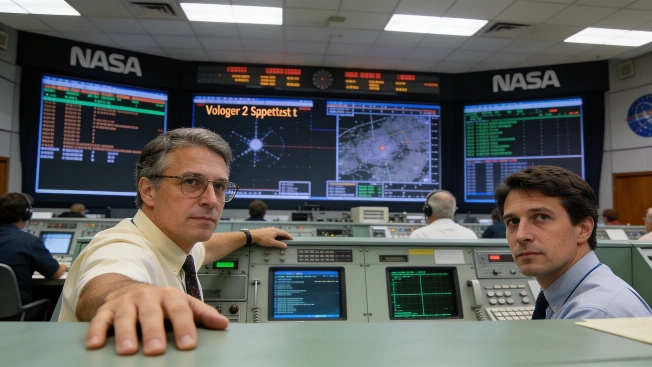
NASA Extends Voyager 2 Science With Power-Saving Maneuver
NASA engineers have implemented a new power management strategy on Voyager 2, allowing the spacecraft to continue collecting scientific data for at least another year as its nuclear power source declines
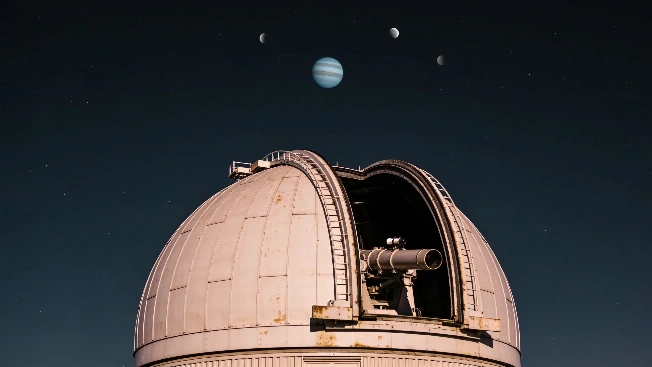
Neptune's Inner Moons May Preserve Debris From Ancient Ice Worlds
Infrared observations from the James Webb Space Telescope reveal unexpected clay minerals on two small Neptunian moons, supporting a debris-origin scenario while leaving the fate of their original ice unresolved
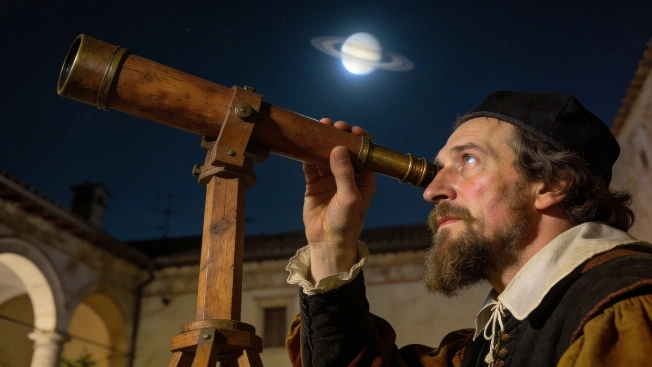
Galileo's 1610 Observation of Saturn's Rings Changed Planetary Science
In July 1610, Galileo Galilei used a newly invented telescope to observe Saturn, recording features that would later be identified as the planet's rings-a finding that reshaped our understanding of planetary systems
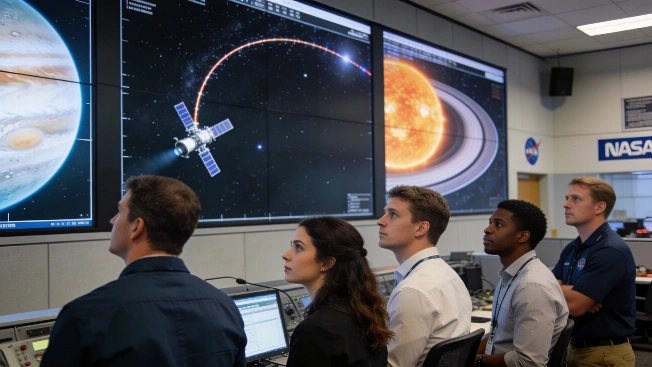
New Horizons Resumes Science at Solar System's Edge After Hibernation
NASA's New Horizons spacecraft has exited a 321-day hibernation and is now transmitting data from the outer solar system, preparing to study the boundary between the Sun's influence and interstellar space with advanced instruments
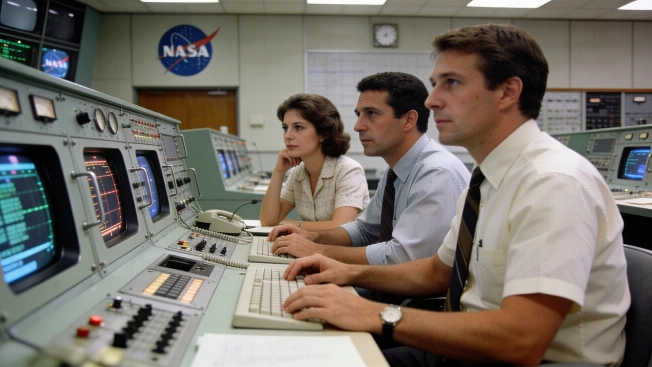
How NASA Langley Engineered the First Mars Landings
Fifty years after Viking 1 and 2 touched down on Mars, the engineering and mission design led by NASA's Langley Research Center remain central to how planetary landings are planned and executed across the solar system