
Nancy Grace Roman Space Telescope Mission
18 reportsCoverage of Nancy Grace Roman Space Telescope Mission examines archive-based discoveries, while also considering observing programs and instrument calibration. The account anchors instrument calibration in peer-reviewed mission results and uses telemetry to test whether the pattern extends beyond one dataset; any broad claim must allow for the fact that prelaunch goals must be separated from measurements actually returned.
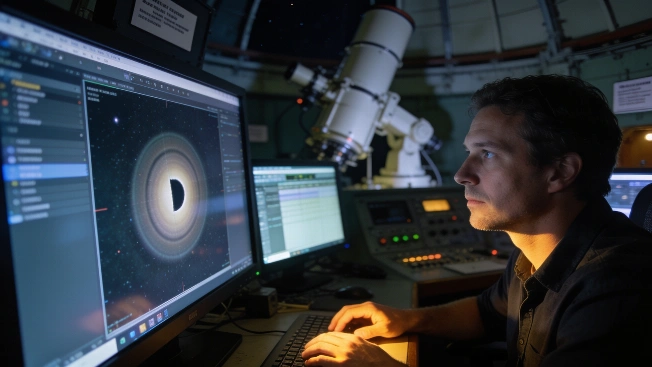
Youngest exoplanet yet found emerges from archival telescope data
Astronomers have identified Elias 2-24 b, the youngest known exoplanet, using direct imaging techniques and archival data from the Keck Observatory. The planet is less than a million years old and still sits within its birth disk.

Neil deGrasse Tyson releases Lost in Space, a new encyclopedia of the cosmos
Neil deGrasse Tyson and Lindsey Nyx Walker introduce Lost in Space, a 400-page National Geographic encyclopedia packed with thousands of facts, images, and profiles of planets, telescopes, and cosmic phenomena.
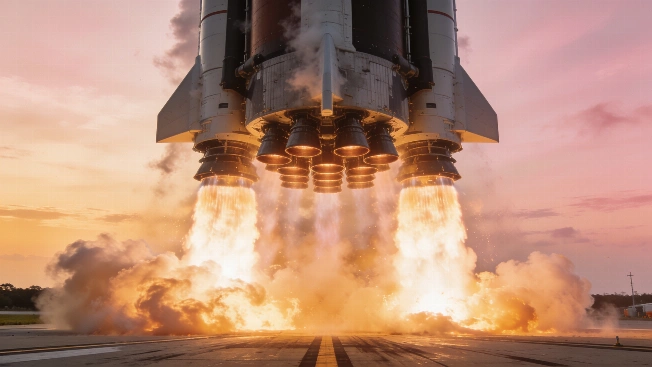
Falcon Heavy Launches NASA's Roman Telescope Toward Deep Space Science
SpaceX's Falcon Heavy rocket has launched NASA's Nancy Grace Roman Space Telescope, sending the observatory on a million-mile journey to its operational orbit beyond Earth
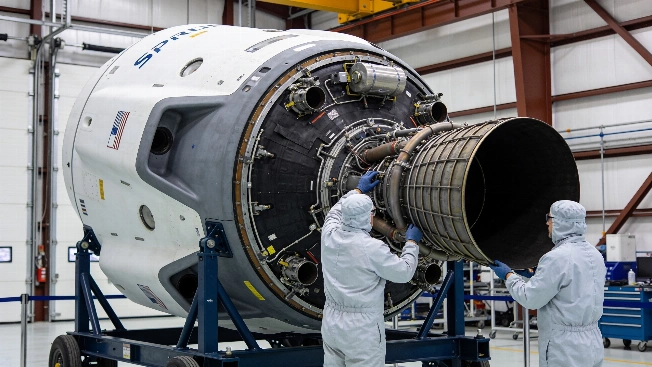
SpaceX Crew-13 Launch to ISS Delayed by Dragon Propulsion Leak
NASA and SpaceX have postponed the Crew-13 mission to the International Space Station after detecting an oxidizer leak in the Dragon spacecraft's propulsion system. The new launch date remains unconfirmed as teams investigate the issue
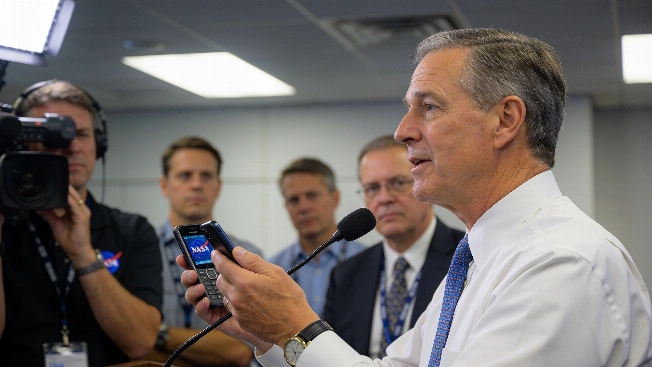
Roman Space Telescope Launch Draws Attention Amid Policy Reversal
NASA's Nancy Grace Roman Space Telescope launched successfully, marking a milestone for infrared astronomy after years of budget uncertainty and political debate over its funding and future
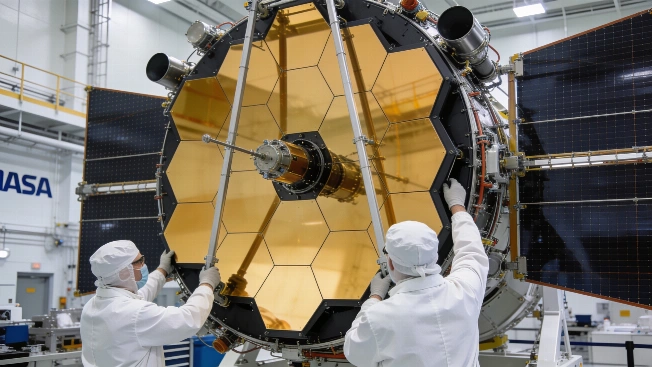
Nancy Grace Roman Space Telescope Prepares for Launch and Legacy
NASA's Nancy Grace Roman Space Telescope, named for the agency's first chief astronomer, is nearing launch. The mission aims to investigate dark matter, dark energy, and exoplanets with advanced infrared instruments

Nancy Grace Roman's Legacy: The Astronomer Who Shaped NASA's Vision
As NASA prepares to launch the Nancy Grace Roman Space Telescope, the story of its namesake-pioneering astronomer and the agency's first chief of astronomy-offers insight into the evolution of space science and the people who shaped it
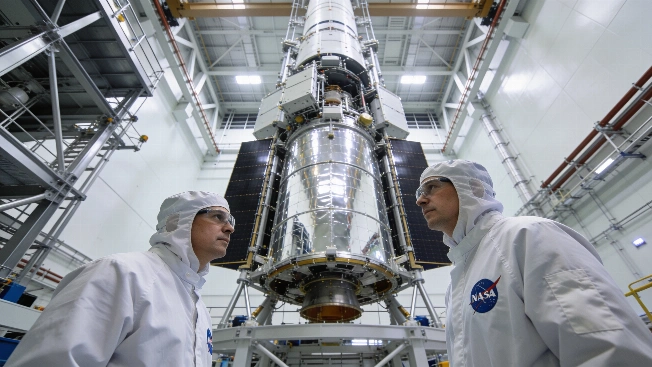
NASA's Roman Space Telescope Set for Launch to Map Distant Cosmos
NASA's Nancy Grace Roman Space Telescope is scheduled to launch from Florida, aiming to investigate exoplanets, dark matter, and distant galaxies with a wide-field infrared observatory. Its first science images are not expected until 2027
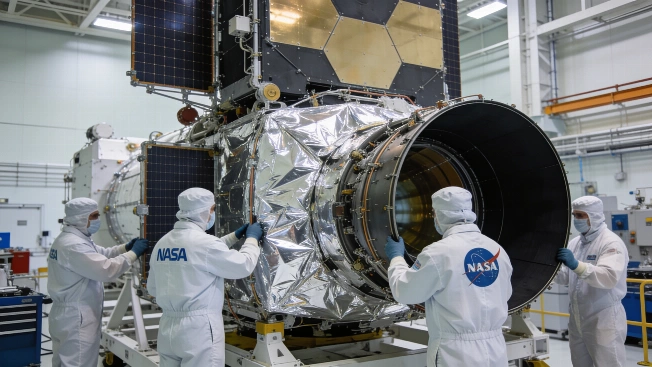
NASA's Roman Space Telescope Nears Launch After Budget Uncertainty
NASA's Nancy Grace Roman Space Telescope is set for launch after nearly two decades of development, overcoming a threatened cancellation and major funding cuts to become the agency's next flagship observatory for dark energy, exoplanets, and cosmic structure
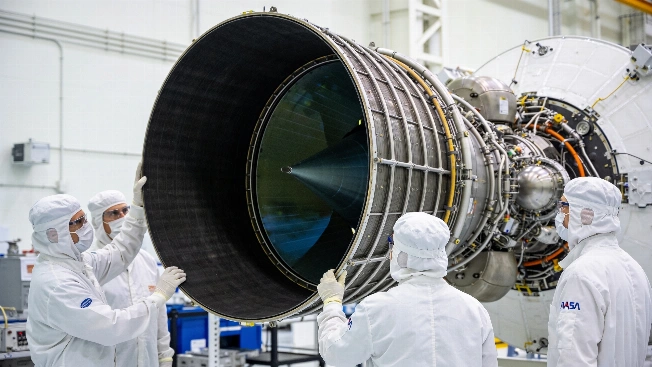
NASA's Roman Space Telescope Targets Dark Energy and Exoplanets
NASA's Nancy Grace Roman Space Telescope, set for launch in 2026, will use infrared instruments to investigate dark energy, dark matter, and exoplanets from a stable orbit 1.5 million kilometers from Earth
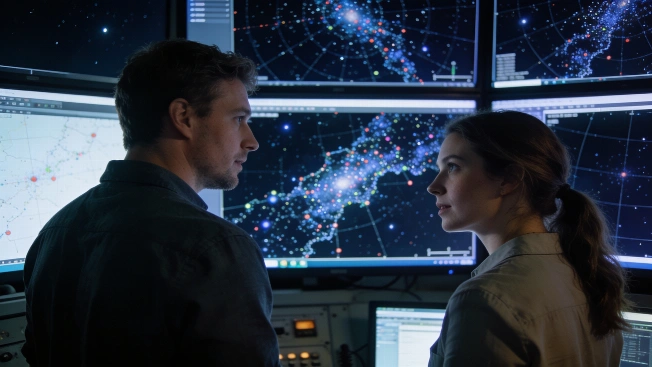
Astronomers Map 4 Billion Cosmic Objects in Largest 2D Sky Survey
A new 2D map of the universe, built from 13 years of ground and space-based observations, catalogs 4 billion stars, galaxies, and other objects, offering an unprecedented resource for future astronomical research
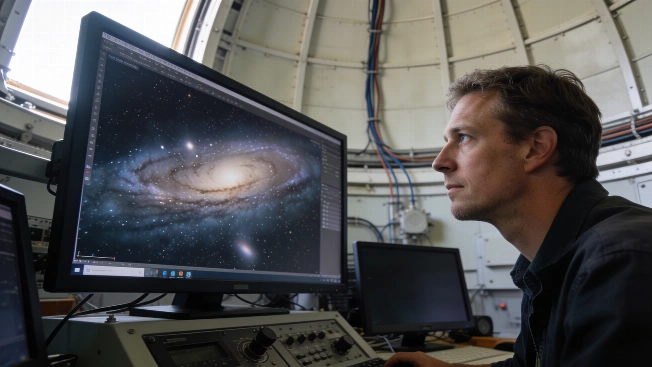
Hubble Data Links Andromeda's Star Formation Slowdown to Nearby Galaxy
Astronomers using the Hubble Space Telescope have mapped a sharp decline in star formation across the Andromeda galaxy, with evidence pointing to gravitational influence from its smaller neighbor, M32
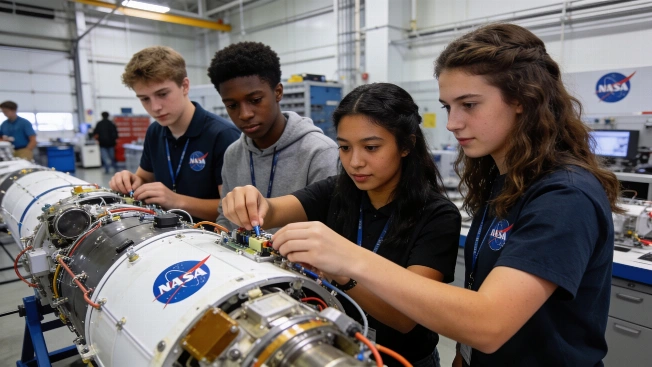
NASA Expands Student Access to Space Missions and STEM Careers
NASA is opening new opportunities for students to participate in authentic mission experiences, technical career exploration, and citizen science, as the agency prepares for major launches and ongoing lunar and space station operations
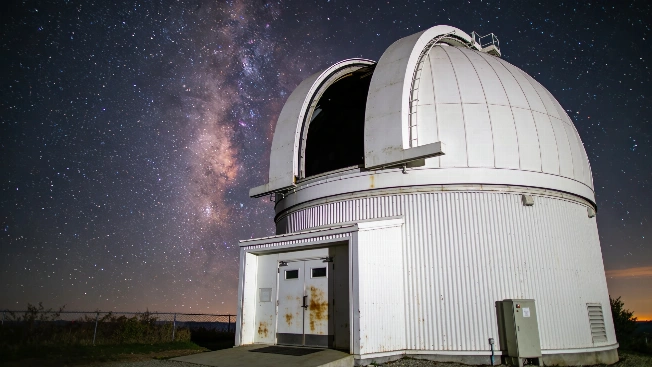
Hubble Finds Andromeda's Star Formation Is Winding Down
A Hubble analysis of about 200 million stars shows Andromeda has sharply reduced its star-making rate over the past 500 million years, while NASA's Roman telescope prepares to map the galaxy more completely
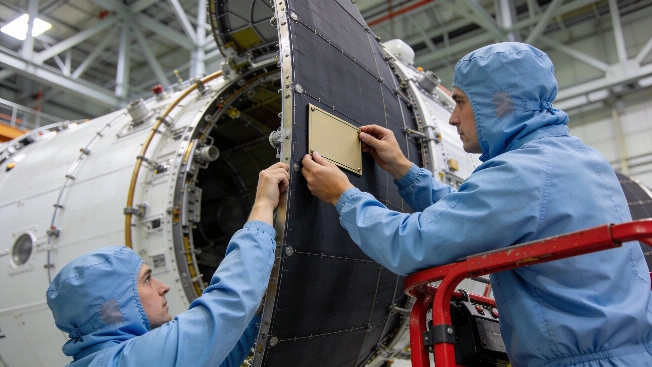
NASA's Roman Telescope Will Carry 1.35 Million Names to L2
A memory card carrying 1,350,144 names has been mounted on NASA's Nancy Grace Roman Space Telescope ahead of its planned launch to an orbit about one million miles from Earth
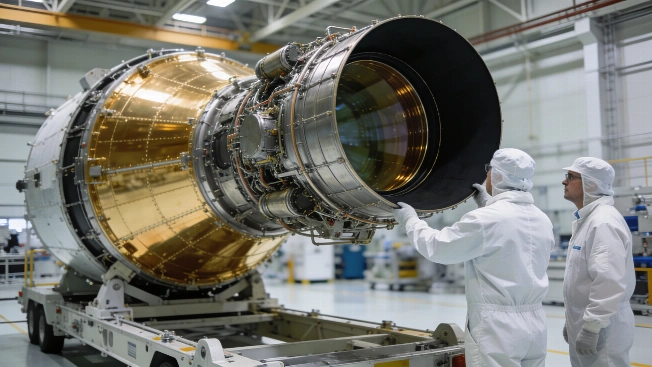
NASA Prepares Roman Space Telescope for Early Launch to L2 Orbit
NASA's Nancy Grace Roman Space Telescope is set for launch on August 30, aiming to deliver wide-field infrared surveys and exoplanet imaging from a stable orbit beyond the Moon
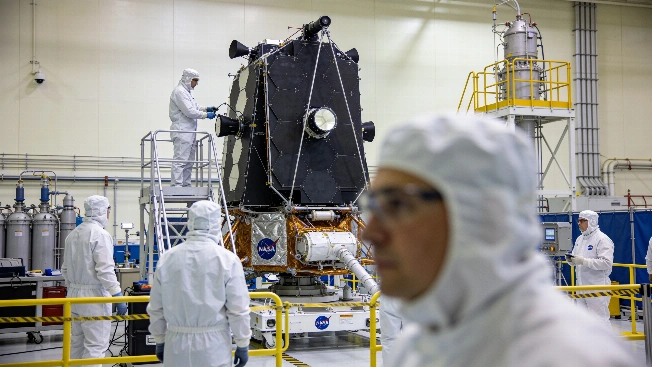
NASA Prepares Roman Space Telescope for 2026 Launch to L2 Orbit
NASA has fueled the Roman Space Telescope, a next-generation infrared observatory scheduled for launch in August 2026, aiming to collect hundreds of terabytes of cosmic data annually and expand studies of dark matter, dark energy, and exoplanets
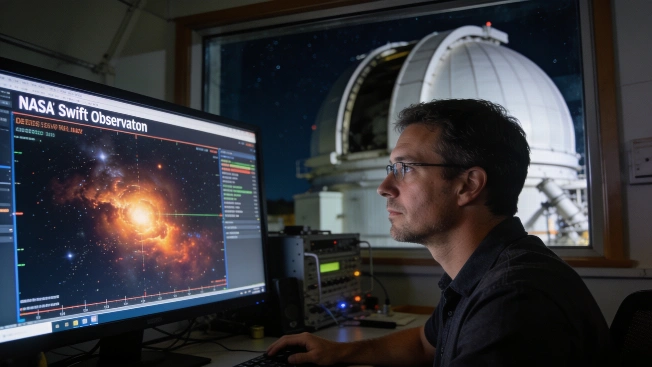
Swift Observatory Detects Black Hole Consuming Star Far From Galaxy Core
NASA's Swift Observatory has observed a rare tidal disruption event caused by a supermassive black hole devouring a star on the outskirts of a distant galaxy, challenging assumptions about where such events occur