
Spacecraft and Rovers - Part 2
88 reports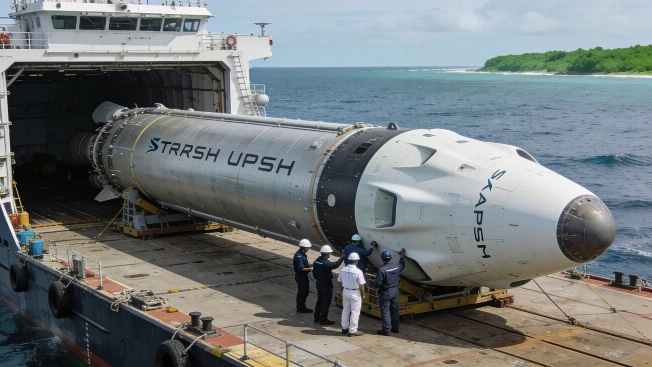
SpaceX Recovers Starship Upper Stage After Indian Ocean Splashdown
SpaceX has retrieved the Starship upper stage from the Indian Ocean following its Flight 13 test, enabling engineers to examine the vehicle's heat shield and structural integrity after a rare intact splashdown
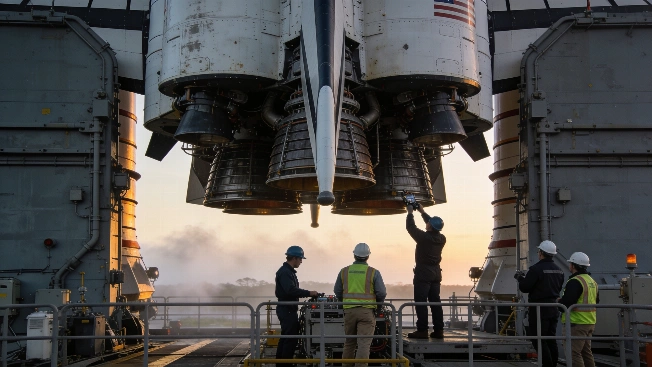
SpaceX to Retire Falcon 9 as Starship Nears Operational Status
SpaceX has announced plans to phase out its Falcon 9 rocket once the Starship launch system achieves reliable, frequent operations. The transition could reshape commercial launch access and mission planning for years to come.
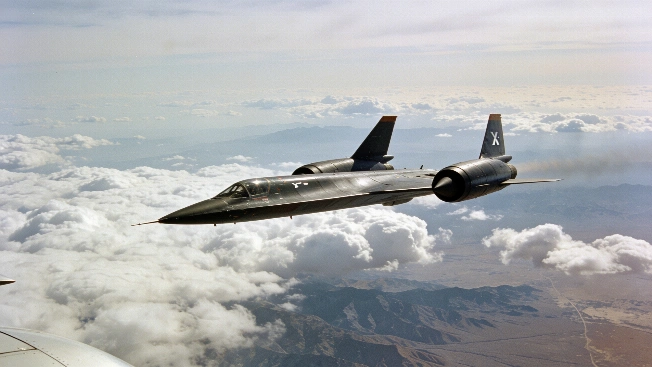
X-15 Rocket Plane Sets 1963 Altitude Record Above Kármán Line
On August 22, 1963, the X-15 rocket plane piloted by Joe Walker reached an altitude exceeding 108 kilometers, providing rare data on hypersonic flight and spacecraft reusability during a defining period for space research.
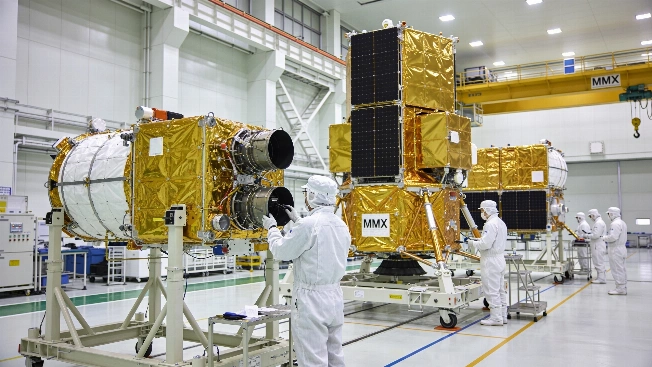
Japan Prepares MMX Spacecraft for Mars Moon Sample Return Launch
Japan has unveiled its MMX spacecraft, scheduled to launch on October 19, 2026, to collect and return samples from Mars' moon Phobos. The mission will test sample-return technology and address basic questions about the origins of Mars' moons.
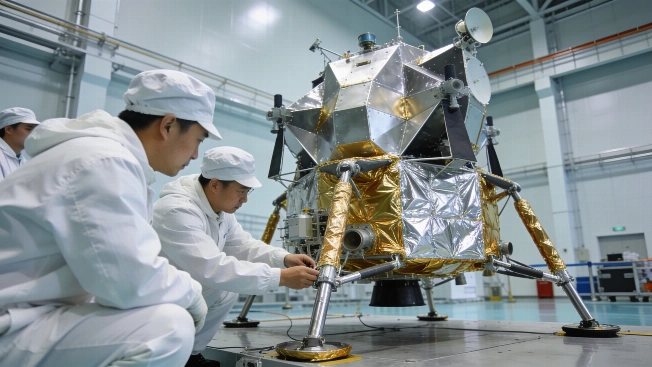
China Prepares Chang'e 7 for Complex Lunar South Pole Mission
China's Chang'e 7, now expected to launch in 2027 after a 2026 postponement, will send an orbiter and lander, plus a rover and hopper, to investigate the Moon's south pole, targeting water ice and testing new navigation and international science payloads.
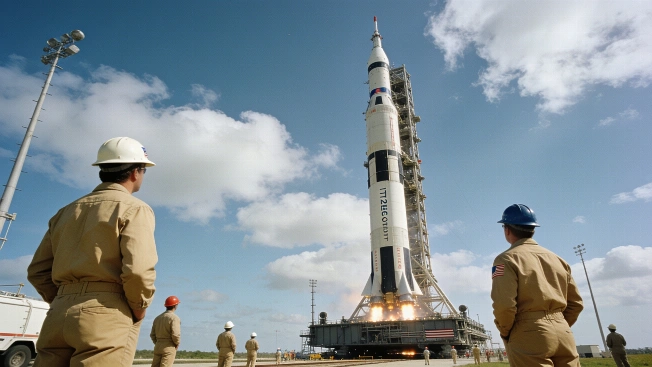
Voyager 2's Launch Opened the Outer Solar System to Exploration
NASA's Voyager 2 spacecraft began its journey to the outer planets on August 20, 1977, using a rare planetary alignment to visit Jupiter, Saturn, Uranus, and Neptune and extend humanity's reach into interstellar space.
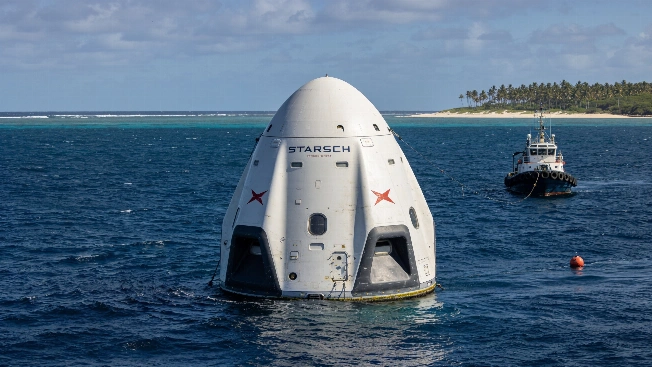
SpaceX Starship Upper Stage Recovered Intact After Indian Ocean Splashdown
SpaceX's Starship Ship 40, which completed a controlled splashdown in the Indian Ocean after its July test flight, has been towed to calmer waters near Christmas Island for engineering analysis.
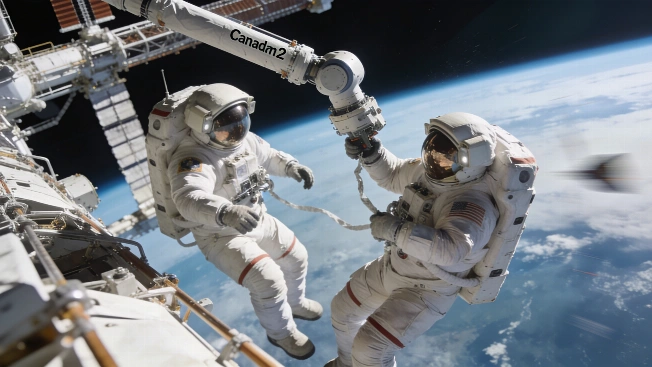
ISS Spacewalk Removes Failed Antenna but Replacement Delayed
NASA astronaut Anil Menon and ESA astronaut Sophie Adenot removed a nonfunctional antenna from the International Space Station during a six-hour spacewalk, but time constraints postponed installation of the replacement hardware.
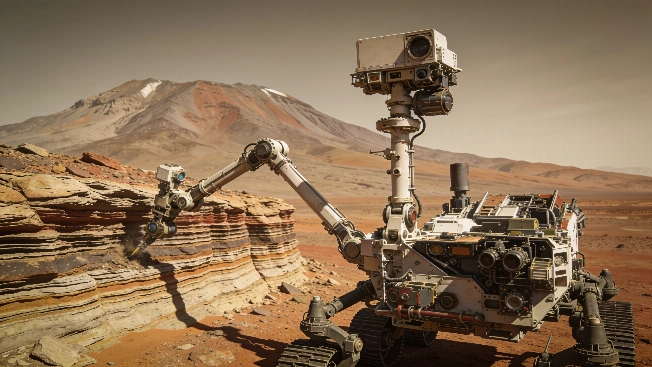
Curiosity Marks 14 Years on Mars with New Rock Layer Analysis
NASA's Curiosity rover has reached its 14th anniversary on Mars, continuing its ascent of Mount Sharp with detailed rock and environmental measurements using its suite of scientific instruments
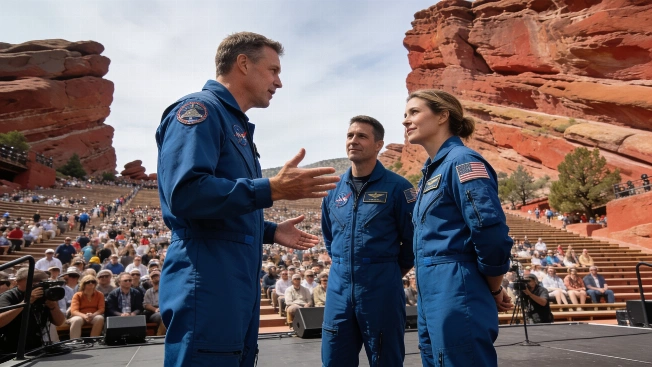
Artemis II Astronauts Reflect on Orion's Moon Mission and Next Steps
NASA's Artemis II crew discussed their 10-day lunar flyby and Orion spacecraft performance, along with challenges facing upcoming missions, at a public event in Colorado. They highlighted technical lessons and international collaboration.
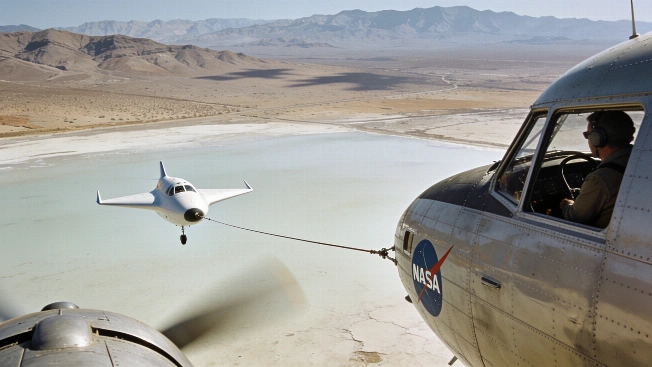
NASA's M2-F1 Lifting Body Demonstrates Controlled Glide Landing in 1963
NASA's M2-F1 prototype, a wingless lifting body aircraft, made its first unpowered glide flight on August 16, 1963, offering early evidence that spacecraft could return to Earth with controlled landings instead of ballistic descent
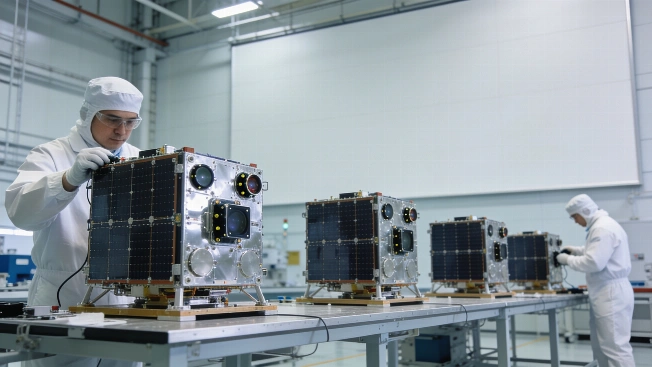
Astranis Unveils Perceptor Satellites to Track Activity in Geostationary Orbit
Astranis has announced the development of Perceptor satellites designed to monitor and analyze spacecraft movements in geostationary orbit, a region increasingly impressive for communications and national security.
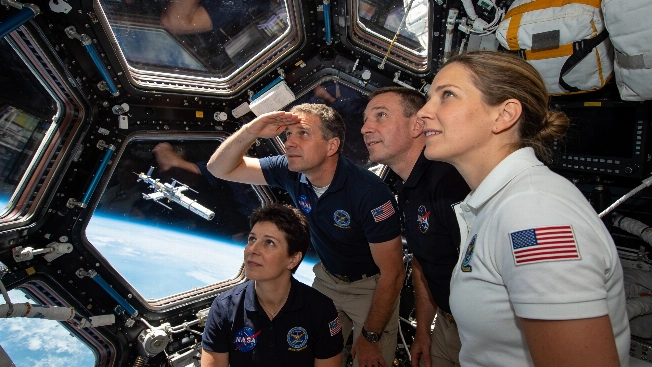
Space Station Research Advances Artemis Moon and Mars Missions
NASA's International Space Station experiments in 2026 are testing technologies and studying astronaut health to support future Artemis missions to the Moon and Mars, with new results informing spacecraft design and deep space exploration.
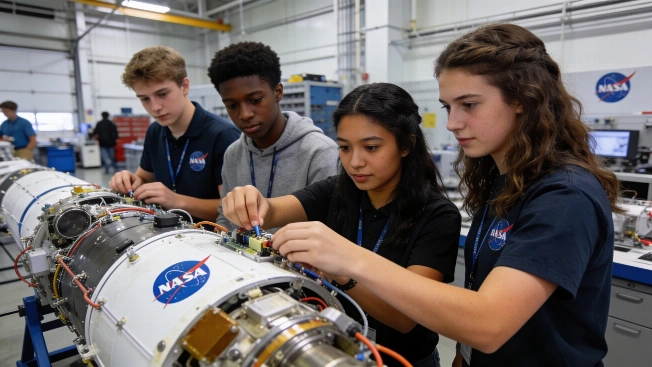
NASA Expands Student Access to Space Missions and STEM Careers
NASA is expanding opportunities for students to join mission experiences and explore technical careers, while contributing to citizen science as the agency prepares for major launches and ongoing lunar and space station operations.
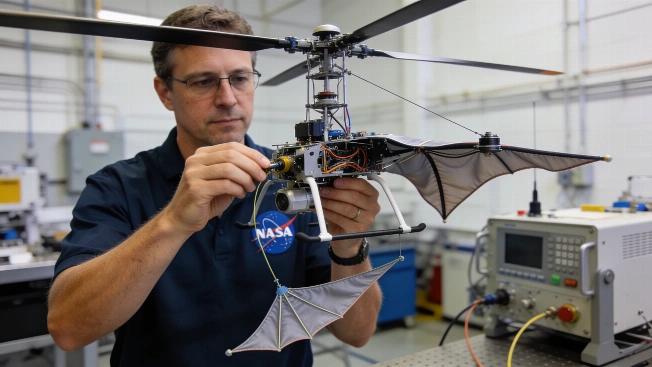
NASA's SkyFall Mars Helicopters to Map Subsurface Ice with Flexible Radar
NASA's upcoming SkyFall mission will deploy three mini helicopters to Mars, each equipped with a lightweight, flexible radar antenna designed to detect shallow subsurface ice deposits inaccessible to orbiting spacecraft.
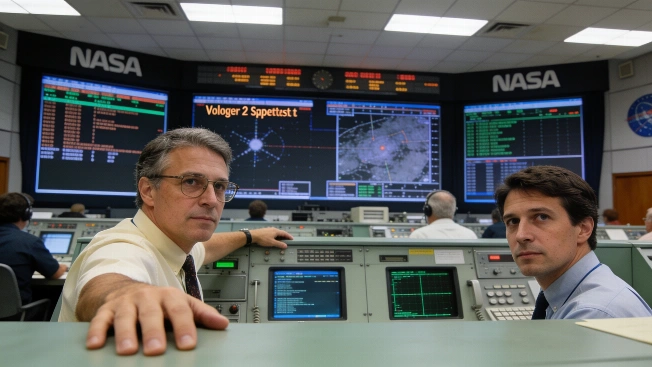
NASA Extends Voyager 2 Science With Power-Saving Maneuver
NASA engineers have implemented a new power-management strategy on Voyager 2, allowing the spacecraft to continue collecting scientific data for at least another year as its nuclear power source declines.
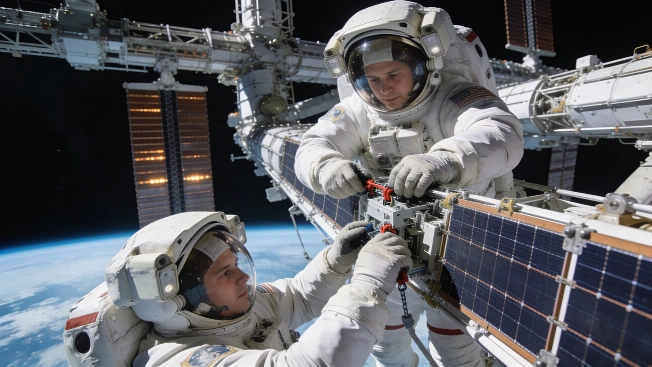
NASA Astronauts Complete Spacewalk to Prepare ISS for Solar Array Upgrade
NASA astronauts Anil Menon and Joshua Kutryk are scheduled to make two spacewalks on October 29 and November 5, 2026, to install the station’s final roll-out solar arrays and complete its power-system upgrades.
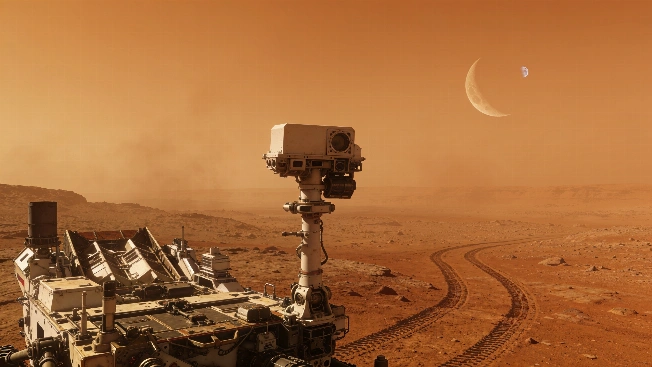
Perseverance Rover Captures Earth Passing Behind Mars' Moon Phobos
NASA's Perseverance rover recorded a rare occultation, imaging Earth as it briefly disappeared behind Mars' innermost moon, Phobos, with its Mastcam-Z camera system.
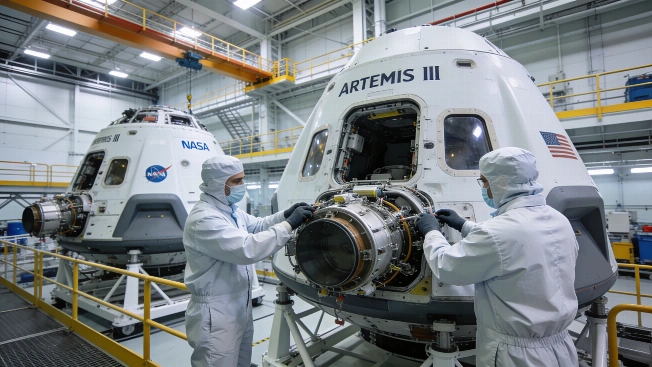
NASA Joins Artemis III Orion Crew and Service Modules for Lunar Mission
Technicians at Kennedy Space Center have integrated the Orion crew and service modules for Artemis III, a basic key stage ahead of the mission to test rendezvous and docking with lunar landing systems in low Earth orbit.
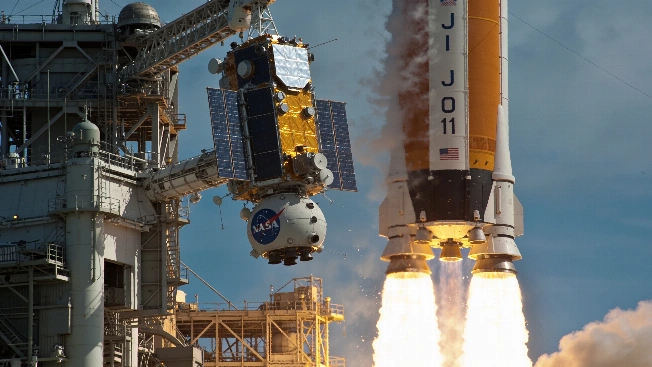
NASA's Juno Mission Transformed Jupiter Science After 2011 Launch
NASA's Juno spacecraft, launched in 2011 aboard an Atlas V rocket, reached Jupiter in 2016 and has since delivered unprecedented data and images, reshaping our understanding of the giant planet's atmosphere, magnetic field, and moons.
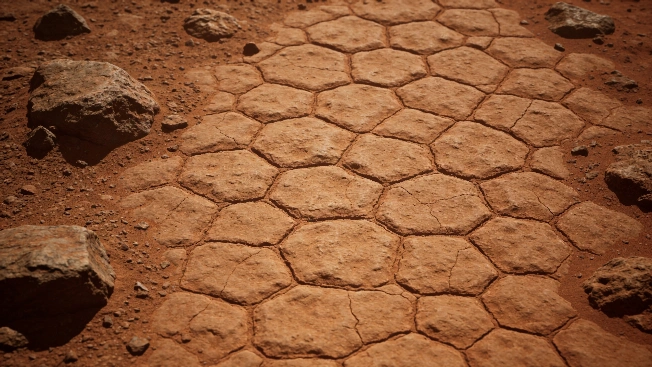
Curiosity Rover Detects Extensive Polygon Patterns in Martian Valley
NASA's Curiosity rover is reported to have imaged a vast field of honeycomb-like polygonal fractures in Mars' Valle Grande, raising questions about the planet's surface processes and past water activity. The available NASA record does not independently confirm the specific observation.
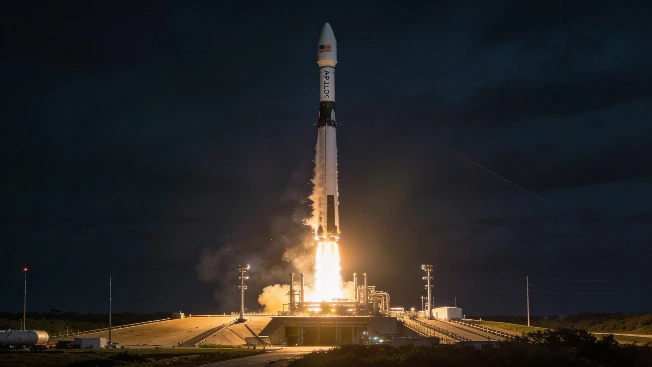
SpaceX Launches Three BlueBird Satellites for Direct-to-Cell Network
A Falcon 9 rocket deployed three AST SpaceMobile BlueBird satellites from Cape Canaveral, expanding a low Earth orbit constellation designed to deliver broadband directly to standard smartphones.
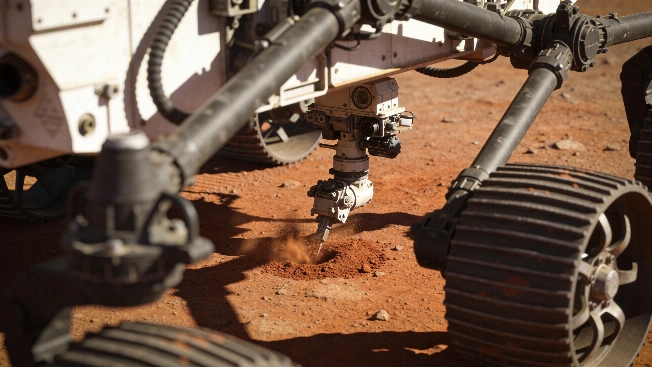
Spirit Rover Data Reveals Widespread Ancient Water Activity on Mars
A new analysis of NASA's Spirit rover data has identified crystalline hematite and altered magnetite in Martian soil, supporting the view that liquid water once shaped large regions of Mars
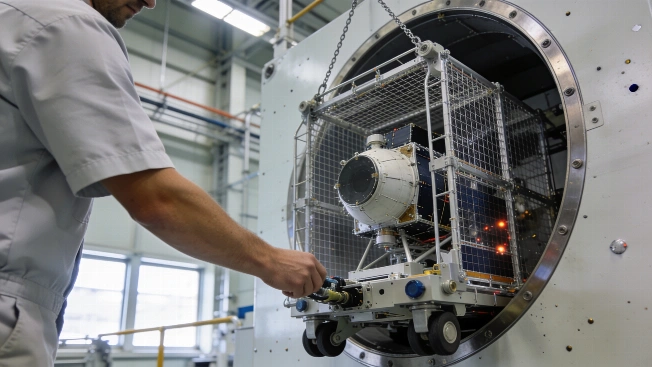
Why Real Space Salvage Cannot Work Like Hardspace: Shipbreaker
Hardspace: Shipbreaker turns derelict spacecraft into profitable scrap, but ESA's ClearSpace-1 shows why real debris removal must keep targets intact and under control, from stabilization through reentry
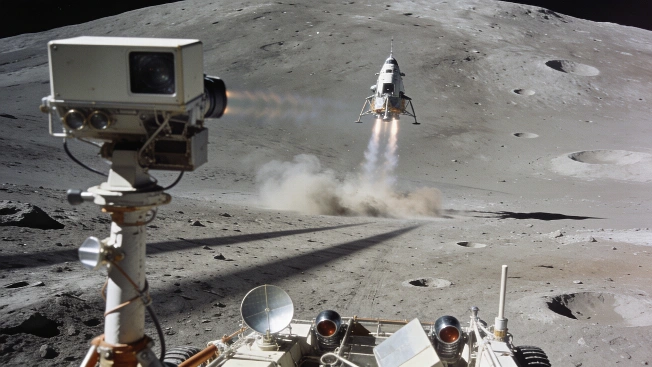
Apollo 15's Moon Liftoff Became Television's First From Another World
On Aug. 2, 1971, Apollo 15 transmitted the first live television view of a spacecraft leaving the moon, using a rover-mounted camera that revealed both the mission's ingenuity and its limits
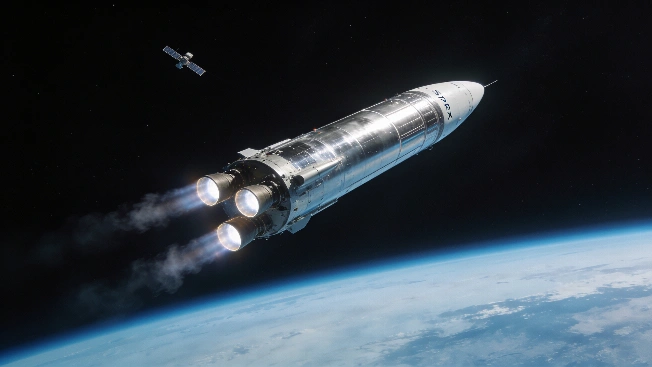
Starship Captured on Video by a Starlink V3 Satellite
A camera-equipped Starlink V3 satellite recorded SpaceX's Starship upper stage after Flight 13, offering an unusual view of the vehicle in space, including its engines and thrusters after separation
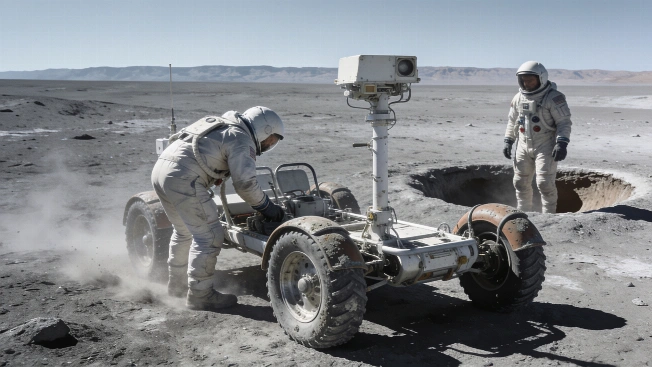
Apollo 15's Lunar Rover Turned Moonwalking Into Exploration
Apollo 15's Lunar Roving Vehicle gave astronauts their first way to travel extensively across the moon's surface, extending scientific exploration beyond the immediate landing site in July 1971.
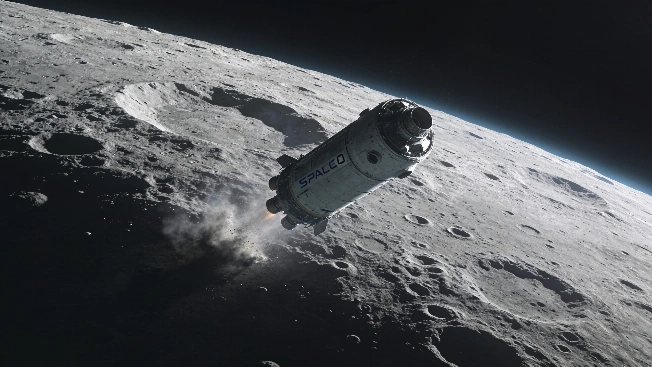
SpaceX Rocket Stage to Impact Moon, Raising New Scientific Questions
A spent SpaceX Falcon 9 upper stage has struck the lunar surface, giving researchers a rare chance to observe artificial impacts on the Moon with telescopes and orbital instruments.
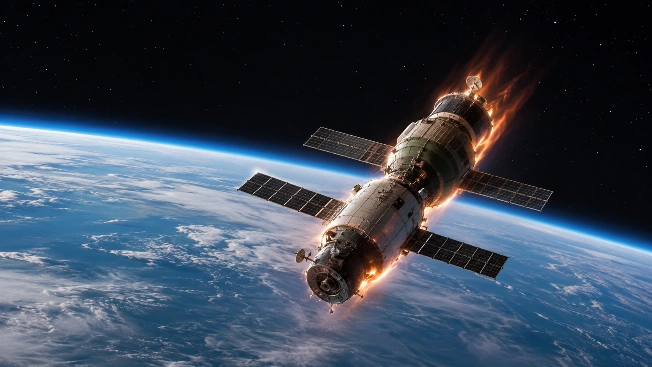
Salyut 6 Space Station Deorbited After Five Years in Orbit
The Soviet Salyut 6 space station, operational since 1977, was deliberately deorbited on July 29, 1982, after supporting multiple long-duration missions and pioneering space station technologies.
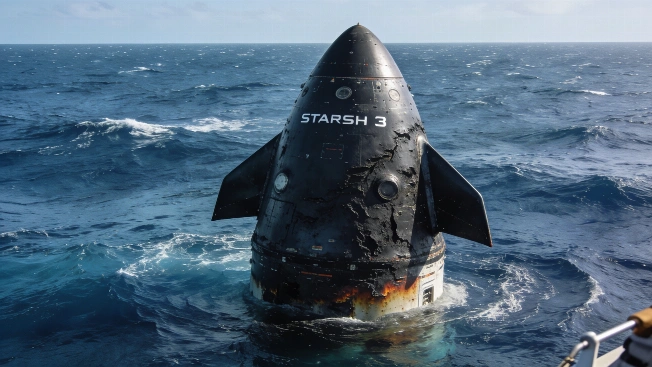
SpaceX Starship Remains Afloat in Indian Ocean After Test Splashdown
SpaceX's Starship Version 3 upper stage was photographed floating intact in the Indian Ocean five days after its July 24 flight test, offering a rare look at the vehicle's post-splashdown condition and raising questions about rapid reusability
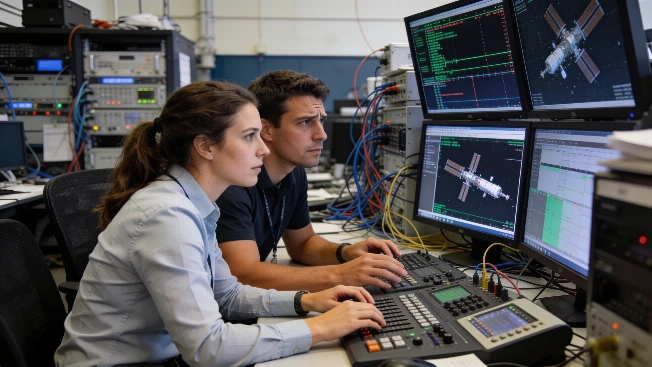
NASA's Swift Boost Mission Faces Setback After Spacecraft Malfunction
NASA's Swift Boost mission, launched to extend the life of the Neil Gehrels Swift Observatory, has encountered a critical control issue with its LINK spacecraft, raising uncertainty about the planned orbital rescue operation
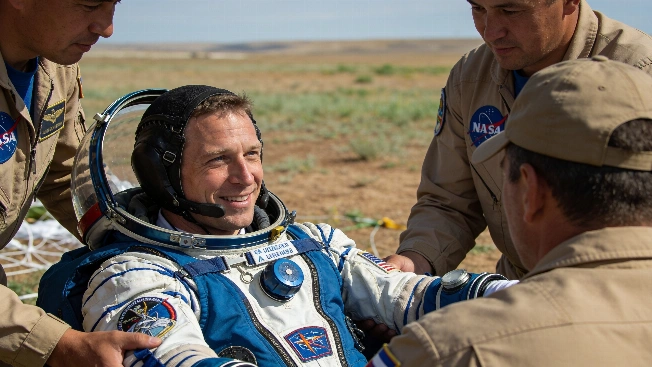
NASA Astronaut Chris Williams Completes First ISS Mission After Eight Months
NASA astronaut Chris Williams has returned to Earth after eight months aboard the International Space Station, where he supported scientific research and technology upgrades during Expedition 74.
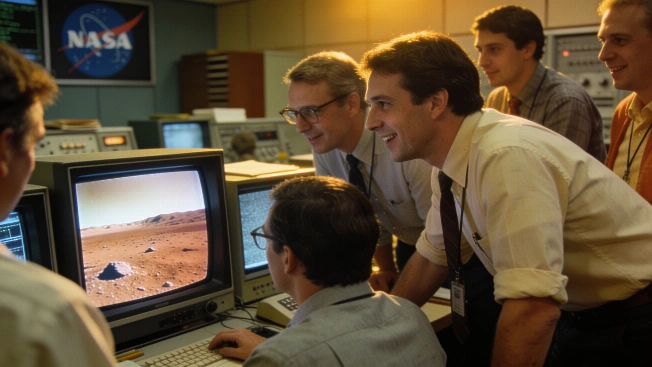
Viking 1's First Mars Surface Image Revisited on 50th Anniversary
NASA has released the original images captured by Viking 1 after its 1976 Mars landing, offering a detailed look at the Red Planet's surface and the mission's scientific legacy.
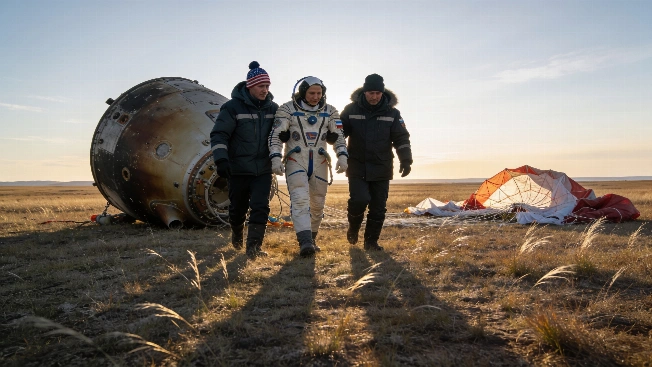
Soyuz MS-28 to Return NASA and Roscosmos Crew from ISS July 26
NASA astronaut Chris Williams and Roscosmos cosmonauts Sergey Kud-Sverchkov and Sergei Mikaev returned from the International Space Station aboard Soyuz MS-28, which landed in Kazakhstan on July 26.
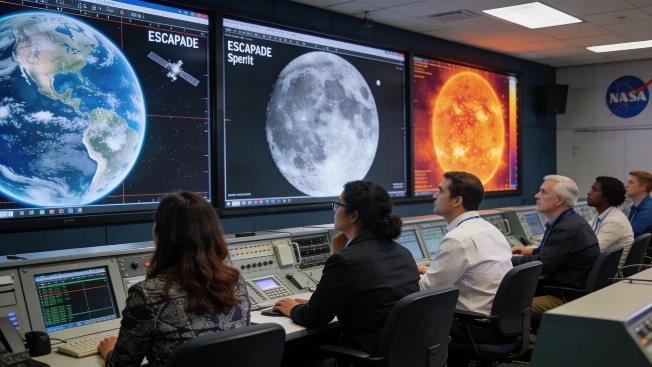
NASA's ESCAPADE Spacecraft Captures Earth and Moon in Dual Light
NASA's ESCAPADE mission has imaged Earth and the Moon in visible and thermal infrared light, offering a rare chance to calibrate its cameras as the spacecraft prepare for their journey to Mars.
Part 2 of 3