
Machine Learning - Part 3
96 reports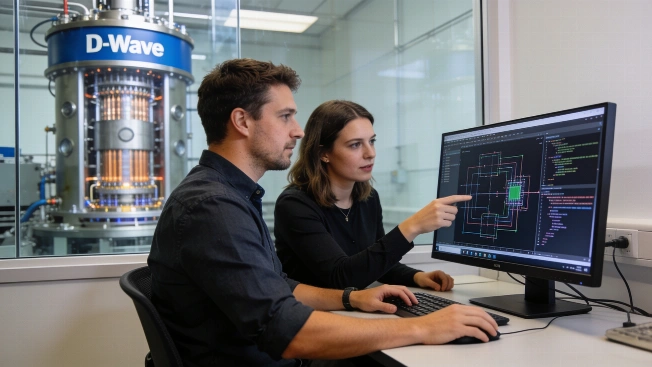
D-Wave Receives NRC Grant to Develop Quantum Annealing Software
D-Wave Quantum Inc. has secured up to CAD $300,000 from Canada's National Research Council to develop graph-embedding algorithms and open-source tools for its quantum annealing hardware, aiming to tackle more complex commercial improvement tasks.
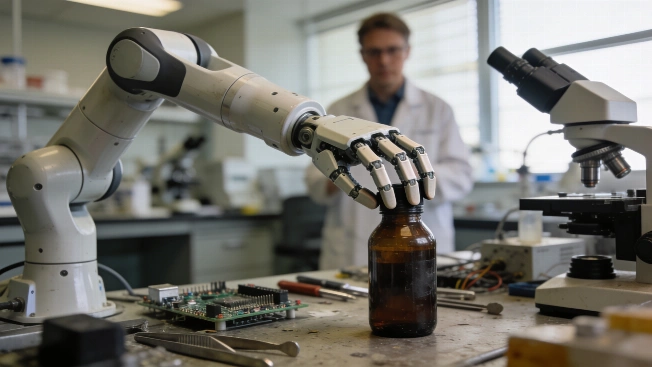
Dyna Robotics Tests DYNA-2 Robot Model Trained on Human Video
Dyna Robotics has introduced DYNA-2, a robot foundation model trained on more than one million hours of human egocentric video. The model aims to improve robot learning for physical tasks without relying on robot action data.
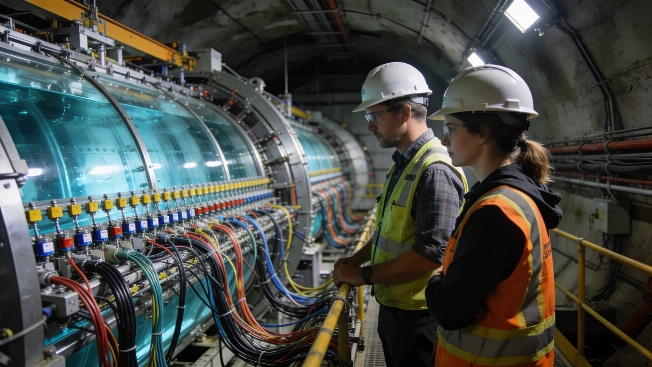
AI Systems Tested for Real-Time Neutrino Detection at DUNE
Researchers at the Deep Underground Neutrino Experiment are developing machine-learning tools to process vast amounts of detector data and identify rare neutrino events, while monitoring system health to improve the speed and reliability of particle physics research.
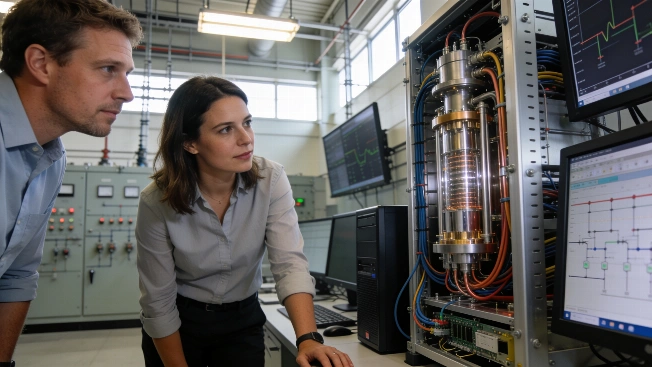
Quantum Hardware Tested for Grid Security Under AFRL Contract
Eaton, Infleqtion and Penn State will develop and test hybrid quantum-classical algorithms on specialized quantum hardware to analyze complex threats facing electrical grids and support responses under a $7 million U.S. Air Force Research Laboratory contract.
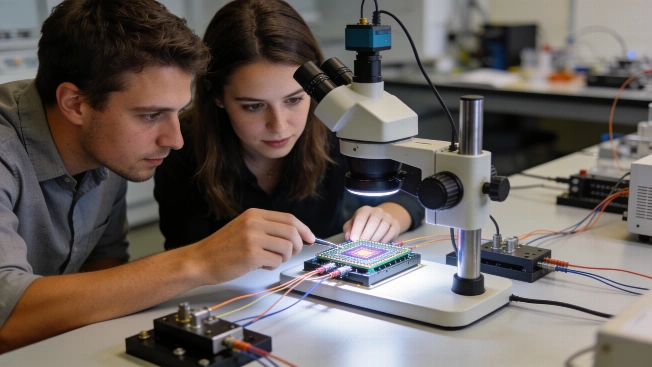
Xanadu Expands US Quantum Operations Amid Hardware and Algorithm Gains
Xanadu Quantum Technologies reported progress in photonic quantum hardware and algorithm development, alongside US expansion, a stronger cash position and increased investment in fabrication and engineering.
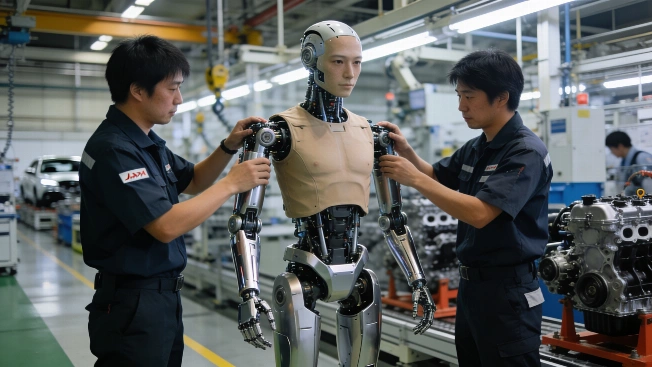
Mitsubishi to Build 1,000 Humanoid Robots Monthly at Kyoto Plant
Mitsubishi Motors and Highlanders plan to mass-produce AI-enabled humanoid robots for industrial automation at a repurposed Kyoto facility, targeting up to 1,000 units per month by early 2027, with initial deployment on engine assembly lines.
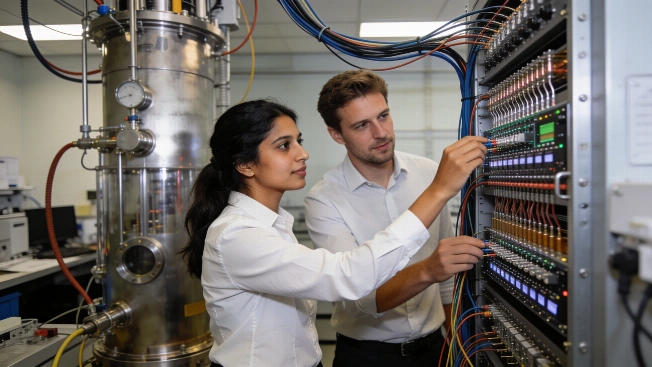
Australia-Japan Quantum Partnership Grants Direct Access to Fujitsu Systems
Fujitsu, Monash University, and CSIRO have launched a partnership to accelerate quantum application research, providing Australian researchers and students with direct access to Fujitsu's quantum systems and simulators in Japan
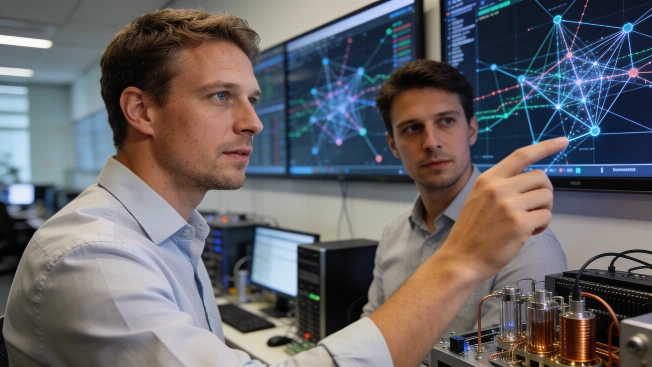
D-Wave and Nasdaq Verafin Test Quantum-Hybrid Models for Financial Crime
D-Wave Quantum Inc. and Nasdaq Verafin have launched a proof of concept to assess quantum-hybrid algorithms for detecting complex financial crime patterns using quantum annealing hardware to analyze multi-entity banking data.
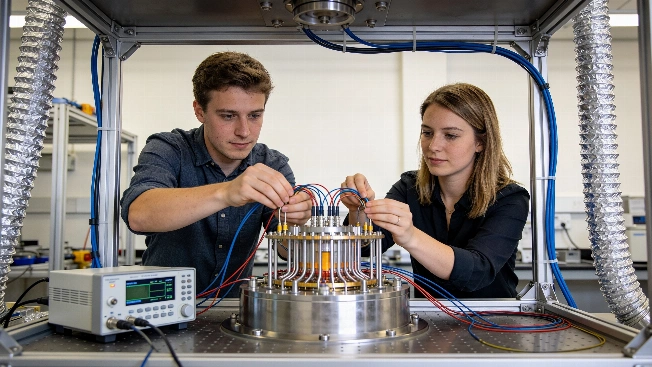
UC Berkeley and QuantrolOx Target Automated Quantum Hardware Control
UC Berkeley and QuantrolOx have agreed to a five-year collaboration to develop automated, reproducible control and calibration workflows for superconducting quantum processors using machine learning and open-access testbeds.
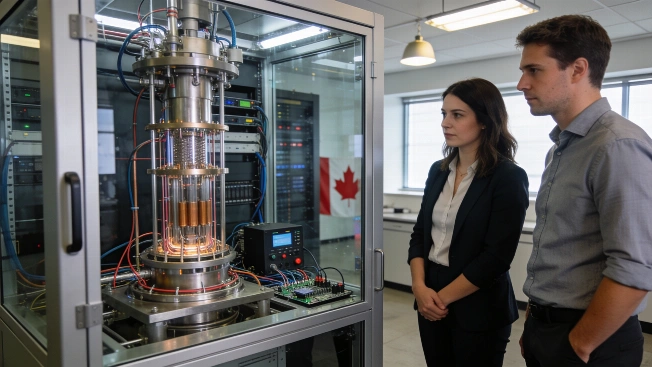
EY Installs On-Site Quantum Computer to Meet Data Sovereignty Needs
Ernst & Young (EY) has deployed an on-premises quantum computer in Canada to process sensitive enterprise workloads while addressing regulatory and data sovereignty requirements in sectors including finance and healthcare.
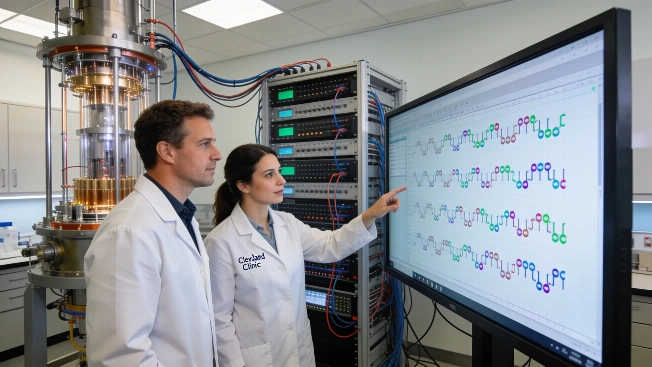
Quantum Neural Networks Tested for Cancer Neoantigen Prediction
A team at Cleveland Clinic and IBM Research implemented a quantum convolutional neural network on real quantum hardware to classify immunogenic cancer peptides and compare its performance with classical machine learning models.
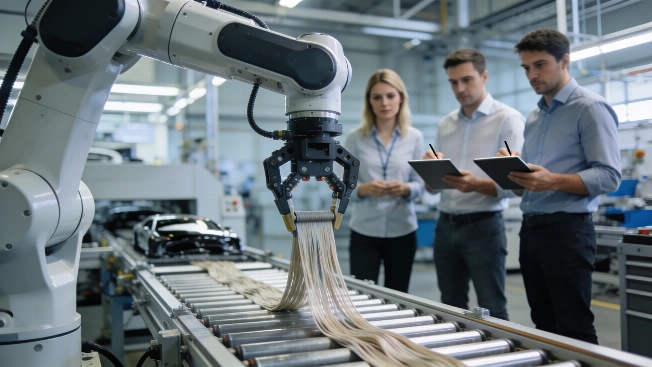
FLUX-mimic Model Cuts Robot Training Time for Factory Tasks
Mimic Robotics and Black Forest Labs have introduced FLUX-mimic, a video-action model that enables industrial robots to learn complex manipulation tasks from video demonstrations with far less training data than previous approaches.
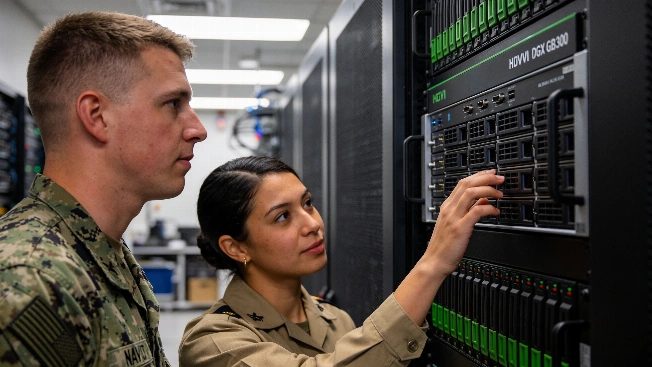
NVIDIA Donates DGX GB300 Supercomputer to Naval Postgraduate School
NVIDIA has provided its DGX GB300 AI supercomputer to the Naval Postgraduate School in California to support advanced research and education for military leaders in high-performance computing and artificial intelligence.
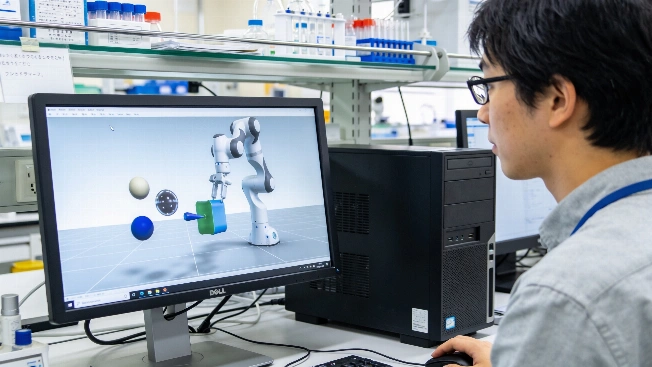
Curiosity-Driven AI Robots Show Faster Language Learning in Simulation
Researchers at the Okinawa Institute of Science and Technology have built virtual robots that learn language tasks more efficiently by rewarding curiosity, revealing new patterns of play-like behavior and flexibility in controlled experiments.
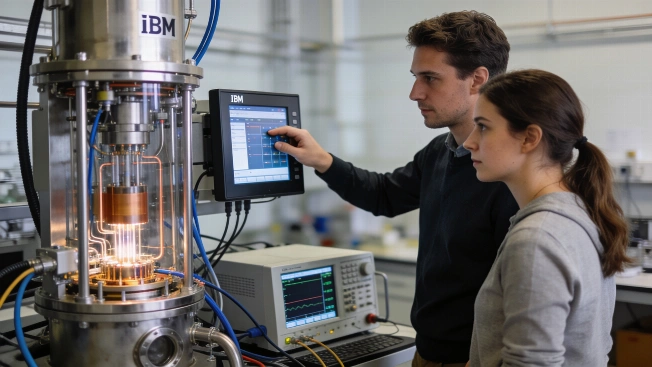
IBM Quantum Hardware Benchmarked for Smart Grid Energy Forecasting
Researchers tested hybrid quantum-classical machine learning algorithms on IBM Quantum hardware with over 100 qubits to forecast electricity demand across smart grids, comparing performance and noise sensitivity with classical methods
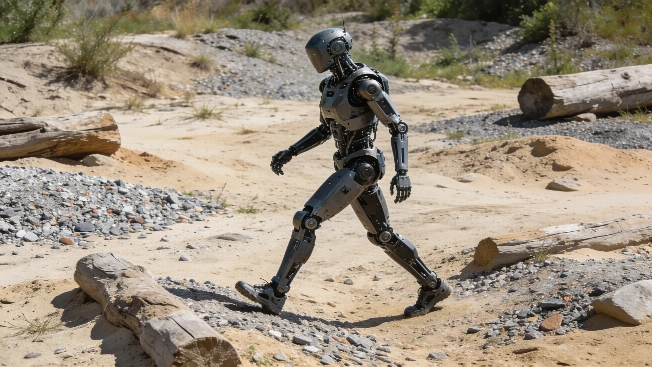
Humanoid Robot Learns to Walk on Real Terrain With Less Training
Georgia Tech researchers have introduced a machine-learning structure that enables a humanoid robot to walk across unpredictable real-world surfaces while reducing training time and computational demands compared with previous methods.
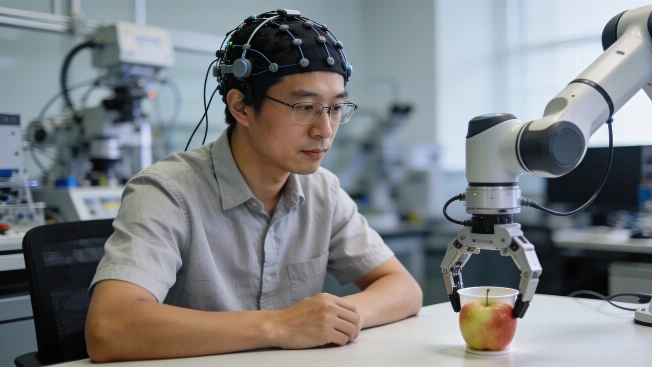
BrainCo Demonstrates Brain-Controlled Robot Platform Using EEG Signals
BrainCo has introduced a non-invasive brain-computer interface platform that lets users control robots with EEG-detected brain signals. The company says the system aims to improve intent recognition and generate training data for embodied AI systems.

Medical AI Models Face Higher Patient Privacy Risks Than Expected
A new peer-reviewed study finds that diagnostic medical AI models can expose sensitive patient information at rates far above previous estimates, raising concerns about privacy protections and the need for stronger technical safeguards in clinical machine learning.
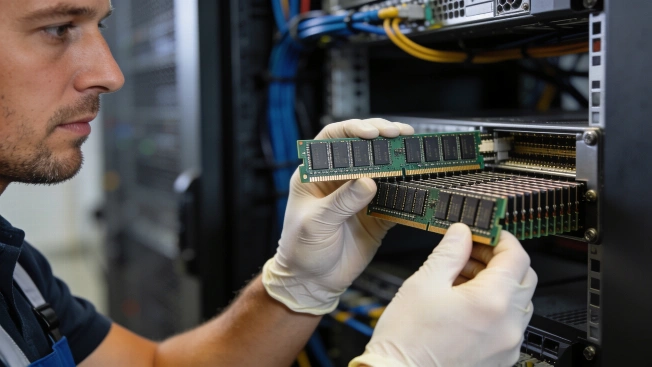
High Bandwidth Flash Targets AI Inference Memory Bottlenecks
A new memory technology called High Bandwidth Flash is being developed to address the growing memory demands of large language models during inference, using stacked NAND flash to increase read speeds and capacity while reducing costs
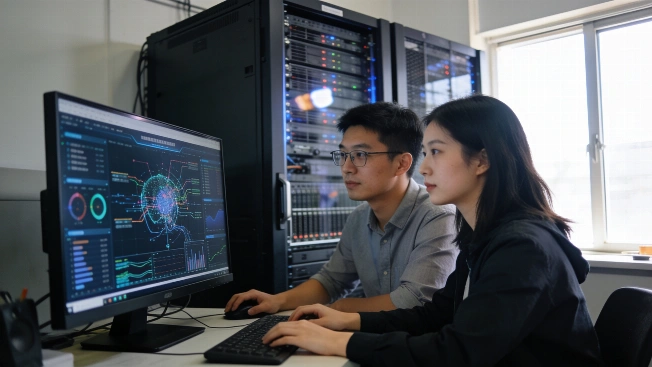
Moonshot AI Releases Kimi K3, a 2.8 Trillion Parameter Open Model
Moonshot AI has introduced Kimi K3, an open-source model with 2.8 trillion parameters and a one-million-token context window, targeting complex scientific and coding workflows. The company claims performance gains, but basic limitations remain.
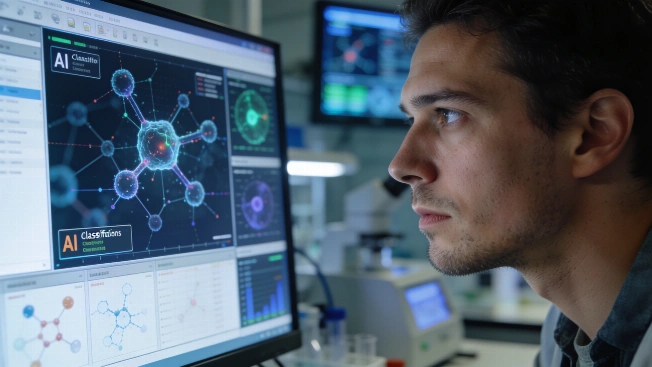
AI Struggles With Unknowns in Search for Extraterrestrial Life
A Michigan State University study using digital life simulations reveals that artificial intelligence can misclassify unfamiliar molecular patterns as signs of life, raising concerns for future missions seeking biosignatures beyond Earth
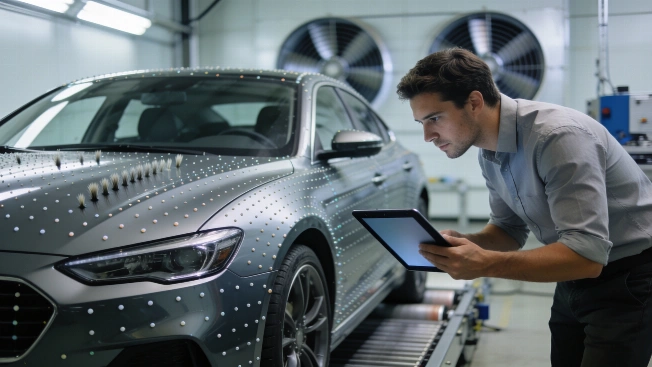
AI-Driven Physics Models Enhance Aerodynamic Testing for Cars
Researchers are integrating artificial intelligence with computational fluid dynamics and wind-tunnel data to refine the aerodynamic performance of passenger vehicles, aiming to bridge the gap between simulation and real-world results
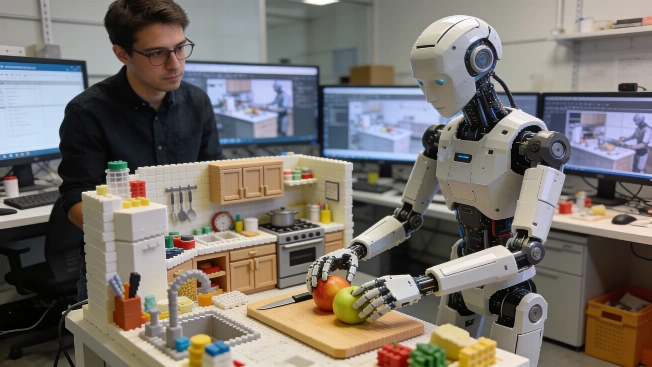
AI agents build complex 3D training worlds for robot learning
Researchers at MIT and Toyota Research Institute have developed SceneSmith, a system that uses collaborative AI agents and vision-language models to generate detailed 3D environments for robotics simulation and training.
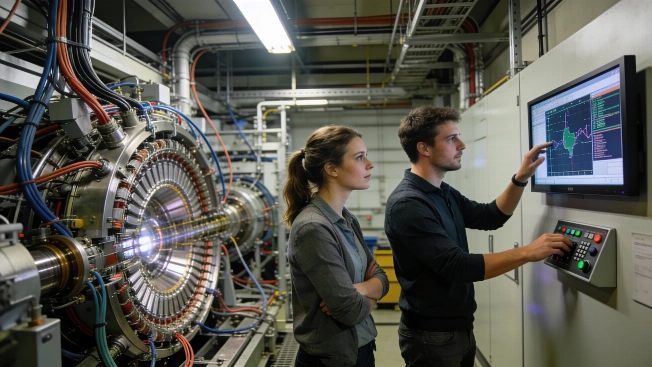
AI in Particle Physics: Discovery Without Full Understanding
Artificial intelligence is now central to particle physics, accelerating data analysis and experiment design. But as AI systems identify patterns beyond human intuition, researchers face new challenges in transparency, reproducibility, and scientific interpretation
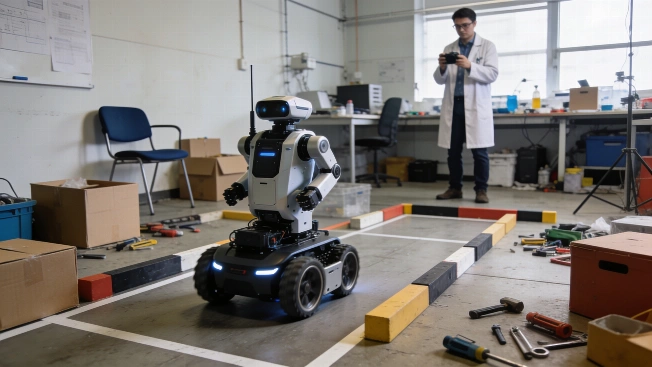
World Models Aim to Simulate Reality but Face Technical Barriers
Researchers are developing world models-AI systems designed to simulate aspects of the physical world. These models promise new capabilities beyond language, but their accuracy and reliability remain unsettled
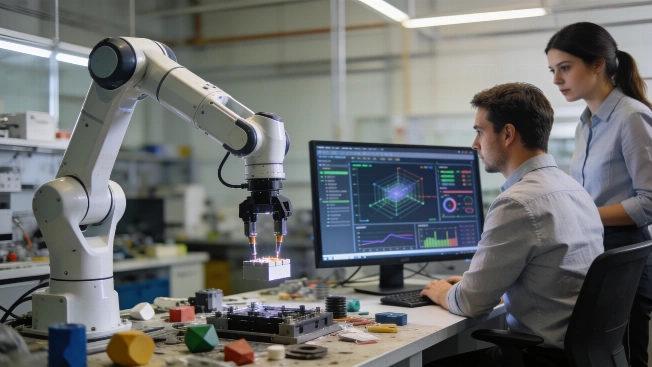
NVIDIA's RoboLab Targets Real-World Robot Policy Evaluation Limits
NVIDIA has released RoboLab, an open-source simulation platform designed to benchmark and analyze general-purpose robot policies. The system aims to address persistent gaps in evaluating robotic models before real-world deployment
Part 3 of 3