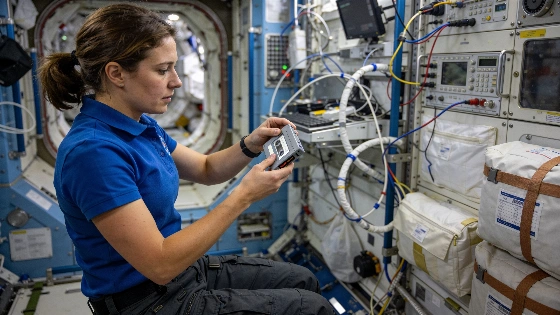
Redwire's ADvanced Space Experiment Processors (ADSEPs) are enabling the International Space Station to run complex biological and materials science experiments with minimal astronaut involvement, advancing pharmaceutical and fundamental research in microgravity
On the International Space Station (ISS), the challenge of conducting hundreds of simultaneous experiments is compounded by the limited time astronauts can devote to hands-on science. To address this, fully automated mini-laboratories-known as ADvanced Space Experiment Processors (ADSEPs)-have been developed to carry out a wide range of biological and materials science investigations with minimal crew intervention. These compact facilities are designed to maximize scientific output while reducing the operational burden on astronauts.
Mini-Laboratories and Experiment Design
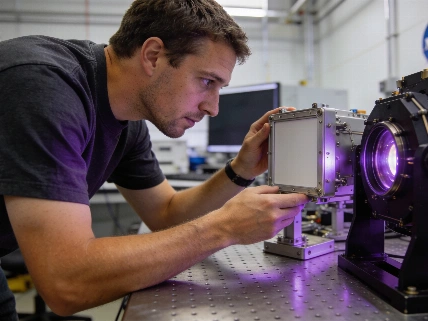
Each ADSEP unit contains three or four independent cassettes, effectively functioning as mini-laboratories that can run multiple experiments in parallel. The latest model, ADSEP-4, accommodates four cassettes and incorporates imaging capabilities to monitor experiments in real time. Since their introduction to the ISS in 2017, ADSEPs have supported over two dozen investigations, with new studies regularly added to the manifest. This modular approach allows researchers to tailor experimental conditions for different scientific objectives, from cell culture to crystallization.
Recent ADSEP investigations have focused on the growth of seed crystals in microgravity, a process that can improve the formulation of existing drugs or enable the development of new therapeutics. The Pharmaceutical In-Space Laboratory (PIL-BOX), a cassette-based system operating within the ADSEP facility, is used to cultivate high-quality crystals that are difficult to produce on Earth. Microgravity conditions have been shown to yield larger and more structurally perfect crystals, which are valuable for drug development and structural biology.
Applications in Cancer and Biological Research
Several PIL-BOX experiments, sponsored by the ISS National Laboratory, are dedicated to cancer research. For example, the ADSEP-PIL-10 investigation, conducted in collaboration with Aspera Biomedicines, is currently working to crystallize molecules that either block or promote cancer, with the aim of advancing oral cancer medications. Another study, ADSEP-PIL-15, has focused on improving the production, quality, and stability of cancer-treating drugs through space-based crystallization. In addition, a recent technology demonstration called ADSEP-ICC (Industrial Crystallization Cassette) tested a larger cassette format to scale up crystallization for potential commercial applications.
ADSEPs are not limited to crystallization. In 2021, the ADSEP-UMAMI experiment used the system to study interactions between juvenile bobtail squid and beneficial microbes in space. The findings indicated that symbiotic relationships with microbes can reduce stress responses in host animals during spaceflight and accelerate developmental processes such as neuron and tissue growth. These results have implications for understanding how astronauts' own microbiomes may adapt during long-duration missions.
Automation and Scientific Impact
The automation provided by ADSEPs enables a broader range of experiments to be conducted on the ISS than would be possible with manual operation alone. By minimizing the need for astronaut intervention, these systems free up crew time for other mission-critical tasks while maintaining rigorous experimental protocols. The versatility of ADSEPs supports research in cell and tissue culture, organism studies, and materials science, making them a key component of the ISS research infrastructure.
Beyond their technical capabilities, ADSEPs are contributing to the development of new pharmaceuticals and the study of fundamental biological processes in microgravity. The ability to return processed samples to Earth for detailed analysis further enhances the scientific value of these experiments. As the ISS continues to serve as a platform for international research, automated facilities like ADSEP are expected to play an increasingly central role in maximizing the station's scientific return.
Broader Context and Future Directions
The deployment of automated mini-laboratories on the ISS reflects a broader trend toward increasing the efficiency and scope of space-based research. As more commercial and international partners participate in ISS science, the demand for autonomous experimental platforms is likely to grow. This approach is not limited to biological research; similar strategies are being explored for materials science, chemistry, and even astronomy. For example, NASA's recent initiative to send a memory card with over a million names to the Nancy Grace Roman Space Telescope illustrates the expanding range of public and scientific engagement with space missions (see coverage of the Roman Telescope mission).
As the ISS approaches its third decade of continuous operation, the integration of automated research systems is expected to inform the design of future space stations and deep-space missions. The lessons learned from ADSEP and similar platforms will help shape the next generation of scientific infrastructure in orbit and beyond.
Automated experiment processors like ADSEP rely on modular cassettes that can be loaded with biological or materials samples before launch. Once installed on the ISS, these cassettes are controlled remotely or follow pre-programmed protocols, allowing for precise temperature, mixing, and imaging conditions. The microgravity environment alters physical processes such as sedimentation and convection, enabling unique experimental outcomes not possible on Earth. After completion, cassettes can be returned to Earth for further analysis, providing researchers with both in-situ and ground-based data to advance scientific understanding.