A new analysis of blood samples from 52 astronauts aboard the International Space Station reveals that microgravity alters gut function, slowing digestion and changing microbial activity in ways not fully explained by diet alone
Spaceflight exposes the human body to a range of physiological changes, many of which remain only partially understood. Among these, astronauts have consistently reported digestive discomfort, particularly constipation, during extended missions aboard the International Space Station (ISS). A recent study now provides biochemical evidence that microgravity itself may be a key driver of these effects, with implications for future long-duration missions beyond low Earth orbit.
Evidence from Astronaut Blood Samples
Researchers from the University of Copenhagen and NASA analyzed 488 plasma samples collected from 52 astronauts who spent between two and nine months on the ISS between 2006 and 2018. Samples were taken before, during, and after spaceflight, allowing the team to track changes in circulating metabolites over time. Using metabolomics-a technique that measures small molecules in the blood-they identified shifts in around 40 compounds during spaceflight, including several produced when gut bacteria ferment proteins.
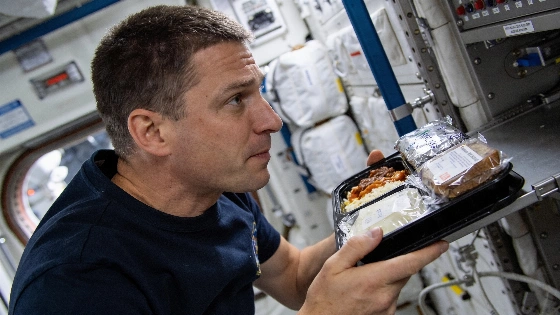
These protein fermentation products increased while astronauts were in microgravity, suggesting that food was moving more slowly through the intestines. The effect appeared within weeks of arrival on the ISS and largely resolved within days of returning to Earth. Notably, differences in diet, such as intake of caffeine, fish, or fat, explained less than a third of the observed metabolic changes, indicating that the slowed digestion was not simply a result of what astronauts ate.
Microgravity and Gut Microbes
Under normal gravity, bacteria in the colon primarily ferment carbohydrates and fiber, producing metabolites that are generally considered beneficial. When digestion slows and carbohydrates become depleted, gut microbes shift to fermenting proteins, generating different compounds-some of which, like ammonia and hydrogen sulfide, have been linked to negative health effects. The study's findings indicate that this shift occurs rapidly in microgravity and is reversible upon return to Earth.
While the researchers did not directly measure gastrointestinal transit time, the biochemical signatures in blood samples provide indirect evidence that microgravity slows the movement of food through the digestive tract. This altered gut environment may contribute to the high rates of constipation reported by astronauts and could have additional health implications if missions extend to the Moon or Mars.
Implications for Long-Duration Missions
As space agencies plan for missions lasting months or even years, understanding how microgravity affects digestion becomes increasingly important. Prolonged protein fermentation in the gut could lead to the accumulation of metabolites associated with discomfort or other health risks. One proposed countermeasure is to increase astronauts' intake of slowly fermented carbohydrates, such as dietary fiber, to support beneficial microbial activity and reduce reliance on protein fermentation.
Similar research on astronaut health in microgravity has informed our understanding of other physiological changes, such as bone and muscle loss. For example, studies of bone density loss in space have helped clarify the mechanisms of osteoporosis on Earth, as discussed in this analysis of mission-driven scientific advances. The new findings on digestion may likewise inform both space medicine and terrestrial treatments for digestive disorders.
Study Limitations and Future Directions
The study, published in Nature Communications on June 29, 2026, provides strong biochemical evidence for slowed digestion in microgravity but does not directly measure transit time or gut microbial composition. Further research using direct measurements of gastrointestinal function and microbial sequencing could clarify the mechanisms involved and help develop targeted interventions. The results also highlight the need to consider individual variability in response to spaceflight, as not all astronauts experienced the same degree of metabolic change.
As missions to the Moon and Mars become more feasible, maintaining astronaut health will require a detailed understanding of how spaceflight alters basic physiological processes. The current findings represent a step toward that goal, emphasizing the importance of integrating biochemical, dietary, and microbial data in future studies.
To interpret the results of this study, it is useful to understand the basics of metabolomics. Metabolomics is a method for measuring small molecules-metabolites-in biological samples such as blood or urine. These metabolites reflect ongoing biochemical processes in the body, including those driven by gut microbes. By comparing metabolite profiles before, during, and after spaceflight, researchers can infer changes in digestion and microbial activity even when direct measurements are not possible. This approach provides a powerful tool for studying physiological adaptation to space and may reveal subtle effects that would otherwise go undetected.