
Robotics - Part 3
117 reports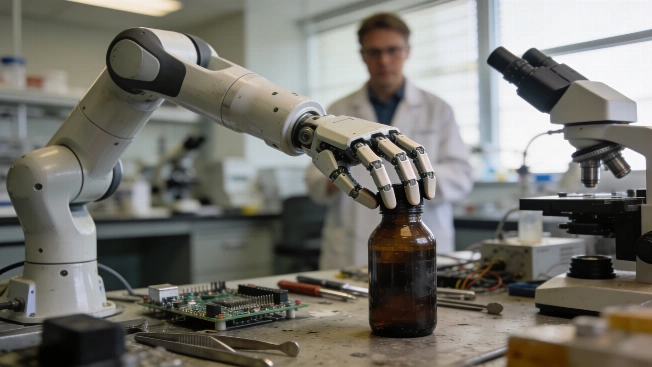
Dyna Robotics Tests DYNA-2 Robot Model Trained on Human Video
Dyna Robotics has introduced DYNA-2, a robot foundation model trained on over one million hours of human egocentric video, aiming to improve robot learning for physical tasks without relying on robot action data
Hyundai MobED Robot Navigates Moving Ship in Real-World Test
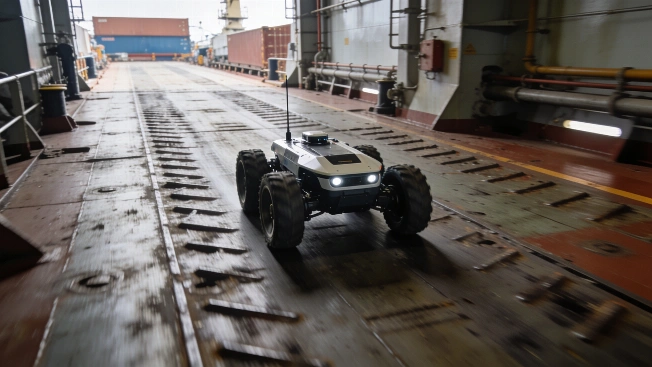
Hyundai Motor Group has tested its MobED autonomous robot aboard a moving cargo vessel, evaluating its ability to perform inspections in hazardous ship environments without human entry
Atlas Robot Demonstrates Autonomous Battery Swapping in Factory Test
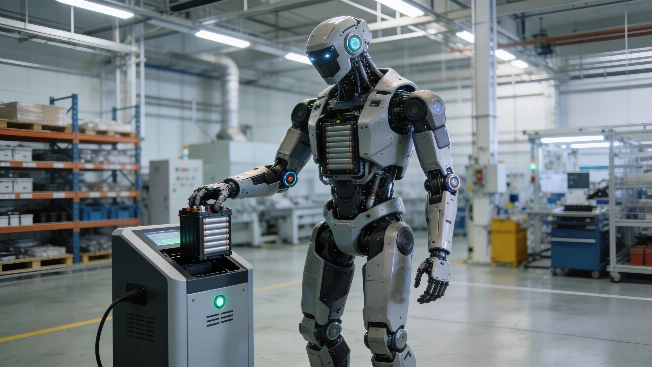
Boston Dynamics has shown its Atlas humanoid robot autonomously swapping its own battery in under three minutes, aiming to reduce downtime and extend operational shifts in industrial settings
DOBOT LUMO Demonstrates All-Terrain Humanoid Mobility and Interaction
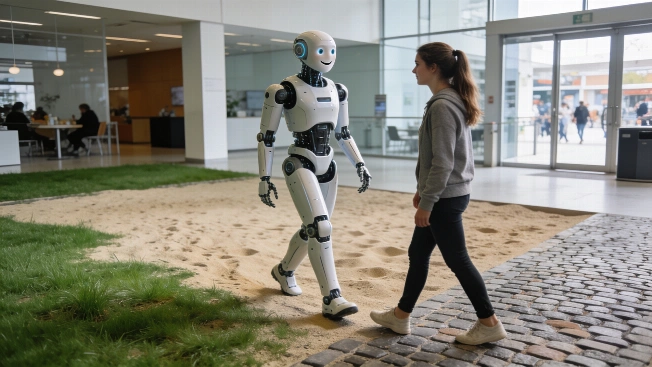
DOBOT has presented LUMO, a humanoid robot designed to navigate varied indoor and outdoor environments, combining computer vision, voice interaction, and motion control to adapt its behavior to different users and tasks
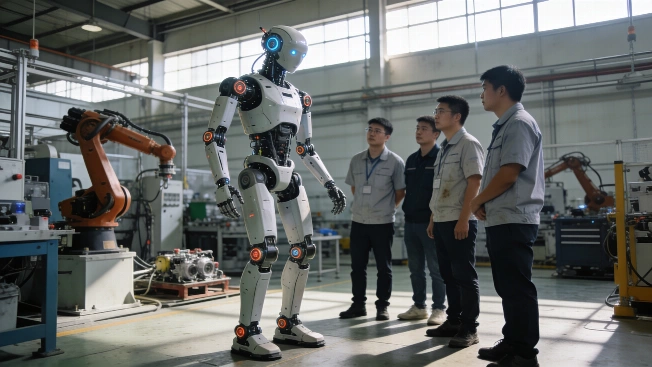
Unitree Robotics Launches $900M IPO Amid US-China Tech Tensions
Unitree Robotics has begun its IPO on Shanghai's STAR Market, seeking to raise $900 million for research, product development, and manufacturing of humanoid and quadruped robots as regulatory and trade barriers complicate global expansion
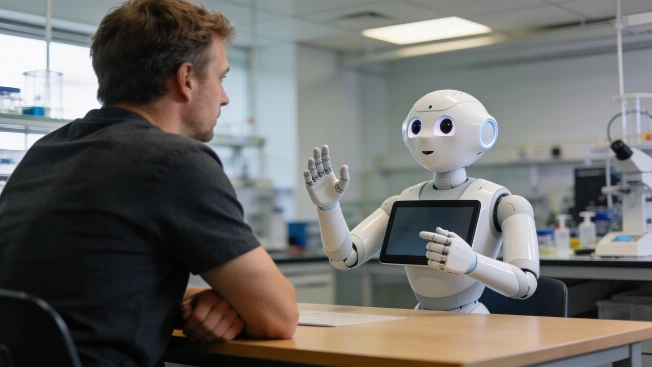
Expressive Humanoid Robots Lose User Trust Rapidly After Errors
A Drexel University study found that people quickly trust expressive humanoid robots, but even minor conversational mistakes can cause trust to collapse, raising new challenges for social robot design in healthcare, education, and homes
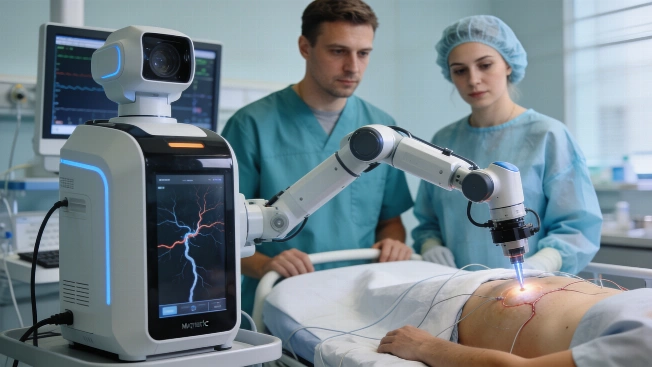
MIT Spinout Magnendo to Develop Autonomous Robotic Stroke System
Magnendo, a company spun out from MIT, has received up to $32 million from ARPA-H to build a magnetic robotic navigation platform for endovascular stroke treatment, aiming to reduce reliance on highly specialized clinicians and expand access to advanced care
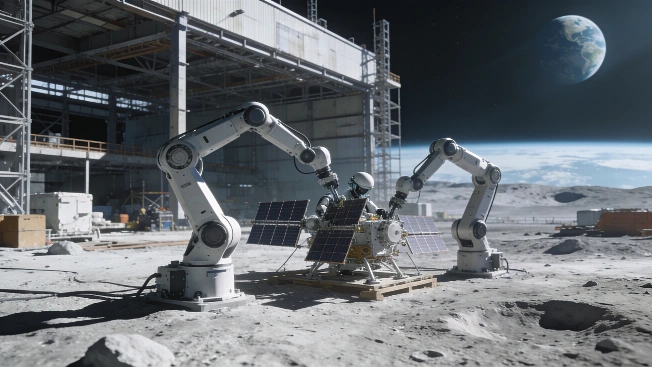
SpaceX Outlines Plan for Robotic Factories on the Moon
SpaceX has detailed its intention to construct automated factories on the lunar surface, aiming to use robots for manufacturing satellites and key components, as discussed during the company's first quarterly earnings call as a public company
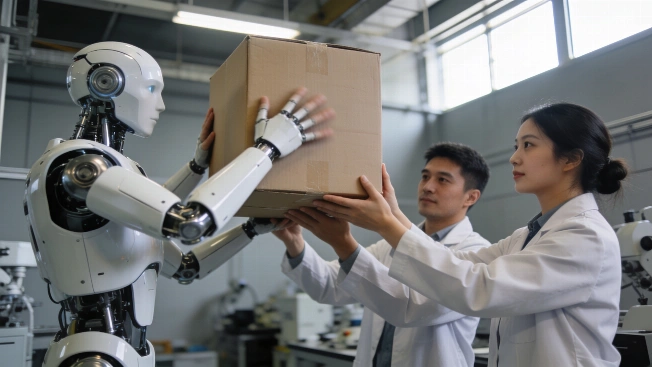
ergoCub Robot Tested for Reducing Human Strain in Lifting Tasks
A research team in Italy and the UK has developed and tested ergoCub, a humanoid robot designed to adapt to human partners during shared lifting, aiming to reduce physical strain and improve workplace ergonomics in real time
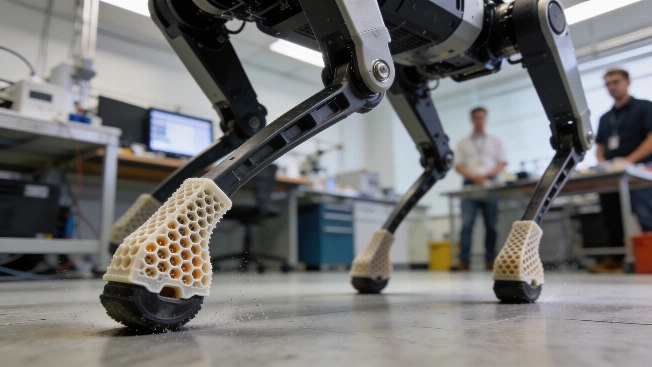
3D-Printed Porous Feet Cut Power Use in Quadruped Robot Tests
A research team at Seoul National University of Science and Technology has tested 3D-printed porous feet on a quadruped robot, reporting up to 6.2% lower battery consumption during walking tasks with a learning-based controller
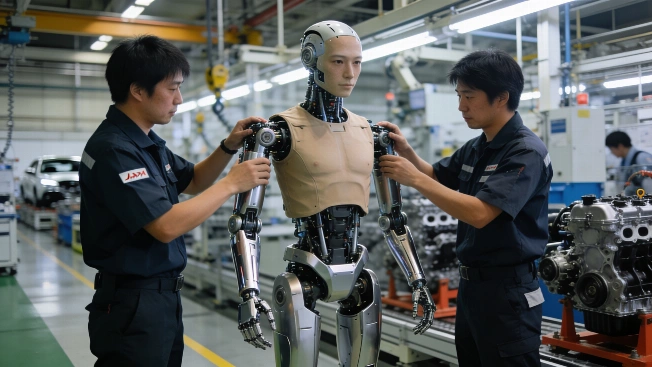
Mitsubishi to Build 1,000 Humanoid Robots Monthly at Kyoto Plant
Mitsubishi Motors and Highlanders plan to mass-produce AI-enabled humanoid robots for industrial automation at a repurposed Kyoto facility, targeting up to 1,000 units per month by early 2027, with initial deployment on engine assembly lines

AI Agent Controls X-62A Fighter Jet in Live Intercept Flight Tests
Lockheed Martin and the U.S. Air Force Test Pilot School have tested an AI agent that autonomously flew the X-62A VISTA fighter using real-time infrared sensor data to intercept a live aircraft, marking a step toward operational airborne autonomy
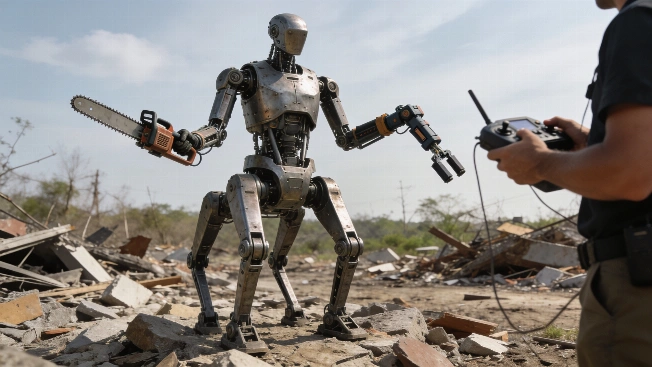
Centaur-Inspired Robot Threehalves Demonstrated for Hazardous Environments
A steel centaur-like robot called Threehalves has drawn attention for its four-legged design and modular tool system, aiming to perform dangerous tasks in unstable or hazardous settings where conventional robots struggle
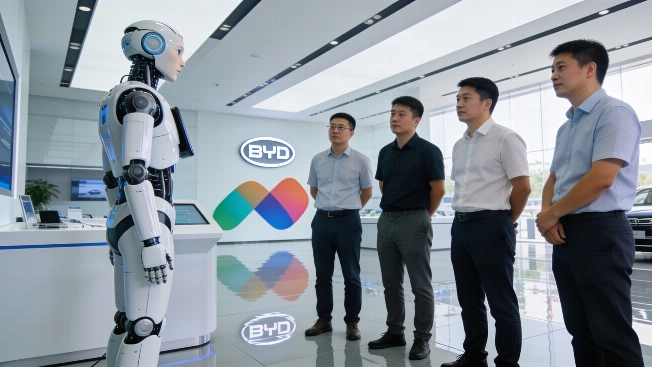
BYD to Demonstrate Functional Humanoid Robots at Di Space in August
BYD, a leading Chinese electric vehicle manufacturer, will unveil its first functional humanoid robots in August, aiming to compete with Tesla's Optimus and leverage its large-scale manufacturing and battery expertise
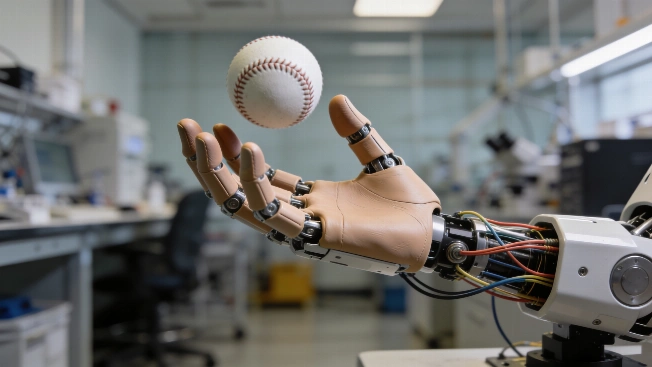
Foundation Robotics Tests Dexterous Hand Catching Baseball in Mid-Flight
Foundation Robotics has demonstrated a tendon-driven robotic hand that can catch a baseball in mid-air, highlighting advances in mechanical design, adaptive grasping, and sensor integration for industrial humanoid robots
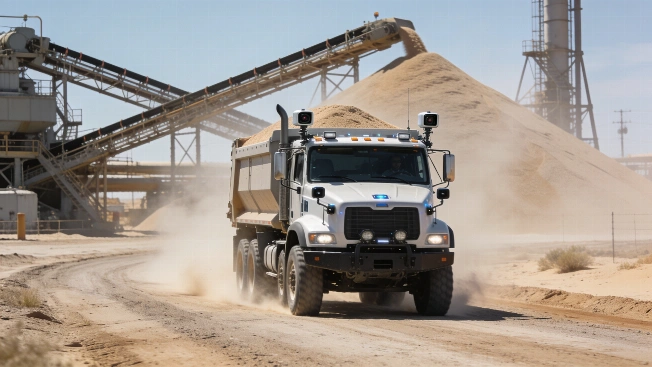
Atlas to Expand Driverless Truck Fleet for Oilfield Sand Transport
Atlas Energy Solutions plans to increase its AI-enabled driverless truck fleet in the US Permian Basin, aiming for 100 vehicles by mid-2027, to automate sand delivery for hydraulic fracturing across private oilfield routes
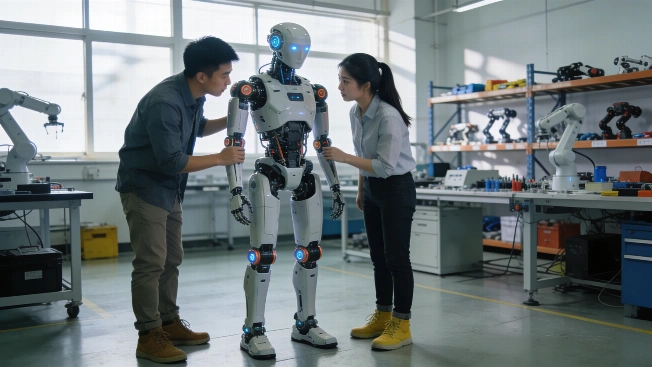
China Surges Ahead in Humanoid Robotics Patent Innovation
A LexisNexis analysis of over 26,000 patent families finds Chinese startups leading global innovation in humanoid robotics, with six of the top ten most active companies and rapid growth in patent filings
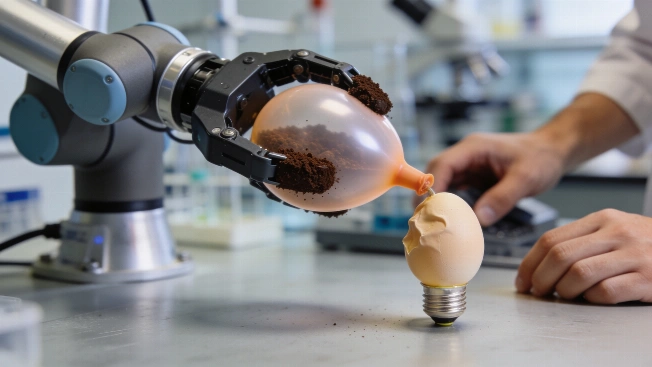
Coffee-Filled Soft Gripper Shows Low-Cost Robotic Handling Advance
A soft robotic gripper using a latex membrane and coffee grounds has demonstrated the ability to securely grasp fragile and irregular objects without cameras or complex sensors, offering a low-cost alternative for robotic manipulation tasks
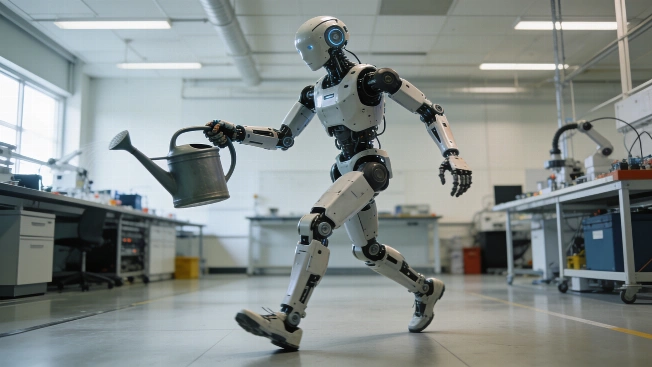
Google DeepMind Expands Gemini Robotics to Full-Body Humanoid Control
Google DeepMind has released Gemini Robotics 2, a model designed to control entire humanoid robots, enabling walking, object manipulation, and multi-robot coordination with limited retraining across different robot platforms
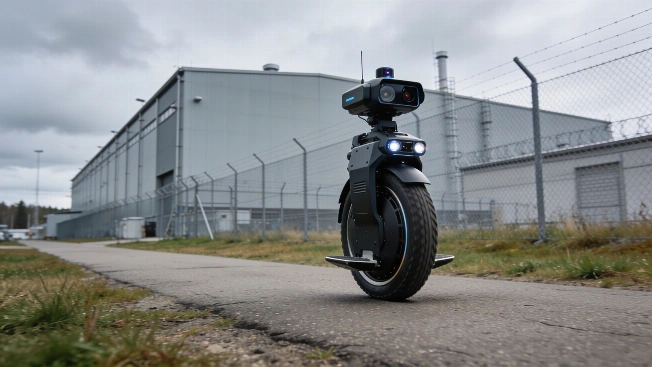
Estonian Startup Demonstrates Autonomous Monowheel Security Robot
Rollo Robotics has introduced 1ROLLO, a single-wheel robot designed for autonomous patrols of large facilities, using computer vision and edge AI to monitor industrial sites and campuses with minimal human intervention
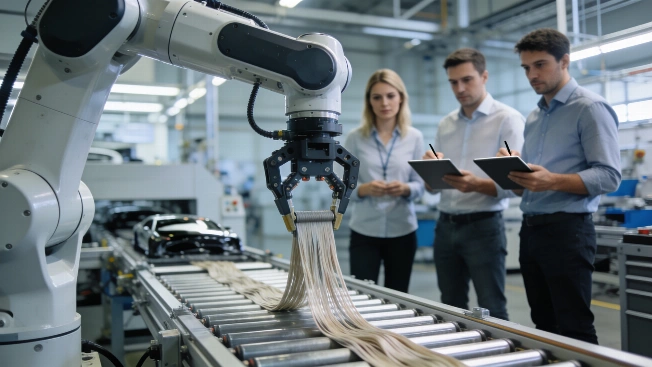
FLUX-mimic Model Cuts Robot Training Time for Factory Tasks
Mimic Robotics and Black Forest Labs have introduced FLUX-mimic, a video-action model that enables industrial robots to learn complex manipulation tasks from video demonstrations using far less training data than previous approaches
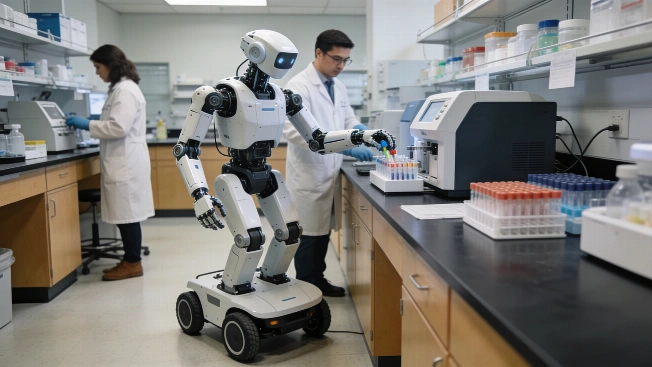
Tactus AI Unveils Elsie Robot for Clinical Lab Automation
Tactus AI has introduced Elsie, a two-armed humanoid robot designed to automate hands-on clinical laboratory tasks using existing instruments and validated procedures, aiming to address staffing shortages without major infrastructure changes
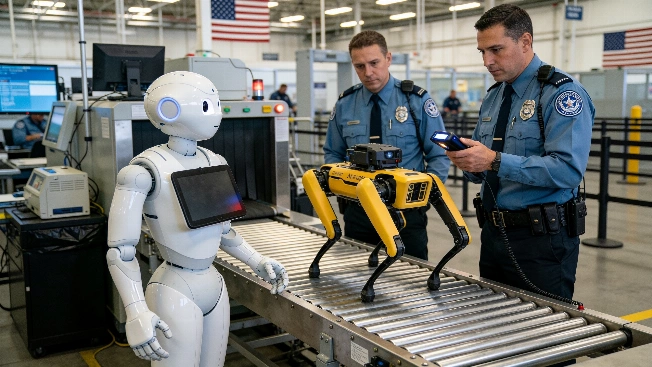
US Blocks Imports of Chinese Humanoid and Quadruped Robots Over Security
The United States has imposed new restrictions on advanced humanoid and four-legged robots, primarily targeting Chinese manufacturers, citing national security risks and concerns over critical infrastructure vulnerabilities
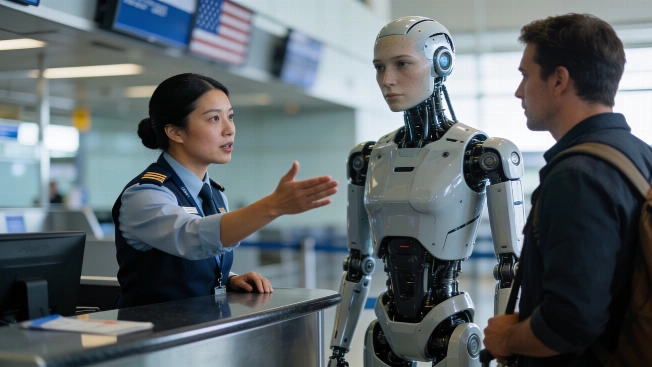
United and Delta Ban Humanoid Robots From All Commercial Flights
United Airlines and Delta Air Lines have introduced new restrictions prohibiting passengers from transporting humanoid robots in both carry-on and checked baggage, citing unresolved safety and operational challenges
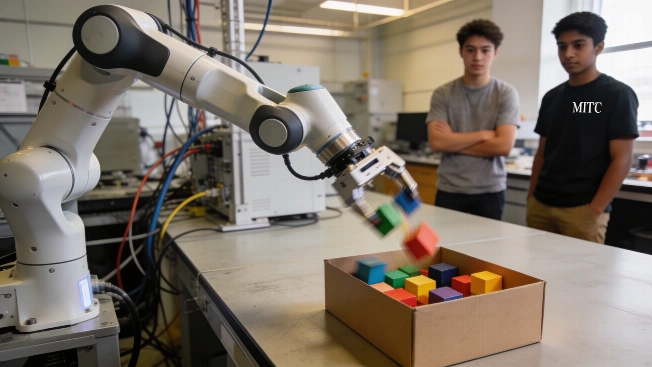
MIT's VLASH Method Enables Faster, Smoother Robot Movements
Researchers at MIT have introduced VLASH, a planning technique that lets robots predict their future positions, reducing pauses and improving speed in tasks like pick-and-place and dynamic manipulation
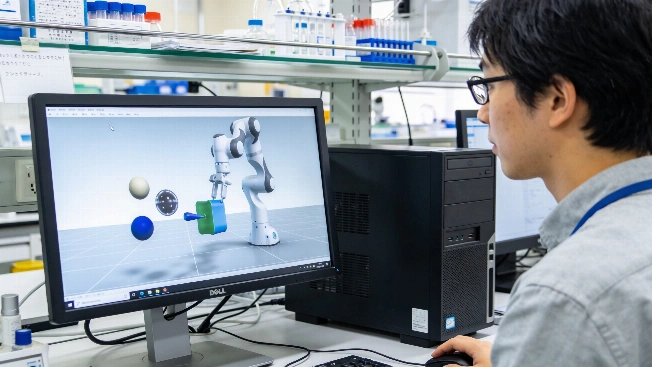
Curiosity-Driven AI Robots Show Faster Language Learning in Simulation
Researchers at the Okinawa Institute of Science and Technology have built virtual robots that learn language tasks more efficiently by rewarding curiosity, revealing new patterns of play-like behavior and adaptability in controlled experiments
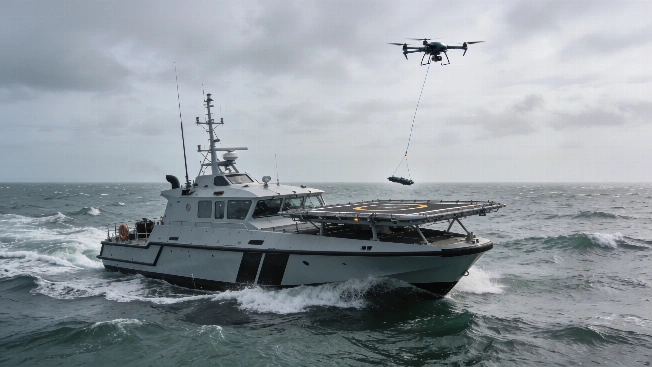
Royal Navy Tests Robotic Boat for Autonomous Drone Launch at Sea
A UK-led demonstration has tested a robotic surface vessel that autonomously launches and recovers a tethered drone at sea, aiming to extend maritime surveillance without direct human intervention

Digital DNA Robots Proposed to Simulate Identity After Death
A US-based project proposes using quantum-powered humanoid robots to simulate a person's identity after death by transferring their digital DNA, but the claims await independent verification and raise major technical and ethical questions
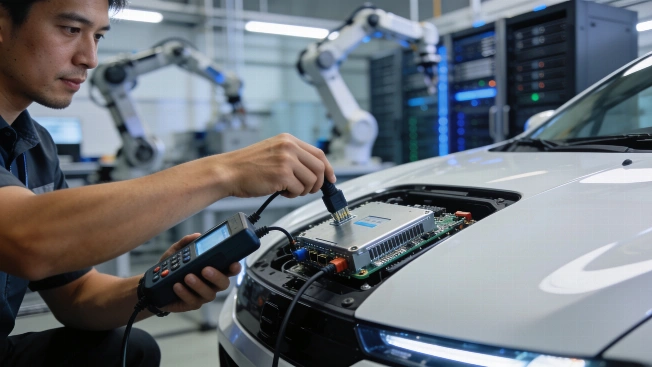
Quantum-Safe Encryption Integrated in Edge-to-Cloud Robotic Systems
Terra Quantum and Apex.AI have demonstrated the integration of NIST-standardized post-quantum cryptography into cloud-connected robotic platforms, enabling quantum-resistant communication without altering core software architecture
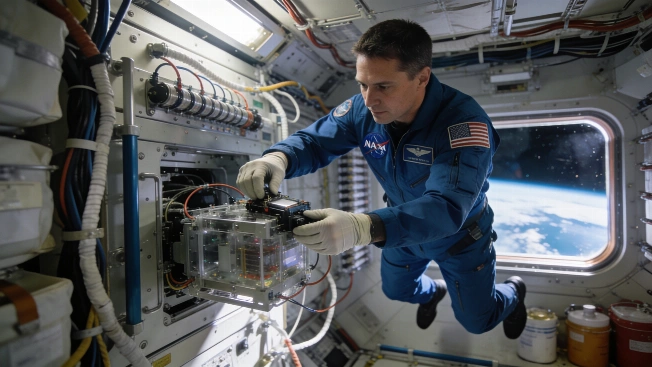
NASA Astronaut Chris Williams Ends ISS Mission After Eight Months
Chris Williams is set to return from his first mission aboard the International Space Station, where he supported experiments on cancer therapies, semiconductor materials, and robotic systems during an eight-month stay
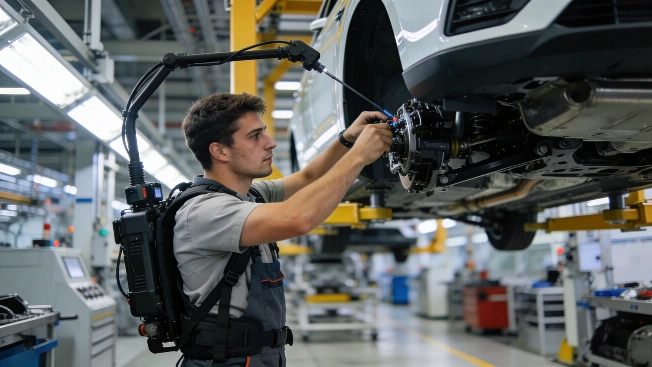
Tesla Records Worker Movements to Train Optimus Robot in Germany
Tesla is collecting video data of employee assembly tasks at its Grünheide Gigafactory to train the Optimus humanoid robot for autonomous industrial work, raising questions about workplace monitoring and regulatory oversight
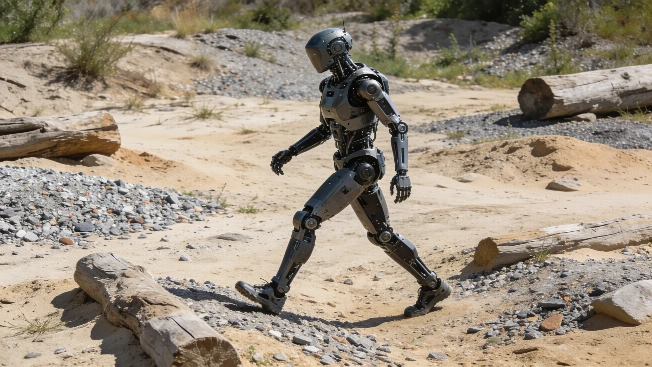
Humanoid Robot Learns to Walk on Real Terrain With Less Training
Georgia Tech researchers have introduced a machine-learning framework that enables a humanoid robot to walk across unpredictable real-world surfaces, reducing both training time and computational demands compared to previous methods
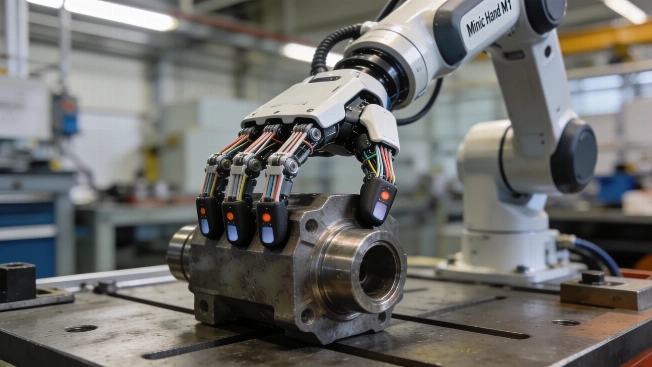
Swiss Startup Mimic Robotics Reveals Sensor-Rich Robotic Hand for Factories
Mimic Robotics has introduced the Mimic Hand M1, a tendon-driven robotic hand designed for industrial automation, featuring advanced tactile sensing and a human-like joint structure to improve manipulation of diverse objects in real-world settings
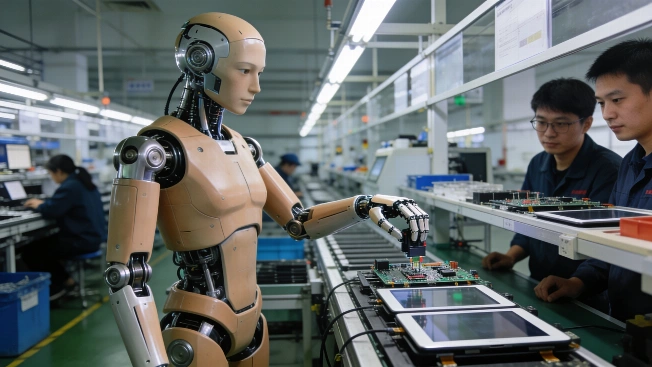
AGIBOT Demonstrates Four New Robots in Live Industrial Deployments
AGIBOT has introduced four new robots at WAIC 2026, including a full-size humanoid, an educational platform, an industrial manipulator, and a dexterous robotic hand, with live demonstrations in manufacturing and service environments
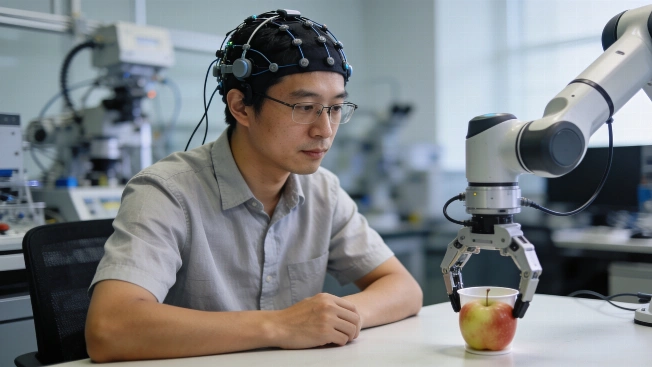
BrainCo Demonstrates Brain-Controlled Robot Platform Using EEG Signals
BrainCo has introduced a non-invasive brain-computer interface platform that enables users to control robots with EEG-detected brain signals, aiming to improve intent recognition and generate training data for embodied AI systems
Part 3 of 4