
Robotics - Part 2
117 reports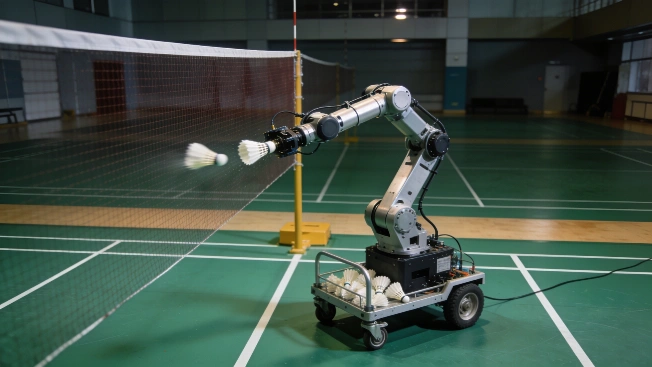
Industrial Robot Arm Repurposed for Automated Badminton Training
A surplus Denso VS-050 industrial robot arm has been adapted into a programmable badminton training machine, delivering repeatable shuttlecock serves for solo practice and testing the limits of industrial robotics in recreational sport settings

Drone Uses Tactile Sensing to Perch on Branches and Save Power
Researchers at TU Delft have built a drone that uses tactile sensors to locate and grip branches, allowing it to perch in cluttered environments and conserve battery by shutting down its motors once attached
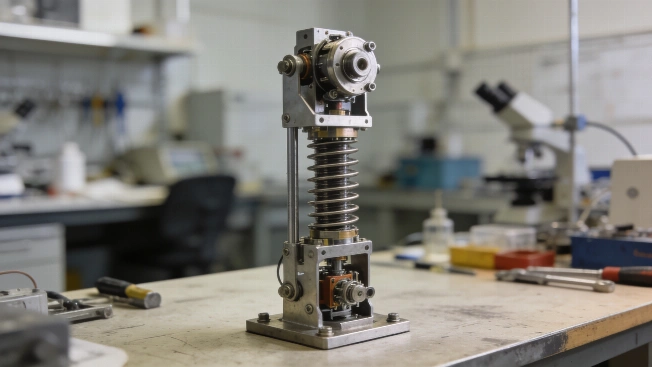
Mechanical Oscillator Defies Instability Using Only Precise Timing
Researchers have demonstrated a mechanical oscillator that remains upright by switching between two unstable states without using sensors or feedback, challenging assumptions about how machines maintain balance
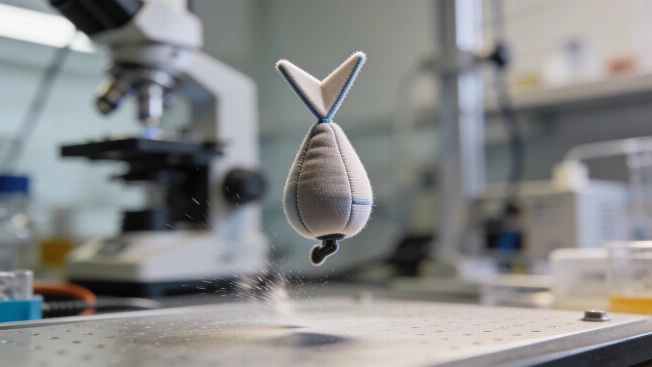
Soft Robots Demonstrate Continuous Jumping Using Infrared Light
Engineers at North Carolina State University have built soft robots that can repeatedly jump when illuminated by infrared light, using a self-resetting mechanical design that eliminates the need for motors or external resetting devices
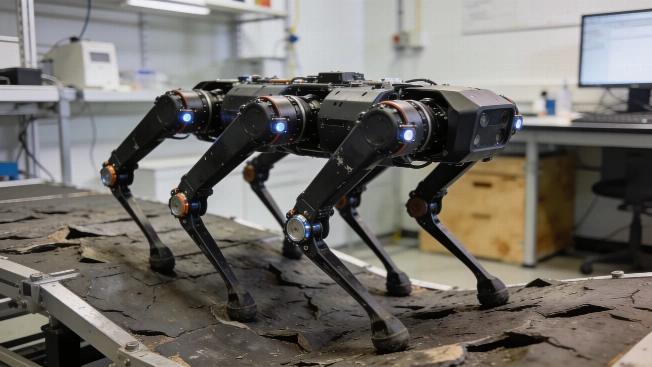
Six-Legged Robot Learns Adaptive Walking From Stick Insect Movements
A research team has developed a six-legged robot that uses AI to learn walking strategies from stick insect movement data, enabling it to adapt to uneven terrain and physical damage in laboratory tests
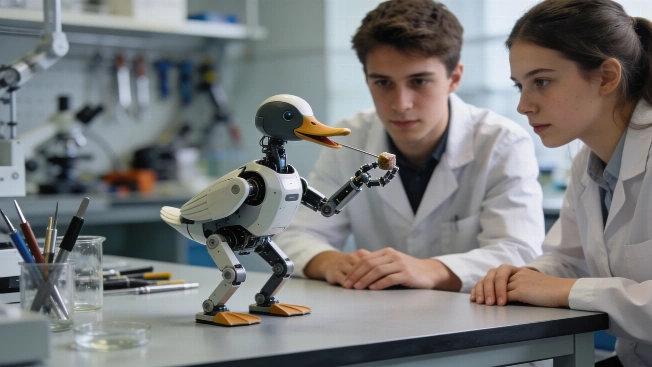
Hugging Face and Pollen Robotics Launch Open-Source Microduck Robot
Hugging Face and Pollen Robotics have introduced Microduck, a $399 open-source bipedal robot designed for hands-on AI and reinforcement learning research, with pre-orders open and shipments planned before Christmas 2026
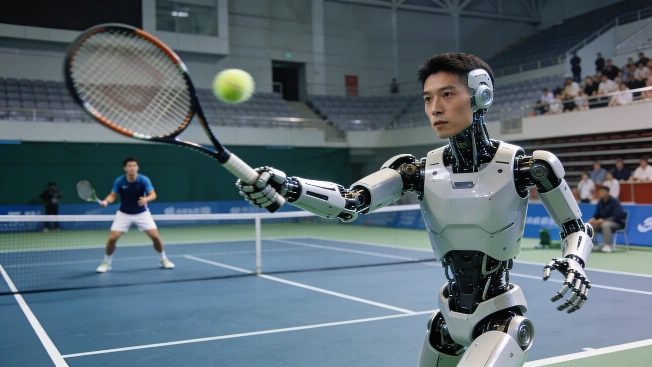
Humanoid Robots Complete 100 Rallies in Live Tennis Match in Beijing
Galbot's humanoid robots demonstrated autonomous tennis play against human athletes at the Second World Humanoid Robot Games, completing over 100 consecutive rallies and highlighting advances in real-world robot perception and control

New Algorithm Brings Humanlike Depth Perception to Humanoid Robots
A research team at York University has introduced a convergent binocular stereo algorithm that enables humanoid robots to estimate depth and object orientation more like humans, with tested improvements on a challenging benchmark dataset
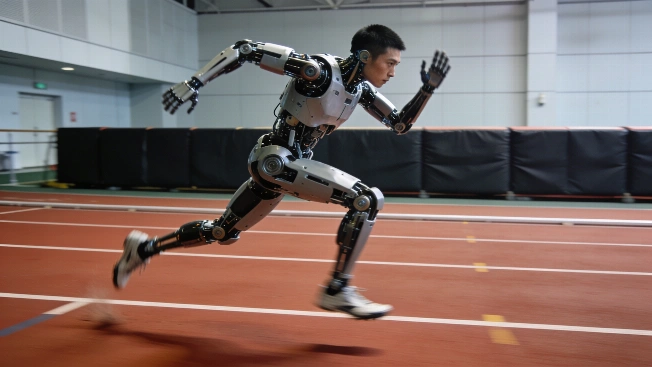
Chinese Humanoid Robot Lightning Runs 100m Faster Than Usain Bolt
A Chinese-built humanoid robot named Lightning has reportedly completed a 100-meter sprint in 9.32 seconds during a controlled test in Beijing, surpassing the human world record and raising new questions about the limits and risks of high-speed bipedal robotics
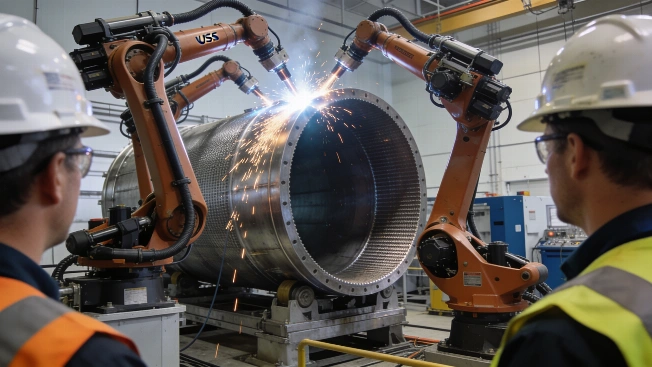
US Labs Test Large-Scale Metal 3D Printing for Nuclear Vessels
Oak Ridge and Idaho National Laboratories have demonstrated wire arc additive manufacturing to produce steel pressure vessels for nuclear energy, aiming to address US forging capacity limits and accelerate component qualification
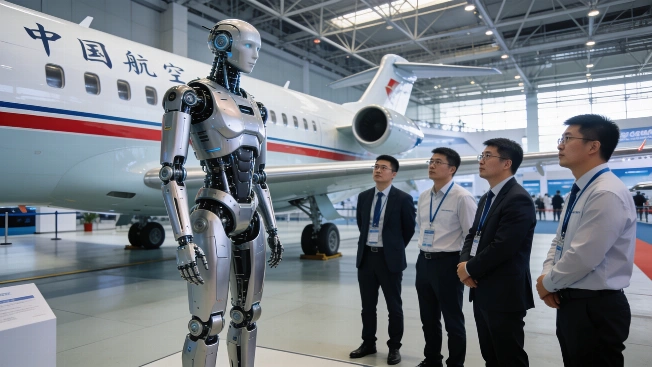
Chinese Robotics Firms Demonstrate Humanoids for Aviation and Security Tasks
At the 2026 World Robot Conference in Beijing, Chinese companies are presenting humanoid and quadruped robots for aviation, security, and industrial roles, with demonstrations highlighting both technical progress and ongoing challenges in real-world deployment

RealMan Robotics Targets 1,000 RealBOT Deployments With Remote Control
RealMan Robotics plans to deploy nearly 1,000 RealBOT robots in 2026, using remote human control and real-world data to improve performance in unpredictable environments such as pharmacies, factories, and kitchens
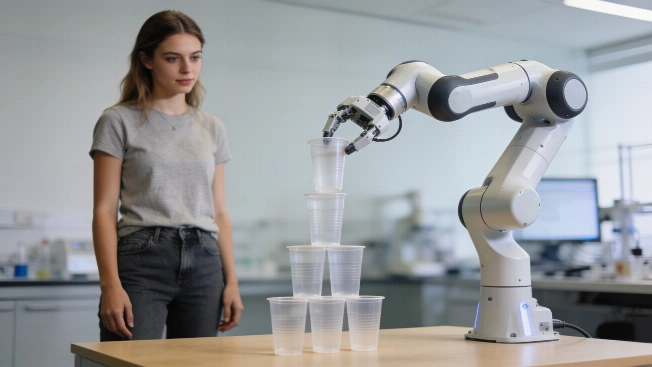
GEN-1.5 Robot Model Imitates Physical Tasks After One Short Demo
Generalist AI has introduced GEN-1.5, a foundation model for robots that attempts new physical tasks after observing a single brief demonstration, with no fine-tuning or retraining required

Nori A3 Robot Offers Low-Cost Entry to Home Robotics Experimentation
Nori Robotics has introduced the Nori A3, a $1,688 American-assembled humanoid robot designed for household tasks. The system targets developers and enthusiasts seeking accessible hardware for practical automation and experimentation.
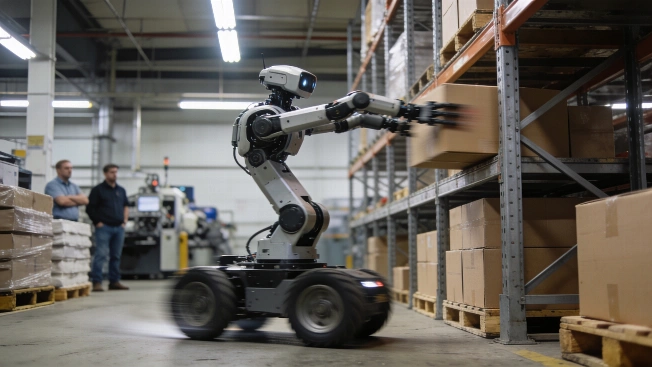
RoboScience Unveils REX G1 Humanoid Robot for Dynamic Workspaces
RoboScience has released the REX G1, a wheeled humanoid robot designed to perform object handling and manipulation in logistics, manufacturing, and retail settings, with a focus on adapting to existing environments and variable tasks
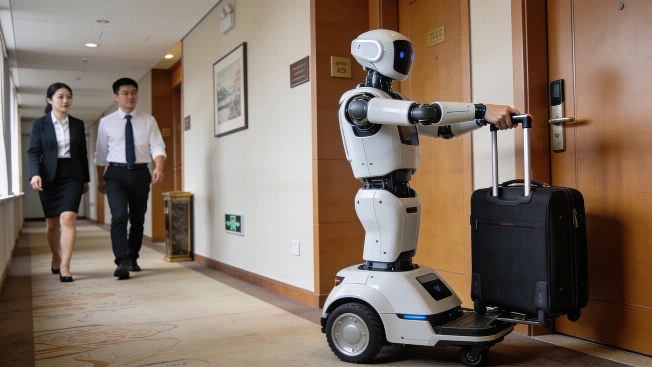
Humanoid Robots Face Real-World Hotel and Library Tasks in Beijing
China's World Humanoid Robot Games evaluated robots on hotel service, household chores, and library shelving, testing their ability to operate autonomously and adapt to unpredictable real-world environments
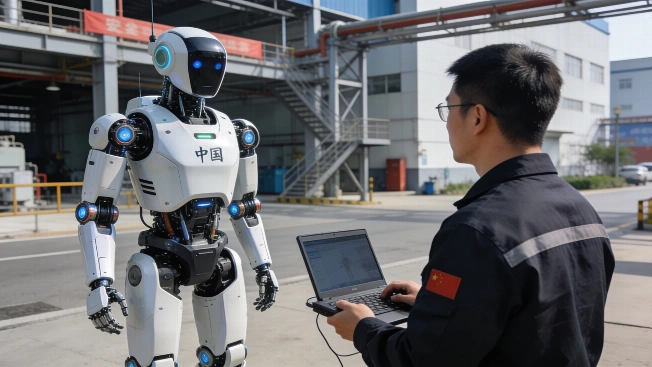
China Demonstrates Teleoperated Humanoid Robot for Hazardous Missions
China North Industries Group Corporation has presented Fuxi, a full-size humanoid robot designed for remote-controlled reconnaissance and operations in hazardous environments, highlighting the technical and economic challenges of real-world deployment
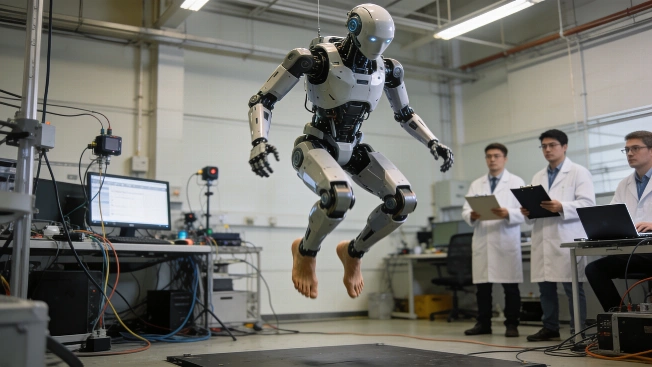
Unitree Humanoid Robot Demonstrates Unverified Record Speed and Jump
Unitree Robotics has released video evidence of a humanoid robot prototype performing a 2-meter standing jump and running at speeds exceeding elite human sprinters, but the results have not been independently verified
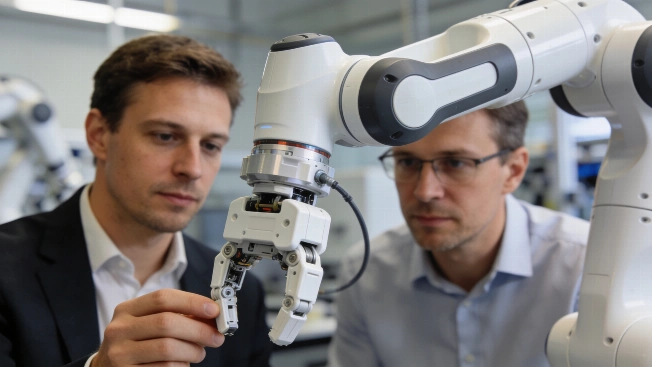
Plastic Joints Aim to Cut Humanoid Robot Weight by Over 30 Percent
Celanese Corporation and Vigor Precision have announced a collaboration to develop lightweight plastic joint components for humanoid robots, targeting significant weight reduction while maintaining mechanical durability and precision under demanding conditions
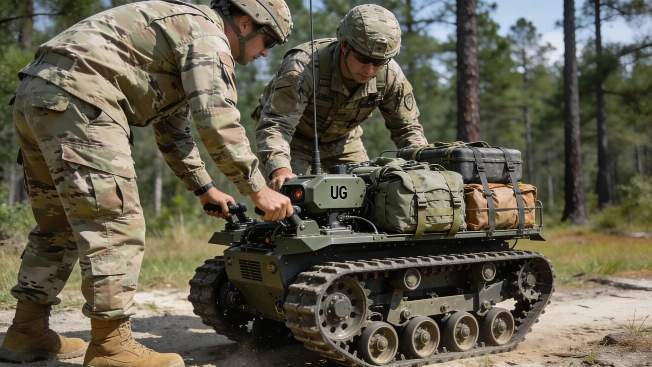
US Army to Field-Test Hunter WOLF Robotic Vehicle With 82nd Airborne
The US Army will conduct field trials of BLADE's Hunter WOLF unmanned ground vehicle with the 82nd Airborne Division, assessing its ability to support equipment transport and casualty evacuation in demanding operational scenarios
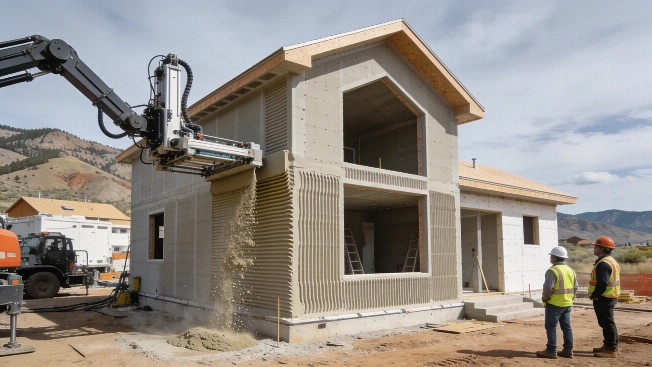
Robotic 3D Printing Scales Up in Colorado Housing Development
A 55-acre project in Salida, Colorado, is deploying autonomous 3D-printing robots to construct more than 65 homes, testing whether robotic construction can deliver full-scale residential communities with integrated infrastructure
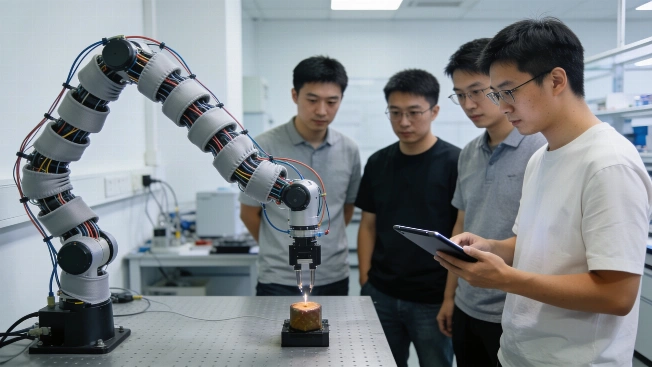
Feagine's Fi0 Model Tested for Cross-Body Robot Task Transfer
Feagine Robotics has introduced Fi0, a foundation model designed to transfer task knowledge across different soft robot arms, aiming to reduce retraining when hardware changes. Early tests used three tendon-driven manipulators with varying morphologies
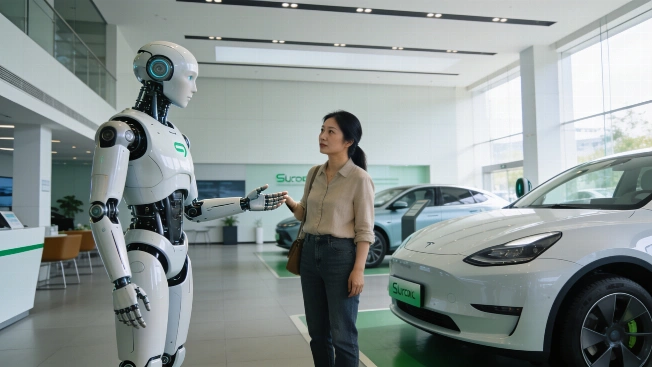
BYD Deploys Xiao Di Humanoid Robots in Chinese Car Showrooms
BYD has begun introducing its humanoid robot Xiao Di in select showroom experience centers across China, aiming to enhance customer interaction as domestic car sales decline and regulatory scrutiny of advanced robotics intensifies

DEEP Robotics Deploys Quadruped Robots for Hazardous Fire Response
DEEP Robotics has begun deploying its X30 quadruped and Lynx M20 wheeled-legged robots to perform initial reconnaissance in hazardous firefighting and emergency environments, aiming to reduce human exposure during early assessment and support operations

Humanoid Robot Demonstrated for Border Surveillance in Rugged Terrain
A US robotics company has presented its Phantom humanoid robot to federal agencies, showing it can traverse uneven ground and identify potential border crossings, but deployment remains limited and key technical and regulatory questions persist
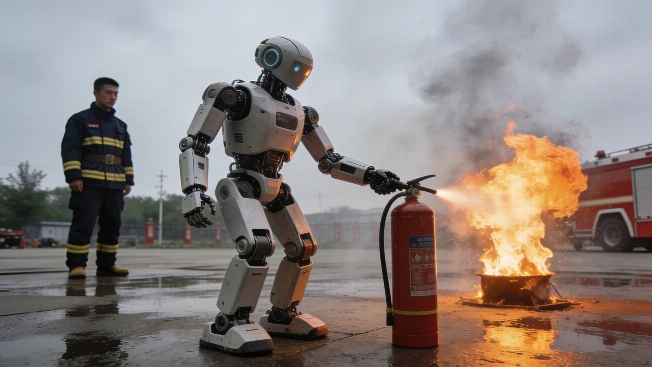
Humanoid Robots Struggle With Real-World Firefighting Tasks in Beijing Test
A large-scale robotics competition in Beijing tested 23 humanoid robots in a simulated firefighting and rescue scenario, revealing persistent challenges in perception, manipulation, and reliability outside controlled laboratory settings
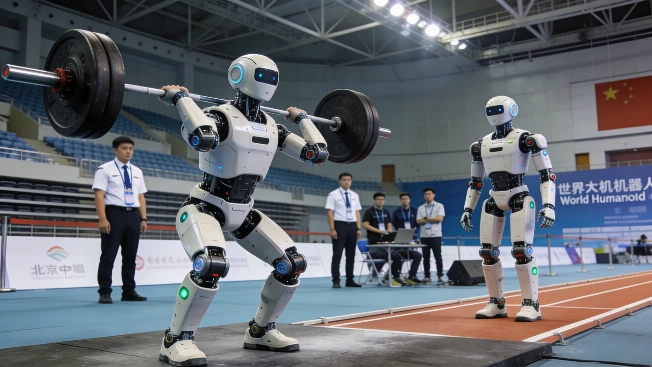
Record Number of Humanoid Robots to Compete in Beijing Games
Beijing will host the second World Humanoid Robot Games from August 22-26, bringing together over 2,000 robots from 16 countries to compete in 51 events, with stricter rules and expanded real-world challenge scenarios.
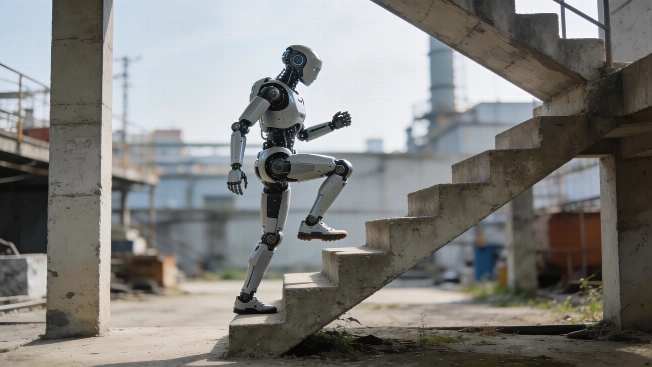
Deep Robotics DR02 Demonstrates Outdoor Stair Climbing in Field Test
Deep Robotics has released new video of its DR02 humanoid robot climbing outdoor concrete stairs, providing evidence of its mobility on uneven terrain as the company seeks to commercialize the platform for industrial and hazardous environments
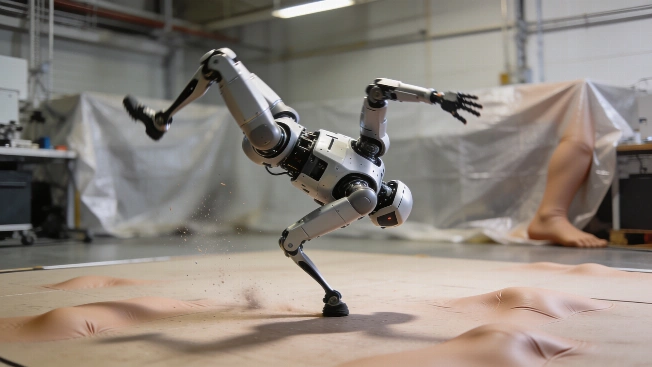
Humanoid Robots Learn Agile Moves from Human Motion Data with ZEST
A new control framework called ZEST enables humanoid and quadruped robots to perform complex, agile movements by learning from human motion capture, video, and animation data, reducing the need for task-specific engineering
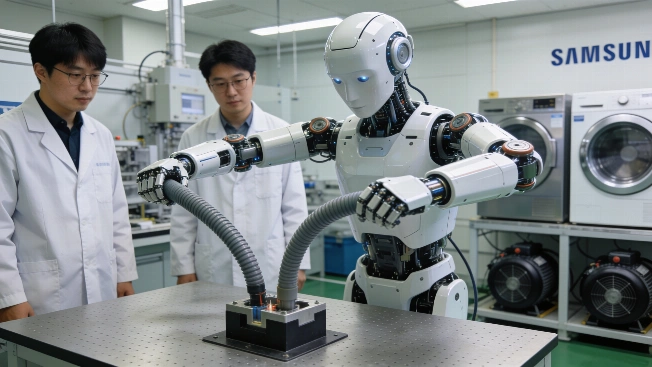
Samsung Develops Advanced Humanoid Robot Using Appliance Motor Technology
Samsung Electronics is developing a humanoid robot that leverages motor technology from its home-appliance division, aiming to reduce actuator costs and compete with domestic robotics firms. The project remains internal and separate from its public robotics subsidiaries
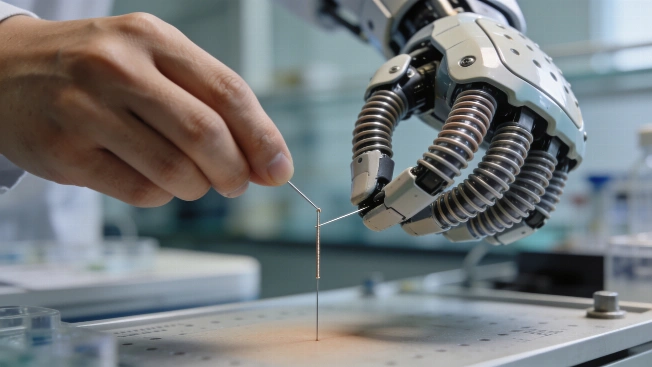
China Tests BioflexBot Hand for Precision Tasks With Simple Design
Researchers in China have built BioflexBot, a robotic hand that uses compressed air and a coiled spring to perform precise manipulations such as threading needles and opening bottle caps, aiming to reduce hardware complexity and cost
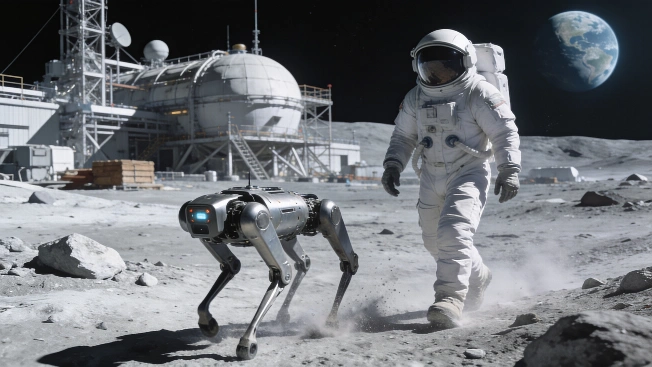
China Plans Lunar Base with Quadruped Robots for 2035 Deployment
China aims to deploy quadruped robots to support astronauts and conduct research at its planned International Lunar Research Station by 2035, raising questions about autonomy, safety, and human-robot collaboration in extreme environments
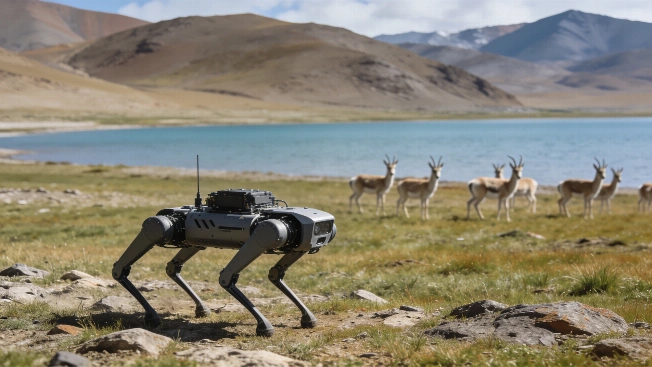
Robots Document Tibetan Antelope Migration in China's High-Altitude Reserve
DEEP Robotics has deployed its Lynx M20 wheeled-legged robot in the Serling Tso Nature Reserve to collect visual data on Tibetan antelope migration, testing the system's ability to operate in extreme plateau conditions with minimal wildlife disturbance
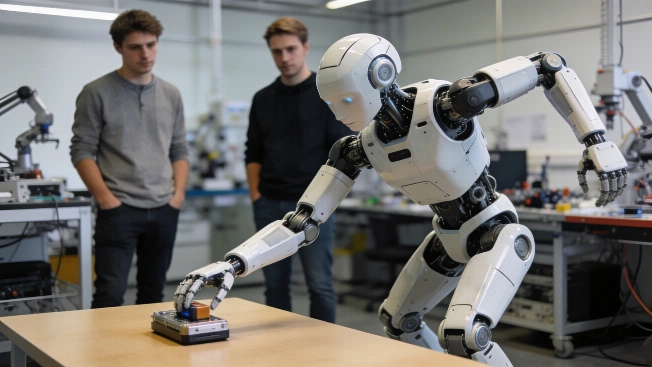
SONIC Framework Enables Humanoid Robots to Perform Diverse Movements
NVIDIA researchers have introduced SONIC, a large-scale control framework that allows humanoid robots to execute a wide range of whole-body movements using inputs from teleoperation, video, text, and music, with evidence from both simulation and real-world tests

NVIDIA's Nemotron 3.5 Lightning Targets Routine AI Agent Tasks
NVIDIA has released Nemotron 3.5 Lightning, an open-weight model designed for high-volume, repetitive agent workloads. The system aims to reduce cost and latency for developers running autonomous agents on local hardware or in data centers
Part 2 of 4