
NASA Missions - Part 5
202 reports
NASA Expands Student Access to Space Missions and STEM Careers
NASA is expanding opportunities for students to join mission experiences and explore technical careers, while contributing to citizen science as the agency prepares for major launches and ongoing lunar and space station operations.
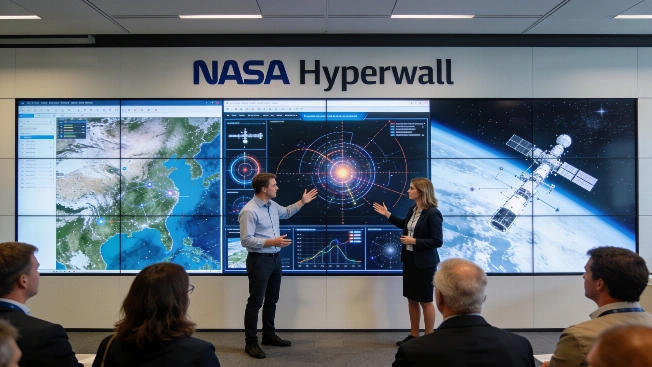
NASA Schedules Hyperwall Science Talks for IGARSS 2026 in Vienna
NASA will present a series of Hyperwall science talks at IGARSS 2026, featuring mission updates and instrument demonstrations from Earth and planetary science experts in the exhibit hall.
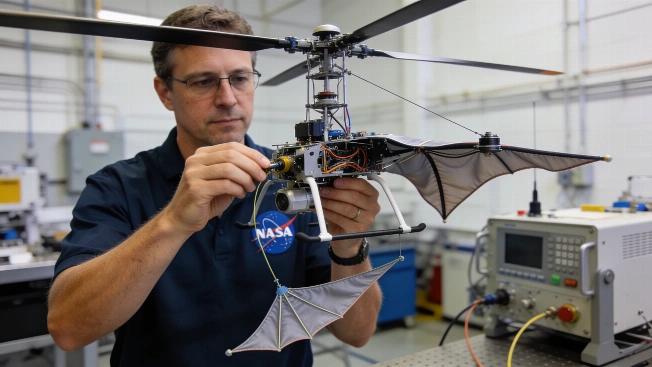
NASA's SkyFall Mars Helicopters to Map Subsurface Ice with Flexible Radar
NASA's upcoming SkyFall mission will deploy three mini helicopters to Mars, each equipped with a lightweight, flexible radar antenna designed to detect shallow subsurface ice deposits inaccessible to orbiting spacecraft.
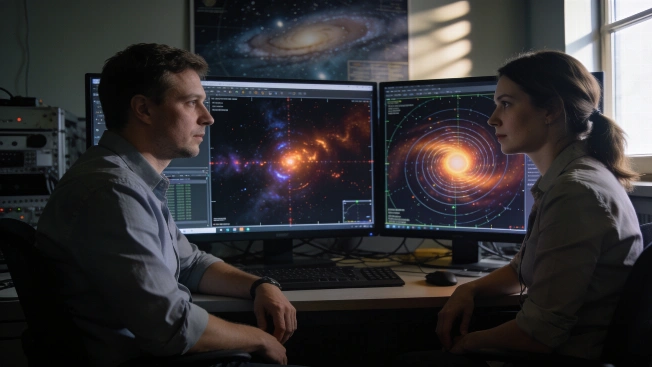
NASA's IXPE Observes Magnetar and Tests Quantum Vacuum Theory
NASA's IXPE telescope spent over 140 hours observing magnetar 1E 1547-5408, collecting X-ray polarization data that may reveal how empty space behaves in extreme magnetic fields.
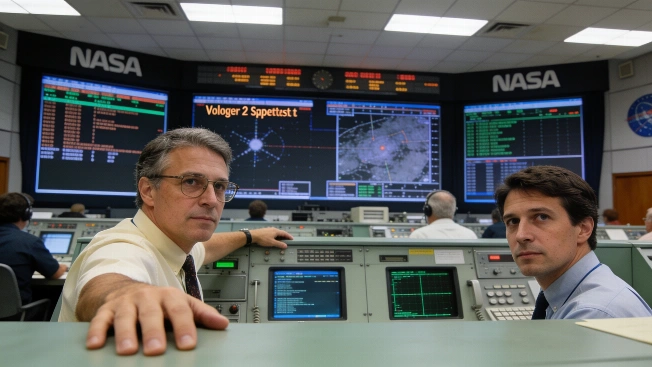
NASA Extends Voyager 2 Science With Power-Saving Maneuver
NASA engineers have implemented a new power-management strategy on Voyager 2, allowing the spacecraft to continue collecting scientific data for at least another year as its nuclear power source declines.
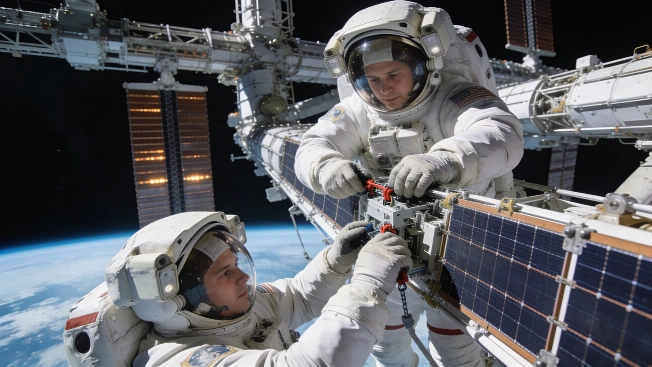
NASA Astronauts Complete Spacewalk to Prepare ISS for Solar Array Upgrade
NASA astronauts Anil Menon and Joshua Kutryk are scheduled to make two spacewalks on October 29 and November 5, 2026, to install the station’s final roll-out solar arrays and complete its power-system upgrades.
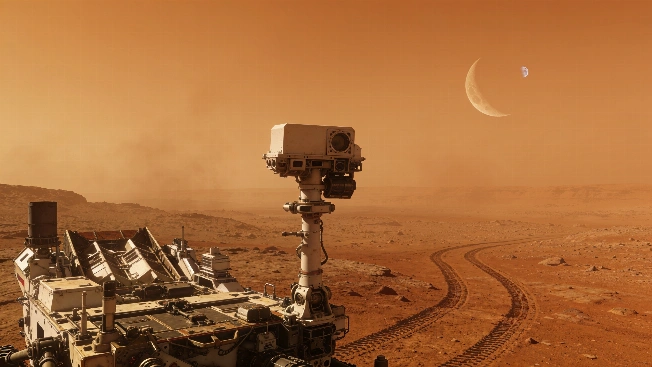
Perseverance Rover Captures Earth Passing Behind Mars' Moon Phobos
NASA's Perseverance rover recorded a rare occultation, imaging Earth as it briefly disappeared behind Mars' innermost moon, Phobos, with its Mastcam-Z camera system.
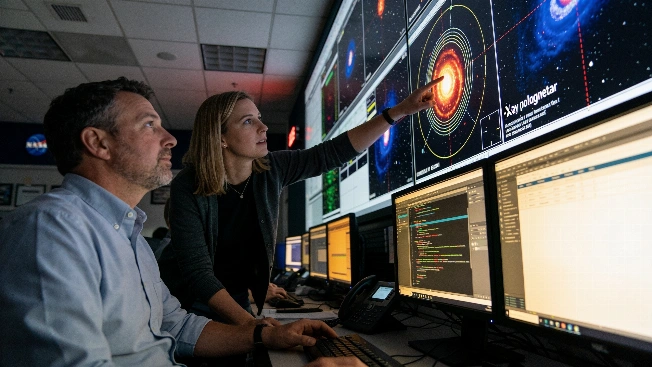
NASA's IXPE Detects Signs of Quantum Vacuum Effect Near Magnetar
NASA's IXPE telescope has measured X-ray polarization from a magnetar, providing evidence consistent with a quantum electrodynamics effect predicted nearly a century ago but never directly observed in space.
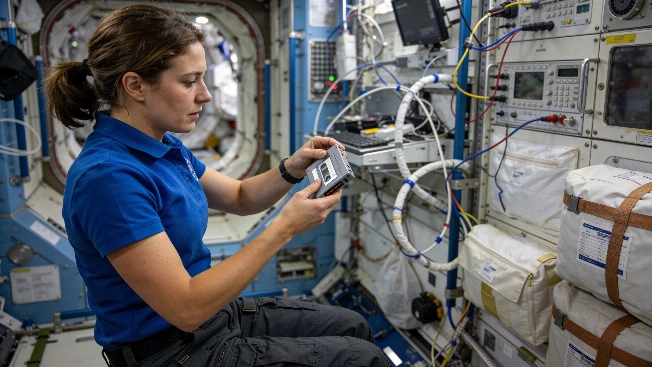
Automated Mini-Labs Expand Space Station Research With Less Crew Time
Redwire's ADvanced Space Experiment Processors (ADSEPs) allow the International Space Station to run complex biological and materials science experiments with minimal astronaut involvement, advancing pharmaceutical and fundamental research in microgravity.
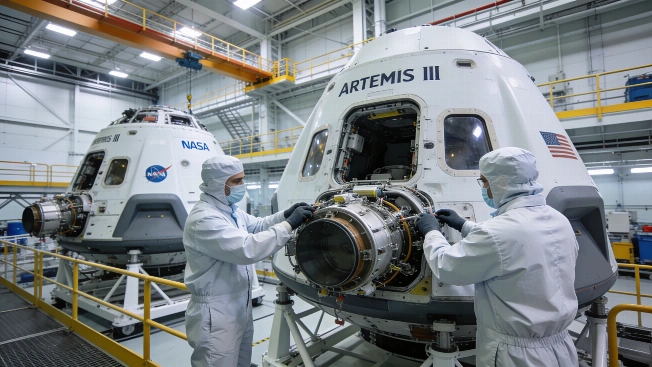
NASA Joins Artemis III Orion Crew and Service Modules for Lunar Mission
Technicians at Kennedy Space Center have integrated the Orion crew and service modules for Artemis III, a basic key stage ahead of the mission to test rendezvous and docking with lunar landing systems in low Earth orbit.
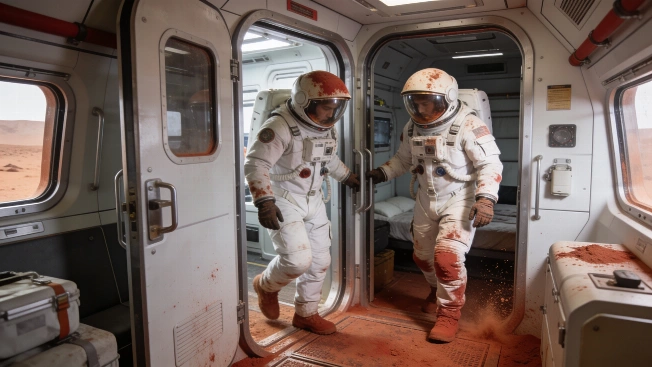
NASA Faces Challenge of Toxic Dust for Future Mars Astronauts
NASA's Martian Dust Limit Working Group has reviewed the health risks posed by Mars dust, which contains carcinogenic silica and heavy metals, and is developing exposure standards and mitigation strategies for future crewed missions.
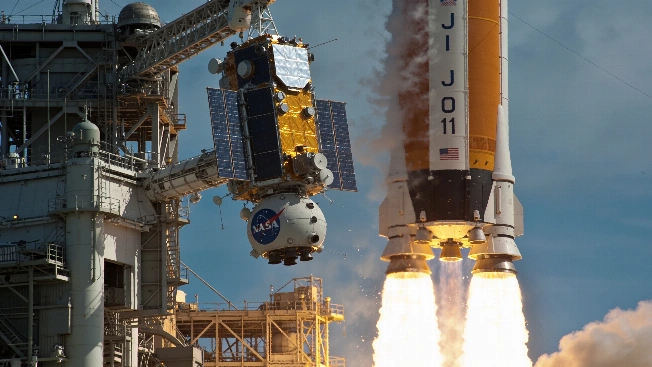
NASA's Juno Mission Transformed Jupiter Science After 2011 Launch
NASA's Juno spacecraft, launched in 2011 aboard an Atlas V rocket, reached Jupiter in 2016 and has since delivered unprecedented data and images, reshaping our understanding of the giant planet's atmosphere, magnetic field, and moons.
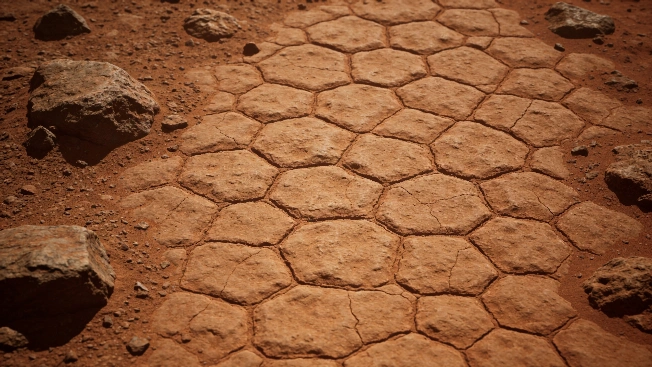
Curiosity Rover Detects Extensive Polygon Patterns in Martian Valley
NASA's Curiosity rover is reported to have imaged a vast field of honeycomb-like polygonal fractures in Mars' Valle Grande, raising questions about the planet's surface processes and past water activity. The available NASA record does not independently confirm the specific observation.
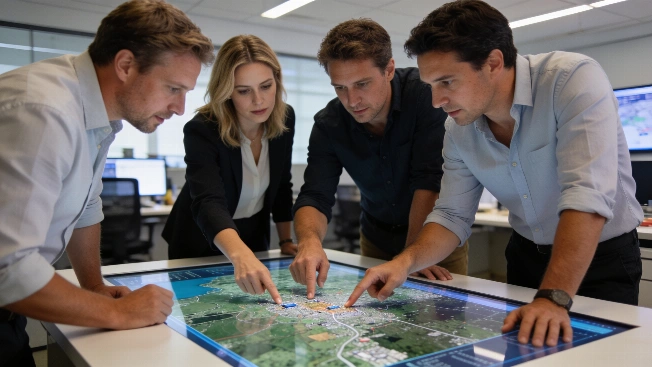
NASA Invites Public to Identify August 2026 Satellite Image
NASA Earth Observatory has released a new satellite image challenge for August 2026, inviting the public to analyze a puzzling landform and submit interpretations based on visible clues and scientific reasoning.
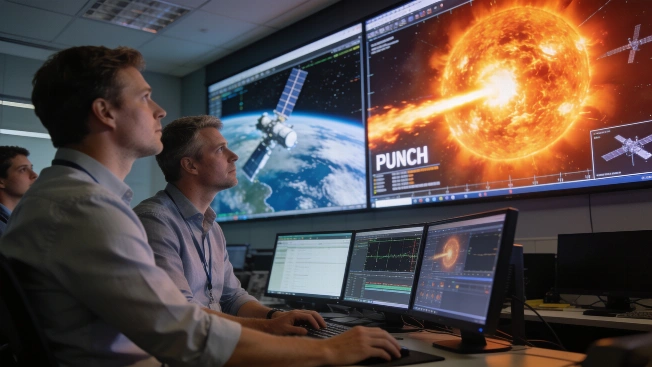
NASA's PUNCH Mission Narrows Solar Storm Arrival Forecasts
NASA's PUNCH mission has enabled scientists to predict the arrival of a solar eruption near Earth to within 30 minutes, using continuous 3D imaging of coronal mass ejections as they travel through the inner solar system.
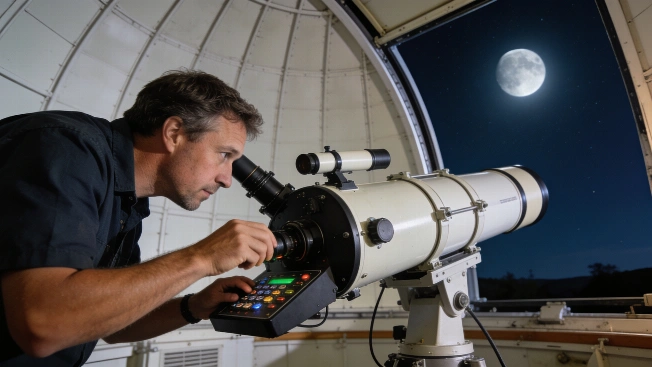
NASA Tracks Falcon 9 Rocket Stage Ahead of Planned Lunar Impact
NASA and SpaceX are monitoring a spent Falcon 9 upper stage expected to strike the Moon near the Einstein and Bell craters, using ground- and space-based telescopes to gather data and refine tracking methods.
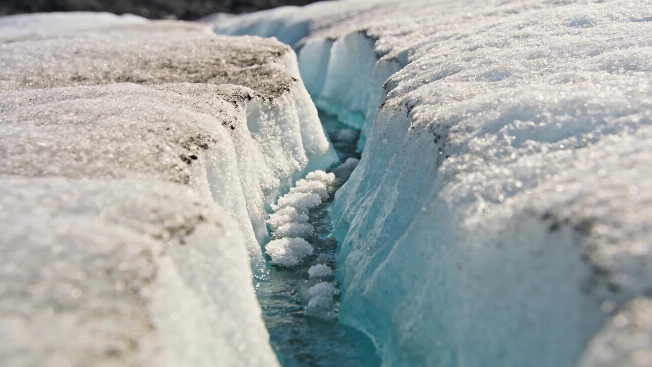
Europa Clipper May Miss Ocean Water Rising Through Europa's Ice
Computer simulations suggest that turbulent water rising through Europa's ice would freeze its pathways shut, making shallow surface pools poor indicators of the moon's buried ocean.
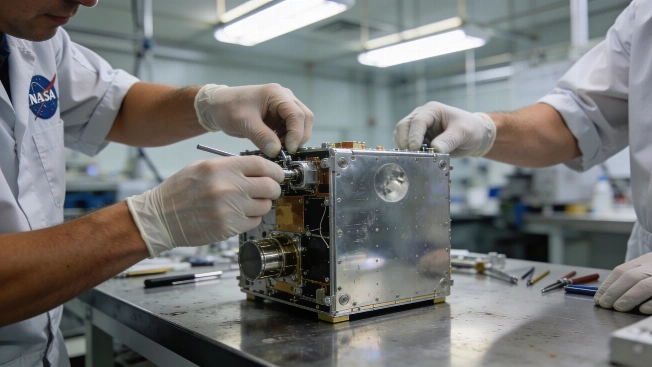
NASA's NavCube3-mini Heads to a Commercial Lunar Relay
NASA has handed a compact GNSS navigation payload to Intuitive Machines for installation on Altus-1, testing whether Earth-based positioning signals can support spacecraft operating near the Moon.
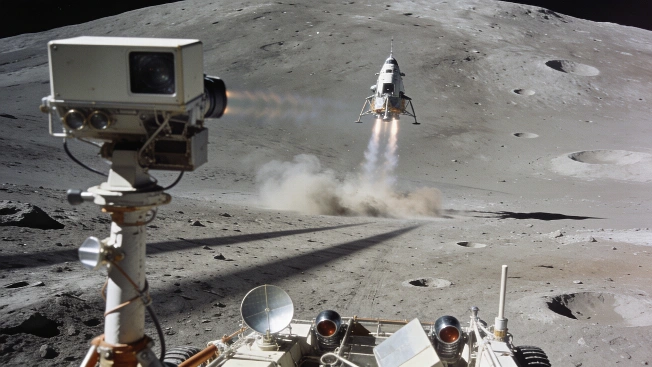
Apollo 15's Moon Liftoff Became Television's First From Another World
On Aug. 2, 1971, Apollo 15 transmitted the first live television view of a spacecraft leaving the moon, using a rover-mounted camera that revealed both the mission's ingenuity and its limits
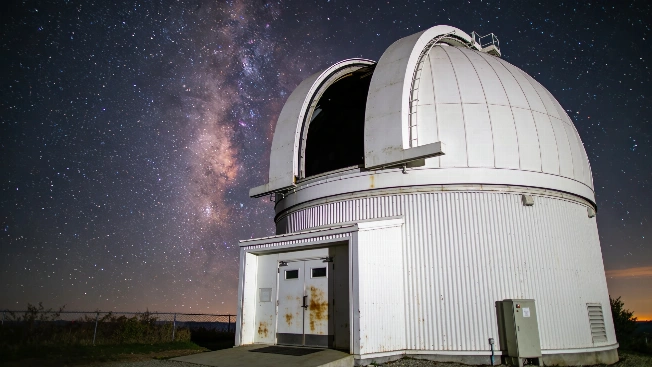
Hubble Finds Andromeda's Star Formation Is Winding Down
A Hubble analysis of about 200 million stars shows that Andromeda has sharply reduced its star-making rate over the past 500 million years, while NASA's Roman telescope prepares to map the galaxy more completely.
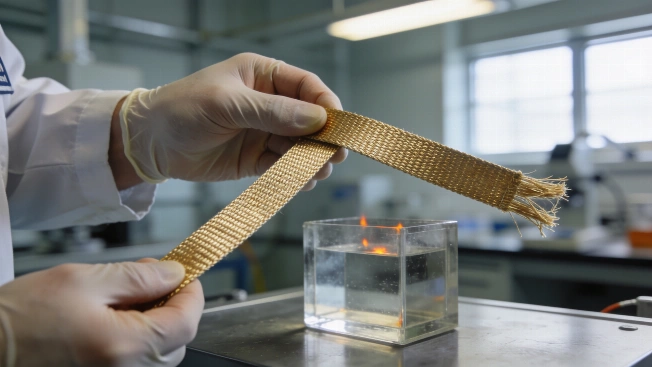
NASA Tests Fire-Resistant Webbing for Moon and Mars Missions
NASA testing found that natural, gold-colored Kevlar(R)/PBI webbing met flammability criteria in a high-oxygen environment, though complete softgoods assemblies still require configuration and wear testing.
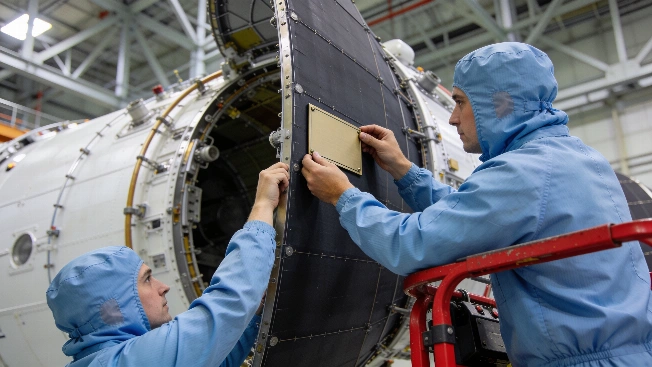
NASA's Roman Telescope Will Carry 1.35 Million Names to L2
A memory card carrying 1,350,144 names has been mounted on NASA's Nancy Grace Roman Space Telescope ahead of its planned launch to an orbit about one million miles from Earth
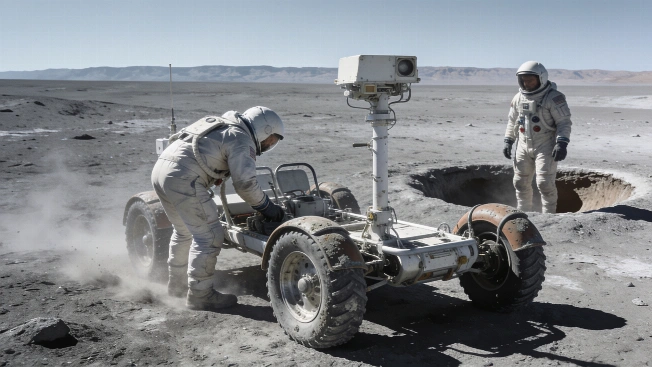
Apollo 15's Lunar Rover Turned Moonwalking Into Exploration
Apollo 15's Lunar Roving Vehicle gave astronauts their first way to travel extensively across the moon's surface, extending scientific exploration beyond the immediate landing site in July 1971.
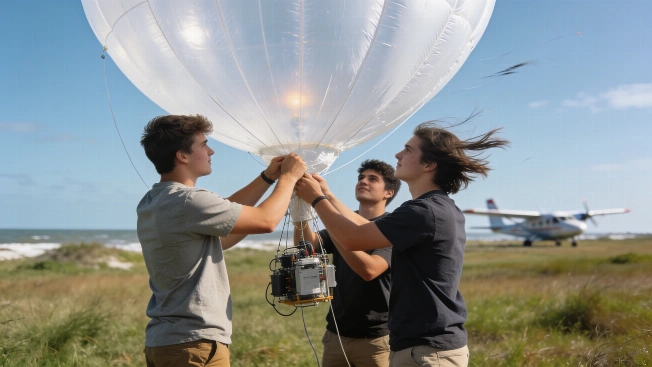
NASA's SARP Students Launch Ozone Sensors in Gulf Coast Field Campaign
Undergraduates in NASA's Student Airborne Research Program deployed ozonesonde balloons and flew on science aircraft to collect atmospheric data over the Texas Gulf Coast, gaining hands-on experience with field instruments and satellite validation.
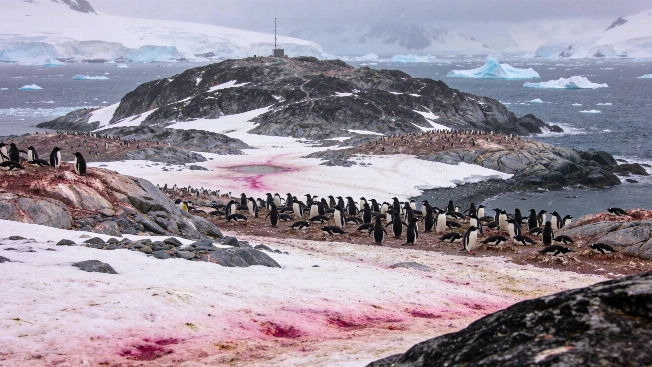
Satellite Images Reveal Penguin Diet Shifts on Antarctica's Danger Islands
NASA's Landsat 8 satellite and drone surveys have enabled researchers to monitor Adélie penguin colonies on the Danger Islands by analyzing the color of their guano, offering new understanding into how changing sea ice may affect Antarctic food webs.
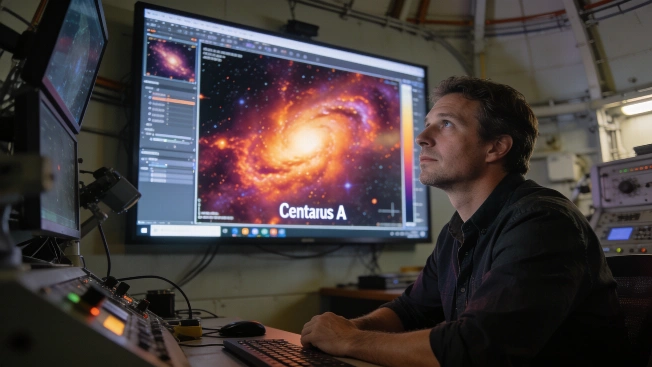
Webb Telescope Maps Dusty Structures in Active Galaxy Centaurus A
NASA's James Webb Space Telescope has captured a detailed mid-infrared image of Centaurus A, revealing complex dust lanes and energetic activity in this nearby galaxy with its MIRI instrument
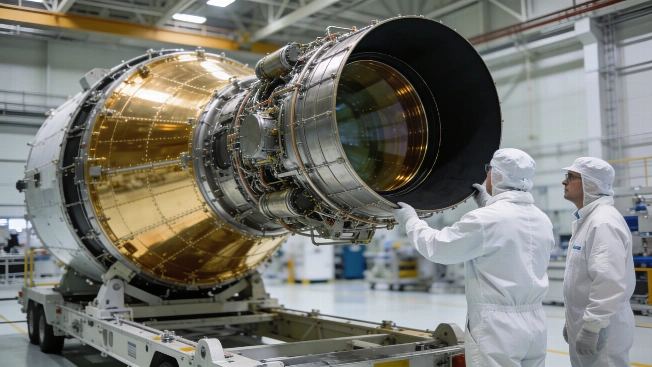
NASA Prepares Roman Space Telescope for Early Launch to L2 Orbit
NASA's Nancy Grace Roman Space Telescope launched on August 30 and is heading to L2, where it will conduct wide-field infrared surveys and exoplanet imaging
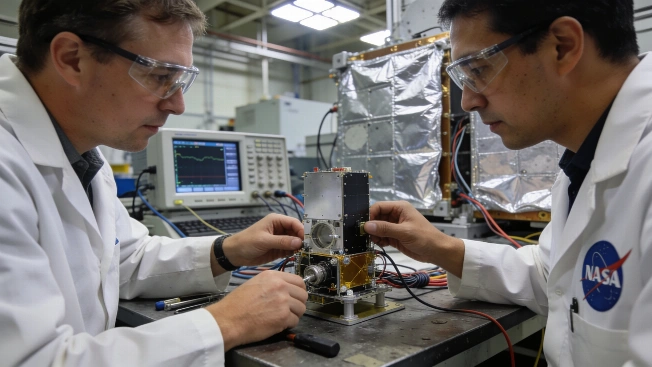
NASA Funds 18 Early-Stage Space Technology Concepts for 2026
NASA selected 18 new Phase I projects under its New Advanced Concepts program, committing $3.2 million to early-stage studies of technologies for future space exploration and astrophysics missions
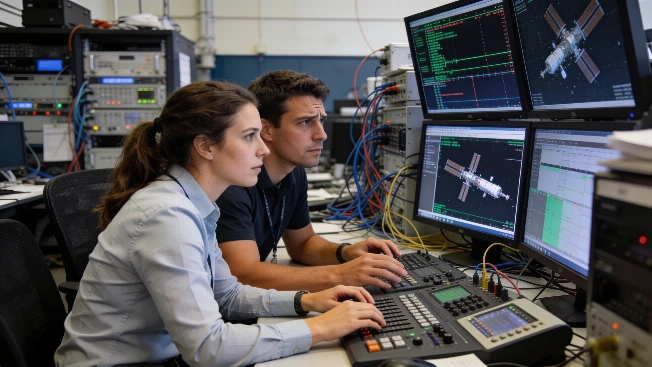
NASA's Swift Boost Mission Faces Setback After Spacecraft Malfunction
NASA's Swift Boost mission, launched to extend the life of the Neil Gehrels Swift Observatory, has encountered a critical control issue with its LINK spacecraft, raising uncertainty about the planned orbital rescue operation
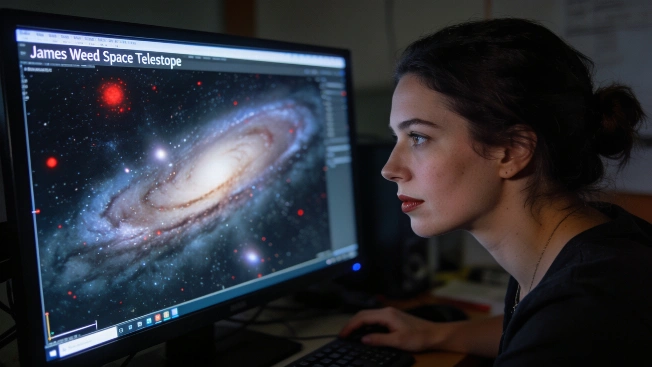
Webb Telescope Study Links Little Red Dots to Black Hole Activity
Astronomers using the James Webb Space Telescope have traced the origins of mysterious “little red dots” in deep space, suggesting that these compact sources are linked to phases of intense supermassive black hole activity.
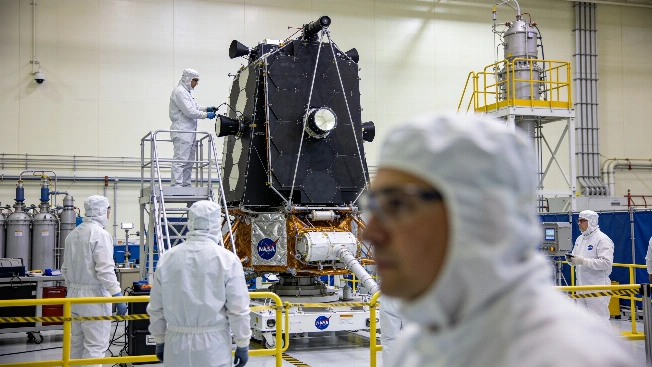
NASA Prepares Roman Space Telescope for 2026 Launch to L2 Orbit
NASA has fueled the Roman Space Telescope, a next-generation infrared observatory scheduled to launch in August 2026. It is expected to collect hundreds of terabytes of cosmic data annually and expand studies of dark matter and dark energy while probing exoplanets.
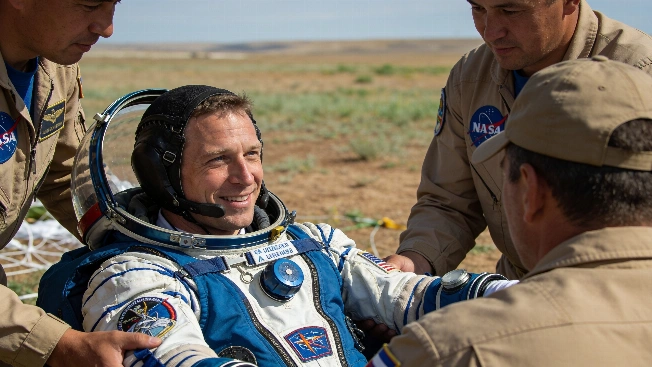
NASA Astronaut Chris Williams Completes First ISS Mission After Eight Months
NASA astronaut Chris Williams has returned to Earth after eight months aboard the International Space Station, where he supported scientific research and technology upgrades during Expedition 74.
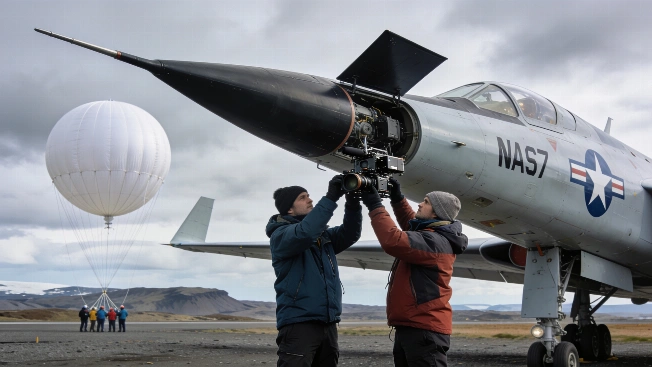
NASA Prepares High-Altitude Observations for August 2026 Solar Eclipse
NASA-funded teams will use a high-altitude jet and scientific balloons to study the Sun's corona and atmospheric changes during the total solar eclipse crossing Greenland, Iceland, and Spain on August 12, 2026

NASA Moon Tree Planted in Manhattan Grew from Lunar-Orbiting Seed
A young American sweet gum tree in Madison Square Park was grown from a seed that orbited the Moon aboard NASA's Artemis I mission, highlighting the intersection of space exploration and urban ecology.
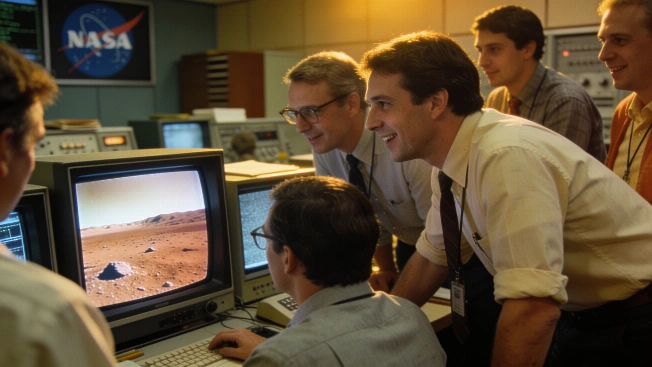
Viking 1's First Mars Surface Image Revisited on 50th Anniversary
NASA has released the original images captured by Viking 1 after its 1976 Mars landing, offering a detailed look at the Red Planet's surface and the mission's scientific legacy.
Part 5 of 6