
NASA Missions - Part 4
202 reports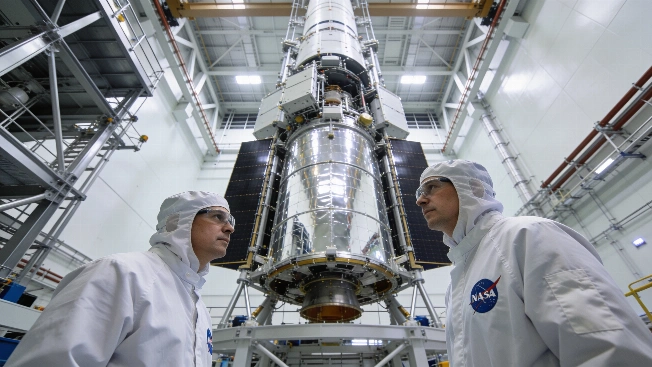
NASA's Roman Space Telescope Set for Launch to Map Distant Cosmos
NASA's Nancy Grace Roman Space Telescope is scheduled to launch from Florida to investigate exoplanets and distant galaxies with a wide-field infrared observatory, while probing dark matter. Its first science images are expected in 2027.
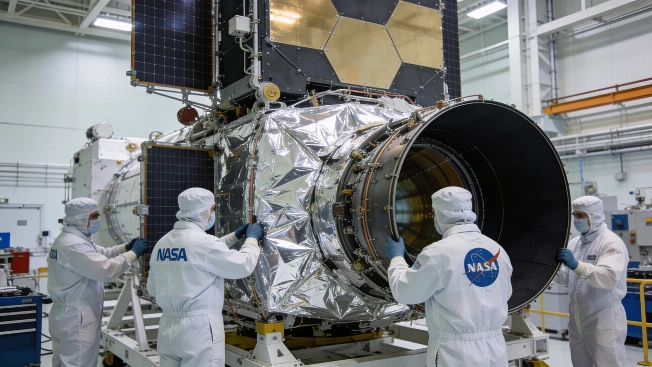
NASA's Roman Space Telescope Nears Launch After Budget Uncertainty
NASA's Nancy Grace Roman Space Telescope is set for launch after nearly two decades of development. It survived the threat of cancellation and major funding cuts to become the agency's next flagship observatory, focused on dark energy and exoplanets while also mapping cosmic structure.
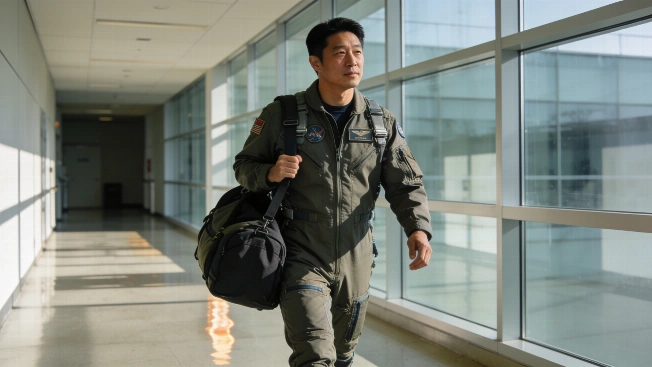
NASA Astronaut Jonny Kim Departs Agency to Resume Naval Aviation Career
NASA astronaut Jonny Kim, a Harvard-trained physician and Navy SEAL, is leaving the agency after nine years and one mission to the International Space Station to return to active duty in naval aviation training.
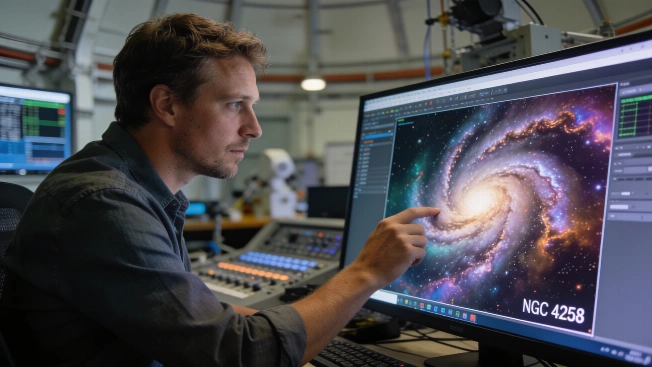
NASA Telescopes Reveal Unusual Extra Arms in Spiral Galaxy NGC 4258
A composite image from NASA's Chandra, Hubble, and James Webb telescopes reveals the spiral galaxy NGC 4258, highlighting two anomalous extra arms shaped by its central supermassive black hole
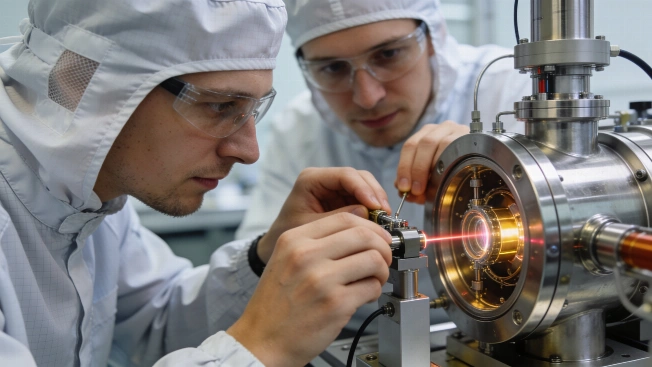
NASA Funds Next-Phase Quantum Gravity Sensor for Space Testing
NASA has awarded Infleqtion a $20 million contract to advance a quantum gravity gradiometer, supporting hardware integration and microgravity testing for future Earth observation from orbit.
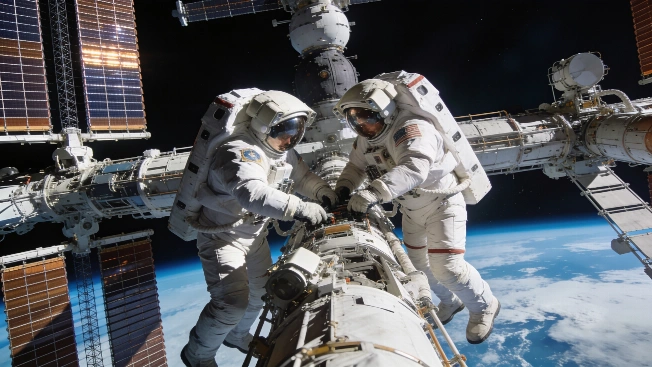
ISS Spacewalk Removes Failed Antenna but Leaves Replacement Unfinished
ESA astronaut Sophie Adenot and NASA astronaut Anil Menon spent more than six hours outside the International Space Station on August 18, 2026, removing a malfunctioning antenna during a technically demanding extravehicular activity.
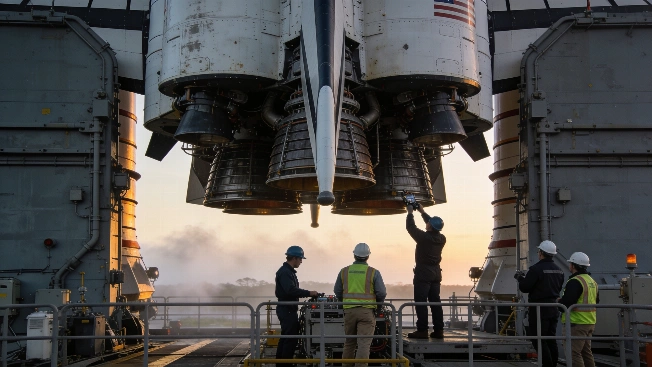
SpaceX to Retire Falcon 9 as Starship Nears Operational Status
SpaceX has announced plans to phase out its Falcon 9 rocket once the Starship launch system achieves reliable, frequent operations. The transition could reshape commercial launch access and mission planning for years to come.
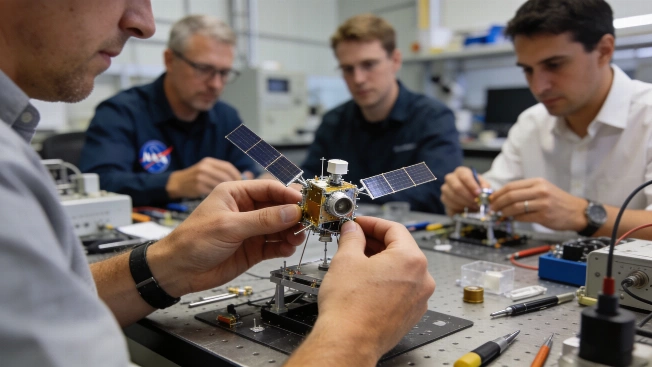
NASA Backs 18 Advanced Concepts for Future Space Missions
NASA has awarded funding to 18 early-stage technology proposals, backing research into new mission concepts such as lunar cave exploration and exoplanet imaging, alongside distributed probes for Saturn's rings.
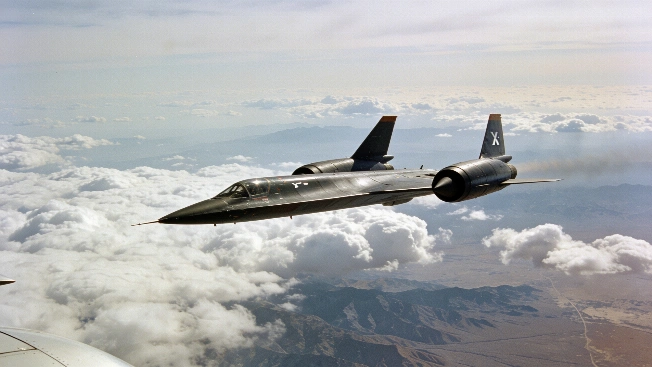
X-15 Rocket Plane Sets 1963 Altitude Record Above Kármán Line
On August 22, 1963, the X-15 rocket plane piloted by Joe Walker reached an altitude exceeding 108 kilometers, providing rare data on hypersonic flight and spacecraft reusability during a defining period for space research.
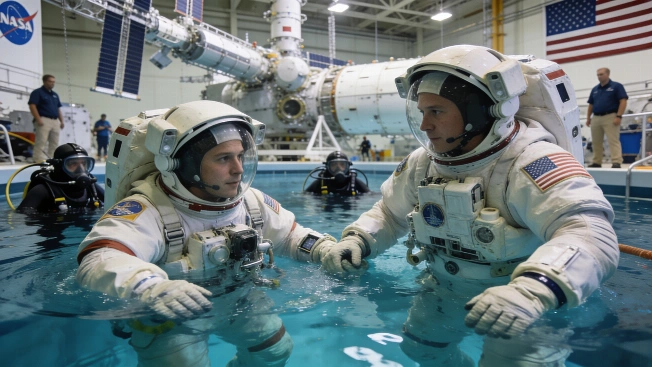
NASA Prepares Astronaut Training for Commercial Space Station Era
NASA's Johnson Space Center is adapting astronaut training and mission operations as the International Space Station gives way to a new generation of commercial stations, with government and private industry working side by side.
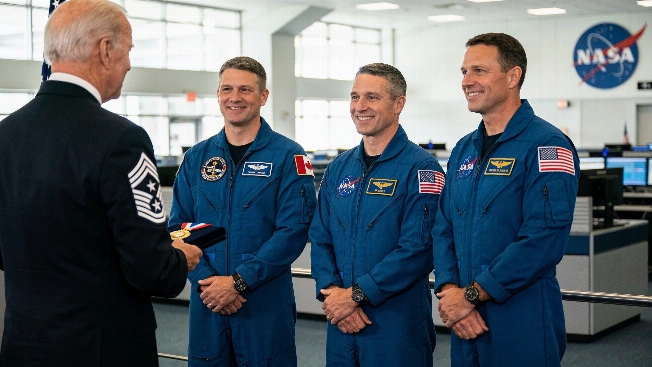
NASA Artemis II Astronauts to Receive Congressional Space Medal of Honor
NASA's Artemis II crew, who completed a lunar flyby in April, will be awarded the Congressional Space Medal of Honor at Johnson Space Center, recognizing their role in advancing human spaceflight beyond low Earth orbit
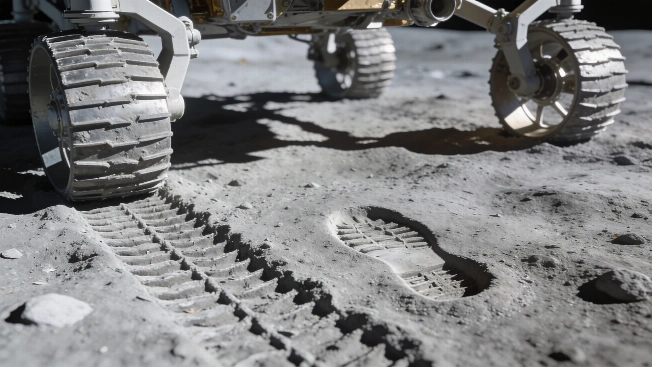
Study Finds Some Terrestrial Microbes Could Survive on the Moon
A new analysis suggests certain bacteria and fungi from Earth may persist in cryptobiotic states on the lunar surface, especially in shadowed polar regions, raising questions for future crewed missions and planetary protection
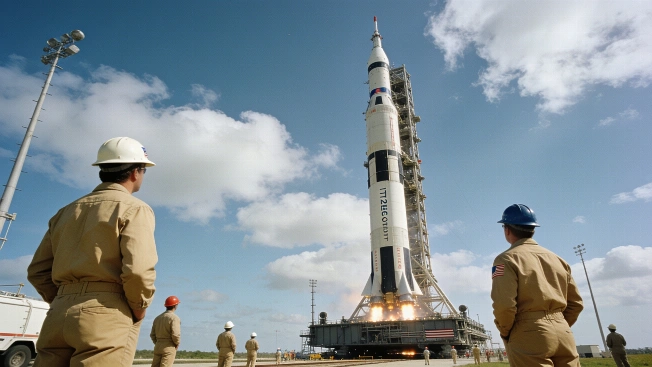
Voyager 2's Launch Opened the Outer Solar System to Exploration
NASA's Voyager 2 spacecraft began its journey to the outer planets on August 20, 1977, using a rare planetary alignment to visit Jupiter, Saturn, Uranus, and Neptune and extend humanity's reach into interstellar space.
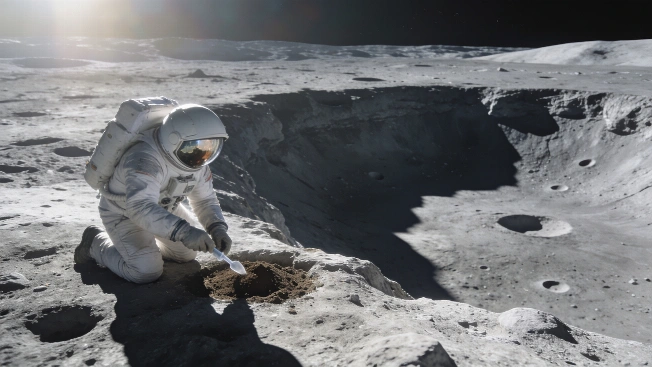
NASA Study Finds Human Microbes Could Survive in Moon's South Pole Shadows
A NASA-led study simulates lunar south polar conditions and finds that some common Earth microbes, including bacteria and fungi, could persist in shadowed lunar regions, raising new questions about planetary protection as human exploration expands.
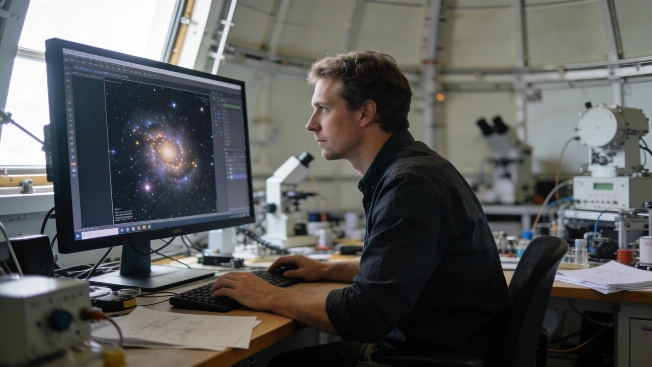
Hubble Data Reveals Ancient Milky Way Merger with Dwarf Galaxy
Astronomers have identified evidence that the Milky Way merged with a dwarf galaxy called LKH about 12 billion years ago. The finding, based on globular cluster data from the Hubble Space Telescope, pushes back the timeline of our galaxy’s early evolution.
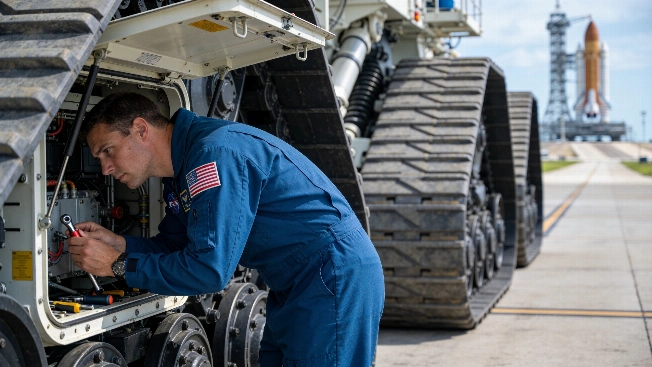
How NASA Mechanics Maintain Spacecraft and Support Exploration
NASA relies on highly trained mechanics to keep spacecraft and support equipment operational, including launch vehicles. Their work covers aircraft and heavy transporters, and calls for specialized skills backed by rigorous certification.
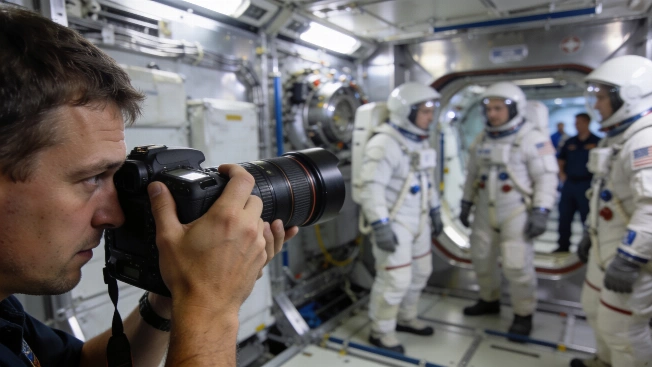
NASA Johnson Photographers Document Human Spaceflight Milestones
NASA's Johnson Space Center photography team has spent decades documenting astronaut training and mission operations, alongside engineering tests. Its images create a visual record of human spaceflight and the people behind major missions.
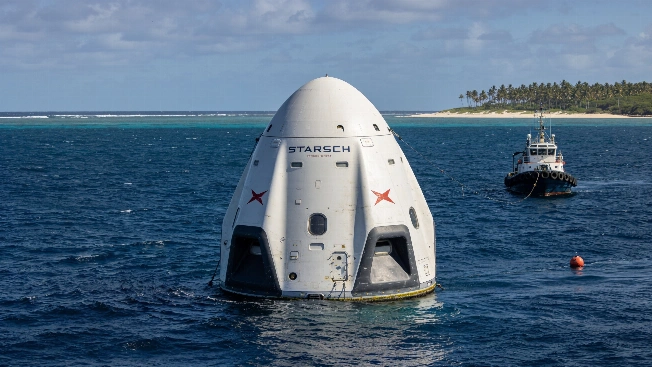
SpaceX Starship Upper Stage Recovered Intact After Indian Ocean Splashdown
SpaceX's Starship Ship 40, which completed a controlled splashdown in the Indian Ocean after its July test flight, has been towed to calmer waters near Christmas Island for engineering analysis.
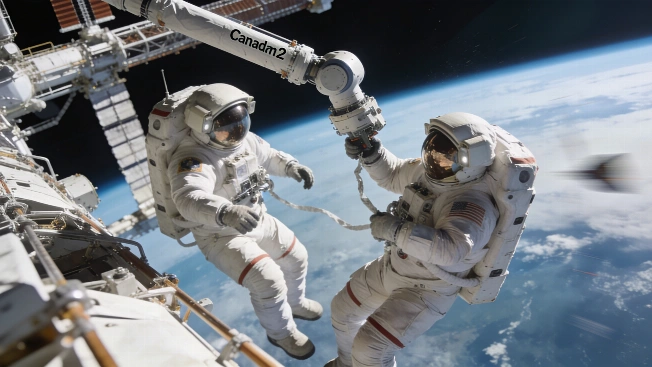
ISS Spacewalk Removes Failed Antenna but Replacement Delayed
NASA astronaut Anil Menon and ESA astronaut Sophie Adenot removed a nonfunctional antenna from the International Space Station during a six-hour spacewalk, but time constraints postponed installation of the replacement hardware.
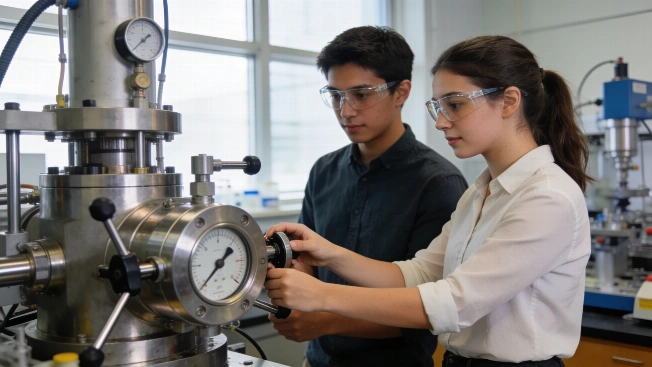
NASA SCoPE Trains Planetary Science Interns in Public Engagement
NASA SCoPE partnered with Arizona State University's FORCE Summer School to give undergraduate interns hands-on training in science communication and public outreach focused on planetary research under extreme conditions.
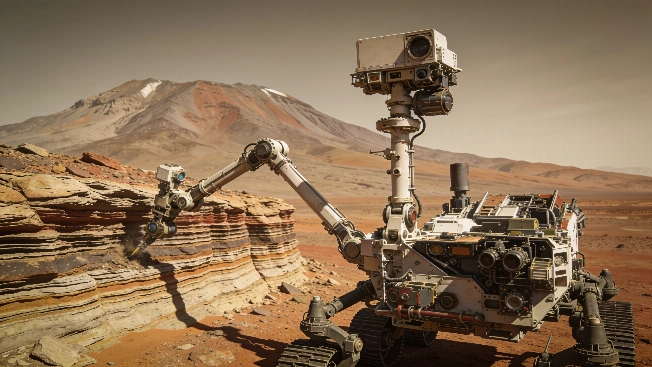
Curiosity Marks 14 Years on Mars with New Rock Layer Analysis
NASA's Curiosity rover has reached its 14th anniversary on Mars, continuing its ascent of Mount Sharp with detailed rock and environmental measurements using its suite of scientific instruments
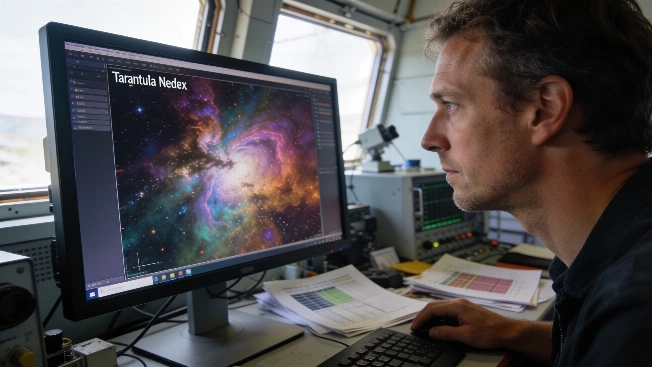
NASA Telescopes Map Energy Loss in Tarantula Nebula
A composite image combining Chandra observations with data from Webb and Hubble shows how young stars and energetic gas shape the Tarantula Nebula in the Large Magellanic Cloud, offering fresh understanding into star formation and nebular evolution.
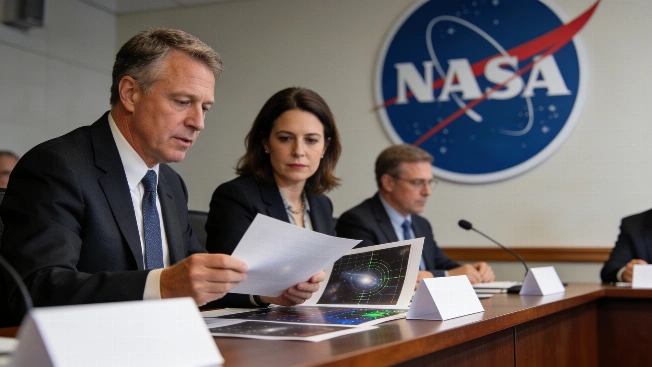
Pentagon's UAP Data Releases Mark Shift in Official Transparency
Recent Pentagon releases of unidentified anomalous phenomena (UAP) files, supported by NASA and advisory experts, signal a new phase in government transparency and data sharing on unexplained aerial observations
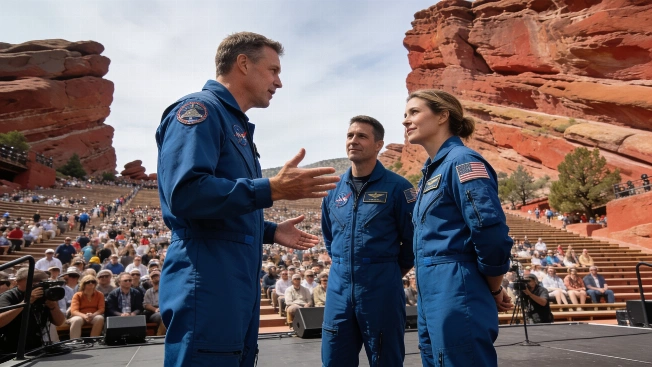
Artemis II Astronauts Reflect on Orion's Moon Mission and Next Steps
NASA's Artemis II crew discussed their 10-day lunar flyby and Orion spacecraft performance, along with challenges facing upcoming missions, at a public event in Colorado. They highlighted technical lessons and international collaboration.
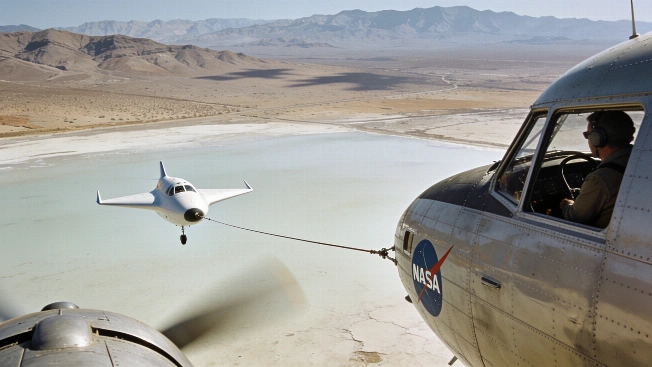
NASA's M2-F1 Lifting Body Demonstrates Controlled Glide Landing in 1963
NASA's M2-F1 prototype, a wingless lifting body aircraft, made its first unpowered glide flight on August 16, 1963, offering early evidence that spacecraft could return to Earth with controlled landings instead of ballistic descent
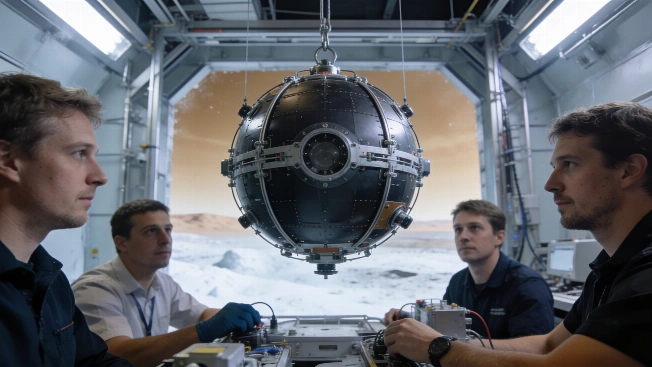
NASA Backs Spherical Aerobots to Probe Titan's Subsurface Caves
A NASA-funded study is developing small, spherical flying robots designed to explore the hydrocarbon caves and sinkholes of Saturn's moon Titan. The aerobots would use solid-state ion propulsion to handle terrain that conventional rovers could not cross.
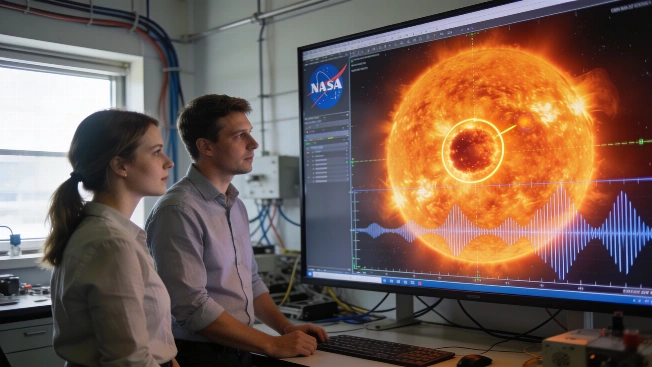
NASA AI Model Predicts Sunspot Emergence Hours Before Surface Appearance
A NASA-led team has developed an AI model that analyzes acoustic and magnetic data from the Sun to forecast the emergence of active regions up to 12 hours in advance, offering new potential for space weather prediction
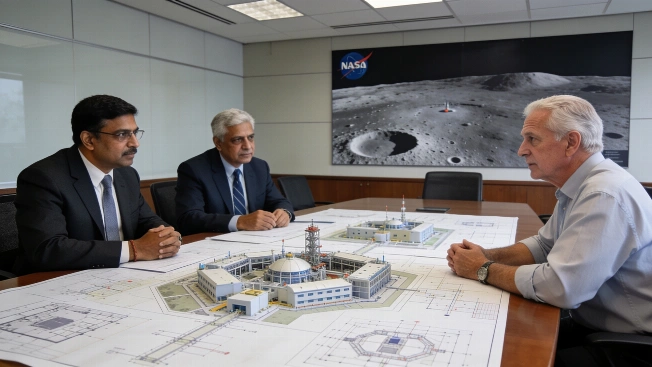
NASA Invites India to Join Moon South Pole Base Collaboration
NASA has formally invited India to participate in developing a permanent lunar base near the Moon's south pole, marking a impressive step in US-India deep-space cooperation and expanding the Artemis program's international partnerships
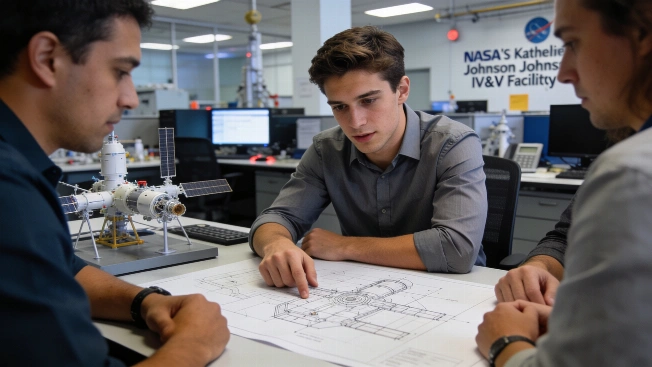
NASA Facility in West Virginia Expands Role in Lunar Mission Safety
NASA's Katherine Johnson IV&V Facility in West Virginia is strengthening its technical workforce to support mission assurance and AI safety for upcoming lunar exploration, with new civil servants joining the agency's core engineering teams.
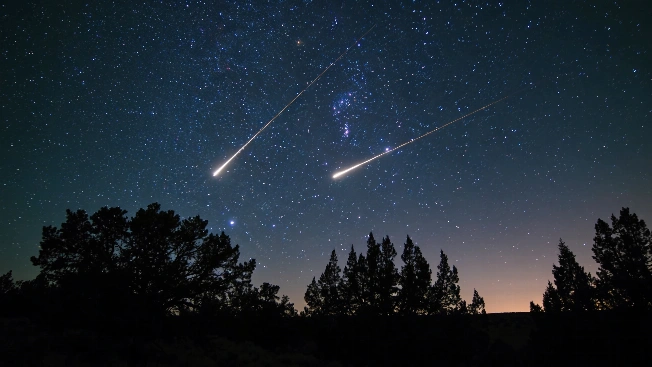
Perseids Meteor Shower Peaks in August Night Skies
The Perseids meteor shower, one of the brightest annual displays, reached its peak on August 12-13, with meteors visible against the backdrop of Orion. Observations were made from dark-sky sites using the unaided eye and standard cameras.
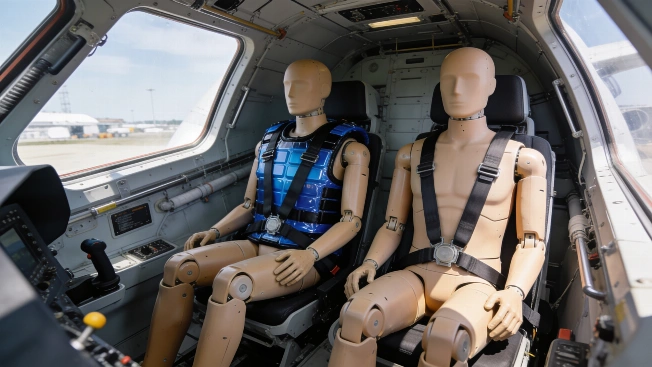
Radiation Vest Tested on Artemis I May Aid Deep Space Astronaut Safety
A hydrogen-rich plastic vest tested aboard NASA's Artemis I mission showed potential to shield astronauts from solar radiation, offering a possible protection measure for future lunar and Mars expeditions.
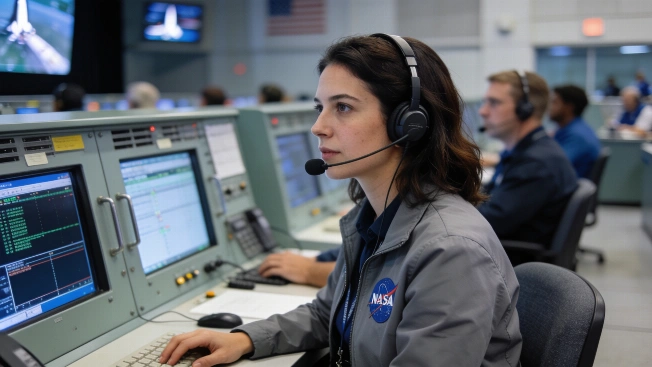
NASA Artemis Launch Team Welcomes New Test Project Engineer
NASA's Artemis program has added Lindsey Waitt as a test project engineer, supporting launch operations for upcoming Moon missions. Her appointment highlights the technical demands and collaborative environment of Artemis launch preparations.
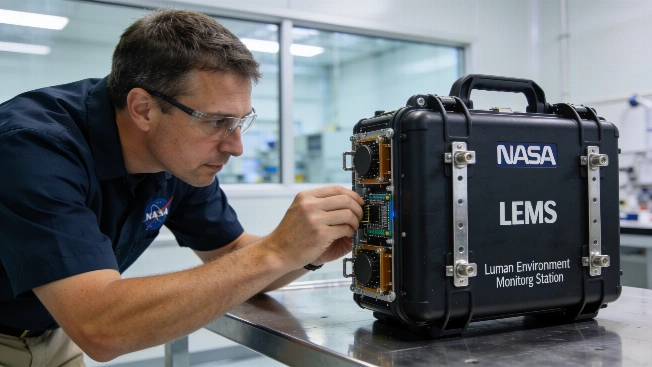
NASA Prepares LEMS Seismic Station for Artemis Lunar Surface Deployment
NASA engineers have completed the Lunar Environment Monitoring Station (LEMS), a compact seismic instrument suite designed for long-term deployment by Artemis astronauts near the Moon's south pole to monitor moonquakes and meteorite impacts.
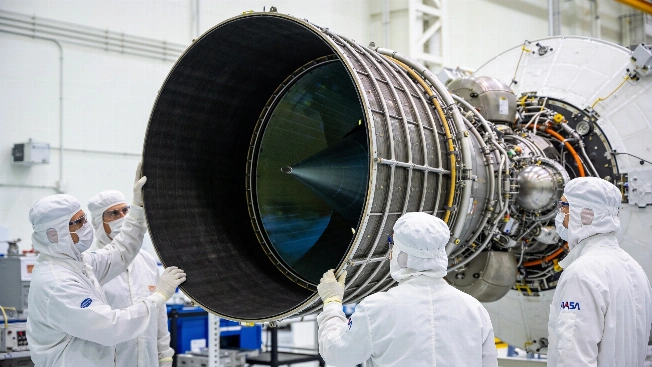
NASA's Roman Space Telescope Targets Dark Energy and Exoplanets
NASA's Nancy Grace Roman Space Telescope launched in 2026 and is traveling toward a stable orbit 1.5 million kilometers from Earth. Its infrared instruments will investigate dark energy and dark matter, while also studying exoplanets.
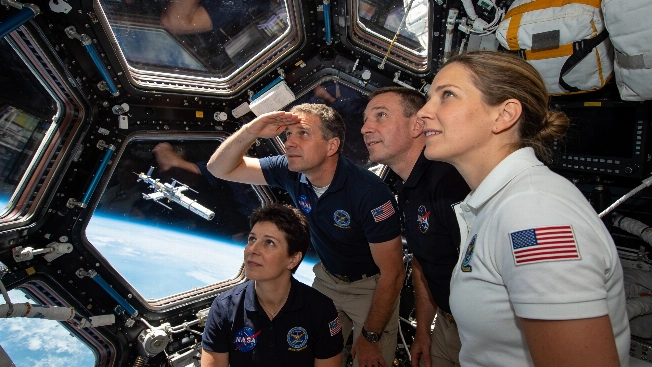
Space Station Research Advances Artemis Moon and Mars Missions
NASA's International Space Station experiments in 2026 are testing technologies and studying astronaut health to support future Artemis missions to the Moon and Mars, with new results informing spacecraft design and deep space exploration.
Part 4 of 6