A NASA-led study simulates lunar south polar conditions and finds that some common Earth microbes, including bacteria and fungi, could persist in shadowed lunar regions, raising new questions for planetary protection as human exploration expands
As NASA prepares for sustained human activity on the Moon, new research suggests that some microbes commonly associated with humans may be able to survive-at least temporarily-in the cold, shadowed regions near the lunar south pole. The findings, published in Science Advances on August 19, 2026, highlight the need for more rigorous planetary protection protocols as lunar exploration accelerates.
Testing Microbial Survival on the Moon
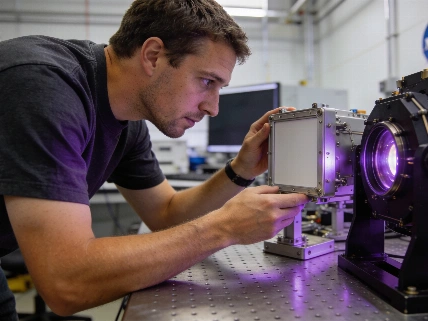
The study, led by planetary scientists at NASA's Goddard Space Flight Center, focused on five microbial species frequently found in spaceflight environments and on human skin. These included the fungus Aspergillus niger, bacteria such as Bacillus subtilis and Staphylococcus aureus, the radiation-resistant Deinococcus radiodurans, and several Fusarium species. Researchers selected these organisms based on their known resilience to harsh conditions, including previous survival on the exterior of the International Space Station (ISS).
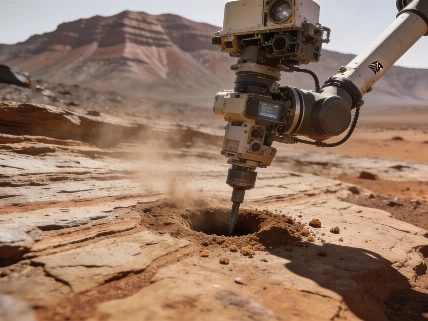
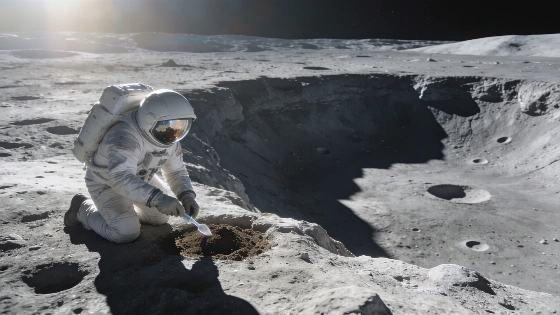
To assess survivability, the team simulated environmental conditions for three regions near the lunar south pole: Nobile Rim, Connecting Ridge, and De Gerlache Rim. These simulations incorporated detailed elevation and temperature data from NASA's Lunar Reconnaissance Orbiter, as well as models of ultraviolet (UV) radiation exposure. The results mapped out "survivable niches" ranging from crater floors several kilometers wide to areas as small as an astronaut's boot print.
Environmental Limits and Contamination Risks
The Moon's south polar region is characterized by extreme temperature swings and persistent shadows, with some craters remaining in permanent darkness. These shadowed areas can preserve water ice and shield surfaces from intense solar radiation. The study found that while most microbes are rapidly killed by UV light, certain species-especially Aspergillus niger-could survive for at least one Earth day in partially sunlit or fully shadowed locations. However, survival in this context means remaining viable, not necessarily growing or reproducing.
Even with strict sterilization procedures, complete elimination of microbial contamination is not possible for crewed missions. Humans naturally carry millions of bacteria on their skin, and these can be released from spacesuits and habitats. The persistence of terrestrial microbes on the Moon could complicate future efforts to distinguish between indigenous lunar chemistry and contamination introduced by human explorers. This concern is not limited to the Moon; it also applies to Mars and other planetary bodies targeted for life-detection missions.
Implications for Lunar Science and Exploration
The study's authors argue that the Moon offers a unique natural laboratory for testing the limits of microbial survival in space. By carefully monitoring which microbes persist in different lunar environments, scientists can better understand the risks of forward contamination and refine protocols for future missions. Before surface science can proceed, researchers emphasize the importance of establishing a baseline measurement of contaminants brought by humans.
These findings also intersect with broader discussions about international collaboration and planetary protection. As NASA invites new partners to participate in lunar south pole exploration, such as India's potential involvement in a permanent base near the pole, the challenge of managing biological contamination becomes increasingly complex. For more on the international dimension of lunar exploration, see this report on NASA's invitation to India to join a south pole base project.
What the Evidence Does and Does Not Show
While the study demonstrates that some Earth microbes can survive for short periods in simulated lunar south polar conditions, there is no evidence that these organisms could grow or replicate on the Moon. Essential ingredients for microbial life, such as liquid water and moderate temperatures, are absent from the lunar surface. The research underscores the importance of distinguishing between dormant, non-replicating cells and active biological processes when interpreting future lunar data.
As lunar exploration advances, the ability to detect and characterize even trace levels of contamination will be critical for preserving the scientific value of lunar samples and for searching for possible biosignatures on other worlds.
Understanding planetary protection requires a grasp of how scientists define and monitor contamination in space environments. Planetary protection protocols are designed to prevent biological material from Earth from interfering with the search for life or unique chemistry elsewhere in the Solar System. This involves rigorous sterilization of spacecraft, careful monitoring of microbial loads, and ongoing assessment of contamination risks as missions become more complex. The challenge is especially acute for crewed missions, where complete sterilization is impossible and the consequences of contamination could affect decades of scientific investigation.