
Moon Exploration - Part 2
53 reports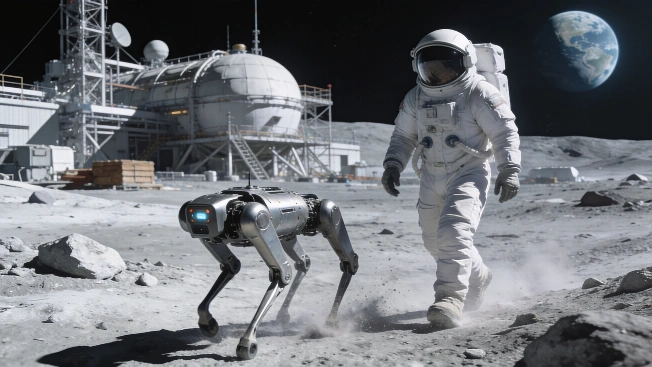
China Plans Lunar Base with Quadruped Robots for 2035 Deployment
China aims to deploy quadruped robots to support astronauts and conduct research at its planned International Lunar Research Station by 2035. The proposal raises questions about autonomy and safety, as well as human-robot collaboration in extreme environments.
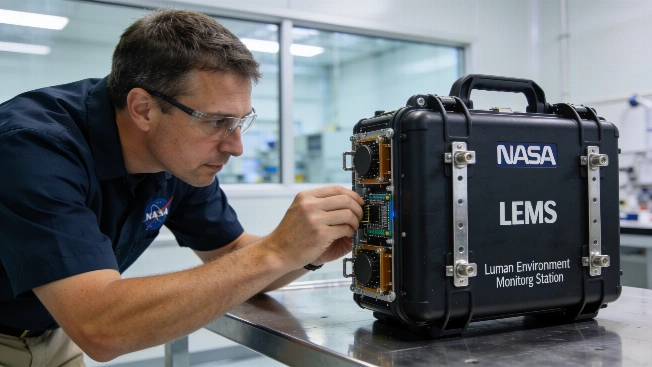
NASA Prepares LEMS Seismic Station for Artemis Lunar Surface Deployment
NASA engineers have completed the Lunar Environment Monitoring Station (LEMS), a compact seismic instrument suite designed for long-term deployment by Artemis astronauts near the Moon's south pole to monitor moonquakes and meteorite impacts.
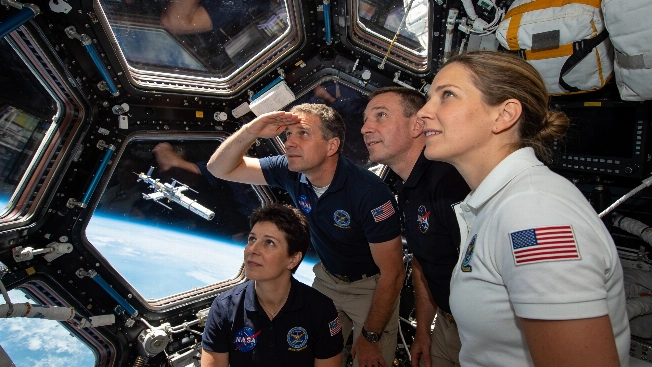
Space Station Research Advances Artemis Moon and Mars Missions
NASA's International Space Station experiments in 2026 are testing technologies and studying astronaut health to support future Artemis missions to the Moon and Mars, with new results informing spacecraft design and deep space exploration.
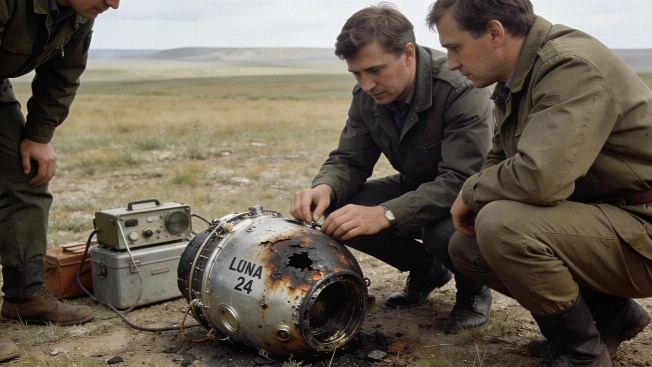
Luna 24's 1976 Moon Sample Return Marked End of Soviet Lunar Missions
On August 9, 1976, the Soviet Luna 24 probe launched from Baikonur to collect and return lunar soil. Its samples revealed traces of water, and the mission closed a chapter in robotic Moon exploration.
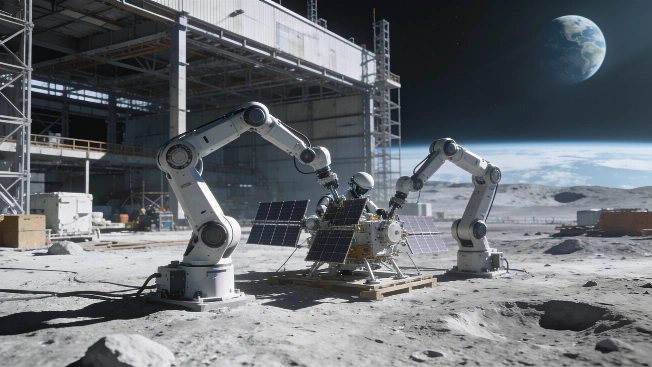
SpaceX Outlines Plan for Robotic Factories on the Moon
SpaceX has detailed its intention to construct automated factories on the lunar surface, where robots would manufacture satellites and basic components. The plan was discussed during the company's first quarterly earnings call as a public company.
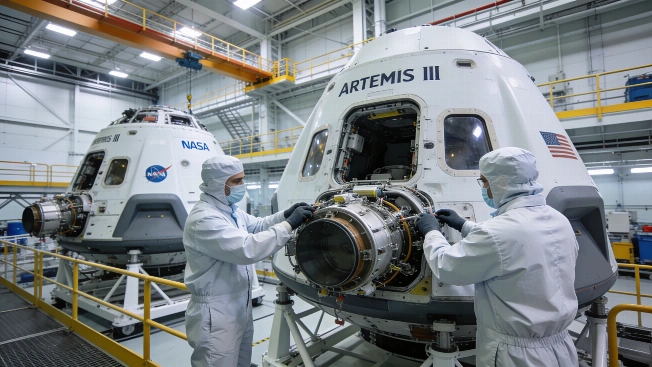
NASA Joins Artemis III Orion Crew and Service Modules for Lunar Mission
Technicians at Kennedy Space Center have integrated the Orion crew and service modules for Artemis III, a basic key stage ahead of the mission to test rendezvous and docking with lunar landing systems in low Earth orbit.
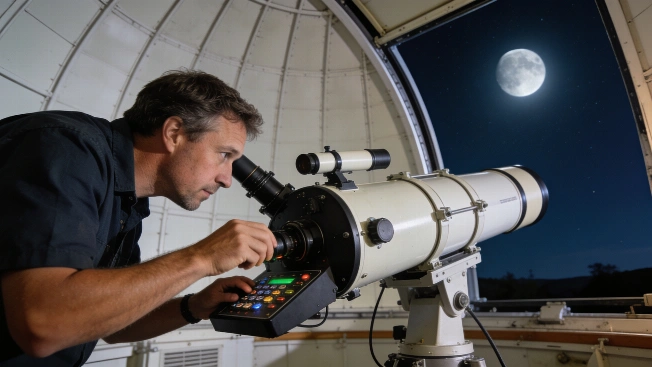
NASA Tracks Falcon 9 Rocket Stage Ahead of Planned Lunar Impact
NASA and SpaceX are monitoring a spent Falcon 9 upper stage expected to strike the Moon near the Einstein and Bell craters, using ground- and space-based telescopes to gather data and refine tracking methods.
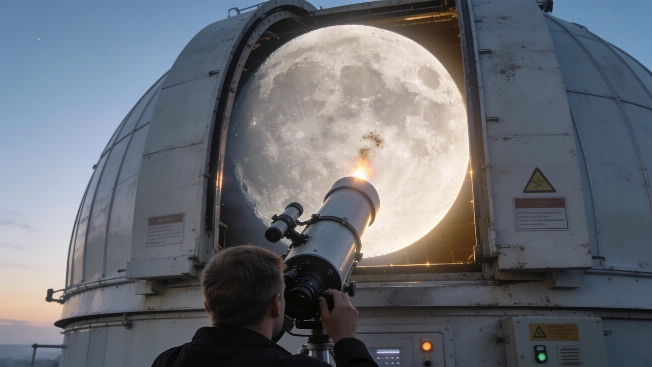
How a Falcon 9 Upper Stage Ended Up Bound for the Moon
A Falcon 9 upper stage abandoned in a high Earth orbit hit the Moon on August 5, 2026, after gravity and solar activity gradually altered its trajectory.
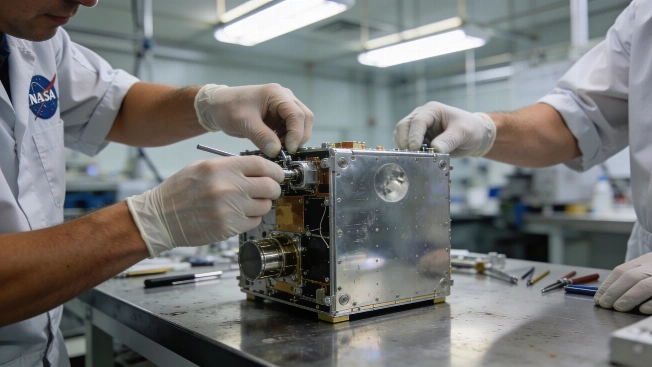
NASA's NavCube3-mini Heads to a Commercial Lunar Relay
NASA has handed a compact GNSS navigation payload to Intuitive Machines for installation on Altus-1, testing whether Earth-based positioning signals can support spacecraft operating near the Moon.
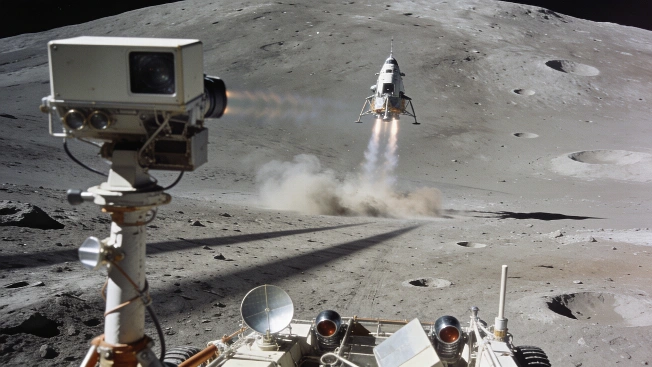
Apollo 15's Moon Liftoff Became Television's First From Another World
On Aug. 2, 1971, Apollo 15 transmitted the first live television view of a spacecraft leaving the moon, using a rover-mounted camera that revealed both the mission's ingenuity and its limits
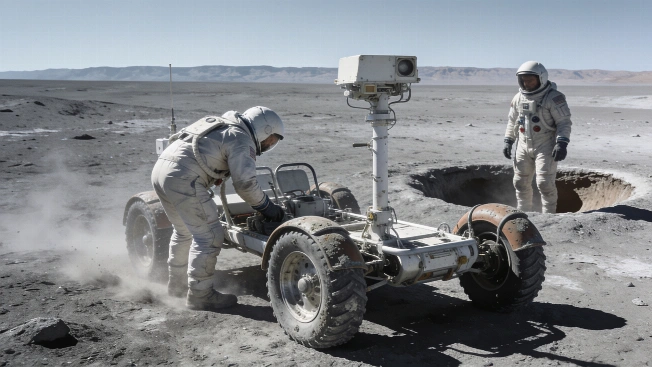
Apollo 15's Lunar Rover Turned Moonwalking Into Exploration
Apollo 15's Lunar Roving Vehicle gave astronauts their first way to travel extensively across the moon's surface, extending scientific exploration beyond the immediate landing site in July 1971.
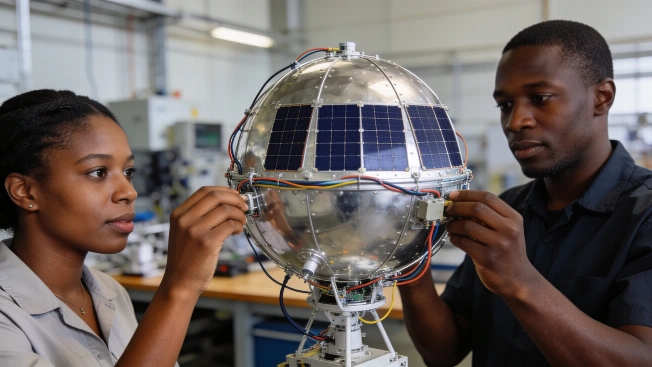
Africa's BALLS Radio Array to Ride Chang'e 8 to Lunar South Pole
A trio of spherical radio astronomy probes from Africa is set to launch aboard China's Chang'e 8 lander in 2029, aiming to deploy at the Moon's south pole and test low-frequency radio observations beyond Earth's atmospheric limits.

NASA Moon Tree Planted in Manhattan Grew from Lunar-Orbiting Seed
A young American sweet gum tree in Madison Square Park was grown from a seed that orbited the Moon aboard NASA's Artemis I mission, highlighting the intersection of space exploration and urban ecology.
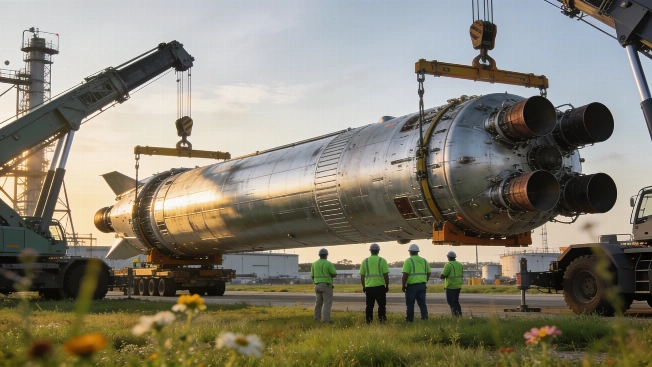
NASA Moves Artemis IV Hydrogen Tank for Core Stage Testing
A 130-foot liquid hydrogen tank for Artemis IV was transported at NASA's Michoud Assembly Facility, marking a basic step toward core stage testing for the Space Launch System rocket.
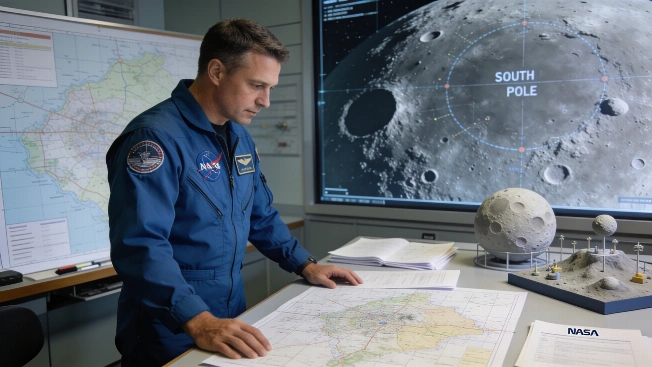
Artemis IV Landing Debate: South Pole or Lunar Equator for Crew Safety
NASA's Artemis IV mission faces a critical decision: whether to target the Moon's challenging south pole or opt for a safer equatorial landing, as astronaut Victor Glover urges a reassessment of mission priorities and safety constraints.
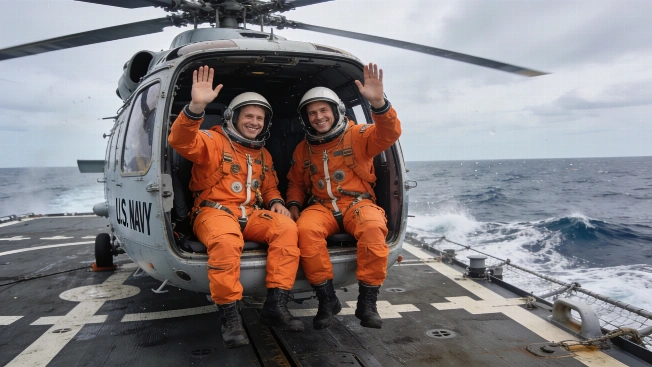
Artemis II Crew's Moon Orbit Mission Highlights Human Connection
NASA's Artemis II mission sent four astronauts around the moon, sharing daily updates and personal moments that resonated globally during a period of international tension and uncertainty.
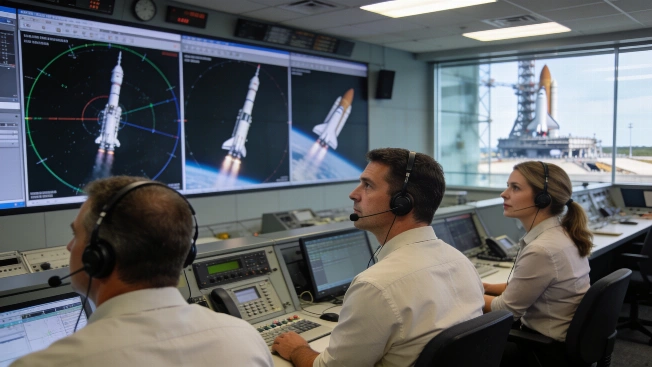
Artemis III to Test NASA's Most Complex Multi-Spacecraft Mission Yet
NASA's Artemis III mission will attempt a coordinated two-week operation involving four astronauts and three independently launched spacecraft, aiming to validate critical lunar landing technologies in low Earth orbit
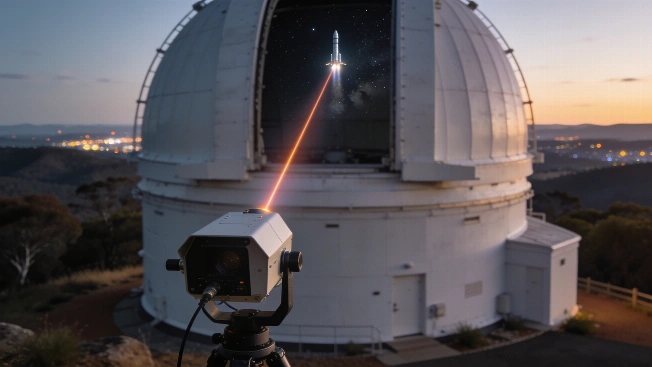
NASA Tests Laser Link for Live 4K Video Transmission From the Moon
NASA's Artemis II mission used an experimental laser communications system to transmit live high-definition video from lunar orbit to Earth, testing a lower-cost, higher-bandwidth alternative to traditional radio links under real mission conditions.
Part 2 of 2