
Artemis Program - Part 2
81 reports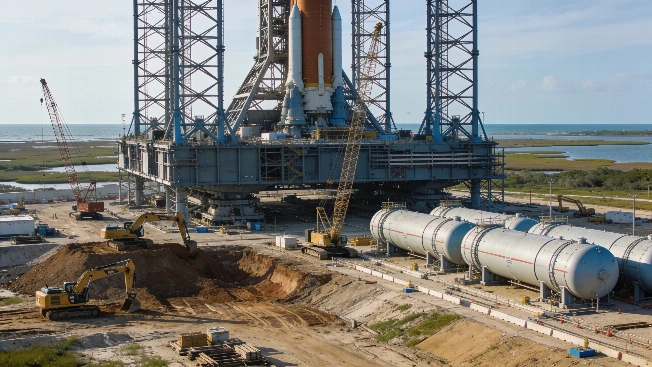
SpaceX Plans $100 Billion Starbase Louisiana for Starship Launches
SpaceX and Louisiana officials have announced a $100 billion investment to build Starbase Louisiana, a major launch and manufacturing site on the Gulf Coast designed to support thousands of Starship launches annually.
SpaceX to Retire Falcon 9 as Starship Nears Operational Status
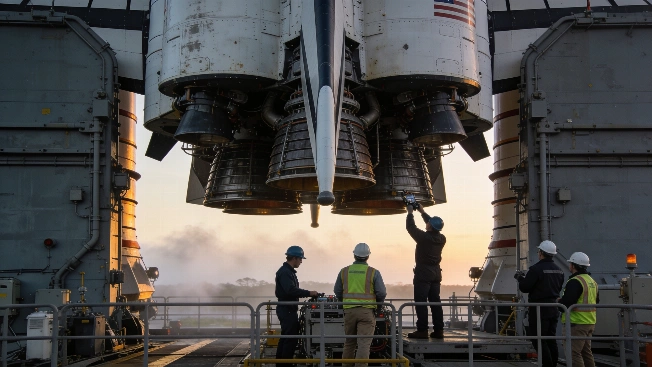
SpaceX has announced plans to phase out its Falcon 9 rocket once the Starship launch system achieves reliable, frequent operations. The transition could reshape commercial launch access and mission planning for years to come.
NASA Backs 18 Advanced Concepts for Future Space Missions
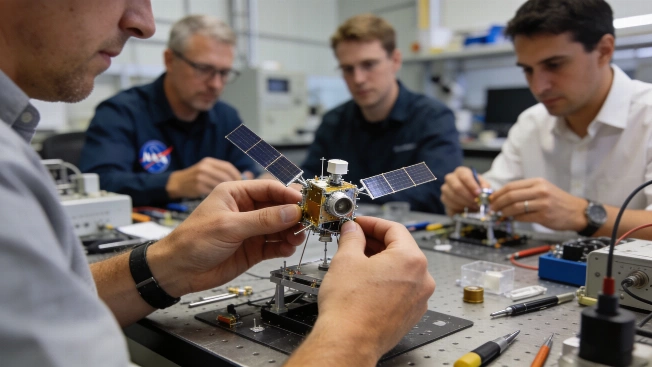
NASA has awarded funding to 18 early-stage technology proposals, backing research into new mission concepts such as lunar cave exploration and exoplanet imaging, alongside distributed probes for Saturn's rings.
China Delays Chang'e 7 Moon South Pole Launch Amid Severe Weather
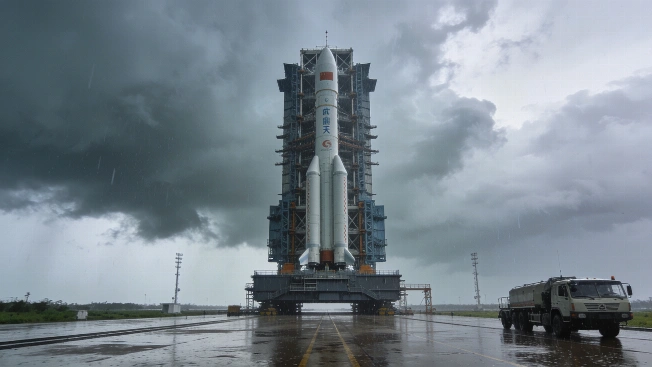
China's Chang'e 7 lunar mission, designed to search for water ice near the Moon's south pole, has been postponed as a tropical depression threatens the Hainan launch site. The new launch window remains uncertain.
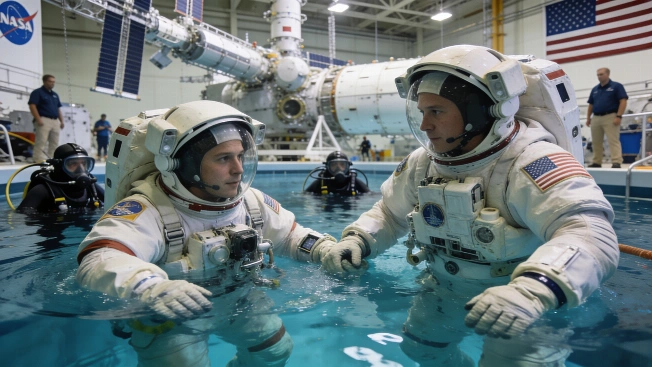
NASA Prepares Astronaut Training for Commercial Space Station Era
NASA's Johnson Space Center is adapting astronaut training and mission operations as the International Space Station gives way to a new generation of commercial stations, with government and private industry working side by side.
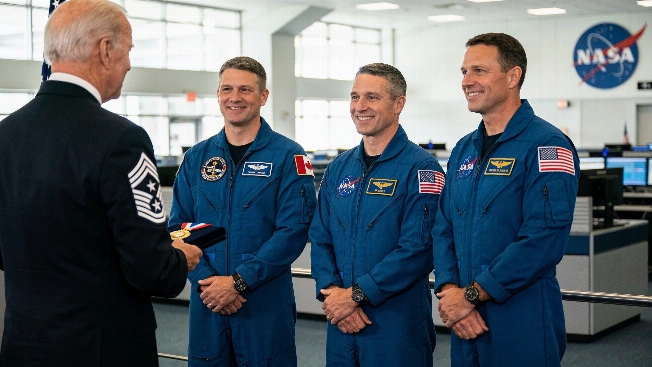
NASA Artemis II Astronauts to Receive Congressional Space Medal of Honor
NASA's Artemis II crew, who completed a lunar flyby in April, will be awarded the Congressional Space Medal of Honor at Johnson Space Center, recognizing their role in advancing human spaceflight beyond low Earth orbit
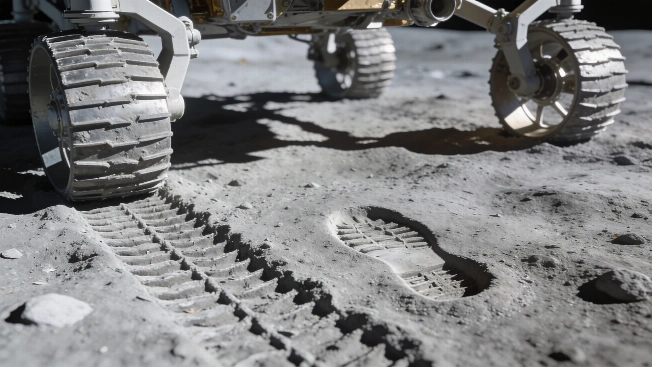
Study Finds Some Terrestrial Microbes Could Survive on the Moon
A new analysis suggests certain bacteria and fungi from Earth may persist in cryptobiotic states on the lunar surface, especially in shadowed polar regions, raising questions for future crewed missions and planetary protection
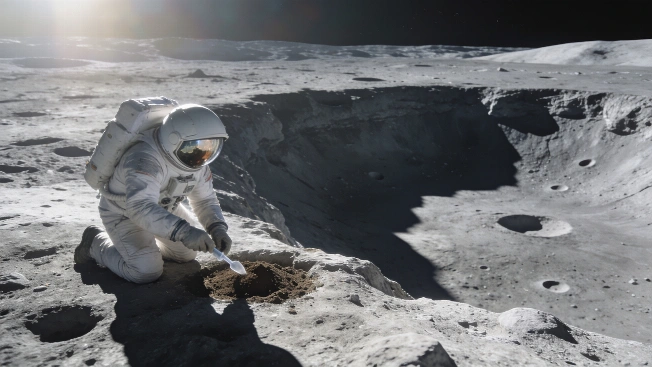
NASA Study Finds Human Microbes Could Survive in Moon's South Pole Shadows
A NASA-led study simulates lunar south polar conditions and finds that some common Earth microbes, including bacteria and fungi, could persist in shadowed lunar regions, raising new questions about planetary protection as human exploration expands.
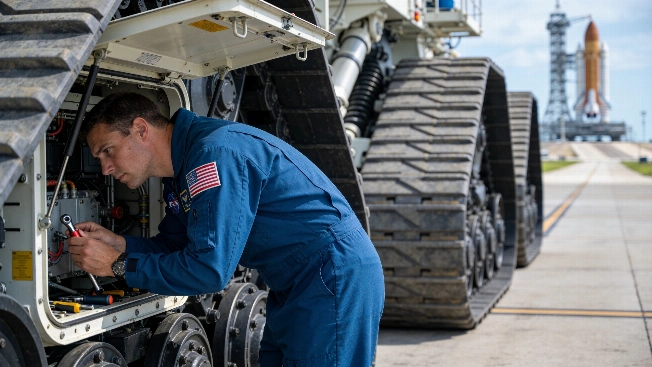
How NASA Mechanics Maintain Spacecraft and Support Exploration
NASA relies on highly trained mechanics to keep spacecraft and support equipment operational, including launch vehicles. Their work covers aircraft and heavy transporters, and calls for specialized skills backed by rigorous certification.
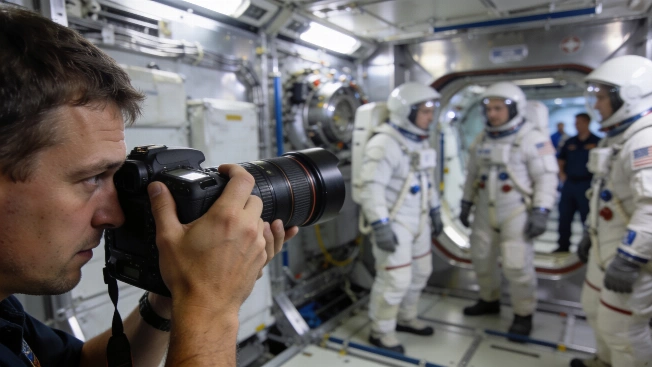
NASA Johnson Photographers Document Human Spaceflight Milestones
NASA's Johnson Space Center photography team has spent decades documenting astronaut training and mission operations, alongside engineering tests. Its images create a visual record of human spaceflight and the people behind major missions.
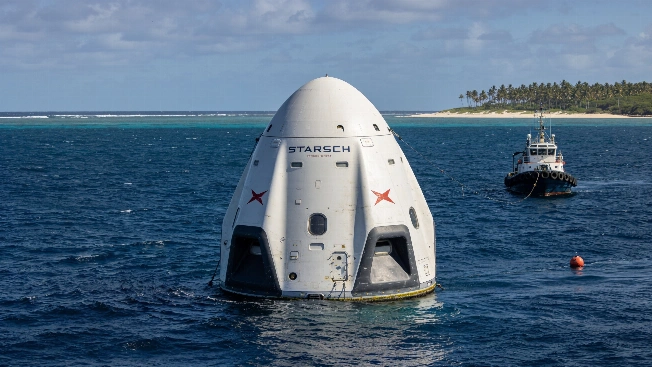
SpaceX Starship Upper Stage Recovered Intact After Indian Ocean Splashdown
SpaceX's Starship Ship 40, which completed a controlled splashdown in the Indian Ocean after its July test flight, has been towed to calmer waters near Christmas Island for engineering analysis.
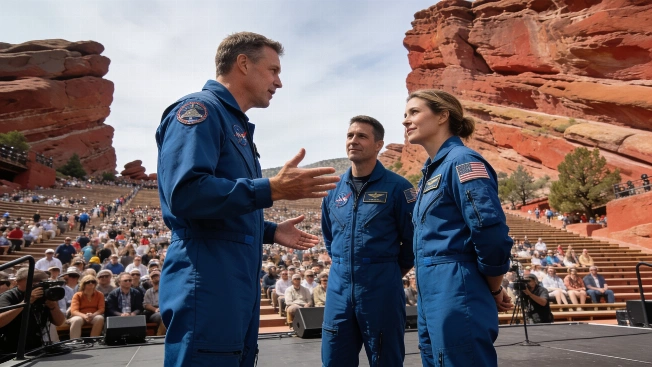
Artemis II Astronauts Reflect on Orion's Moon Mission and Next Steps
NASA's Artemis II crew discussed their 10-day lunar flyby and Orion spacecraft performance, along with challenges facing upcoming missions, at a public event in Colorado. They highlighted technical lessons and international collaboration.
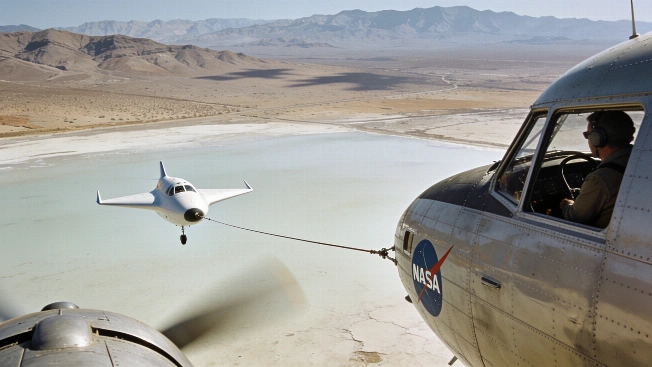
NASA's M2-F1 Lifting Body Demonstrates Controlled Glide Landing in 1963
NASA's M2-F1 prototype, a wingless lifting body aircraft, made its first unpowered glide flight on August 16, 1963, offering early evidence that spacecraft could return to Earth with controlled landings instead of ballistic descent
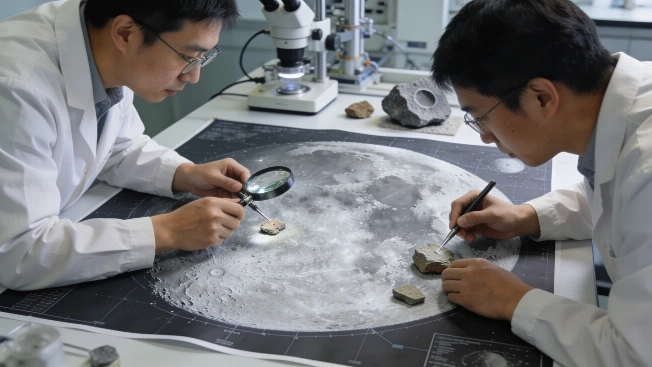
China Unveils Detailed Lunar Map and New Geologic Timeline
Chinese researchers have released a new 1:5 million-scale map of the Moon, updating lunar geologic eras and far-side data using recent sample-return missions and reprocessed spectral analysis.
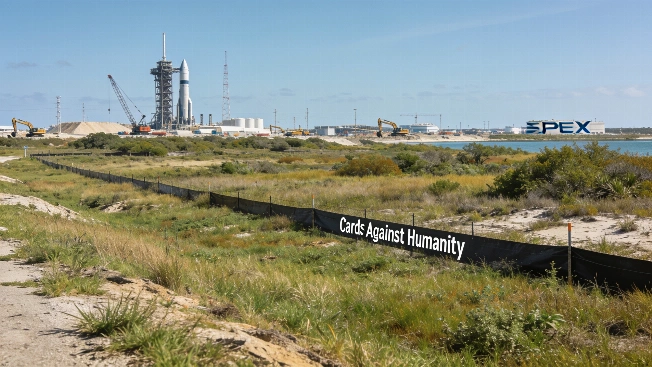
Cards Against Humanity Plans Monument Near SpaceX Starbase After Dispute
A land-use dispute near SpaceX’s Starbase in Texas has led Cards Against Humanity to propose a public monument targeting Elon Musk, sharpening tensions between commercial space operations and local landowners.
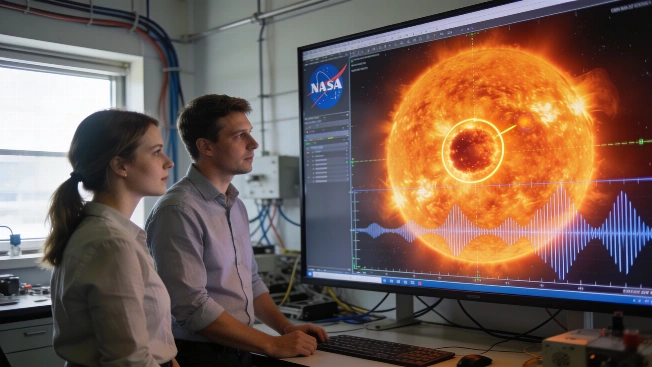
NASA AI Model Predicts Sunspot Emergence Hours Before Surface Appearance
A NASA-led team has developed an AI model that analyzes acoustic and magnetic data from the Sun to forecast the emergence of active regions up to 12 hours in advance, offering new potential for space weather prediction
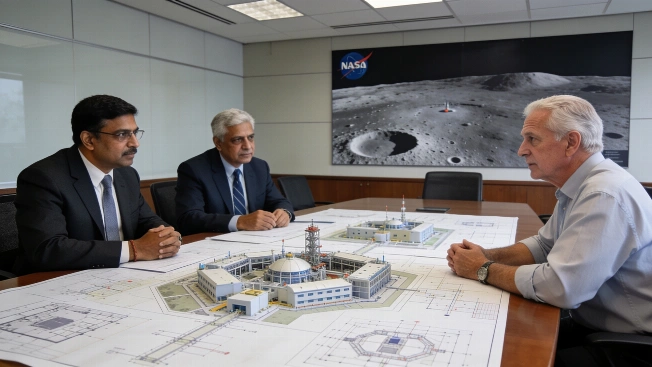
NASA Invites India to Join Moon South Pole Base Collaboration
NASA has formally invited India to participate in developing a permanent lunar base near the Moon's south pole, marking a impressive step in US-India deep-space cooperation and expanding the Artemis program's international partnerships
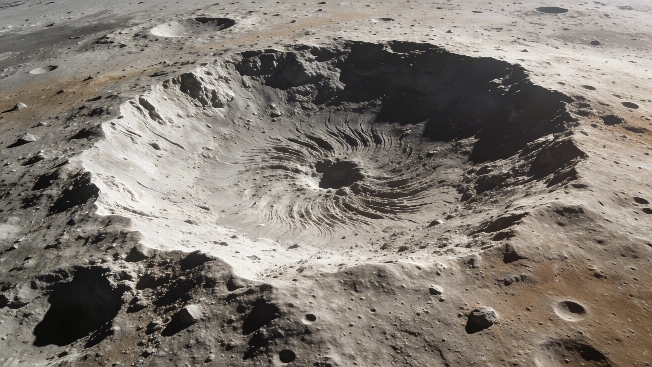
SpaceX Rocket Impact on Moon Raises Safety Questions for Lunar Missions
A SpaceX Falcon 9 upper stage collided with the lunar surface near Einstein Crater, prompting renewed scrutiny of debris risks as lunar exploration and infrastructure expand.
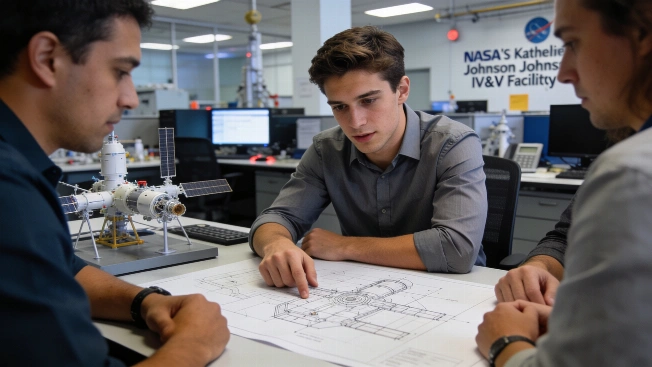
NASA Facility in West Virginia Expands Role in Lunar Mission Safety
NASA's Katherine Johnson IV&V Facility in West Virginia is strengthening its technical workforce to support mission assurance and AI safety for upcoming lunar exploration, with new civil servants joining the agency's core engineering teams.
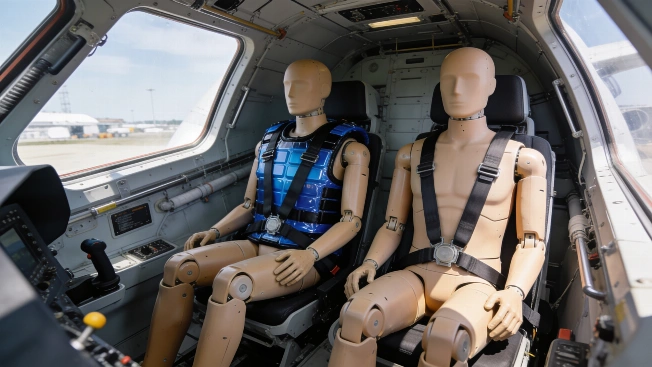
Radiation Vest Tested on Artemis I May Aid Deep Space Astronaut Safety
A hydrogen-rich plastic vest tested aboard NASA's Artemis I mission showed potential to shield astronauts from solar radiation, offering a possible protection measure for future lunar and Mars expeditions.
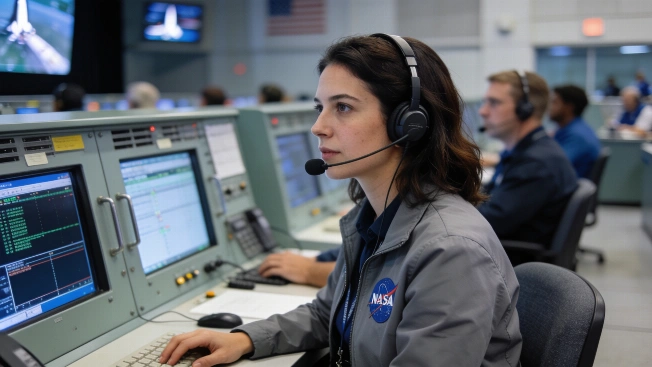
NASA Artemis Launch Team Welcomes New Test Project Engineer
NASA's Artemis program has added Lindsey Waitt as a test project engineer, supporting launch operations for upcoming Moon missions. Her appointment highlights the technical demands and collaborative environment of Artemis launch preparations.
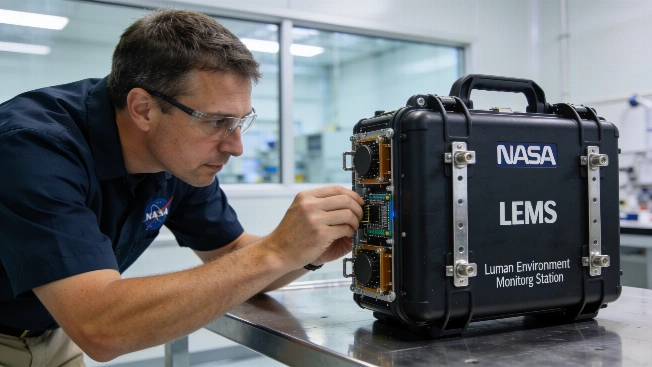
NASA Prepares LEMS Seismic Station for Artemis Lunar Surface Deployment
NASA engineers have completed the Lunar Environment Monitoring Station (LEMS), a compact seismic instrument suite designed for long-term deployment by Artemis astronauts near the Moon's south pole to monitor moonquakes and meteorite impacts.
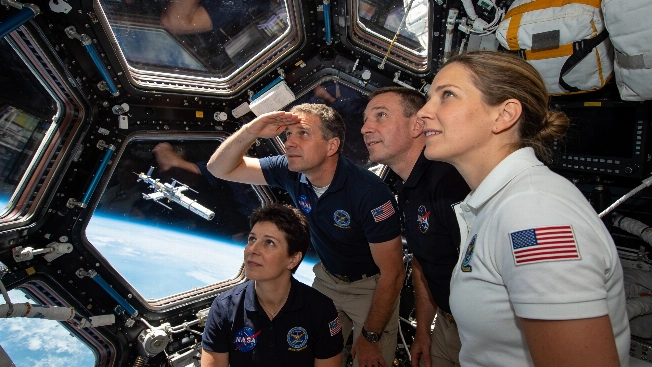
Space Station Research Advances Artemis Moon and Mars Missions
NASA's International Space Station experiments in 2026 are testing technologies and studying astronaut health to support future Artemis missions to the Moon and Mars, with new results informing spacecraft design and deep space exploration.
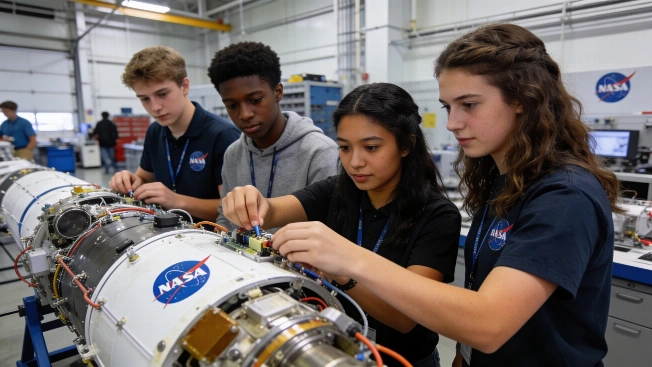
NASA Expands Student Access to Space Missions and STEM Careers
NASA is expanding opportunities for students to join mission experiences and explore technical careers, while contributing to citizen science as the agency prepares for major launches and ongoing lunar and space station operations.
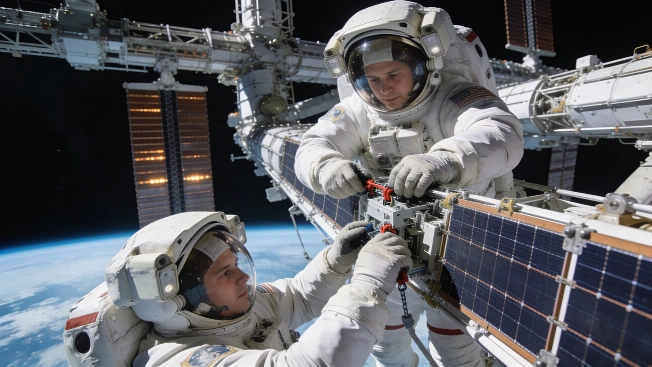
NASA Astronauts Complete Spacewalk to Prepare ISS for Solar Array Upgrade
NASA astronauts Anil Menon and Joshua Kutryk are scheduled to make two spacewalks on October 29 and November 5, 2026, to install the station’s final roll-out solar arrays and complete its power-system upgrades.
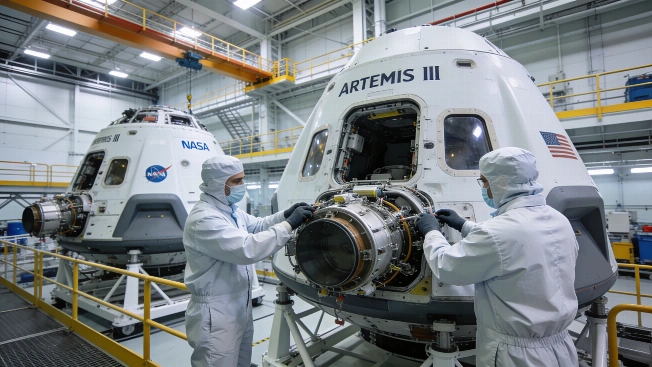
NASA Joins Artemis III Orion Crew and Service Modules for Lunar Mission
Technicians at Kennedy Space Center have integrated the Orion crew and service modules for Artemis III, a basic key stage ahead of the mission to test rendezvous and docking with lunar landing systems in low Earth orbit.
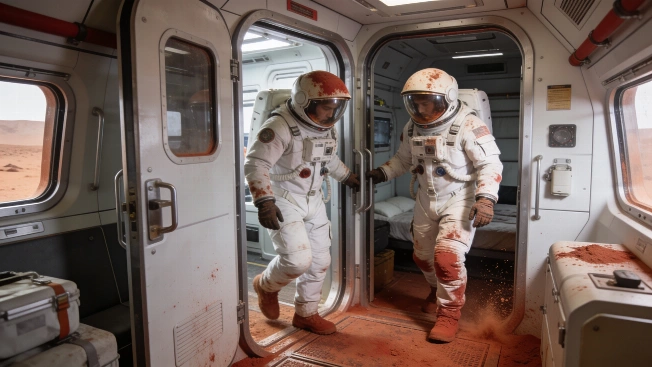
NASA Faces Challenge of Toxic Dust for Future Mars Astronauts
NASA's Martian Dust Limit Working Group has reviewed the health risks posed by Mars dust, which contains carcinogenic silica and heavy metals, and is developing exposure standards and mitigation strategies for future crewed missions.
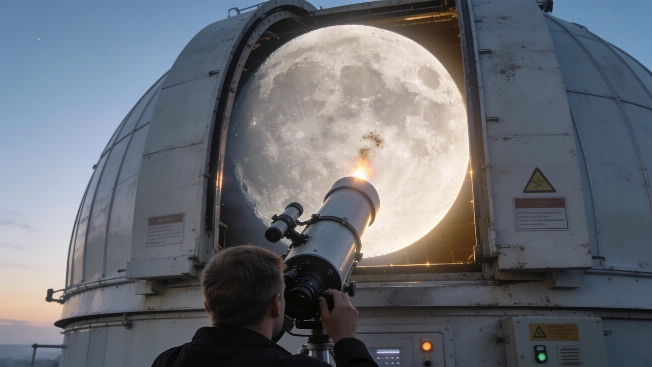
How a Falcon 9 Upper Stage Ended Up Bound for the Moon
A Falcon 9 upper stage abandoned in a high Earth orbit hit the Moon on August 5, 2026, after gravity and solar activity gradually altered its trajectory.
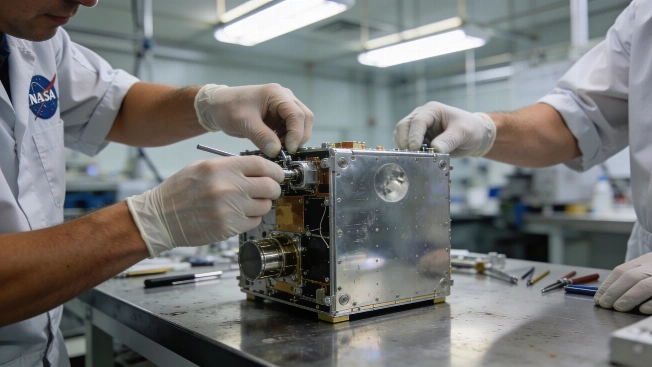
NASA's NavCube3-mini Heads to a Commercial Lunar Relay
NASA has handed a compact GNSS navigation payload to Intuitive Machines for installation on Altus-1, testing whether Earth-based positioning signals can support spacecraft operating near the Moon.
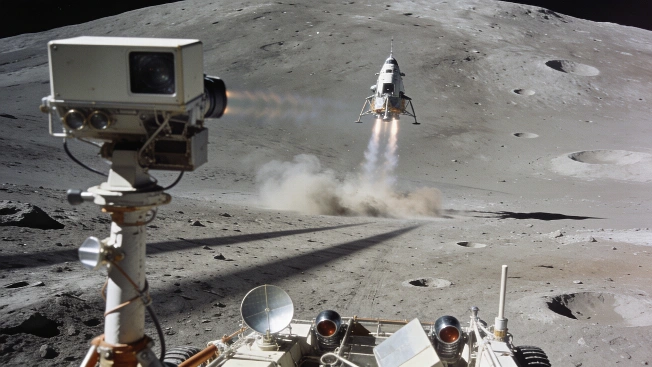
Apollo 15's Moon Liftoff Became Television's First From Another World
On Aug. 2, 1971, Apollo 15 transmitted the first live television view of a spacecraft leaving the moon, using a rover-mounted camera that revealed both the mission's ingenuity and its limits
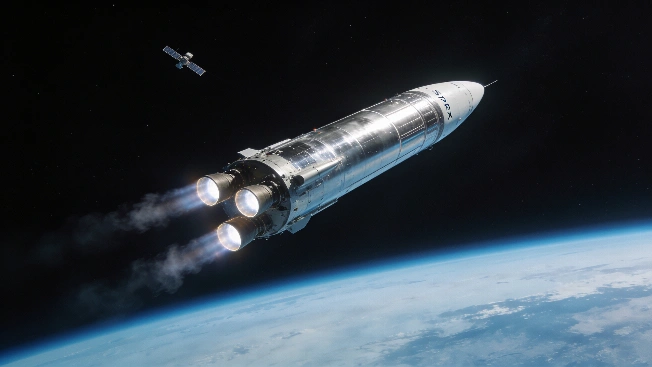
Starship Captured on Video by a Starlink V3 Satellite
A camera-equipped Starlink V3 satellite recorded SpaceX's Starship upper stage after Flight 13, offering an unusual view of the vehicle in space, including its engines and thrusters after separation
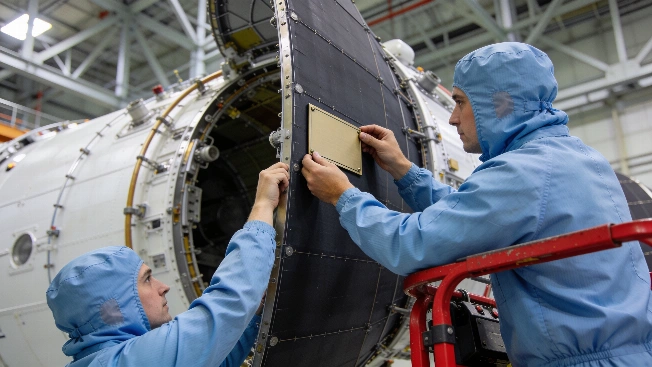
NASA's Roman Telescope Will Carry 1.35 Million Names to L2
A memory card carrying 1,350,144 names has been mounted on NASA's Nancy Grace Roman Space Telescope ahead of its planned launch to an orbit about one million miles from Earth
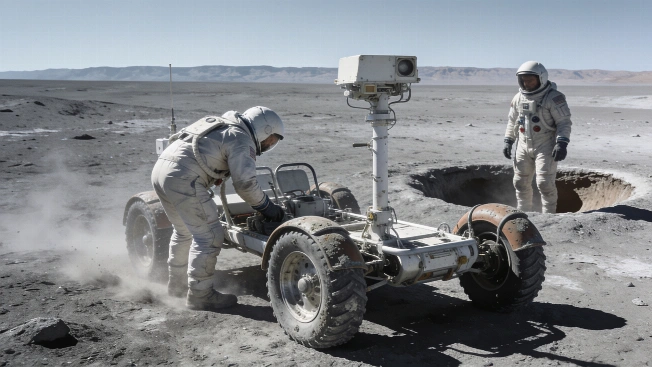
Apollo 15's Lunar Rover Turned Moonwalking Into Exploration
Apollo 15's Lunar Roving Vehicle gave astronauts their first way to travel extensively across the moon's surface, extending scientific exploration beyond the immediate landing site in July 1971.
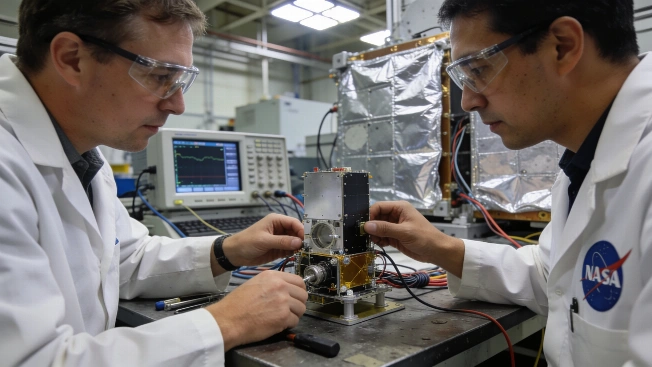
NASA Funds 18 Early-Stage Space Technology Concepts for 2026
NASA selected 18 new Phase I projects under its New Advanced Concepts program, committing $3.2 million to early-stage studies of technologies for future space exploration and astrophysics missions
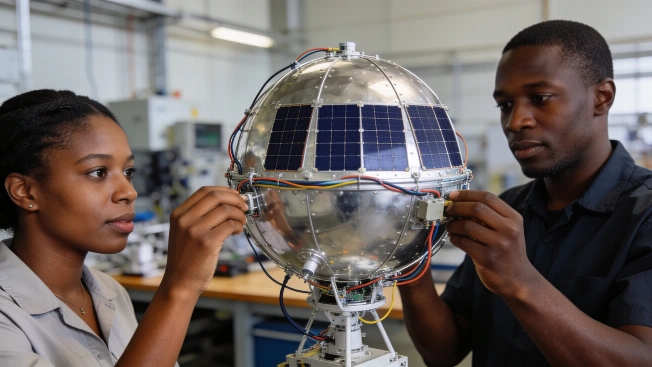
Africa's BALLS Radio Array to Ride Chang'e 8 to Lunar South Pole
A trio of spherical radio astronomy probes from Africa is set to launch aboard China's Chang'e 8 lander in 2029, aiming to deploy at the Moon's south pole and test low-frequency radio observations beyond Earth's atmospheric limits.
Part 2 of 3