
China National Space Administration
12 reportsDiscussion of China National Space Administration distinguishes lunar exploration, planetary missions, and Tiangong-related activities. The record for Tiangong-related activities is strongest when official mission records can be corroborated by released scientific data; uncertainty persists because limited public documentation can constrain external verification of schedules and performance.
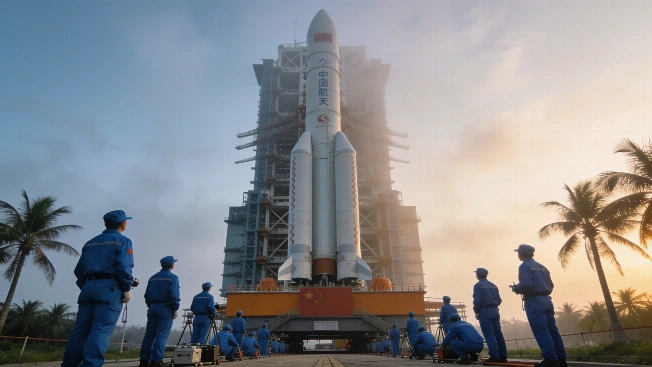
China Targets 2028 Launch for Mars Sample Return Mission
China's Tianwen 3 mission is advancing toward a 2028 launch window, with plans to return Martian surface samples to Earth by 2031 using a multi-stage spacecraft and strict planetary protection protocols
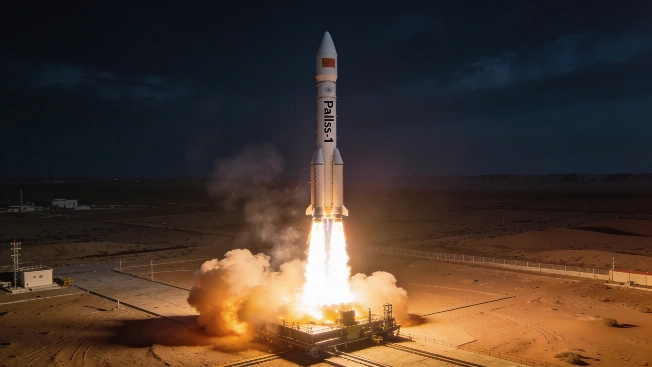
China's Pallas-1 Rocket Achieves Orbit in Reusable Launcher Test
Galactic Energy's Pallas-1 rocket reached orbit on its debut flight from Jiuquan, marking a technical milestone for China's private launch sector. The mission did not attempt a first-stage landing, but aims for reusability in future flights.
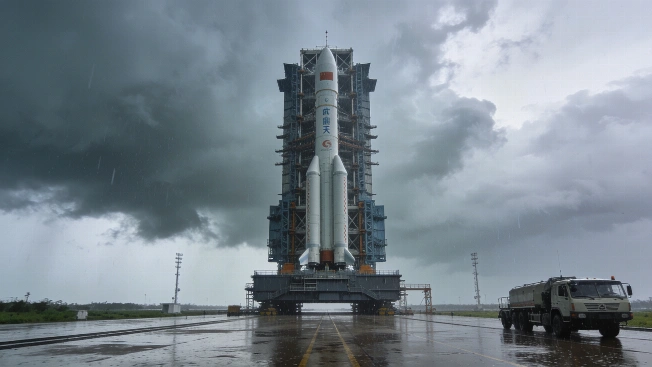
China Delays Chang'e 7 Moon South Pole Launch Amid Severe Weather
China's Chang'e 7 lunar mission, designed to search for water ice near the Moon's south pole, has been postponed due to a tropical depression threatening the Hainan launch site. The new launch window remains uncertain
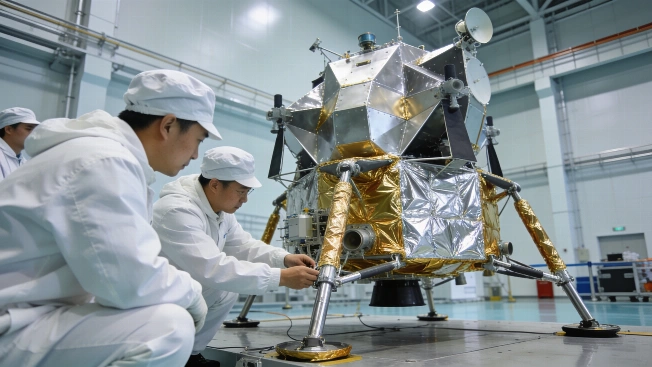
China Prepares Chang'e 7 for Complex Lunar South Pole Mission
China's Chang'e 7 spacecraft, launching in August 2026, will deploy an orbiter, lander, rover, and hopper to investigate the Moon's south pole, targeting water ice and testing new navigation and international science payloads
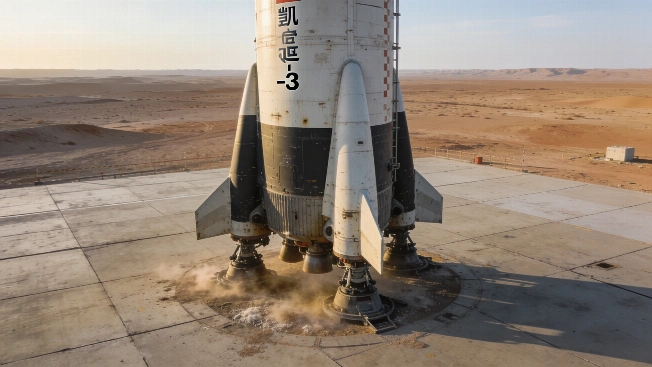
Private Chinese Rocket Zhuque-3 Achieves First Landed Booster Recovery
LandSpace's Zhuque-3 rocket has become the first privately built Chinese orbital-class launcher to successfully land its first stage, marking a significant step for reusable launch technology in China
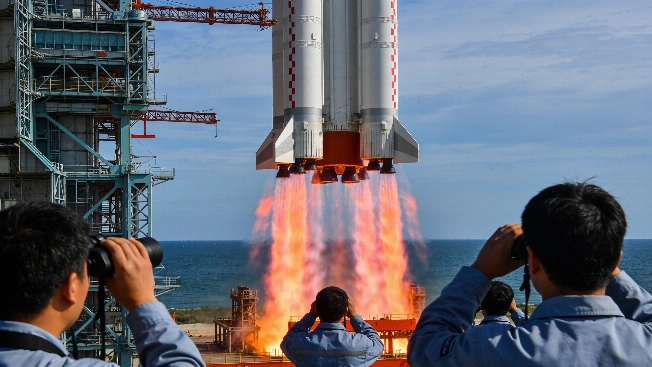
China Resumes Rocket Launches After Long March 7A Failure
China's space program has returned to flight just days after a Long March 7A rocket failure, successfully launching two separate missions with the Long March 12 and Long March 2C vehicles to low Earth orbit
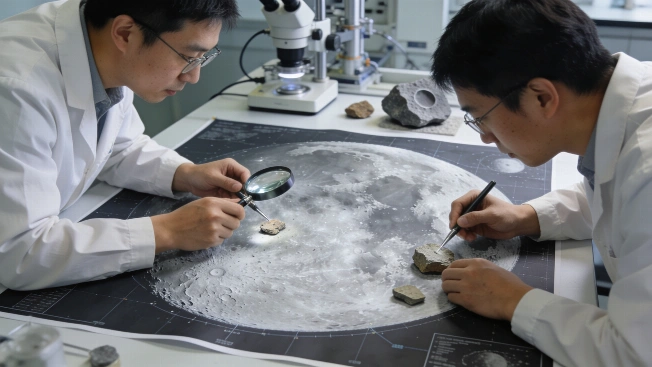
China Unveils Detailed Lunar Map and New Geologic Timeline
Chinese researchers have released a new 1:5 million scale map of the Moon, updating lunar geologic eras and far side data using recent sample-return missions and reprocessed spectral analysis
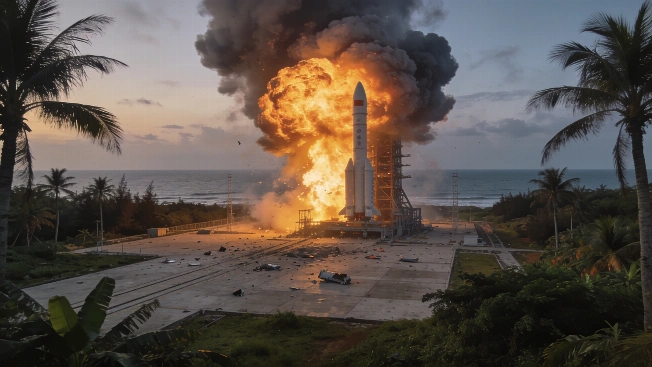
Long March 7A Rocket Explodes 85 Seconds After Launch in China
A Long March 7A rocket carrying the Zhongxing-4B satellite exploded less than two minutes after liftoff from Wenchang, raising questions about the reliability of China's medium-lift launch vehicles and the impact on future missions
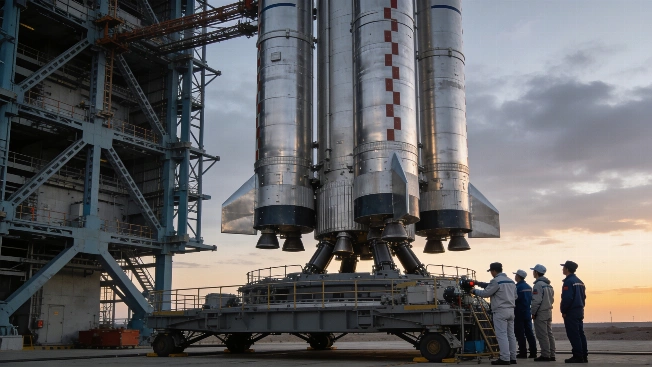
Landspace Schedules Second Zhuque-3 Rocket Landing Attempt for August 10
Chinese launch company Landspace plans a renewed attempt to recover its Zhuque-3 orbital rocket booster, targeting liftoff and powered landing from Jiuquan spaceport on August 10 following a previous failed recovery in 2025

Faint X-ray Flash Reveals Unusual Supernova in Nearby Galaxy
A brief X-ray signal detected by China's Einstein Probe in March 2026 has allowed astronomers to observe the earliest moments of a rare Type Ic supernova, offering new insight into how massive stars end their lives
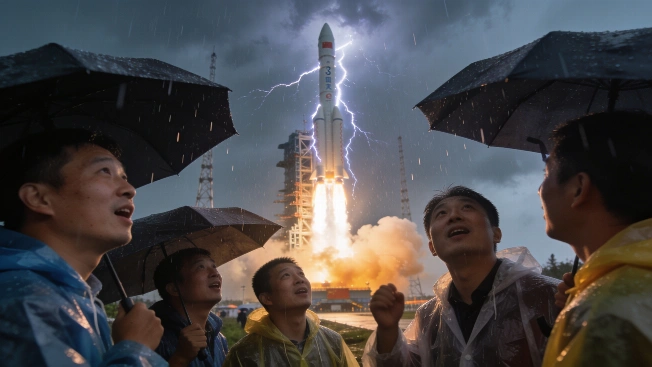
Chinese Long March 3B Rocket Struck by Lightning Survives Launch
A Long March 3B rocket was hit by lightning seconds after liftoff from Xichang Satellite Launch Center, yet continued its ascent and successfully deployed a geostationary relay satellite to support China's Tiangong space station
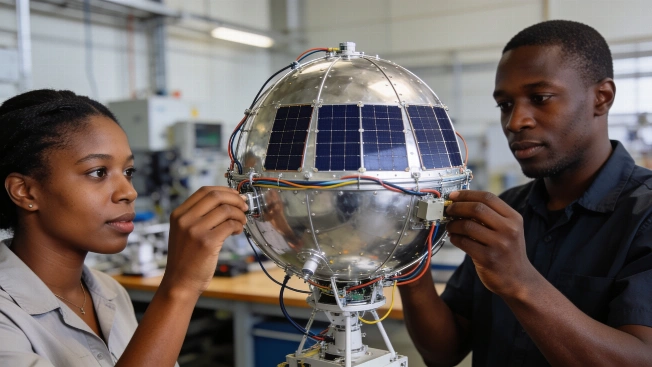
Africa's BALLS Radio Array to Ride Chang'e 8 to Lunar South Pole
A trio of spherical radio astronomy probes from Africa is set to launch aboard China's Chang'e 8 lander in 2029, aiming to deploy at the moon's south pole and test low-frequency radio observations beyond Earth's atmospheric limits