
Semiconductors
94 reportsEvidence used to assess how transistors are fabricated comes from band structure and compound semiconductors. The same sources help examine which materials improve performance, comparing technical gains with tradeoffs that a single metric can conceal.
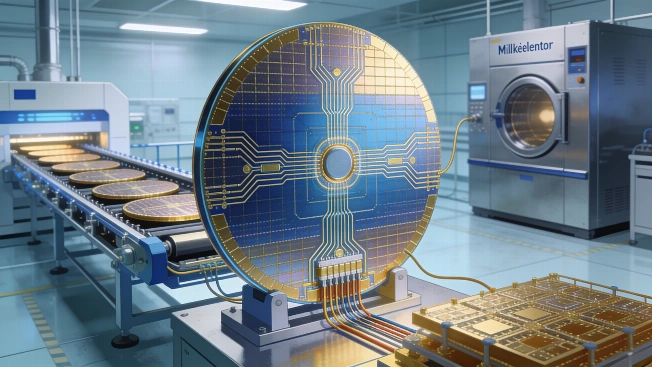
Europe's Quantum Chips Need a Manufacturing Path
Europe's six quantum pilot lines need shared wafer access, packaging, cryogenic testing and predictable legal pathways if the region is to move from prototype demonstrations to reproducible industrial manufacturing.
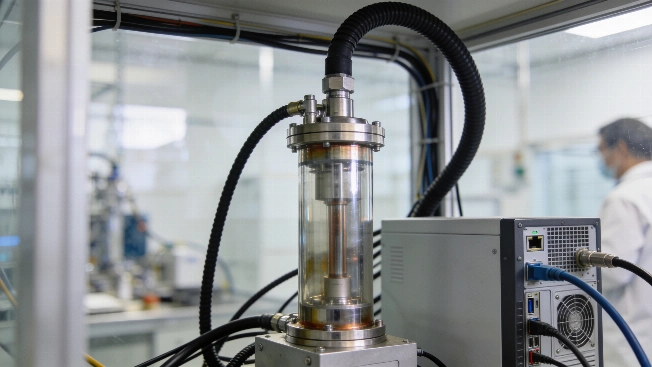
Europe Tests a CPU-QPU Path for Silicon-Spin Quantum Hardware
Quobly and SiPearl will study how an 80-core European ARM processor could interface with a silicon-spin QPU. The MoU targets hybrid HPC systems but does not yet demonstrate a working quantum integration or quantum advantage.
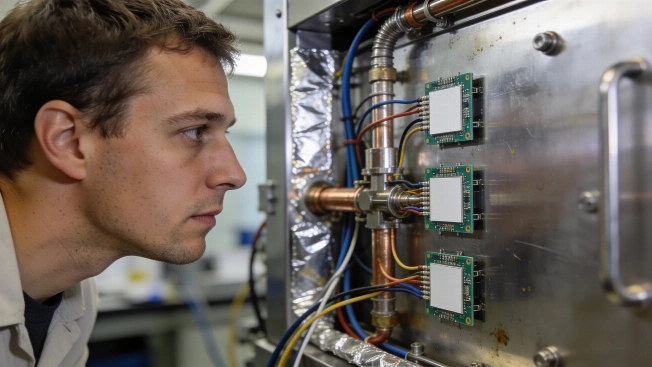
DOE Funds Quantum Error Correction and Materials Design
The U.S. Department of Energy has committed $159 million to 12 new Genesis Mission Phase II projects linking artificial intelligence and high-performance computing with quantum error correction, materials design, sensing and accelerator operations.
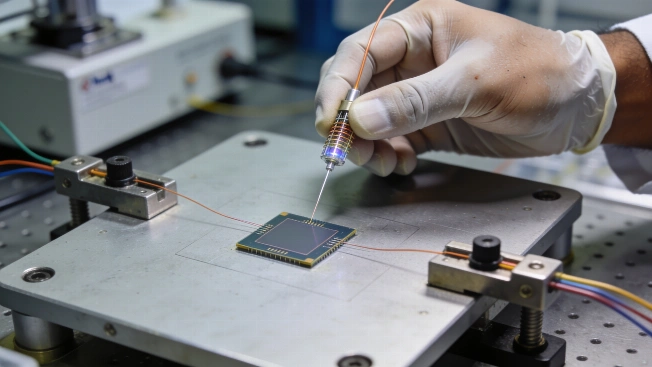
India Advances Silicon Photonics for Quantum Communications and AI
India's five-year silicon photonics programme has entered Phase II, targeting 200 mm wafer design libraries, 1.6 Tbps optical transceivers, microwave photonics above 50 GHz, AI-oriented photonic computing and chip-scale QRNG/QKD circuits.
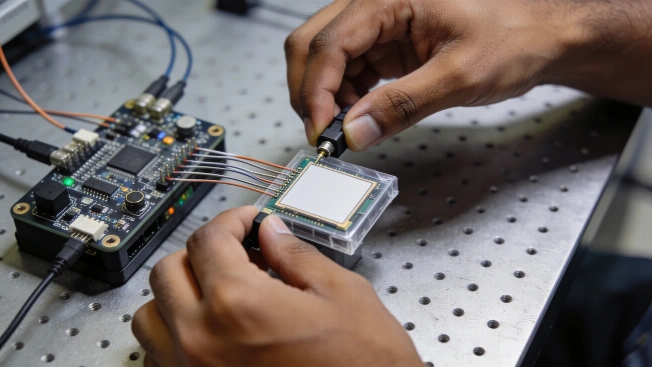
Quanfluence Bets on Photonic Chips for a Full-Stack Quantum System
Bengaluru startup Quanfluence has raised $10 million to combine photonic chips, custom control silicon, optics and software into one architecture, with a four-qubit processor targeted for the near term and a larger prototype planned for 2029.
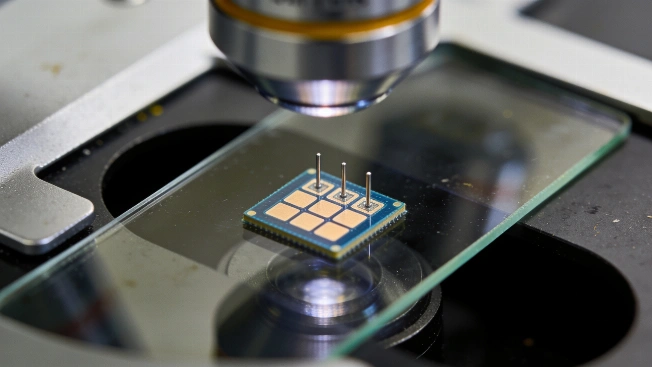
ZuriQ Demonstrates Nine Ion Qubits on a 2D Trap Chip
ZuriQ and Infineon have validated a 3×3 two-dimensional Penning micro-trap with nine individually controlled ion qubits and are now pursuing larger modules, semiconductor fabrication and integrated photonics without yet claiming a fault-tolerant processor.
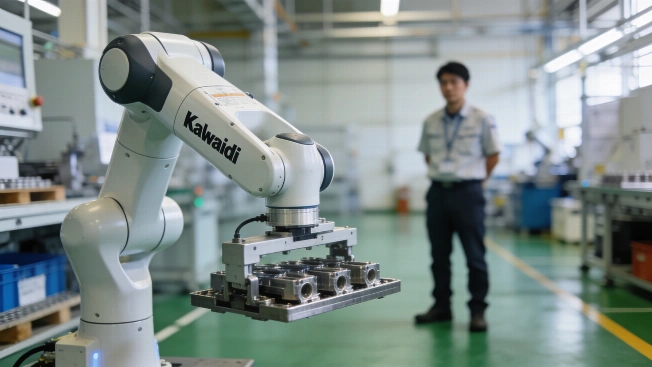
Kawasaki Plans Staged AI Control for Kaleido Humanoid Robot
Kawasaki plans to combine remote operators with Noetra's physical AI in Kaleido from around 2030 before attempting autonomous industrial work in less structured environments by 2040
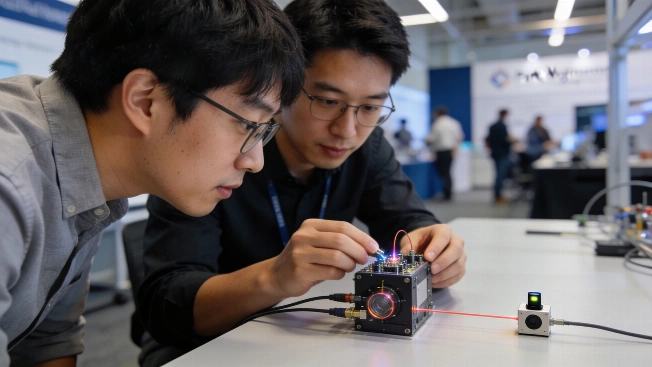
KIST Builds Midwest Market Path for South Korean Quantum Startups
Four South Korean quantum startups are using KIST's Global Bridge Program to explore U.S. market pathways through Wisconsin and Illinois research networks, venture groups and manufacturing infrastructure.
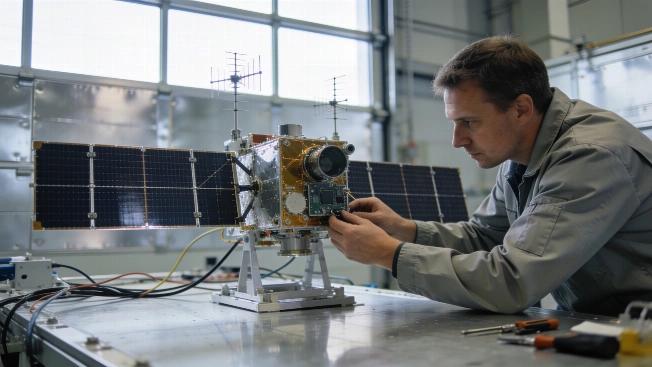
SEALSQ Puts $10 Million Into Post-Quantum Satellite Security
SEALSQ has closed a $10 million PIPE investment in WISeSat.Space, linking post-quantum chips, digital identity and PKI services with a planned low-Earth-orbit satellite infrastructure for protected space-connected IoT.
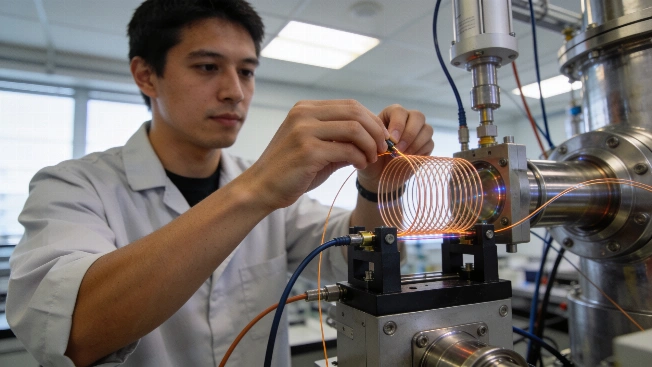
California Moves to Build Quantum and Fusion Infrastructure
California has signed fusion and advanced nuclear legislation while directing $30 million toward quantum and deep-space research, including university laboratories, startup partnerships and semiconductor infrastructure.
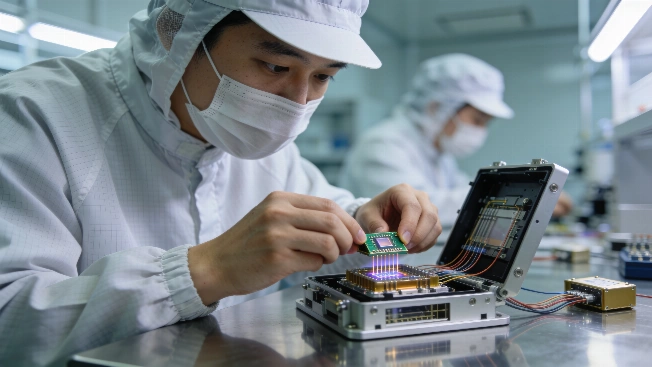
Quandela Targets South Korea for Photonic Quantum Hardware
Quandela has identified South Korea as a potential Asian center for photonic quantum hardware, system integration and joint R&D, while emphasizing that the initiative remains a partner-search and development framework rather than a completed manufacturing agreement.
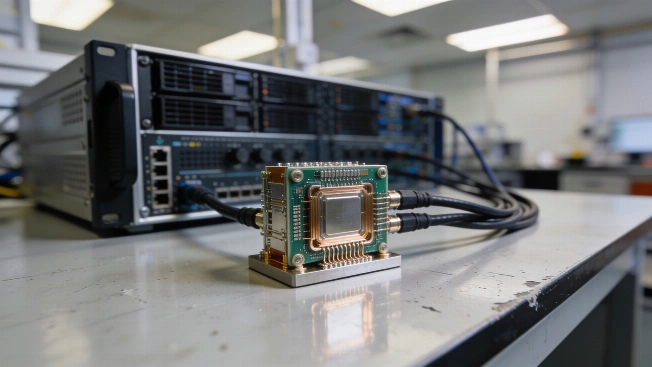
Silicon Spin Qubits Move Toward 300 mm Quantum Processing
Quobly will use CEA-Leti's FAMES Pilot Line in Grenoble to prototype 3D integration and cryogenic control layers for 300 mm silicon spin-qubit processors, while Alloy Forge and qBraid Cloud offer developers an interim environment before planned access to the Alloy Pioneer QPU.
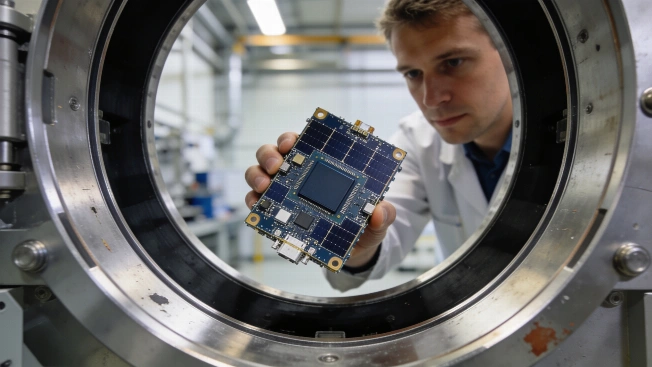
Google Tests Four AI Chips in Orbit
Google's first Project Suncatcher hardware test is scheduled to fly next week on SpaceX's Transporter-18 rideshare mission. A prototype satellite carrying four Tensor Processing Units will measure how the chips withstand launch vibration, radiation, vacuum and extreme temperatures before any larger orbital computing cluster is attempted.
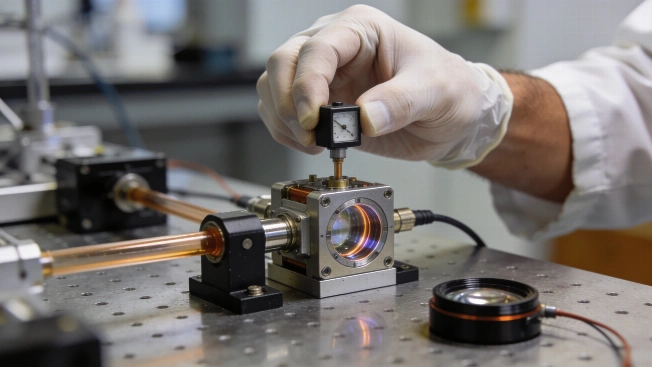
Mesa Quantum Raises $11.8M for GPS-Independent Quantum Sensors
Mesa Quantum has raised an oversubscribed $11.8 million round to move its chip-scale atomic clocks and inertial sensors from component research toward integrated systems and scaled manufacturing for GPS-denied environments.
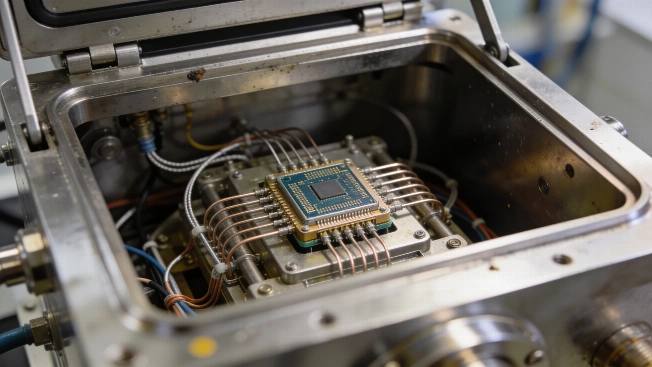
Germany Selects QUDORA Consortium for 1000 Qubit Quantum Project
Germany has invited a QUDORA-led consortium to submit a full proposal for a five-year trapped-ion machine targeting 1,000 physical qubits, 50 logical qubits and semiconductor-compatible quantum control.
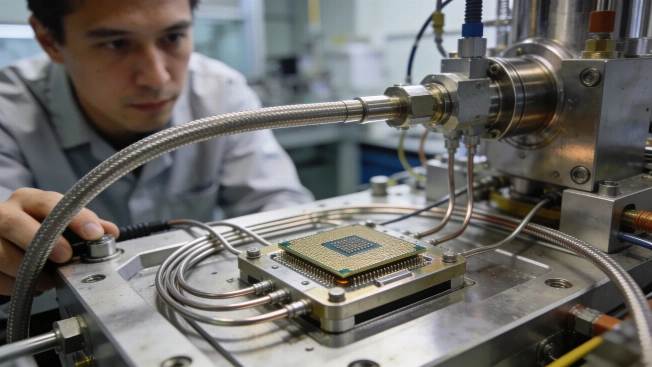
Quobly Puts Silicon Spin Qubits Through Hardware-Aware Simulation
Quobly and qBraid have made public a 15-qubit silicon spin-qubit emulator that models semiconductor noise and native gate constraints before Quobly's first commercial machine, Alloy Pioneer, is expected to reach cloud users by the end of 2026.
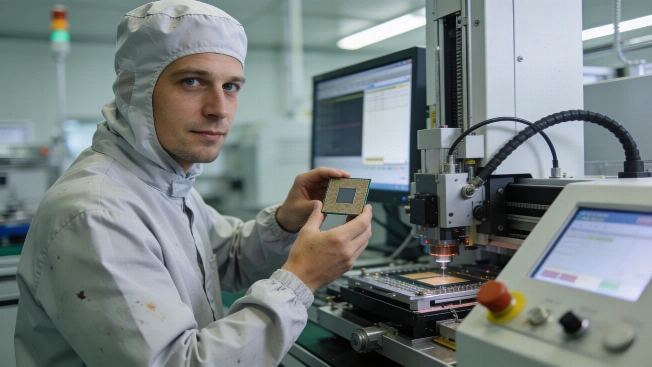
Jura Plans a Post-Quantum Semiconductor Security Hub
SEALSQ, WISeKey and the Canton of Jura have signed an MoU for a proposed CHF 40 million to CHF 60 million center focused on post-quantum chip personalization, testing and secure provisioning.
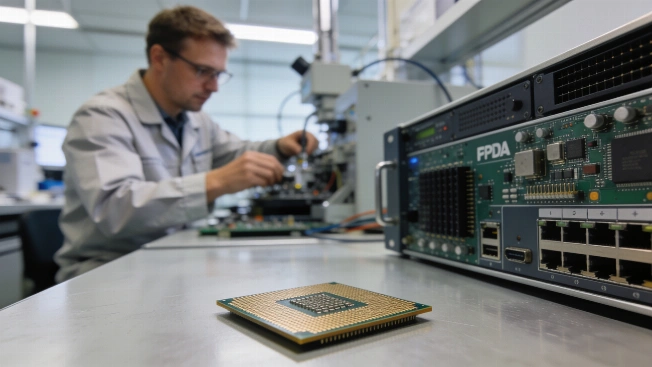
Fortaegis Raises $50 Million for Silicon-Based Quantum-Safe Security
Fortaegis Technologies has raised an oversubscribed $50 million Series A to move its silicon-rooted Secure Compute architecture from technology validation toward commercial production across AI infrastructure, defense, telecommunications, critical infrastructure and automotive systems.
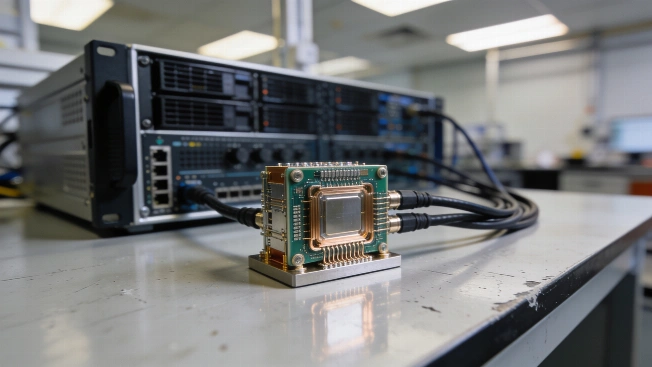
Dell and Diraq Place Silicon Qubits Beside HPC Servers
Diraq and Dell Technologies have installed a Dell HPC cluster beside Diraq's silicon spin-qubit hardware in Sydney to test real-time orchestration, calibration and quantum-classical control workflows without claiming quantum advantage.
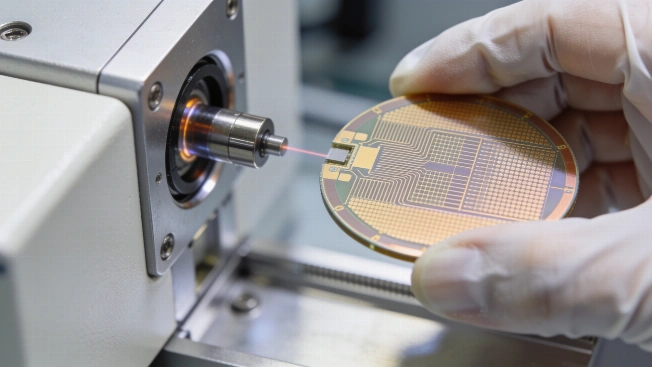
Silicon Nitride Modulators Open a Route to Visible Quantum Photonics
NLM Photonics, LIGENTEC SA and Spark Photonics have fabricated silicon nitride organic-hybrid modulators that could connect low-loss visible photonics with quantum routing and laser control.
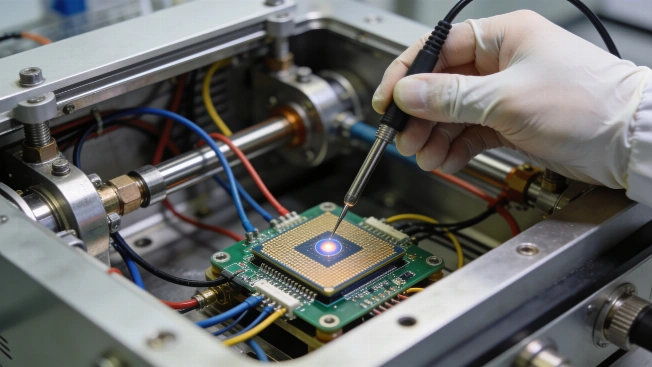
Patent eligibility for quantum dot Pauli Z gate hardware faces legal scrutiny
A proposed hardware method for implementing the Pauli Z gate in quantum dot-based quantum computers highlights the unresolved legal barriers to patenting quantum operations that rely on established physical laws.

Qualcomm and Amazon team up on custom silicon and optical links for AI data centers
Qualcomm Technologies and Amazon are partnering to develop custom silicon and high-speed optical connectivity for AI data centers, aiming to speed up AI inference and data transfer at scale.
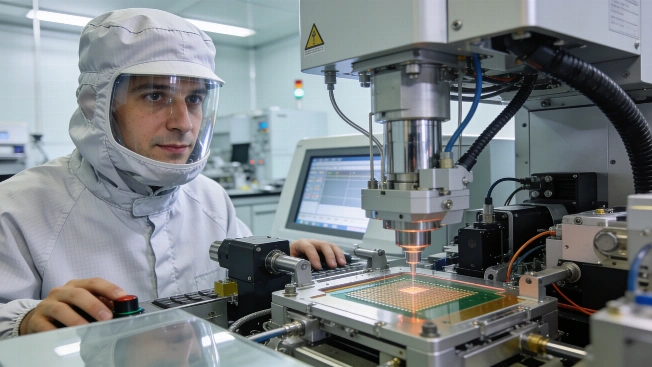
Spain Launches Quantum Nanofabrication Facility for Device Prototyping
A new quantum nanofabrication area at IMB-CNM in Barcelona brings advanced electron-beam lithography and metrology tools to Spain's largest cleanroom for quantum device prototyping, aiming to bridge laboratory research and industrial pilot lines
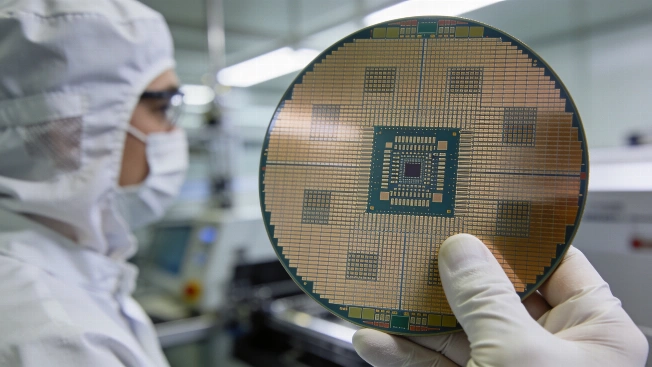
Silicon Spin Qubit Chip Integrates Quantum Gates and Readout on 300mm Wafer
Quobly has demonstrated single-chip readout and quantum gate operations on its QSOI architecture, fabricated with industrial 300mm FD-SOI CMOS technology and enriched silicon-28, marking a step toward scalable silicon-based quantum processors
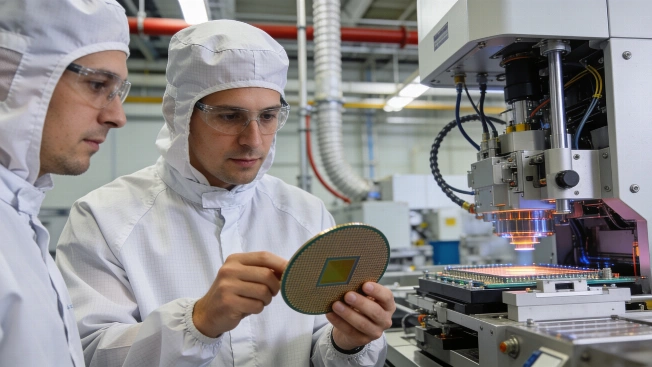
Photonic Inc Plans CA$500M Silicon Quantum Fab in Vancouver
Photonic Inc has put forward Project VANGUARD, a CA$500 million semiconductor fabrication and packaging facility in Vancouver. The site would give Canadian companies a domestic option for prototyping and scaling quantum, AI, and defense hardware.
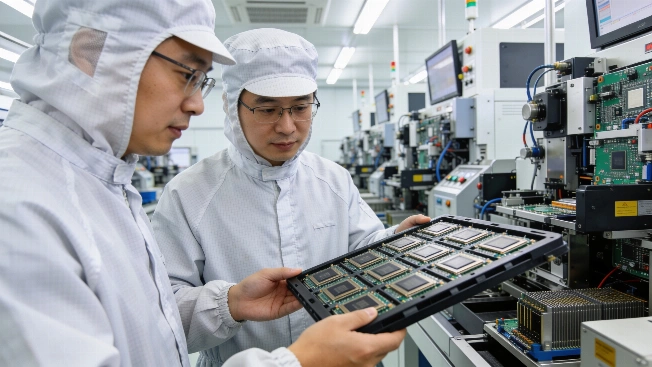
China's AI chip makers take on Nvidia's dominance in model training
Nvidia's lead in AI model training is under pressure as Chinese companies like Huawei, Cambricon, Moore Threads, and Biren Technology push to develop homegrown chips and software, aiming to reduce dependence on foreign hardware.
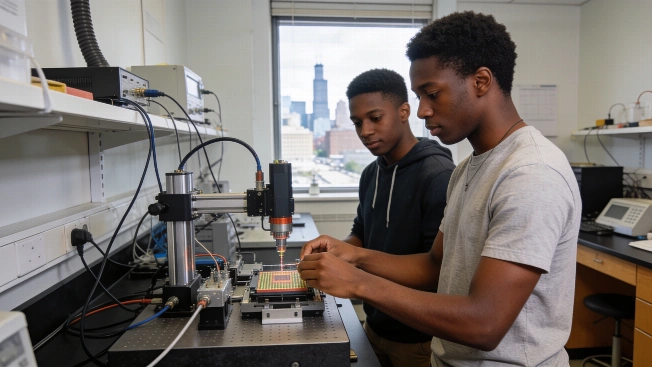
Chicago State University launches CQuEST Center for quantum and semiconductor training
Chicago State University has opened the CQuEST Center, bringing quantum information science and semiconductor technology education to the South Side, with direct access to labs and paid internships for students.
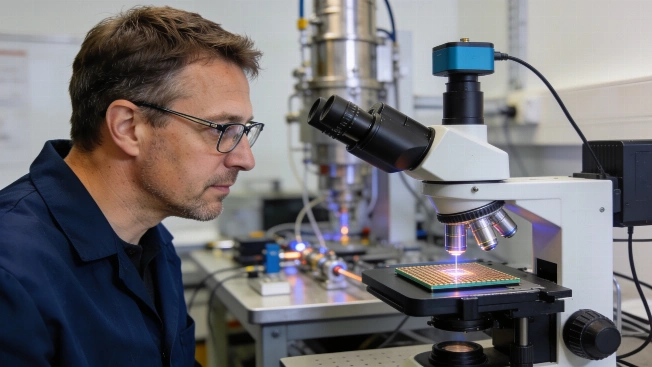
Quantum hardware companies bring in new leaders to tackle engineering hurdles
Senior hires at Q.ANT, Qtonic Quantum, QuantrolOx, and Leiden Cryogenics reflect a push to solve the practical challenges of building and scaling quantum hardware, photonic processors, and cryogenic systems.
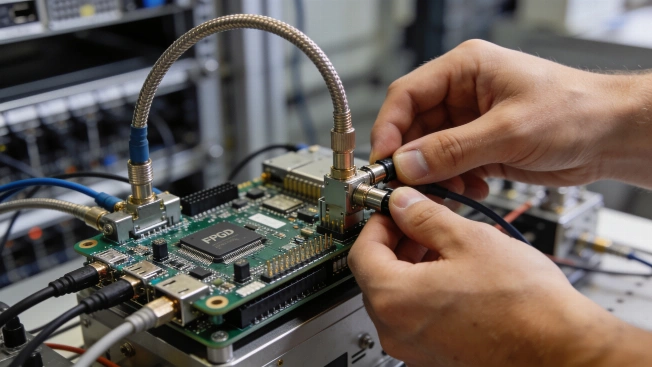
Altera and Riverlane validate real time QEC interface on Agilex FPGAs
Altera and Riverlane have integrated an open source quantum error correction interface on Agilex 7 FPGAs, aiming to standardize real time data movement and control for multi qubit quantum processors across several hardware platforms
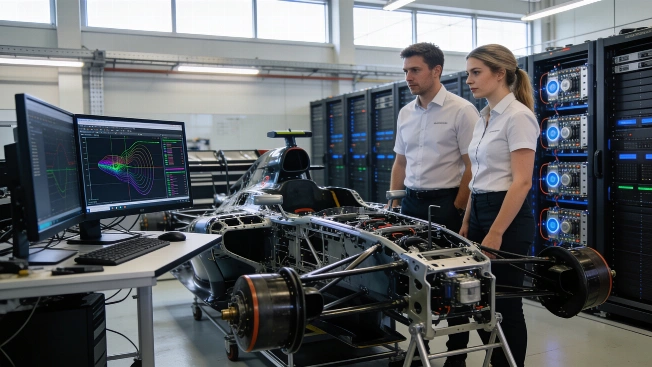
Hybrid Quantum Simulation Targets Formula One Engineering Limits
A Formula One team is piloting hybrid quantum-classical simulation tools to model complex physics in car development, integrating quantum algorithms and post-quantum security hardware under strict computational budgets
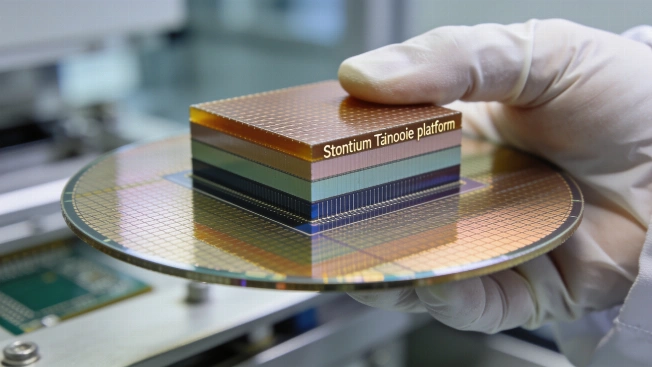
Strontium Titanate Insulator Platform Targets Quantum Device Integration
La Luce Cristallina has introduced a silicon-based quantum paraelectric strontium titanate on insulator wafer platform engineered for quantum computing and cryogenic electronics, with a focus on foundry compatibility and voltage-tunable dielectric control
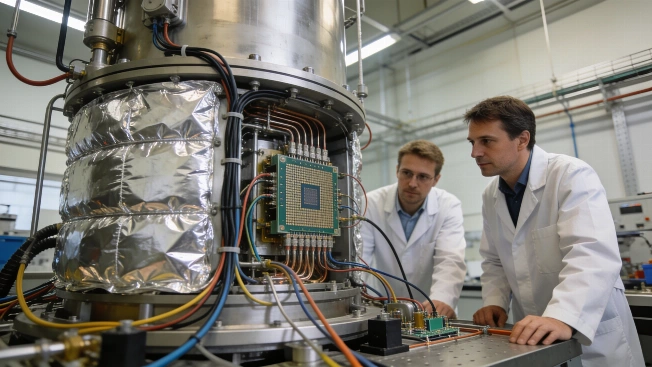
Cryogenic Milestone for Silicon Spin Qubits as Quobly and Absolut System Advance
Quobly and Absolut System have qualified a 100 mW sub-kelvin cryogenic platform to support silicon spin-qubit quantum processors, marking a key step toward scalable quantum computing hardware and revealing the engineering limits of thermal management
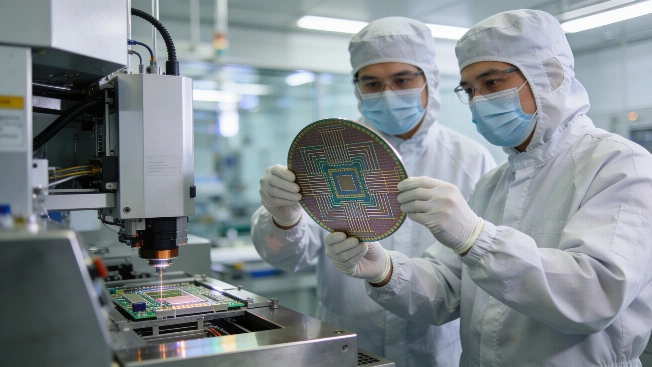
Xanadu and ASML target lower optical loss in silicon quantum chips
Xanadu Quantum Technologies and ASML have launched a technical collaboration to reduce optical propagation loss in integrated silicon photonic circuits, a key challenge for scalable fault-tolerant quantum computing hardware
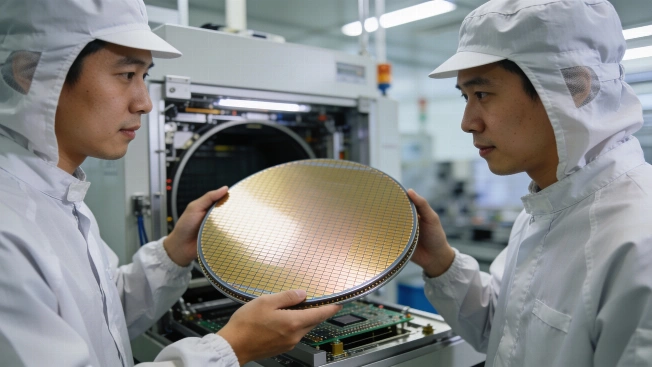
Universal Quantum launches Singapore center for trapped-ion chip development
Universal Quantum has opened its first Asia-Pacific R&D center in Singapore, aiming to advance trapped-ion quantum processor fabrication and algorithm co-design with over SGD 30 million in investment
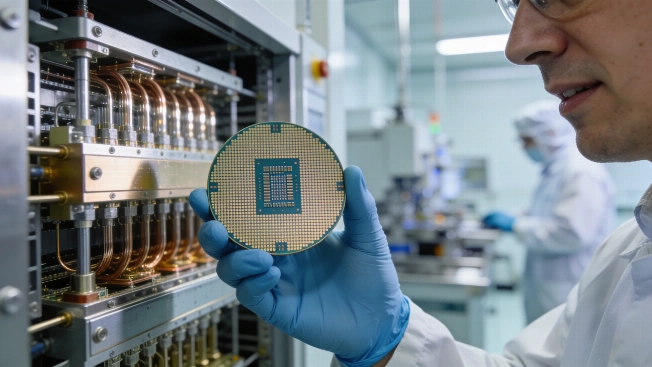
IonQ Superion 256 Trapped Ion Chip Targets Data Center Integration
IonQ has introduced the Superion 256 quantum processor, a trapped-ion chip platform with on-chip electronic control and CMOS integration, aiming to reduce cost and enable standard data center deployment. Commercial delivery is targeted for 2027
Part 1 of 3