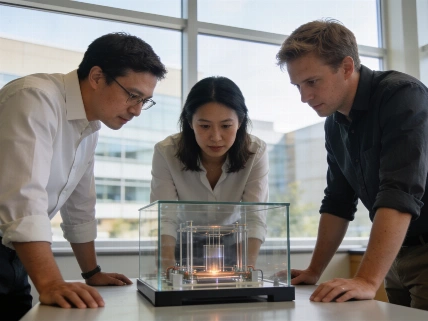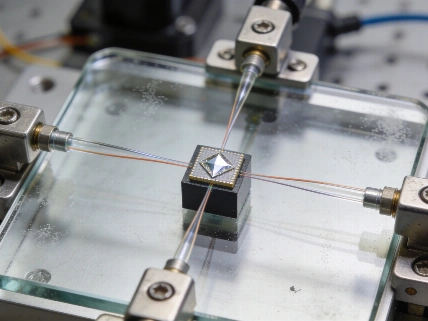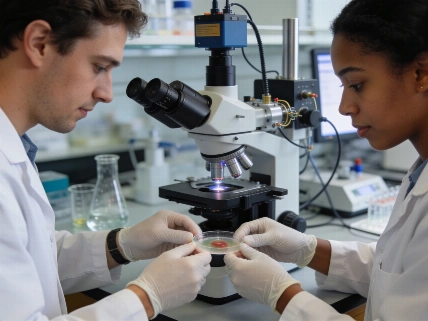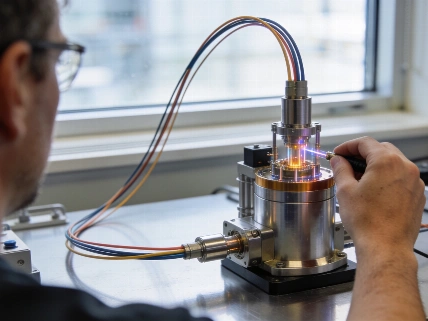
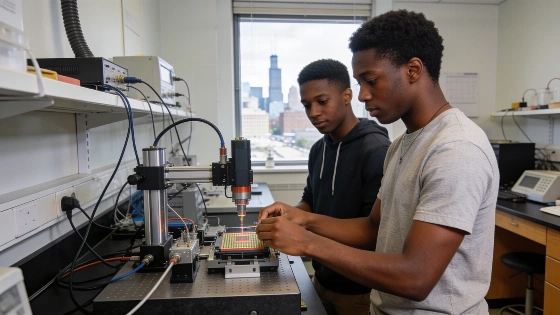
Chicago State University has opened the CQuEST Center, bringing quantum information science and semiconductor technology education to the South Side, with direct access to labs and paid internships for students.
Chicago State University has established the CSU Quantum Education, Science and Technology Center (CQuEST), a new center focused on quantum and semiconductor skills training on Chicago's South Side. The center is a response to the growing need for technical workers in quantum information science and semiconductor manufacturing-fields where talent shortages and limited access have slowed progress across the country. CQuEST brings together programs that were previously separate, aiming to make advanced technical education more accessible to local students.
Academic pathways and industry connections
CQuEST offers three main credentials: a minor in Quantum Information Science and Engineering (QISE), a QISE Certificate, and a Semiconductor Technology and Manufacturing Certificate. These programs are open to undergraduates and high school students in dual-enrollment, with coursework that builds from introductory to advanced topics. Through a partnership with the Illinois Quantum & Microelectronics Park (IQMP), students get priority access to research labs and hands-on experience-key for preparing graduates for technical jobs in both research and industry. The IQMP is a large, 128-acre development on the former U.S. Steel South Works site.
Students in CQuEST programs can apply for paid internships funded by the National Science Foundation's Mic2ExL initiative, which places them in regional labs and industry settings. This is meant to close the gap between classroom learning and practical skills, a challenge for many quantum education programs. The center's ties to IQMP and its industry partners are intended to help students move directly into the workforce. IBM's FutureNow Chicago center, a major tenant in the park's Quantum Works building, is expected to create 750 full-time jobs in AI, cybersecurity, and data science, adding to the employment opportunities for CQuEST graduates.
STEM outreach and early engagement
CQuEST also runs outreach programs in the region. The Elevate 17 partnership with Chicago Public Schools introduces quantum and semiconductor topics to K-12 classrooms. Summer research programs and teacher workshops aim to broaden participation among students and educators who have not had access to advanced science training. These efforts are designed to address both technical and social barriers that have limited diversity in quantum and semiconductor fields. Similar outreach models are used by institutions like Stanford and the Max Planck Society to increase representation in STEM.
Center Director Dr. Valerie Goss has stressed the importance of early exposure and ongoing mentorship for building a local talent pipeline. By including quantum and semiconductor content in high school courses and offering direct research experience, CQuEST aims to open up technical careers to students who might otherwise be left out. This approach is part of a broader push to decentralize quantum education and expand access beyond a handful of elite universities, as discussed in recent research published in Nature Physics.
Program structure and outcomes
The center's academic programs-the QISE Certificate, QISE Minor, and Semiconductor Technology and Manufacturing Certificate-are designed to be stackable, so students can build expertise step by step. High school students can start coursework before college through dual-enrollment, and paid internships through Mic2ExL give them practical experience in labs and industry. According to university records, the programs were first authorized in December 2025, after approval from the Illinois Board of Higher Education.
While the center's links to IQMP and local labs offer a clear path to hands-on training, the long-term success of this model will depend on steady funding, active industry involvement, and the ability to keep up with changes in quantum and semiconductor technology. Matching educational outcomes to fast-changing technical needs remains a challenge. Similar workforce programs have been tracked in other regions, as reported earlier in the context of quantum processor integration with supercomputing infrastructure.
Limitations and open questions
Despite its broad structure, the center faces some clear limitations. The effectiveness of stackable credentials in producing job-ready graduates has not yet been independently measured, and moving from certificate to employment will require ongoing coordination with industry partners. The center relies on outside funding for paid internships and lab access, which could be at risk if grant support or industry demand changes. It's also unclear whether the CQuEST model can be scaled to other regions or institutions, and its impact on national workforce shortages will depend on whether similar programs are adopted elsewhere. Recent editorials in the Chicago Tribune have raised community concerns and permitting questions about the IQMP's construction at the South Works site, pointing to the need for transparent engagement with local stakeholders.
CQuEST is a practical attempt to close the gap between quantum education and technical jobs, especially for students outside the country's top research universities. By combining lab access, paid internships, and K-12 outreach, the center offers a model that could shape future workforce development. Still, whether these efforts lead to real gains in technical skills and employment for graduates remains to be seen. Independent evaluation and long-term tracking will be needed before making claims about transformative impact.
Preparing students for technical roles in quantum information science and semiconductor technology takes more than classroom instruction. Hands-on lab work, experience with real devices, and understanding the practical challenges of these fields are all essential. Stackable credentials and paid internships can help bridge the gap between academic learning and job skills, but their value depends on the quality of training, the relevance of lab work, and strong industry partnerships. As these technologies change, workforce programs will need to adapt so graduates are ready for the demands of research and industry jobs.