
Taphonomy
8 reportsA detailed treatment of Taphonomy follows preservation filters; decay and disarticulation; and scavenging and transport. One line of support comes from sedimentological observations, and a separate test comes from independent age constraints; together they clarify decay and disarticulation, but confidence is limited by the fact that the fossil record is incomplete and preservation can favor particular organisms or environments.
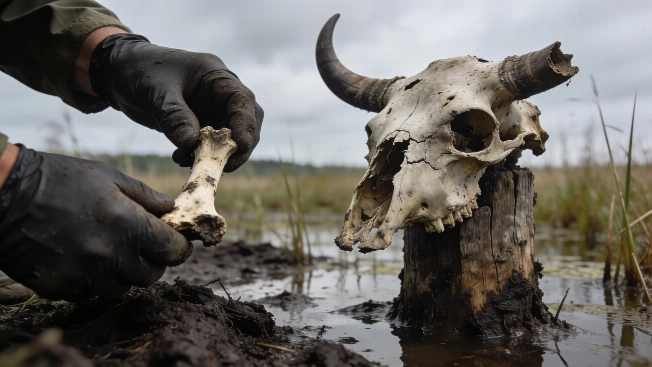
Aurochs Skull on Wooden Stake May Mark Mesolithic Burial Ritual
A nearly complete aurochs skull found driven onto a wooden stake near northern Germany's oldest known grave may point to a previously undocumented hunter-gatherer funerary practice, although researchers stress that the interpretation remains provisional.
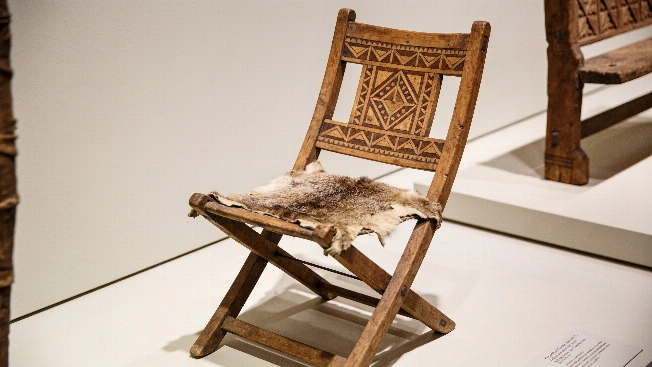
Bronze Age Folding Chair From Denmark Reveals Ancient Status Symbols
Archaeologists analyzed a 3,400-year-old wooden folding chair from a Danish burial mound using material analysis and contextual dating, revealing its role as a rare status object in Bronze Age Europe
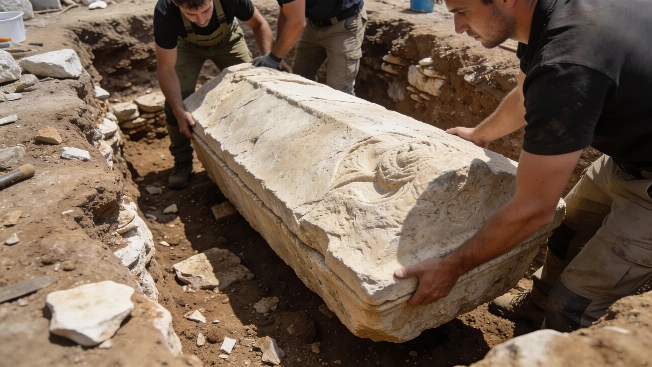
Sealed Roman-Era Sarcophagus Excavated Intact in Cavtat, Croatia
Archaeologists have excavated a massive limestone sarcophagus in Cavtat, Croatia, that remained sealed for over 1,500 years, providing rare insight into Late Antique burial practices and preservation in the eastern Adriatic
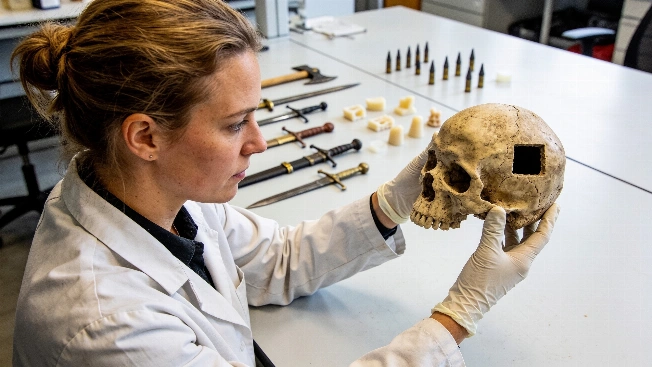
Medieval Skull Injuries at Visby Linked to Spiked Club Weapons
A new forensic analysis of 14th-century skeletons from the Battle of Visby in Sweden has identified spiked clubs as the likely cause of distinctive square cranial injuries, challenging assumptions about medieval militia training and combat methods
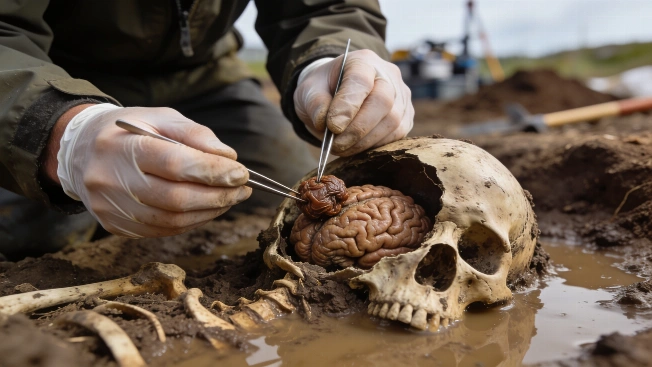
Ancient Human Brains Preserved by Unusual Chemical Pathway
Researchers have identified a chemical process that explains why brain tissue sometimes survives for millennia in archaeological contexts, challenging assumptions about soft tissue decay and offering new insight into ancient preservation
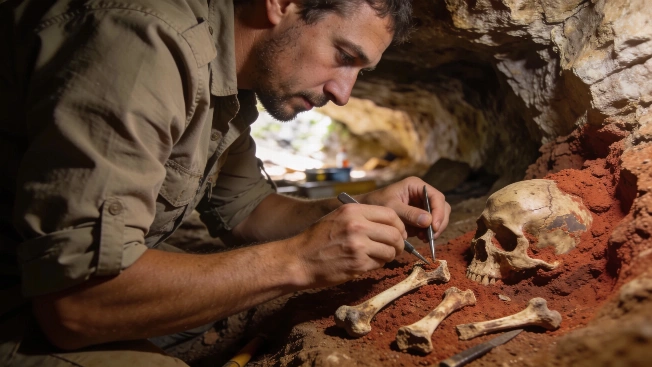
Cut Marks on Homo antecessor Bones Reveal Early Cannibalism in Spain
Archaeologists have identified new evidence of cannibalism among Homo antecessor at Gran Dolina cave in Spain, with cut marks on adult and juvenile bones dating to around 850,000 years ago, expanding our understanding of early human behavior
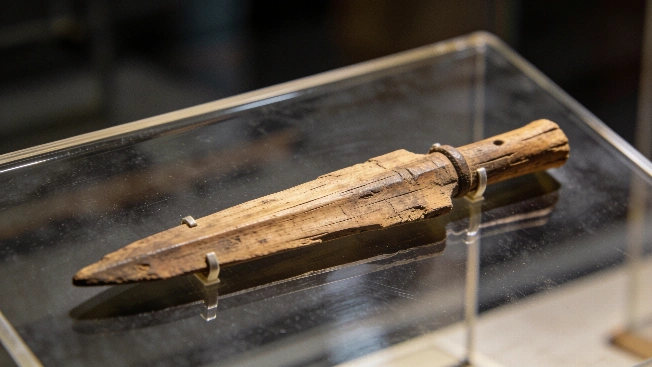
How Archaeologists Trace the Oldest Known Weapons in Human History
Archaeologists have identified several contenders for the world's oldest weapon, including wooden spears and stone points from sites in Africa and Europe. Careful analysis of context, material, and wear patterns helps distinguish weapons from other ancient tools
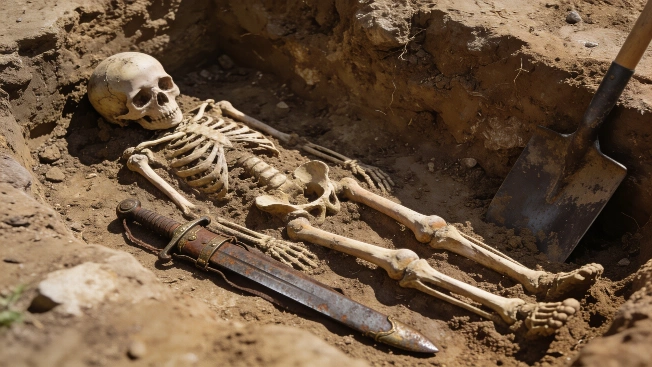
Iron Age Child Burial With Sword Sheds Light on Gaulish Practices
Archaeologists have uncovered a 2,400-year-old iron sword placed beside a child's remains at the Bois Médor site in central France, offering new evidence about burial customs and social roles in Iron Age Gaul