
Archaeogenetics
12 reportsNew findings about Archaeogenetics are placed alongside dating or detection limits and spatial context, with separate attention to interpretive assumptions. The treatment of interpretive assumptions keeps calibration standards separate from blind or comparative tests until their assumptions and scales are compared; the evidence is read with the caveat that disturbance, contamination, and incomplete context can narrow what the method establishes.
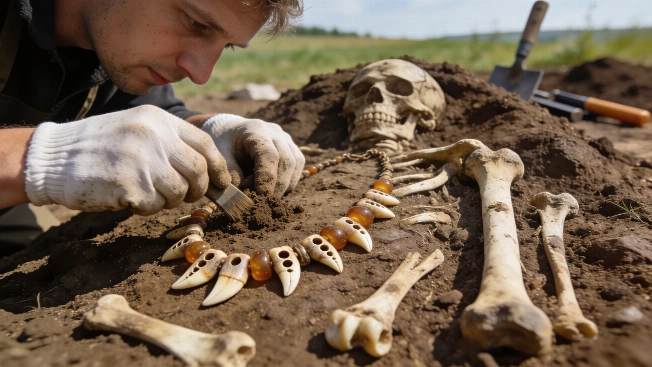
5,000-Year-Old Tooth Necklace Burial Sheds Light on Corded Ware Poland
Archaeologists near Wrocław have uncovered a 5,000-year-old burial containing a necklace made from 42 animal teeth, stone weapons, and human skulls, offering new evidence for Corded Ware culture and prehistoric mortuary practices in southwestern Poland
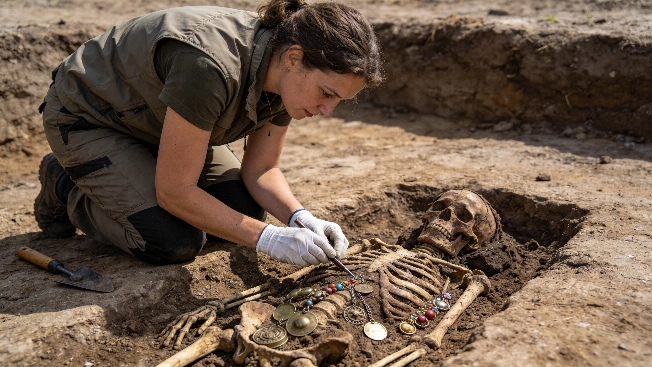
Ancient DNA Reveals Women Held Power in Prehistoric Europe
Recent genetic studies of prehistoric burials across Europe are challenging long-held assumptions about gender roles, showing that women sometimes held high status and power. Archaeologists are re-examining evidence from sites like Çatalhöyük and Iron Age Britain

Neanderthal Gene Variant Linked to Muscle Mass in Modern Humans
A newly published study identifies a Neanderthal-derived gene variant in the growth hormone receptor that increases muscle mass in some modern humans. Researchers analyzed ancient DNA and over a million modern genomes to trace its distribution and effects.
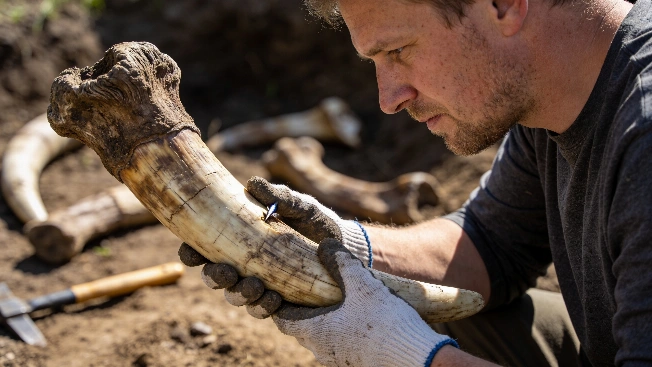
Ancient DNA Reveals Sex Bias in Ice Age Mammoth Hunting
Genomic analysis of over 500 woolly mammoth remains from Eurasia and North America suggests Upper Paleolithic hunter-gatherers may have disproportionately targeted female mammoths, raising new questions about prehistoric hunting strategies
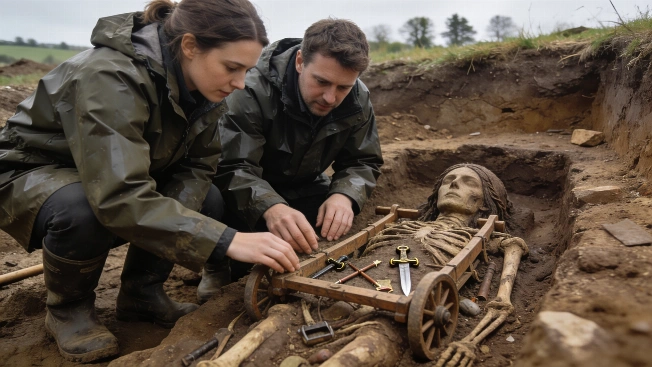
Did Women Fight in Ancient Celtic Battles Archaeology Reveals
Archaeologists have uncovered weapons in some female burials across Iron Age Europe, raising questions about the roles of women in Celtic warfare. Recent genetic and osteological studies provide new insights but leave key uncertainties unresolved

Ancient DNA Reveals Two Unknown Human Lineages in Modern Genomes
A new genome analysis method has identified traces of two previously unknown extinct human lineages in the DNA of living people, offering fresh insight into ancient population interactions and the complexity of human evolution
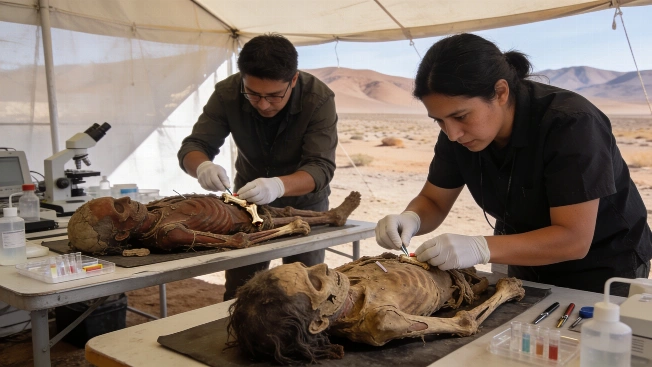
Ancient Inca Mummies Yield Earliest Smallpox DNA in the Americas
Researchers have recovered ancient smallpox DNA from two Inca mummies in northern Chile, providing the first direct molecular evidence that European-introduced smallpox reached South America during the early colonial period
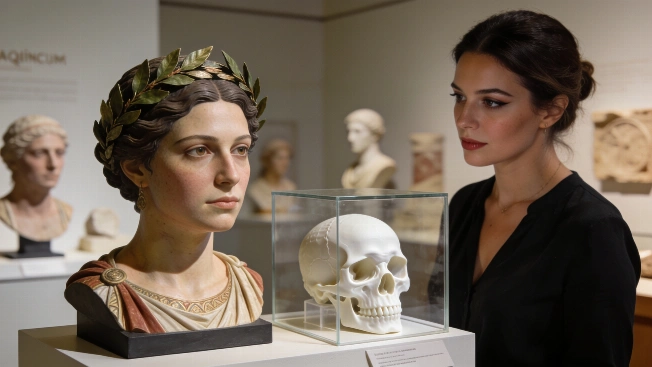
Facial Reconstructions Reveal Roman-Era Lives at Aquincum, Hungary
Researchers used DNA analysis, 3D-printed skulls, and forensic modeling to reconstruct the faces of 16 individuals buried near the Roman frontier city of Aquincum, offering new insights into population diversity and daily life nearly 1,700 years ago
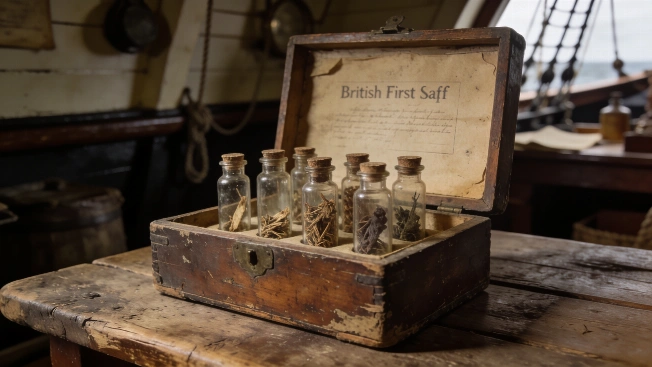
Modeling Study Traces 1789 Smallpox Outbreak to British Arrival
A new modeling study uses historical and epidemiological data to argue that the 1789 smallpox epidemic among Indigenous Australians likely began with British medical material brought by the First Fleet, challenging earlier theories of northern introduction
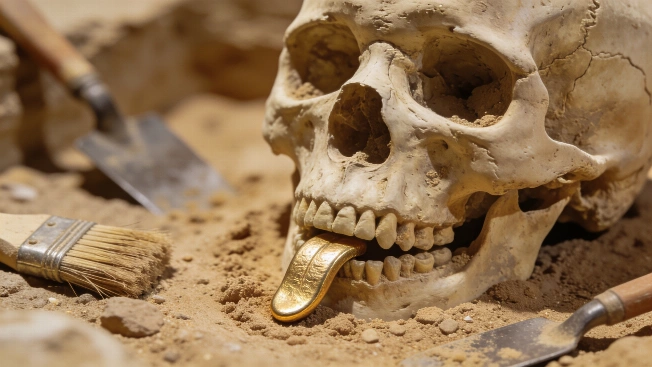
Gold Tongues in Egyptian Tombs and a New Monkey in Congo
Archaeologists have uncovered 18 tombs in Egypt containing gold tongue amulets, while researchers in the Congo rainforest have identified a new monkey species. These discoveries highlight both the complexity of ancient mortuary practices and the ongoing potential for finding new species.
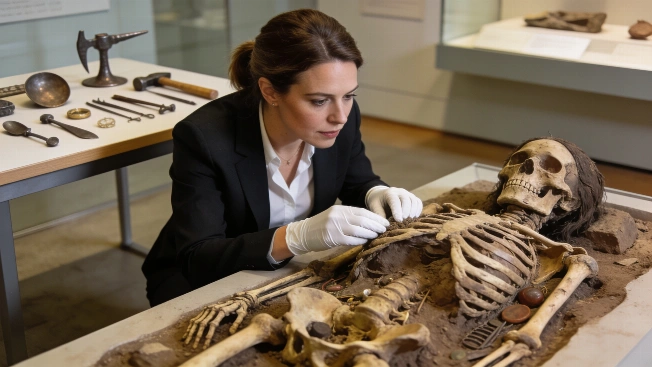
Ancient DNA Reveals Bronze Age Metalworker Near Stonehenge Was Female
A 4,000-year-old burial near Stonehenge, long thought to contain a male shaman, has been re-examined using ancient DNA analysis, revealing the individual was biologically female and challenging assumptions about gender roles in Early Bronze Age Britain
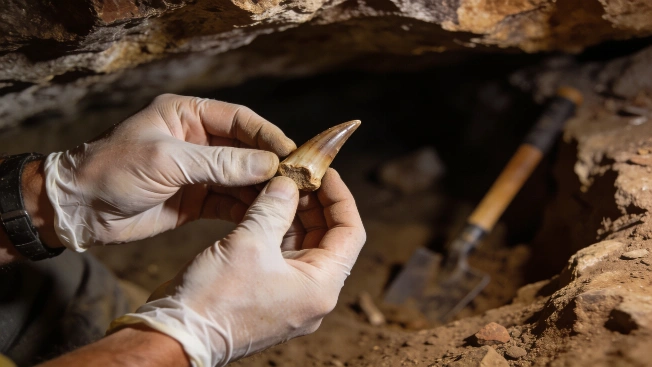
Ancient DNA Survives 50,000 Years in South African Cave
Researchers have recovered DNA from a 50,000-year-old antelope tooth in Boomplaas Cave, South Africa, challenging assumptions about DNA survival in hot climates and expanding the potential for ancient genetic studies in sub-Saharan Africa