
Isotope Analysis
8 reportsReaders following Isotope Analysis encounter sampling and context; calibration or reference data; and spatial or chronological resolution. The strength of statements about sampling and context depends on how well integration with excavation records is supported by calibration standards; confidence is limited by the fact that disturbance, contamination, and incomplete context can narrow what the method establishes.
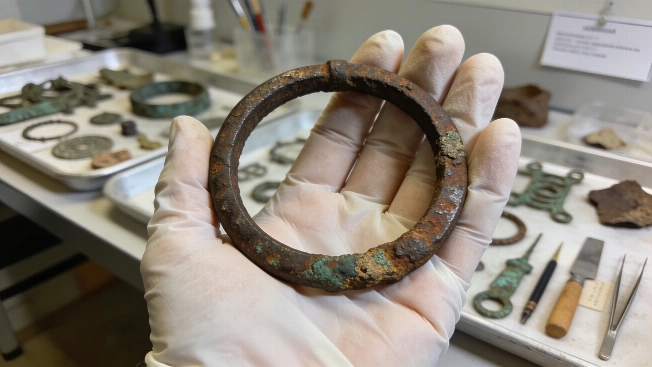
Ancient Greek Rings Reveal Use of Meteorite Iron in Elite Burials
Analysis of Bronze and Early Iron Age rings from Greece shows that some were crafted from meteoritic iron, suggesting the rare metal was valued by Minoan and Mycenaean elites long before iron smelting became common
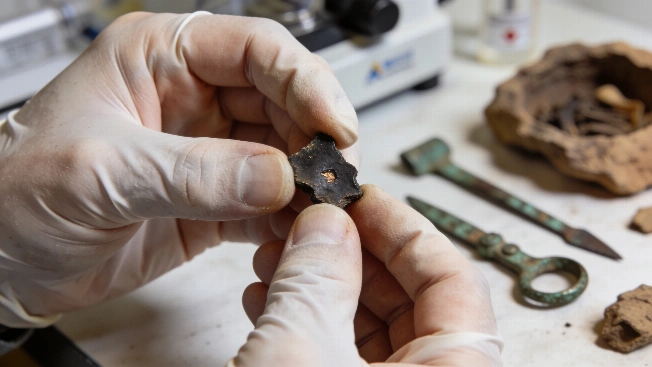
Pre-Inca Metalwork in Peru Linked to Bolivian Ore by Isotope Analysis
Archaeologists have traced metallurgical waste from a Wari-period burial at Castillo de Huarmey in Peru to ore sources in present-day Bolivia, revealing long-distance movement of metal and technological knowledge across the Andes
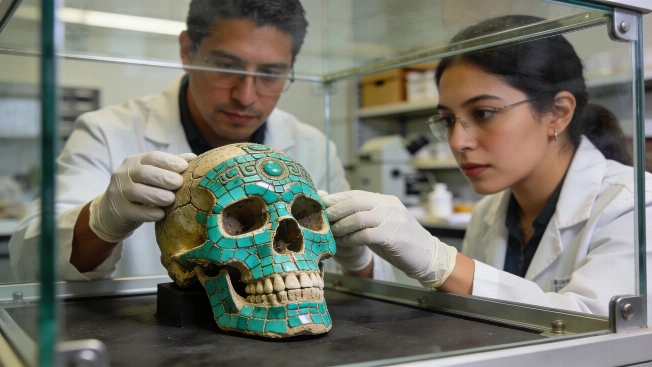
Mixtec Turquoise-Mosaic Skull Returns to Mexico After Six Decades
A rare pre-Hispanic human skull with a turquoise mosaic, linked to the Mixtec tradition, has been repatriated to Mexico after decades in a Dutch museum. Scientific analysis confirms its pre-Hispanic origin, but its precise archaeological context remains uncertain
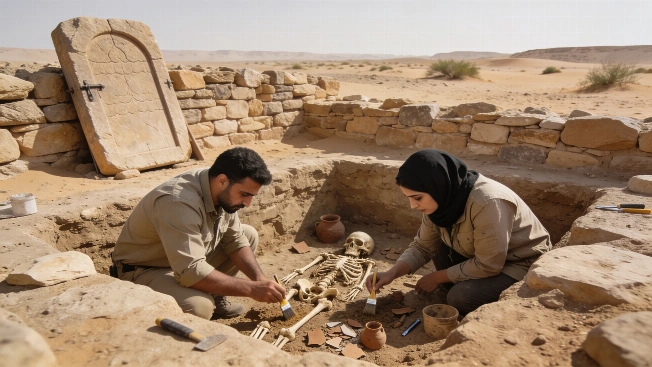
Bronze Age Tomb in UAE Used for Over a Millennium Revealed
Archaeologists have excavated a communal tomb at Qattarah Necropolis in Al Ain, UAE, showing continuous use from the Wadi Suq period through the Iron Age. Isotope and ancient DNA analysis may clarify population origins and burial practices
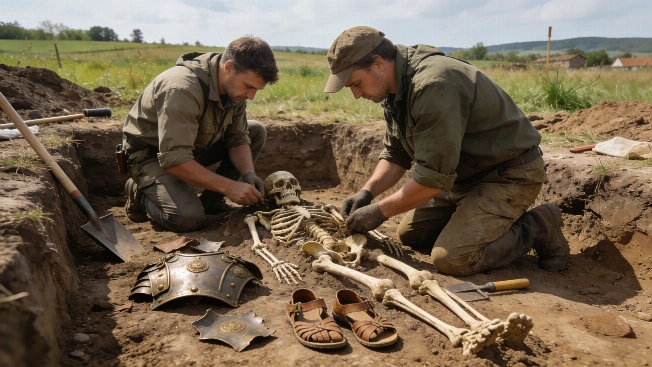
Roman Military Camp in Slovakia Reveals Unusual Soldier Burials
Archaeologists have identified a large Roman military camp near Šurany, Slovakia, containing hastily buried remains of soldiers and military equipment, offering new evidence for Roman campaigns during the Marcomannic Wars
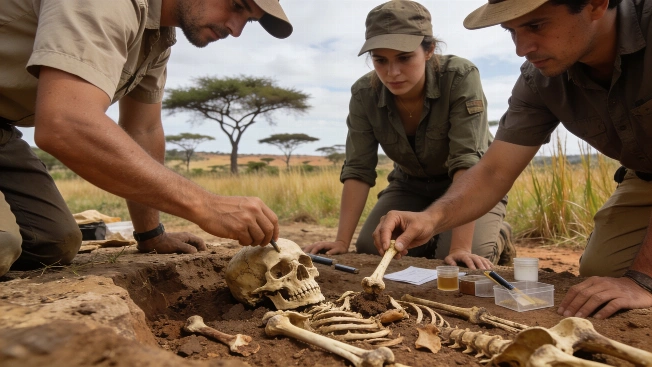
Isotope Evidence Reveals Maize-Based Farming in Ancient Brazilian Cerrado
Analysis of stable isotopes from over 100 individuals across 37 archaeological sites in Brazil's Cerrado shows that some large precolonial communities relied on maize-based polyculture, challenging assumptions about Indigenous subsistence in tropical South America
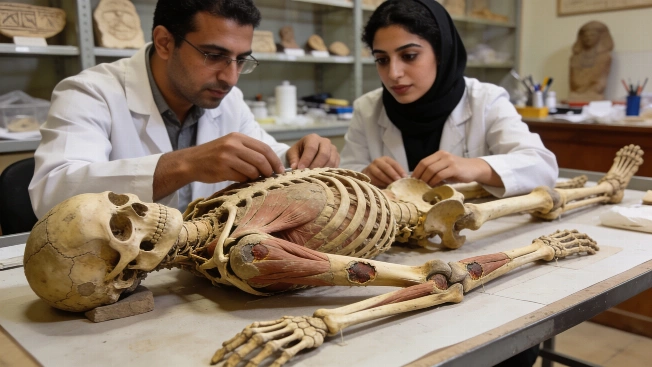
Ancient Egyptian Princesses Show Evidence of Skilled Archery
Bioarchaeological analysis of Middle Kingdom royal women from Dahshur reveals skeletal adaptations consistent with regular archery and hunting, challenging assumptions that weapons in their tombs were only symbolic
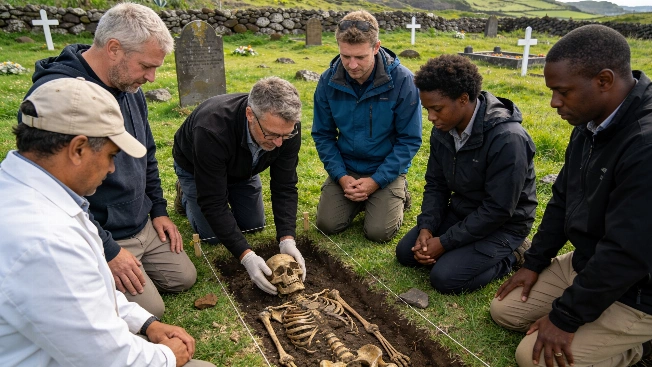
Isotope and DNA Evidence Trace St. Helena Burials to West Africa
Researchers have analyzed teeth and DNA from over 150 individuals buried on St. Helena after liberation from slave ships, revealing diverse childhood origins across West and Central Africa and highlighting the scale of forced displacement