
Stonehenge
4 reportsReaders following Stonehenge encounter excavation and survey history; stratigraphic context; and dating evidence. To distinguish observation from inference, reporting sets field records beside laboratory dating in the discussion of stratigraphic context; any broad claim must allow for the fact that disturbance, incomplete excavation, and later restoration can limit reconstruction.
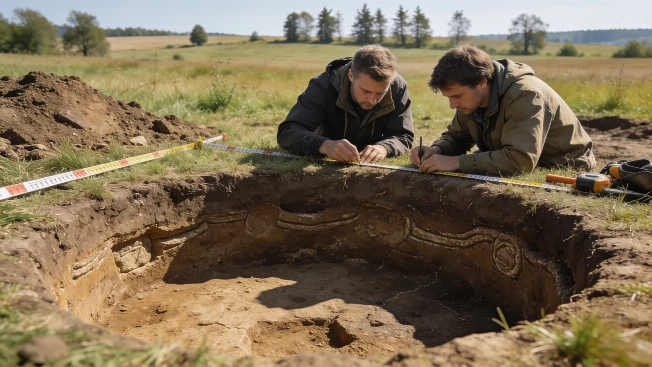
6,500-Year-Old Ritual Enclosure Predating Stonehenge Found in Czech Republic
Archaeologists have uncovered a Neolithic circular enclosure in Central Bohemia, dating to around 6,500 years ago, with entrances aligned to solar and lunar events. The site offers new evidence for early ritual landscapes in prehistoric Europe
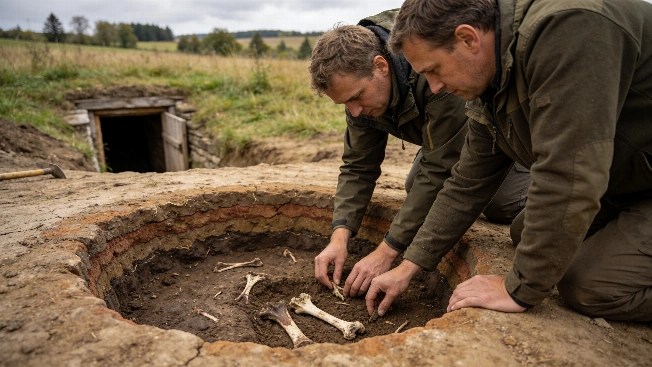
6,500-Year-Old Chleby Enclosure May Have Tracked Sun and Moon
Archaeologists have analyzed a vast Neolithic enclosure near Chleby, Czech Republic, revealing evidence that its entrances and features may have been aligned to solar and lunar cycles over 1,000 years before Stonehenge
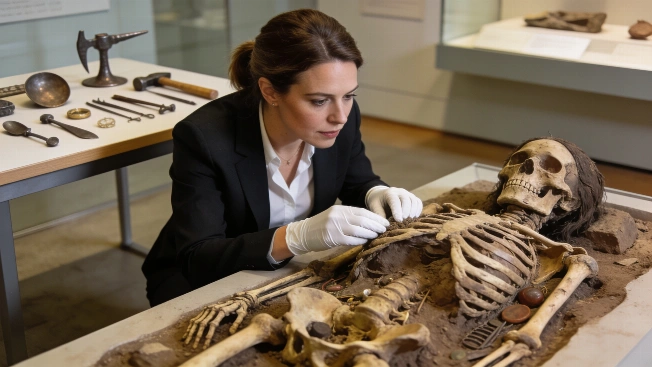
Ancient DNA Reveals Bronze Age Metalworker Near Stonehenge Was Female
A 4,000-year-old burial near Stonehenge, long thought to contain a male shaman, has been re-examined using ancient DNA analysis, revealing the individual was biologically female and challenging assumptions about gender roles in Early Bronze Age Britain
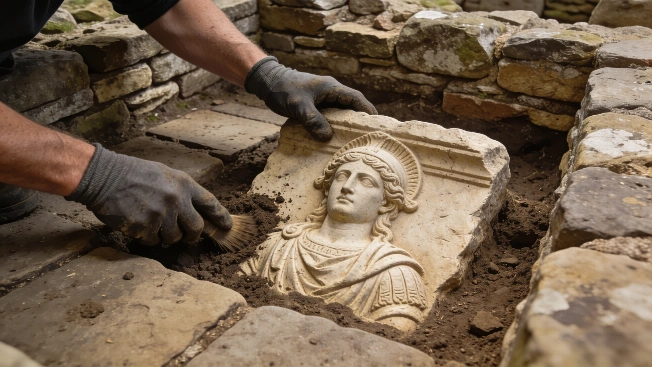
Roman Guardian Spirit Relief Found at Vindolanda Barracks
Archaeologists at Vindolanda in northern England have uncovered a rare carved sandstone relief depicting a Roman Genius, preserved beneath a fourth-century barrack floor and offering new evidence for religious practices at the site