
Computed Tomography
3 reportsComputed Tomography is a diagnostic method that interprets biological signals, images, samples, or clinical findings to detect or classify disease. Evidence is weighed through assay specificity, false positive rate, and specimen type, with benefits, harms, bias, and patient differences kept visible.
The evidence base around Computed Tomography is examined through clinical utility and signal or sample acquisition, with separate attention to image or molecular interpretation. The account compares the signal in comparison with established tests with the context supplied by false-positive and false-negative rates when discussing signal or sample acquisition; the result is bounded by the possibility that performance can vary with prevalence, operator skill, and patient population.
The evidence base around Computed Tomography is examined through clinical utility and signal or sample acquisition, with separate attention to image or molecular interpretation. The account compares the signal in comparison with established tests with the context supplied by false-positive and false-negative rates when discussing signal or sample acquisition; the result is bounded by the possibility that performance can vary with prevalence, operator skill, and patient population.
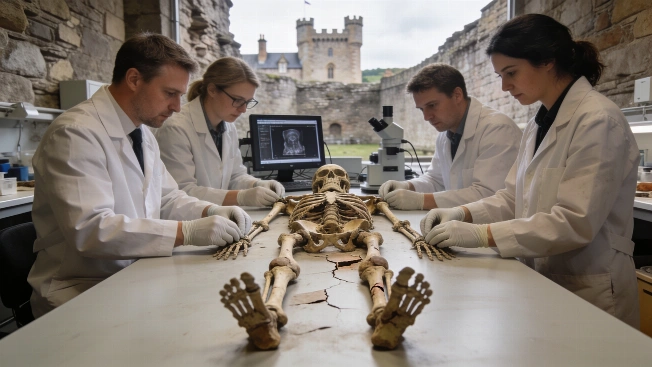
Medieval Skeleton at Stirling Castle Shows Unusual Siege Trauma
Bioarchaeologists have re-examined a 14th-century skeleton from Stirling Castle, Scotland, identifying over 160 perimortem fractures. New analysis suggests the individual may have died from a high-velocity impact during the Wars of Scottish Independence
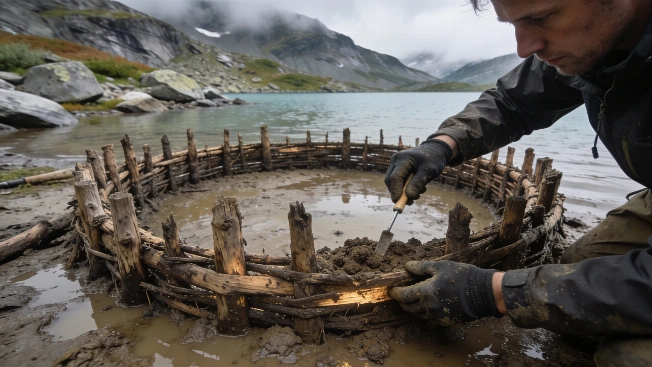
Mesolithic Fish Traps Reveal Early Ecosystem Management in Norway
Archaeologists have identified 7,000-year-old wooden fish traps in Norway's Jotunheimen mountains, providing evidence that Mesolithic hunter-gatherers deliberately introduced brown trout to high-altitude lakes using advanced ecological knowledge
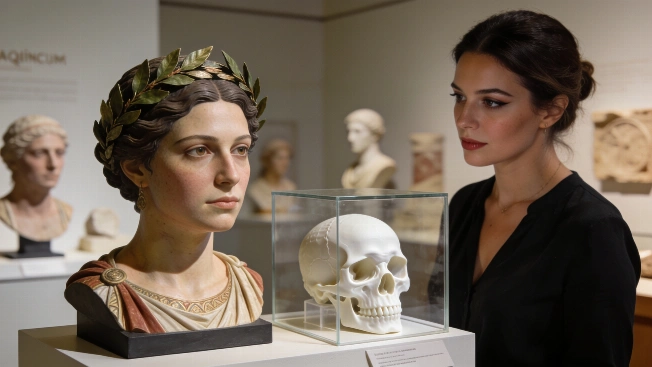
Facial Reconstructions Reveal Roman-Era Lives at Aquincum, Hungary
Researchers used DNA analysis, 3D-printed skulls, and forensic modeling to reconstruct the faces of 16 individuals buried near the Roman frontier city of Aquincum, offering new insights into population diversity and daily life nearly 1,700 years ago