
Visual Science Stories - Part 2
96 reports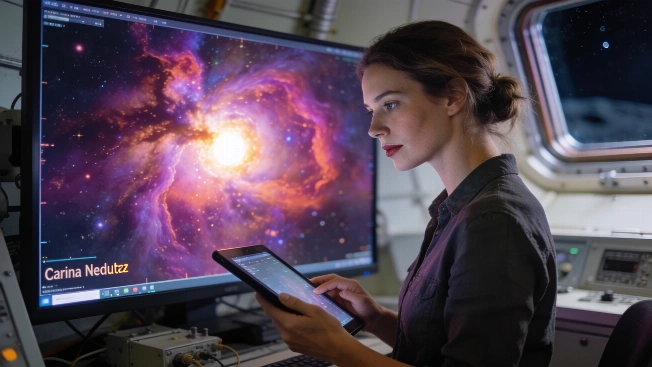
Webb Telescope Reveals Rare O-Type Star Cluster in Carina Nebula
A new James Webb Space Telescope image reveals a dense cluster of newborn stars, including a rare O-type giant, inside the Treasure Chest globule in the Carina Nebula. The image offers a detailed look at early stellar evolution in one of the Milky Way’s most active star-forming regions.
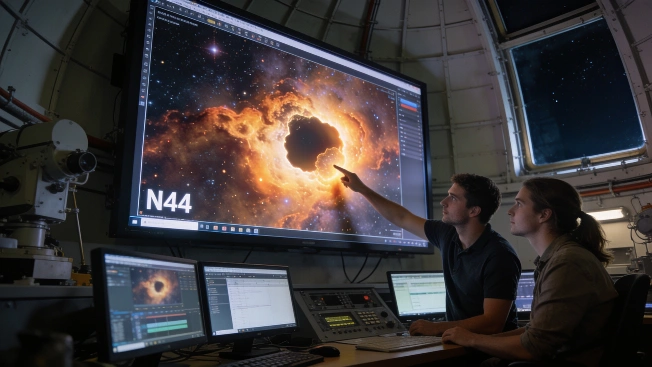
Hubble Reveals Giant Superbubble Structure in Large Magellanic Cloud
A new Hubble Space Telescope image captures the nebula N44 in the Large Magellanic Cloud, highlighting a vast superbubble at its center and offering fresh understanding into how massive stars shape their galactic environment
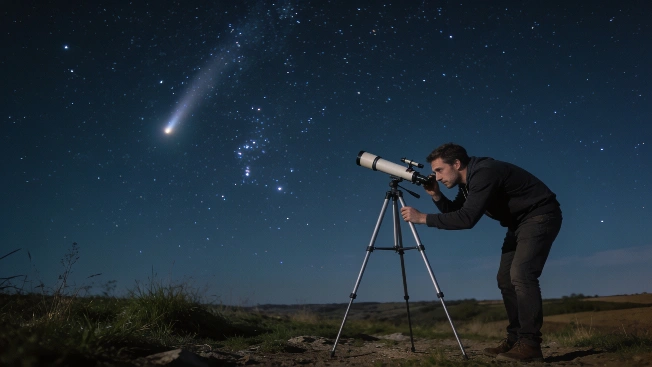
Comet McNaught Surges in Brightness After Solar Outbursts
Comet 220P/McNaught unexpectedly brightened by a factor of 20,000 during two recent outbursts near its closest approach to the Sun, offering a rare chance for telescopic observation before it fades from view.
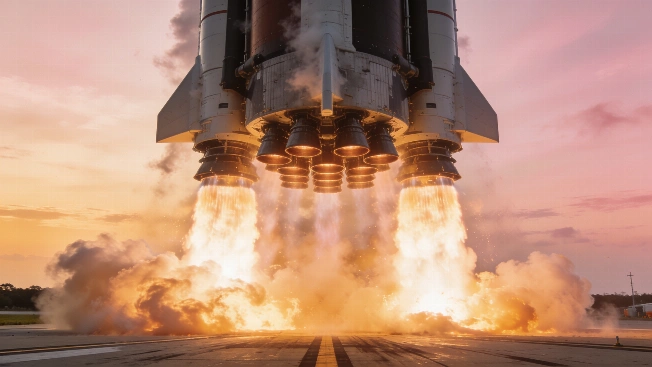
Falcon Heavy Launches NASA's Roman Telescope Toward Deep Space Science
SpaceX's Falcon Heavy rocket has launched NASA's Nancy Grace Roman Space Telescope, sending the observatory on a million-mile journey to its operational orbit beyond Earth.
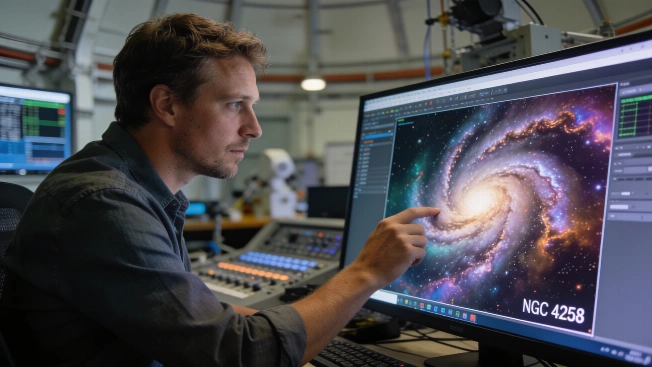
NASA Telescopes Reveal Unusual Extra Arms in Spiral Galaxy NGC 4258
A composite image from NASA's Chandra, Hubble, and James Webb telescopes reveals the spiral galaxy NGC 4258, highlighting two anomalous extra arms shaped by its central supermassive black hole

New Algorithm Brings Humanlike Depth Perception to Humanoid Robots
A research team at York University has introduced a convergent binocular stereo algorithm that enables humanoid robots to estimate depth and object orientation more like humans, with tested improvements on a challenging benchmark dataset.
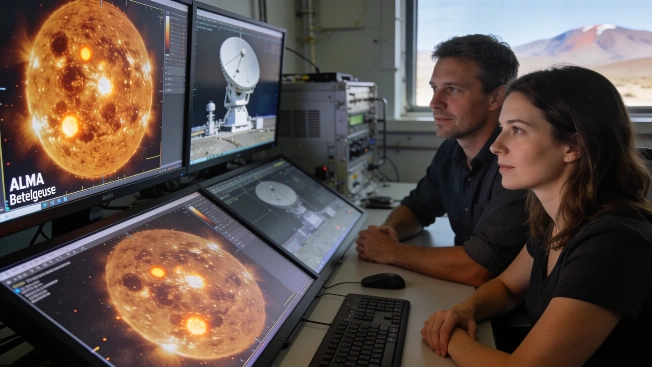
ALMA Reveals Persistent Hotspots on Betelgeuse's Turbulent Surface
Astronomers using the Atacama Large Millimeter/submillimeter Array have mapped Betelgeuse's surface in unprecedented detail, revealing long-lived hotspots and complex plasma flows that challenge current models of red supergiant stars.
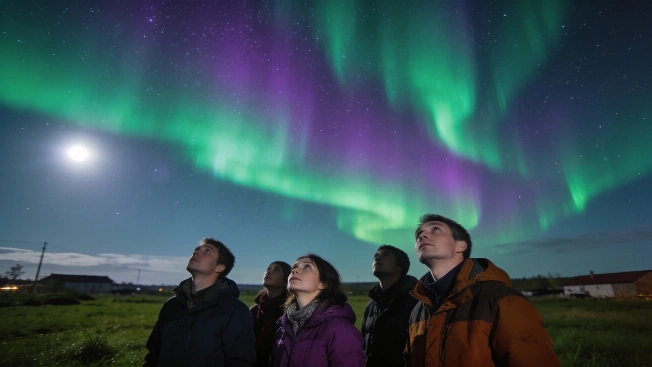
Earth-Facing Sunspot Fires M6.9 Flare and CME Toward Earth
A highly active sunspot has produced an M6.9-class solar flare and launched a coronal mass ejection toward Earth, raising the possibility of geomagnetic disturbances and enhanced auroral activity later this week.
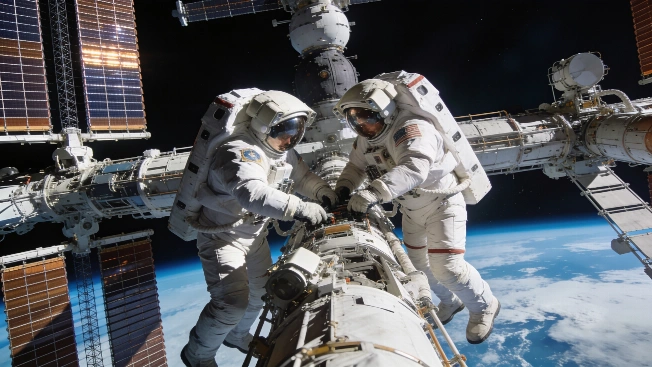
ISS Spacewalk Removes Failed Antenna but Leaves Replacement Unfinished
ESA astronaut Sophie Adenot and NASA astronaut Anil Menon spent more than six hours outside the International Space Station on August 18, 2026, removing a malfunctioning antenna during a technically demanding extravehicular activity.
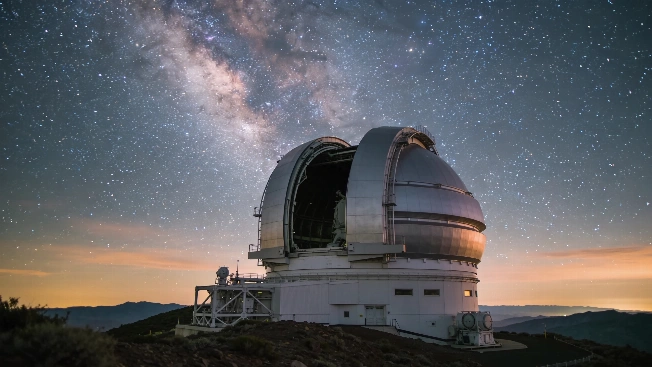
Dark Energy Camera Reveals Ancient Stars and Stellar Birth in Corona Australis
A new image from the Dark Energy Camera on the Blanco 4-meter Telescope captures the Corona Australis Molecular Cloud, highlighting newborn stars and one of the oldest star clusters in the Milky Way.
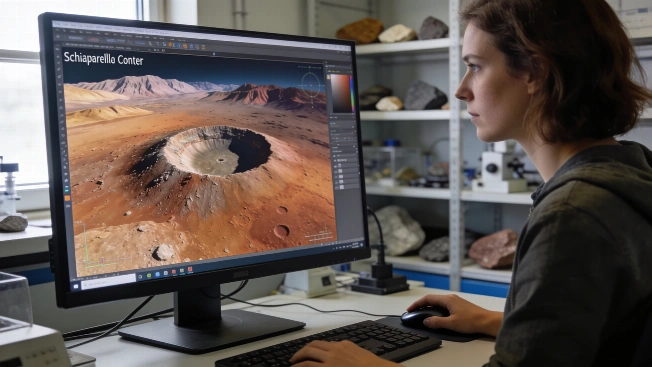
Mars Express Reveals Detailed 3D View of Schiaparelli Crater
ESA's Mars Express orbiter has produced a new high-resolution 3D visualization of Schiaparelli Crater and the Southern Highlands, offering fresh understanding into ancient Martian water activity and surface evolution.
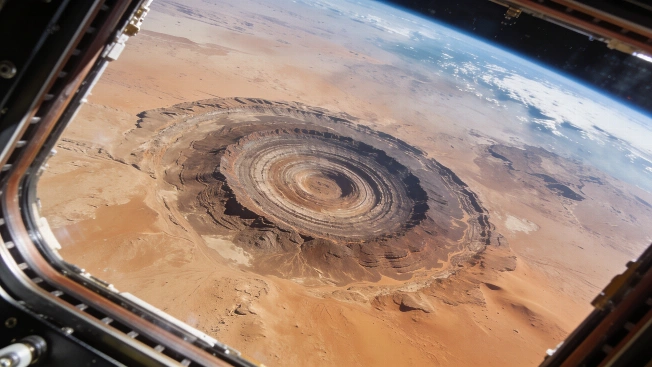
Richat Structure's Concentric Rings Imaged from the International Space Station
A new photograph from the International Space Station captures the Richat Structure, a 40-kilometer-wide geologic formation in Mauritania, revealing its striking concentric rings from orbit.
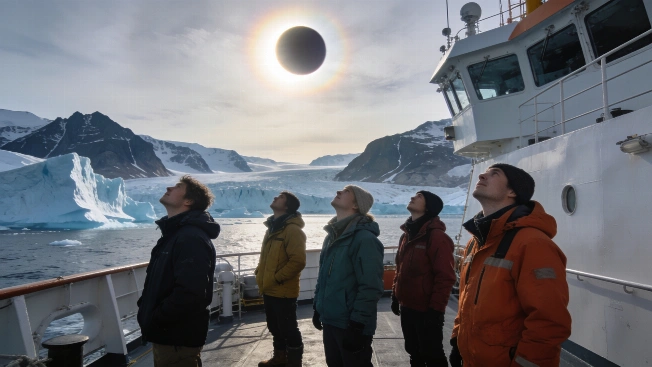
Total Solar Eclipse Observed Over Greenland's Remote Fjords
A rare total solar eclipse was observed from the deck of a research vessel in East Greenland, offering scientists and eclipse chasers a unique view of totality above icebergs and glaciers under clear Arctic skies.
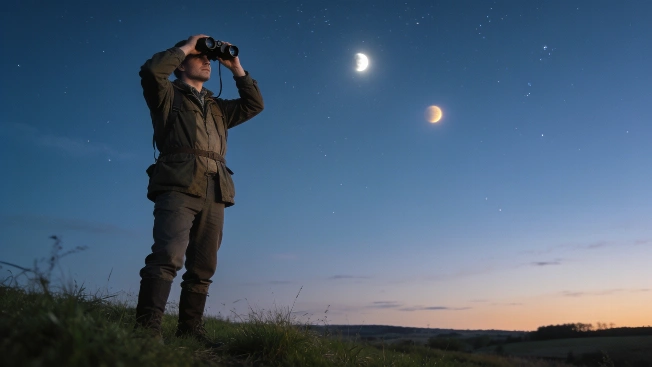
Five Essential Night Sky Targets for Binocular Astronomy
Astronomers highlight five celestial objects and regions that reveal striking detail through binoculars, from the Moon’s shifting shadows to the Andromeda Galaxy’s faint glow, offering accessible entry points for skywatchers at every experience level.
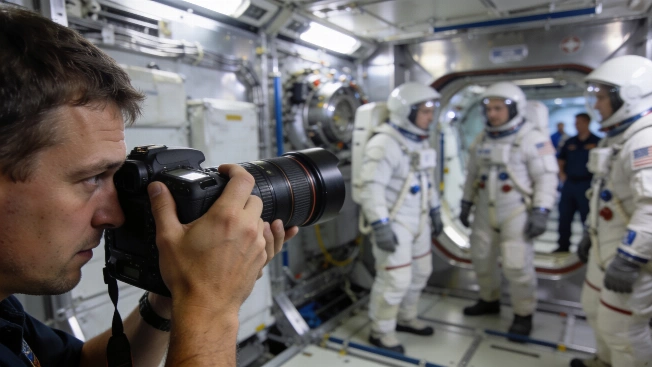
NASA Johnson Photographers Document Human Spaceflight Milestones
NASA's Johnson Space Center photography team has spent decades documenting astronaut training and mission operations, alongside engineering tests. Its images create a visual record of human spaceflight and the people behind major missions.
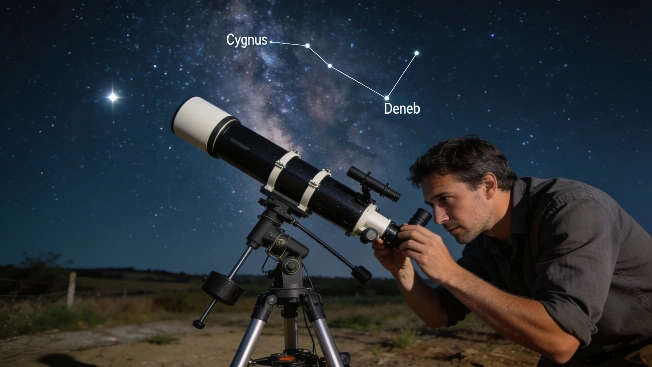
Deneb and Cygnus: Tracing Stellar Remnants and a Nearby Black Hole
Astronomers use optical and X-ray observations to study the Cygnus constellation, where Deneb and the Cygnus Loop frame a broader investigation of black hole Cygnus X-1, revealing its complex structure and hidden extremes.
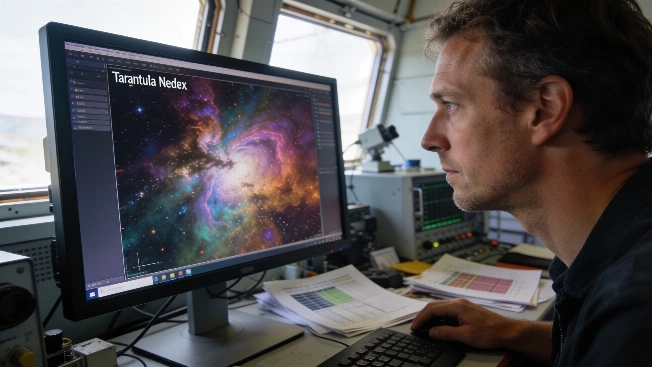
NASA Telescopes Map Energy Loss in Tarantula Nebula
A composite image combining Chandra observations with data from Webb and Hubble shows how young stars and energetic gas shape the Tarantula Nebula in the Large Magellanic Cloud, offering fresh understanding into star formation and nebular evolution.
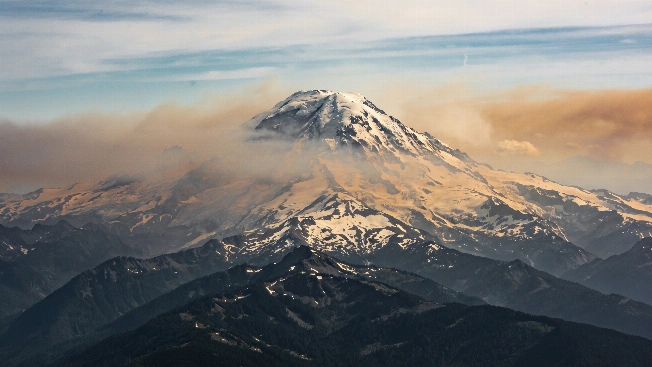
Wildfire Smoke from Space: ISS Images Pacific Northwest Volcanoes
Astronauts aboard the International Space Station have recorded extensive wildfire smoke blanketing Mount Rainier and other Cascade volcanoes, revealing the scale of ongoing fires in the Pacific Northwest as seen from orbit.
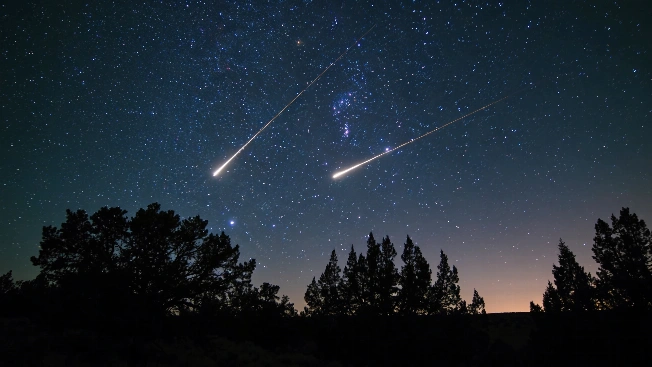
Perseids Meteor Shower Peaks in August Night Skies
The Perseids meteor shower, one of the brightest annual displays, reached its peak on August 12-13, with meteors visible against the backdrop of Orion. Observations were made from dark-sky sites using the unaided eye and standard cameras.
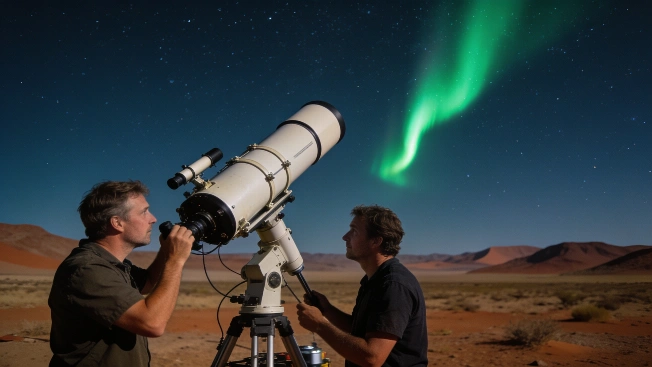
Comet 220P/McNaught Imaged in Unusual Bright Outburst Over Namibia
Astrophotographers in Namibia captured a vivid image of comet 220P/McNaught during a rare brightening event, using a 12-inch telescope and advanced camera equipment.
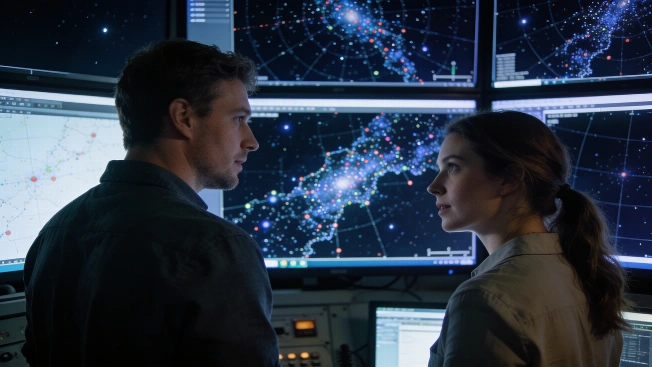
Astronomers Map 4 Billion Cosmic Objects in Largest 2D Sky Survey
A new 2D map of the universe, built from 13 years of ground- and space-based observations, catalogs 4 billion celestial objects and offers an unprecedented resource for future astronomical research.
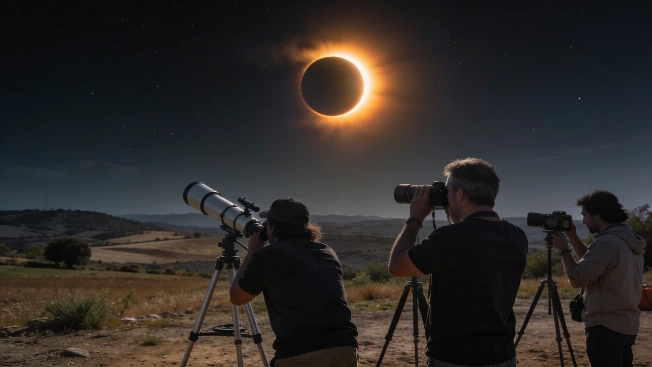
Can Perseid Meteors Be Seen During the 2026 Total Solar Eclipse
Astronomers assess whether Perseid meteors will be visible during the total solar eclipse on August 12-13, 2026, as the Moon's shadow crosses Greenland and Iceland before reaching Spain, and explain the observational limits imposed by eclipse conditions.
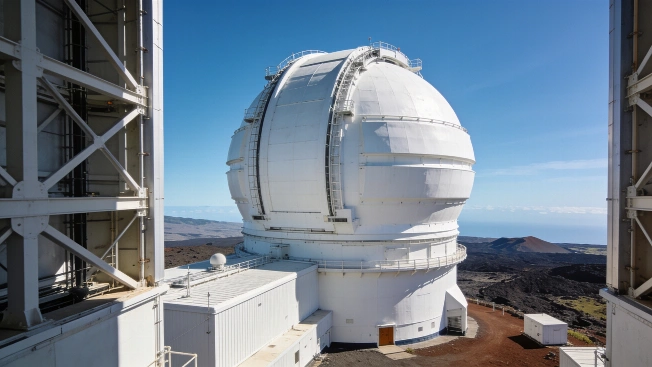
Inouye Solar Telescope Resolves Unprecedented Detail on Sun's Surface
The Inouye Solar Telescope has produced the sharpest images yet of the Sun's surface, revealing dynamic plasma structures and confirming a long-suspected fluid instability in solar plasma.
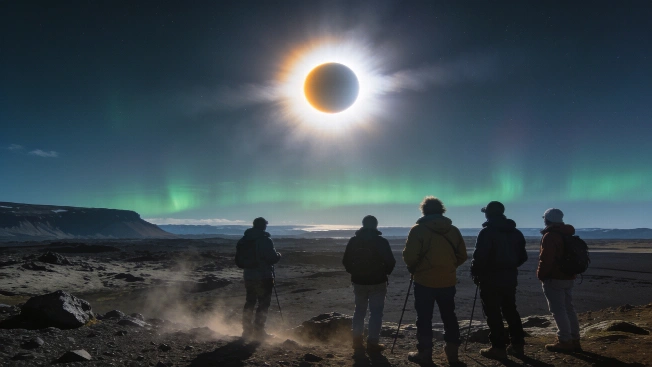
Could Northern Lights Appear During the 2026 Total Solar Eclipse
Astronomers assess whether auroras could be visible during the total solar eclipse on August 12, 2026, as the path of totality crosses Greenland and Iceland before reaching northern Spain. They also explain the physical limits on seeing both phenomena at once.
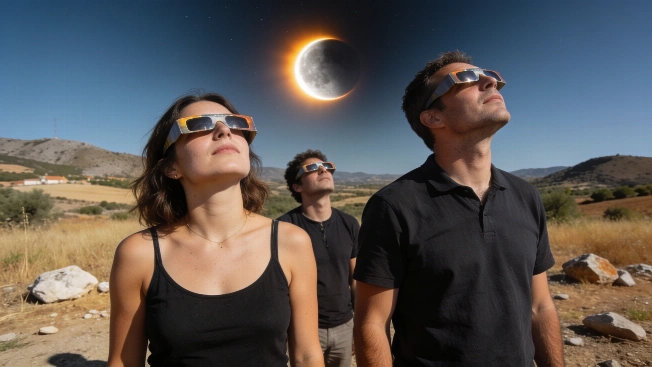
What to Expect During the Five Stages of the 2026 Total Solar Eclipse
On August 12, 2026, a total solar eclipse will cross parts of Europe and the Arctic, offering a rare chance to observe the Sun's atmosphere and dynamic eclipse phenomena as the Moon's shadow sweeps across Earth's surface.
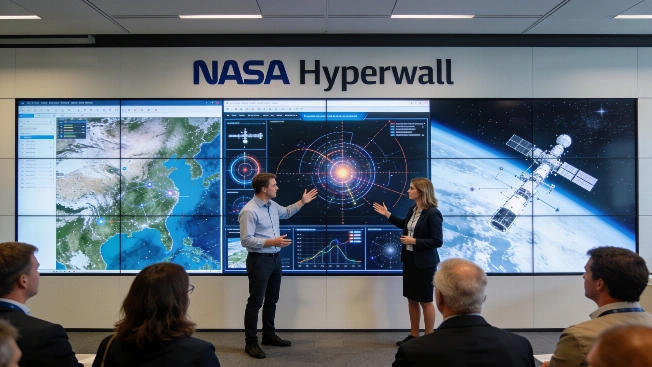
NASA Schedules Hyperwall Science Talks for IGARSS 2026 in Vienna
NASA will present a series of Hyperwall science talks at IGARSS 2026, featuring mission updates and instrument demonstrations from Earth and planetary science experts in the exhibit hall.
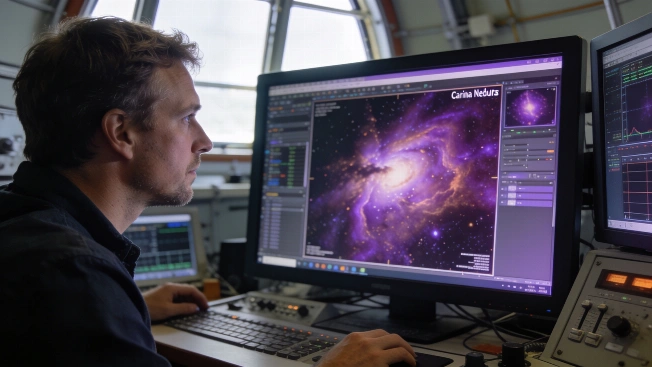
Webb Telescope Reveals Young Star Cluster in Carina Nebula
A new image from the James Webb Space Telescope's NIRCam instrument captures a dense cluster of young stars in the Carina Nebula, offering fresh understanding into stellar formation and the evolution of massive star groups.
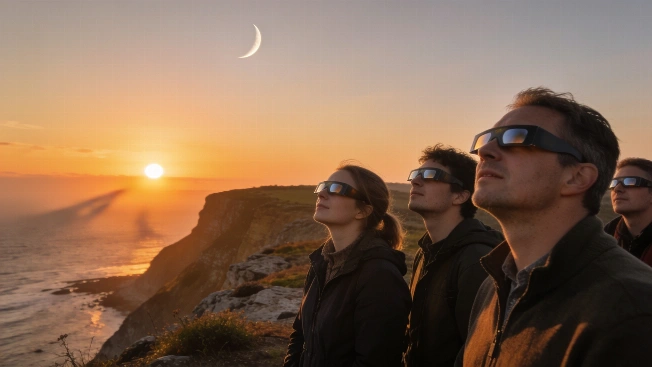
UK Set for Deepest Solar Eclipse in Over a Decade on August 12
On August 12, 2026, the UK will witness its most impressive partial solar eclipse since 2015, with up to 98% of the Sun obscured in some regions. The event will be visible nationwide, though totality will not occur over British soil.
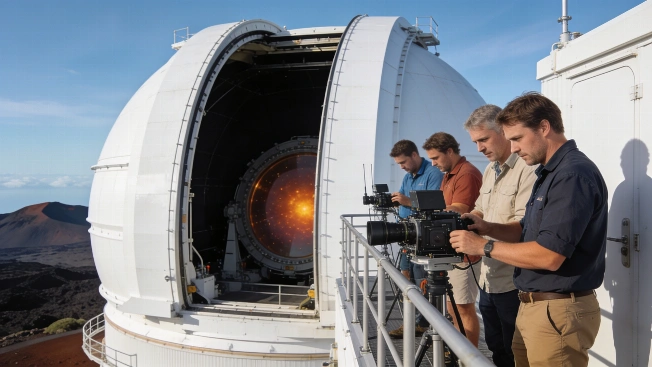
Solar Telescope Reveals Long-Predicted Plasma Vortices on Sun's Surface
High-resolution images from the Daniel K. Inouye Solar Telescope have captured thousands of plasma whirlpools on the Sun's surface, providing direct evidence for a phenomenon predicted over a century ago and offering new understanding into solar atmospheric heating.
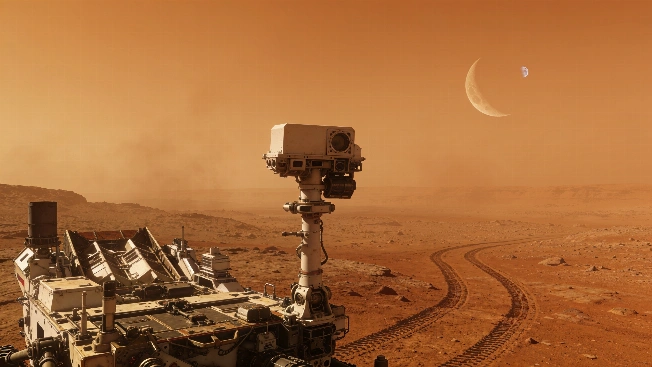
Perseverance Rover Captures Earth Passing Behind Mars' Moon Phobos
NASA's Perseverance rover recorded a rare occultation, imaging Earth as it briefly disappeared behind Mars' innermost moon, Phobos, with its Mastcam-Z camera system.
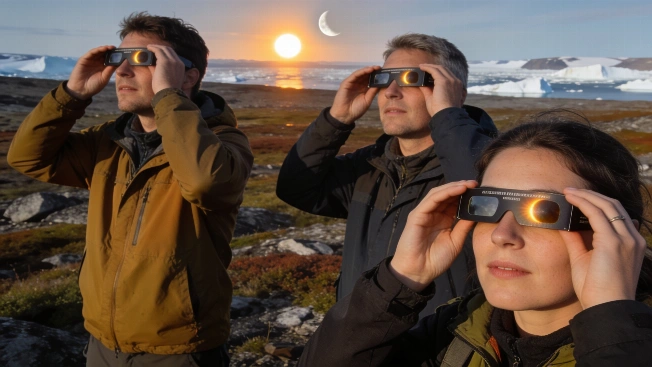
How Map Projections Distort the 2026 Total Solar Eclipse Path
Astronomers explain why the August 12, 2026, total solar eclipse appears to reverse direction on flat maps as it crosses the Arctic, despite the Moon's shadow always moving from west to east across Earth
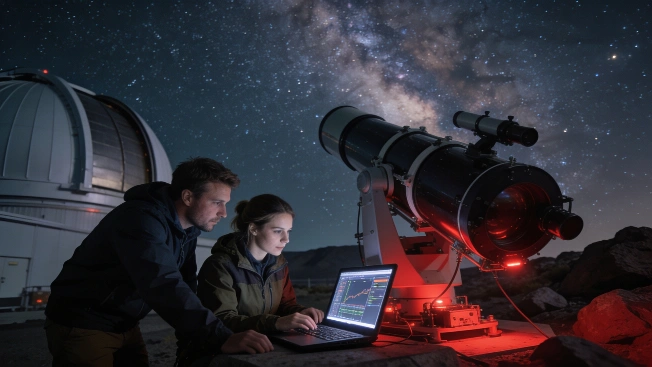
Faint X-ray Flash Reveals Unusual Supernova in Nearby Galaxy
A brief X-ray signal detected by China's Einstein Probe in March 2026 allowed astronomers to observe the earliest moments of a rare Type Ic supernova, offering new understanding into how massive stars end their lives.
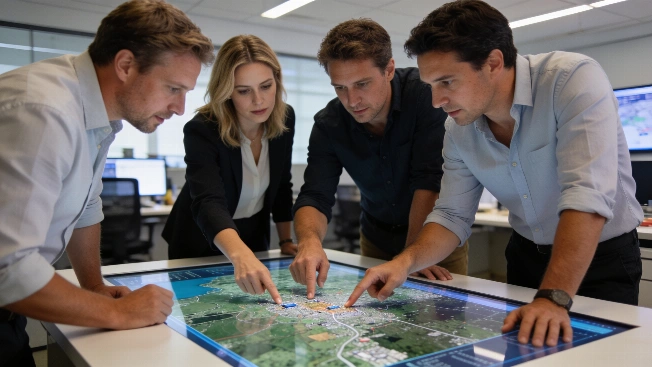
NASA Invites Public to Identify August 2026 Satellite Image
NASA Earth Observatory has released a new satellite image challenge for August 2026, inviting the public to analyze a puzzling landform and submit interpretations based on visible clues and scientific reasoning.

Guinea-Bissau's Islands Expand and Shrink with the Tides
A NASA satellite image shows how twice-daily tides redraw Guinea-Bissau's Bijagós Archipelago, exposing broad mudflats and sandflats before seawater returns through its mangrove channels
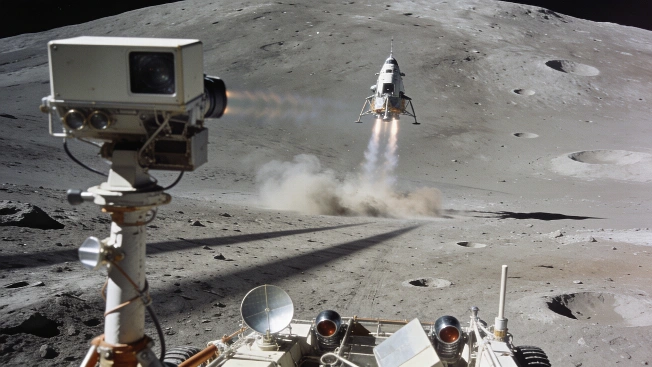
Apollo 15's Moon Liftoff Became Television's First From Another World
On Aug. 2, 1971, Apollo 15 transmitted the first live television view of a spacecraft leaving the moon, using a rover-mounted camera that revealed both the mission's ingenuity and its limits
Part 2 of 3