
Science Education
58 reportsScience curriculum and teacher training support the strongest interpretation available. The account remains focused on how requirements are implemented and how understanding is measured, noting where jurisdiction, resources, or data gaps limit evaluation.
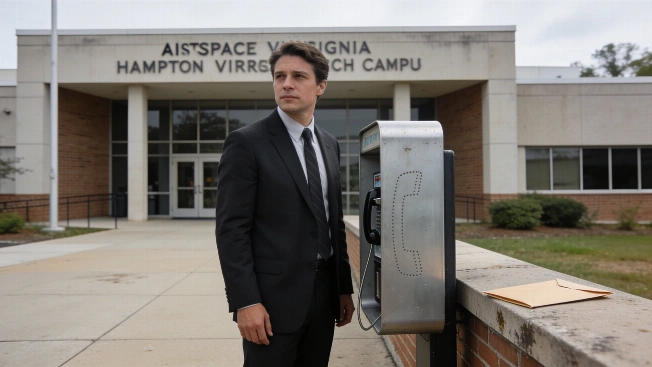
NASA Langley Research Center Contact Guide
NASA Langley Research Center provides distinct contact routes for general assistance, public and media inquiries, partnerships, education, visitor information and social media, reflecting the center's active aeronautics and regional research role.
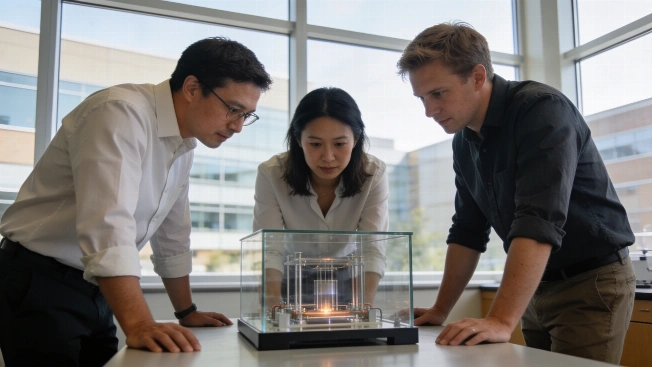
Midwest Quantum Collaboratory Reaches Eight Universities
The Midwest Quantum Collaboratory has become an eight-university consortium after UIC and other regional institutions joined a network focused on quantum research, knowledge sharing and workforce development.
Quantum Software Survey Maps the People Behind the Field
The Unitary Foundation has opened its 2026 Quantum Open Source Software survey to map demographics, research, tools and platforms while building a public record of how the community changes.

Volunteers Will Map Dust Through Overlapping Galaxies
NASA's Overlap Zoo asks volunteers to identify and outline overlapping galaxy pairs so astronomers can study dust silhouettes that dim distant starlight and improve measurements of cosmic distances.
UCSB Joins Three NSF Quantum Institutes in $290M Renewal
UC Santa Barbara researchers will participate in three NSF Quantum Leap Challenge Institutes within a $290 million, five-year portfolio spanning quantum hardware, manufacturing partnerships and workforce development.
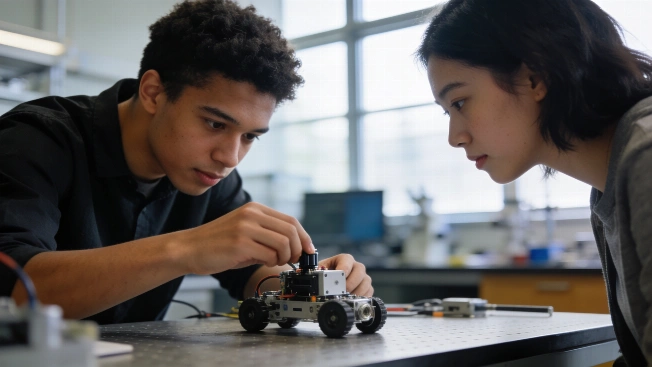
NASA Reopens ORBIT Challenge for 2027 With Up to $500,000 in Student Prizes
NASA has reopened registration for the 2027 ORBIT Challenge, offering university and college teams up to $500,000 to develop research-based solutions for Earth and future space missions.
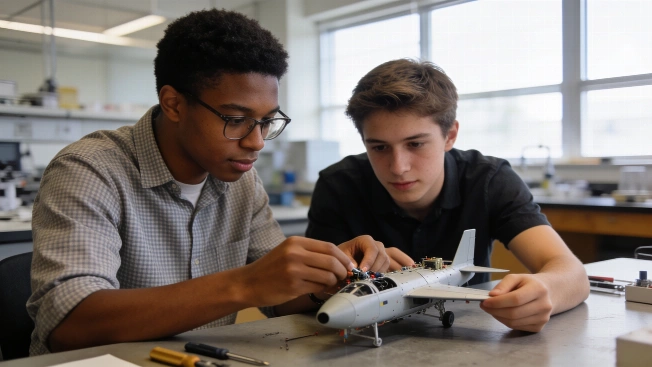
NASA ORBIT Challenge opens mission work to student teams
The NASA ORBIT Challenge gives university and community college students access to NASA intellectual property and mission problems, with up to $500,000 in prizes, expert mentorship and a pathway from technical concepts to potential commercial applications.
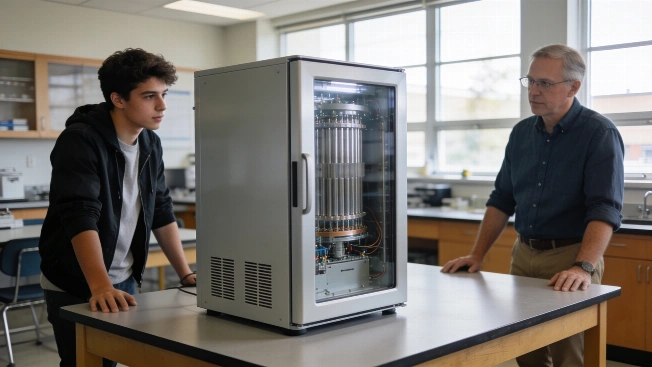
Room Temperature Quantum Computer Heads to Public High School
Fairfax County Public Schools plans to place XeedQ's four-qubit diamond spin processor at Skyview High School in December 2026, giving students direct access to room-temperature quantum hardware through learning pathways beginning in spring 2027.
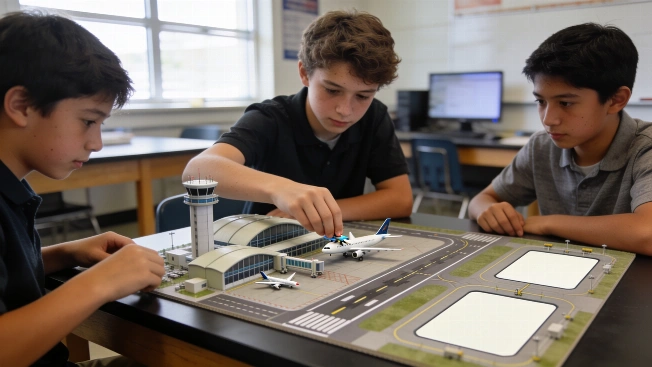
Students Design Airports for a Two-Fuel Aviation Future
A new Dream with Us challenge asks middle school teams to redesign an airport around liquefied natural gas and traditional aviation fuel while accounting for safety, aircraft changes and passenger needs.
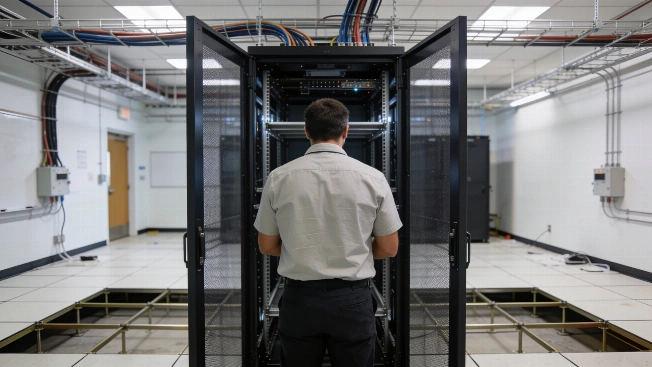
FIU Selects IonQ Superion for On-Site Quantum Computing
Florida International University has contracted IonQ to install a dedicated 256-physical-qubit trapped-ion quantum computer in Miami, creating Florida's first university-based system of its kind and opening planned access to students, researchers, invited scientists, and affiliated regional centers.
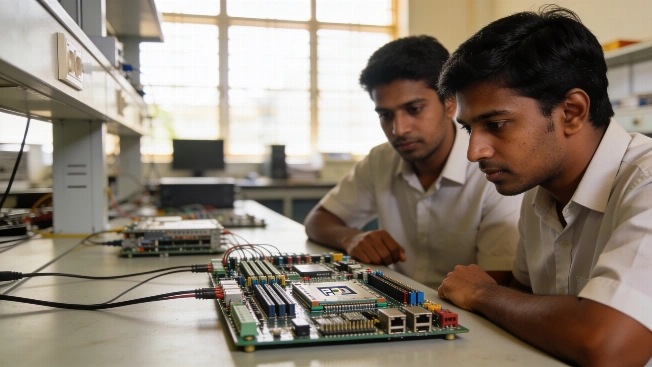
Yenepoya Plans Quantum AI Hardware Lab in Mangaluru
Yenepoya University and REYRA AI plan a Mangaluru laboratory for quantum-inspired hardware and software while preparing students and faculty through certification courses in quantum computing and Quantum Machine Learning.
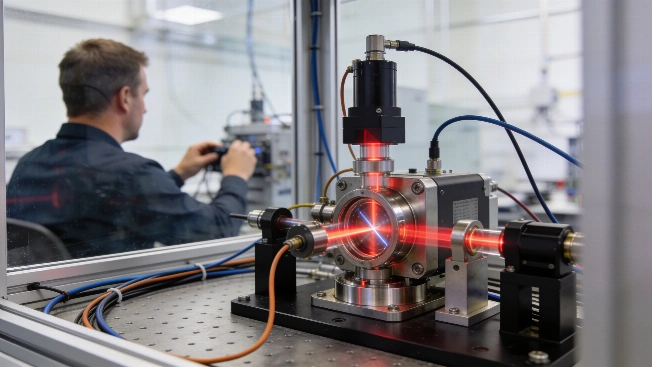
QuEra Brings Neutral-Atom Hardware to Maryland's Quantum Cluster
QuEra has established a Discovery District office and expanded its University of Maryland partnership, giving researchers, educators, and students cloud access to a 256-qubit neutral-atom processor.
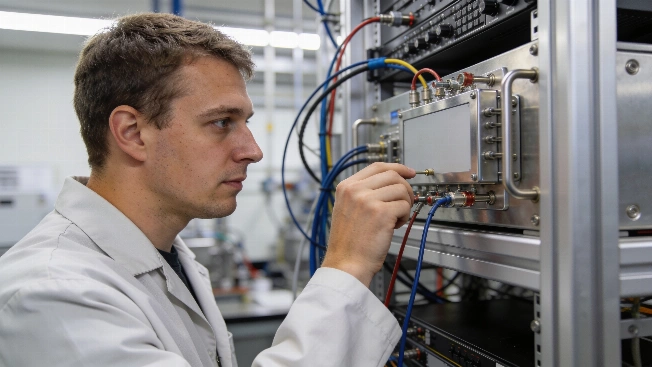
Microsoft Builds Maryland Hub for Quantum Hardware Verification
Microsoft has opened a 15,000-square-foot Maryland center where DARPA can physically test Majorana 2 and research partners can develop quantum hardware, control systems, and software-without yet establishing a useful fault-tolerant machine.
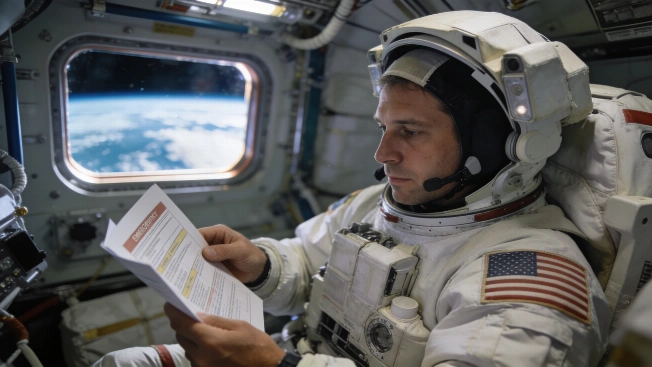
NASA Astronaut Anil Menon Will Answer New Hampshire Student Questions
A live NASA stream will carry prerecorded STEM questions from New Hampshire students to astronaut Anil Menon aboard the International Space Station on Thursday, Sept. 24, offering students a direct view of science and space careers in orbit.
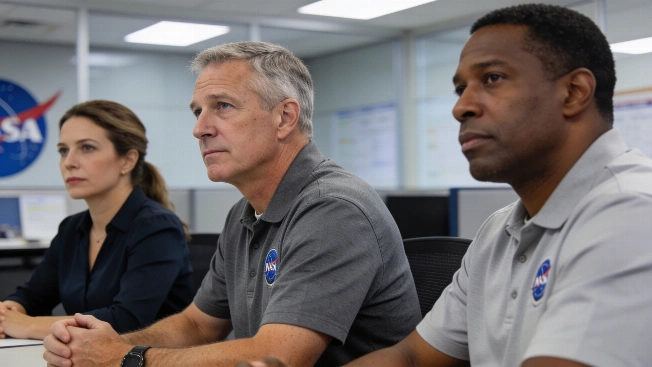
NASA Builds State Hubs for the Aerospace Workforce
NASA has launched a nationwide workforce initiative with seven State Hubs across the United States designed to connect students with technical skills, credentials, and hands-on aerospace experience.
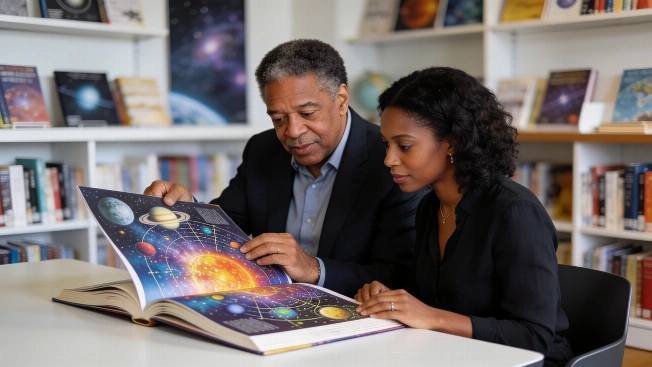
Neil deGrasse Tyson releases Lost in Space, a new encyclopedia of the cosmos
Neil deGrasse Tyson and Lindsey Nyx Walker introduce Lost in Space, a 400-page National Geographic encyclopedia packed with thousands of facts, images, and profiles of planets, telescopes, and cosmic phenomena.
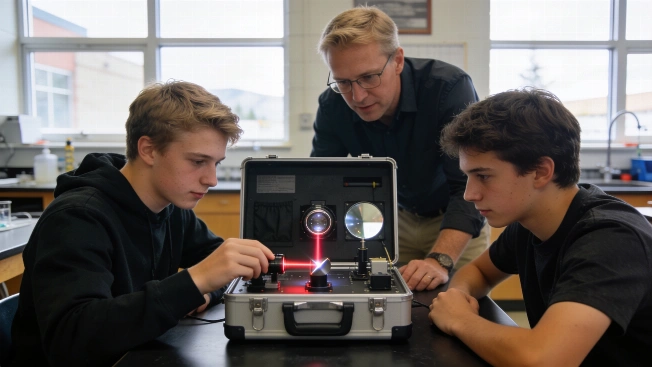
Casper College launches quantum education program with NSF funding
Casper College has secured a $444,059 National Science Foundation grant to build a statewide quantum workforce pipeline, distributing experimental kits and launching new educational programs across Wyoming
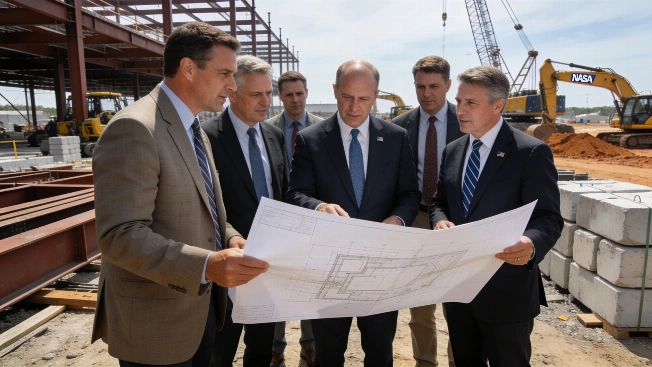
NASA opens competition for states to host new Space Academy
NASA is inviting states to propose locations for the U.S. Space Academy, aiming to start classes in 2028 and build a permanent campus by 2031 to train future scientists and astronauts.
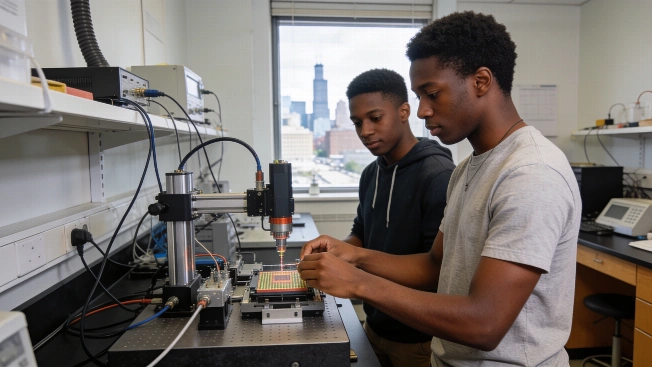
Chicago State University launches CQuEST Center for quantum and semiconductor training
Chicago State University has opened the CQuEST Center, bringing quantum information science and semiconductor technology education to the South Side, with direct access to labs and paid internships for students.
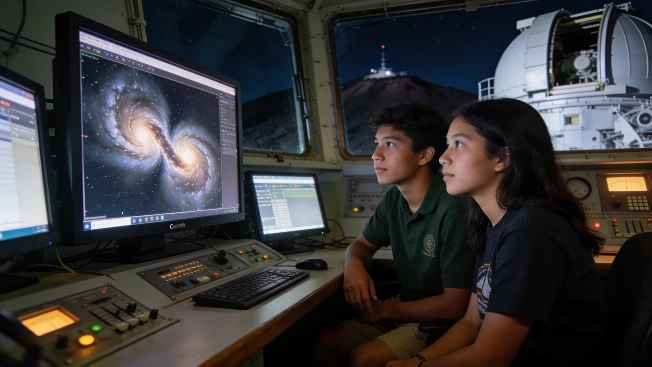
Gemini North Telescope Captures Spiral Galaxies in Active Merger
A new image from the Gemini North telescope on Maunakea reveals two spiral galaxies, NGC 7253, in the process of merging. The observation, led by local students, highlights the dynamic interactions that drive galaxy evolution
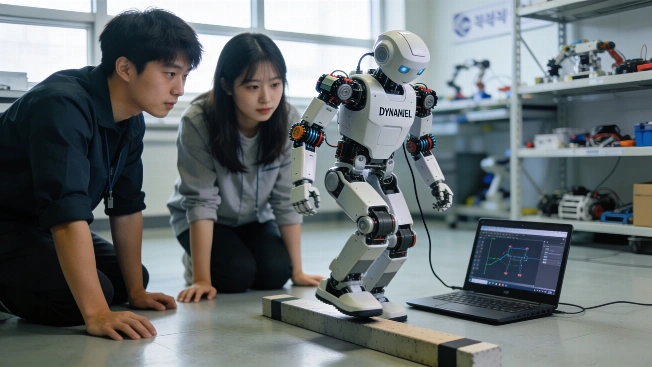
ROBOTIS Open Humanoid GYM Lets Students Train Robots With Real Hardware
ROBOTIS has launched the Open Humanoid GYM Project, giving university teams direct access to humanoid robots and simulation tools for hands-on AI behavior development, bridging the gap between virtual training and physical deployment
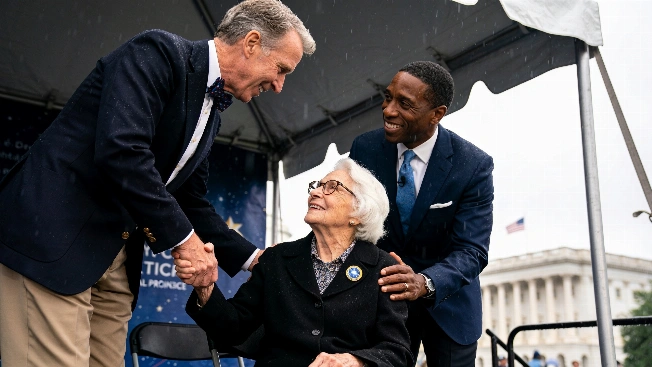
Nancy Grace Roman's Legacy: The Astronomer Who Shaped NASA's Vision
As NASA prepares to launch the Nancy Grace Roman Space Telescope, the story of its namesake-pioneering astronomer and the agency's first chief of astronomy-offers insight into the evolution of space science and the people who shaped it
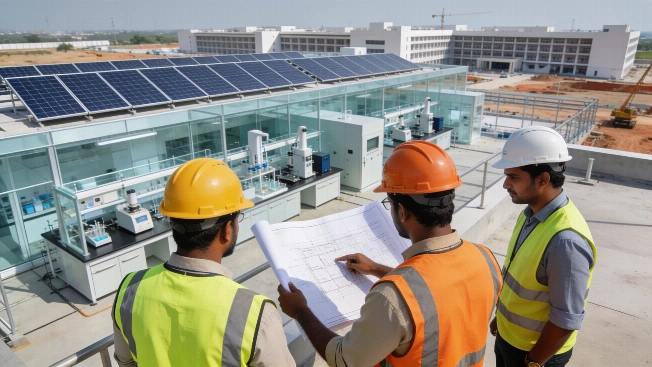
India Approves Quantum and AI University Campus in Amaravati
India's first dedicated Quantum and Artificial Intelligence University campus has been approved for Amaravati, with a ₹730.70 crore grant supporting advanced research infrastructure and workforce training in quantum computing, photonics, and semiconductor technology
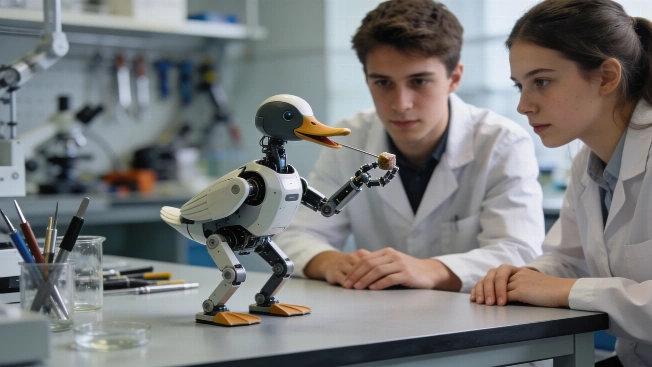
Hugging Face and Pollen Robotics Launch Open-Source Microduck Robot
Hugging Face and Pollen Robotics have introduced Microduck, a $399 open-source bipedal robot designed for hands-on AI and reinforcement learning research, with pre-orders open and shipments planned before Christmas 2026
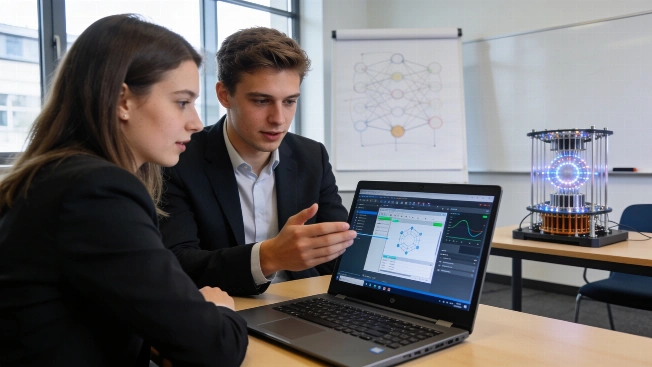
Quantum Software Integrated Into Luxembourg Business School Curriculum
Superpositions and the European Business Institute of Luxembourg have launched a partnership to embed quantum computing and hybrid algorithm workflows into business education, giving students direct access to quantum software platforms and real hardware backends
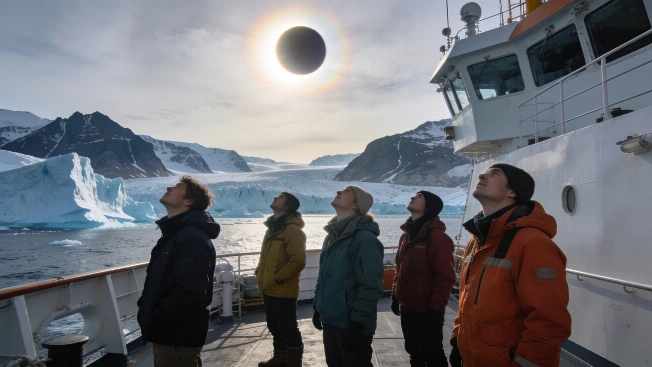
Total Solar Eclipse Observed Over Greenland's Remote Fjords
A rare total solar eclipse was observed from the deck of a research vessel in East Greenland, offering scientists and eclipse chasers a unique view of totality above icebergs and glaciers under clear Arctic skies
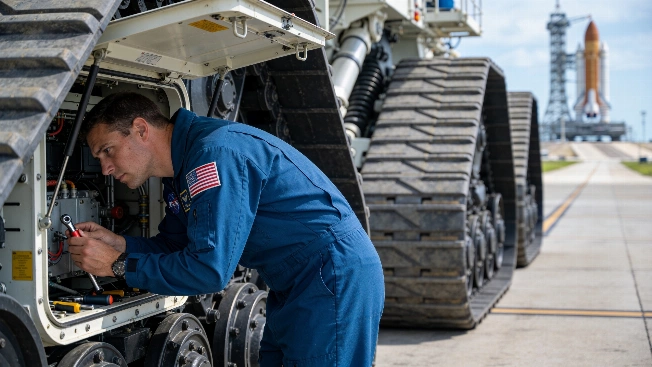
How NASA Mechanics Maintain Spacecraft and Support Exploration
NASA relies on highly trained mechanics to keep spacecraft, launch vehicles, and support equipment operational. Their work spans aircraft, rockets, and heavy transporters, requiring specialized skills and rigorous certification.
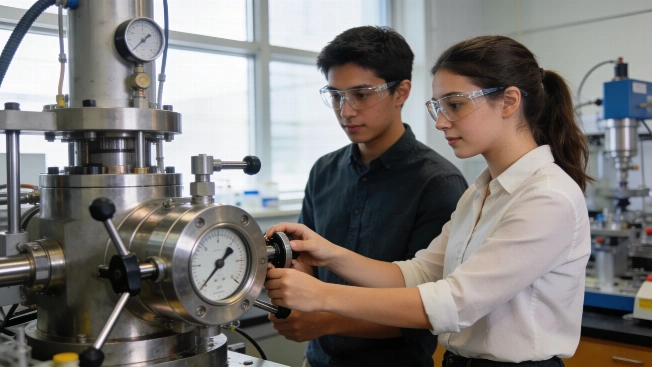
NASA SCoPE Trains Planetary Science Interns in Public Engagement
NASA SCoPE collaborated with Arizona State University's FORCE Summer School to provide undergraduate interns with hands-on training in science communication and public outreach, focusing on planetary research under extreme conditions
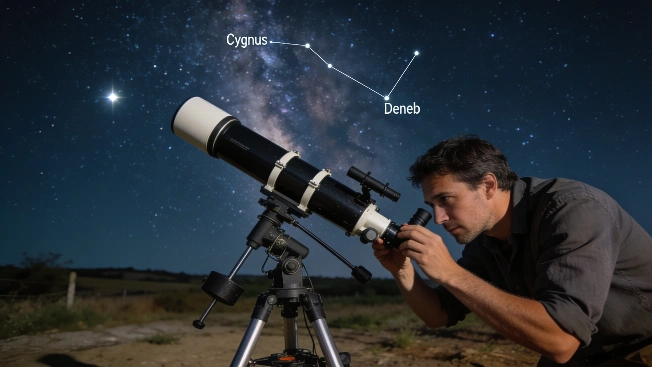
Deneb and Cygnus: Tracing Stellar Remnants and a Nearby Black Hole
Astronomers use optical and X-ray observations to study Deneb, the Cygnus Loop supernova remnant, and the black hole Cygnus X-1, revealing the complex structure of the Cygnus constellation and its hidden extremes
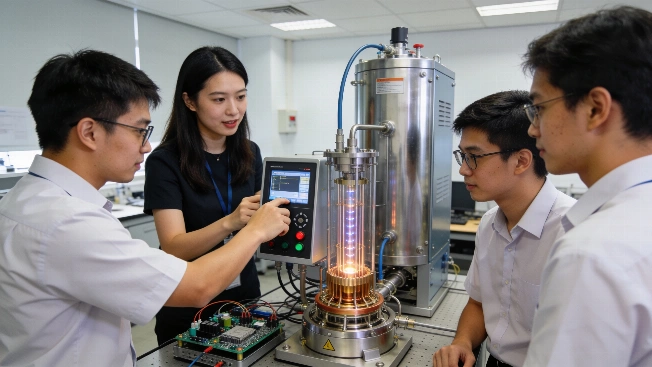
Quantinuum and SIT Launch Quantum Workforce Training in Singapore
Quantinuum and the Singapore Institute of Technology have agreed to develop hands-on quantum computing training, aiming to prepare engineers and developers for work with advanced quantum hardware and software in Singapore
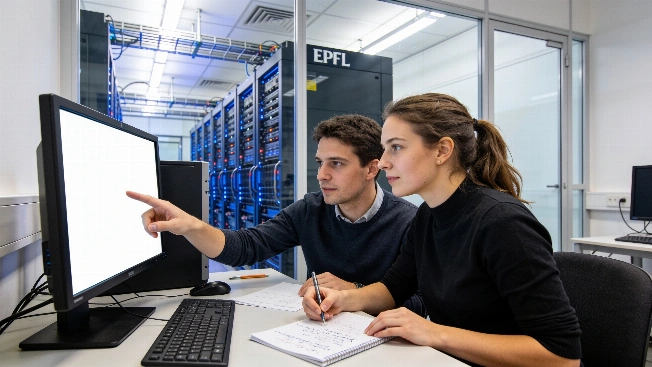
EPFL Connects Trapped-Ion Quantum Hardware to Supercomputing Platform
EPFL has integrated cloud-based access to Quantinuum's trapped-ion quantum processors into its SCITAS supercomputing platform, enabling researchers and students to run quantum algorithms and simulations directly from established high-performance computing workflows
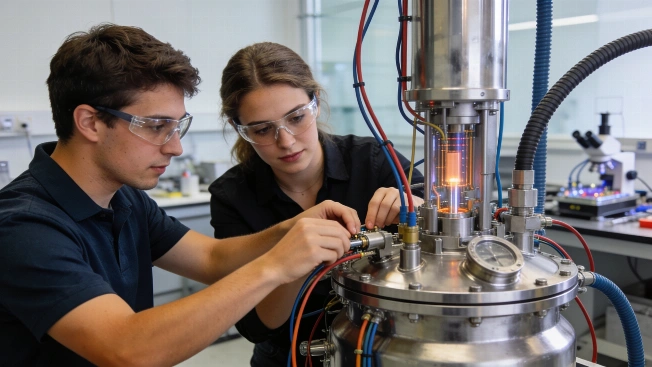
FSU Introduces Florida's First Graduate Quantum Information Certificate
Florida State University has established a 14-credit graduate certificate in quantum information science and technology, aiming to train students and professionals in quantum materials, device engineering, and algorithm design using advanced research infrastructure
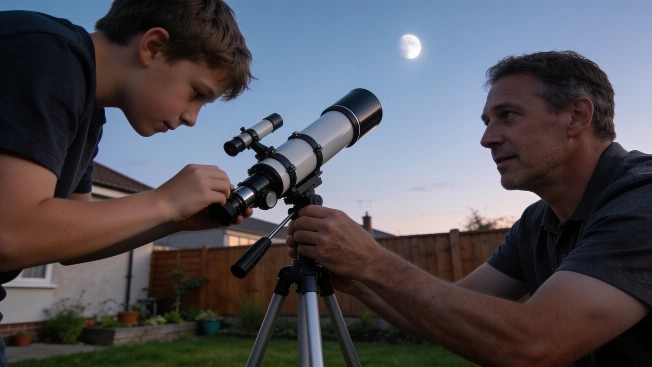
Celestron Moon Mission Travel Scope 70 Offers Accessible Stargazing
A review of the Celestron Moon Mission Travel Scope 70 examines its optical performance, ease of use, and limitations for beginners and young astronomers, highlighting what this portable refractor can and cannot reveal in the night sky
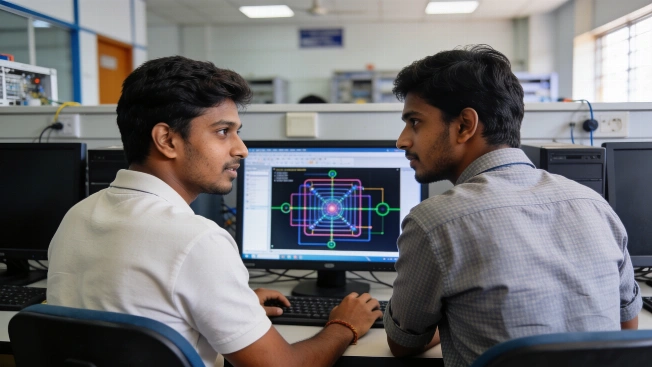
BLOQ Quantum and Srirama College Launch Quantum Education Program
BLOQ Quantum and Srirama Engineering College have agreed to integrate a cloud-based quantum computing platform into the college's curriculum, aiming to expand quantum software skills and research capacity in Andhra Pradesh
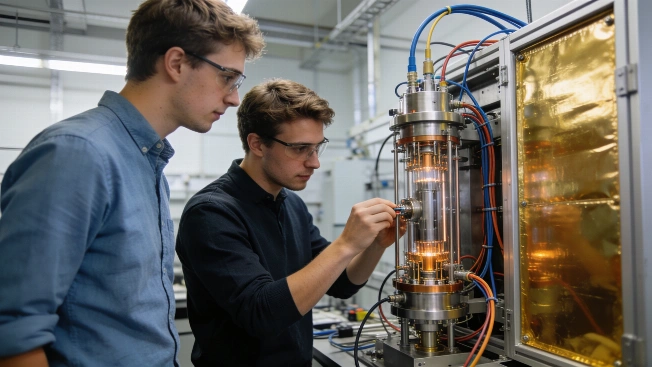
Alice & Bob Joins European Quantum Error Correction Training Network
Alice & Bob will help train PhD researchers in quantum error correction as part of QuBriC, a €4.6 million Horizon Europe-funded doctoral network focused on scalable fault-tolerant quantum computing hardware and software.
Part 1 of 2