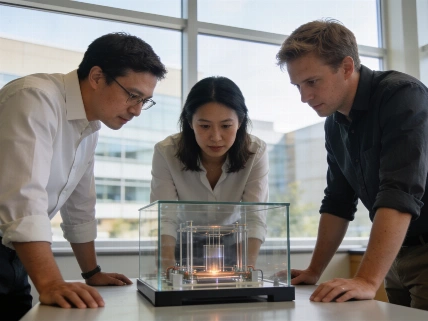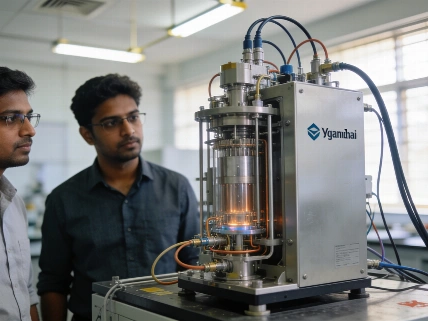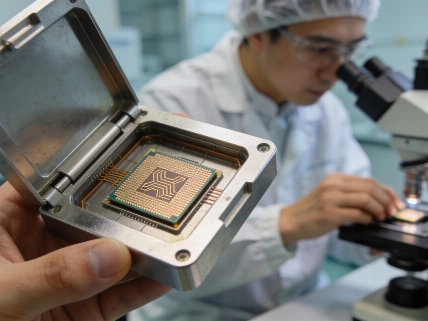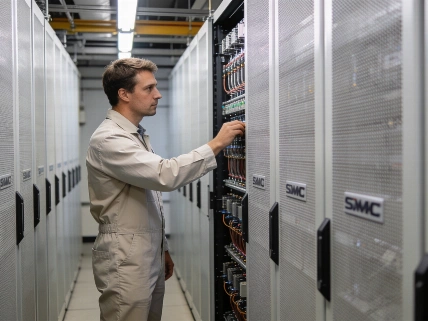
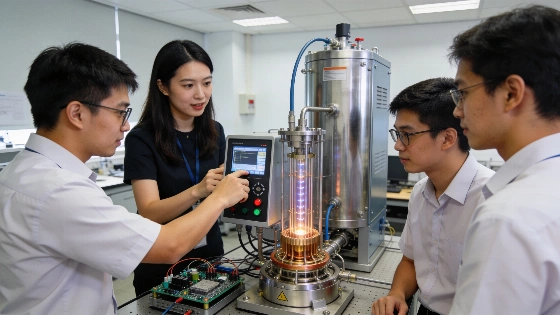
Quantinuum and the Singapore Institute of Technology have agreed to develop hands-on quantum computing training, aiming to prepare engineers and developers for work with advanced quantum hardware and software in Singapore
Quantinuum has signed a Memorandum of Understanding with the Singapore Institute of Technology (SIT) to establish a new program focused on quantum workforce development. The initiative is designed to address the growing need for engineers, developers, and technical specialists with practical experience in quantum computing systems, particularly as Singapore expands its research and industrial infrastructure in this field.
Program Structure and Access
The collaboration will introduce a curriculum that combines theoretical instruction with hands-on training modules. These modules are intended for both undergraduate students and working professionals, with a focus on direct engagement with quantum software, development tools, and simulators. According to the partners, participants will gain access to Quantinuum's suite of quantum development resources, including the Helios quantum processor, which is planned for deployment in Singapore. This approach is intended to bridge the gap between academic study and the technical requirements of quantum engineering roles.
Industry Context and Technical Exposure
Singapore's quantum technology sector has seen increased investment in recent years, with a particular emphasis on building a local talent pipeline capable of supporting both research and commercial applications. The Quantinuum-SIT partnership aims to provide students and professionals with exposure to operational quantum hardware and software environments, rather than limiting training to simulation or theory. This is consistent with broader trends in quantum education, where direct access to experimental platforms is increasingly viewed as essential for developing practical skills. For context, similar efforts to integrate quantum computing into university curricula have been reported elsewhere, such as the recent agreement between BLOQ Quantum and Srirama Engineering College to expand quantum software training in Andhra Pradesh (see related coverage).
Community Engagement and Skills Development
Beyond formal coursework, the program will include regular workshops, seminars, and campus events aimed at building technical literacy and community engagement around quantum computing. These activities are intended to foster a local ecosystem of developers and engineers who are familiar with the operational challenges of quantum devices, including calibration, error sources, and integration with classical systems. The partners have not yet released detailed metrics for program evaluation, but the emphasis on practical exposure suggests a shift away from purely theoretical instruction toward skills directly applicable in laboratory and industrial settings.
While the initiative is positioned as a response to commercial demand for quantum expertise, it remains to be seen how effectively such programs can translate academic training into workforce readiness, particularly given the rapid evolution of quantum hardware platforms and the persistent gap between laboratory prototypes and scalable, fault-tolerant systems. The success of the program will likely depend on sustained access to up-to-date hardware, ongoing curriculum adaptation, and the ability to measure learning outcomes in a rapidly changing field.
Quantum workforce development programs typically distinguish between physical and logical qubits, as well as between error mitigation and full error correction. In practical terms, most current training focuses on noisy intermediate-scale quantum (NISQ) devices, where circuit depth and fidelity are limited by hardware noise and calibration drift. Understanding these constraints is essential for engineers and developers working with real quantum processors, as the transition from theoretical models to operational systems introduces new sources of error and complexity not captured in simulation alone.