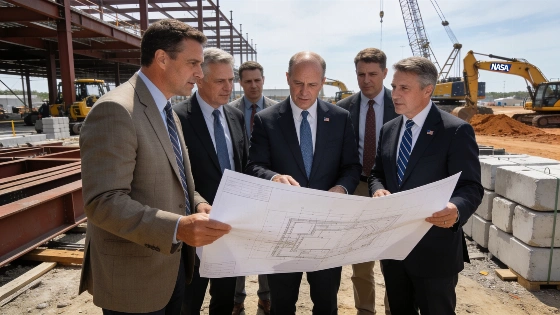
NASA is inviting states to propose locations for the U.S. Space Academy, aiming to start classes in 2028 and build a permanent campus by 2031 to train future scientists and astronauts.
NASA has launched a nationwide search for a state to host the permanent home of the U.S. Space Academy. The agency is asking governors or their representatives to submit proposals by October 26, 2026, following a formal request released on September 10. The project is still in the site-selection phase, and no final decision has been made.
Selection process and timeline
NASA has set a tight schedule for the new academy. The agency wants construction on the permanent campus to begin in 2027, with the first group of about 300 students starting classes as early as 2028. These early students will likely use temporary facilities provided by partner institutions. The permanent campus, expected to be finished by 2031, must be able to grow over time and support a larger student body.
NASA's selection criteria focus on institutional capacity, strong infrastructure, partnerships, security, and space for expansion. The agency is looking for a site that can handle both immediate needs and future growth, drawing on lessons from research centers like MIT and the Max Planck Society, where collaboration and advanced facilities are key.
Mission and educational goals
The U.S. Space Academy is intended to train the next generation of scientists, engineers, astronauts, and military personnel for space operations. NASA will lead the curriculum, which will focus on advanced technical fields needed to maintain U.S. capabilities in space. The project is linked to a presidential commission that first met on September 9, 2026, reflecting the national priority of building a pipeline of talent for the space sector. However, the academy is not yet finalized and still needs further congressional approval, so the current competition is just one part of a larger legislative process.
The first class will be small, but the long-term goal is to create an institution that shapes the future of American space science and defense. NASA Administrator Jared Isaacman has called the project a chance for states to help define a key part of the nation's space future. The approach is modeled on the educational rigor and mission-specific training found at places like the European Space Agency's astronaut center, and is informed by research published in journals such as Nature on the value of integrated technical and operational education for space professionals.
Infrastructure and community requirements
NASA Deputy Administrator Matt Anderson has stressed the importance of location, encouraging states to present strong plans that combine infrastructure, academic partnerships, and local support. The agency wants more than just physical space; it is looking for a collaborative environment that can support research, training, and student life at scale. The chosen site must show it has the capacity, infrastructure, partnerships, security, and room to grow, reflecting a broad evaluation process that weighs both immediate readiness and long-term potential.
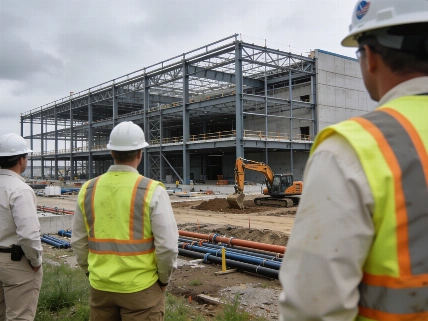
The permanent campus is expected to include research labs, classrooms, athletic facilities, and student housing. Until construction is finished, the academy will rely on existing institutions for its early classes. This mirrors how NASA has handled logistics in other major projects, such as during the International Space Station assembly, as described in earlier reports.
Implications for U.S. space policy
Creating the U.S. Space Academy is a policy move aimed at bringing technical expertise and operational training together in one place. By setting a fast timeline and requiring states to show both vision and capacity, NASA is pushing to develop a skilled workforce for future missions and national security needs. Some members of Congress, including Reps. Brian Babin and Ted Cruz, have publicly supported Texas as a possible site, with Governor Greg Abbott promoting a location near NASA's Johnson Space Center in Houston. This highlights the political and strategic interest in the project.
The first class is scheduled for 2028, and the permanent campus is planned for 2031. The success of the project will depend on the chosen state's ability to provide both immediate and long-term support. The competition is expected to bring investment and innovation to the selected region, but the real test will be how well the academy prepares graduates for the changing demands of space exploration and defense. NASA's approach reflects a broader understanding-shared by organizations like CERN and the European Space Agency-that future leadership in space will depend as much on people as on technology.