
Ancient Technology
45 reportsNew findings on metallurgy are read with textile tools and site records. This comparison explores which traces reveal production and how performance is tested experimentally, noting where excavation history or disturbed context weakens the reconstruction.
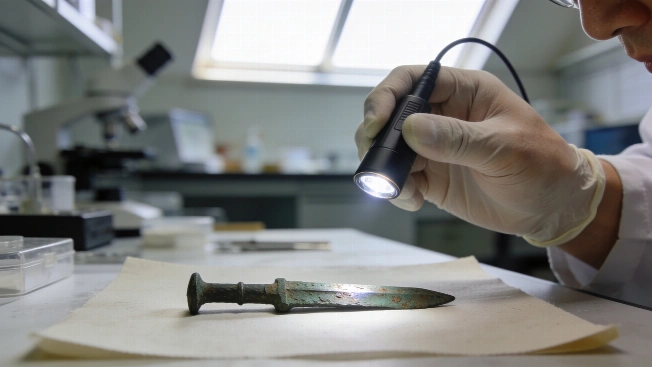
Bronze Hand Cannon Rewrites Korea's Early Firearms Record
A bronze hand cannon found during a trail safety survey in South Korea has passed X-ray and metallurgical tests. Identified as the Hwangja Hwatong after three years of analysis, it is regarded as Korea's earliest surviving firearm, although its 28-character inscription leaves two possible manufacturing dates.
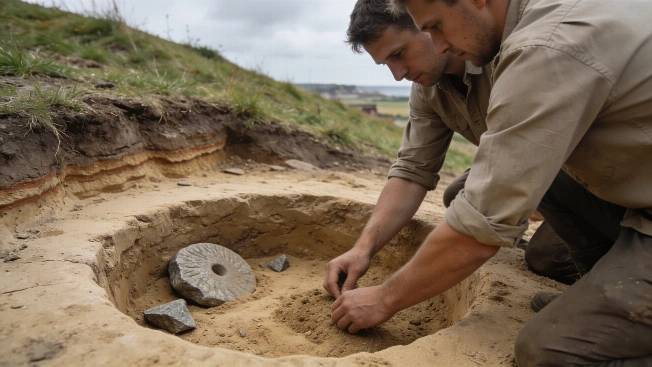
Possible Fortified Windmill Revealed on Poland's Windmill Hill
Excavations near Puck have exposed more than 300 features, including two circular trenches around a possible 15th-century windmill and a Lutheran cemetery with about 150 graves.
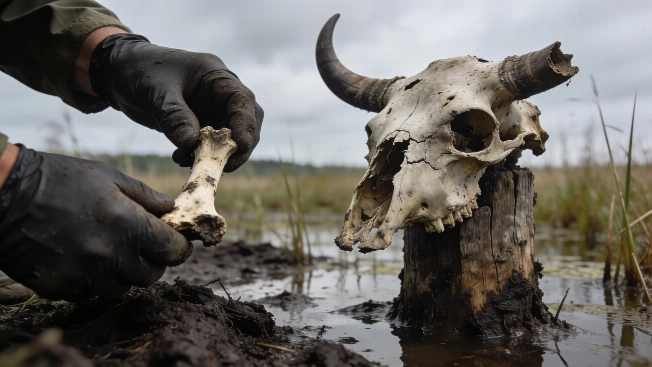
Aurochs Skull on Wooden Stake May Mark Mesolithic Burial Ritual
A nearly complete aurochs skull found driven onto a wooden stake near northern Germany's oldest known grave may point to a previously undocumented hunter-gatherer funerary practice, although researchers stress that the interpretation remains provisional.
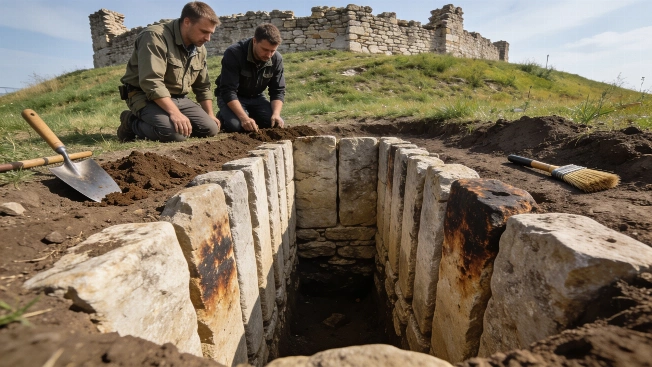
Medieval Hot-Air Heating System Found Beneath Swiss Monastery
Archaeologists in Basel have documented a rare, almost completely preserved medieval hot-air heating system beneath the former Gnadental Monastery, including a stone heat-storage chamber, a masonry fire channel and eight controllable openings.
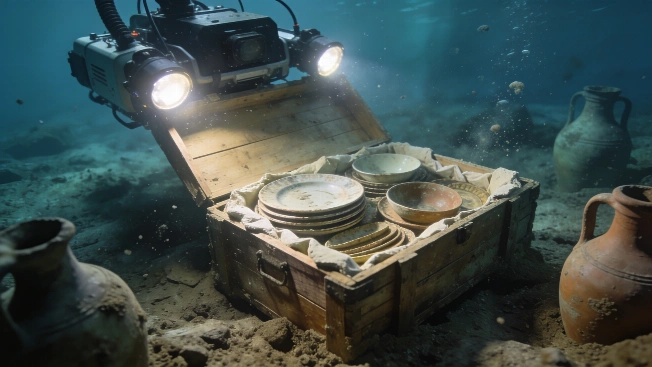
Luxury Tableware Cargo Found in a Turkish Shipwreck
Thousands of ceramic plates, bowls and trays recovered off Adrasan reveal a luxury cargo associated with Rhosus and Mediterranean trade during the 1st century BCE.
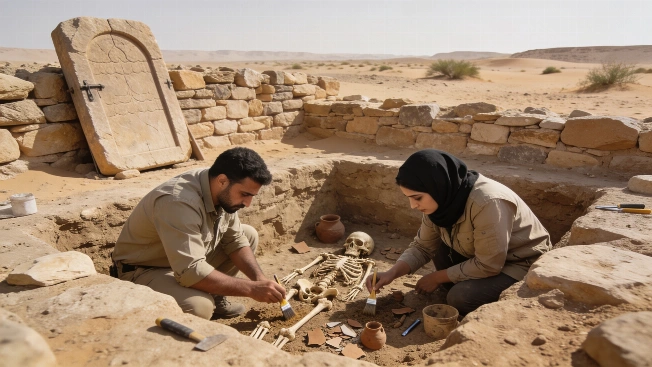
Somló Hill Reveals a Major Bronze Age Settlement
Archaeologists have identified a substantial prehistoric settlement on Hungary's Somló Hill through metalwork deposits, craft tools and ceramics dating from the Late Bronze Age into the Early Iron Age.
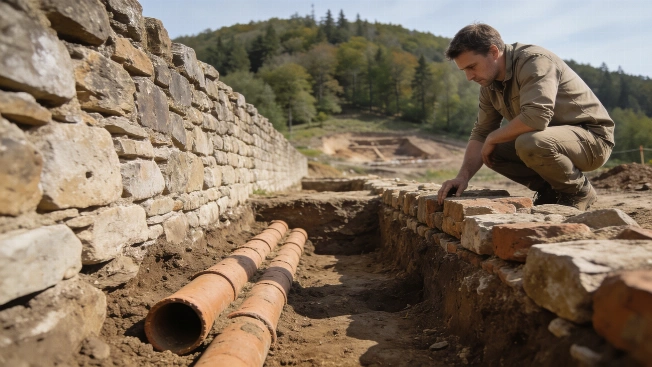
Posa Hill Excavations Expose a Bishop's Palace and Monastery Network
Excavations at Posa Hill have expanded the known monastery and exposed a possible early medieval tower, a monumental bishop's palace and a rare ceramic water-pipe system.
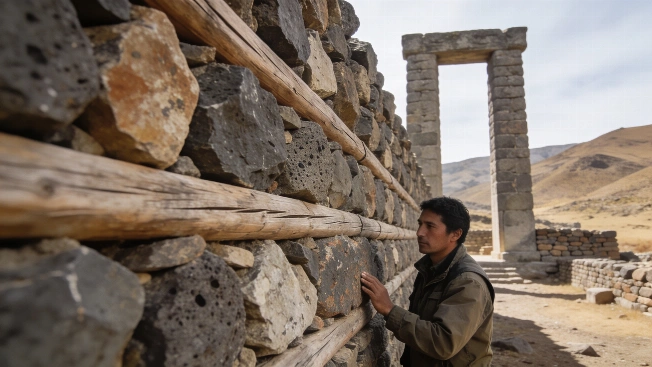
Yeha Palace May Have Supported 19 Storeys
A structural study of the 2,800-year-old Grat Be'al Gibri palace in Ethiopia suggests that its walls could theoretically have supported at least 19 storeys, although the model does not prove that the palace was ever built to that height.
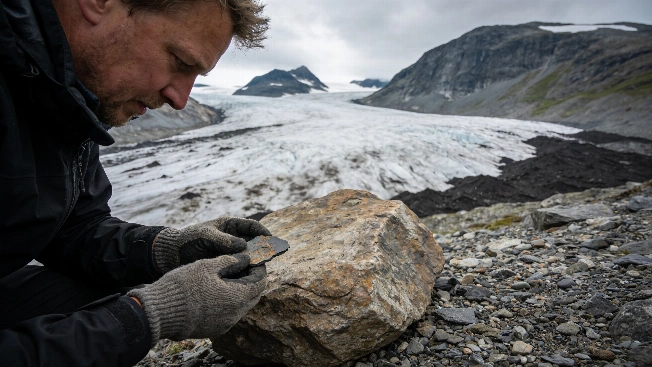
Stone Age Arrow Preserved in Norway's Retreating Ice
Archaeologists recovered 48 ancient arrows in Norway's Jotunheimen mountains, including a slate-tipped Stone Age arrow dated to roughly 5,000-6,000 years ago, with wood and binding materials preserved in the ice.
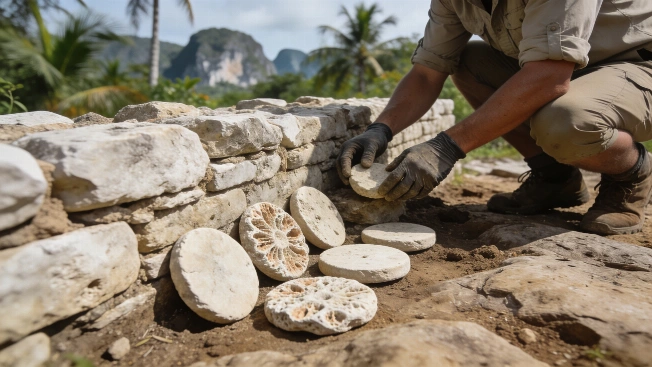
Maya Beekeeping Site Found Along the Maya Train Route
A limestone structure near Tulum may preserve evidence of pre-Hispanic stingless-bee keeping. Forty stone discs and pottery fragments could clarify how Maya households produced and stored honey, although the proposed meliponary interpretation remains provisional pending residue and contextual analyses.
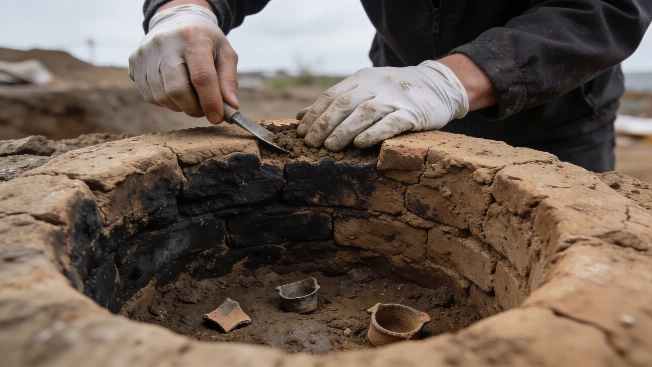
Roman Workshop Complex Reveals Germanic Metal Recycling
An approximately 850-square-metre workshop complex in western Dortmund preserves kilns, hearths and pits dating from the 1st to the 5th centuries CE, offering rare evidence of organized Germanic craft production and possible Roman-metal reuse.
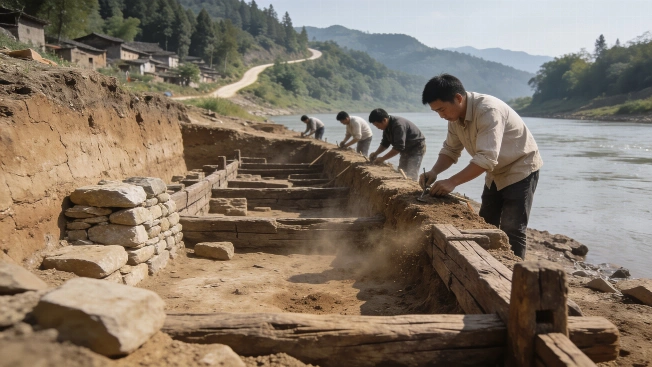
Chengba May Be the Han-Dynasty Site of Dangqu
Excavations at Chengba in eastern Sichuan have revealed a fortified Han settlement with workshops, streets, bamboo documents and a possible water gateway associated with the ancient county of Dangqu, although the identification remains an archaeological interpretation rather than a confirmed administrative decision.
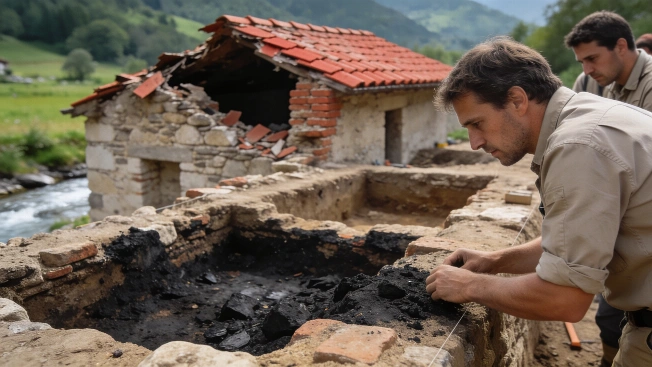
Roman Settlement in Switzerland Shows Signs of a Destructive Fire
Excavations at Ligornetto in southern Switzerland have exposed a Roman complex destroyed by fire, with iron slag and bronze-working waste that may clarify the settlement's economic role.
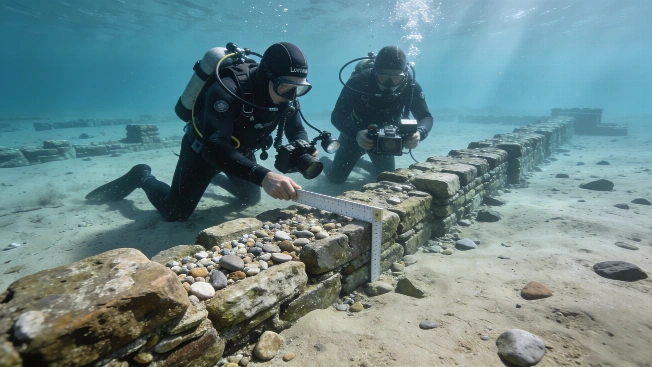
Submerged Medieval Settlement Shipden Reveals New Evidence off Norfolk Coast
Underwater archaeologists have mapped 25 manmade features on the seabed near Cromer, offering new insight into the medieval town of Shipden lost to the North Sea around 700 years ago and challenging local legends about its fate
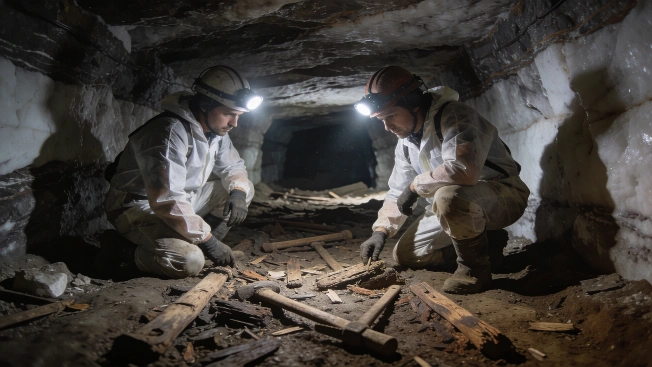
Iron Age Salt Mine Chambers Uncovered Deep Inside Hallstatt Mountain
Archaeologists have mapped a 300 meter network of Iron Age mining chambers beneath Hallstatt in Austria using core drilling, exposing thick layers of preserved debris and organic remains that offer new evidence for prehistoric salt extraction and community resilience
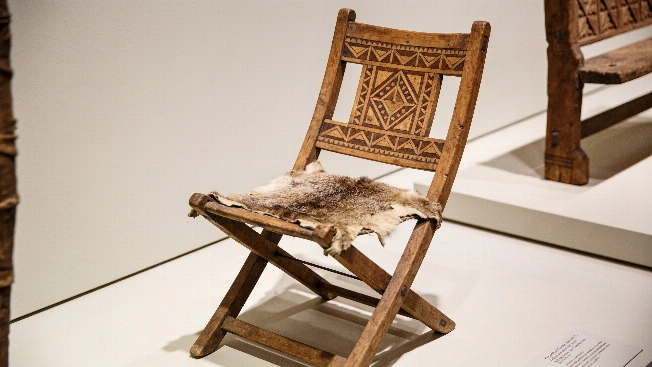
Bronze Age Folding Chair From Denmark Reveals Ancient Status Symbols
Archaeologists analyzed a 3,400-year-old wooden folding chair from a Danish burial mound using material analysis and contextual dating, revealing its role as a rare status object in Bronze Age Europe
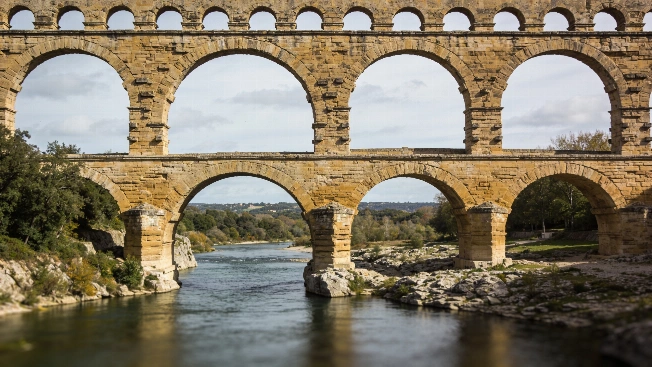
Roman Aqueducts Endured for Millennia Through Engineering and Maintenance
Archaeologists have traced the construction and survival of Roman aqueducts using evidence from preserved structures, ancient surveying tools, and maintenance records, revealing how these monumental water systems functioned and endured for centuries
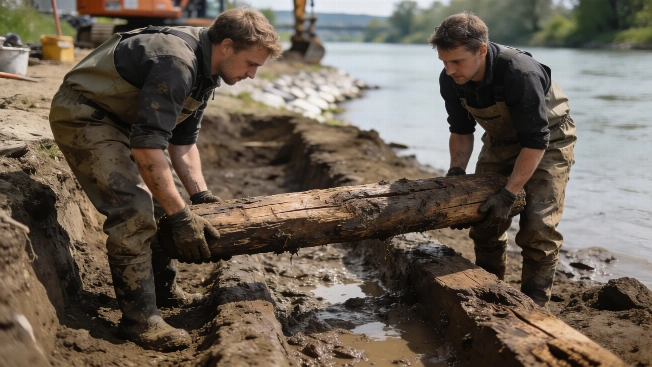
Iron Age Timber Structure Reveals Scale of Celtic Engineering in Bavaria
Archaeologists have recovered large oak beams from a well-preserved Iron Age structure near the River Main in Aschaffenburg, Germany, offering new evidence for complex Celtic construction, trade, and settlement over 2,400 years ago
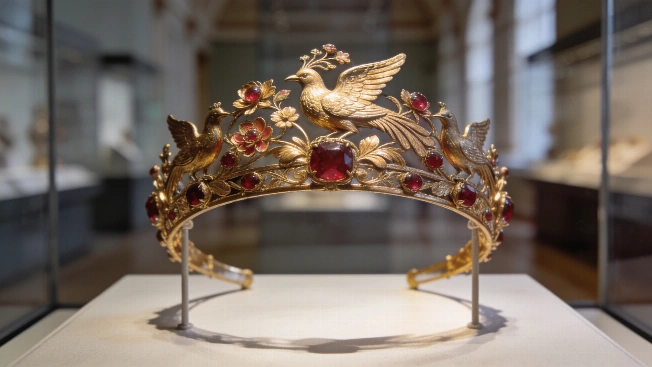
Gold Diadem from Crimea Sheds Light on Hun Elite Burial Practices
Archaeologists have examined a gold and garnet diadem from a fifth-century burial in Crimea, revealing details about Hun material culture, mortuary customs, and the artifact's symbolic motifs
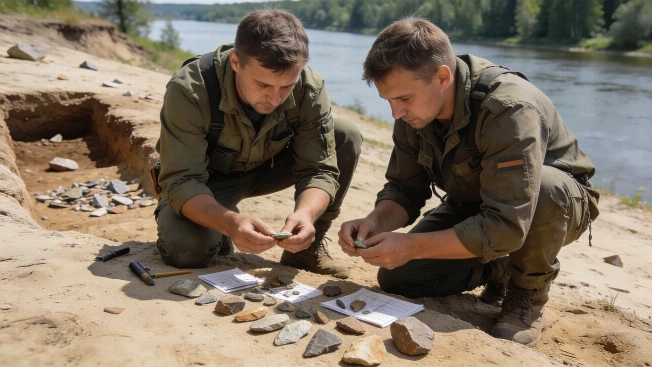
10,000-Year-Old Mesolithic Toolmaking Center Uncovered in Russia
Archaeologists excavating a Mesolithic site in northwestern Russia have recovered thousands of stone tools and manufacturing debris, revealing a large-scale tool production center dating back up to 10,000 years and offering new insight into early postglacial lifeways
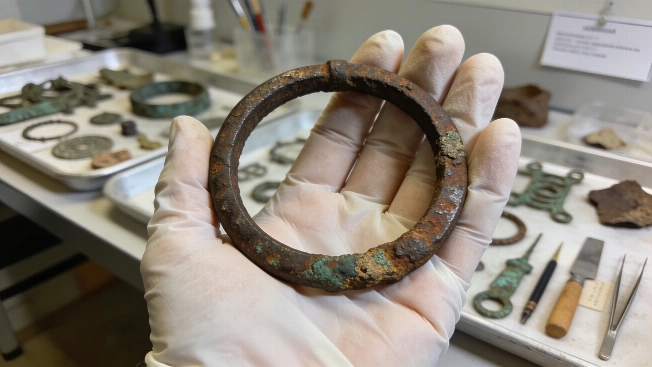
Ancient Greek Rings Reveal Use of Meteorite Iron in Elite Burials
Analysis of Bronze and Early Iron Age rings from Greece shows that some were crafted from meteoritic iron, suggesting the rare metal was valued by Minoan and Mycenaean elites long before iron smelting became common
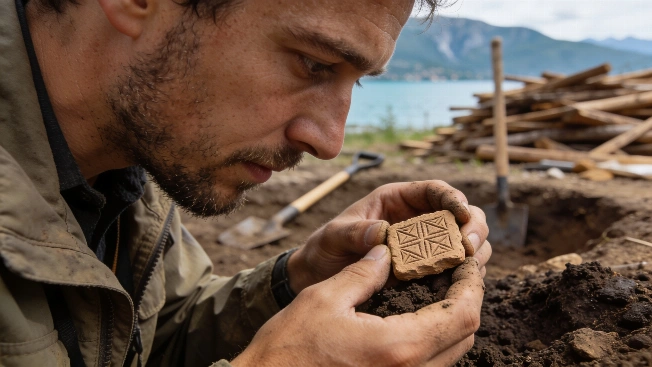
4,000-Year-Old Clay Tablet With Geometric Markings Found Near Lake Garda
Archaeologists working at Lucone di Polpenazze in northern Italy have uncovered a 4,000-year-old clay tablet inscribed with geometric patterns, deepening questions about the function and meaning of these enigmatic Bronze Age artifacts
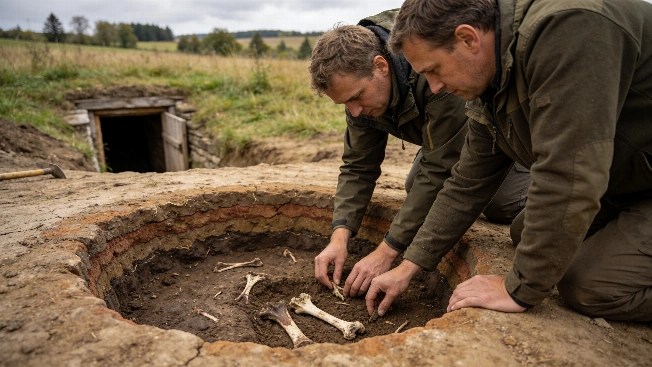
6,500-Year-Old Chleby Enclosure May Have Tracked Sun and Moon
Archaeologists have analyzed a vast Neolithic enclosure near Chleby, Czech Republic, revealing evidence that its entrances and features may have been aligned to solar and lunar cycles over 1,000 years before Stonehenge
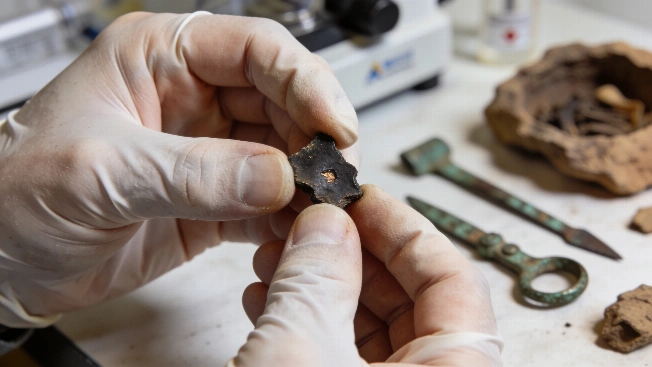
Pre-Inca Metalwork in Peru Linked to Bolivian Ore by Isotope Analysis
Archaeologists have traced metallurgical waste from a Wari-period burial at Castillo de Huarmey in Peru to ore sources in present-day Bolivia, revealing long-distance movement of metal and technological knowledge across the Andes
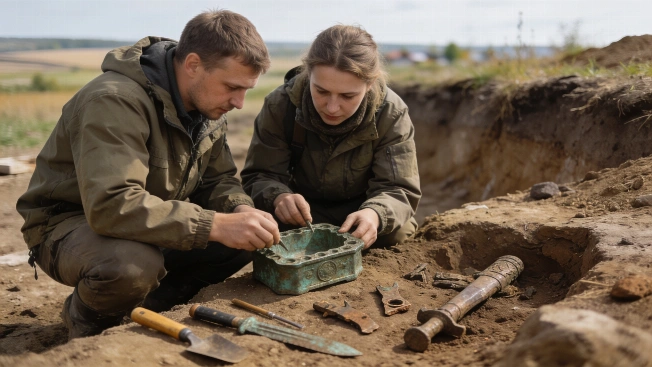
Bronze-Casting Mould and Weapons Found at Pyanobor Settlement in Tatarstan
Excavations at the Kipchak Archaeological Complex in Tatarstan have revealed a bronze-casting mould, weapons, and decorated pottery linked to the Pyanobor culture, offering new evidence for debates about its origins and regional connections
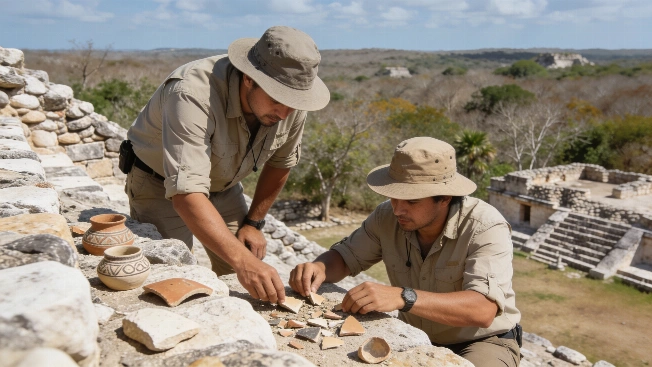
New Excavations at Xcalumkín Reveal Maya Puuc Architecture Origins
Recent archaeological research at Xcalumkín in Campeche, Mexico, has provided new evidence on the development of Puuc architectural traditions, settlement patterns, and possible dual governance among the ancient Maya between the 7th and 10th centuries CE
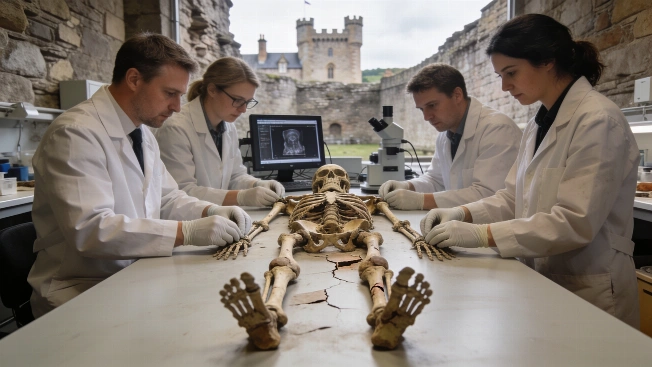
Medieval Skeleton at Stirling Castle Shows Unusual Siege Trauma
Bioarchaeologists have re-examined a 14th-century skeleton from Stirling Castle, Scotland, identifying over 160 perimortem fractures. New analysis suggests the individual may have died from a high-velocity impact during the Wars of Scottish Independence
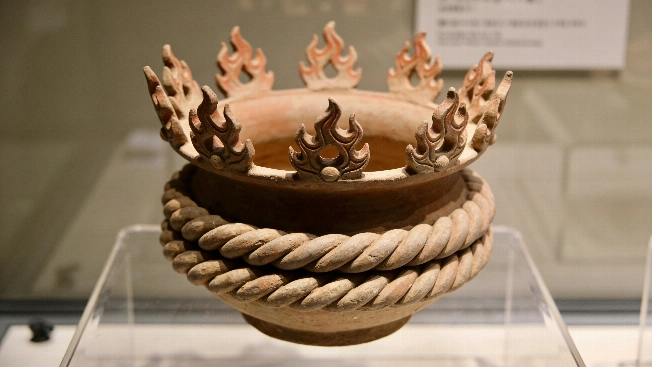
Jōmon Fire-Flame Vessel Reveals Prehistoric Japanese Pottery Skill
Archaeologists have examined a 4,500-year-old fire-flame vessel from Honshu, Japan, analyzing its elaborate ceramic construction and uncertain function to better understand the Jōmon period's material culture and social practices

Ancient Libyan Gateway Marks Reveal Hellenistic Construction System
Archaeologists have analyzed over 620 carved marks on the Tauchira Gate at Ptolemais, Libya, uncovering evidence for organized labor, material transport, and possible payment tracking in a major Hellenistic building project more than 2,000 years ago
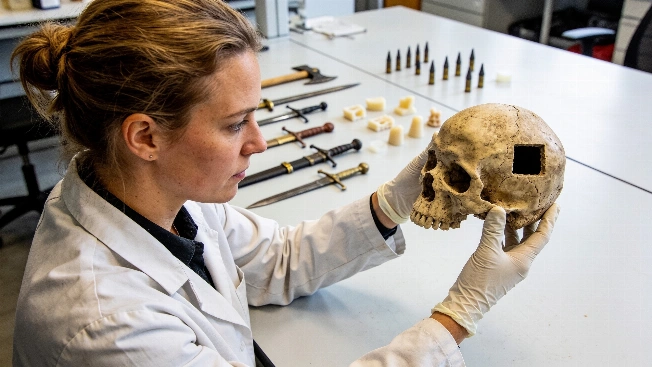
Medieval Skull Injuries at Visby Linked to Spiked Club Weapons
A new forensic analysis of 14th-century skeletons from the Battle of Visby in Sweden has identified spiked clubs as the likely cause of distinctive square cranial injuries, challenging assumptions about medieval militia training and combat methods
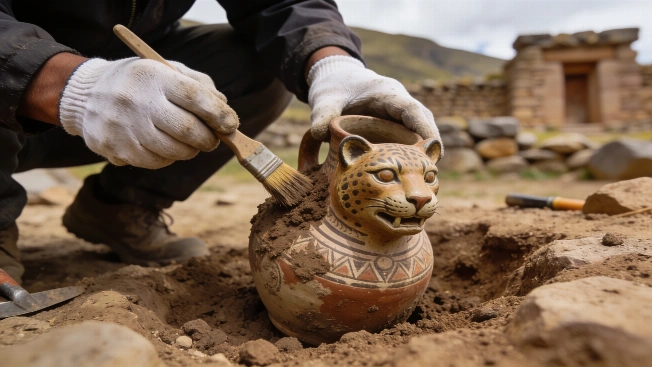
Puma-Headed Pottery Sheds Light on Rituals at Marcahuamachuco
Archaeologists at Marcahuamachuco in northern Peru have uncovered a unique puma-headed ceramic vessel and animal remains, offering new evidence for ceremonial practices and daily life at the site between 850 and 950 CE
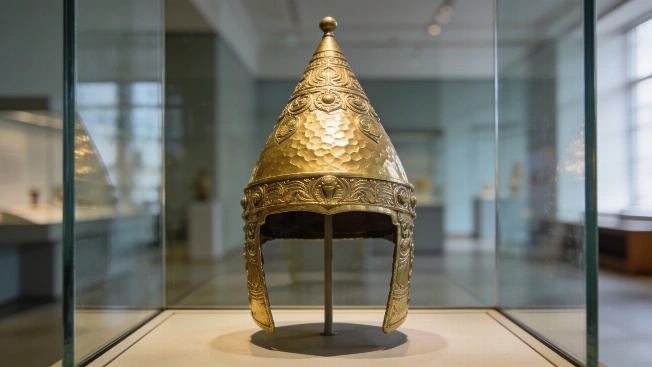
Berlin Gold Hat Reveals Bronze Age Astronomical Knowledge
Archaeologists have analyzed a 3,000-year-old gold headdress from Central Europe, uncovering evidence that its intricate motifs encode calendrical information used to track solar and lunar cycles
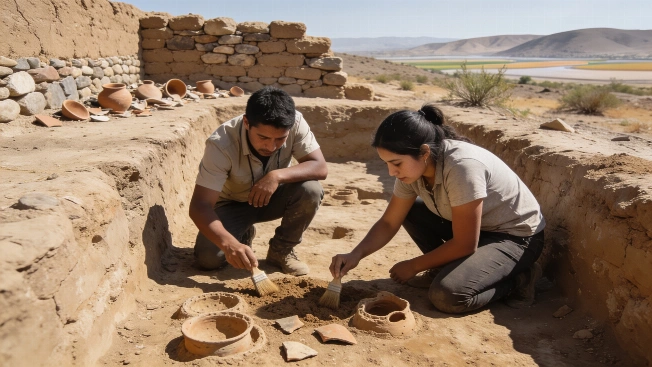
Moche Pottery Workshops Uncovered at Cerro Mayal in Northern Peru
Excavations at Cerro Mayal in Peru's Chicama Valley have revealed extensive evidence of Moche ceramic production, including molds, pottery waste, and workshop-house structures, offering new insight into the organization of ancient craft specialists
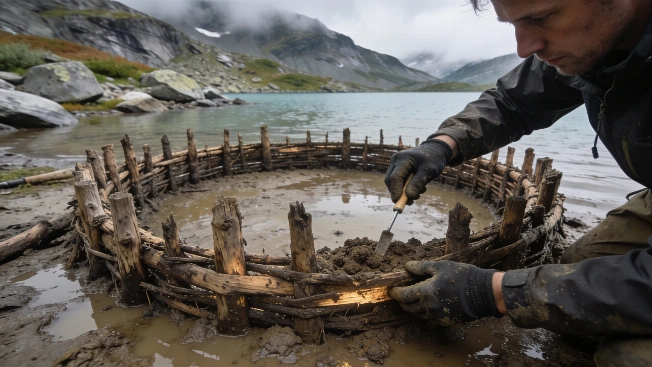
Mesolithic Fish Traps Reveal Early Ecosystem Management in Norway
Archaeologists have identified 7,000-year-old wooden fish traps in Norway's Jotunheimen mountains, providing evidence that Mesolithic hunter-gatherers deliberately introduced brown trout to high-altitude lakes using advanced ecological knowledge
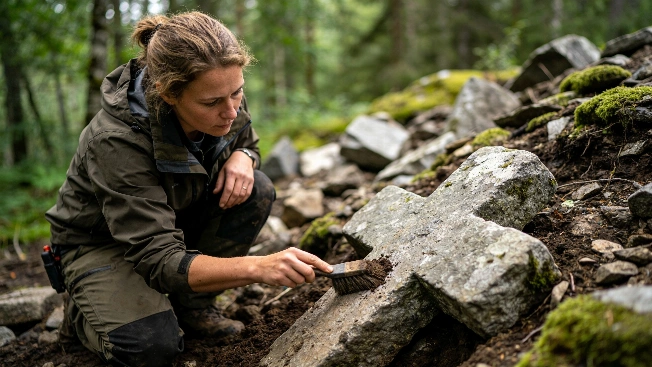
Medieval Stone Crosses Unearthed at Viking-Era Quarry in Norway
Archaeologists working at Hyllestad in western Norway recovered seven medieval stone crosses from a quarry waste heap, providing new evidence for local craftsmanship and religious change during the 11th to 13th centuries
Part 1 of 2