
Science News & Briefings - Part 6
214 reports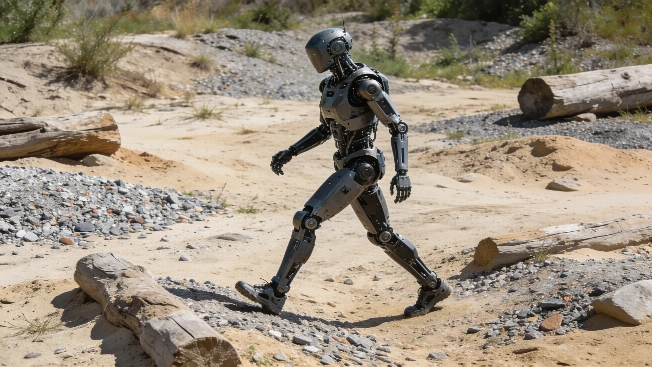
Humanoid Robot Learns to Walk on Real Terrain With Less Training
Georgia Tech researchers have introduced a machine-learning structure that enables a humanoid robot to walk across unpredictable real-world surfaces while reducing training time and computational demands compared with previous methods.
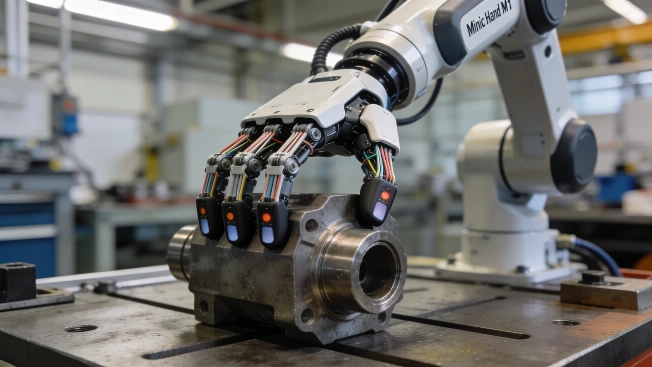
Swiss Startup Mimic Robotics Reveals Sensor-Rich Robotic Hand for Factories
Mimic Robotics has introduced the Mimic Hand M1, a tendon-driven robotic hand designed for industrial automation. It features tactile sensing and a human-like joint structure intended to improve the manipulation of diverse objects in real-world settings.
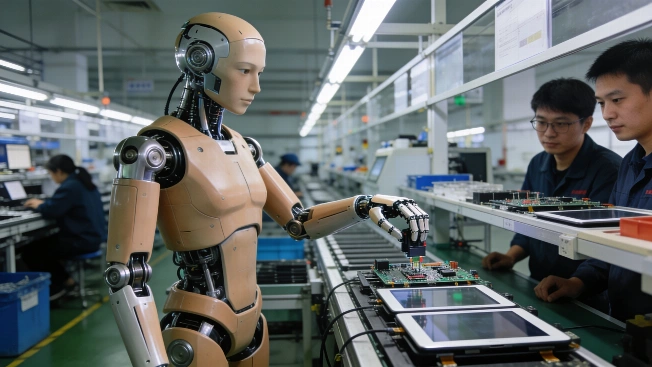
AGIBOT Demonstrates Four New Robots in Live Industrial Deployments
AGIBOT has introduced four new robots at WAIC 2026, including a full-size humanoid, an educational platform, an industrial manipulator, and a dexterous robotic hand, with live demonstrations in manufacturing and service environments
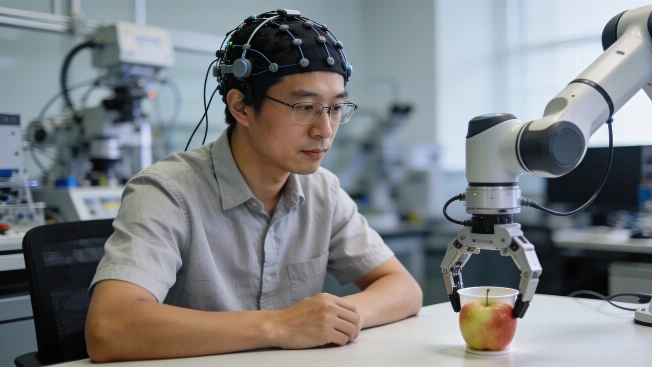
BrainCo Demonstrates Brain-Controlled Robot Platform Using EEG Signals
BrainCo has introduced a non-invasive brain-computer interface platform that lets users control robots with EEG-detected brain signals. The company says the system aims to improve intent recognition and generate training data for embodied AI systems.
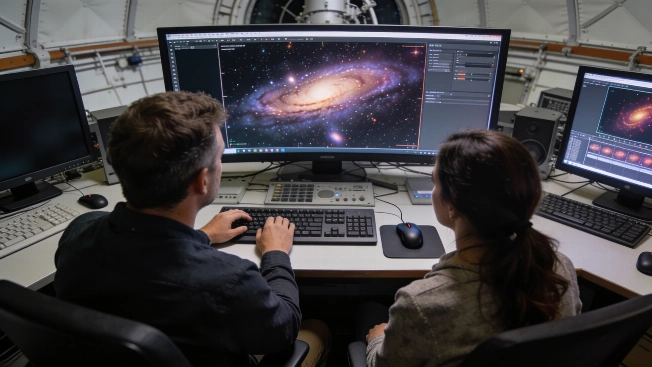
Webb Telescope Reveals How Early Galaxies Produced Cosmic Dust
Astronomers used the James Webb Space Telescope to study a nearby dwarf galaxy, uncovering how ancient galaxies enriched the early universe with stardust impressive for star and galaxy formation.
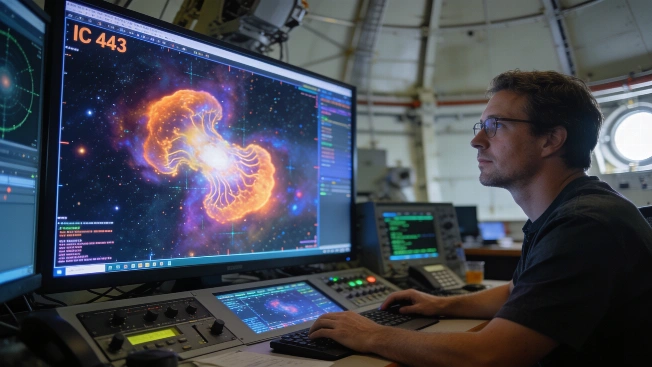
Possible Twin Supernova Remnants Identified in the Jellyfish Nebula
Astronomers analyzing data from NASA's Fermi Gamma-ray Space Telescope and other observatories have found evidence suggesting that both stars in a binary system exploded as supernovae, leaving overlapping remnants in the IC 443 region.
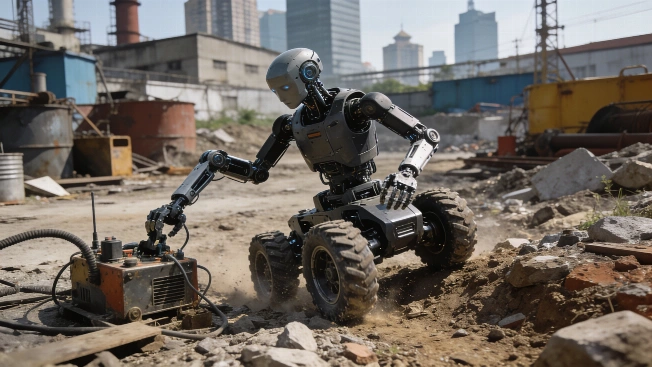
Hybrid wheel-leg robot from China targets industrial and rescue tasks
Run Robotics has demonstrated a wheel-leg hybrid robot at WAIC 2026, pairing rapid wheeled movement with robotic arms for inspection and firefighting, as well as emergency response in complex environments. Most of its components are domestically sourced.
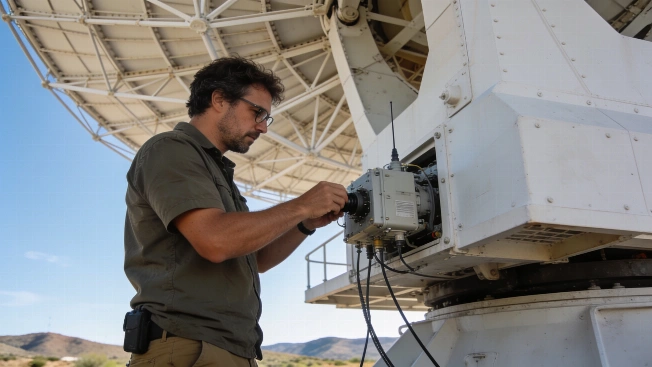
Detection of Four-Carbon Sugar Molecule in Interstellar Space
Researchers have identified the sugar molecule erythrulose in a molecular cloud near the Milky Way's center using radio telescopes, providing new evidence that complex organic compounds can form in interstellar environments under extreme conditions
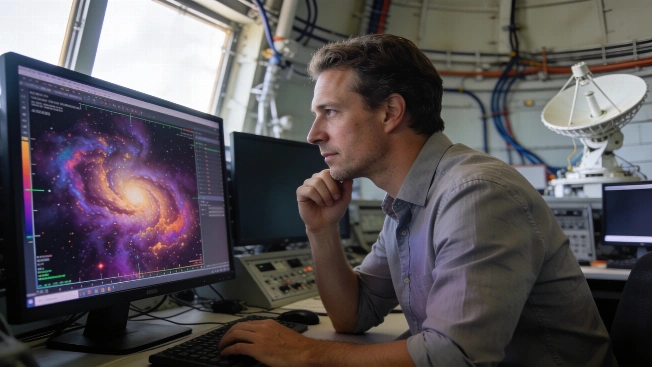
Magnetic Field of Galaxy Cluster Abell 2255 Mapped in Unprecedented Detail
Using deep radio observations from LOFAR, astronomers reconstructed the magnetic field structure of galaxy cluster Abell 2255, revealing how gas dynamics shape cosmic magnetism across millions of light-years.
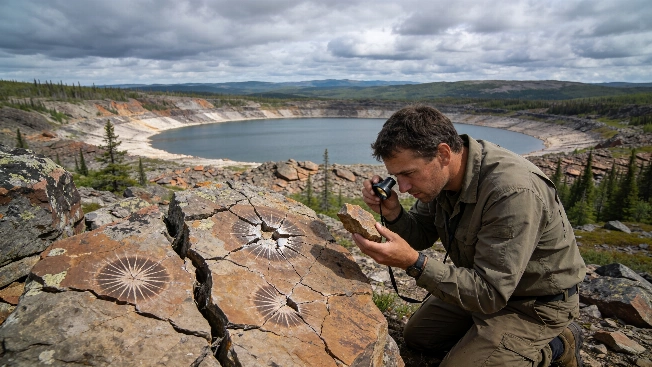
Possible Ancient Impact Crater Identified in Northern Quebec
A large circular structure in Quebec's Côte-Nord region, first spotted on Google Maps, may be a 390-million-year-old impact crater. Fieldwork and rock analysis are underway to confirm its extraterrestrial origin.
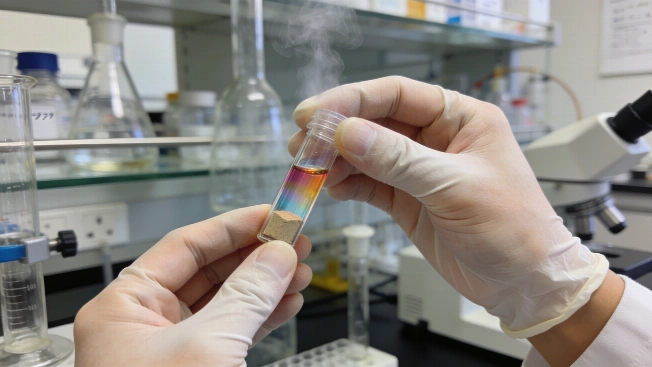
Researchers Demonstrate Vapor-Triggered Switching in Advanced Fluid Materials
A team in Japan has built a reversible system that uses vapor to change the color and physical state of advanced functional fluids, while also switching their phosphorescence. The work offers a new approach to designing smart materials with tunable properties.
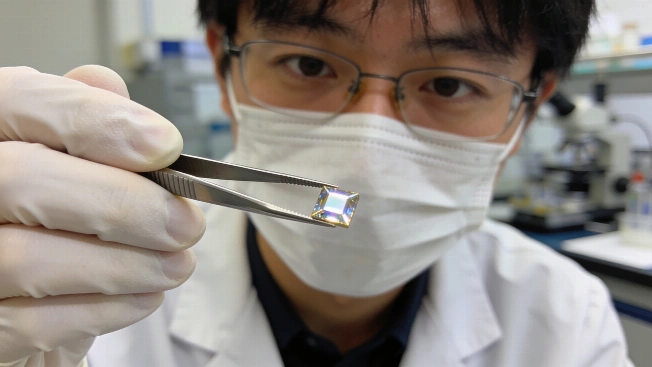
Solid Crystal Thermoelectric Material Demonstrated for Heat Recovery
A research team at the Institute of Science, Tokyo, has engineered a solid crystal thermoelectric material that mimics the properties of atomically thin films, potentially enabling more practical waste heat recovery in industrial settings.
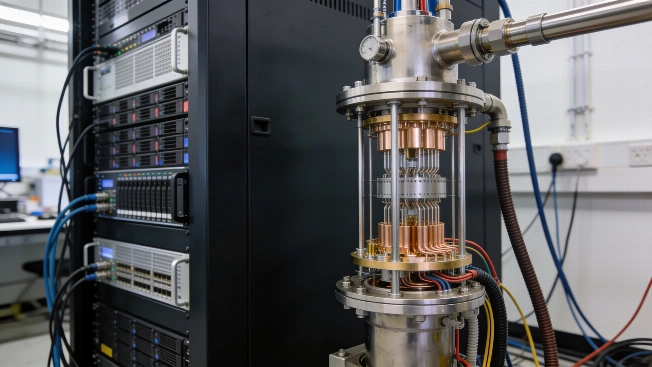
New Model Sets Limits for Quantum and HPC Integration Performance
A joint study by AWS, NVIDIA, LBNL, and NASA presents a quantitative model for deciding when quantum processors need physical integration with supercomputers and when remote cloud access can support hybrid quantum-classical algorithms
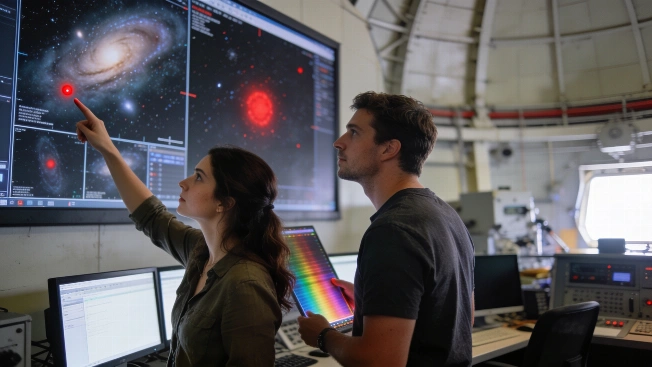
Webb data links early red dots to UV-bright companions and black hole seeds
A new analysis of James Webb Space Telescope images suggests that compact 'little red dots' in the early universe may form near ultraviolet-bright companions, offering a possible route to the rapid birth of supermassive black holes
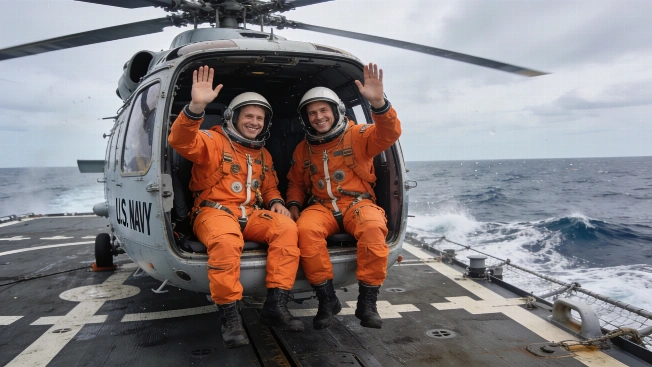
Artemis II Crew's Moon Orbit Mission Highlights Human Connection
NASA's Artemis II mission sent four astronauts around the moon, sharing daily updates and personal moments that resonated globally during a period of international tension and uncertainty.
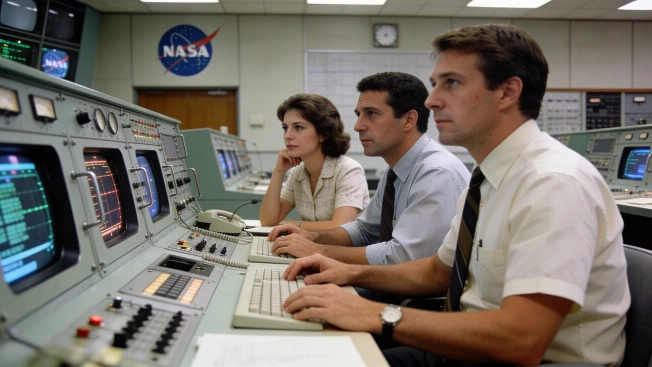
How NASA Langley Engineered the First Mars Landings
Fifty years after Viking 1 and 2 touched down on Mars, the engineering and mission design led by NASA's Langley Research Center remain central to how planetary landings are planned and executed across the solar system.
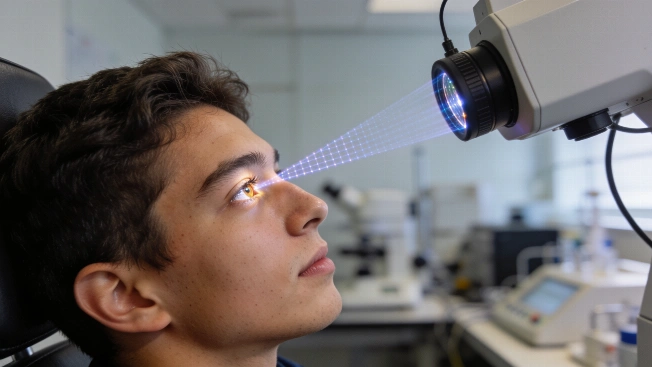
Structured light reveals new patterns for retinal health assessment
Researchers used spin-orbit coupled light to improve the visibility of Boehm's brushes, subtle optical patterns in peripheral vision, demonstrating a method that could allow non-invasive tests of retinal integrity using quantum optics techniques.
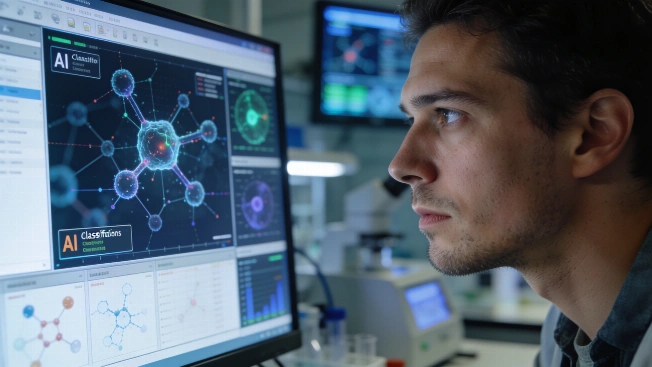
AI Struggles With Unknowns in Search for Extraterrestrial Life
A Michigan State University study using digital life simulations reveals that artificial intelligence can misclassify unfamiliar molecular patterns as signs of life, raising concerns for future missions seeking biosignatures beyond Earth
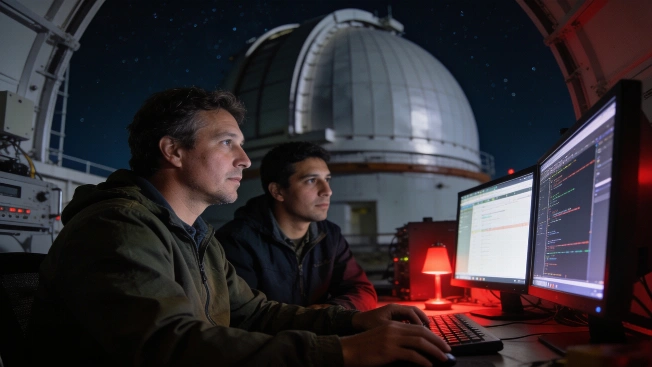
Atmosphere detected on rocky exoplanet in habitable zone
Astronomers have identified helium escaping from LHS 1140 b, a super-Earth orbiting in its star's habitable zone, using infrared spectroscopy. The finding offers the strongest evidence yet that a rocky exoplanet can retain an atmosphere for billions of years
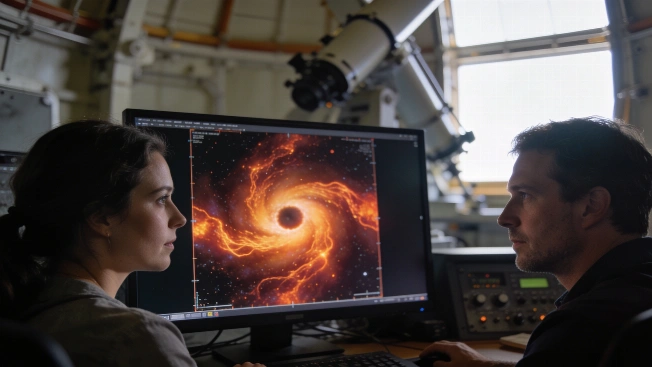
Webb Telescope Maps Gas Feeding a Supermassive Black Hole
Astronomers using the James Webb Space Telescope have studied gas clouds around Sagittarius A*, finding metal-rich gas whose local conditions shape cooling and may affect how material reaches the black hole.
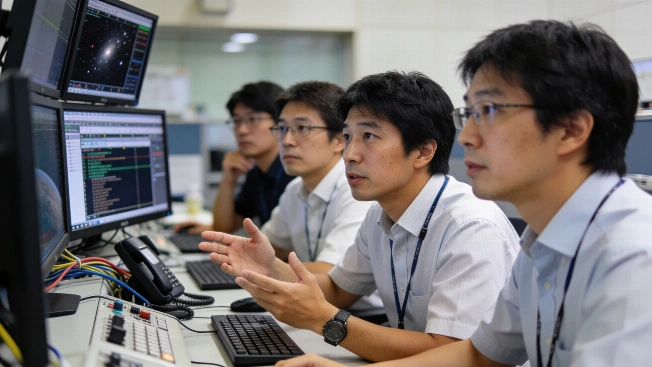
Hayabusa2's Risky Asteroid Flyby Yields Unprecedented Close-Up Data
Japan's Hayabusa2 spacecraft has captured detailed images and thermal data of the near-Earth asteroid Torifune after a high-speed flyby, following intense debate over the mission's safety and scientific value.
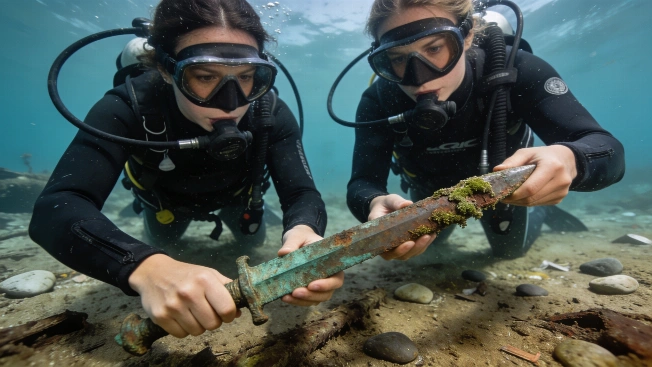
Bronze Age Sword Recovered from Protected Wreck off Devon Coast
A 3,000-year-old Bronze Age sword has been recovered by volunteer divers from the Salcombe Cannon and Moor Sand sites off south Devon, offering new evidence for prehistoric maritime activity and trade in the region

Roman Female Farm Managers Oversaw Wine and Oil Production
A new analysis of Roman-era texts and archaeological evidence reveals that women known as vilicae managed large-scale wine and olive oil production, challenging the long-held view that their roles were limited to domestic tasks
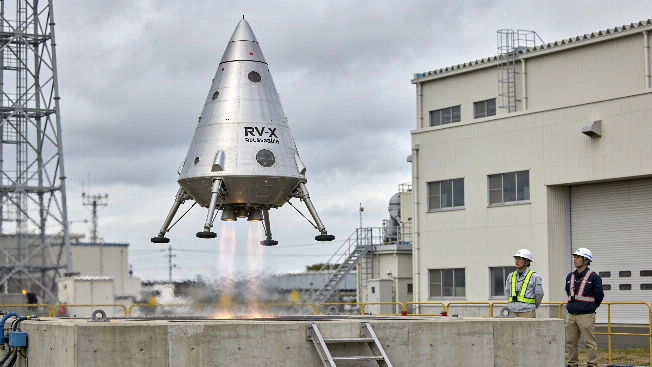
Japan Tests RV-X Prototype in Step Toward Reusable Rocket Technology
Japan Aerospace Exploration Agency has conducted a 40-second test flight of its RV-X prototype, marking a significant milestone in the country's pursuit of reusable launch vehicles and advancing international collaboration in spaceflight engineering
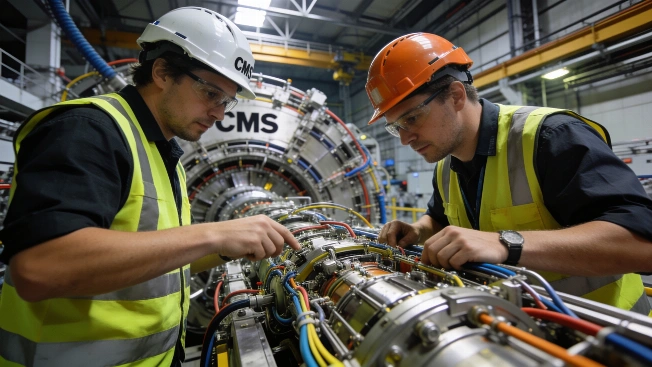
Large Hadron Collider Detects Particle Wake Predicted After Big Bang
Researchers at CERN's Large Hadron Collider have observed a long-sought wake effect in quark-gluon plasma, offering new understanding into the behavior of matter under extreme conditions similar to those just after the Big Bang
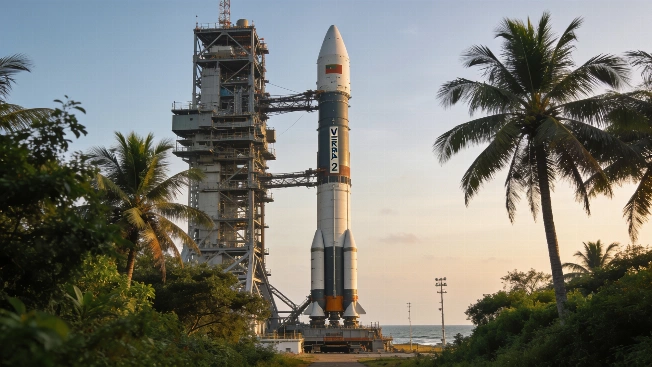
Vikram-1 Set for India's First Private Orbital Rocket Launch
Skyroot Aerospace will attempt to launch Vikram-1, India's first privately developed orbital rocket, from Sriharikota on July 18. The mission aims to deliver multiple small payloads to low Earth orbit and test key launch systems
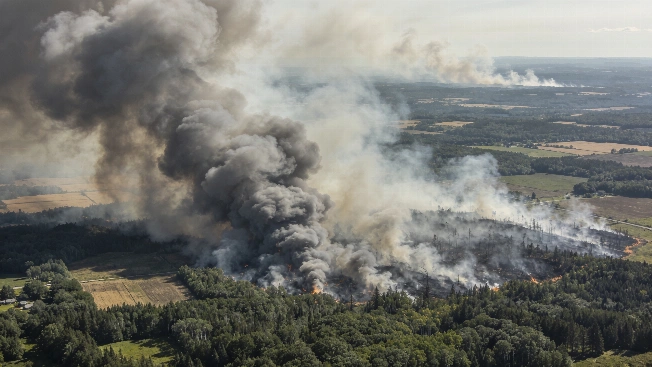
NOAA-21 Satellite Captures Canada Wildfire Smoke Spanning Continents
A NOAA-21 satellite image from July 14, 2026, reveals vast smoke plumes from over 850 wildfires in Canada, with thick haze drifting into the northeastern United States and raising air quality concerns across borders.
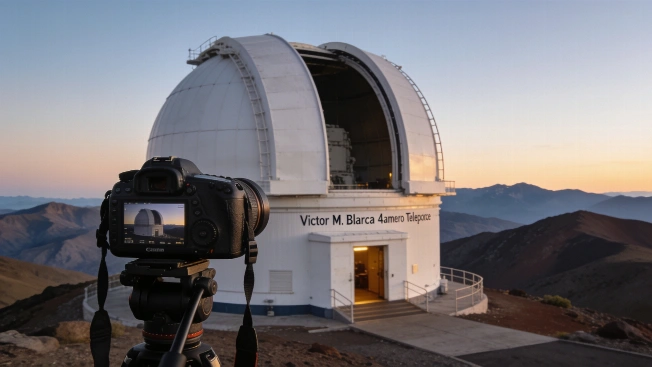
Dark Energy Camera Reveals Star Formation in Corona Australis Cloud
The Dark Energy Camera has imaged the Corona Australis Molecular Cloud, capturing intricate details of a nearby star-forming region and highlighting the interplay of gas, dust, and young stars in one of the closest stellar nurseries to Earth
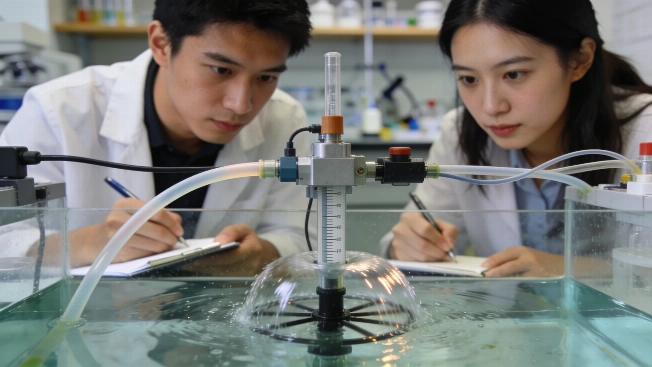
Reverse Sprinkler Experiments Reveal Angular Momentum Mechanism
Researchers at New York University have built custom rotary sprinklers to investigate the reverse sprinkler problem, measuring how angular momentum and device geometry affect rotation when water is drawn in rather than expelled
Extreme Solar Storms May Exceed Previous Impact Estimates
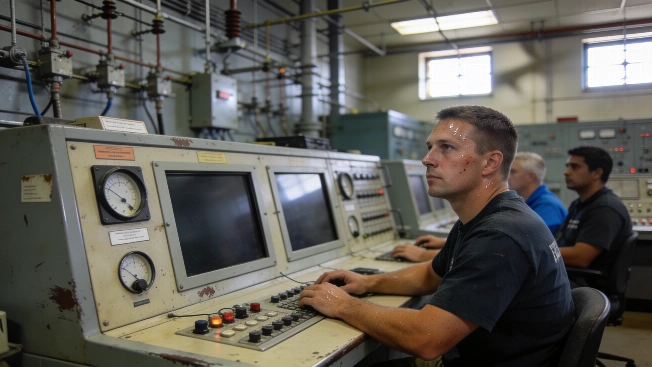
A new analysis of solar wind data suggests that the most powerful solar storms could cause greater geomagnetic disturbances on Earth than previously calculated, with implications for satellites and power grids
Ancient DNA Reveals Bronze Age Metalworker Near Stonehenge Was Female
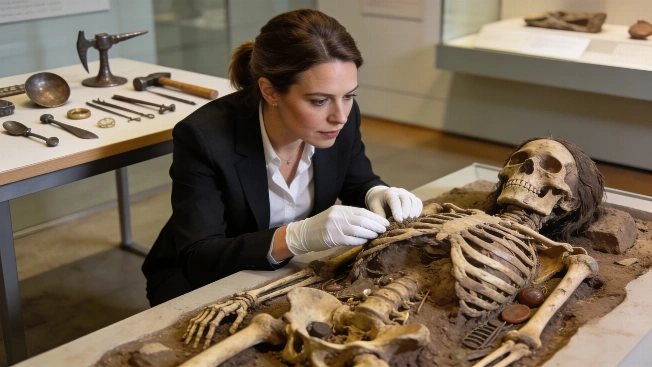
A 4,000-year-old burial near Stonehenge, long thought to contain a male shaman, has been re-examined using ancient DNA analysis, revealing the individual was biologically female and challenging assumptions about gender roles in Early Bronze Age Britain
AI agents build complex 3D training worlds for robot learning
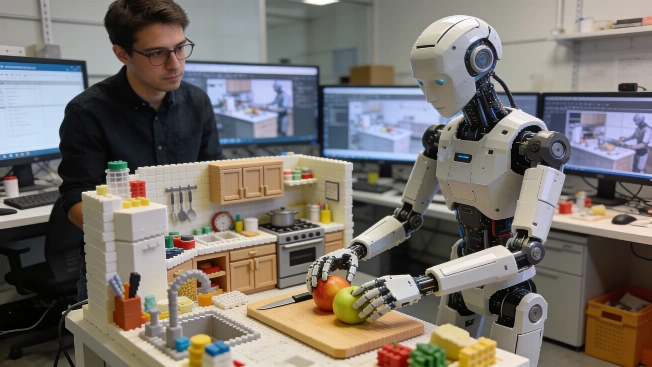
Researchers at MIT and Toyota Research Institute have developed SceneSmith, a system that uses collaborative AI agents and vision-language models to generate detailed 3D environments for robotics simulation and training.
Soyuz MS-29 Launches NASA and Roscosmos Crew to Space Station
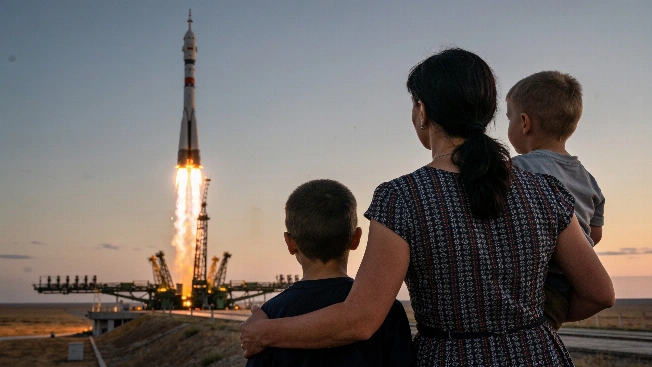
A Soyuz rocket has launched from Baikonur Cosmodrome, carrying NASA astronaut Anil Menon and Roscosmos cosmonauts Pyotr Dubrov and Anna Kikina to the International Space Station for a long-duration mission focused on scientific research
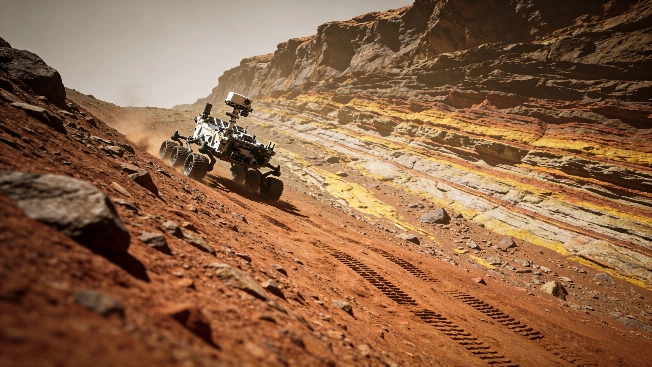
Perseverance Rover Images Ancient Martian Bedrock at Jezero Crater Rim
NASA's Perseverance rover has captured a detailed view of the Jezero Crater rim on Mars, revealing a thick sequence of ancient rocks. Recorded by the Mastcam-Z instrument, the scene offers new evidence about the planet's impact history and surface evolution.
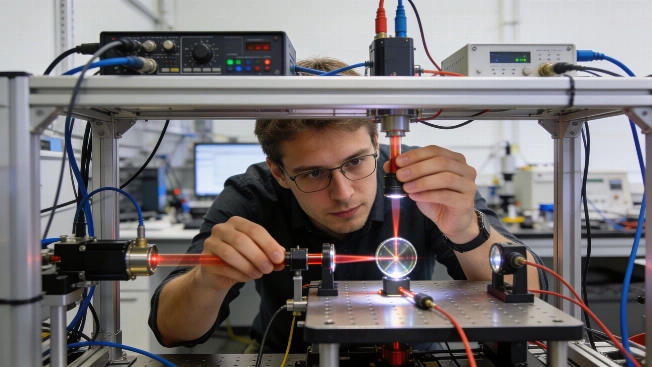
Continuous Models Challenge Sudden Quantum Wavefunction Collapse
A new theoretical framework models quantum measurement as a continuous, stochastic process, offering an alternative to the traditional view of abrupt wavefunction collapse and providing new tools for quantum control and algorithm design
Part 6 of 7