
Science News & Briefings - Part 5
214 reports
FLUX-mimic Model Cuts Robot Training Time for Factory Tasks
Mimic Robotics and Black Forest Labs have introduced FLUX-mimic, a video-action model that enables industrial robots to learn complex manipulation tasks from video demonstrations with far less training data than previous approaches.
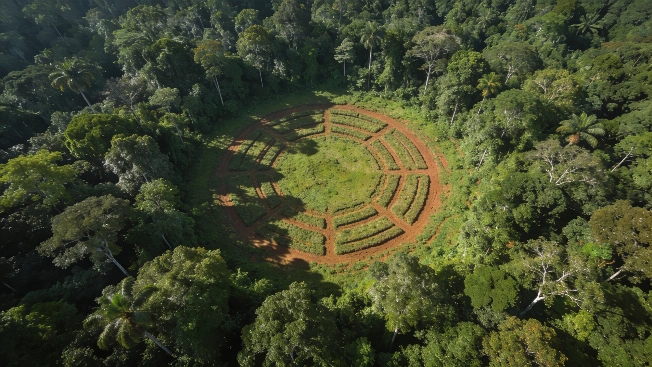
LiDAR Uncovers Hundreds of Ancient Geoglyphs in Amazon Rainforest
Aerial laser scanning has revealed nearly 400 previously unknown earthworks beneath the Amazon rainforest canopy, offering new evidence about the scale and organization of the Aquiry society that flourished in western Brazil over two millennia ago.
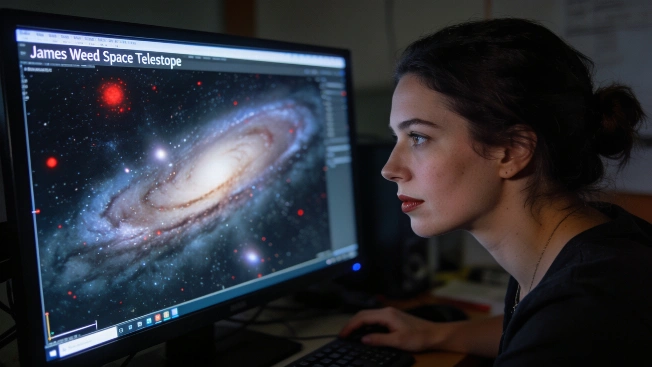
Webb Telescope Study Links Little Red Dots to Black Hole Activity
Astronomers using the James Webb Space Telescope have traced the origins of mysterious “little red dots” in deep space, suggesting that these compact sources are linked to phases of intense supermassive black hole activity.
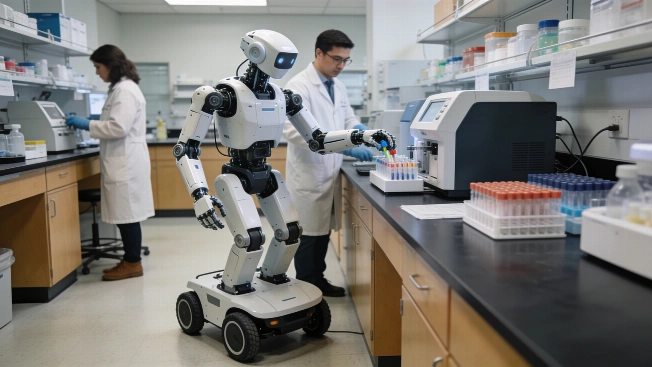
Tactus AI Unveils Elsie Robot for Clinical Lab Automation
Tactus AI has introduced Elsie, a two-armed humanoid robot designed to automate hands-on clinical laboratory tasks using existing instruments and validated procedures, aiming to address staffing shortages without major infrastructure changes.
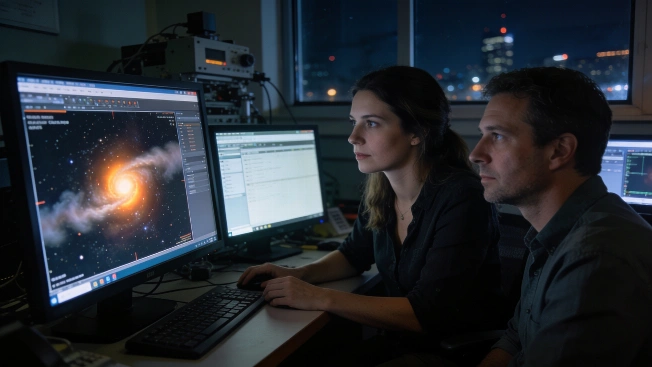
Chandra X-ray Observatory reveals hot gas from early quasar
NASA's Chandra X-ray Observatory has detected extremely hot gas surrounding a distant, radio-quiet quasar, offering new understanding into the formation of galactic cluster atmospheres in the early universe.
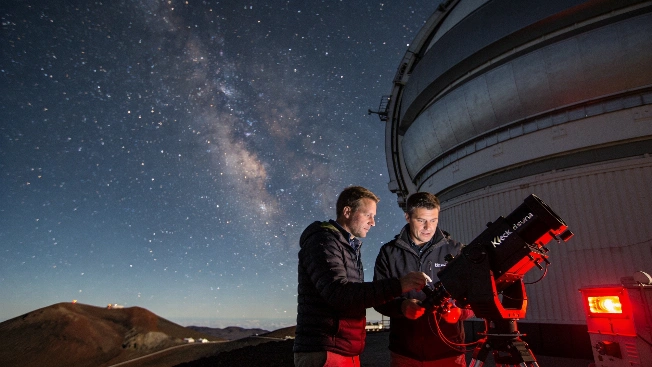
Dwarf Galaxy DF9 Found Without Dark Matter After Cosmic Collision
Astronomers using the Keck Cosmic Web Imager have identified a faint dwarf galaxy, DF9, that appears to lack dark matter, supporting the idea that galactic collisions can separate dark and visible matter.
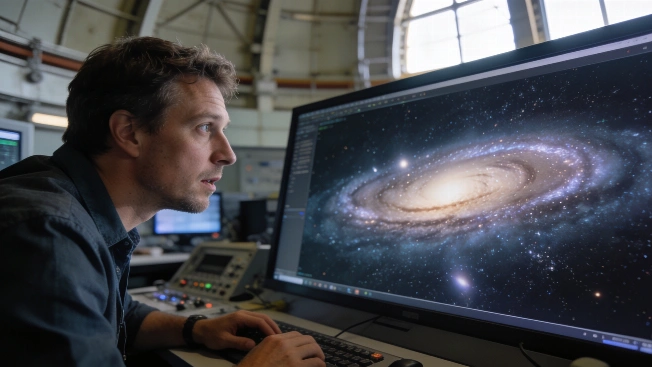
Milky Way Disk May Have Flipped, Altering Solar System's Orbit
Supercomputer simulations suggest the Milky Way's spiral disk may have rotated by 90 degrees in the distant past, potentially changing the solar system's path and explaining the galaxy's unusually slow stellar halo rotation
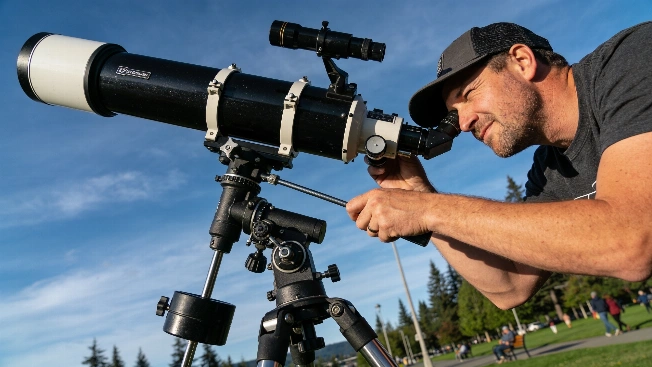
Astrophotographer Captures ISS Passing Venus in Daylight Sky
A rare daylight image shows the International Space Station appearing close to Venus, captured by AJ Smadi using a specialized telescope and camera setup in Washington state.
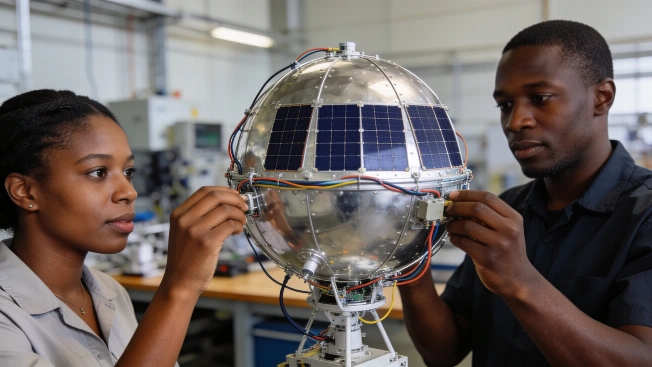
Africa's BALLS Radio Array to Ride Chang'e 8 to Lunar South Pole
A trio of spherical radio astronomy probes from Africa is set to launch aboard China's Chang'e 8 lander in 2029, aiming to deploy at the Moon's south pole and test low-frequency radio observations beyond Earth's atmospheric limits.
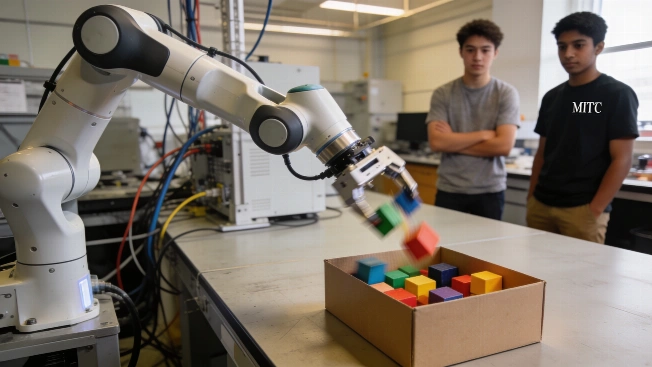
MIT's VLASH Method Enables Faster, Smoother Robot Movements
Researchers at MIT have introduced VLASH, a planning technique that lets robots predict their future positions, reducing pauses and improving speed in tasks such as pick-and-place and dynamic manipulation.
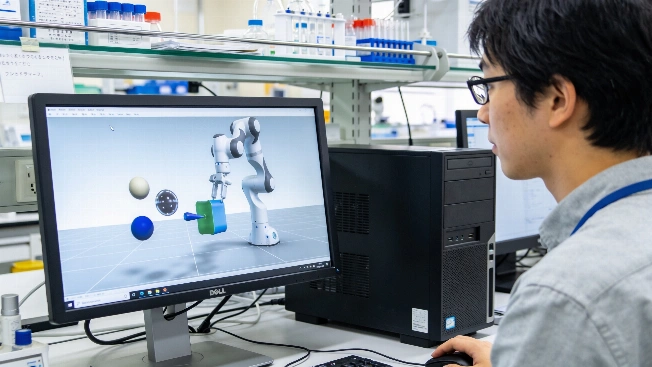
Curiosity-Driven AI Robots Show Faster Language Learning in Simulation
Researchers at the Okinawa Institute of Science and Technology have built virtual robots that learn language tasks more efficiently by rewarding curiosity, revealing new patterns of play-like behavior and flexibility in controlled experiments.
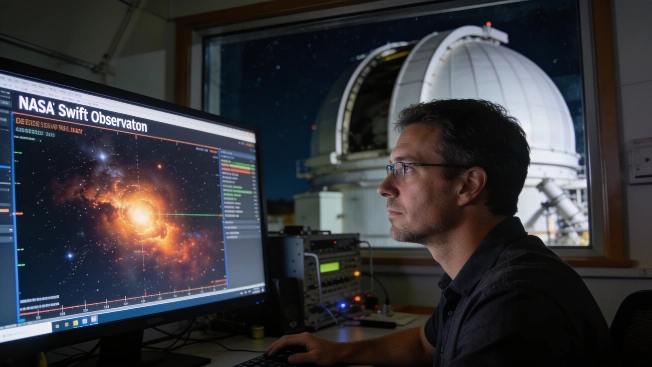
Swift Observatory Detects Black Hole Consuming Star Far From Galaxy Core
NASA's Swift Observatory has observed a rare tidal disruption event caused by a supermassive black hole devouring a star on the outskirts of a distant galaxy, challenging assumptions about where such events occur
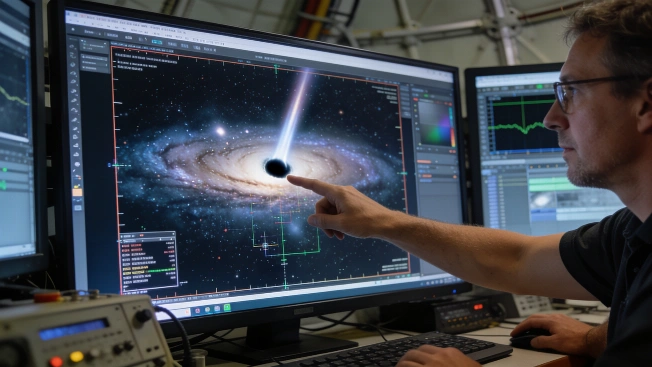
Chandra X-ray Data Reveal Black Hole Jet Disrupting Early Galaxy
Astronomers using the Chandra X-ray Observatory have detected a jet from a supermassive black hole disturbing gas in a distant galaxy known as the 'red potato,' offering new understanding into how black holes can suppress star formation in the early universe
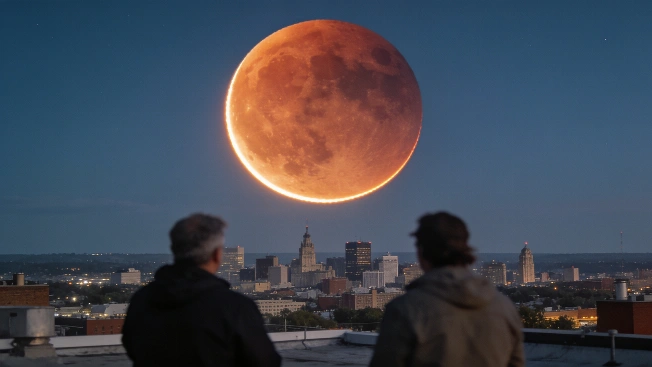
Deep Partial Lunar Eclipse to Create 'Almost Blood Moon' in August 2026
A rare deep partial lunar eclipse will occur on August 28, 2026, with an umbral magnitude of about 0.935, meaning 93.5% of the Moon’s diameter will lie within Earth’s umbra. The event will be visible across the Americas and Europe, with views also possible in Africa, offering a striking copper-red lunar display.
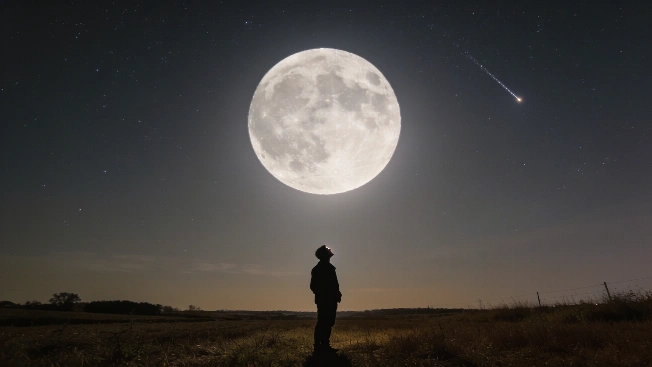
Bright Moonlight Limits Meteor Shower Viewing as Delta Aquariids Peak
The Southern Delta Aquariids and Alpha Capricornids meteor showers peak on July 30 to 31, but a nearly full moon will significantly reduce visibility of fainter meteors for observers across North America.
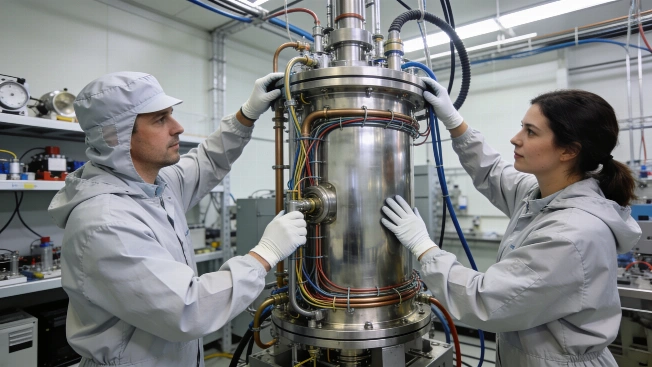
Quantum Hardware and Policy: Key Advances and Open Challenges in 2026
Recent months have brought a surge in quantum hardware deployments and materials research, alongside major public investments. From room-temperature spin qubits to expanded quantum supply chains, the field is advancing but faces persistent engineering and scaling hurdles.
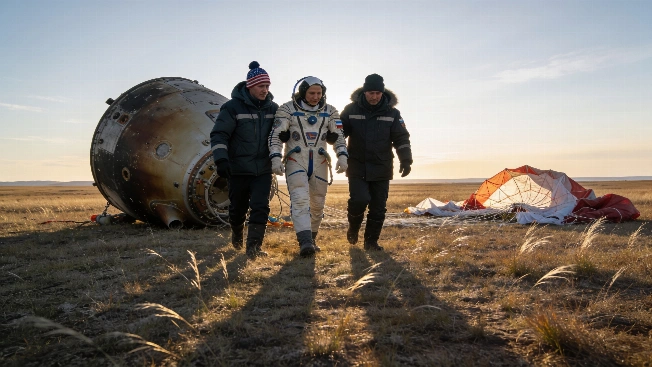
Soyuz MS-28 to Return NASA and Roscosmos Crew from ISS July 26
NASA astronaut Chris Williams and Roscosmos cosmonauts Sergey Kud-Sverchkov and Sergei Mikaev returned from the International Space Station aboard Soyuz MS-28, which landed in Kazakhstan on July 26.
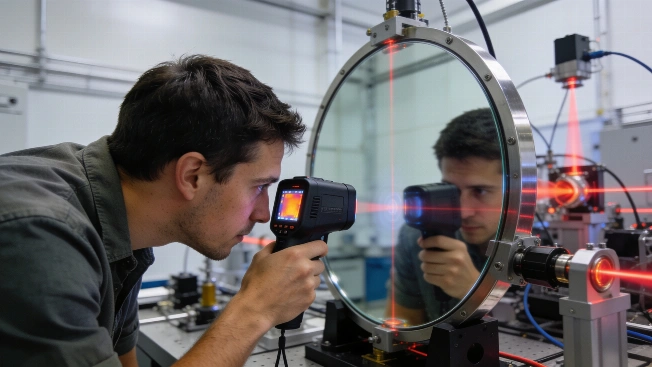
Thermal Cameras Could Sharpen LIGO's View of Distant Black Holes
Researchers have demonstrated that commercial thermal imaging cameras, combined with computer modeling, can correct heat-induced distortions in LIGO's mirrors, potentially expanding the observatory's reach by tens of millions of light-years.
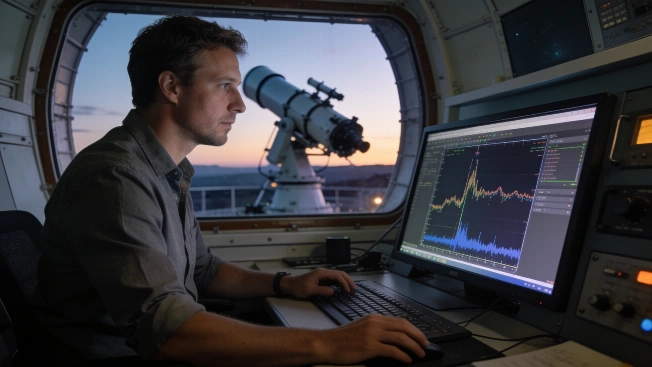
Ejected Matter May Account for Universe's Missing Baryons
Researchers analyzing intergalactic space have identified a impressive fraction of the universe's missing ordinary matter, suggesting that violent galactic outflows may have expelled it beyond galaxies' boundaries.
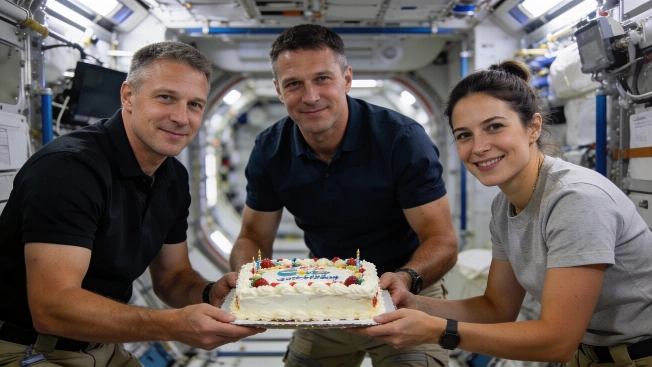
Expedition 74 Crew Begins Science Operations on International Space Station
Expedition 74 astronauts Anna Kikina, Pyotr Dubrov, and Anil Menon have joined the International Space Station, beginning an eight-and-a-half-month mission focused on microgravity research and operational adaptation.
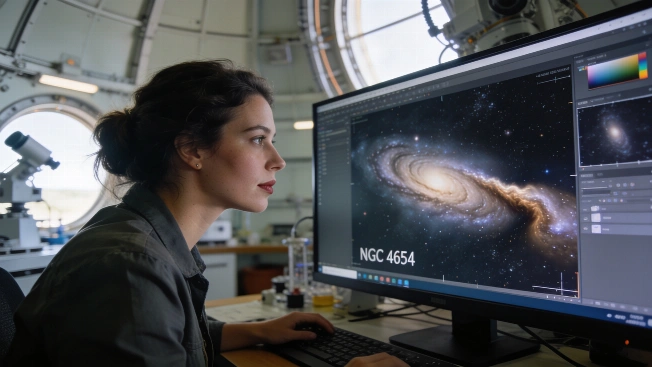
Hubble Reveals Asymmetric Spiral Galaxy Shaped by Cluster Forces
A new Hubble Space Telescope image captures NGC 4654, a spiral galaxy in Virgo, showing dramatic asymmetry caused by ram pressure stripping and past gravitational encounters

Hubble Reveals High-Speed Gas Bullets from Rare Helium Nova in Milky Way
Astronomers using Hubble and other observatories have observed V445 Puppis, the Milky Way's only known helium nova, ejecting dense gas clumps at speeds of up to 32 million kilometers per hour.
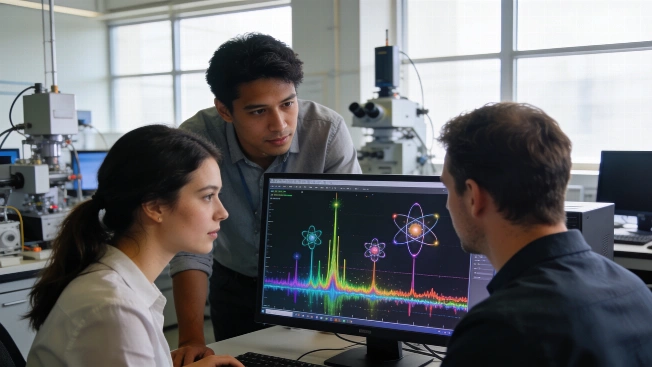
Sun's Silver Shortfall Explained by Advanced Atomic Modeling
Researchers examining solar spectra explain how atomic simulations affect estimates of the sun’s silver abundance and comparisons with meteorites, while emphasizing the limits of those measurements.
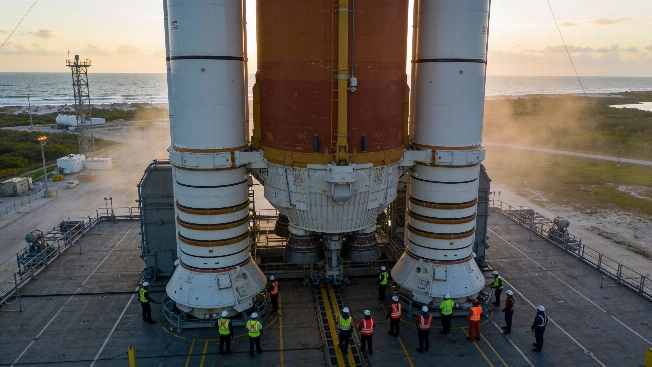
NASA Assigns SunRISE Mission to SpaceX Falcon Heavy After Vulcan Issues
NASA's SunRISE mission, designed to study solar radio bursts, will now launch aboard a SpaceX Falcon Heavy after technical concerns paused United Launch Alliance Vulcan Centaur flights
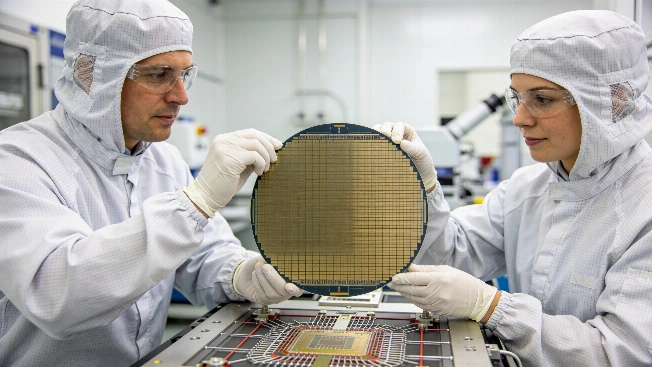
IBM Acquires HRL to Advance Silicon-Spin Qubit Quantum Hardware
IBM has announced its acquisition of HRL Laboratories, bringing its silicon-spin qubit expertise alongside IBM's superconducting quantum hardware program and broadening the company's approach to able to grow, fault-tolerant quantum computing.
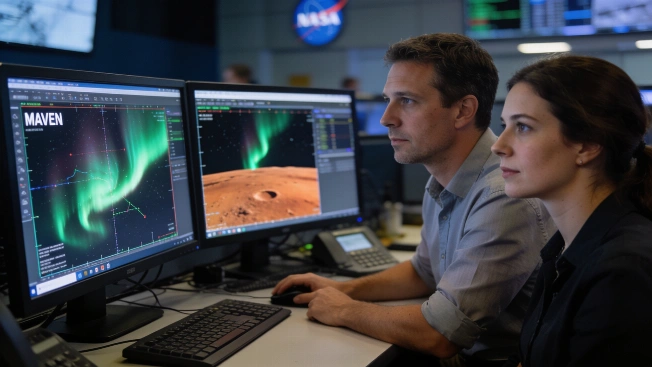
MAVEN Data Reveals Earth-Like Aurora Mechanism on Mars
NASA's MAVEN orbiter has found evidence that localized auroras on Mars are powered by a process similar to Earth's Dungey cycle, offering new understanding into Martian atmospheric loss and magnetic-field interactions.
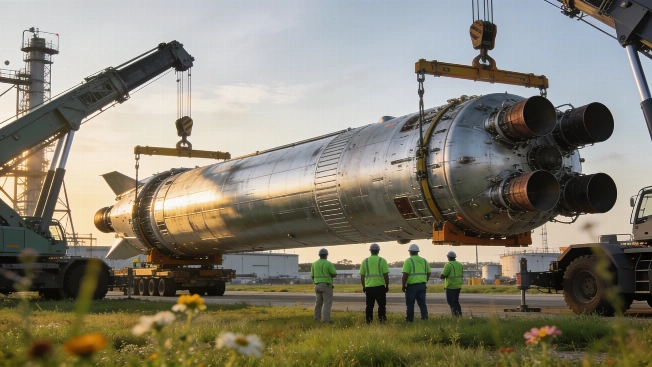
NASA Moves Artemis IV Hydrogen Tank for Core Stage Testing
A 130-foot liquid hydrogen tank for Artemis IV was transported at NASA's Michoud Assembly Facility, marking a basic step toward core stage testing for the Space Launch System rocket.
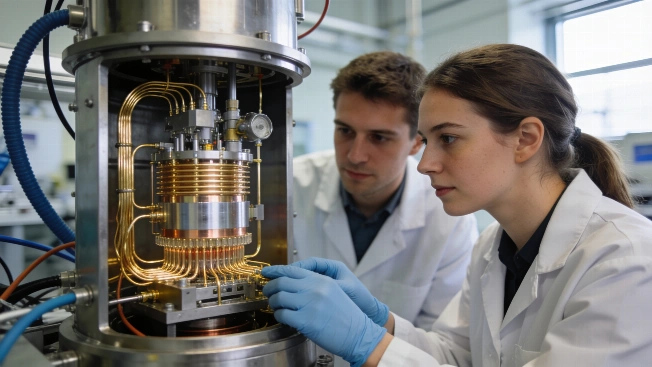
Quantum Computers Face Key Hurdles in Simulating Particle Physics
Quantum computers are being developed to simulate quantum systems that challenge classical supercomputers, but impressive technical and theoretical barriers remain before they can reliably model particle physics or connect quantum information with general relativity.
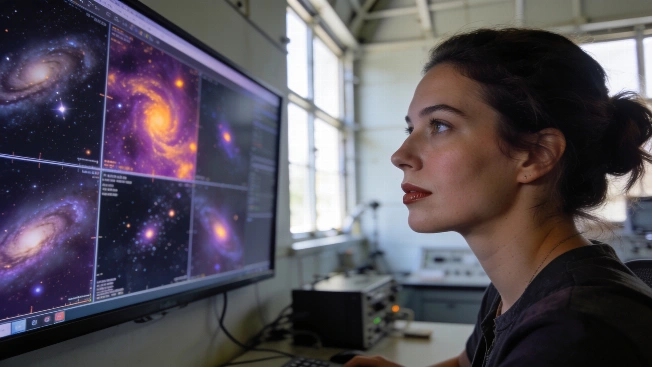
Webb Telescope Links 'Little Red Dots' to Ancient Star Clusters
Astronomers using the James Webb Space Telescope have traced mysterious 'Little Red Dots' in the early universe to the possible origins of globular clusters, offering new clues about how these dense stellar systems formed.

Assyrian Royal Stele Discovered at Nineveh's Sun Gate
Archaeologists working at the Sun Gate of ancient Nineveh have uncovered a monumental Assyrian stele inscribed with records of King Ashurbanipal's building projects, offering new evidence for royal activity in the seventh century BCE
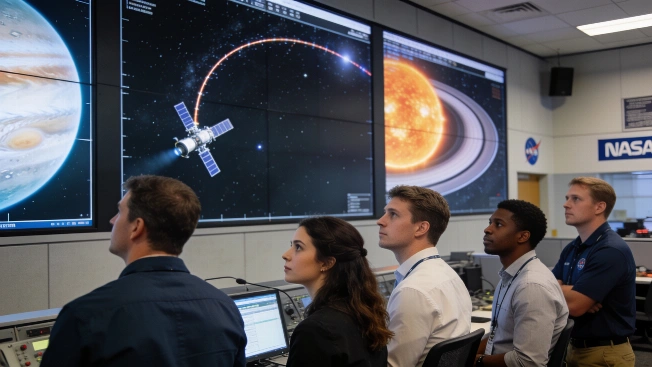
New Horizons Resumes Science at Solar System's Edge After Hibernation
NASA's New Opportunities spacecraft has emerged from a 321-day hibernation and is transmitting data from the outer solar system as it prepares to study the boundary between the Sun's influence and interstellar space with its advanced instruments.
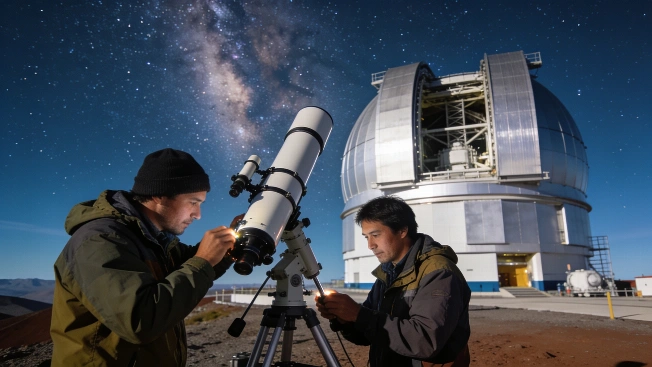
Possible Exomoon Candidate Challenges Definitions in Distant Star System
Astronomers using the Very Large Telescope have detected a moon-like object orbiting a brown dwarf in the CD-35 2722 system, prompting questions about how to classify such bodies beyond our solar system.
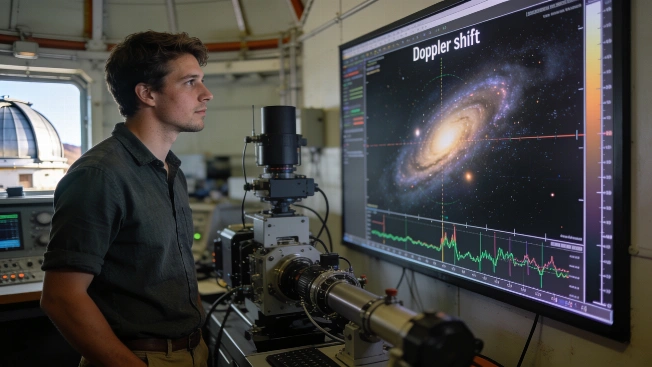
Giant Exosatellite Discovery Redefines Boundaries of Planetary Systems
Astronomers have identified a Jupiter-sized exosatellite candidate orbiting a brown dwarf, which itself orbits the star CD-35 2722. Detected using high-resolution spectroscopy, the candidate challenges current definitions of moons and planets.
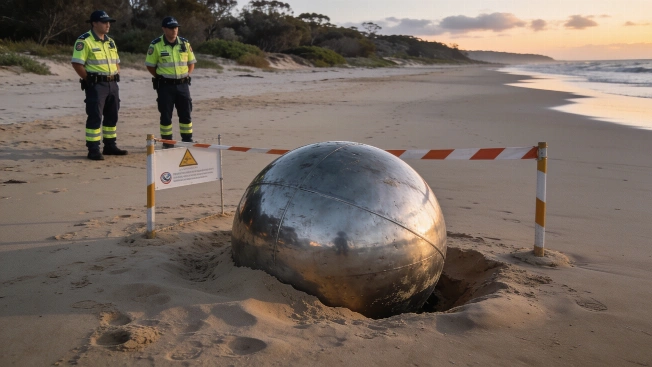
Metal Spheres on Australian Beach Highlight Space Debris Uncertainty
Six metallic spheres found on an Australian shoreline are believed to be remnants of a space launch vehicle, raising questions about how space debris survives reentry and where it ultimately lands.
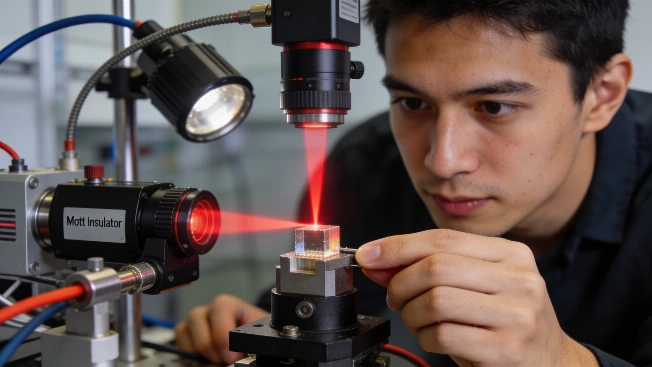
Laser-Driven Nonlinear Dynamics Observed in Mott Insulators
Researchers have identified four distinct regimes of photoexcitation in Mott insulators, revealing how laser-driven feedback can dynamically alter conductivity and carrier production in strongly correlated materials.
Part 5 of 7