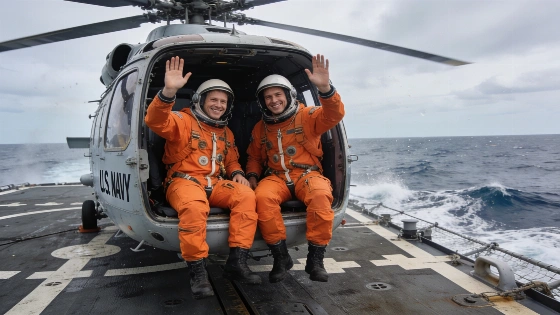
NASA's Artemis II mission sent four astronauts around the moon, sharing daily updates and personal moments that resonated globally during a period of international tension and uncertainty
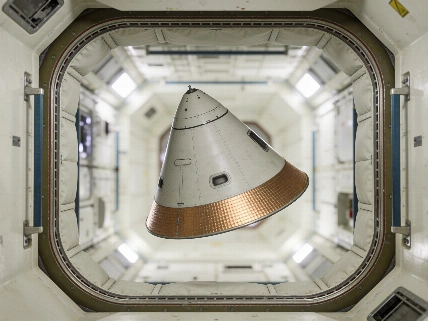
For ten days in April 2026, the Artemis II mission drew the world's attention as four astronauts became the first humans since 1972 to travel beyond low Earth orbit and circle the moon. The mission, operated by NASA, was not only a technical demonstration but also a rare moment of shared global focus, occurring during a week marked by difficult international news. Artemis II's crew offered a public window into the realities of deep spaceflight, emphasizing both the scientific and human dimensions of their journey.
Mission Operations and Communication
Artemis II launched on April 1, 2026, carrying its crew aboard the Orion spacecraft for a planned ten-day mission to lunar orbit and back. The mission's communications strategy prioritized transparency, with daily livestreams and updates that included everything from technical milestones to the astronauts' routines. These broadcasts highlighted the persistent challenges of spaceflight, such as communication delays and periodic blackouts-most notably, a 40-minute loss of contact as Orion passed behind the moon. Such intervals underscored the physical realities of cislunar travel, reminding viewers that even with advanced technology, certain constraints remain fundamental.
Public engagement with Artemis II was unusually high, with NASA reporting record-breaking viewership for its mission streams. The crew's willingness to share details of their daily lives-including exercise regimens, meal choices, and even technical issues like a malfunctioning onboard toilet-helped demystify the experience of space travel. These candid moments, including lighthearted exchanges with officials such as the Canadian Prime Minister, reinforced the mission's accessibility and the astronauts' connection to audiences on Earth.
Scientific and Personal Milestones
While Artemis II's primary objective was to validate Orion's life-support and navigation systems in deep space, the mission also provided opportunities for scientific observation and personal reflection. The crew conducted routine health and exercise protocols to mitigate the effects of microgravity, with only one astronaut able to exercise at a time due to the spacecraft's limited space and air management requirements. The astronauts also documented their observations of the lunar surface, noting unexpected color variations on the moon's far side and expressing the need for new descriptive language to capture what they saw.
Personal moments punctuated the mission's technical achievements. Commander Reed Wiseman's spontaneous words of gratitude to the mission's support teams, and the crew's emotional naming of a lunar crater after Wiseman's late wife, illustrated the intersection of scientific endeavor and human experience. These unscripted events, shared in real time, contributed to the mission's resonance with viewers worldwide.
Technical Challenges and Human Realities
Artemis II's journey was not without complications. Early in the mission, the crew encountered issues with a newly designed NASA toilet, which became inoperable by the third day. This minor but highly publicized problem highlighted the ongoing challenges of supporting human life in space, where even basic needs require robust engineering solutions. The mission also reinforced the importance of routine: astronauts adhered to strict schedules for sleep, exercise, and maintenance, all while managing the psychological effects of isolation and confinement.
The mission's communication lags and blackouts, though anticipated, provided a collective experience of waiting and uncertainty for audiences on Earth. These intervals served as a reminder that as missions venture farther from Earth, such delays will become more pronounced, shaping both operational planning and public engagement. The Artemis II crew's openness about these realities contributed to a more nuanced understanding of the demands of human spaceflight.
Broader Context and International Collaboration
Artemis II's success builds on decades of international cooperation and technical development in space exploration. The mission's global reach was evident in the diversity of its crew and the widespread public interest it generated. This collaborative spirit echoes other recent advances in spaceflight, such as Japan's progress with reusable rocket technology, as seen in the RV-X prototype test, which also demonstrated the value of multinational partnerships and transparent communication.
NASA has since called for broader participation in mission storytelling, inviting filmmakers, writers, and artists to contribute to the documentation and interpretation of space missions. This initiative reflects a recognition that the significance of missions like Artemis II extends beyond technical milestones, encompassing the cultural and emotional dimensions of exploration. As the Artemis program continues, the integration of scientific achievement with human narrative is likely to remain central to its impact.
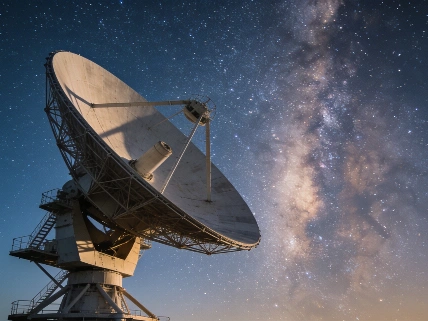
Understanding the Artemis II mission requires familiarity with the constraints of deep space communication. Unlike low Earth orbit missions, cislunar operations involve significant signal delays and periods of complete blackout when the spacecraft passes behind the moon. These communication gaps are dictated by the geometry of the Earth-moon system and the limitations of current relay infrastructure. As missions target more distant destinations, such as Mars, these delays will increase, necessitating greater autonomy for crews and new strategies for mission support and public engagement. The Artemis II experience offers a preview of these challenges and the adaptations required for future human exploration beyond Earth orbit.