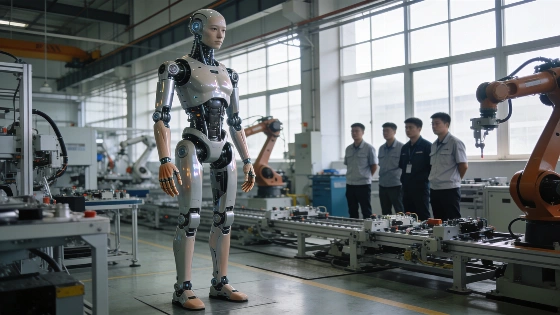
XPeng has started manufacturing its IRON humanoid robot at a dedicated facility in Guangzhou, aiming to scale up production with automated lines as rivals like Tesla face delays in bringing similar robots to market.
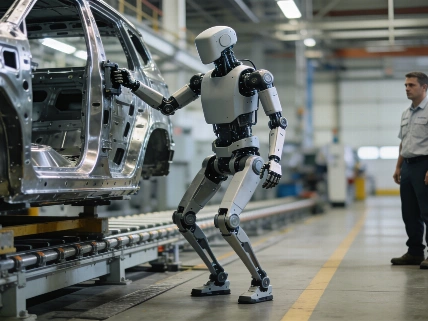
XPeng has shifted its IRON humanoid robot from prototype to mass production, opening a dedicated facility in Guangzhou. The first assembled unit reportedly walked off the line under its own power. This milestone, marked on September 8, 2026, puts XPeng among the few companies moving from research to large-scale manufacturing of general-purpose humanoid robots-a field where most efforts remain in the lab.
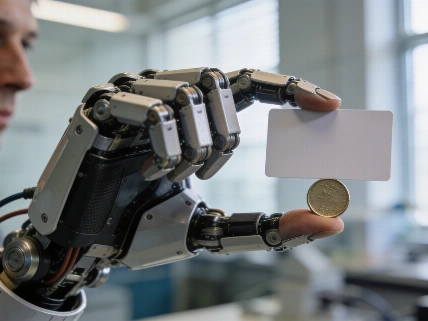
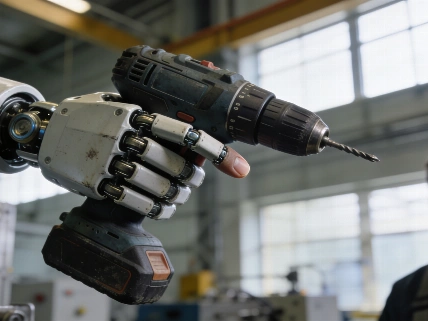
The IRON robot uses a proprietary, fully enclosed flexible lattice structure designed for mobility, safety, and a human-like appearance. XPeng says the robot has 76 degrees of freedom in its body and 21 in each hand, allowing for dexterous movement and a wide range of tasks. Three Turing AI chips provide up to 2,250 trillion operations per second of onboard computing, so the robot can run its physical AI foundation model locally. This avoids relying on remote servers or teleoperation for complex actions, a trend increasingly favored in robotics research for real-time autonomy and safety.
XPeng reports that over 80 percent of the IRON production line's core processes are automated, drawing on the company's experience in automotive manufacturing to achieve consistency and precision at scale. IRON is positioned as a general-purpose platform, with AI-driven control and self-reinforcement mechanisms meant to improve performance through real-world use. However, XPeng has not released independent testing or third-party evaluations of the robot's abilities, and its level of autonomy in unpredictable environments is still unproven. Leading robotics labs have stressed the need for peer-reviewed validation and standardized benchmarks to assess real-world robot performance.
While XPeng moves IRON toward commercial use, Tesla's Optimus humanoid robot has faced more delays, with production now expected to start in the coming months and commercial sales pushed to the second half of 2027. These shifting timelines highlight the technical and operational hurdles in moving from controlled demos to reliable, scalable manufacturing of humanoid robots. The field is crowded with ambitious claims but few independently verified results, as recent reviews in scientific journals have noted.
XPeng's announcement comes amid recent advances in robotic manipulation and movement, including lab tests of soft robotic hands and modular platforms that combine wheels and legs. Still, the jump from laboratory demonstrations to robust, real-world deployment is significant, especially for robots meant to work safely alongside people in unpredictable settings. NASA's robotics division has also pointed out the gap between lab prototypes and field-ready autonomous systems in its own research.
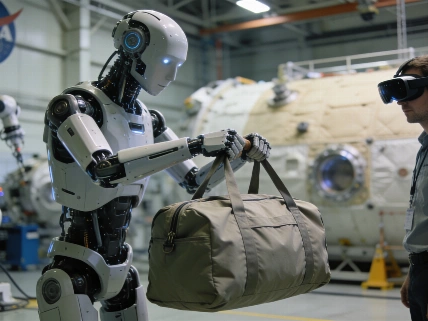
XPeng plans to deploy IRON commercially in its own stores and campuses by the end of this year, with a broader launch in China and overseas set for 2027. The company presents IRON as central to its Physical AI strategy, aiming to integrate robotics and automation across different environments. But without published safety data, independent audits, or regulatory certification, IRON's readiness for unsupervised operation is still uncertain.
XPeng's move to automated mass production of a humanoid robot raises the stakes in the race to commercialize general-purpose robotics. Yet, without transparent evaluation, safety assurance, and independent verification, IRON's real-world capabilities and risks are defined mostly by company statements. Until these systems undergo rigorous external testing and regulatory review, claims of autonomy and general-purpose utility should be viewed with caution, especially given the industry's history of missed timelines and underdelivered performance.
Degrees of freedom (DOF) measure a robot's mechanical complexity-the number of independent ways it can move or manipulate objects. High DOF counts, like the 76 in IRON's body and 21 per hand, allow for more human-like motion and dexterity but also make control, coordination, and safety more challenging. Reliable, safe operation with many DOF requires advanced sensing, real-time computation, and robust software, especially for robots that interact with people or adapt to changing environments. The gap between mechanical capability and dependable, autonomous performance remains a central challenge for humanoid robotics.