
Quantum Error Correction - Part 2
226 reports
Europe Tests a CPU-QPU Path for Silicon-Spin Quantum Hardware
Quobly and SiPearl will study how an 80-core European ARM processor could interface with a silicon-spin QPU. The MoU targets hybrid HPC systems but does not yet demonstrate a working quantum integration or quantum advantage.
DOE Sets Eight Quantum Tests for Fault-Tolerant Scientific Utility
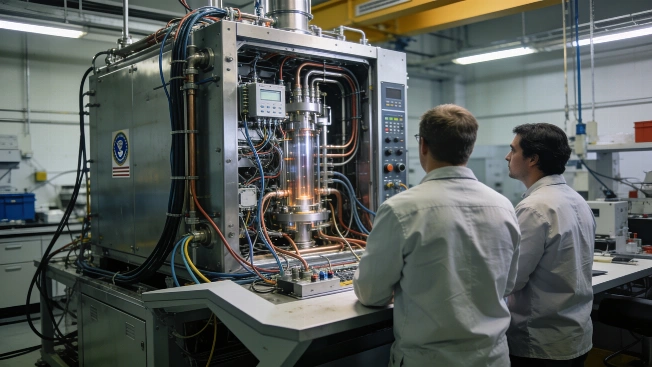
The U.S. Department of Energy has defined eight priority applications across chemistry, materials, subatomic physics and applied mathematics to test whether fault-tolerant quantum computers can deliver measurable scientific value beyond classical high-performance computing.
DOE Funds Quantum Error Correction and Materials Design
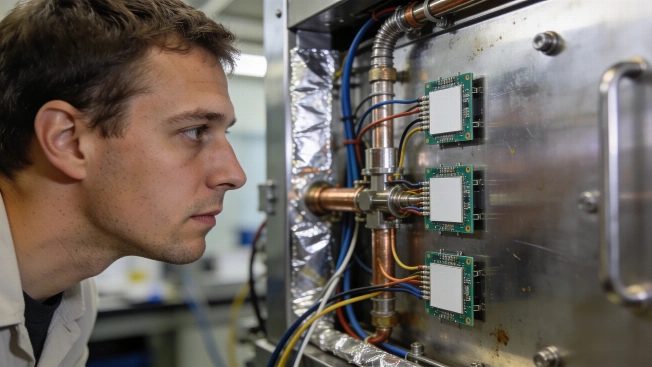
The U.S. Department of Energy has committed $159 million to 12 new Genesis Mission Phase II projects linking artificial intelligence and high-performance computing with quantum error correction, materials design, sensing and accelerator operations.
NVIDIA Puts $1 Billion Behind U.S. Quantum Infrastructure
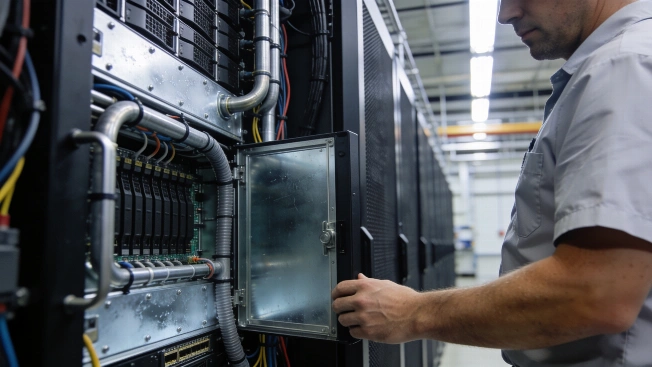
NVIDIA says it will commit $1 billion over five years to U.S. scientific computing and quantum research, tying GPU supercomputing and CUDA-Q emulation to expanded Genesis Mission infrastructure.
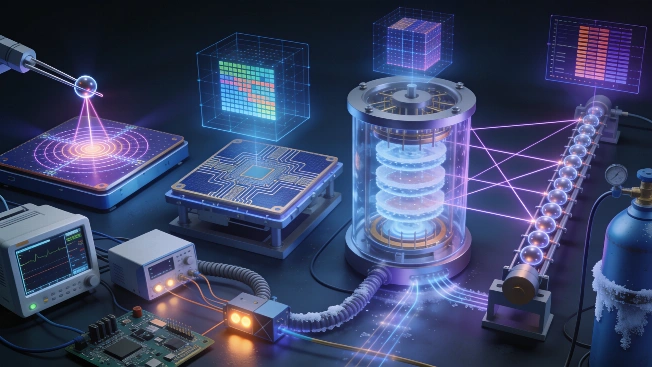
DARPA Puts Four Quantum Platforms Through Final Hardware Tests
DARPA has moved Atom Computing, Diraq, IBM and IonQ into the final stage of its quantum benchmarking program, where physical systems, control infrastructure, software and error-correction components will face direct testing instead of plan reviews.
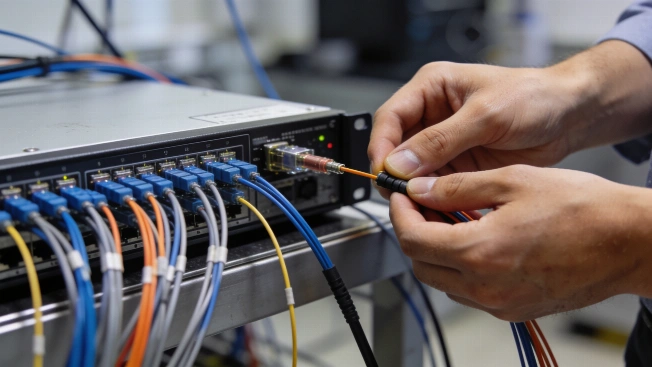
Cisco Targets Quantum Networks With Entanglement Control Software
Cisco has released research prototypes that let quantum software request entanglement across networked QPUs while a compiler accounts for optical loss, switching delays and distributed error-correction constraints.
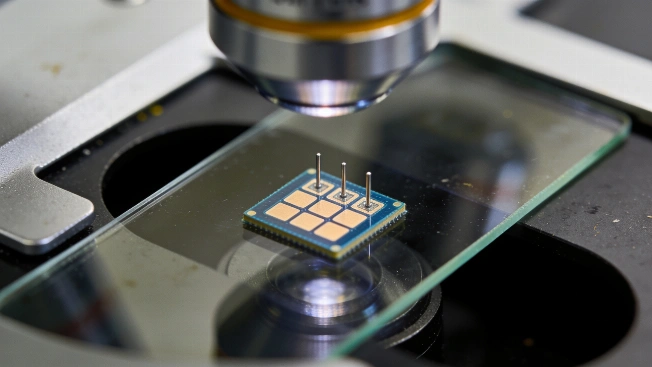
ZuriQ Demonstrates Nine Ion Qubits on a 2D Trap Chip
ZuriQ and Infineon have demonstrated a 3×3 two-dimensional Penning micro-trap with nine individually controlled ion qubits. They are now pursuing larger modules and semiconductor fabrication, with integrated photonics also in view, without claiming to have built a fault-tolerant processor.
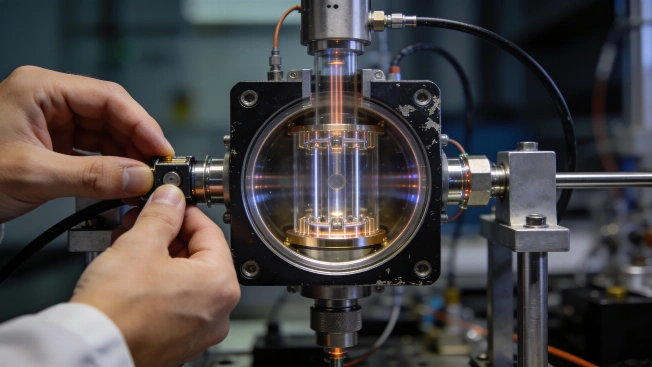
Quantum Error Correction Benchmark Tests Three Hardware Platforms
A preprint from Jülich Supercomputing Centre compares ten IBM, IQM and Quantinuum processors, testing whether repeated measurement, reset, feed-forward and idling preserve the signals required for quantum error correction.
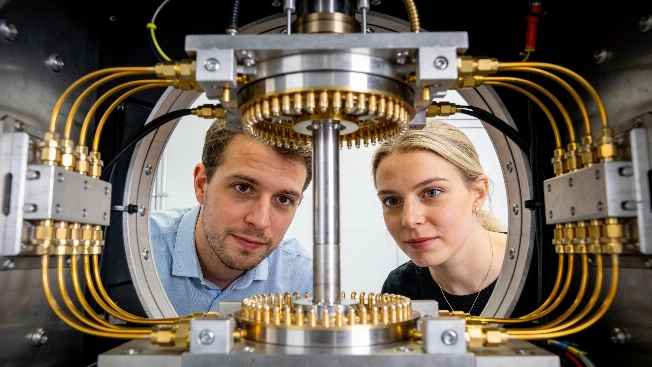
D-Wave Opens Beta for 21-Qubit Error-Aware Simulator
D-Wave is giving selected companies and research centers access to a 21-qubit simulator that models photon-loss erasures and real-time error detection before general availability
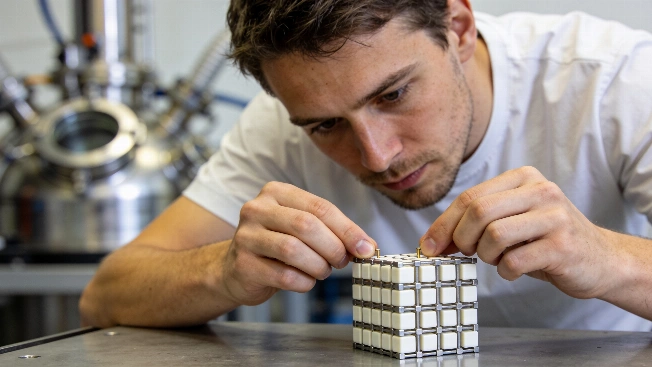
Classiq Turns Quantum Circuits Into Fault-Tolerant Hardware Plans
Classiq's Fault Tolerance Engine turns optimized logical circuits into three-dimensional surface-code execution plans, with routing schedules and magic-state cultivation alongside physical-resource estimates.
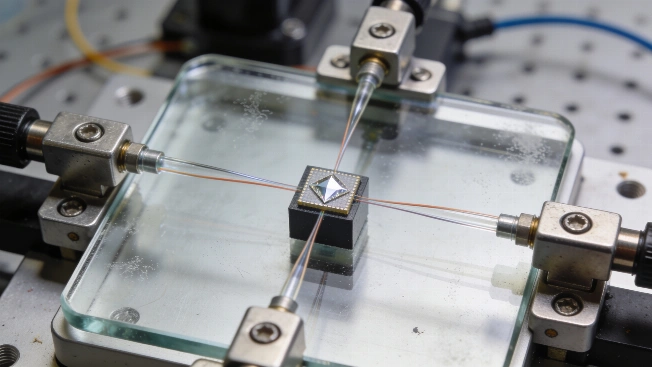
Quantum Sensor Network Research Wins $600,000 NSF Grant
A three-year NSF award, beginning June 1, 2026, will fund a Stony Brook and University of Hawaiʻi collaboration on entangled sensor nodes using squeezed-light photonics and diamond spin centers under realistic noise.
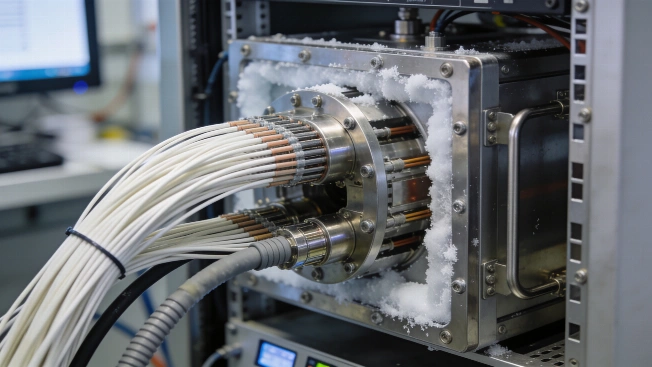
Xanadu and Bluefors Target the Cryogenic Bottleneck in Quantum Scaling
Xanadu and Bluefors announced a multi-million-dollar partnership on September 29, 2026, to develop modular cryogenic infrastructure for photonic quantum systems whose SNSPD detectors must operate near 2 kelvins.
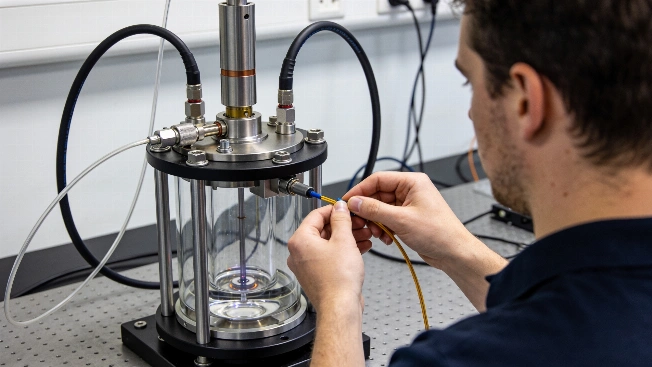
Infleqtion Links Neutral Atoms to Real-Time Error Decoding
Infleqtion and Riverlane plan to connect neutral-atom hardware with real-time quantum error-correction decoding in a UK engineering effort focused on latency and logical-qubit performance
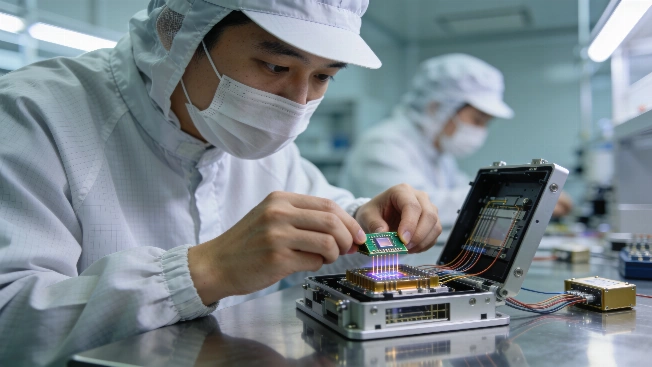
Quandela Targets South Korea for Photonic Quantum Hardware
Quandela has identified South Korea as a potential Asian center for photonic quantum hardware, system integration and joint R&D, while emphasizing that the initiative remains a partner-search and development structure rather than a completed manufacturing agreement.
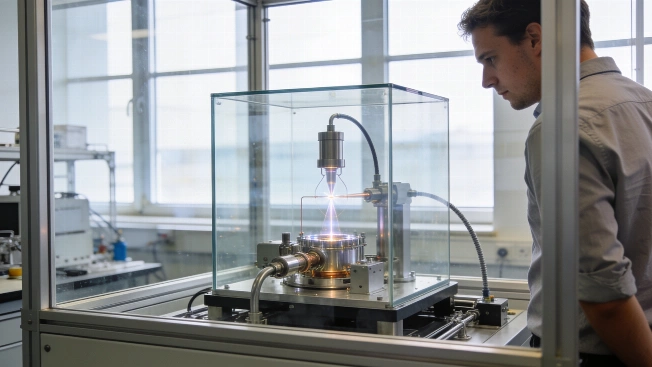
Pasqal Moves Its Quantum Roadmap Beyond Defense Procurement
Pasqal has completed the first phase of France's PROQCIMA defense program and is shifting its public-sector collaboration toward a proposed civil R&D track for fault-tolerant neutral-atom quantum computing after its Nasdaq debut.
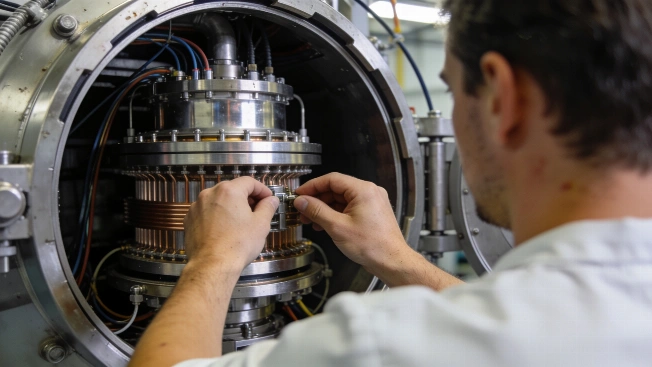
Quantum Computing Faces Its Hardest Test Beyond Qubit Counts
Quantum processors are no longer judged only as faster classical machines. Their value depends on whether real workloads can be mapped to quantum evolution and run reliably within hybrid systems with effective error correction.
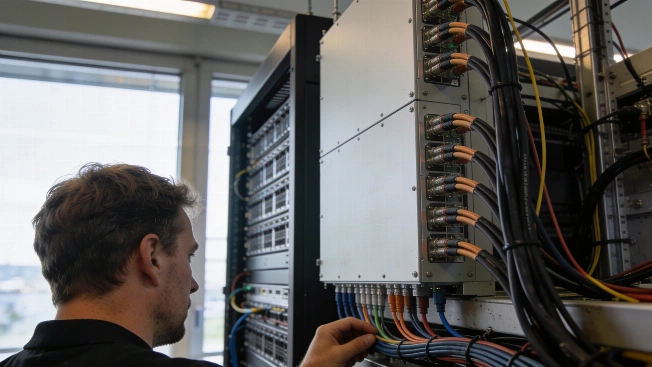
Qambria Raises $2.4M for Quantum Control Infrastructure
Swiss startup Qambria has raised CHF 2 million to develop vendor-neutral software that links quantum processors with high-performance computing systems and handles real-time control tasks.
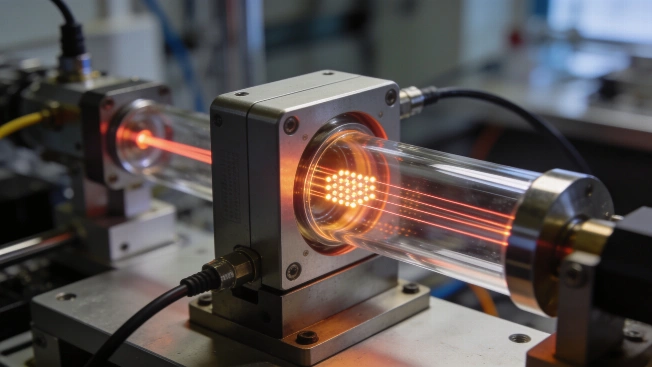
Infleqtion Entangles 30 Logical Qubits on Neutral Atoms
On September 24, 2026, Infleqtion said its commercial Sqale neutral-atom processor had entangled 30 logical qubits using 80 physical qubits. The demonstration combined encoded atom blocks with dynamic shuttling, a lower-overhead logical gate and software-assisted loss recovery.
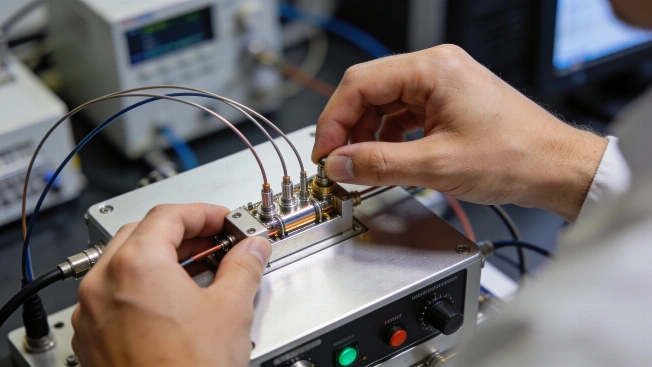
AI Design System Cuts Simulated Quantum Error Rates 14.6-Fold
QC Design says its Meridian platform reduced evaluated logical error rates by a median factor of 14.6 across more than 100 quantum fault-tolerance design tasks. The company tested architectures against hardware noise in simulation.
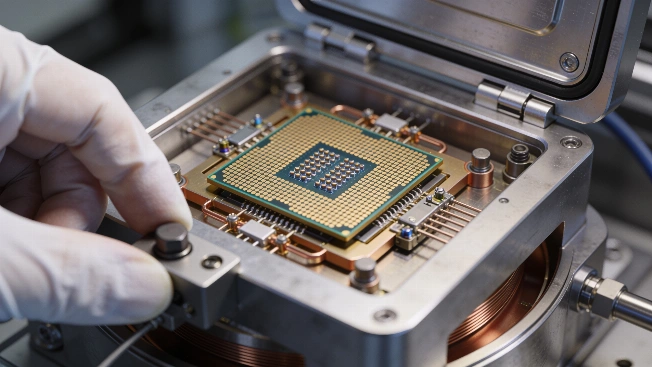
Surface Codes Put Logical Qubits on Trial for Patent Eligibility
Surface codes could protect logical qubits from physical errors, yet their patent claims may face an abstractness challenge unless they are tied to a specific quantum computing system and a measurable implementation.
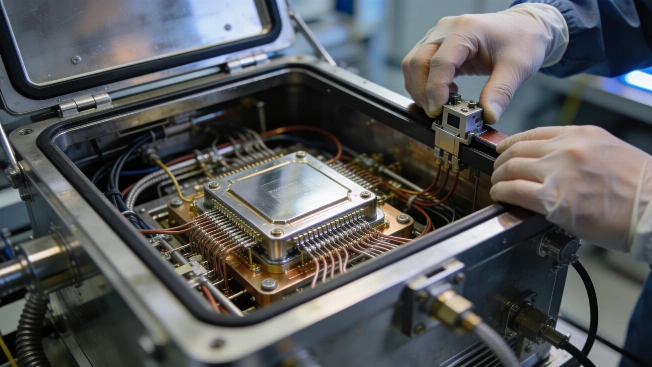
Q-CTRL Outperforms IBM Error Suppression on 156-Qubit Heron
An arXiv benchmark on IBM's 156-qubit Heron processor finds that Q-CTRL led exact-output sampling, while Qedma delivered the lowest estimator error at a much higher QPU time cost.
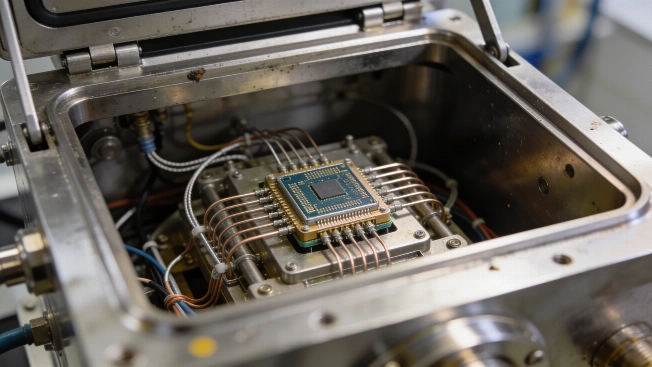
Germany Selects QUDORA Consortium for 1000 Qubit Quantum Project
Germany has invited a QUDORA-led consortium to submit a full proposal for a five-year trapped-ion machine targeting 1,000 physical qubits, 50 logical qubits and semiconductor-compatible quantum control.
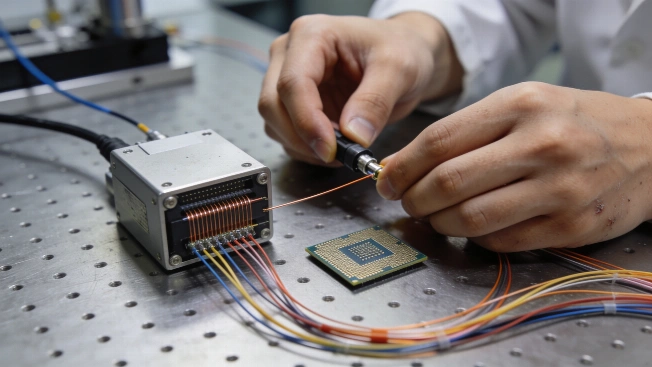
Quantum Resource Estimation Adds Distributed Photonic Architectures
Microsoft and Photonic are adapting an open-source quantum resource estimator for modular systems, enabling developers to model physical-qubit counts, runtime and optical-networking overhead before distributed hardware is available.
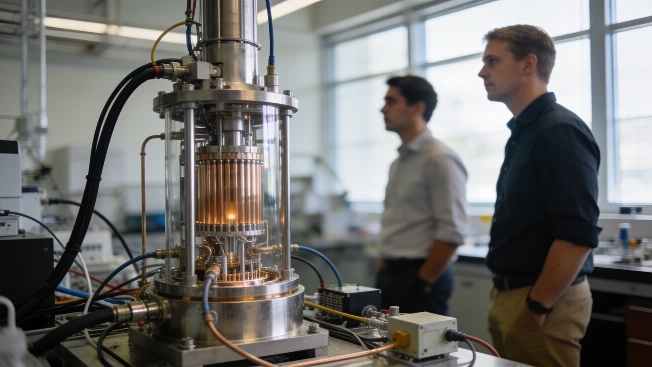
Maryland Is Building Quantum Infrastructure Before the Market
Maryland's quantum strategy now links federal benchmarking with university research funding, hands-on training and company laboratories across five hardware approaches, creating an environment whose value depends on reproducible testing and commercial results.
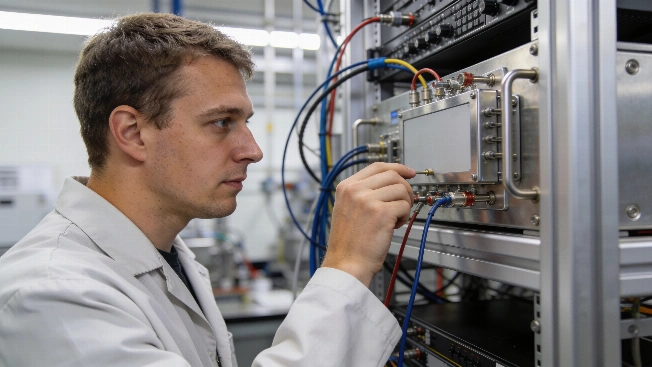
Microsoft Builds Maryland Hub for Quantum Hardware Verification
Microsoft has opened a 15,000-square-foot Maryland center where DARPA can physically test Majorana 2 and research partners can develop quantum hardware, control systems, and software, without yet establishing a useful fault-tolerant machine.
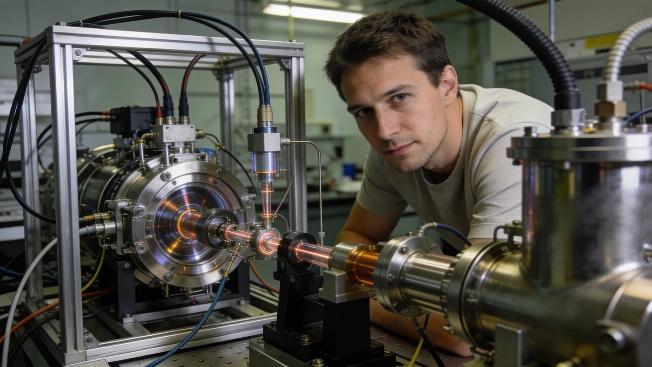
Quantum Utility Starts With Chemistry Not Qubit Counts
Matthias Troyer's assessment of quantum computing points to chemistry as the clearest near-term application. Error correction, data movement, hardware architecture and end-to-end cost will determine whether larger systems become scientifically useful.
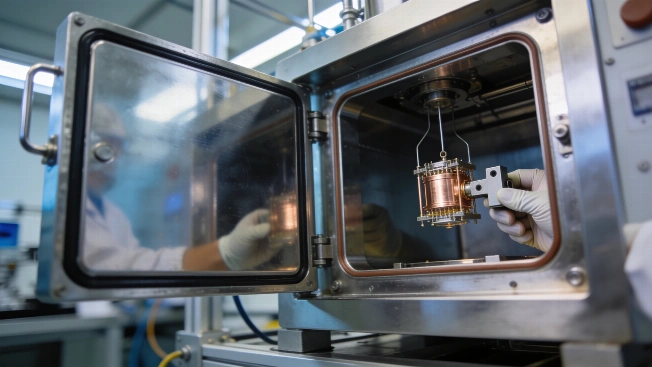
IBM Hybrid Error Mitigation Cuts Quantum Sampling Overhead 63-Fold
IBM researchers tested a hybrid protocol on a 27-qubit superconducting processor, recovering Ising-model magnetization while reducing inferred error-mitigation sampling overhead by up to 63-fold.
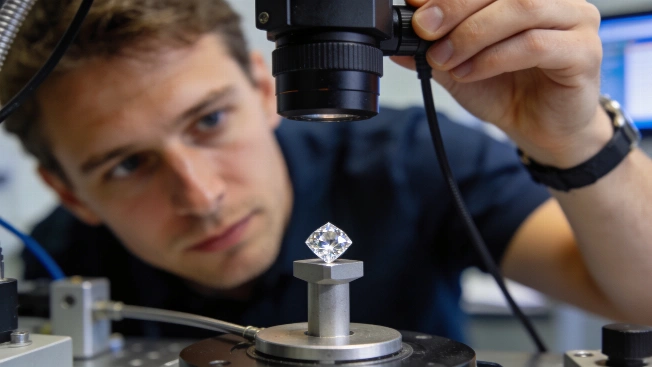
Diamond Spin Register Entangles Four Qubits in 14.8 Microseconds
University of Pennsylvania researchers entangled an electron spin with three nuclear memory qubits in diamond at room temperature using a single dynamical decoupling sequence instead of a chain of pairwise gates.
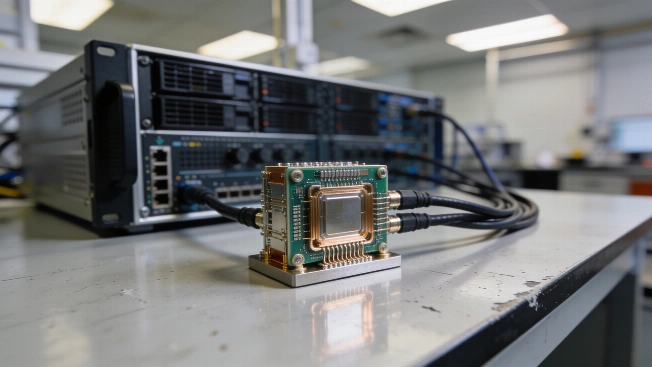
Dell and Diraq Place Silicon Qubits Beside HPC Servers
Diraq and Dell Technologies have installed a Dell HPC cluster beside Diraq's silicon spin-qubit hardware in Sydney to test real-time orchestration, calibration and quantum-classical control workflows without claiming quantum advantage.
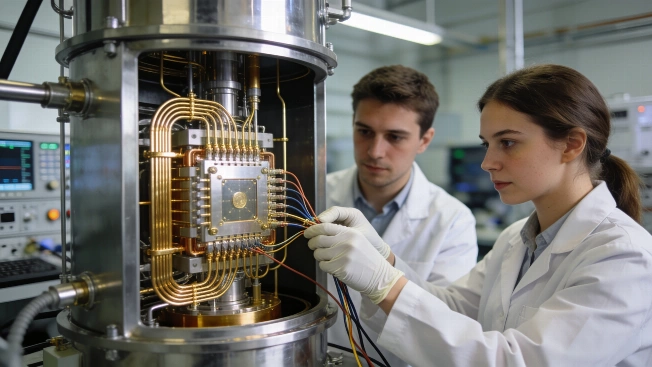
Surface code error suppression tested on IBM heavy-hex quantum processors
A team from the University of Southern California and Quantum Elements has experimentally tested surface code error suppression on IBM's 156-qubit heavy-hex superconducting processors, challenging assumptions about lattice geometry and quantum error correction.
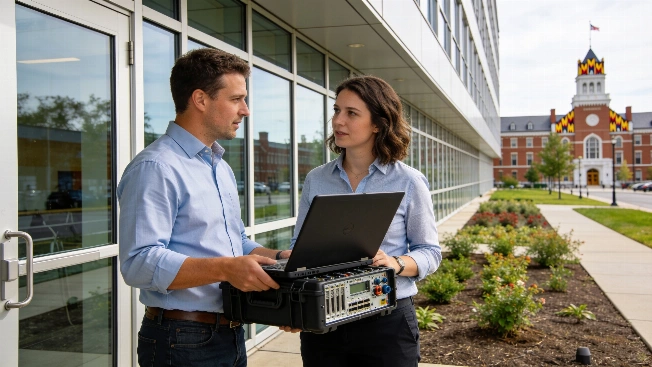
Riverlane opens US quantum error correction hub in Maryland
Riverlane has established its US headquarters in Maryland's Discovery District to accelerate real-time quantum error correction projects and strengthen ties with quantum hardware makers and academic researchers.
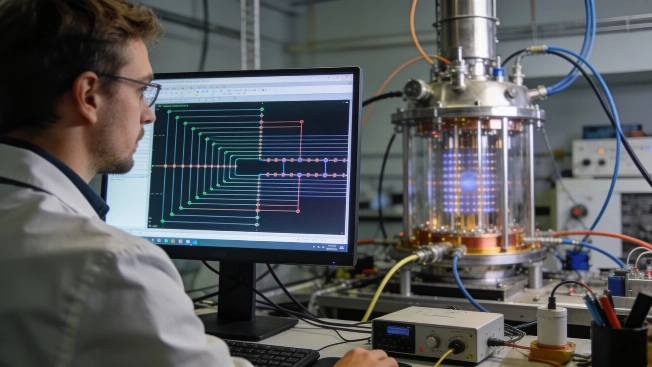
Erasure Noise Simulator Targets Quantum Error Mitigation in Qiskit Circuits
Oxford Quantum Circuits has launched erado, a Python library that simulates erasure noise and post-selection in Qiskit circuits. The tool enables researchers to test error mitigation strategies before running algorithms on superconducting quantum hardware.
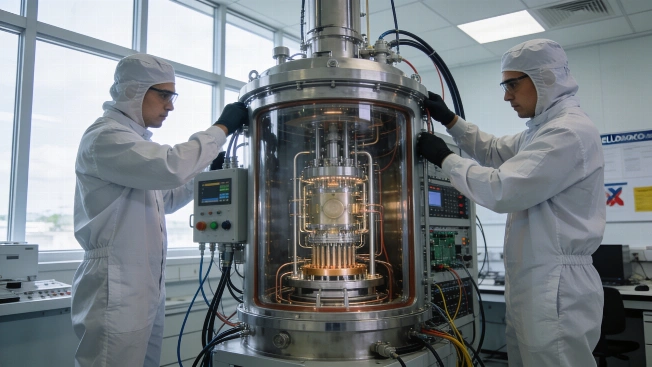
Brazilian Research Institute Orders On-Premises Superconducting Quantum Computer
IQM Quantum Computers will supply its IQM Spark superconducting quantum system to Brazil's Eldorado Research Institute, marking the first time a private research institution in South America has ordered an on-site quantum computer.
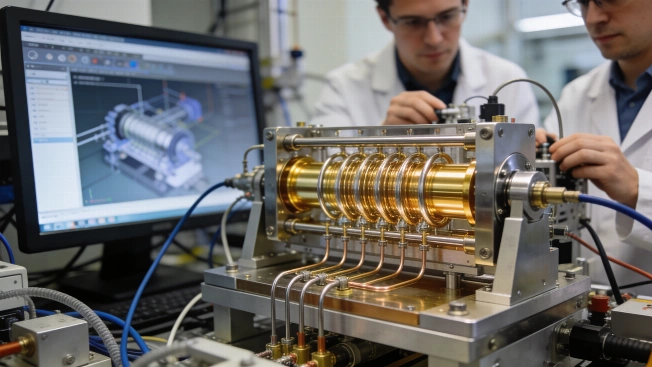
Trapped-ion quantum processor trims engineering simulation time by 14 percent
IonQ, Synopsys, and NVIDIA have linked a trapped-ion quantum processor with large-scale engineering simulation software, reporting up to 14.6% total runtime savings in benchmarked industrial workloads.
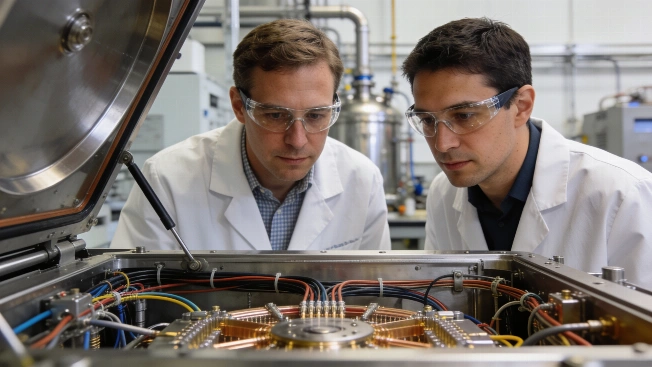
DOE launches $215 million competition for logical qubit quantum computers
The US Department of Energy is offering $215 million to teams that can build quantum computers with at least 100 logical qubits and run hundreds of millions of fault-tolerant operations, alongside a $45 million program for independent hardware benchmarking.
Part 2 of 7