
National Science Foundation
32 reportsThe evidence base around National Science Foundation is examined through merit-review processes, together with competitive research grants and major scientific facilities. Reporting on merit-review processes draws on award records and is then checked against facility outputs; confidence is limited by the fact that funding decisions indicate support for a proposal rather than confirmation of its eventual findings.
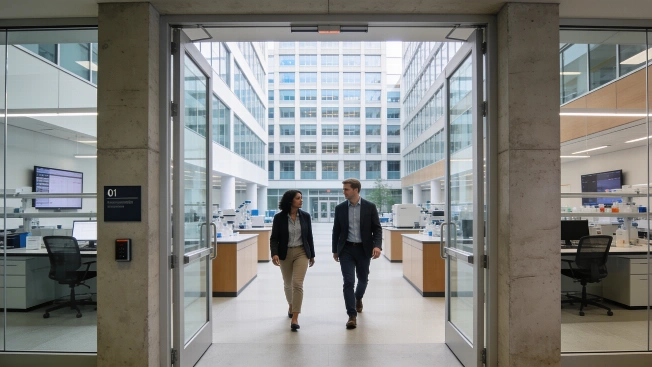
QuantumCT Opens New Haven Hub to Anchor Connecticut's Quantum Corridor
QuantumCT opened its 4,500-square-foot hub at 101 College Street in New Haven on October 7, 2026, creating a shared base for researchers, students, entrepreneurs and industry partners while Connecticut expands its quantum and biomedical corridor.
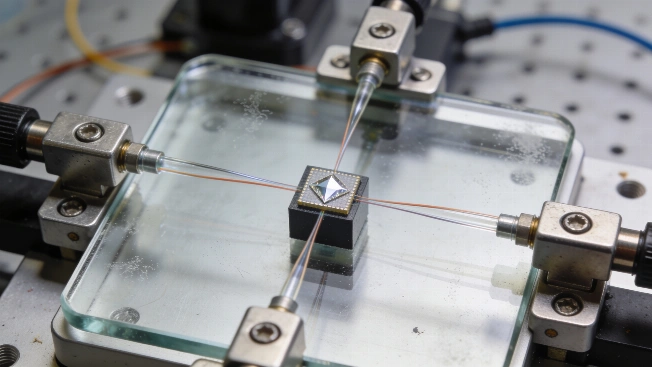
Quantum Sensor Network Research Wins $600,000 NSF Grant
A three-year NSF award, beginning June 1, 2026, will fund a Stony Brook and University of Hawaiʻi collaboration on entangled sensor nodes using squeezed-light photonics and diamond spin centers under realistic noise.
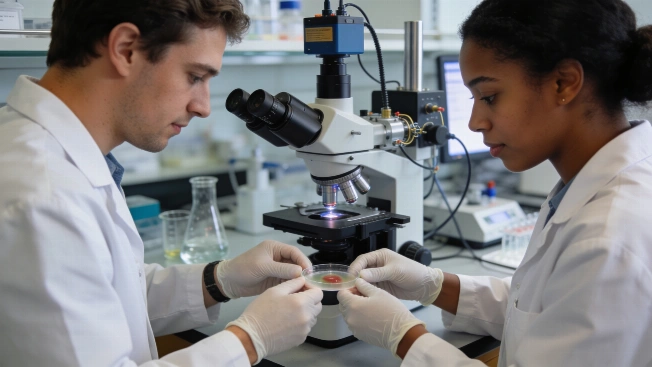
UCSB Joins Three NSF Quantum Institutes in $290M Renewal
UC Santa Barbara researchers will participate in three NSF Quantum Leap Challenge Institutes within a $290 million, five-year portfolio spanning quantum hardware, manufacturing partnerships and workforce development.
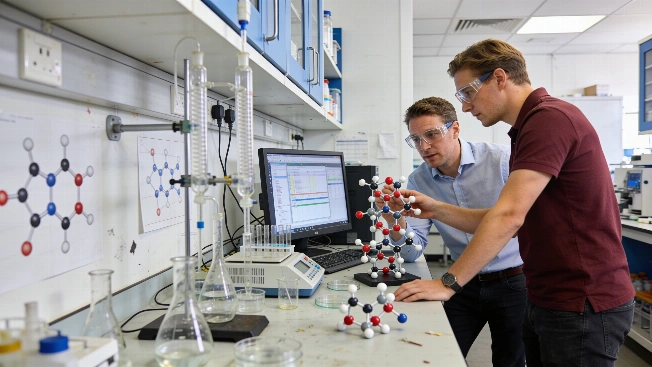
US and UK Back Eight Teams to Engineer Molecular Quantum States
A new $10 million joint program from the US National Science Foundation and UK Research and Innovation will support eight research teams working to control quantum coherence and entanglement in complex molecular systems.
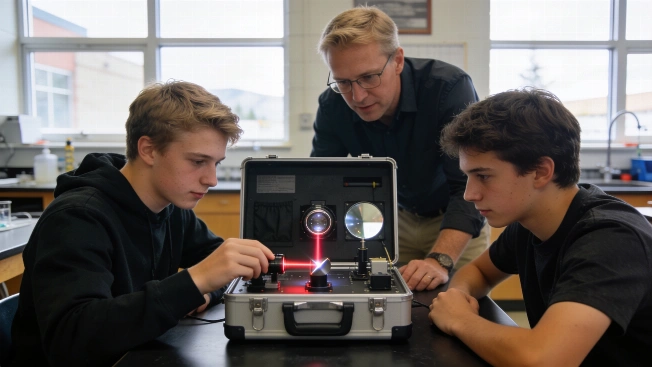
Casper College launches quantum education program with NSF funding
Casper College has secured a $444,059 National Science Foundation grant to build a statewide quantum workforce pipeline, distributing experimental kits and launching new educational programs across Wyoming
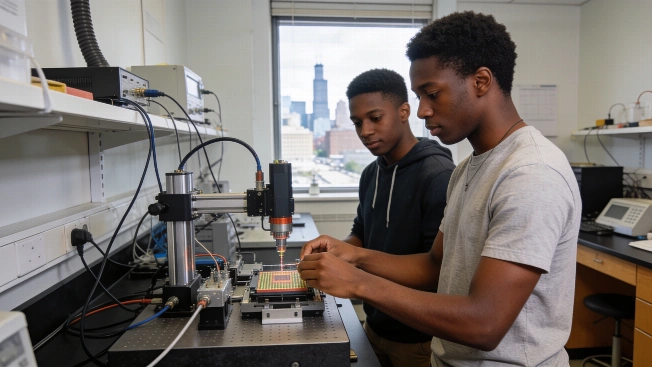
Chicago State University launches CQuEST Center for quantum and semiconductor training
Chicago State University has opened the CQuEST Center, bringing quantum information science and semiconductor technology education to the South Side, with direct access to labs and paid internships for students.
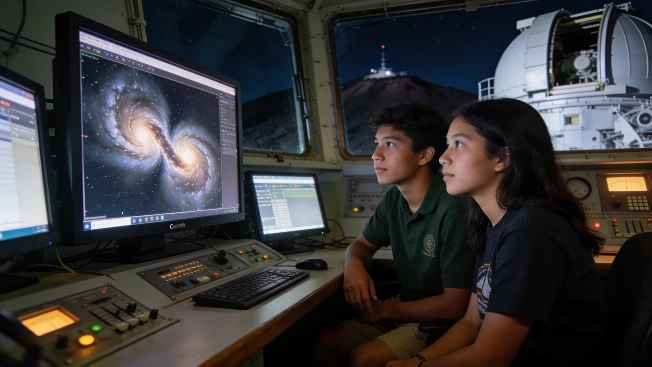
Gemini North Telescope Captures Spiral Galaxies in Active Merger
A new image from the Gemini North telescope on Maunakea reveals two spiral galaxies, NGC 7253, in the process of merging. The observation, led by local students, highlights the dynamic interactions that drive galaxy evolution
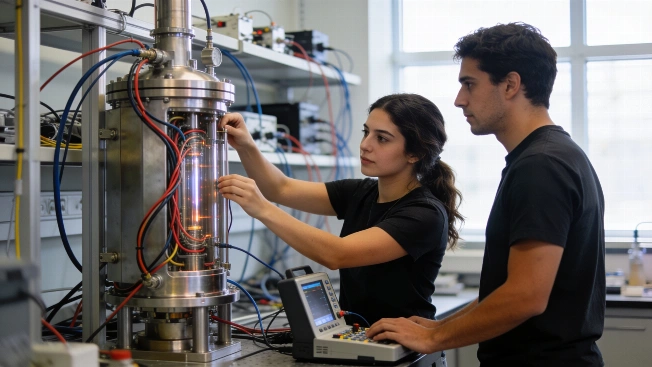
California Invests $9.74M to Expand Quantum Research Infrastructure
California has allocated $9.74 million to strengthen quantum research and workforce development in Southern California, supporting new infrastructure, shared testing, and regional coordination led by UCLA and partner institutions

Citizen Scientists Capture Total Solar Eclipse in Spanish Village
A team of citizen scientists and astronomy enthusiasts gathered in Valoria la Buena, Spain, to observe and document the total solar eclipse on August 12, using telescopes and live data feeds to study the Sun's corona under rare atmospheric conditions
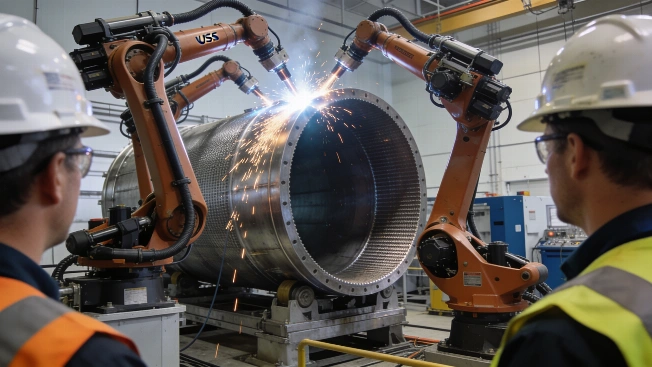
US Labs Test Large-Scale Metal 3D Printing for Nuclear Vessels
Oak Ridge and Idaho National Laboratories have demonstrated wire arc additive manufacturing to produce steel pressure vessels for nuclear energy, aiming to address US forging capacity limits and accelerate component qualification
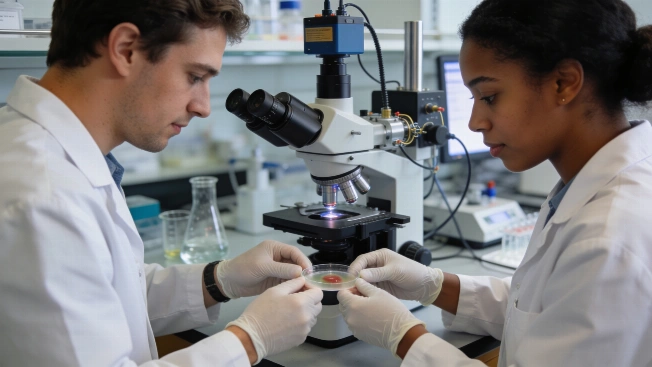
NSF Funds Next-Generation Quantum Sensing for Biomedicine
The National Science Foundation has committed $290 million to eight Quantum Leap Challenge Institutes, including a $37.5 million renewal for the University of Chicago-led QuBBE, aiming to advance quantum sensors for biomedical research and clinical translation
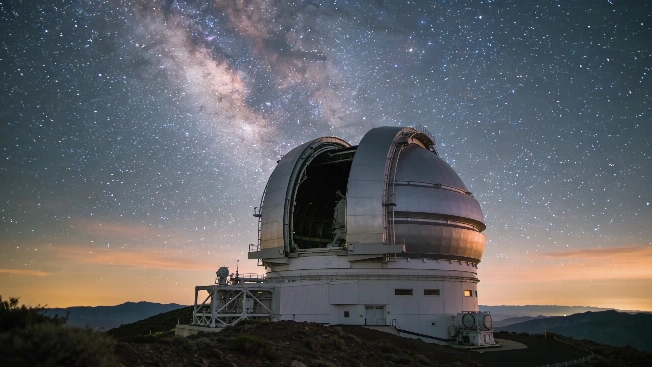
Dark Energy Camera Reveals Ancient Stars and Stellar Birth in Corona Australis
A new image from the Dark Energy Camera on the Blanco 4-meter Telescope captures the Corona Australis Molecular Cloud, highlighting both newborn stars and one of the oldest star clusters in the Milky Way
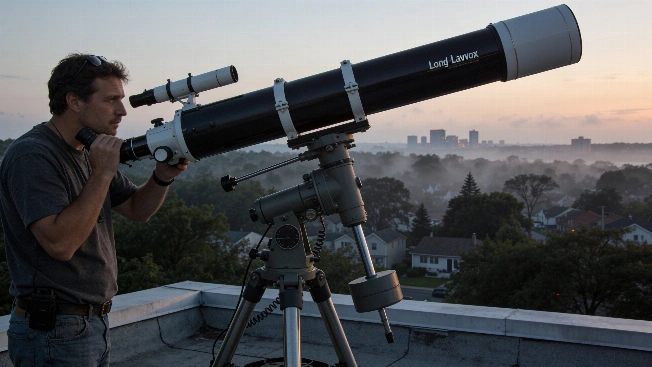
Brookhaven and Stony Brook Send Entangled Photons 21 km Through Open Air
A team at Brookhaven National Laboratory and Stony Brook University has established a 21-kilometer free-space quantum link, transmitting single and entangled photons across the atmosphere to connect metropolitan quantum network nodes under real-world conditions
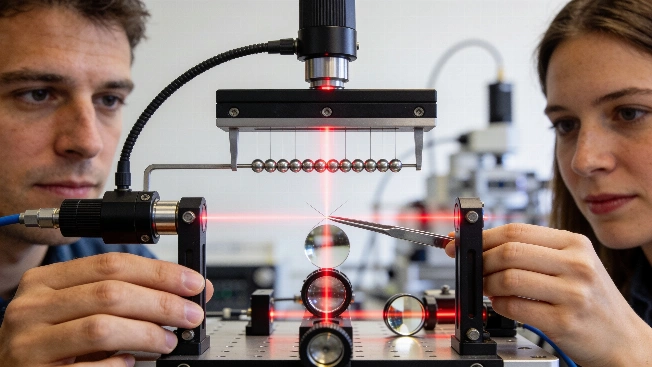
Neutral-Atom Quantum Simulator Probes 2D Conformal Field Theory Spectra
A Caltech-led team has directly measured finite-size energy excitation spectra predicted by two-dimensional conformal field theory, using a neutral-atom quantum simulator based on strontium atom chains and Rydberg interactions
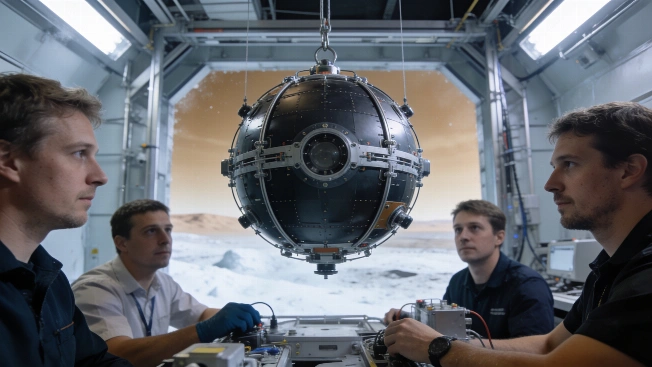
NASA Backs Spherical Aerobots to Probe Titan's Subsurface Caves
A NASA-funded study is developing small, spherical flying robots designed to explore the hydrocarbon caves and sinkholes of Saturn's moon Titan, using solid-state ion propulsion to overcome terrain that would defeat conventional rovers
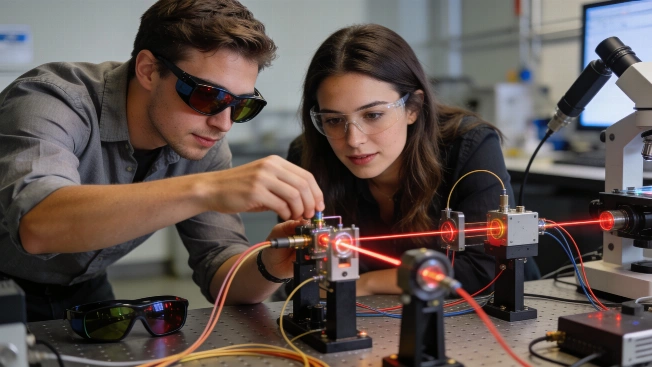
Mountain West Quantum Alliances Launch Unified Testbed Network
A new agreement connects Colorado, Wyoming, and Montana quantum innovation hubs, opening shared testbeds and commercialization programs for advanced sensing, photonics, and quantum optics technologies

Astronomers Map 4 Billion Cosmic Objects in Largest 2D Sky Survey
A new 2D map of the universe, built from 13 years of ground and space-based observations, catalogs 4 billion stars, galaxies, and other objects, offering an unprecedented resource for future astronomical research
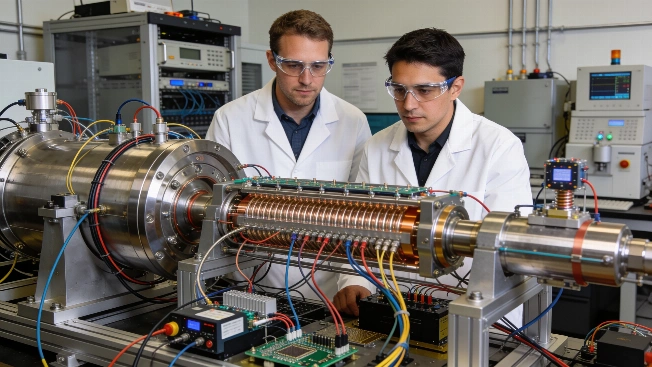
Utah Launches Quantum Initiative to Coordinate Research and Industry
Utah has established a statewide Quantum Initiative, aiming to align research, advanced manufacturing, and commercialization in quantum technologies. The program will coordinate policy, workforce, and infrastructure to support quantum hardware and applications.
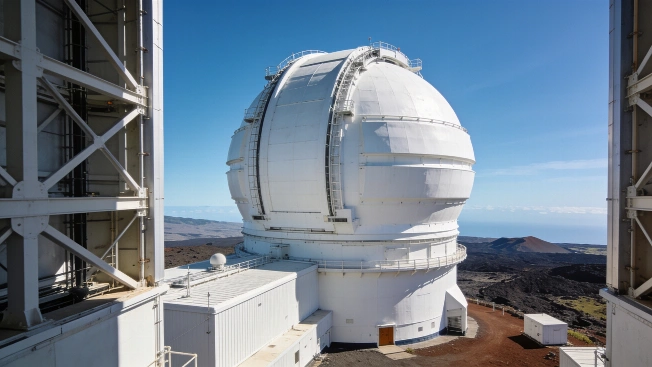
Inouye Solar Telescope Resolves Unprecedented Detail on Sun's Surface
The Inouye Solar Telescope has produced the highest-resolution images yet of the Sun's surface, revealing dynamic plasma structures and confirming a long-suspected fluid instability in solar plasma
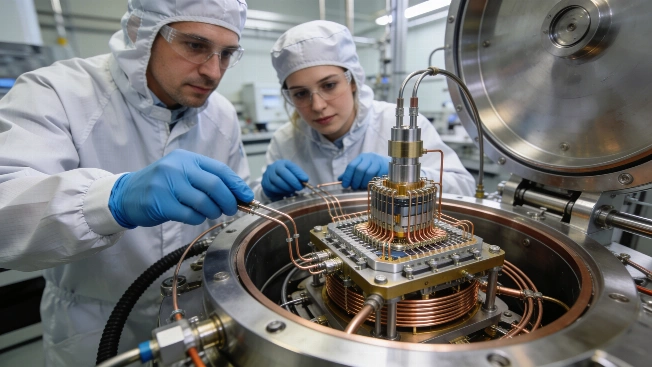
D-Wave Reports Quantum Hardware Progress and Bookings Growth in 2026
D-Wave Quantum Inc. has released its Q2 2026 results, highlighting a surge in bookings, expanded commercial adoption, and technical milestones in both annealing and gate-model quantum computing platforms
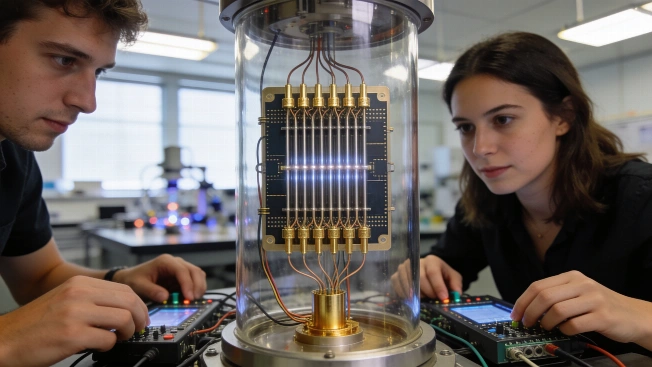
UCLA Consortium Targets 60 Logical Qubits in Trapped-Ion Quantum Design
A UCLA-led team has received $4 million from the National Science Foundation to develop a trapped-ion quantum computer architecture aiming for 60 logical qubits, with a focus on error correction and digital quantum simulation beyond classical reach
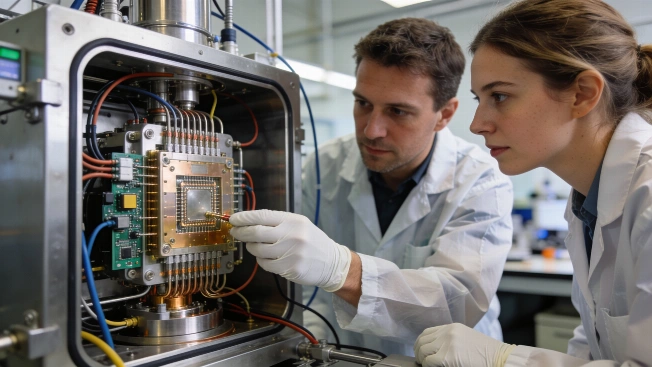
Rigetti Reports Revenue Growth and U.S. CHIPS Act Quantum Funding
Rigetti Computing has reported a sharp increase in revenue, new U.S. government funding under the CHIPS Act, and a partnership with Hewlett Packard Enterprise to deploy superconducting quantum processors in hybrid supercomputing environments
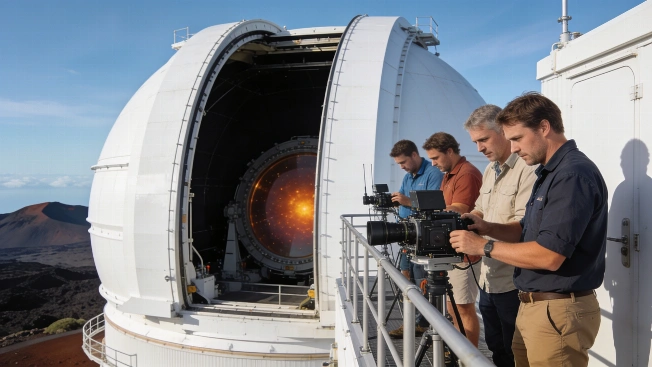
Solar Telescope Reveals Long-Predicted Plasma Vortices on Sun's Surface
High-resolution images from the Daniel K. Inouye Solar Telescope have captured thousands of plasma whirlpools on the Sun's surface, providing direct evidence for a phenomenon predicted over a century ago and offering new insight into solar atmospheric heating
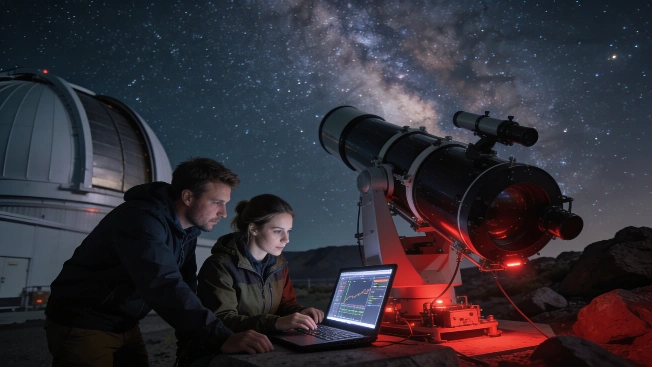
Faint X-ray Flash Reveals Unusual Supernova in Nearby Galaxy
A brief X-ray signal detected by China's Einstein Probe in March 2026 has allowed astronomers to observe the earliest moments of a rare Type Ic supernova, offering new insight into how massive stars end their lives
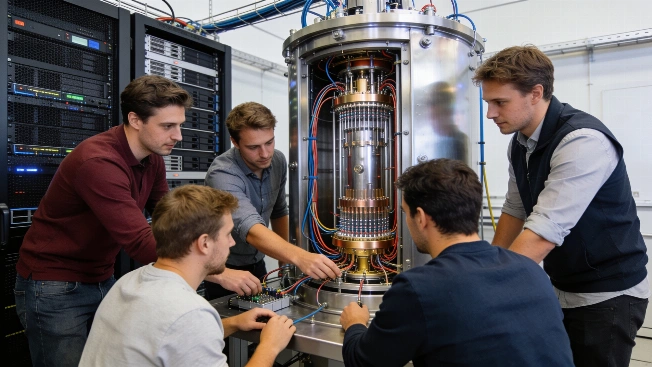
Hybrid Quantum-Classical Testbed Planned at Pittsburgh Supercomputing Center
Rigetti Computing, Hewlett Packard Enterprise, and the Pittsburgh Supercomputing Center will build a hybrid quantum-classical testbed integrating a 9-qubit superconducting processor with high-performance computing infrastructure
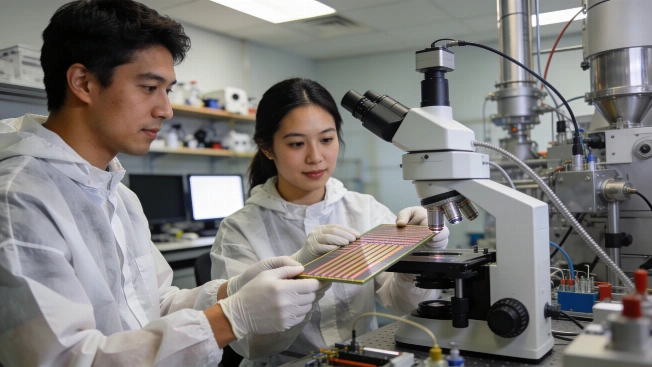
UC San Diego Awarded $18M to Advance Quantum Materials Research
UC San Diego has secured $18 million in NSF funding to develop quantum metamaterials and chemically engineered 2D superlattices, shifting its MRSEC center's focus to foundational quantum hardware and workforce training
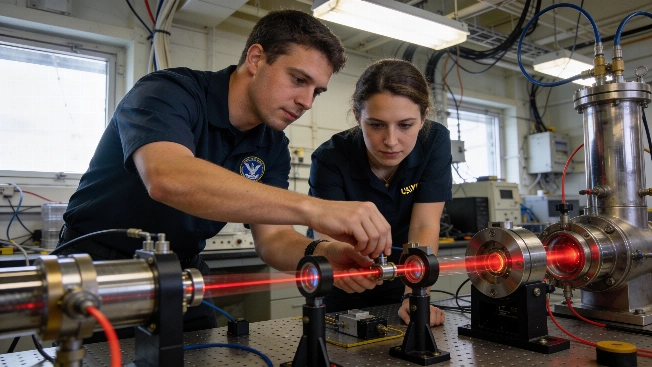
US Naval Research Lab Sets Quantum Technology Priorities for Defense
The US Naval Research Laboratory has detailed its Quantum Science Institute's operational roadmap, focusing on quantum sensing, computing, networking, and materials to address defense and maritime needs under new federal directives
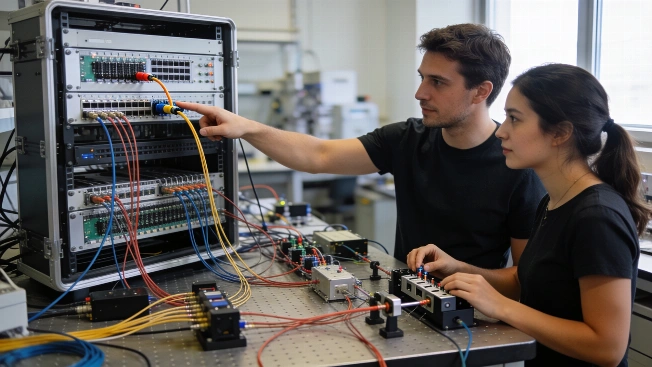
Quantum Networking Roadmap Reveals Gaps in Scalable Infrastructure
A new roadmap from QED-C and the Center for Quantum Networks details the technical and engineering barriers that limit current quantum networking applications, highlighting the need for advances in switches, repeaters, and satellite links
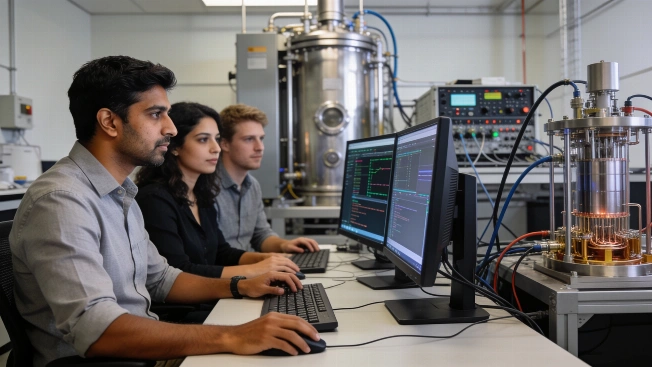
Rice University Targets Real-Time Quantum Error Correction Decoding
Rice University has joined the Quantum Science Center to develop and test quantum error-correction decoding algorithms for high-performance computing systems, aiming to address the latency and scalability challenges in fault-tolerant quantum computing
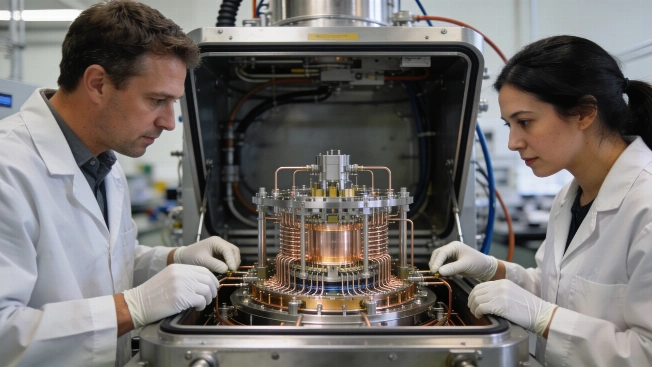
IBM Offers Quantum Compute Access for DOE Genesis Mission Research
IBM has pledged $50 million in quantum processor access over five years to support the U.S. Department of Energy's Genesis Mission, enabling national lab and academic researchers to run experiments on utility-scale superconducting quantum hardware
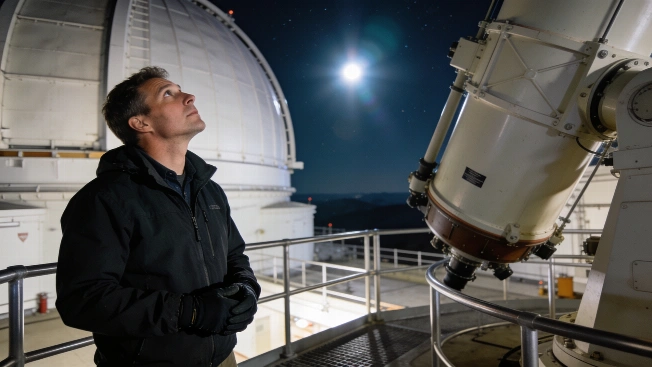
Astronomers Warn of Night Sky Risks From Sun-Reflecting Satellite
A private company has received regulatory approval to launch a satellite equipped with a large reflective surface, aiming to direct sunlight to Earth after dark. Astronomers and scientific organizations are raising concerns about the impact on astronomical observations and public safety.
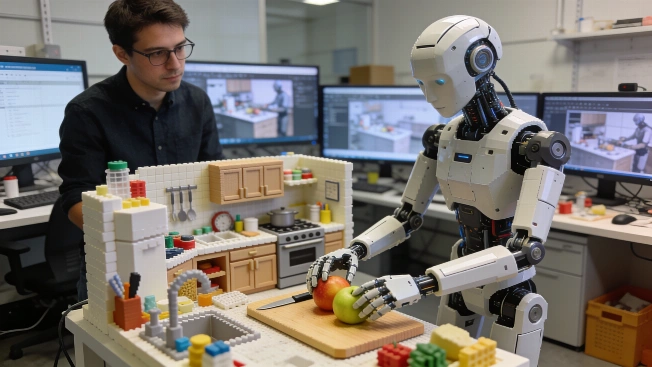
AI agents build complex 3D training worlds for robot learning
Researchers at MIT and Toyota Research Institute have developed SceneSmith, a system that uses collaborative AI agents and vision-language models to generate detailed 3D environments for robotics simulation and training