
Quantum Entanglement
28 reportsThe main lines of inquiry around Quantum Entanglement include symmetries and limiting cases; connections to other theories; and open theoretical questions. For questions involving connections to other theories, the account uses quantitative predictions as the measured record and precision measurements to expose uncertainty; the evidence is read with the caveat that agreement within one regime does not guarantee validity beyond tested conditions.
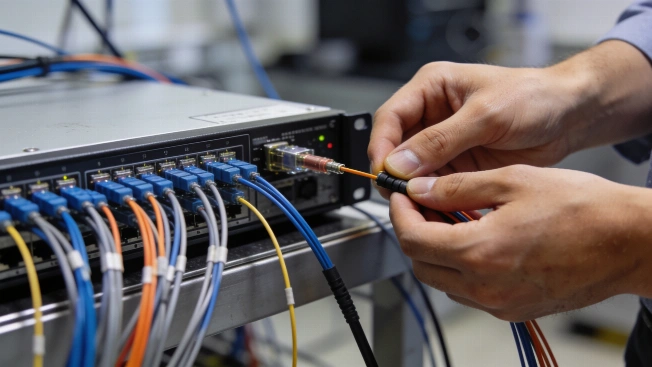
Cisco Targets Quantum Networks With Entanglement Control Software
Cisco has released research prototypes that let quantum software request entanglement across networked QPUs while a compiler accounts for optical loss, switching delays and distributed error-correction constraints
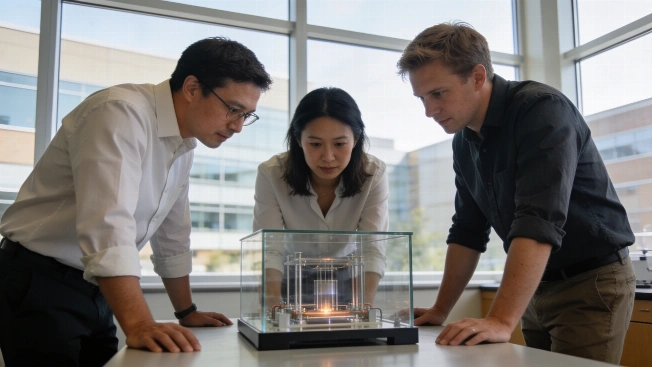
Midwest Quantum Collaboratory Reaches Eight Universities
The Midwest Quantum Collaboratory has become an eight-university consortium after UIC and other regional institutions joined a network focused on quantum research, knowledge sharing and workforce development.
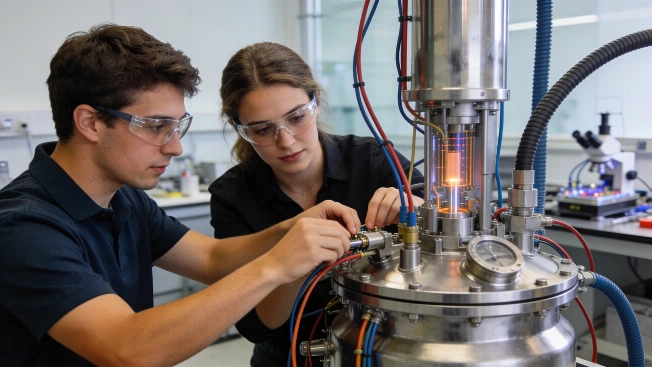
FSU Wins $2.1M to Build Quantum Communication Testbed
Florida State University will build a campus-scale quantum communication testbed linking engineering and high-field facilities to study entangled photons under turbulence, magnetic fields and cryogenic cycling.
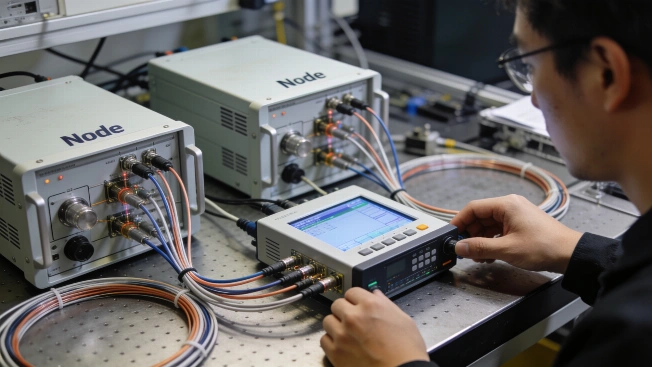
Entanglement Swapping Faces a Patent Eligibility Test
Entanglement swapping could link distant quantum nodes through a Bell-state measurement, but a patent claim may fail if it captures only quantum mechanics without a specific hardware advance
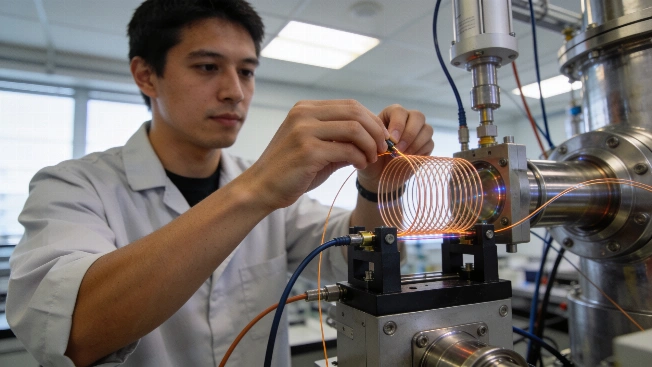
California Moves to Build Quantum and Fusion Infrastructure
California has signed fusion and advanced nuclear legislation while directing $30 million toward quantum and deep-space research, including university laboratories, startup partnerships and semiconductor infrastructure.
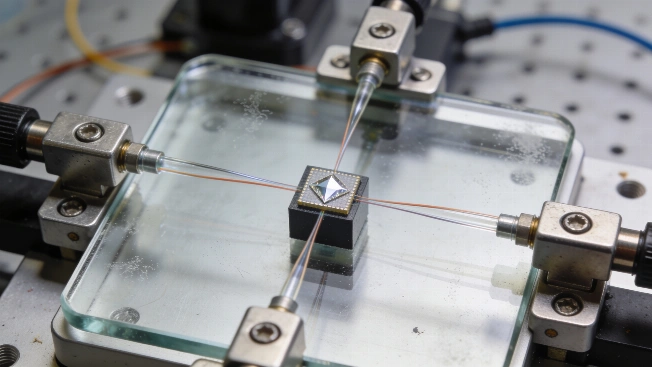
Quantum Sensor Network Research Wins $600,000 NSF Grant
A three-year NSF award, beginning June 1, 2026, will fund a Stony Brook and University of Hawaiʻi collaboration on entangled sensor nodes using squeezed-light photonics and diamond spin centers under realistic noise.
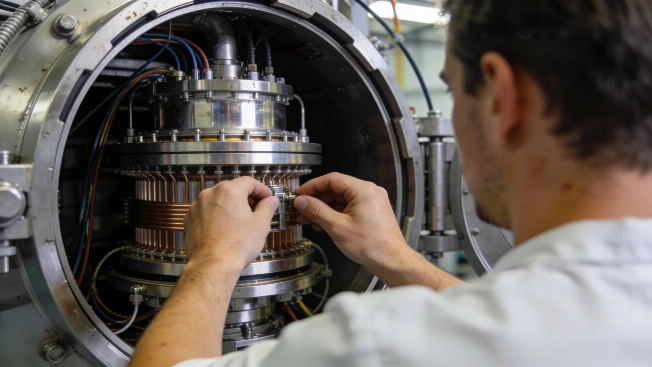
Quantum Computing Faces Its Hardest Test Beyond Qubit Counts
Quantum processors are no longer judged only as faster classical machines. Their value depends on whether real workloads can be mapped to quantum evolution and run reliably inside hybrid systems with effective error correction.
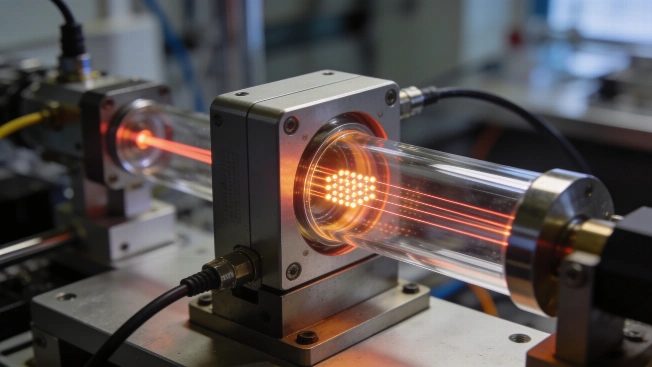
Infleqtion Entangles 30 Logical Qubits on Neutral Atoms
Infleqtion announced on September 24, 2026, that its commercial Sqale neutral-atom processor had entangled 30 logical qubits using 80 physical qubits. The demonstration combined encoded atom blocks, dynamic shuttling, a lower-overhead logical gate and software-assisted loss recovery.
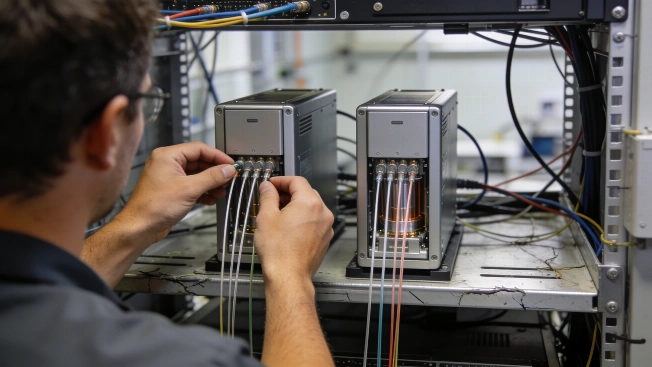
memQ Releases Compiler for Heterogeneous Quantum Networks
memQ has released an open-source compiler that converts monolithic quantum circuits into network-aware execution graphs and models entanglement costs across heterogeneous QPUs
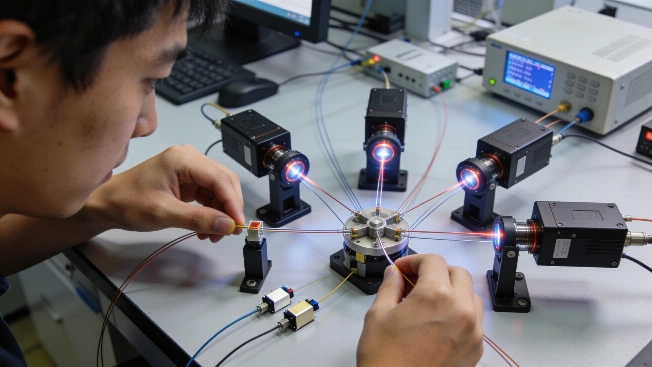
Nanjing Team Brings Asynchronous Quantum Conferencing to 59.6 dB Loss
Nanjing University has demonstrated a three-user measurement-device-independent quantum conferencing network that retains O(η) loss scaling and uses timestamped event pairing and software phase correction instead of global laser locking.
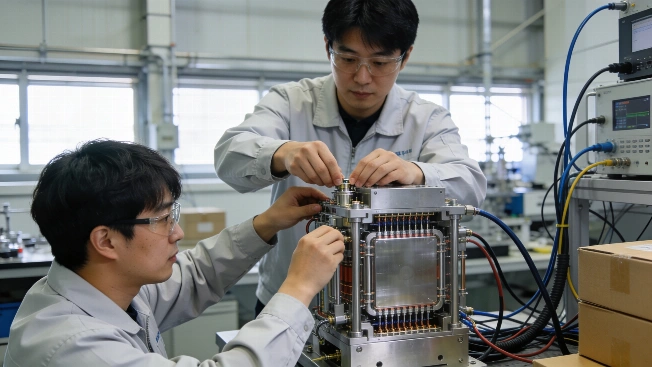
IonQ Brings Quantum Hardware to South Korea
IonQ and South Korea's SDT announced a multi-year partnership on September 21, 2026, covering deployment of a Superion 256 quantum system, silicon-vacancy memory modules, local hardware integration and a planned hybrid quantum-classical facility for medical and biomedical research.

Diamond Spin Register Entangles Four Qubits in 14.8 Microseconds
University of Pennsylvania researchers entangled an electron spin with three nuclear memory qubits in diamond at room temperature using one dynamical decoupling sequence rather than a chain of pairwise gates
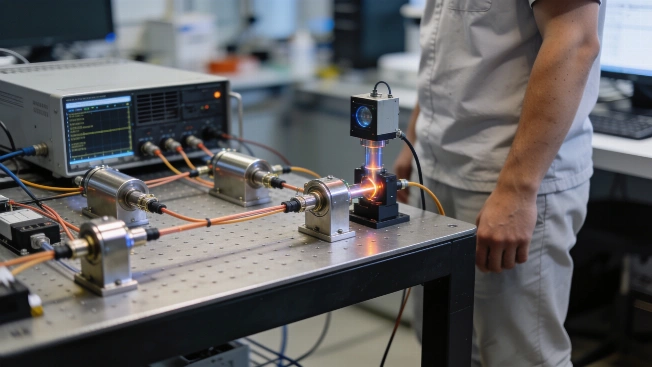
Quantum B Secures European Patent for Entanglement Consensus
Quantum B has received European Patent EP 4462727 for a Quantum Conference Key Agreement protocol that uses multipartite entanglement to help independent network nodes reach consensus, although no deployment or performance benchmark has yet been reported.

US and UK Back Eight Teams to Engineer Molecular Quantum States
A new $10 million joint program from the US National Science Foundation and UK Research and Innovation will support eight research teams working to control quantum coherence and entanglement in complex molecular systems.
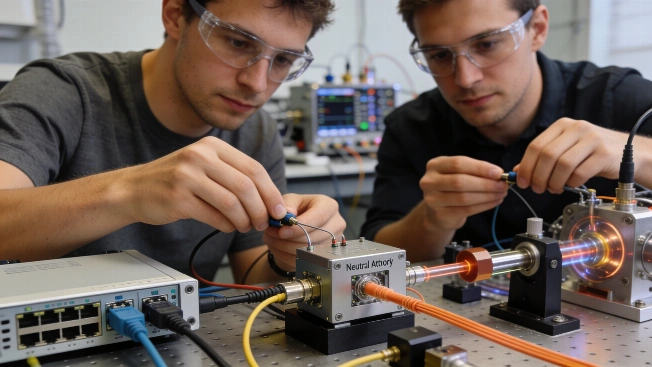
Infleqtion and Cisco test neutral-atom quantum network integration
Infleqtion and Cisco have begun joint R&D to connect neutral-atom quantum memory and processing units with telecom-compatible network switches, aiming to address the physical and protocol challenges of distributed quantum computing
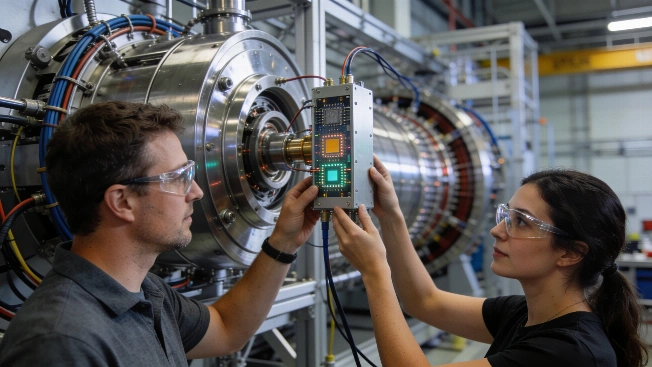
DOE Funds Quantum Sensors for High-Energy Physics Experiments
The U.S. Department of Energy is investing $7.3 million in eight collaborative projects to integrate quantum information science tools into particle accelerator and neutrino experiments, aiming to probe phenomena beyond the reach of classical detection
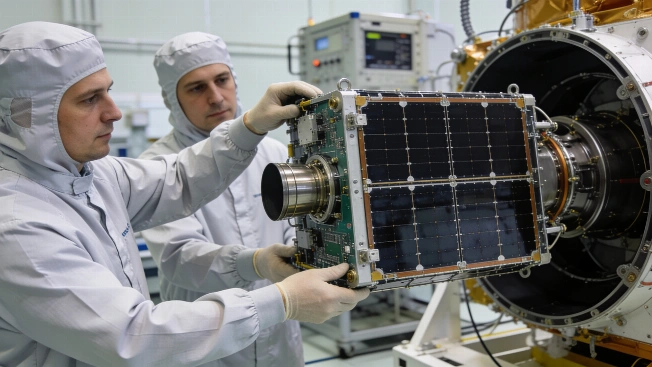
Skyloom Deploys 84 Optical Terminals for Secure Space-Based Networks
Skyloom Global, now part of IonQ, has installed 84 optical communication terminals in low-Earth orbit, supporting the U.S. Space Development Agency's secure mesh network for military data transfer and future quantum networking applications

Brookhaven and Stony Brook Send Entangled Photons 21 km Through Open Air
A team at Brookhaven National Laboratory and Stony Brook University has established a 21-kilometer free-space quantum link, transmitting single and entangled photons across the atmosphere to connect metropolitan quantum network nodes under real-world conditions
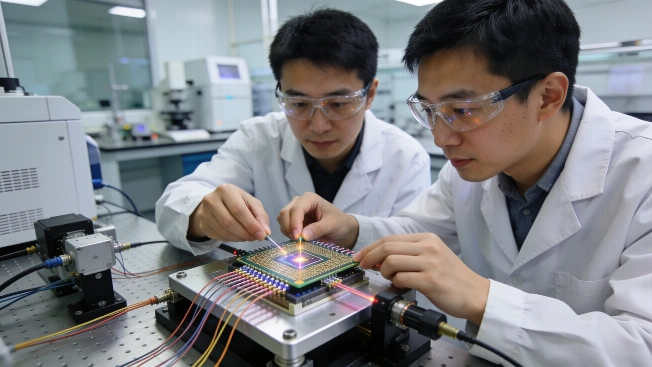
16-Qubit Photonic Quantum Processor Demonstrated on Silicon Chip
A team from Hefei Guizhen Chip Technology and USTC has built a 16-qubit measurement-based quantum computing system on a silicon photonic chip, achieving high-fidelity operation using high-dimensional path encoding
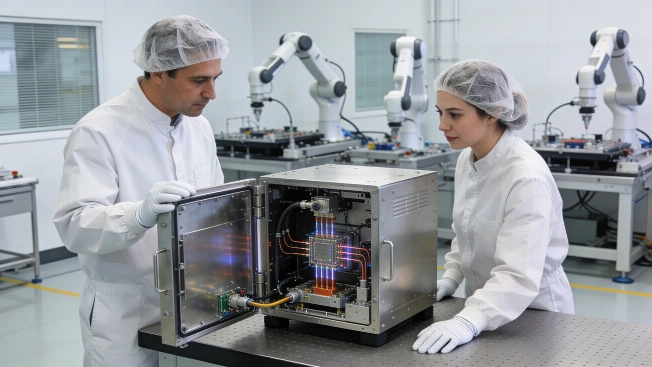
Qunnect and Monarch Target Scalable Quantum Network Hardware
Qunnect and Monarch Quantum have announced a partnership to develop modular, miniaturized entanglement distribution hardware for quantum networks, aiming to reduce system size and cost through advanced photonic manufacturing techniques
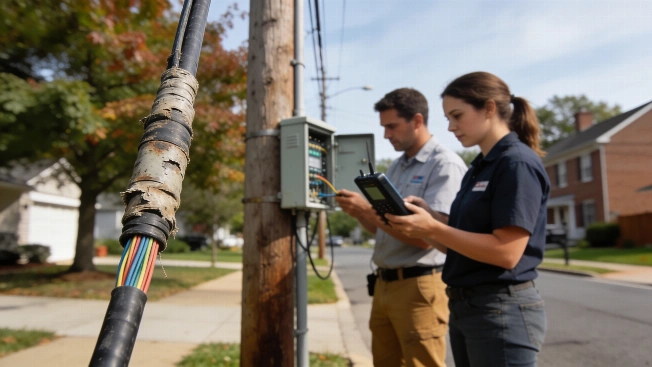
Entangled Photons Sent Over 62 km of Live Aerial Fiber in Maryland
A team from NIST, the University of Maryland, and Qunnect has distributed polarization-entangled photons across 62 kilometers of commercial aerial fiber, testing quantum communication under real-world environmental noise
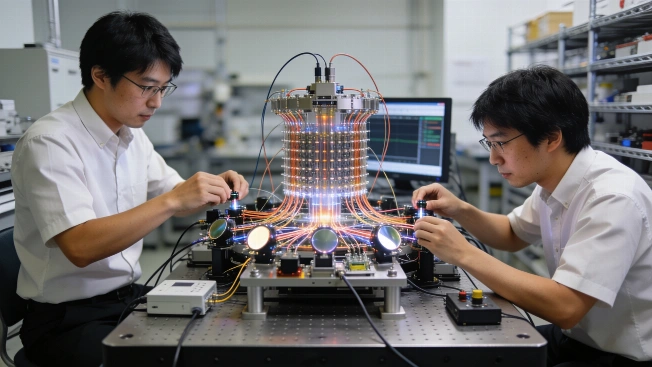
OptQC and NTT Target Million-Qubit Optical Quantum Computer by 2030
OptQC and NTT have announced a capital and business alliance to develop a fault-tolerant optical quantum computer targeting one million physical qubits, with a roadmap spanning hardware, supply chain, and enterprise integration through 2030
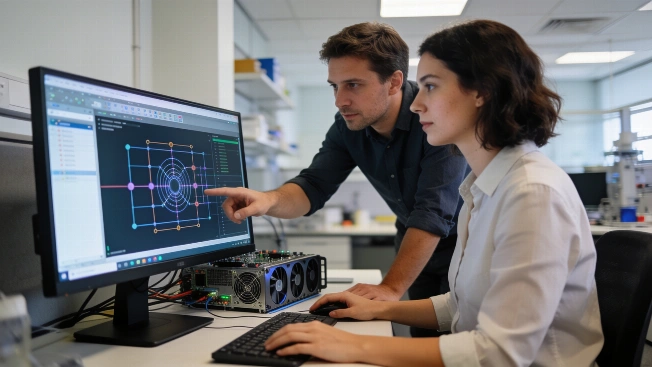
External Beta Opens for EntangleX Quantum Circuit Simulator Platform
Two Hands Corporation has released its EntangleX quantum circuit simulation software for external beta testing, allowing selected partners to evaluate browser-based GPU-accelerated modeling of quantum circuits without physical quantum hardware
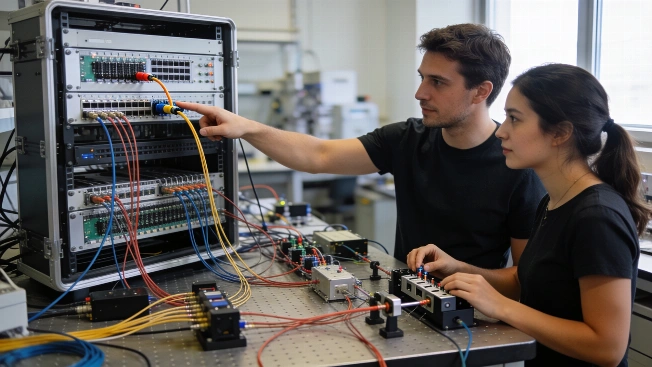
Quantum Networking Roadmap Reveals Gaps in Scalable Infrastructure
A new roadmap from QED-C and the Center for Quantum Networks details the technical and engineering barriers that limit current quantum networking applications, highlighting the need for advances in switches, repeaters, and satellite links
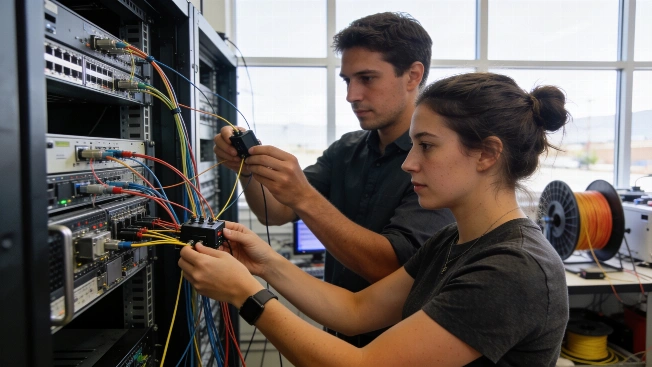
Quantum Hardware Firms Test Entanglement-Based Network in Albuquerque
Four quantum technology companies are deploying hardware and software on ABQ-Net, an open-access entanglement-based quantum network in New Mexico, to evaluate secure communication, sensing, and network protocols under real-world fiber conditions

How Bell's Theorem Emerged from an Unusual Physics Journal
John Bell's 1964 theorem on quantum nonlocality was first published in a short-lived journal with an unconventional editorial model. The story of this publication highlights the challenges of peer review, editorial selection, and scientific recognition in quantum physics
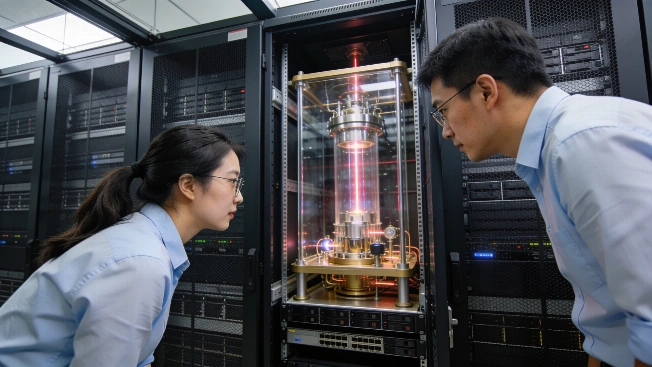
Neutral-Atom Quantum Computer Fits Standard Server Rack in Shanghai Debut
A Chinese startup has introduced Qinghe No. 1, a neutral-atom quantum computer designed for direct installation in data-center server racks, aiming to bypass the need for large cryogenic systems and accelerate enterprise quantum hardware integration
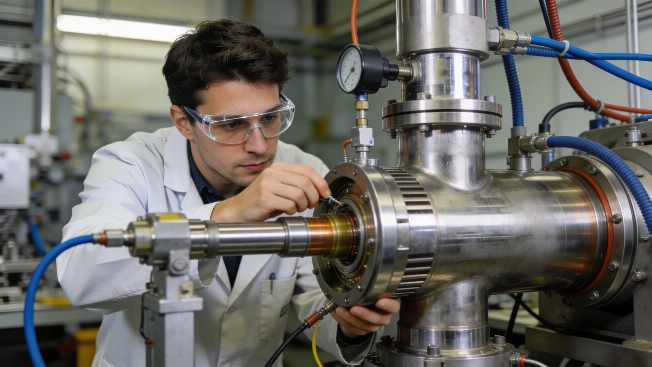
Quantum entanglement measured in heavy-fermion strange metal
Researchers used inelastic neutron scattering and quantum Fisher information to directly probe multipartite entanglement in a heavy-fermion metal, offering new evidence for the quantum origins of strange metal behavior