
National Institute of Standards and Technology
57 reportsCoverage places laboratory research, measurement standards, and reference materials within the wider context of National Institute of Standards and Technology. The account starts with public standards and technical reports when examining laboratory research, then compares that reading with reference methods; interpretation remains cautious because a standard defines a common method but may not prove performance in every application.

Liquid C2 and Graphiant Launch Post-Quantum Network Service
Liquid C2 and Graphiant say their African network service will use post-quantum encryption across connected sites and cloud environments, with centralized controls for cryptographic updates and traffic routing
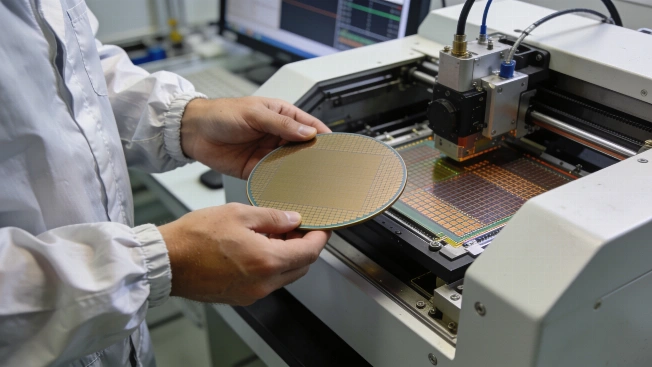
Quantum Primacy Plan Targets US Supply Chain Bottlenecks
The CUSP report sets out four pillars for U.S. quantum development, as its estimates show a wide gap in cleanroom costs and a smaller federal funding commitment than China's

Hong Kong Banks Get a PQC Roadmap Toward 2030
A July 2026 audit found Hong Kong banks at an average QPI score of 2.3 out of 10. The new framework sets out how licensed institutions can assess cryptographic dependencies and plan migration by 2030
AI Agents Find New Routes to Quantum Magic-State Factories
A preprint maps 699 magic-state factory classes, including 564 previously unknown protocols, by pairing language-model agents with integer programming and independent circuit checks

IBM Quantum Safe Suite Aims to Ease Enterprise PQC Migration
An internal IBM scan covered more than 47 million lines of code and identified over 3,900 cryptographic issues. The software combines code discovery with network mediation as federal migration deadlines start in 2030

AppViewX Launches Standalone Quantum Trust Hub
Federal systems face post-quantum cryptography targets in 2030 and 2031. AppViewX says its standalone platform can inventory cryptographic exposure and send findings into existing ServiceNow workflows as organizations confront legacy migration hurdles

Quantum XChange Adds PQC Tunnels to Phio TX-CMC
Quantum XChange says Phio TX-CMC 2.0 automates enrollment of distributed security nodes and protects management links with post-quantum cryptography. A federal deployment showed legacy compatibility, while broader multi-cloud rollout remains challenging
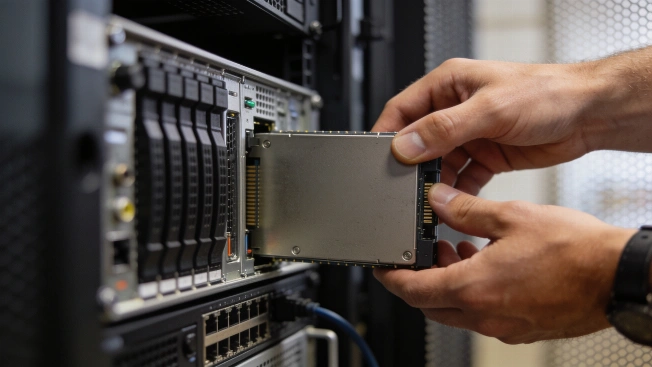
NIST Sets Post-Quantum Cryptography Transition Deadlines
The roadmap prioritizes key establishment against harvest-now-decrypt-later risks while setting separate federal deadlines for signatures and complete disallowance of vulnerable public-key algorithms after 2035
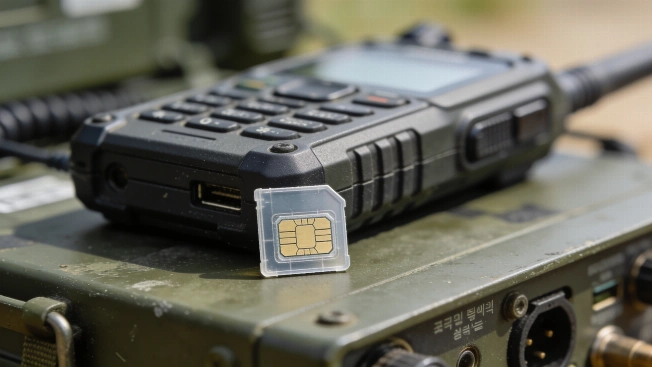
South Korean Defense Pilot Tests Post-Quantum SIM Security
South Korea's MSIT/KISA pilot places domestic KpqC algorithms alongside NIST standards inside tamper-resistant SIM hardware. The stated goal is crypto-agility for military systems, though the announcement gives no performance measurements
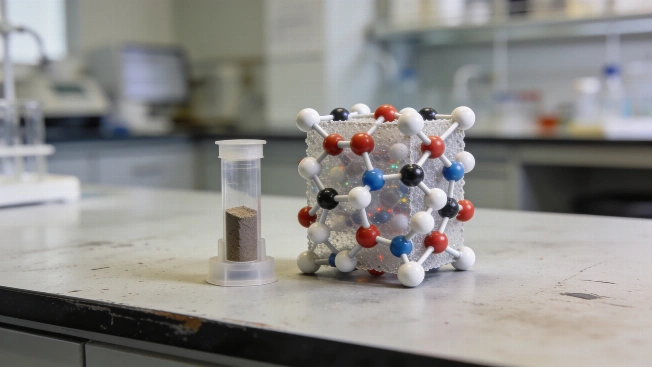
BIRD Backs a Planned Quantum Tool for Catalyst Modeling
A joint project from Qarakal Quantum and Quantum Elements is set to develop quantum-chemistry software for catalytic surfaces. The conditional award funds a proposed MVP rather than a demonstrated simulation
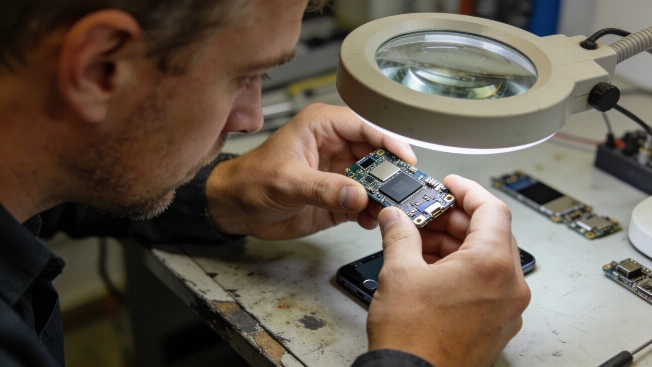
Most Mobile Apps Show No Detectable PQC Code
NowSecure's 90-day assessment found no detectable post-quantum code in most of the iOS and Android app binaries it examined. The findings expose a mobile inventory gap while underscoring the limits of binary detection
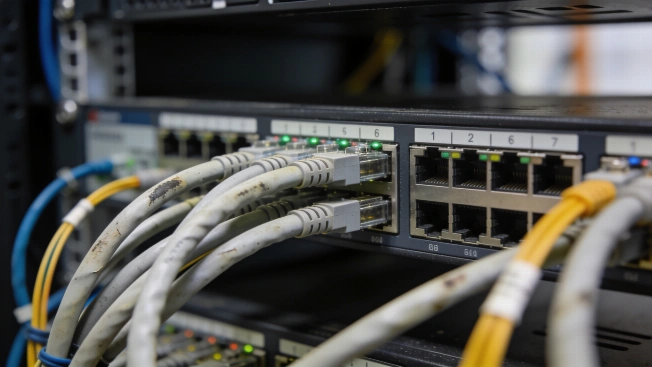
Toshiba Targets Lit-Fiber Quantum-Safe Networks
Toshiba's network design uses optical switching and DWDM to carry quantum-key channels over lit fiber. A Singapore demonstration also linked hybrid keys to enterprise IPsec VPNs

Plurilock Vote Puts Quantum eMotion Deal in Shareholders' Hands
Plurilock shareholders are due to vote on November 18 on a C$33.8 million deal that would pay 30% in cash and 70% in Quantum eMotion shares; the announcement provides no performance figures for the security technology

Quantum Security Tests Banks' Cryptoagility
Cybersecurity veteran Joel Van Dyk argues that a bank's cryptographic overhaul could take about a decade while a machine able to threaten current algorithms may arrive sooner. His proposed proxy is meant to protect traffic during the transition

Germany Sets a PQC Migration Framework for Public and Private Systems
Germany's new guidance targets delayed decryption risks and long replacement cycles for legacy systems, requiring critical infrastructure operators to include post-quantum readiness in formal risk management

Blockchain signatures face a post-quantum size problem
Terra Quantum's analysis compares signature sizes for blockchain use and reviews mitigation plans across Solana, Algorand and Ethereum. Its preferred compact option remains under draft standardization.

Quantum One-Time Pads Face a Key-Delivery Test
Symmatrics says it can generate and distribute one-use encryption keys at scale. The company reports trial installations, but the interview provides no independent security evaluation or performance measurements, and a random-number generator alone does not establish secure basic delivery.

A Microcomb Chip Solves a Key Problem in Optical Metrology
A foundry-fabricated photonic chip has produced a self-aligned octave-spanning microcomb by driving one resonator with two lasers separated by an octave, demonstrating a potential route to compact precision metrology.
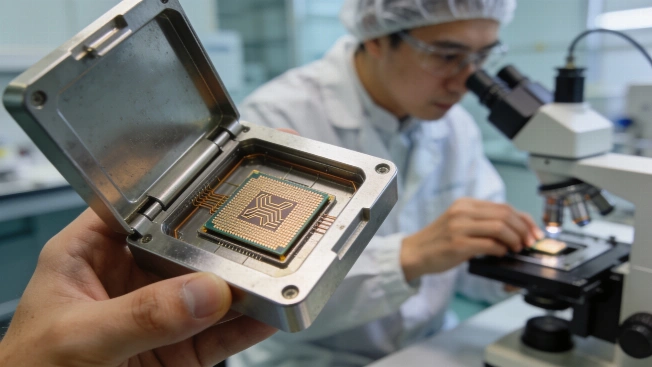
Nanometre Fabrication Shifts Explain Transmon Qubit Performance Gaps
A blinded study of 22 superconducting transmons links twofold T1 variation to nanometre-scale oxide and etch differences while finding no clear role for macroscopic surface defects
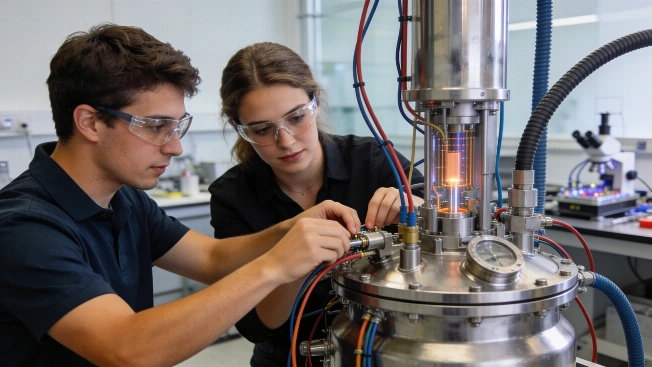
FSU Wins $2.1M to Build Quantum Communication Testbed
Florida State University will build a campus-scale quantum communication testbed linking engineering and high-field facilities to study entangled photons amid turbulence and magnetic fields, with cryogenic cycling also in scope.

CGI Turns Quantum Hardware Into Enterprise Infrastructure
CGI is building a business around connecting quantum processors to existing enterprise systems. Its work links improvement and security projects to federal logistics, while the underlying hardware remains outside the company.

UCSB Joins Three NSF Quantum Institutes in $290M Renewal
UC Santa Barbara researchers will take part in three NSF Quantum Leap Challenge Institutes under a $290 million, five-year portfolio linking quantum hardware with manufacturing partnerships and workforce development.
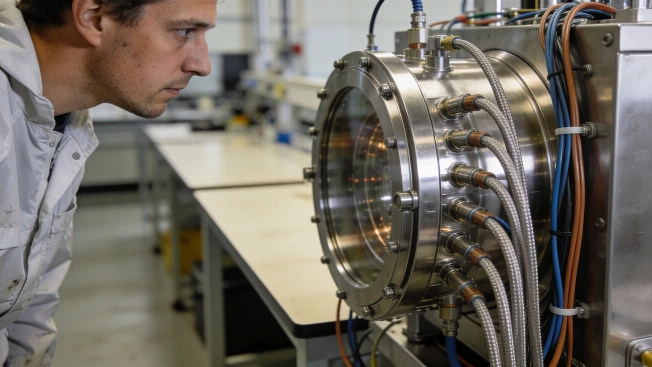
Roadrunner Quantum Lab Opens Albuquerque Quantum Hardware Facility
Roadrunner Quantum Lab opened on September 29, 2026, as a 35,000-square-foot Albuquerque facility linking quantum startups with Sandia and Los Alamos scientists, independent benchmarking, cryogenic testing and packaging infrastructure.
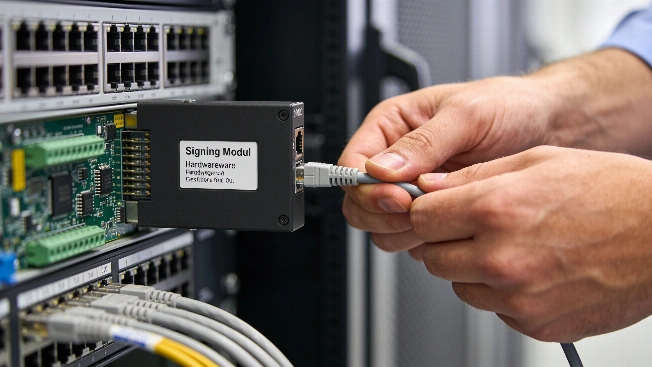
Project Eleven Buys Riva Labs for Post-Quantum Security
Project Eleven has acquired Riva Labs to combine post-quantum signatures and MPC with account abstraction and hardware signing across blockchain infrastructure, in preparation for potential threats to today's public-basic systems.
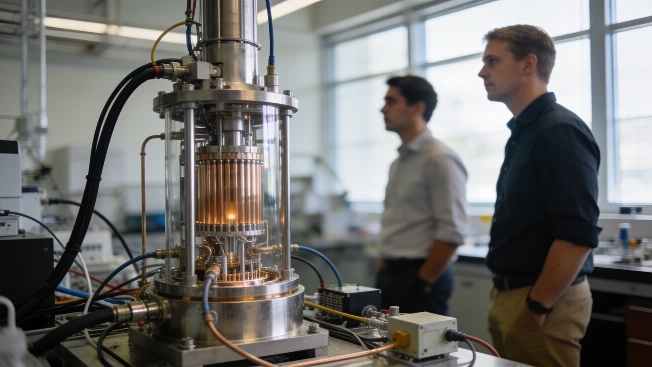
Maryland Is Building Quantum Infrastructure Before the Market
Maryland's quantum strategy now links federal benchmarking with university research funding, hands-on training and company laboratories across five hardware approaches, creating an environment whose value depends on reproducible testing and commercial results.
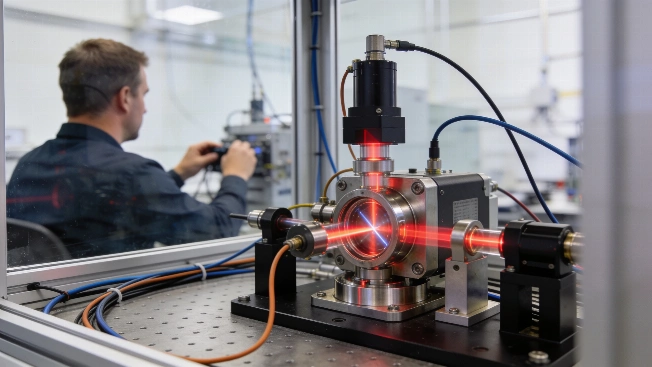
QuEra Brings Neutral-Atom Hardware to Maryland's Quantum Cluster
QuEra has opened a Discovery District office and expanded its University of Maryland partnership, giving researchers and students, along with educators, cloud access to a 256-qubit neutral-atom processor.
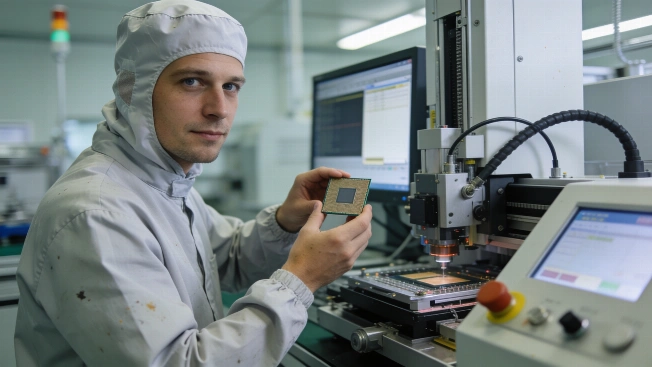
Jura Plans a Post-Quantum Semiconductor Security Hub
SEALSQ, WISeKey and the Canton of Jura have signed an MoU for a proposed CHF 40 million to CHF 60 million center focused on post-quantum chip personalization, testing and secure provisioning.
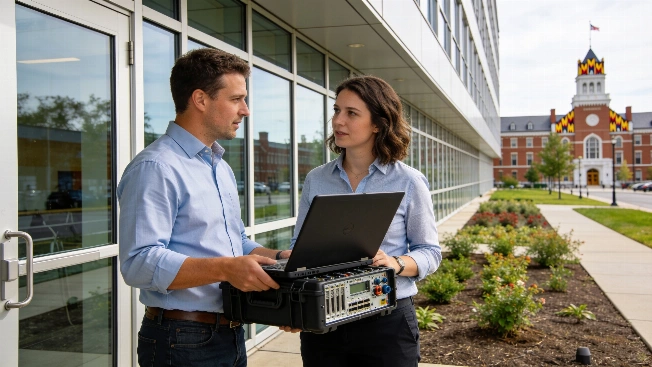
Riverlane opens US quantum error correction hub in Maryland
Riverlane has established its US headquarters in Maryland's Discovery District to accelerate real-time quantum error correction projects and strengthen ties with quantum hardware makers and academic researchers.

Java 27 Integrates Hybrid Post Quantum Cryptography for TLS 1.3
Oracle has released Java 27 with native support for hybrid post-quantum cryptography in TLS 1.3, aiming to address harvest-now, decrypt-later threats and ease the shift to quantum-resistant security for cloud and enterprise applications.
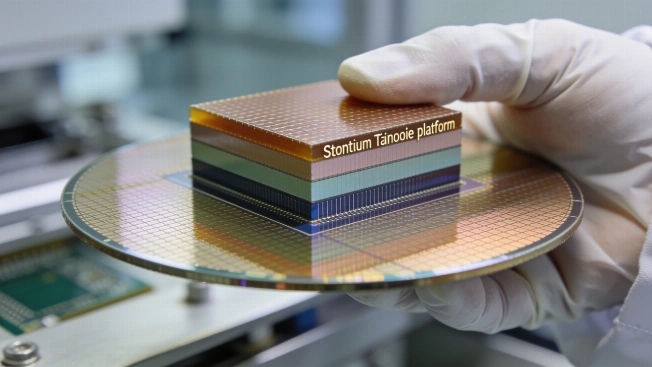
Strontium Titanate Insulator Platform Targets Quantum Device Integration
La Luce Cristallina has introduced a silicon-based quantum paraelectric strontium titanate on insulator wafer platform engineered for quantum computing and cryogenic electronics, with a focus on foundry compatibility and voltage-tunable dielectric control.
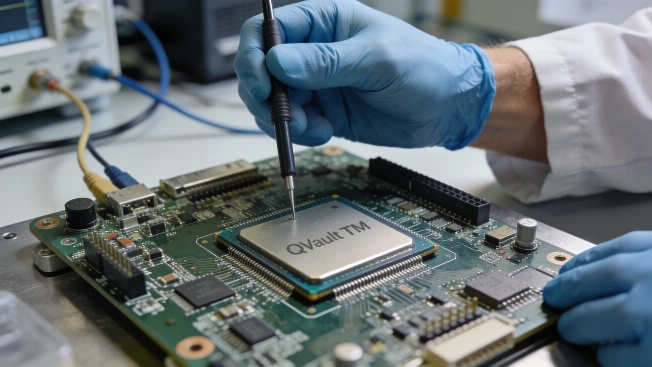
SEALSQ QVault TPM Chip Integrates Post-Quantum Cryptography in Hardware
SEALSQ's QVault TPM chip now supports hardware-isolated post-quantum cryptography through native wolfTPM integration, offering a silicon-based approach to quantum-resistant basic storage and cryptographic operations for embedded systems

Intel Details Hardware Steps for US Post-Quantum Crypto Deadlines
Intel Federal's Steve Orrin explains the technical and policy challenges facing US agencies as they prepare for post-quantum cryptography mandates, including hardware migration timelines and cryptographic asset inventories, and why agencies need crypto agility.

Quantum Industry Appointments Signal Shifts in Leadership and Strategy
Recent leadership changes at Quantum Sky, IonQ, Pasqal, and Global Quantum Intelligence highlight developing priorities in quantum hardware, manufacturing, and advisory expertise. New board members and advisors bring experience in defense, finance, and R&D strategy.
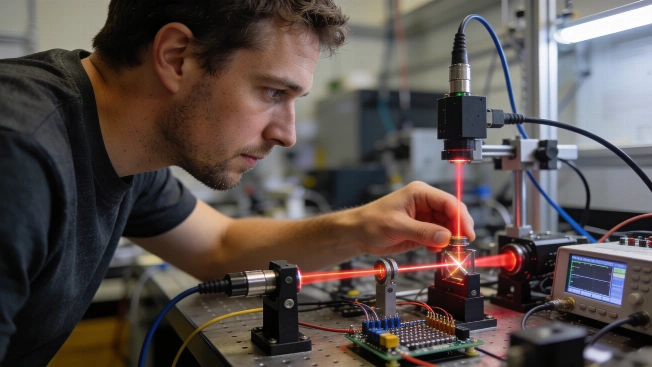
Quantum Hardware Investment Focuses on Colorado's Expanding Ecosystem
Venture investor Russ Fein discusses the technical and operational factors shaping quantum hardware investment, highlighting Colorado's research infrastructure and the challenges of benchmarking quantum devices.
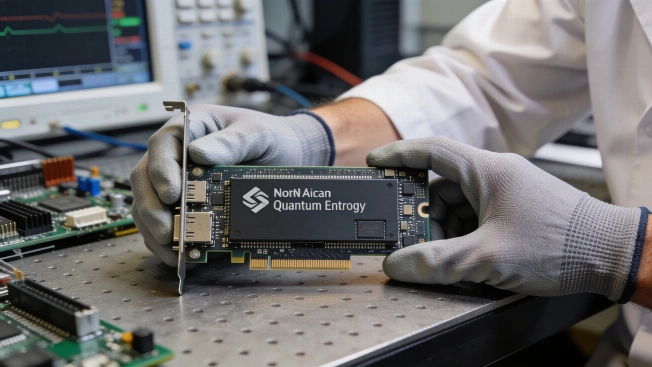
Quantum eMotion's Entropy Module Enters NIST Validation Process
Quantum eMotion Corp. has submitted its eCore-Q PCIe Quantum Entropy Module for independent validation under the NIST SP 800-90B standard, a basic step toward cryptographic certification in regulated sectors.
Part 1 of 2