
Massachusetts Institute of Technology
13 reportsNew findings about Massachusetts Institute of Technology are placed alongside graduate training, while also considering major collaborations and institutional data resources. The treatment of institutional data resources keeps facility documentation separate from replication by outside groups until their assumptions and scales are compared; any broad claim must allow for the fact that institutional reputation does not substitute for evidence from individual studies.
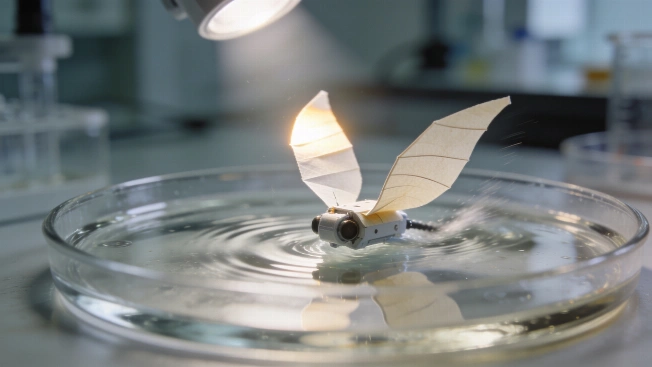
MIT Builds a Muscle-Powered Robot Thin Enough to Swim Mazes
MIT engineers have built a paper-thin biohybrid robot that swims through water using light-responsive muscle cells. Its maze test demonstrates controlled locomotion with minimal biological material, but not autonomous operation.
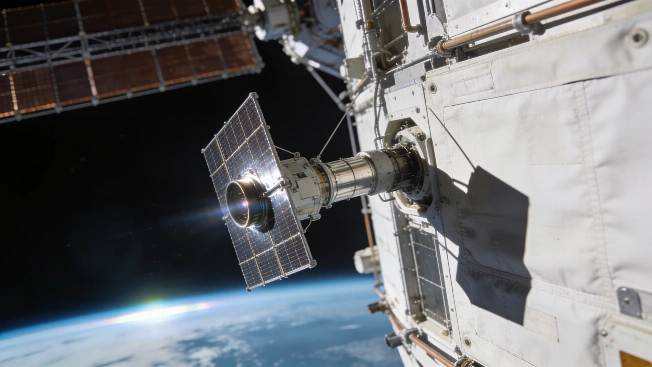
New sensor concept aims to reveal hidden nuclear weapons in orbit
A proposed satellite-based detector could identify nuclear warheads concealed on spacecraft by measuring neutron emissions, offering the first practical method to verify the decades-old ban on nuclear arms in space

Vela Satellite Flash Suggests Possible Nuclear Test Over South Atlantic
A 1979 double flash detected by the Vela 6911 satellite over the South Atlantic has prompted decades of investigation into whether it signaled a clandestine nuclear explosion or a natural event
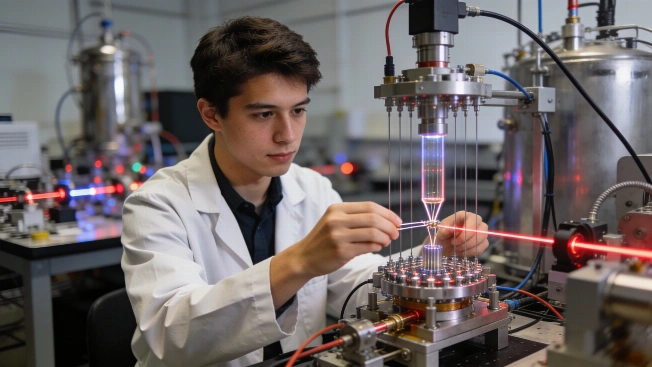
MIT Launches Quantum Fellowship to Tackle Hardware and Error Correction
MIT's Quantum Initiative has launched a new postdoctoral fellowship, funded by the Gordon and Betty Moore Foundation, embedding early-career researchers in labs focused on quantum error correction, neutral-atom arrays, and AI-driven quantum materials
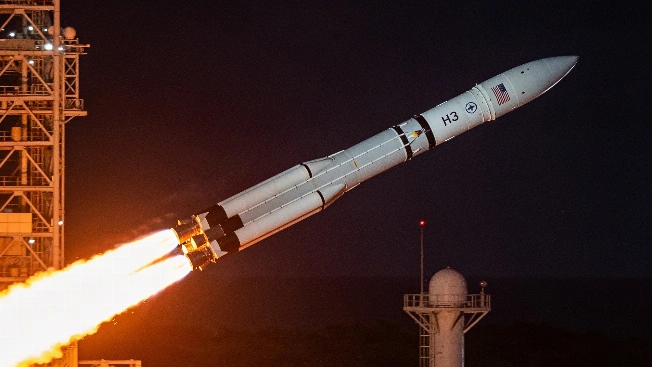
Japan's H3 Rocket Delivers Michibiki 7 Navigation Satellite to Orbit
Japan's H3 launch vehicle has successfully placed the 10,800-pound Michibiki 7 navigation satellite into geosynchronous orbit, marking a key step in expanding the nation's Quasi-Zenith Satellite System
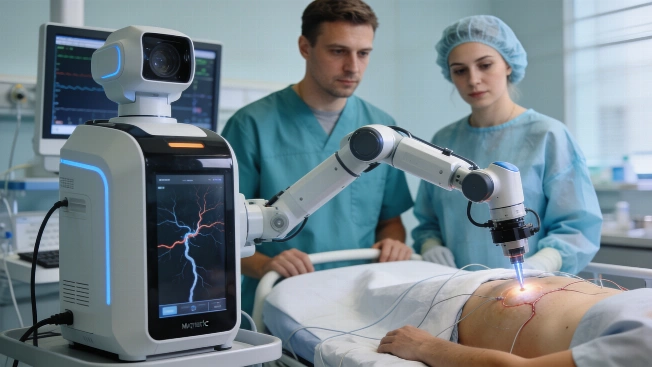
MIT Spinout Magnendo to Develop Autonomous Robotic Stroke System
Magnendo, a company spun out from MIT, has received up to $32 million from ARPA-H to build a magnetic robotic navigation platform for endovascular stroke treatment, aiming to reduce reliance on highly specialized clinicians and expand access to advanced care
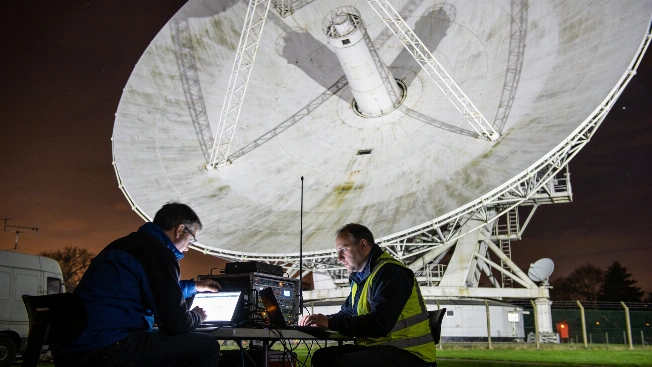
Radio Telescopes Track Space Debris in Geostationary Orbit
Engineers have demonstrated that radio telescopes can detect and monitor space debris in geostationary orbit, using radar signals reflected from distant objects beyond the reach of conventional tracking methods
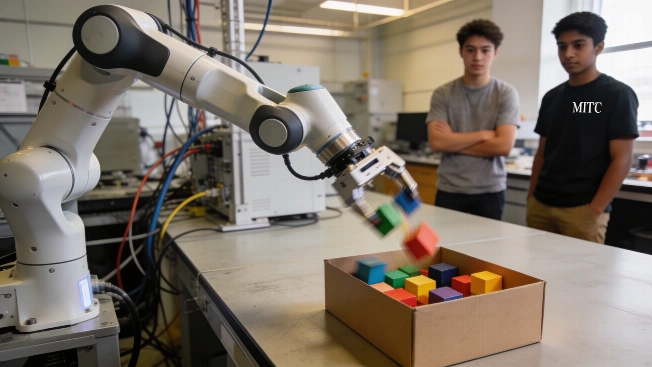
MIT's VLASH Method Enables Faster, Smoother Robot Movements
Researchers at MIT have introduced VLASH, a planning technique that lets robots predict their future positions, reducing pauses and improving speed in tasks like pick-and-place and dynamic manipulation

Galaxy Digital Funds $5M Initiative for Bitcoin Quantum Security
Galaxy Digital has launched a $5 million program to address future quantum computing threats to Bitcoin's cryptography, supporting research, developer grants, and expert oversight to prepare for post-quantum security standards

MIT tool models climate risks for renewable energy grid planning
A new MIT framework simulates how future climate conditions could affect renewable energy infrastructure, revealing that siting decisions based on outdated weather data may increase grid failures as demand and extreme weather rise

Asteroid Apophis to Make Exceptionally Close Approach in 2029
Researchers have mapped the 2029 flyby of asteroid Apophis, predicting that up to 90% of Earth's population could see the object with the naked eye as it passes closer than many satellites, offering a rare opportunity for direct observation

AI agents build complex 3D training worlds for robot learning
Researchers at MIT and Toyota Research Institute have developed SceneSmith, a system that uses collaborative AI agents and vision-language models to generate detailed 3D environments for robotics simulation and training
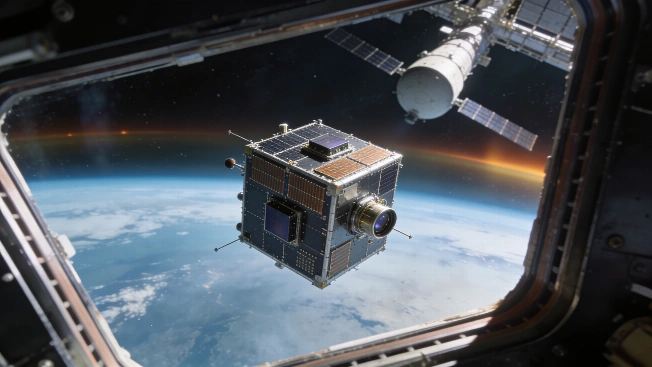
Satellite Neutron Detection Proposed for Nuclear Treaty Verification
A new analysis suggests that satellites equipped with neutron detectors could remotely identify nuclear materials in orbit, offering a potential method to verify compliance with the Outer Space Treaty and address emerging security concerns