
Edge Computing
13 reportsThe strongest reporting on Edge Computing separates performance and reliability; security and privacy; and deployment constraints. For deployment constraints, conclusions are strongest where independent implementation and benchmarks converge; the evidence is read with the caveat that results can depend on workload, hardware, configuration, and threat model.
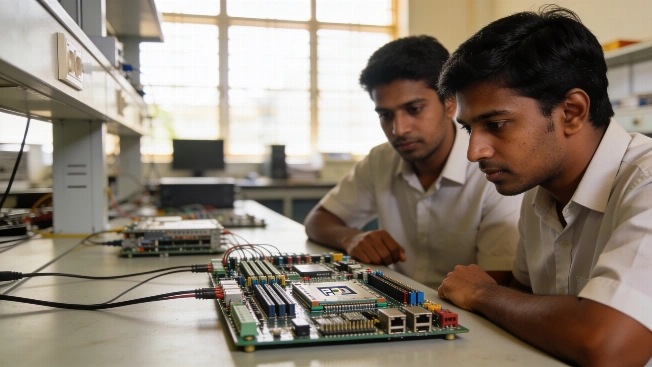
Yenepoya Plans Quantum AI Hardware Lab in Mangaluru
Yenepoya University and REYRA AI plan a Mangaluru laboratory for quantum-inspired hardware and software while preparing students and faculty through certification courses in quantum computing and Quantum Machine Learning.
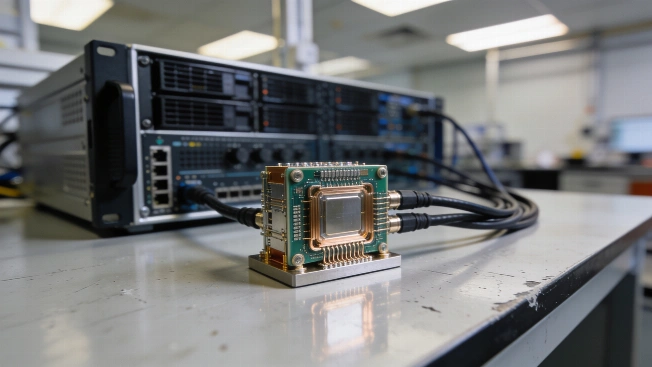
Dell and Diraq Place Silicon Qubits Beside HPC Servers
Diraq and Dell Technologies have installed a Dell HPC cluster beside Diraq's silicon spin-qubit hardware in Sydney to test real-time orchestration, calibration and quantum-classical control workflows without claiming quantum advantage.

I-care adds AI anomaly detection without past failure data
I-care Group has acquired the assets of Amiral Technologies, including its DiagFit system, which detects abnormal machine behavior from normal operating data without requiring a library of past failures.

Lynx Wheel Legged Robot Tackles Desert Terrain in Field Test
DEEP Robotics has released new footage of its Lynx wheel legged robot navigating loose sand and steep slopes in a desert environment, demonstrating the platform's hybrid mobility and environmental resilience for hazardous industrial tasks

CypherGenics Unveils FASTKAT for Quantum-Ready Encryption in Industry
CypherGenics has introduced the FASTKAT platform, a symmetric cryptographic system designed to deliver quantum-resistant identity and encryption for enterprise, critical infrastructure, and operational technology environments
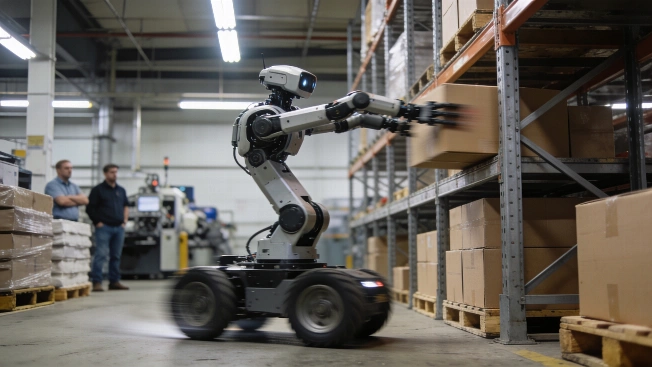
RoboScience Unveils REX G1 Humanoid Robot for Dynamic Workspaces
RoboScience has released the REX G1, a wheeled humanoid robot designed to perform object handling and manipulation in logistics, manufacturing, and retail settings, with a focus on adapting to existing environments and variable tasks

Molex Backs Active Liquid Cooling Startup for AI Data Center Heat
Molex has invested in CAEPlus to develop BoundaryCool, an active liquid cooling system designed to manage the rising heat loads from advanced processors in AI and high-performance computing data centers
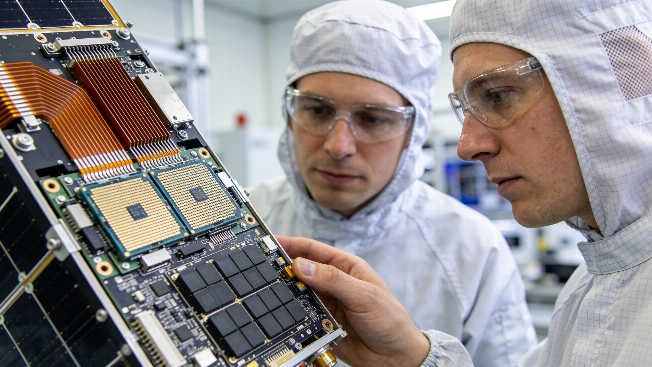
SpaceX and Nvidia Plan Starmind AI1 Satellite for In-Orbit AI Processing
SpaceX and Nvidia have announced Starmind AI1, a satellite designed to run advanced AI workloads in low Earth orbit using Nvidia's latest space-grade processors, with ambitions for a vast orbital computing network
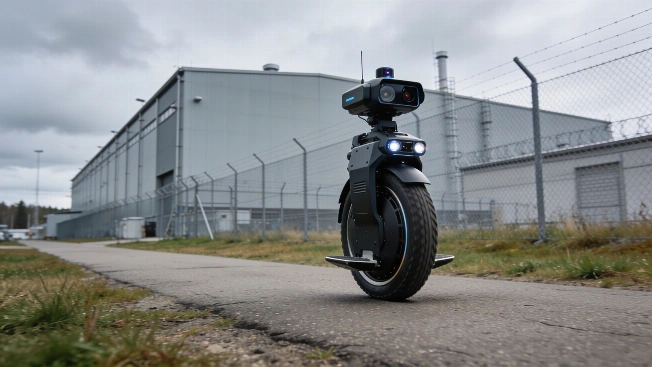
Estonian Startup Demonstrates Autonomous Monowheel Security Robot
Rollo Robotics has introduced 1ROLLO, a single-wheel robot designed for autonomous patrols of large facilities, using computer vision and edge AI to monitor industrial sites and campuses with minimal human intervention
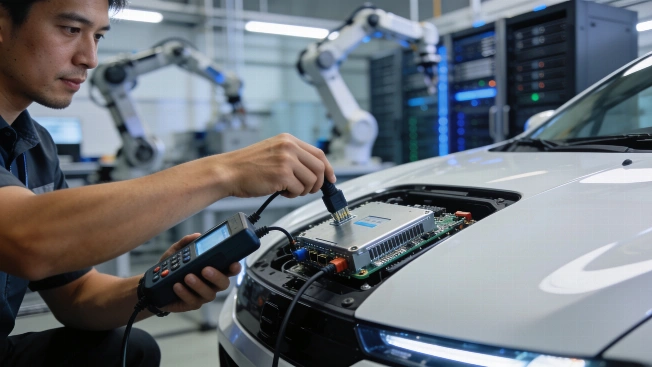
Quantum-Safe Encryption Integrated in Edge-to-Cloud Robotic Systems
Terra Quantum and Apex.AI have demonstrated the integration of NIST-standardized post-quantum cryptography into cloud-connected robotic platforms, enabling quantum-resistant communication without altering core software architecture

AI-Driven Drone Swarms Advance, Raising New Military and Safety Questions
Recent demonstrations show how AI enables military drone swarms to coordinate, navigate without GPS, and share sensor data. These advances highlight both technical progress and unresolved risks in autonomous battlefield systems

Zilog Z80 Microprocessor Ends Production After Nearly 50 Years
The Zilog Z80, a foundational 8-bit microprocessor for early computing and embedded systems, has reached end-of-life status after decades of use, raising questions about legacy hardware support and the persistence of retrocomputing communities

Reticulum Network Stack Tested for Post-Internet Radio Communication
A demonstration using the Reticulum cryptographic network stack explores whether decentralized radio-based networks could provide resilient communication if conventional internet access fails, highlighting technical and regulatory barriers