
Robotic Surgery
3 reportsRobotic Surgery is a medical device designed to measure, monitor, support, or alter a health-related function under defined performance standards. Reliable conclusions require regulatory clearance, clinical indication, and software component, while early mechanisms or correlations cannot substitute for validated clinical outcomes.
The documented context of Robotic Surgery includes measurement or treatment performance, clinical validation, and safety monitoring. The scientific case for clinical validation is built from post-market evidence and tested against bench testing; the evidence cannot remove the concern that technical accuracy may not translate directly into improved health outcomes.
The documented context of Robotic Surgery includes measurement or treatment performance, clinical validation, and safety monitoring. The scientific case for clinical validation is built from post-market evidence and tested against bench testing; the evidence cannot remove the concern that technical accuracy may not translate directly into improved health outcomes.
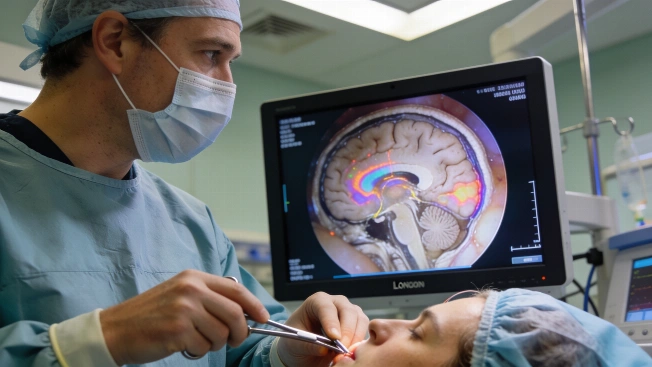
Machine Vision System Guides Surgeons in Live Brain Tumor Removal
A machine-learning system processed live endoscopic video to help surgeons identify critical anatomy during a pituitary tumor operation, aiming to reduce the risk of vision loss in a high-stakes clinical trial in London
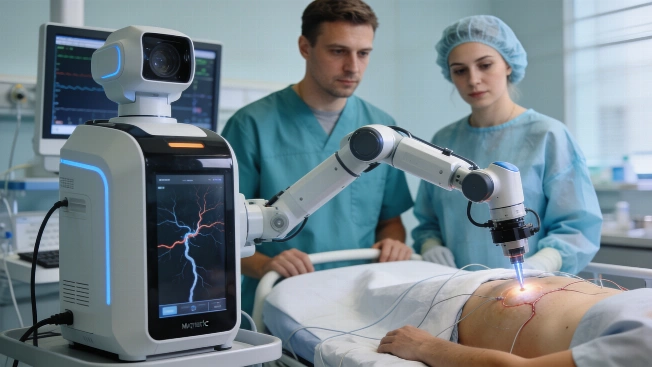
MIT Spinout Magnendo to Develop Autonomous Robotic Stroke System
Magnendo, a company spun out from MIT, has received up to $32 million from ARPA-H to build a magnetic robotic navigation platform for endovascular stroke treatment, aiming to reduce reliance on highly specialized clinicians and expand access to advanced care

NASA Astronaut Chris Williams Ends ISS Mission After Eight Months
Chris Williams is set to return from his first mission aboard the International Space Station, where he supported experiments on cancer therapies, semiconductor materials, and robotic systems during an eight-month stay