
Research Updates - Part 4
438 reports
IonQ Runs Real-Time Quantum Error Correction on Apple M4 Max CPU
IonQ researchers have demonstrated a real-time quantum error correction decoding pipeline for large-scale trapped-ion quantum computers, processing MegaQuOp-scale workloads on a single Apple M4 Max CPU and addressing classical decoding bottlenecks
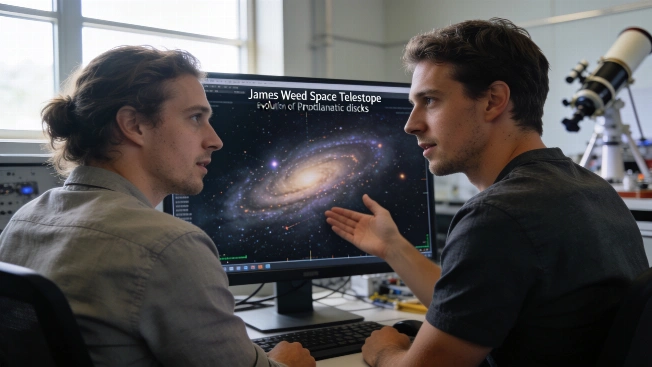
Webb Telescope Reveals Planet Formation Depends on Rapid Disk Evolution
Astronomers using the James Webb Space Telescope have tracked how gas and dust escape from disks around 72 young sun-like stars, showing that planet formation must compete with the rapid dispersal of raw material

Quantum Gravimeter Demonstrates GPS-Free Navigation in Coral Sea Trial
Q-CTRL has field-tested a quantum gravimetric navigation system on open water, achieving 1-nautical-mile accuracy without GPS by combining cold-atom interferometry and classical sensors in a real maritime environment
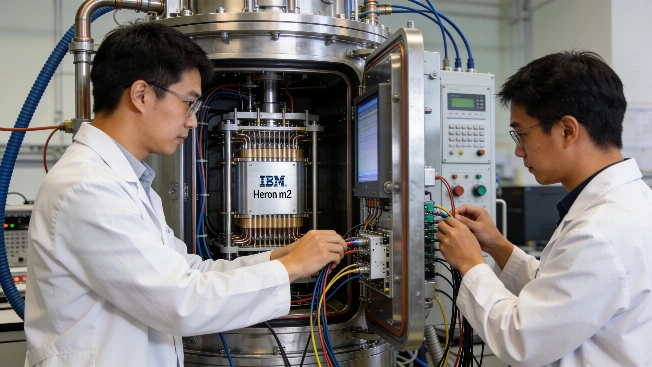
Singapore Team Compresses Qubit Use for Drug Docking on IBM Quantum Chip
Researchers at A*STAR and NUS have demonstrated a hybrid quantum-classical approach that reduces the number of qubits needed for molecular docking, running verified experiments on IBM's 156-qubit Heron r2 processor
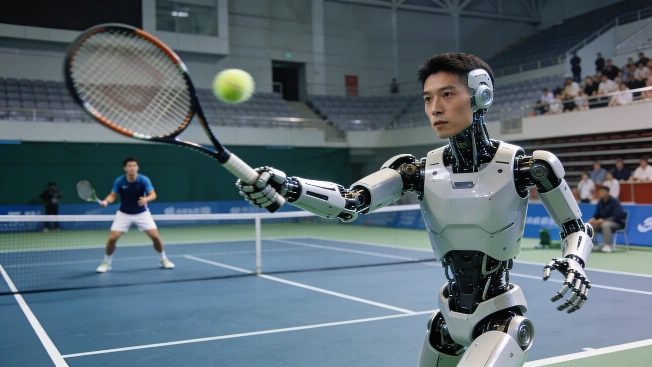
Humanoid Robots Complete 100 Rallies in Live Tennis Match in Beijing
Galbot's humanoid robots demonstrated autonomous tennis play against human athletes at the Second World Humanoid Robot Games, completing over 100 consecutive rallies and highlighting advances in real-world robot perception and control
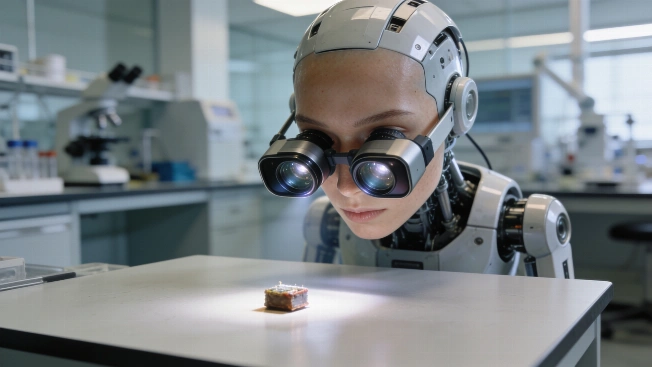
New Algorithm Brings Humanlike Depth Perception to Humanoid Robots
A research team at York University has introduced a convergent binocular stereo algorithm that enables humanoid robots to estimate depth and object orientation more like humans, with tested improvements on a challenging benchmark dataset
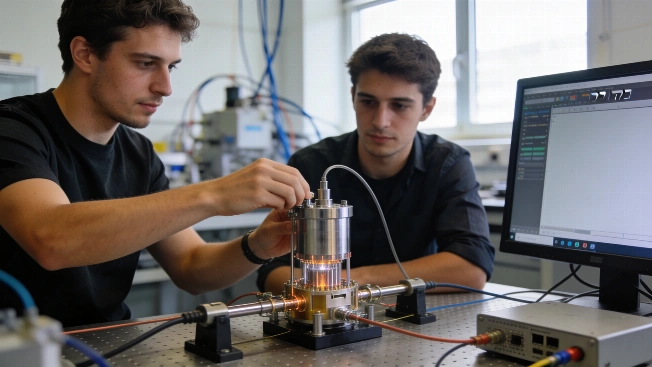
Quantum X Labs Explores Hardware-Based Quantum Security Architectures
Quantum X Labs has launched Qatacomb, a research initiative focused on developing quantum-native security architectures that embed quantum mechanical principles directly into information protection systems, moving beyond classical cryptographic adaptations
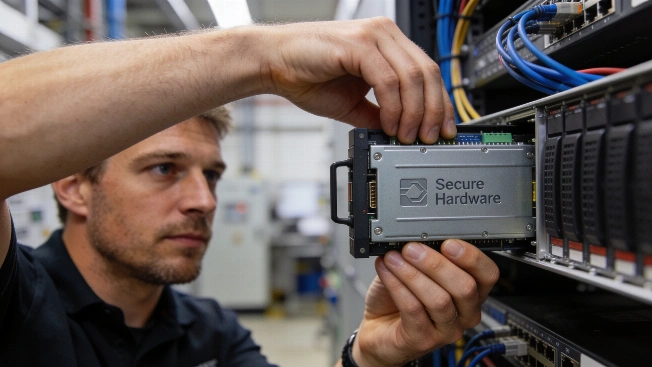
CypherGenics Unveils FASTKAT for Quantum-Ready Encryption in Industry
CypherGenics has introduced the FASTKAT platform, a symmetric cryptographic system designed to deliver quantum-resistant identity and encryption for enterprise, critical infrastructure, and operational technology environments
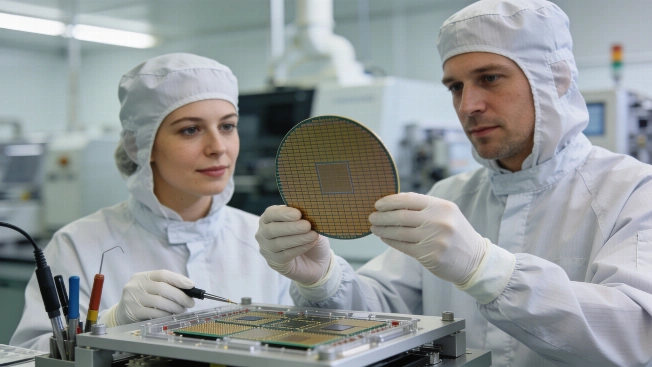
SEALSQ and IC'Alps Target 2026 for Quantum-Resistant ASIC Prototype
SEALSQ Corp and its French subsidiary IC'Alps have detailed progress on QASIC, a custom post-quantum ASIC platform aiming to embed quantum-resistant cryptography directly into application-specific silicon for sectors including automotive and healthcare
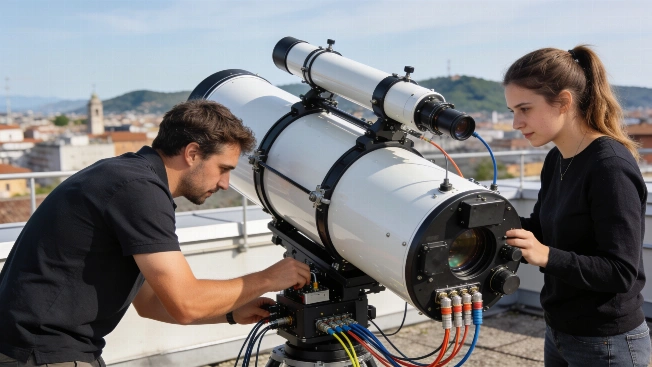
Field Test Links Quantum Key Distribution Over 18 km Free-Space Channel
A team in Italy has demonstrated real-time quantum key distribution across an 18-kilometer free-space link using room-temperature detectors, integrating adaptive optics to overcome atmospheric turbulence and coupling the signal into standard fiber
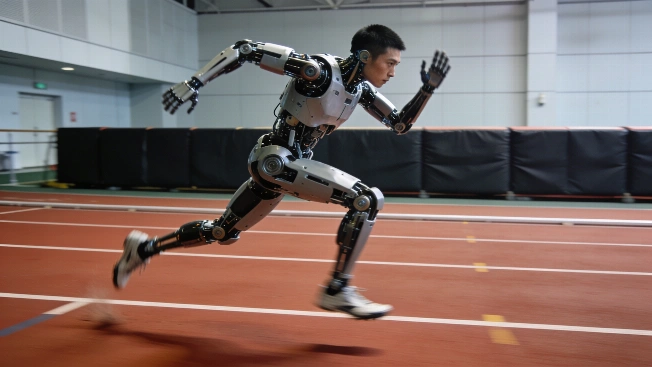
Chinese Humanoid Robot Lightning Runs 100m Faster Than Usain Bolt
A Chinese-built humanoid robot named Lightning has reportedly completed a 100-meter sprint in 9.32 seconds during a controlled test in Beijing, surpassing the human world record and raising new questions about the limits and risks of high-speed bipedal robotics
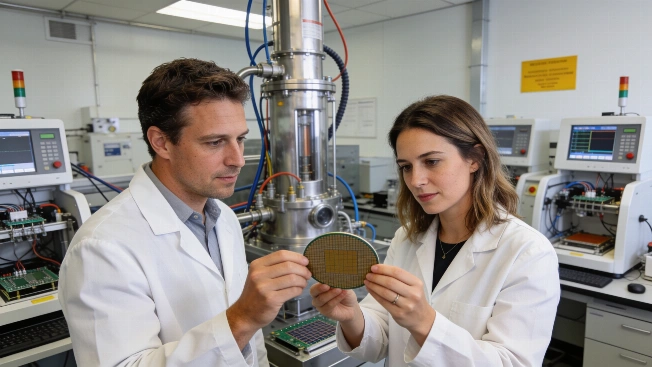
Diraq Expands US Silicon Spin-Qubit Engineering With Santa Monica Hub
Diraq has opened a new engineering facility in Santa Monica, California, focused on silicon spin-qubit processor development using commercial CMOS foundry processes, as part of its trans-Pacific quantum computing infrastructure
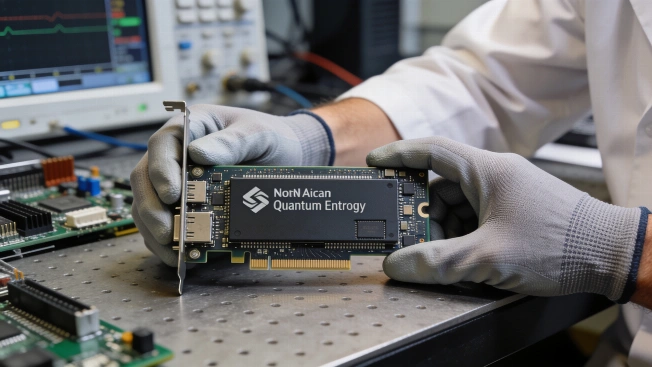
Quantum eMotion's Entropy Module Enters NIST Validation Process
Quantum eMotion Corp. has submitted its eCore-Q PCIe Quantum Entropy Module for independent validation under the NIST SP 800-90B standard, a key step for cryptographic certification in regulated sectors
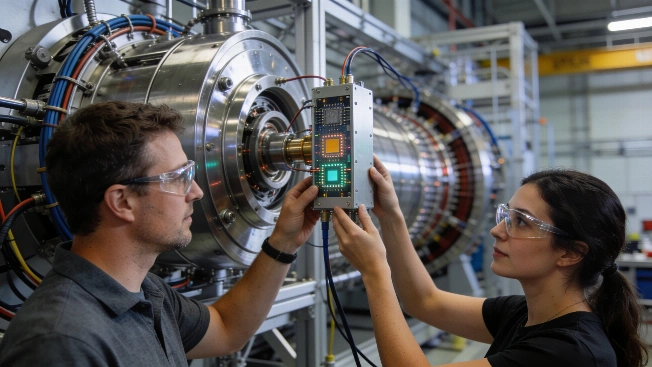
DOE Funds Quantum Sensors for High-Energy Physics Experiments
The U.S. Department of Energy is investing $7.3 million in eight collaborative projects to integrate quantum information science tools into particle accelerator and neutrino experiments, aiming to probe phenomena beyond the reach of classical detection
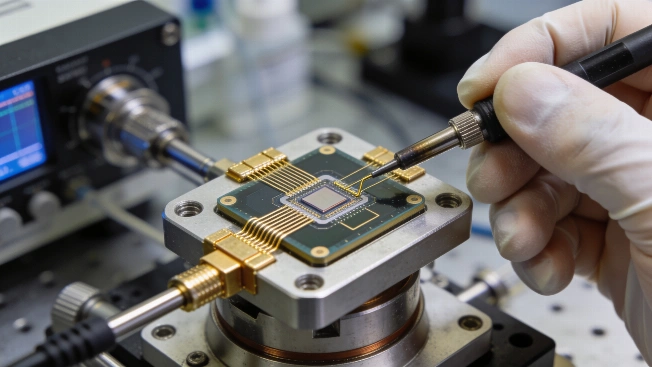
NIST Scales SNSPD Widths to 0.1 mm for Quantum Photonic Devices
Researchers at the National Institute of Standards and Technology have demonstrated a superconducting nanowire single-photon detector with a 100-micrometer active width, addressing fabrication and noise challenges that have limited quantum photonic hardware
Sweden Sets National Quantum Strategy for Secure Technology Scaling
Sweden has released a national quantum strategy outlining infrastructure, security, and commercialization plans through 2036, aiming to translate research into scalable quantum technologies and align with European defense and cryptography standards
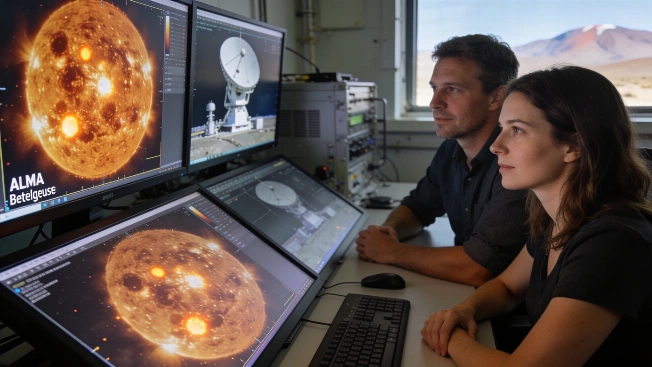
ALMA Reveals Persistent Hotspots on Betelgeuse's Turbulent Surface
Astronomers using the Atacama Large Millimeter/submillimeter Array have mapped Betelgeuse's surface in unprecedented detail, revealing long-lived hotspots and complex plasma flows that challenge current models of red supergiant stars
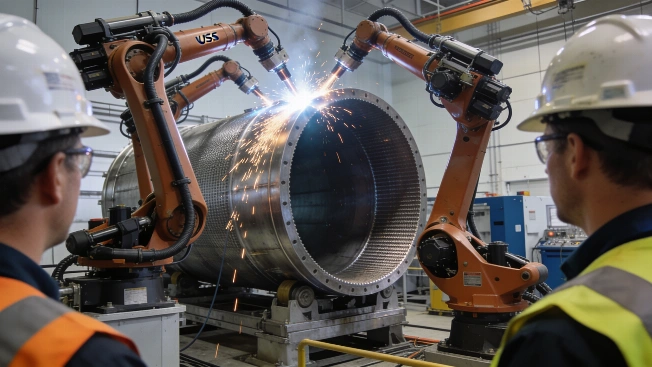
US Labs Test Large-Scale Metal 3D Printing for Nuclear Vessels
Oak Ridge and Idaho National Laboratories have demonstrated wire arc additive manufacturing to produce steel pressure vessels for nuclear energy, aiming to address US forging capacity limits and accelerate component qualification
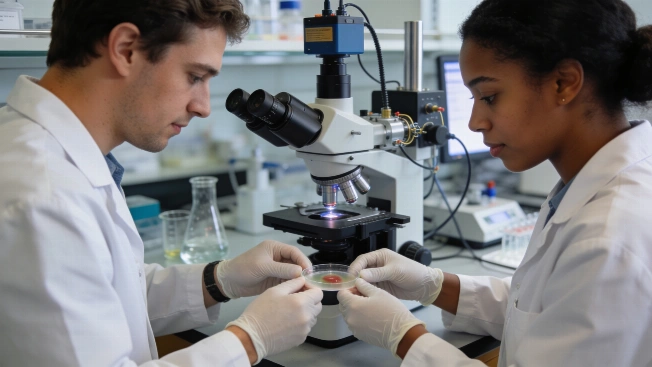
NSF Funds Next-Generation Quantum Sensing for Biomedicine
The National Science Foundation has committed $290 million to eight Quantum Leap Challenge Institutes, including a $37.5 million renewal for the University of Chicago-led QuBBE, aiming to advance quantum sensors for biomedical research and clinical translation
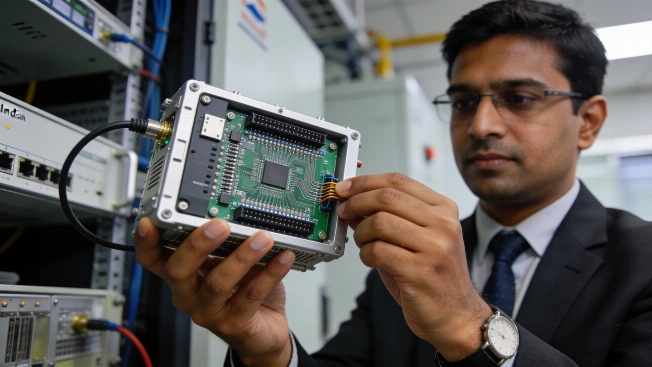
India Deploys 14 Quantum-Secure Devices for Telecom and Finance
India's Centre for Development of Telematics has released 14 production-grade quantum-secure hardware and software products, aiming to integrate quantum cryptography and post-quantum standards into national telecom and financial infrastructure
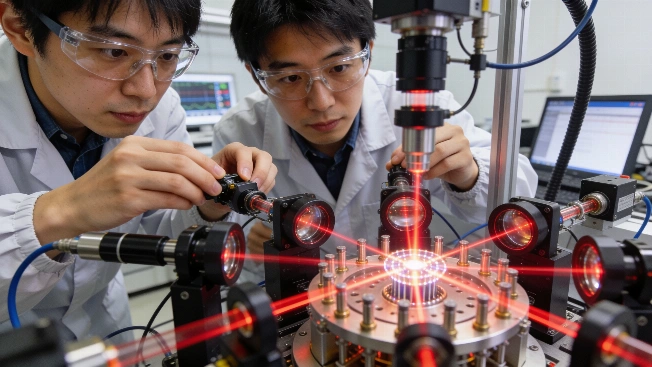
Japan Deploys Neutral-Atom Quantum Computer With 50 Qubits
Japan's Institute for Molecular Science has launched 'Shunkai,' a neutral-atom quantum computer integrating optical tweezer arrays and room-temperature control, with an initial 50-qubit platform and plans for future scaling
Banks and Regulators Test Post-Quantum Digital Asset Transactions
A cross-border pilot led by the Responsible Fintech Institute and Safeheron is testing post-quantum cryptography for digital asset transactions, involving commercial banks and regulators in a controlled environment to assess quantum-resilient infrastructure
Milky Way's Oldest Known Merger Leaves Lasting Mark at Galactic Center
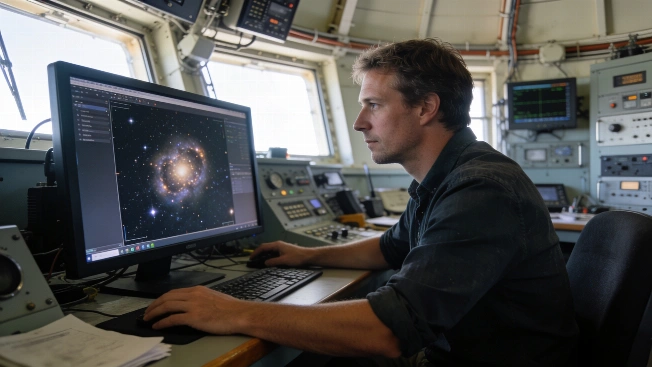
Astronomers have identified evidence of the Milky Way's earliest known galactic merger, using Hubble Space Telescope data to trace ancient globular clusters and reveal a collision that shaped the galaxy's core nearly 12 billion years ago

Dark Energy Camera Reveals Ancient Stars and Stellar Birth in Corona Australis
A new image from the Dark Energy Camera on the Blanco 4-meter Telescope captures the Corona Australis Molecular Cloud, highlighting both newborn stars and one of the oldest star clusters in the Milky Way
Strategic Shifts in Quantum Hardware Leadership and Engineering
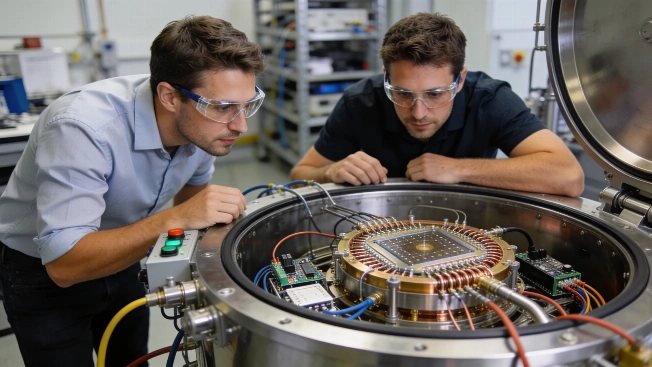
D-Wave, BTQ Technologies, Symmatrics, and Rigetti Computing have each announced new technical and executive appointments, reflecting ongoing efforts to address engineering, commercialization, and governance challenges in quantum hardware and security platforms
Fading Radio Galaxies Reveal What Happens When Black Holes Go Quiet
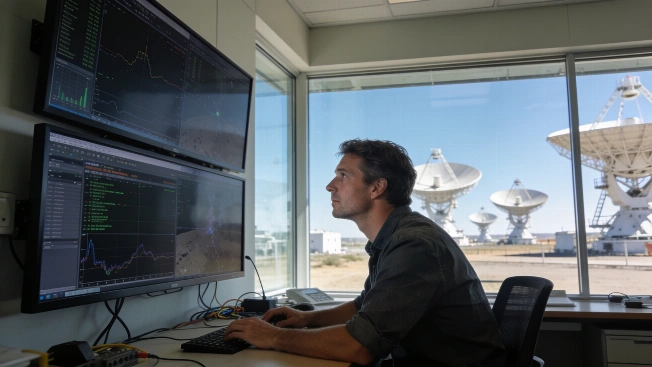
A new study using MeerKAT, LOFAR, and the Jansky Very Large Array has identified a population of galaxies with fading radio lobes, offering insight into the late stages of supermassive black hole activity
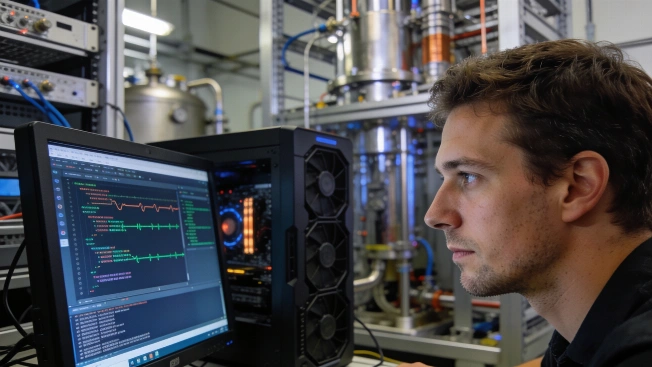
AI Decoder Surpasses PyMatching on Google Quantum Surface-Code Data
Quantum X Labs has reported that its AI-based quantum error correction decoder achieved higher decoding accuracy than standard matching algorithms on Google's public surface-code dataset, using only synthetic training and GPU acceleration
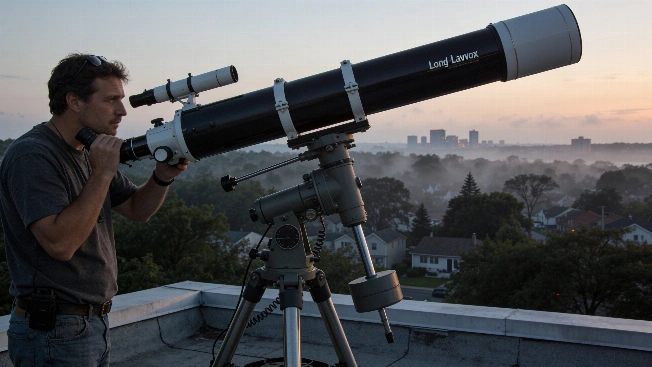
Brookhaven and Stony Brook Send Entangled Photons 21 km Through Open Air
A team at Brookhaven National Laboratory and Stony Brook University has established a 21-kilometer free-space quantum link, transmitting single and entangled photons across the atmosphere to connect metropolitan quantum network nodes under real-world conditions

Chinese Robotics Firms Demonstrate Humanoids for Aviation and Security Tasks
At the 2026 World Robot Conference in Beijing, Chinese companies are presenting humanoid and quadruped robots for aviation, security, and industrial roles, with demonstrations highlighting both technical progress and ongoing challenges in real-world deployment
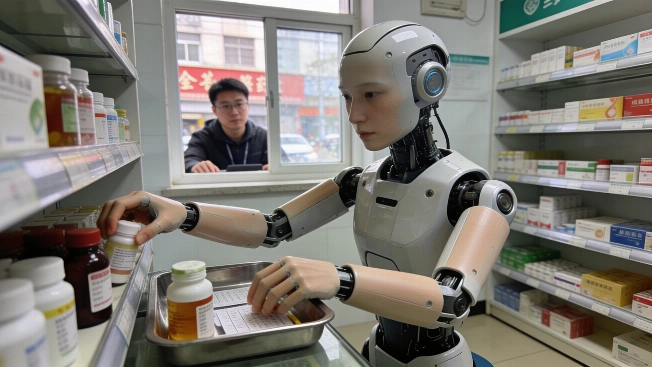
RealMan Robotics Targets 1,000 RealBOT Deployments With Remote Control
RealMan Robotics plans to deploy nearly 1,000 RealBOT robots in 2026, using remote human control and real-world data to improve performance in unpredictable environments such as pharmacies, factories, and kitchens
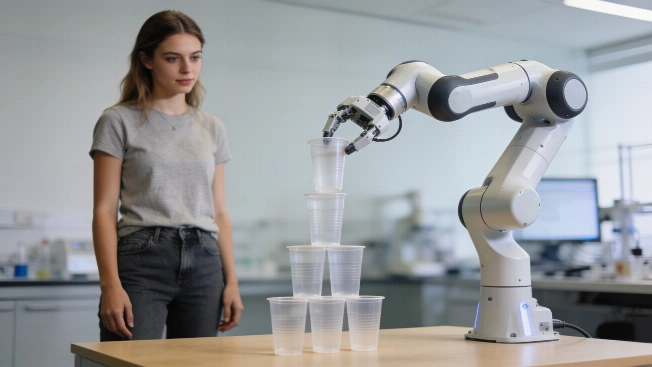
GEN-1.5 Robot Model Imitates Physical Tasks After One Short Demo
Generalist AI has introduced GEN-1.5, a foundation model for robots that attempts new physical tasks after observing a single brief demonstration, with no fine-tuning or retraining required
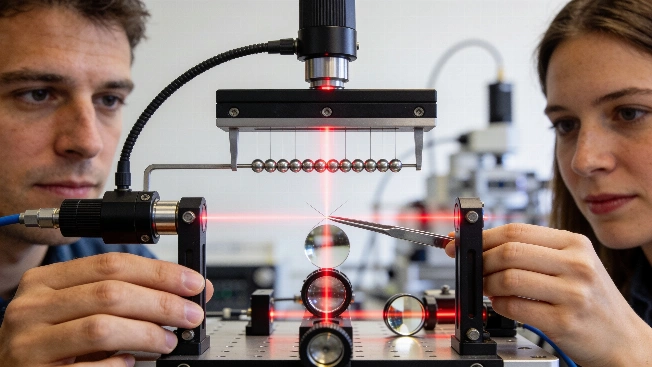
Neutral-Atom Quantum Simulator Probes 2D Conformal Field Theory Spectra
A Caltech-led team has directly measured finite-size energy excitation spectra predicted by two-dimensional conformal field theory, using a neutral-atom quantum simulator based on strontium atom chains and Rydberg interactions
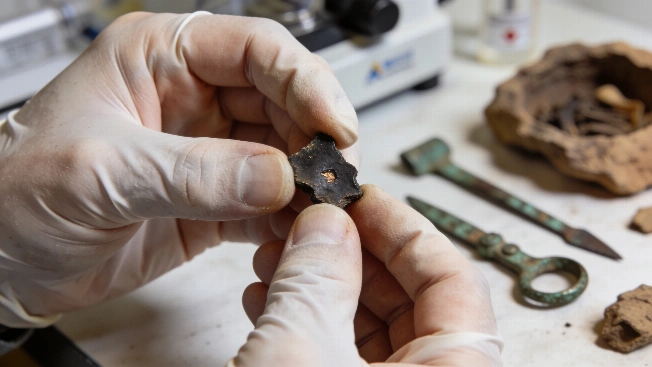
Pre-Inca Metalwork in Peru Linked to Bolivian Ore by Isotope Analysis
Archaeologists have traced metallurgical waste from a Wari-period burial at Castillo de Huarmey in Peru to ore sources in present-day Bolivia, revealing long-distance movement of metal and technological knowledge across the Andes
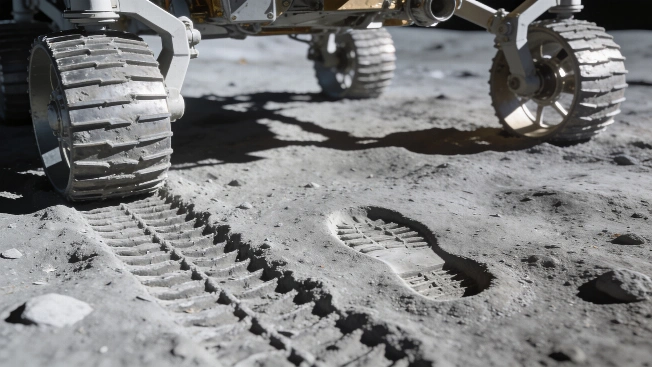
Study Finds Some Terrestrial Microbes Could Survive on the Moon
A new analysis suggests certain bacteria and fungi from Earth may persist in cryptobiotic states on the lunar surface, especially in shadowed polar regions, raising questions for future crewed missions and planetary protection
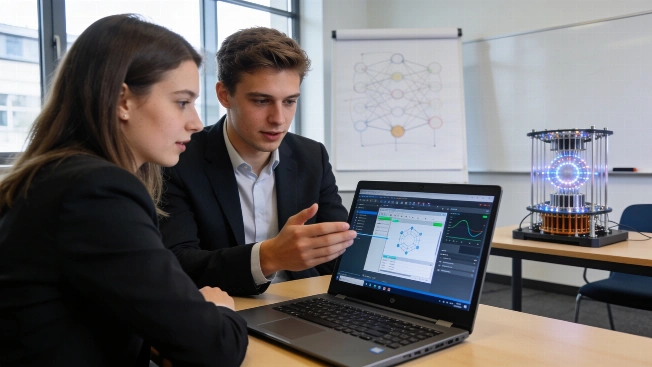
Quantum Software Integrated Into Luxembourg Business School Curriculum
Superpositions and the European Business Institute of Luxembourg have launched a partnership to embed quantum computing and hybrid algorithm workflows into business education, giving students direct access to quantum software platforms and real hardware backends
Part 4 of 13