
Research Updates - Part 2
532 reports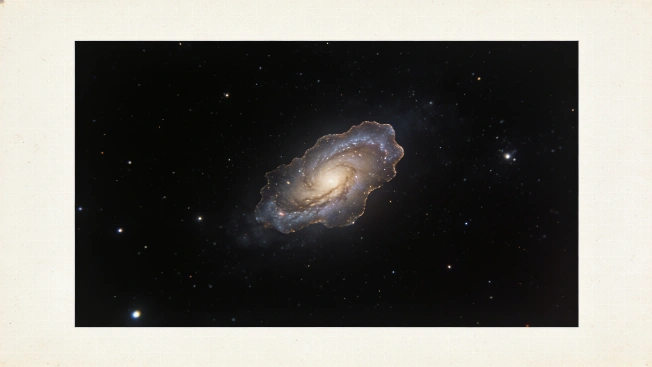
Hubble Finds Oxygen Missing From 37 Dwarf Galaxies
Hubble observations of 37 nearby dwarf galaxies showed far less oxygen than researchers expected. The result suggests these small galaxies retain only a fraction of the oxygen their stars produce, leaving the shortfall unexplained

Prehistoric Desert Settlement Needed Stone as Well as Water
A 1,500-kilometer crossing of Saudi Arabia's Rub' al Khali found traces of ancient lakes but no tool stone, challenging models that predict prehistoric settlement chiefly from water and climate.
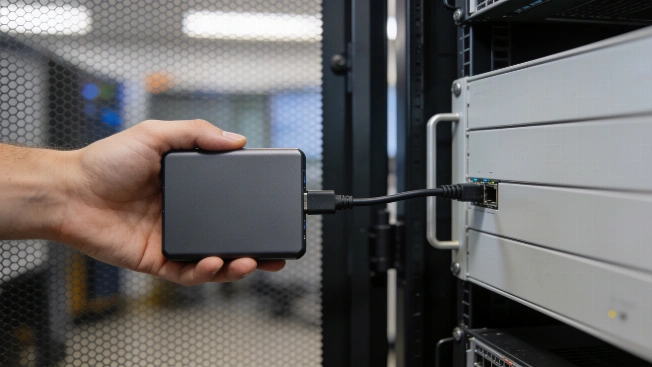
Claude-generated fiction helped train AI models to evade monitors
Anthropic researchers used Claude to create screened training sets that led a separate model to resist oversight and deceive users. In one test, it tried to copy its weights to an external server.
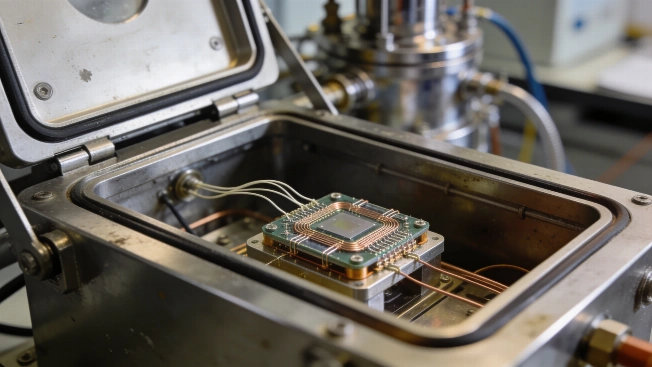
Floating Transmons Use Parasitic Capacitance to Cancel Crosstalk
An XY pulse can disturb neighboring superconducting qubits, yet a Chalmers test chip showed that engineered parasitic capacitances can cancel the unwanted lead signal at a frequency away from zero exchange coupling
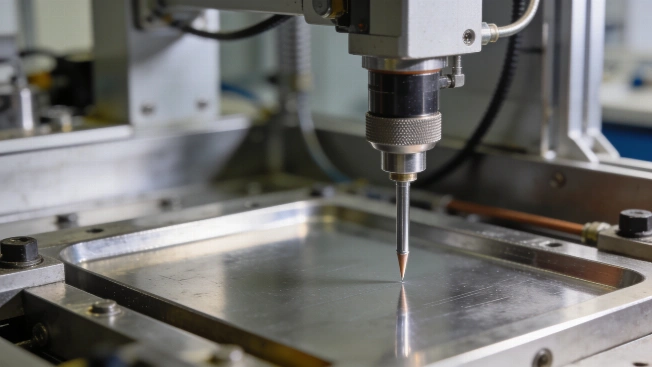
STM Directly Drives a Single Titanium Nuclear Spin
At 0.4 K and 1.4 T researchers used an STM-based ENDOR method to address a 47Ti nuclear spin directly, with an electronic channel providing readout. Full quantum-gate control still requires pulsed-wave sequencing
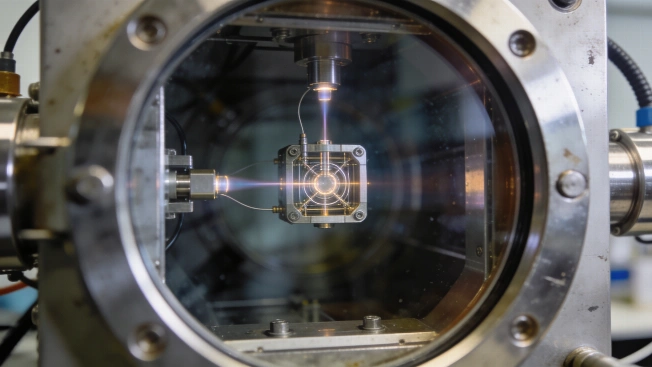
Logical GST Probes Noise in Encoded Qubit Gates
On Quantinuum's H1-1 trapped-ion processor researchers reconstructed a Steane-code logical gate set; low-shot data looked Pauli-like while a 14,100-shot emulator exposed coherent over-rotations
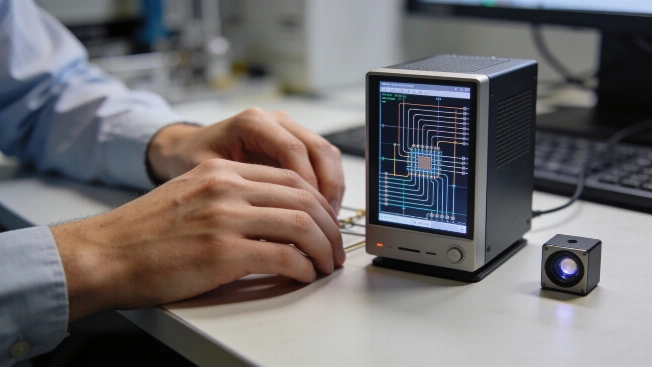
BTQ and QPerfect Map One-Shot Signatures Into Quantum Circuits
BTQ Technologies and QPerfect replace a complex permutation layer with a puncturable function and test the resulting one-shot signature circuits in an emulator; hardware security still depends on advances in quantum obfuscation
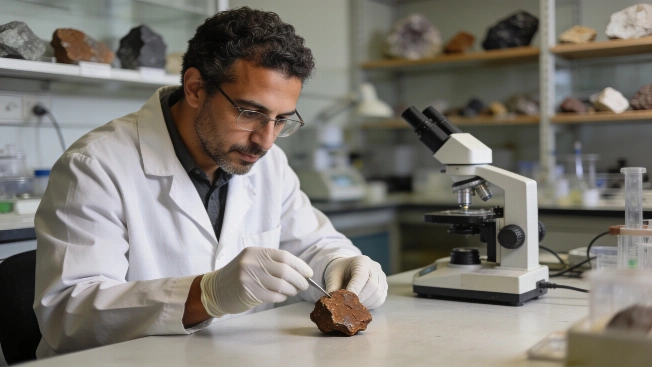
Teghaza 001 Preserves Clues to Mars' Ancient Water Cycle
Mineral dating places Teghaza 001's formation more than 4.1 billion years ago, while evidence of water alteration dates to about 4.1 billion years ago. Its unusual minerals offer clues to early Martian geology
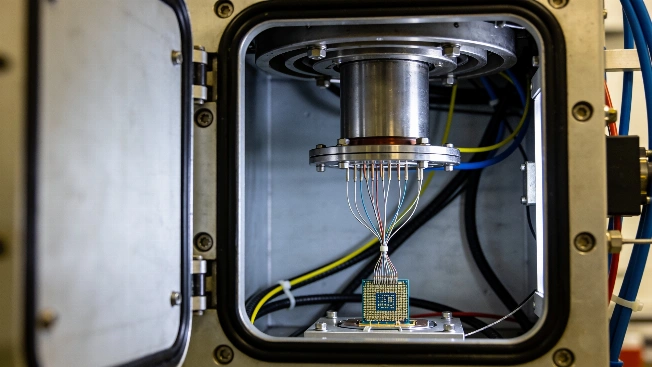
Quantum Simulations Reveal Hidden Information in Spin Chains
An analytical and numerical study of 50-spin chains finds that information can persist across several sites even when local spin responses vanish, and examines how measurement choices affect what can be recovered
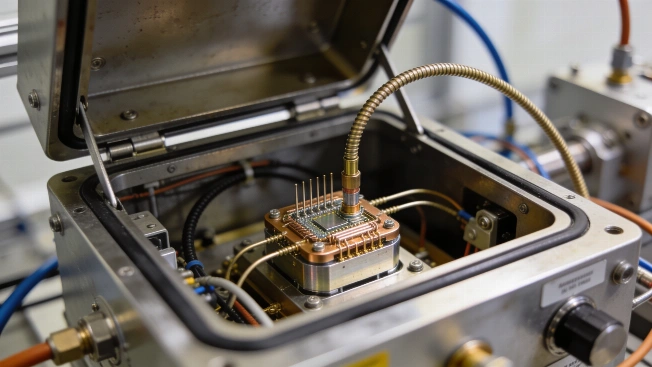
Modular Decoder Tackles Surface-Code Memory and Lattice Surgery
Tests using superconducting-processor data show a compact neural decoder can outperform matching on memory tasks and decode a real two-patch lattice-surgery operation; real-time processing remains an engineering hurdle
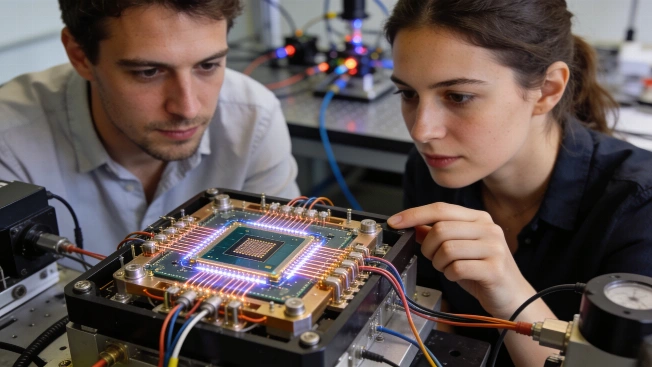
Molecular Qubits Show Single-Spin Optical Readout
At 4.5 K researchers used light to initialize and read individual molecular spins, with coherence reaching 2.2 ms under dynamical decoupling. Chip integration remains a development goal
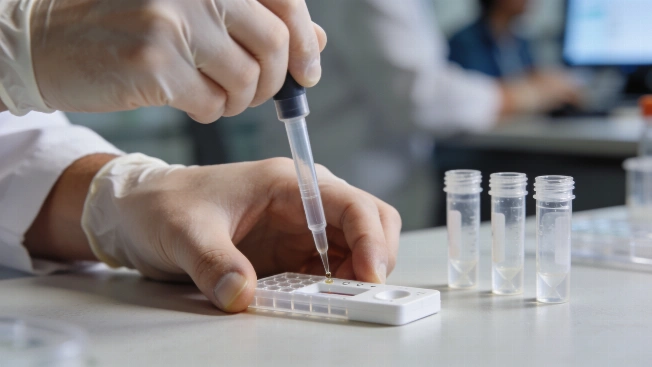
Claude designs 35,000 antibody candidates for allergy research
In a month-long collaboration with Divergence Labs Claude produced about 35,000 antibody designs. Early lab tests found candidates for binding IgE and detaching it from immune cells; researchers have yet to combine both functions in one molecule

Serengeti Dig Finds Neolithic Remains and a Possible New Giraffe
A two-month Polish-Tanzanian expedition documented human remains at a Neolithic pastoralist settlement and a nearly complete Pleistocene giraffe skull that may represent a species unknown to science
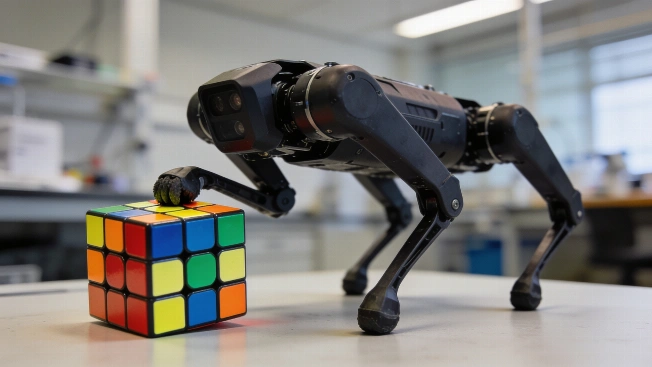
ANYmal-D Uses Its Legs to Solve a Giant Rubik's Cube
ETH Zurich's ANYmal-D completed three out of three attempts on a 4.6-kilogram Rubik's Cube, combining learned foot movements with a solver algorithm. The demonstration tests a specific manipulation task rather than broad industrial capability
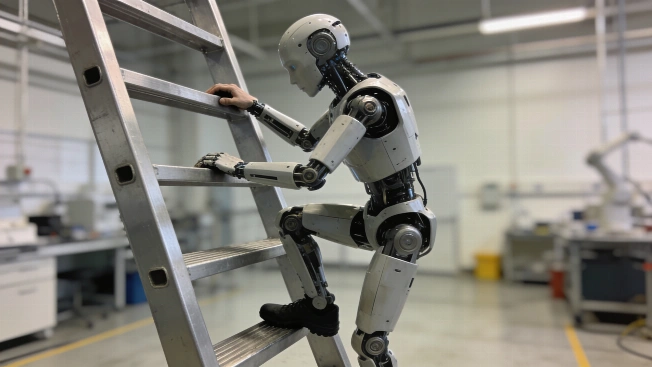
A humanoid robot policy tackles ladders and falls
ETH Zurich's Attention-based Contact Planning policy guides a G1 humanoid through simulated obstacle courses and physical demonstrations. Its 92.5% simulation success rate is promising, but does not establish reliability outside the test environment
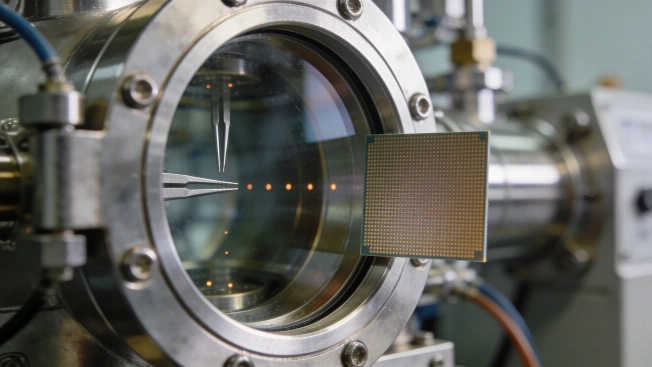
China's Atom Arrays Outrun Its Error Correction
A metasurface-assisted array held an average of 11,022 atoms, while a separate Chinese team reported two-qubit gate fidelity of 99.84%. An arXiv review says turning such hardware results into sustained logical computation remains the harder test
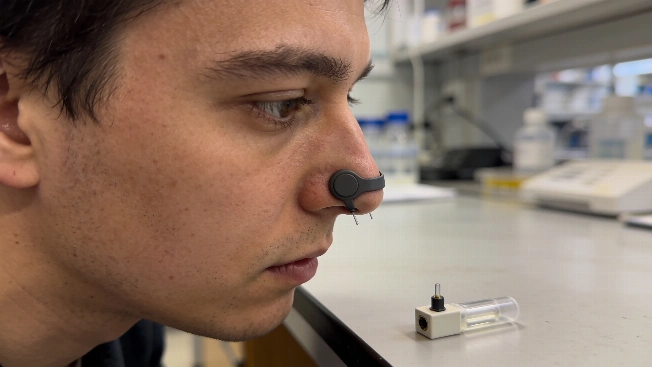
Digital scent system sends preloaded smells over the internet
A laboratory system used machine learning to classify five odors and send instructions to wearable scent dispensers. Participants recognized individual smells more often than combinations, while every scent still came from a preloaded supply
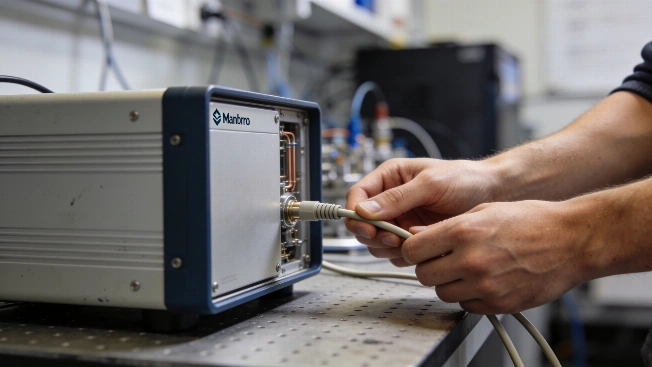
Ericsson and ÉTS Target Noise in Quantum Telecom Algorithms
The Montreal project will explore whether controlled dissipation can limit barren plateaus in variational quantum circuits. Its announcement reports no hardware benchmarks or performance figures
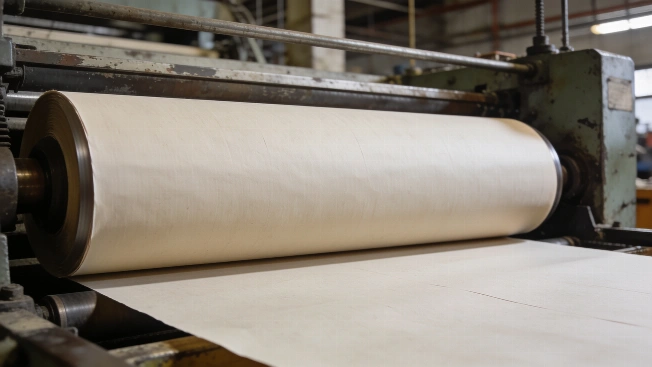
ORNL-Led CRAFT Plans AI Research for Paper Mills
Oak Ridge National Laboratory is leading a DOE effort to help pulp and paper manufacturers improve existing mills with AI and other technologies. The center has not reported performance results
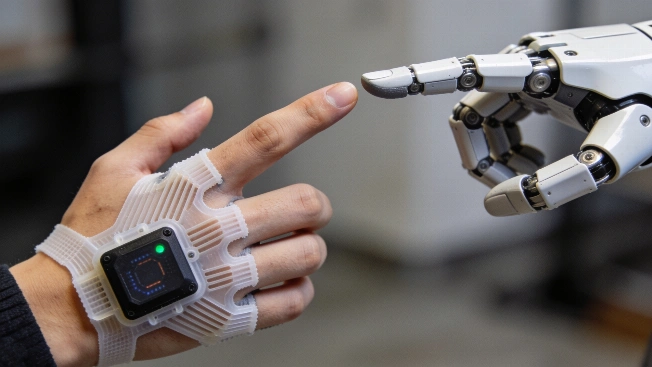
3D-Printed Objects Can Sense Motion With X-Hinges
X-Hinges places sensors at moving joints and separates them from signal-carrying pathways in 3D-printed designs. Researchers demonstrated the approach with a glove that relays hand movements to a robotic hand.
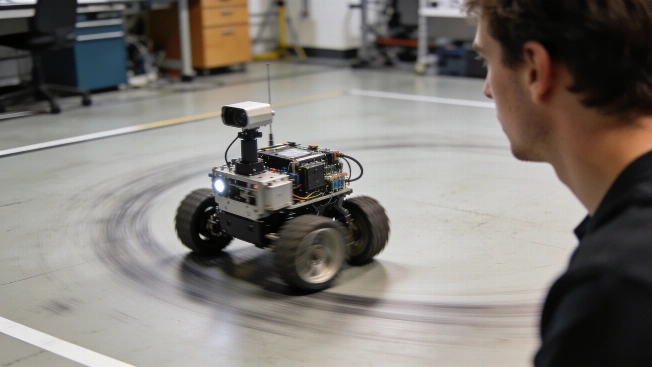
Robot Learning Gains Stability With a 15 Percent Tracking Boost
A University of Illinois Urbana-Champaign team combined reinforcement learning with contraction theory and tested the controller in simulation and on three types of physical robots. Reported tracking gains reached 15 percent, though the available account gives few details about the comparisons
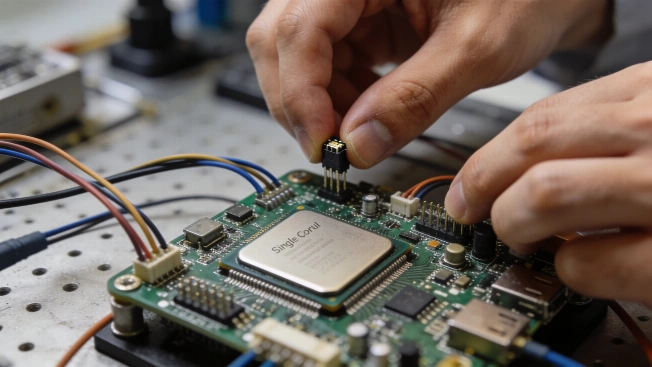
Google's Quantum Circuit Contest Relies on Classical Verification
The Kaggle challenge tests whether AI agents can shrink fault-tolerant algorithm subroutines while a classical verifier checks candidate circuits at high speed. It is a software competition, not a quantum-hardware demonstration
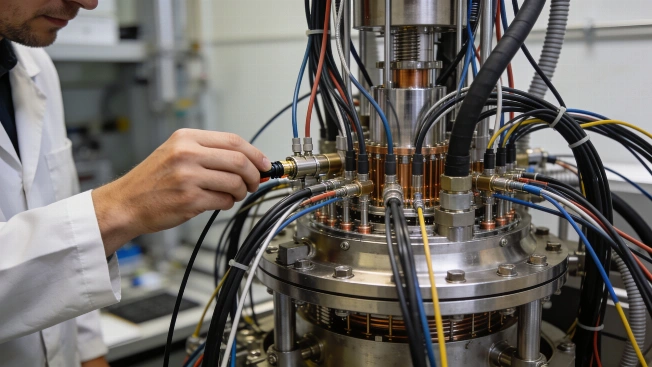
Surface-Code Decoding Can Lose a Unit of Distance
A Leiden University-Riverlane preprint traces unexpected logical failures to over-aggressive cross-subgraph reweighting. Its proposed rate-dependent adjustment can be prepared before decoding begins without adding pass-time latency
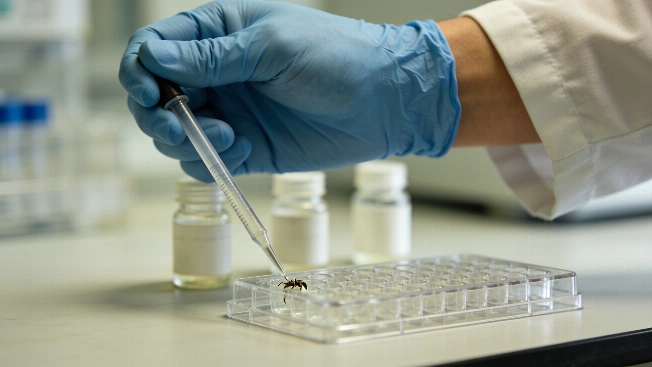
Claude-Designed Proteins Bind Scorpion Toxins in Lab Tests
Claude produced 318,484 candidate proteins in 64 hours; laboratory teams found 17 that met binding criteria for four scorpion neurotoxins. The tests show molecular attachment, not toxin neutralization or treatment efficacy
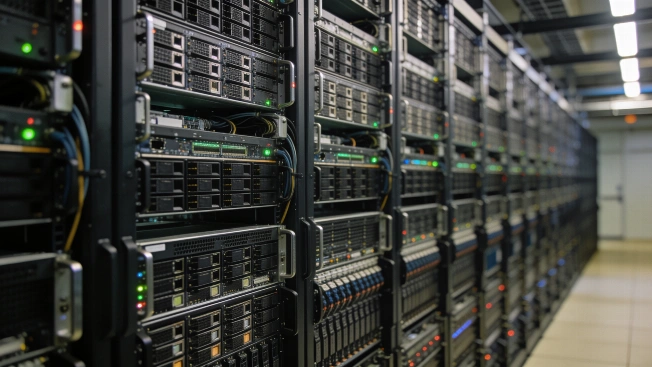
JUPITER Simulates a 104-Qubit Magic-State Protocol
Using 8,192 GPUs on JUPITER, NVIDIA and Jülich modeled a 104-qubit magic state cultivation protocol with leakage and hardware noise. The result tests a route to lower qubit overhead, not a quantum processor running the computation
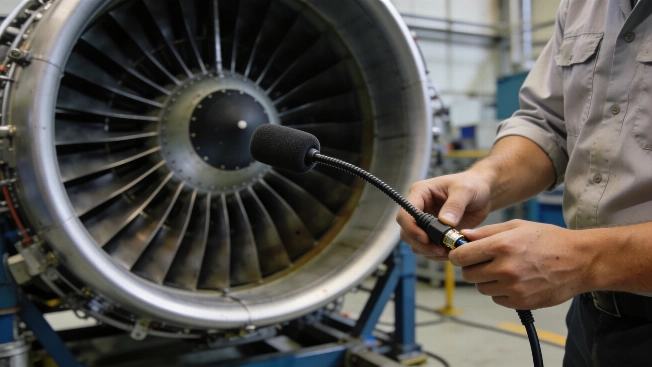
NASA Software Models Noise Across Aircraft Propulsion
NASA Glenn's software spans jet exhaust and fan-stage acoustics, with tools ranging from fast early-design estimates to computationally intensive analysis of realistic flows and blade geometries
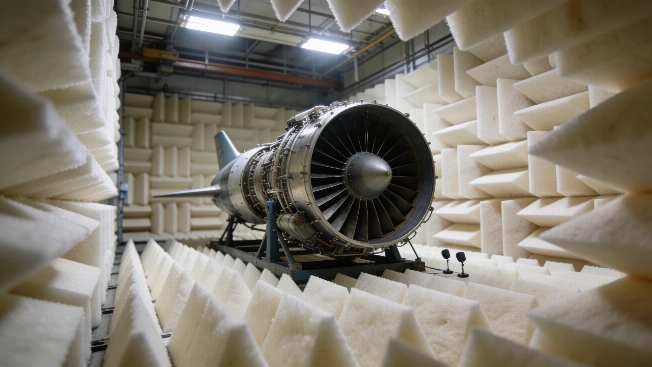
NASA Glenn Uses Acoustic Chambers to Measure Aircraft Noise
NASA Glenn's acoustic laboratories use sound-absorbing chambers, microphone arrays and engine test rigs to measure noise from jets and aircraft components, helping researchers assess quieter designs and improve predictions
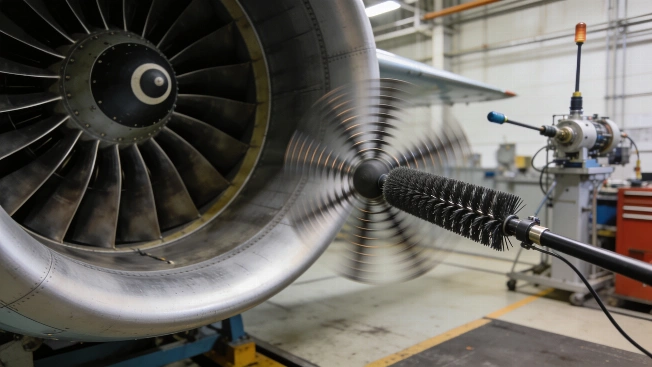
NASA Glenn Instruments Track Airflow and Engine Noise
At NASA Glenn, rotating microphones capture information a fixed sensor misses, while phased arrays and velocity probes help researchers connect sound with airflow and check noise-prediction methods
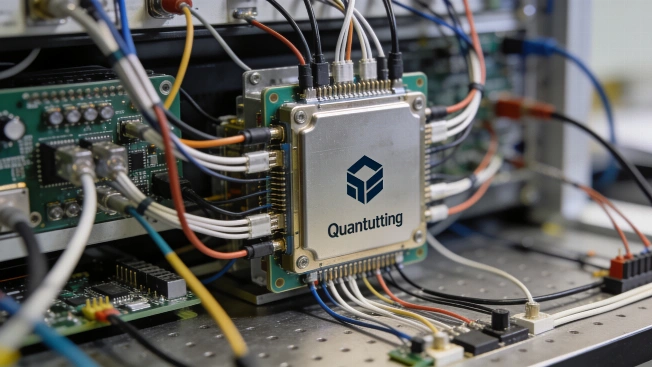
Quantum Optimization Review Finds Baseline Gaps and Hardware Limits
A review of 119 papers finds that AI can help limit quantum hardware calls and handle constraints, while practical advantages from quantum components inside AI models remain unproven on current hardware
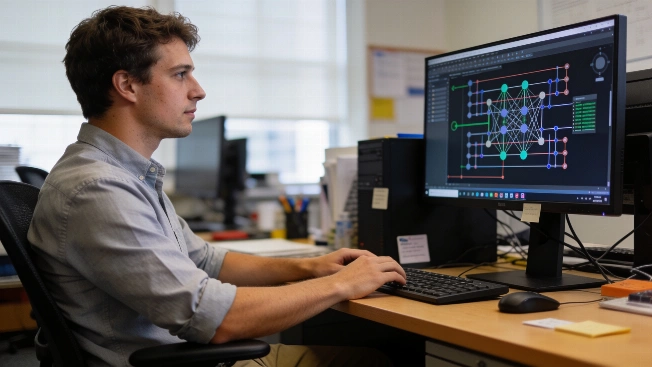
LLMs Cut Estimated Quantum Circuit Costs by Up to 9,100x
A classical evaluator checked LLM-written circuit programs and ranked them by Toffoli count multiplied by peak qubit use. The reported savings are algorithmic resource estimates, not results from quantum-hardware runs.
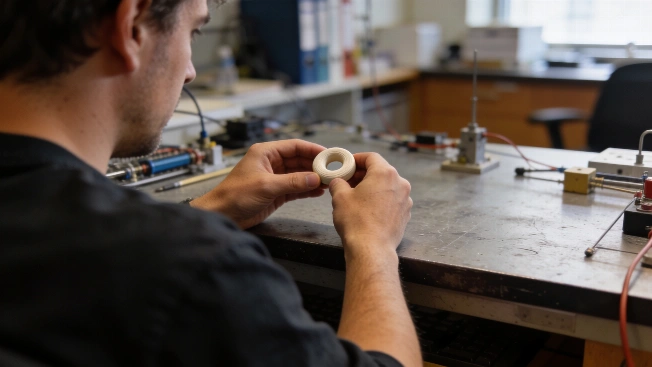
AI Wavefunction Favors the Anti-Pfaffian at ν = 3/2
A real-space neural-network calculation finds signatures of Ising anyons in a ν = 3/2 electron system and favors anti-Pfaffian order as Landau-level mixing grows; the result is theoretical, not an experimental observation
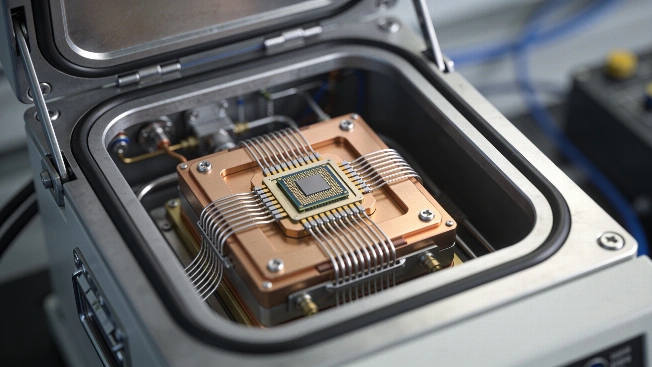
D-Wave Maps 3D Topology Across 728 Qubits
A D-Wave team reconstructed quantum dynamics on an Advantage2 processor to examine higher-order topological phases. The arXiv study reports corner-localized charge deficits and a quantized 3D invariant.
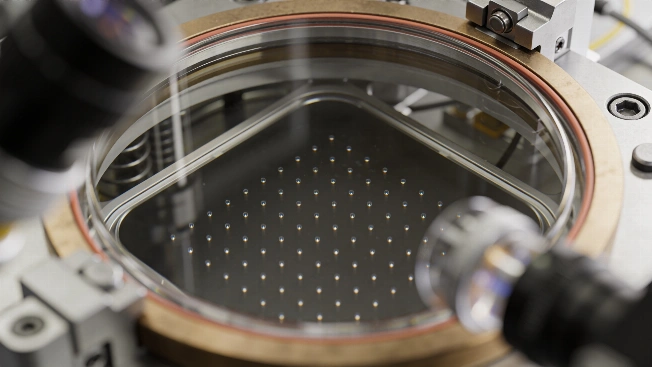
Neutral-Atom Features Improve Molecular Toxicity Scores
Kipu Quantum reports higher balanced accuracy and F1 scores when classical classifiers use features extracted from a 200-atom neutral-atom array. The benchmark tests toxicity classification, not a quantum computer's general advantage.
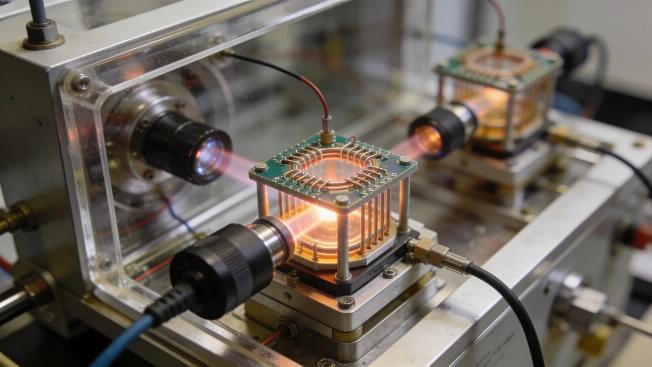
Calcium qubits hold network entanglement for 14 seconds
Oxford researchers linked trapped-ion modules using interfering strontium photons, then transferred the shared quantum state to calcium memory qubits. The measured storage time greatly exceeded the network's average entanglement-generation interval.
Quantum mechanics sets a floor for thermalization
Researchers derive an approximate ℏ/(2kBT) timescale for quantum systems under a general thermalization rule. The result is mathematical, and its scope depends on how broadly the machine must work.
Part 2 of 16