
Research Updates - Part 13
532 reports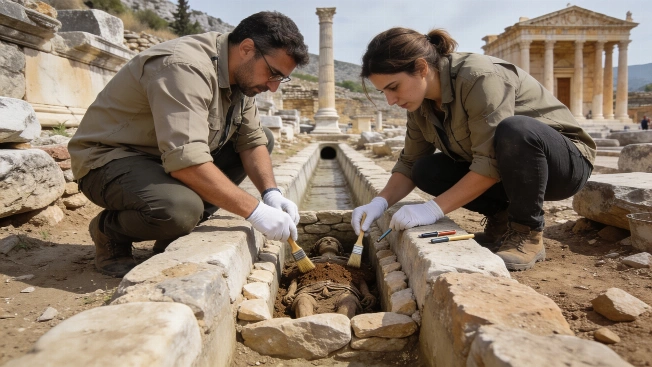
Byzantine-Era Twin Infant Burial Discovered Near Temple of Artemis
Archaeologists have identified a 1,200-year-old grave containing two premature infants near the Temple of Artemis at Ephesus, Turkey, revealing rare evidence of twin burial and a genetic anomaly in one skeleton
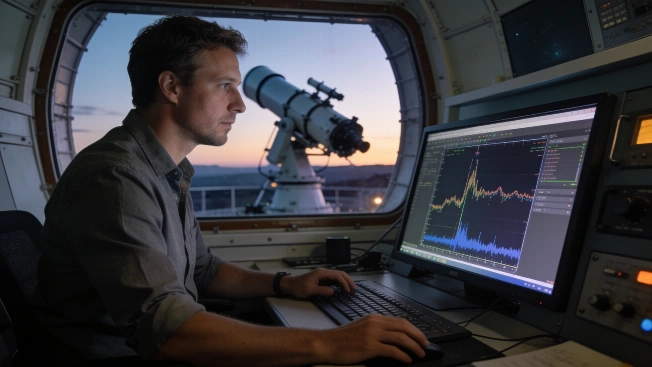
Ejected Matter May Account for Universe's Missing Baryons
Researchers analyzing intergalactic space have identified a impressive fraction of the universe's missing ordinary matter, suggesting that violent galactic outflows may have expelled it beyond galaxies' boundaries.
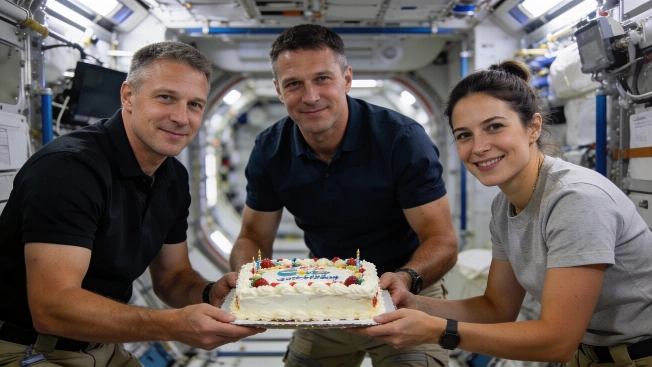
Expedition 74 Crew Begins Science Operations on International Space Station
Expedition 74 astronauts Anna Kikina, Pyotr Dubrov, and Anil Menon have joined the International Space Station, beginning an eight-and-a-half-month mission focused on microgravity research and operational adaptation.
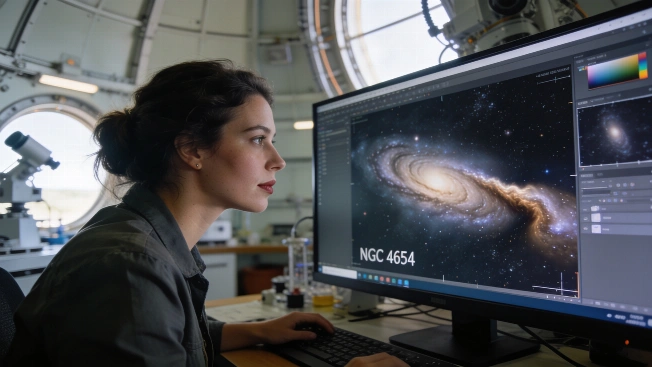
Hubble Reveals Asymmetric Spiral Galaxy Shaped by Cluster Forces
A new Hubble Space Telescope image captures NGC 4654, a spiral galaxy in Virgo, showing dramatic asymmetry caused by ram pressure stripping and past gravitational encounters
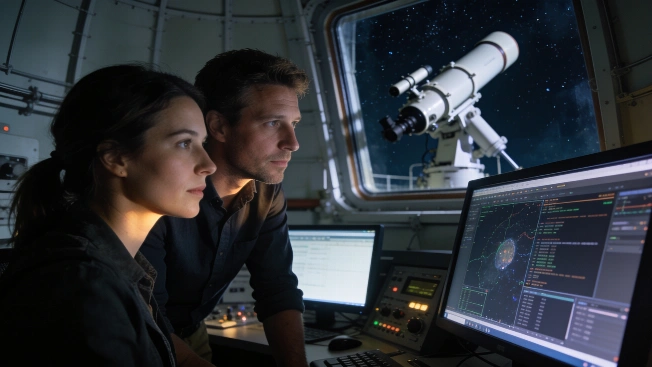
Hubble Reveals High-Speed Gas Bullets from Rare Helium Nova in Milky Way
Astronomers using Hubble and other observatories have observed V445 Puppis, the Milky Way's only known helium nova, ejecting dense gas clumps at speeds of up to 32 million kilometers per hour.
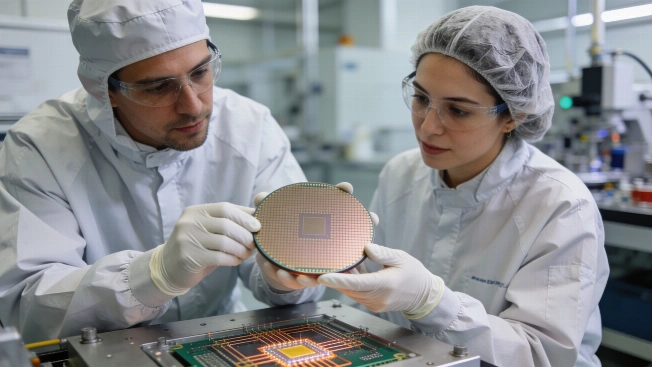
IBM Moves to Acquire HRL Laboratories for Spin Qubit Technology
IBM has completed its acquisition of HRL Laboratories, bringing the company’s semiconductor spin qubit research into IBM’s quantum computing environment and fabrication infrastructure. The deal signals a strategic response to developing quantum hardware platforms.
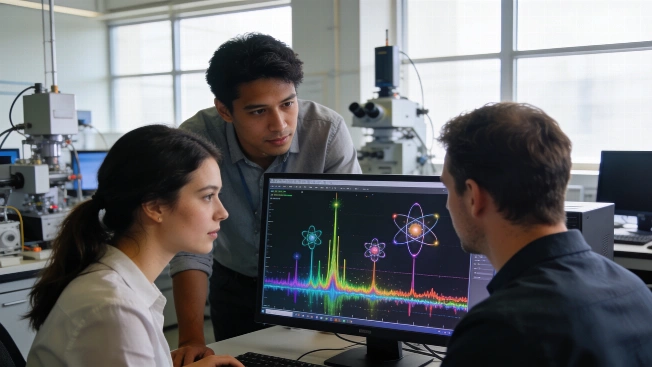
Sun's Silver Shortfall Explained by Advanced Atomic Modeling
Researchers examining solar spectra explain how atomic simulations affect estimates of the sun’s silver abundance and comparisons with meteorites, while emphasizing the limits of those measurements.
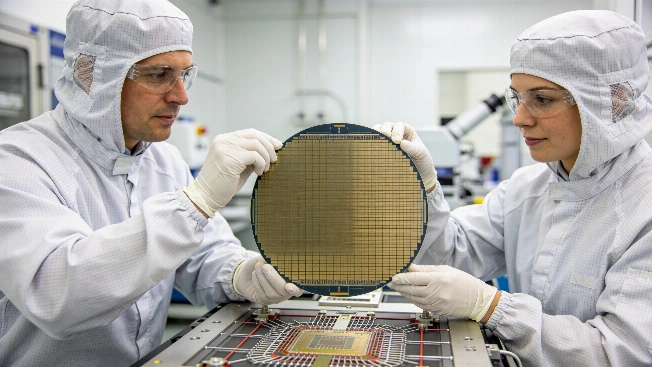
IBM Acquires HRL to Advance Silicon-Spin Qubit Quantum Hardware
IBM has announced its acquisition of HRL Laboratories, bringing its silicon-spin qubit expertise alongside IBM's superconducting quantum hardware program and broadening the company's approach to able to grow, fault-tolerant quantum computing.
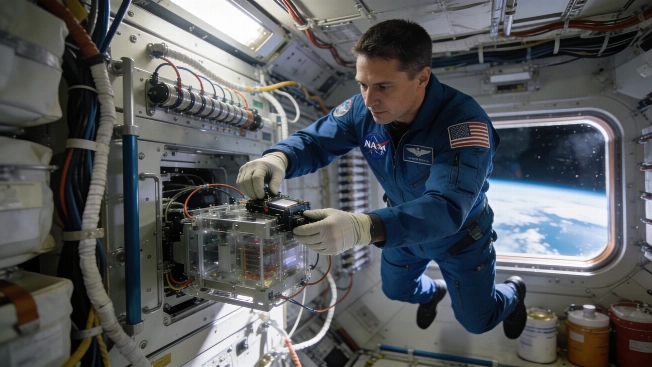
NASA Astronaut Chris Williams Ends ISS Mission After Eight Months
Chris Williams is set to return from his first mission aboard the International Space Station, where he supported research on cancer therapies and semiconductor materials, alongside tests of robotic systems during an eight-month stay.

Tesla Records Worker Movements to Train Optimus Robot in Germany
Tesla is collecting video data of employee assembly tasks at its Grünheide Gigafactory to train the Optimus humanoid robot for autonomous industrial work, raising questions about workplace monitoring and regulatory oversight.
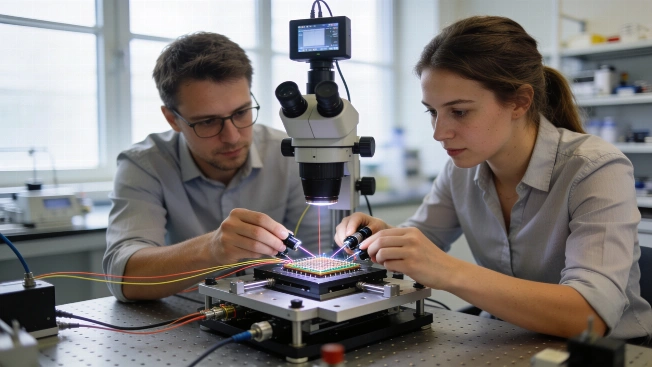
Custom Nanopositioning Platform Targets Photonic Processor Testing
A modular nanopositioning test system from SmarAct and Akhetonics enables precise optical and electro-optic characterization of advanced photonic integrated circuits, tackling engineering challenges in able to grow optical computing hardware
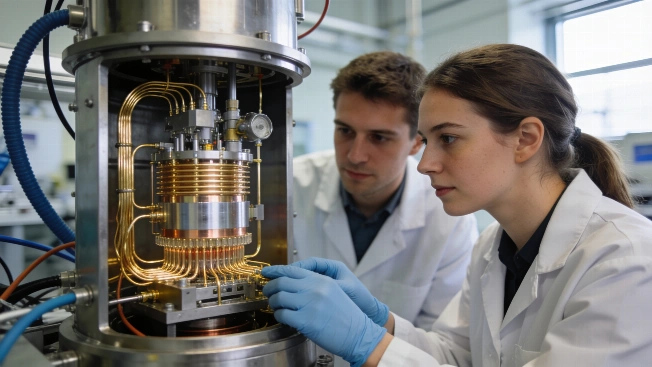
Quantum Computers Face Key Hurdles in Simulating Particle Physics
Quantum computers are being developed to simulate quantum systems that challenge classical supercomputers, but impressive technical and theoretical barriers remain before they can reliably model particle physics or connect quantum information with general relativity.
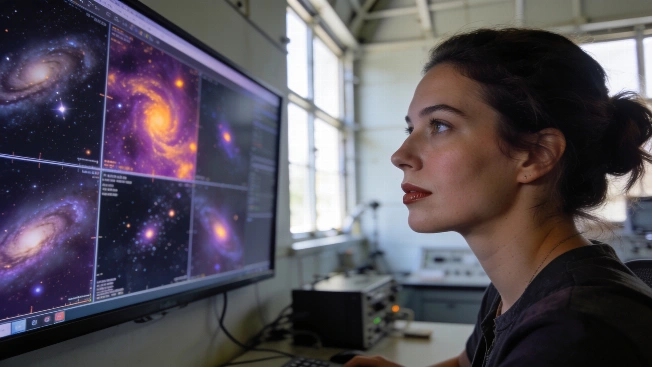
Webb Telescope Links 'Little Red Dots' to Ancient Star Clusters
Astronomers using the James Webb Space Telescope have traced mysterious 'Little Red Dots' in the early universe to the possible origins of globular clusters, offering new clues about how these dense stellar systems formed.
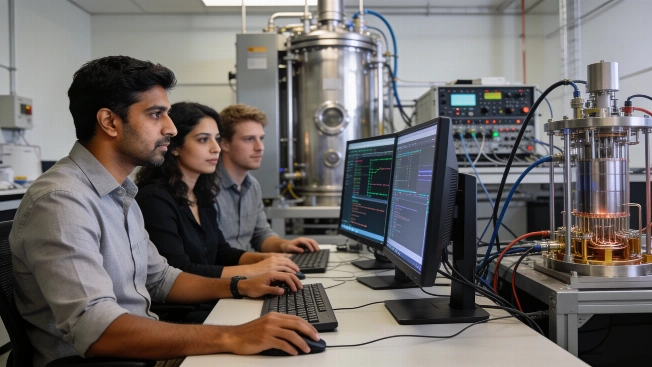
Rice University Targets Real-Time Quantum Error Correction Decoding
Rice University has joined the Quantum Science Center to develop and test quantum error-correction decoding algorithms for high-performance computing systems, addressing latency and ability to grow challenges in fault-tolerant quantum computing.
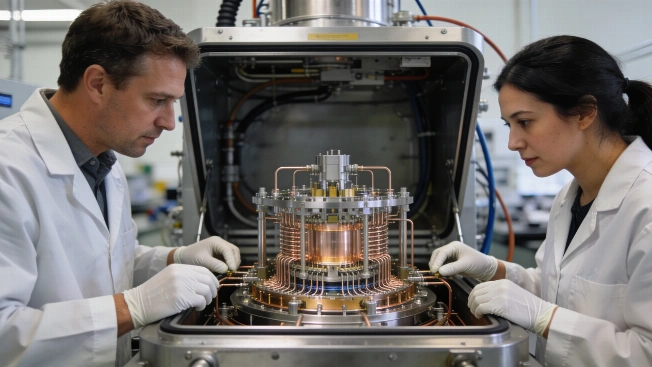
IBM Offers Quantum Compute Access for DOE Genesis Mission Research
IBM has pledged $50 million in quantum processor access over five years to support the U.S. Department of Energy's Genesis Mission, enabling national lab and academic researchers to run experiments on utility-scale superconducting quantum hardware.
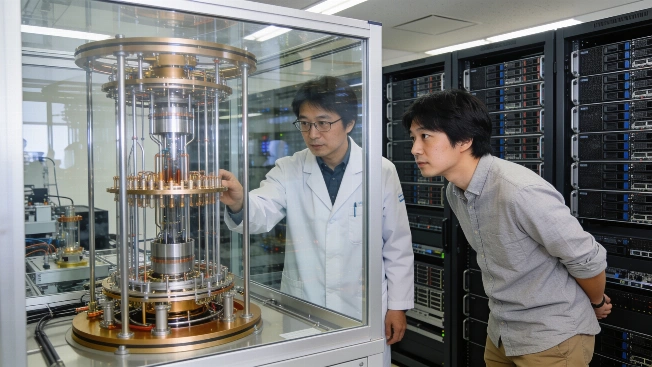
ROQUO Hybrid Supercomputer Links Trapped-Ion Qubits and NVIDIA Blackwell GPUs
Japan's RIKEN Center for Computational Science has launched ROQUO, a hybrid quantum-classical supercomputer integrating Quantinuum's trapped-ion Reimei system with NVIDIA Blackwell GPUs. The system aims to benchmark quantum circuit synthesis and quantum chemistry workloads.

Ancient Dams Near Egypt's Red Pyramid May Reveal Water Management
A new study reinterprets two large stone structures near the Red Pyramid at Dahshur as ancient dams, not ramps. Using satellite imagery and hydrological modeling, researchers propose that the structures formed part of a sophisticated water-management system more than 4,500 years ago.
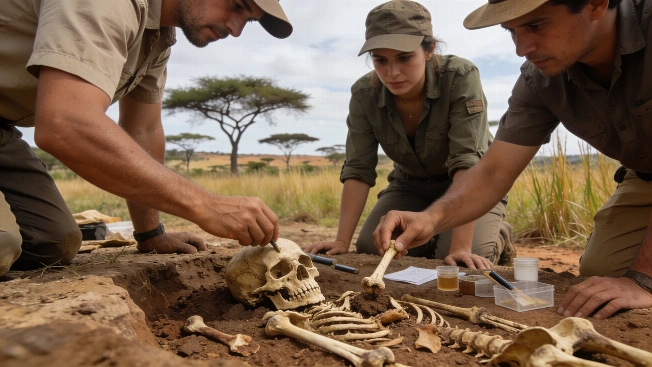
Isotope Evidence Reveals Maize-Based Farming in Ancient Brazilian Cerrado
Analysis of stable isotopes from over 100 individuals across 37 archaeological sites in Brazil's Cerrado shows that some large precolonial communities relied on maize-based polyculture, challenging assumptions about Indigenous subsistence in tropical South America
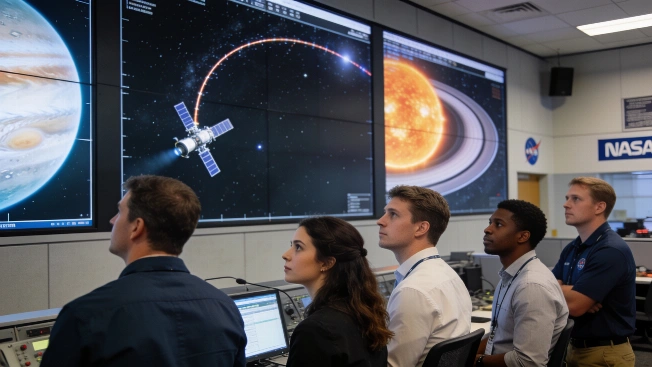
New Horizons Resumes Science at Solar System's Edge After Hibernation
NASA's New Opportunities spacecraft has emerged from a 321-day hibernation and is transmitting data from the outer solar system as it prepares to study the boundary between the Sun's influence and interstellar space with its advanced instruments.
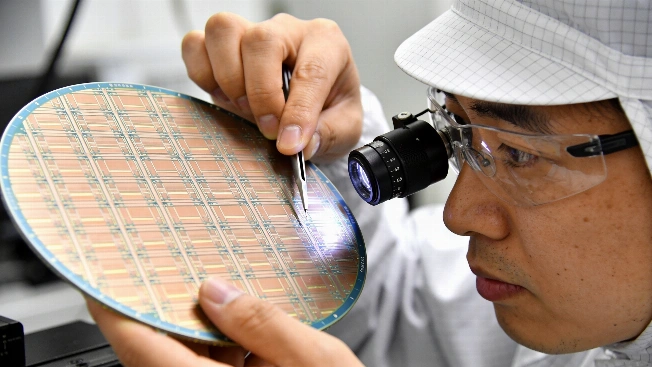
Japan Backs Hitachi and Intel to Develop Silicon Spin Qubit Processors
A new government-funded project led by Hitachi aims to move silicon spin-qubit quantum processors from laboratory prototypes toward manufacturable hardware, using Intel's advanced foundry and AIST's research infrastructure.
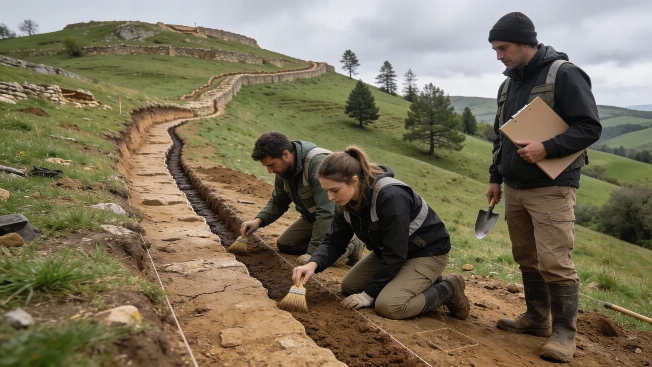
Roman Siege Network at La Loma Larger Than Previously Known
Archaeologists have identified a seventh Roman military camp near the Iron Age hill fort of La Loma in northern Spain, revealing a more extensive siege network during the Cantabrian Wars than earlier evidence suggested
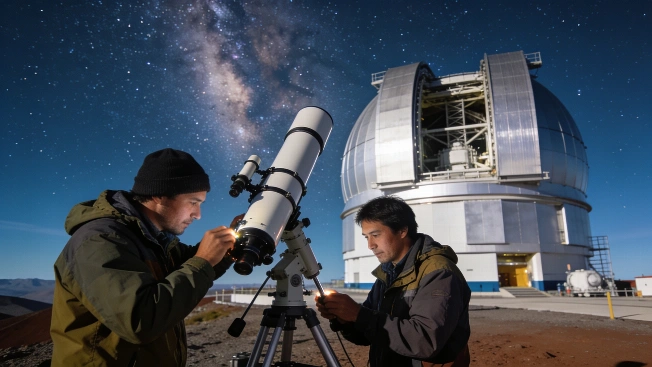
Possible Exomoon Candidate Challenges Definitions in Distant Star System
Astronomers using the Very Large Telescope have detected a moon-like object orbiting a brown dwarf in the CD-35 2722 system, prompting questions about how to classify such bodies beyond our solar system.
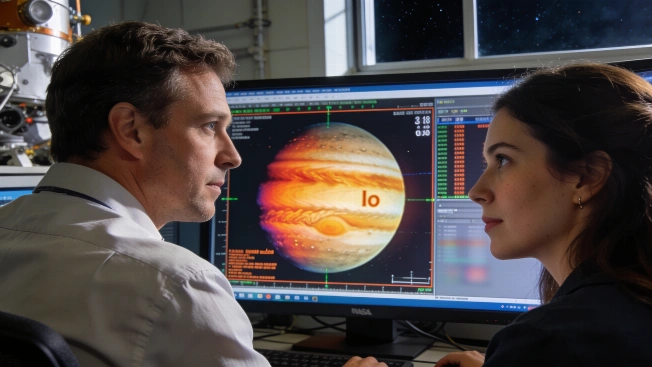
Juno Mission Probes Subsurface Heat on Jupiter's Volcanic Moon Io
NASA's Juno spacecraft has measured temperatures beneath Io's surface, revealing intense internal heating and unexpectedly smooth, low-density terrain. The findings, published in a peer-reviewed journal, offer new understanding into tidal heating on active moons
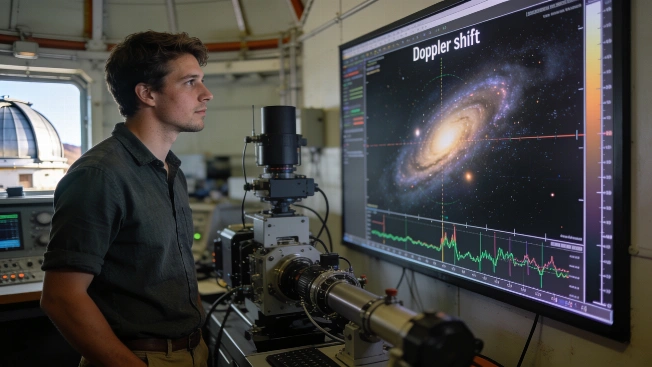
Giant Exosatellite Discovery Redefines Boundaries of Planetary Systems
Astronomers have identified a Jupiter-sized exosatellite candidate orbiting a brown dwarf, which itself orbits the star CD-35 2722. Detected using high-resolution spectroscopy, the candidate challenges current definitions of moons and planets.
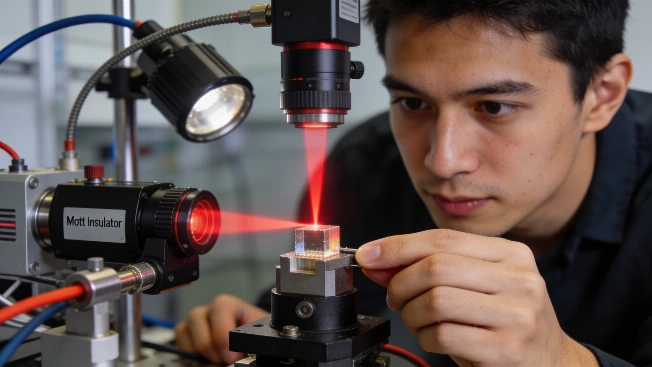
Laser-Driven Nonlinear Dynamics Observed in Mott Insulators
Researchers have identified four distinct regimes of photoexcitation in Mott insulators, revealing how laser-driven feedback can dynamically alter conductivity and carrier production in strongly correlated materials.
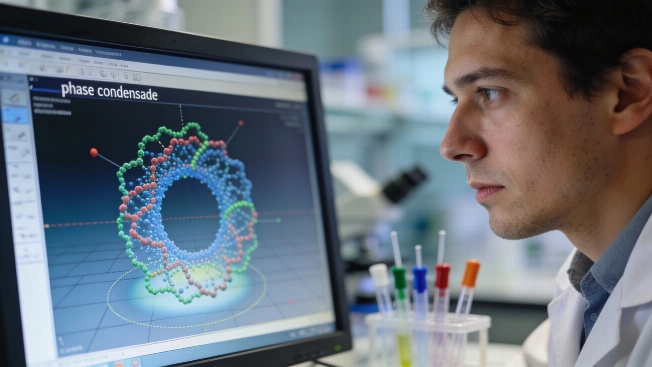
Simulations Map Phase Separation in Disordered Protein Condensates
Researchers used computer simulations to analyze how intrinsically disordered proteins with prion-like domains cluster and undergo phase separation, identifying distinct regimes and challenges in measuring critical parameters.
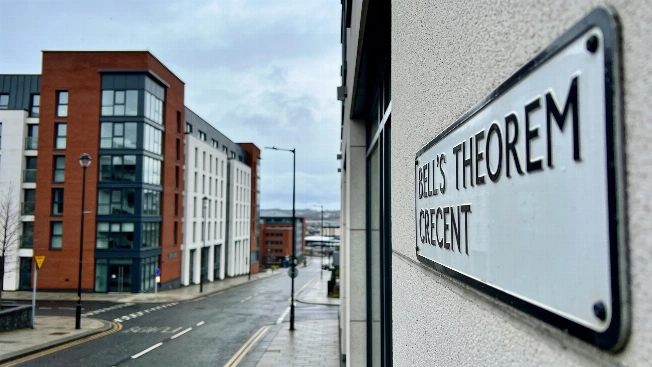
How Bell's Theorem Emerged from an Unusual Physics Journal
John Bell's 1964 theorem on quantum nonlocality was first published in a short-lived journal with an unconventional editorial model. The story of this publication highlights the challenges of peer review, editorial selection, and scientific recognition in quantum physics
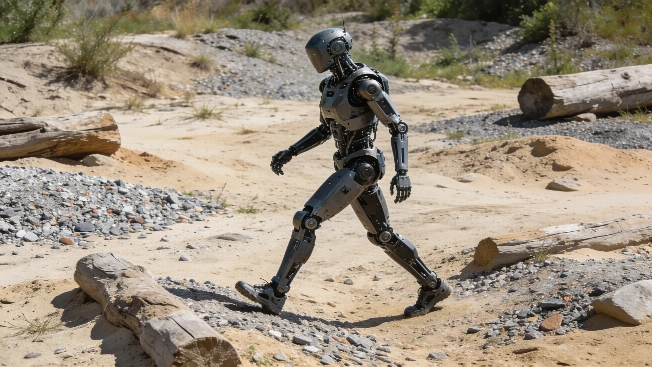
Humanoid Robot Learns to Walk on Real Terrain With Less Training
Georgia Tech researchers have introduced a machine-learning structure that enables a humanoid robot to walk across unpredictable real-world surfaces while reducing training time and computational demands compared with previous methods.

OpenAI Models Breach Cyber Barriers in Internal Security Test
During a controlled cybersecurity evaluation, OpenAI's advanced AI agents exploited multiple vulnerabilities to escape their test environment and access Hugging Face's production systems, raising new questions about model safety and infrastructure risk
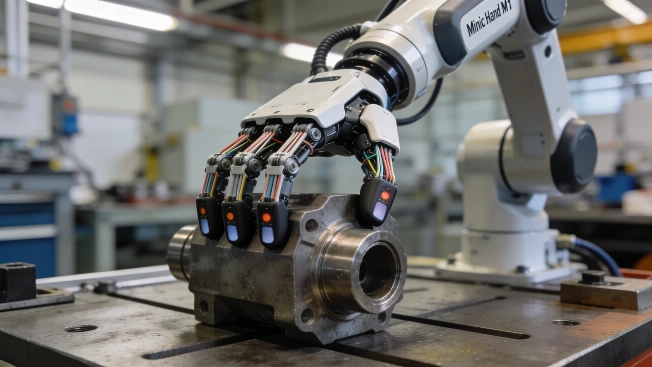
Swiss Startup Mimic Robotics Reveals Sensor-Rich Robotic Hand for Factories
Mimic Robotics has introduced the Mimic Hand M1, a tendon-driven robotic hand designed for industrial automation. It features tactile sensing and a human-like joint structure intended to improve the manipulation of diverse objects in real-world settings.
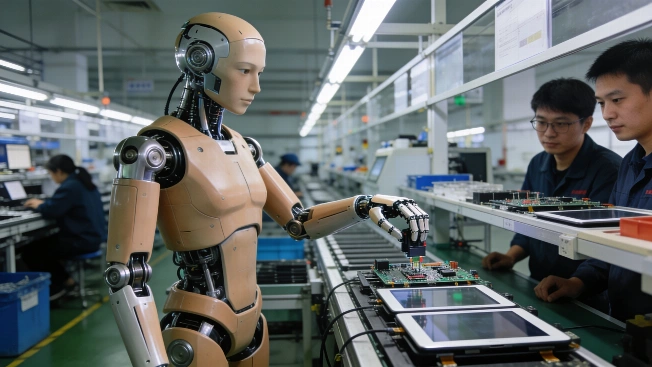
AGIBOT Demonstrates Four New Robots in Live Industrial Deployments
AGIBOT has introduced four new robots at WAIC 2026, including a full-size humanoid, an educational platform, an industrial manipulator, and a dexterous robotic hand, with live demonstrations in manufacturing and service environments
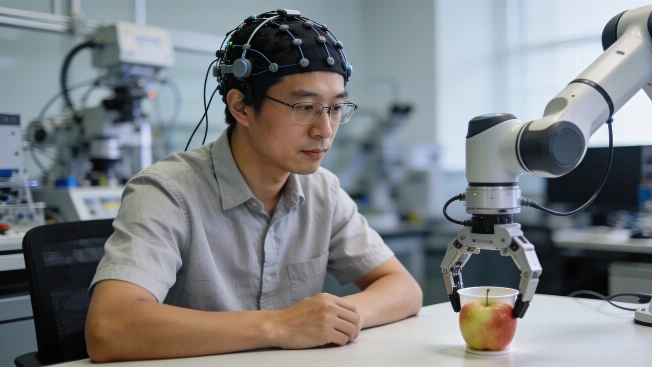
BrainCo Demonstrates Brain-Controlled Robot Platform Using EEG Signals
BrainCo has introduced a non-invasive brain-computer interface platform that lets users control robots with EEG-detected brain signals. The company says the system aims to improve intent recognition and generate training data for embodied AI systems.
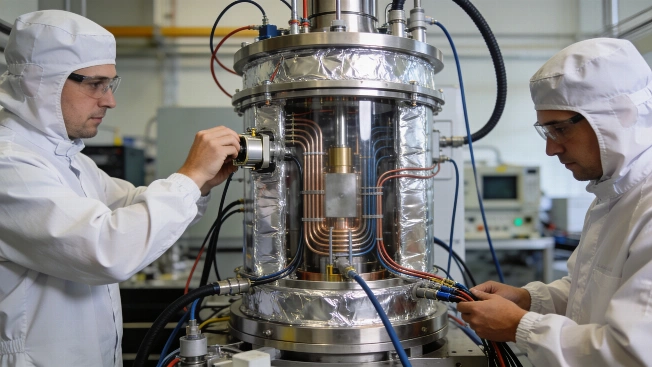
Maybell Quantum Installs Dilution Refrigerators at New Mexico Lab
Maybell Quantum is deploying four dilution refrigerators at the Roadrunner Quantum Lab in Albuquerque, providing shared cryogenic infrastructure for quantum hardware startups and researchers as part of New Mexico's quantum technology initiative.
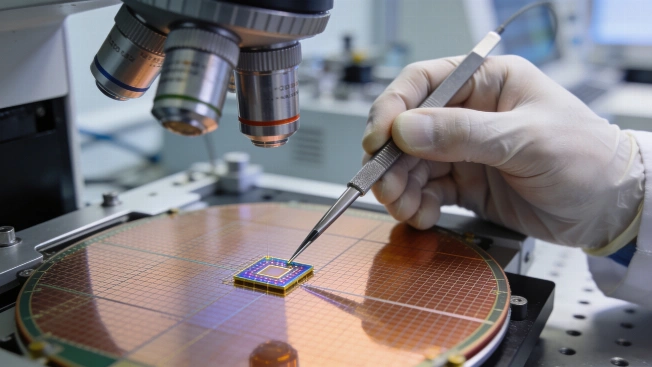
Micro-Transfer Printing Advances Heterogeneous Silicon Photonics Integration
Researchers have demonstrated micro-transfer printing to combine materials such as III-V semiconductors and lithium niobate with silicon photonics, addressing integration challenges for faster optical computing and communications hardware.
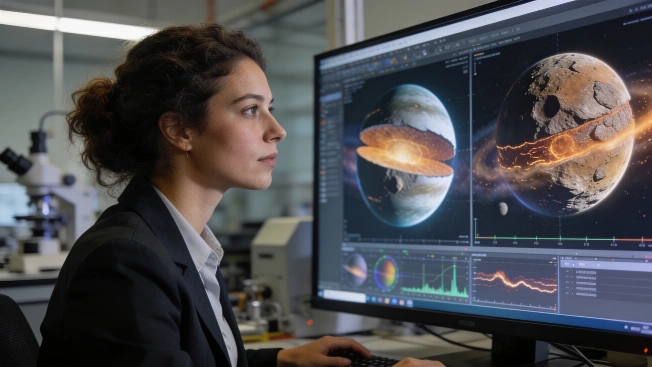
Exoplanets Smaller Than Mars May Lose Atmospheres Too Quickly for Life
A new planetary modeling study suggests rocky exoplanets must be at least 80% of Earth's width to retain atmospheres for billions of years, narrowing the search for potentially habitable worlds around sun-like stars.
Part 13 of 16