
Physics - Part 2
253 reports
Quantum Computing Patents Face Uncertainty Under US Legal Standards
Quantum computing developers in the US confront unpredictable patent eligibility as courts apply inconsistent standards to algorithms and device innovations. This analysis examines the legal hurdles and offers practical strategies for protecting quantum inventions.

Chalmers Team Accelerates Bosonic Quantum Gates with Single-Period Control
A theoretical advance from Chalmers University enables continuous-variable quantum gates on bosonic codes to run up to 1,000 times faster than previous adiabatic methods, using a single-period Floquet control scheme in superconducting resonators
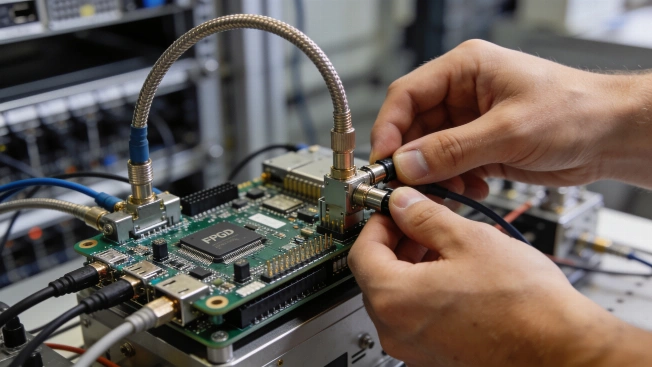
Altera and Riverlane validate real time QEC interface on Agilex FPGAs
Altera and Riverlane have integrated an open source quantum error correction interface on Agilex 7 FPGAs, aiming to standardize real time data movement and control for multi qubit quantum processors across several hardware platforms
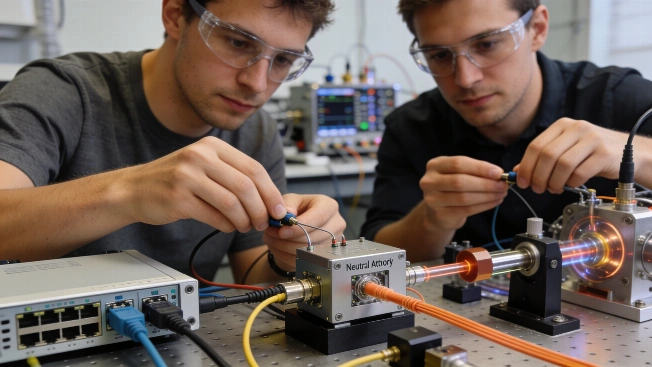
Infleqtion and Cisco test neutral-atom quantum network integration
Infleqtion and Cisco have begun joint R&D to connect neutral-atom quantum memory and processing units with telecom-compatible network switches, aiming to address the physical and protocol challenges of distributed quantum computing
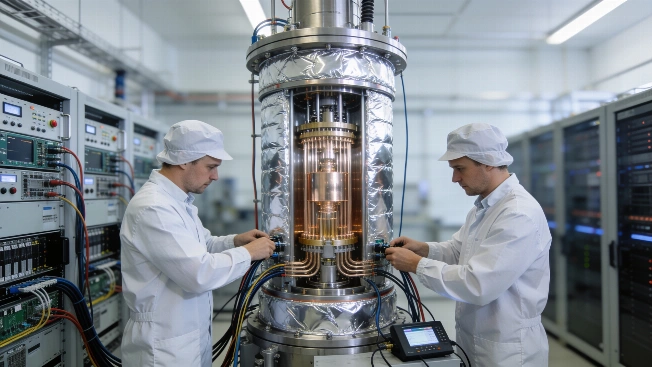
Europe to Deploy Superconducting Logical Qubit System at LUMI AI Factory
A superconducting quantum computer designed for logical qubit operation will be installed at the LUMI AI Factory in Finland, aiming to integrate quantum error correction with high-performance computing and AI infrastructure
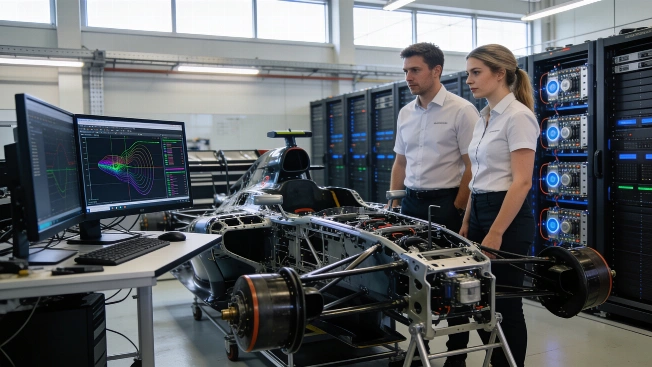
Hybrid Quantum Simulation Targets Formula One Engineering Limits
A Formula One team is piloting hybrid quantum-classical simulation tools to model complex physics in car development, integrating quantum algorithms and post-quantum security hardware under strict computational budgets
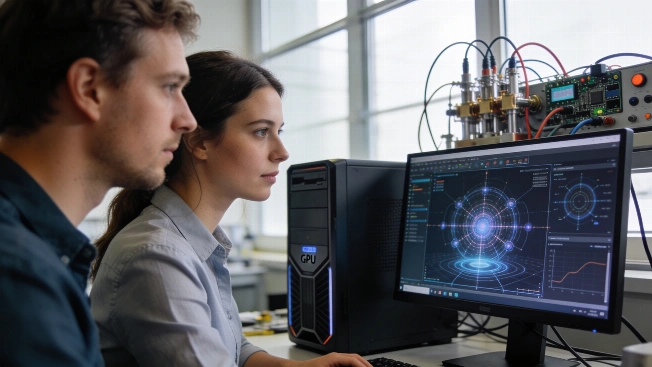
Qilimanjaro Quantum Tech adds GPU acceleration to analog simulation
Qilimanjaro Quantum Tech has released QiliSDK v0.3.0, introducing GPU-accelerated analog quantum simulation, a new stabilizer state simulator, and expanded classical optimization tools for hybrid quantum-classical workflows
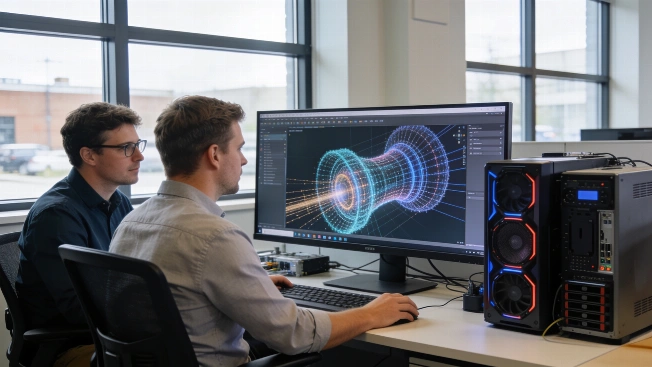
IBM Ventures Backs BQP for Quantum Physics Simulation Acceleration
BQP has secured an $8 million investment led by IBM Ventures to expand its quantum-accelerated physics simulation platform. The company aims to bridge the gap between classical high-performance computing and hybrid quantum-classical workflows for engineering applications.

New sensor concept aims to reveal hidden nuclear weapons in orbit
A proposed satellite-based detector could identify nuclear warheads concealed on spacecraft by measuring neutron emissions, offering the first practical method to verify the decades-old ban on nuclear arms in space
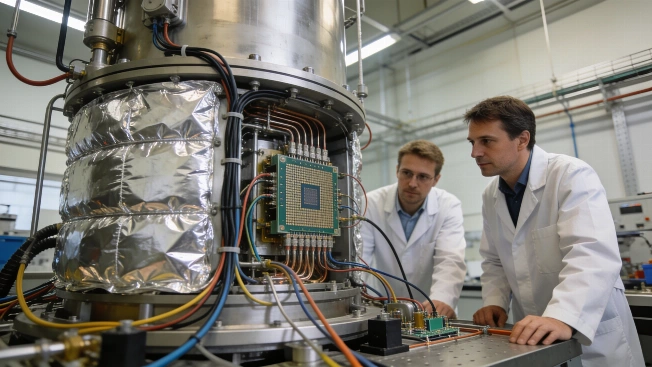
Cryogenic Milestone for Silicon Spin Qubits as Quobly and Absolut System Advance
Quobly and Absolut System have qualified a 100 mW sub-kelvin cryogenic platform to support silicon spin-qubit quantum processors, marking a key step toward scalable quantum computing hardware and revealing the engineering limits of thermal management
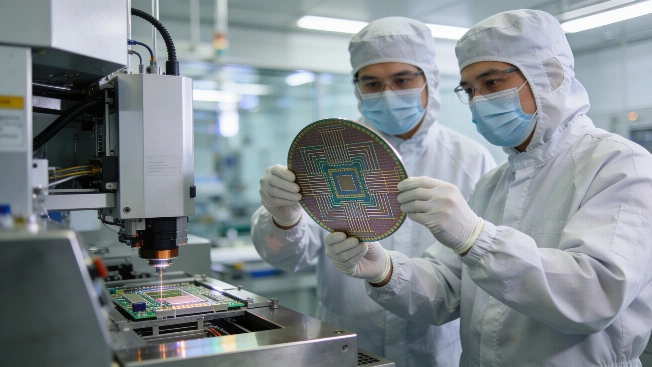
Xanadu and ASML target lower optical loss in silicon quantum chips
Xanadu Quantum Technologies and ASML have launched a technical collaboration to reduce optical propagation loss in integrated silicon photonic circuits, a key challenge for scalable fault-tolerant quantum computing hardware
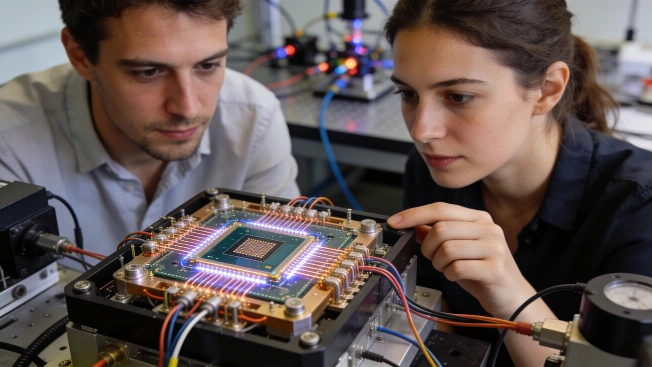
NVision Targets Scalable Spin Qubit Chips With Photonic Links
NVision Quantum Technologies has secured EuroHPC funding to develop a roadmap for quantum processors that combine organic molecular spin qubits with photonic interconnects, aiming to address scaling and integration challenges in quantum computing hardware

Quantum Navigation System Tested on Attritable Drone in GPS Denial Trial
SandboxAQ and Northrop Grumman have flight-tested a magnetic anomaly-based quantum navigation system on the Lumberjack attritable drone, aiming to establish reliable positioning in environments where GPS is unavailable or jammed
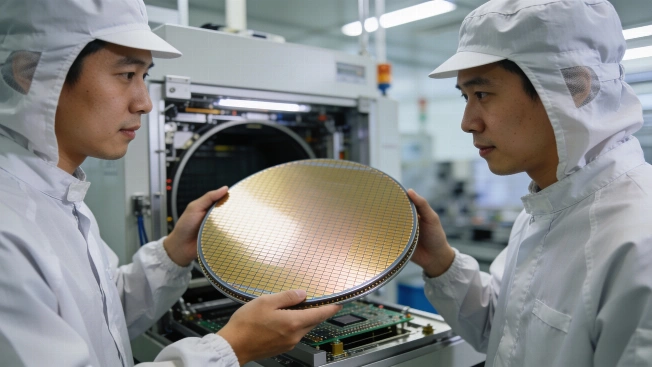
Universal Quantum launches Singapore center for trapped-ion chip development
Universal Quantum has opened its first Asia-Pacific R&D center in Singapore, aiming to advance trapped-ion quantum processor fabrication and algorithm co-design with over SGD 30 million in investment

High Energy Photon From Distant Gamma Ray Burst Challenges Physics Limits
A photon with record-breaking energy from the gamma ray burst GRB 221009A reached Earth despite theoretical barriers. New analysis suggests a possible explanation involving axion-like particles and Lorentz invariance violation
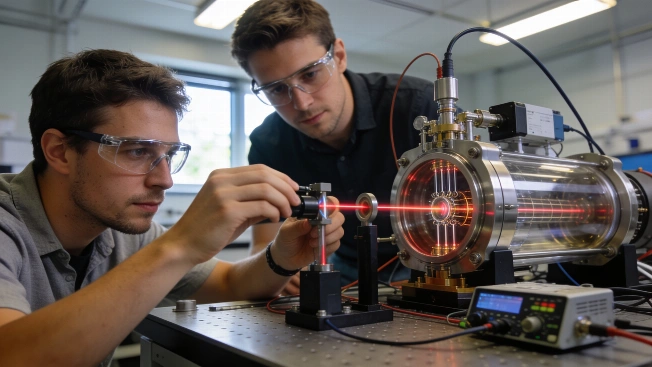
IonQ Models Quantum Attack on Bitcoin Elliptic Curve Security
IonQ has released a detailed resource estimate for running Shor's algorithm on a trapped-ion quantum architecture to target the 256-bit secp256k1 elliptic curve, the cryptographic foundation of Bitcoin and many blockchain systems
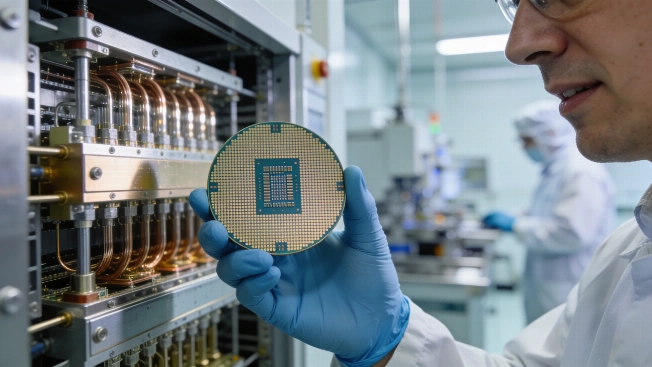
IonQ Superion 256 Trapped Ion Chip Targets Data Center Integration
IonQ has introduced the Superion 256 quantum processor, a trapped-ion chip platform with on-chip electronic control and CMOS integration, aiming to reduce cost and enable standard data center deployment. Commercial delivery is targeted for 2027
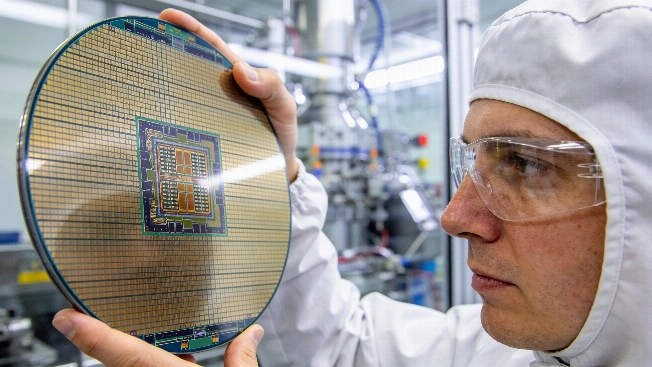
PsiQuantum Secures Major CHIPS Act Funding for Photonic Quantum Manufacturing
PsiQuantum has finalized a $100 million CHIPS Act award with the US Department of Commerce to accelerate domestic manufacturing of photonic quantum computing components and strengthen the onshore supply chain for advanced quantum hardware

Vela Satellite Flash Suggests Possible Nuclear Test Over South Atlantic
A 1979 double flash detected by the Vela 6911 satellite over the South Atlantic has prompted decades of investigation into whether it signaled a clandestine nuclear explosion or a natural event
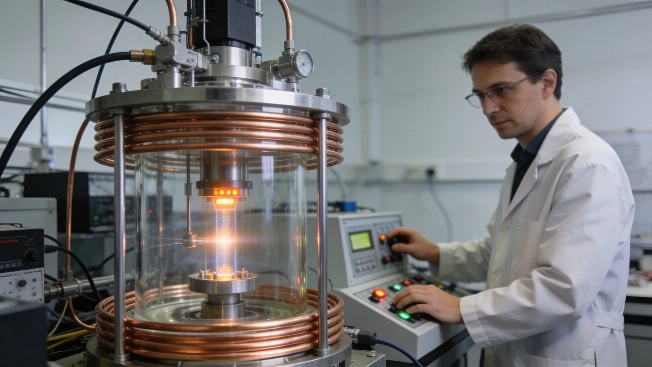
Quantum test reveals Einstein's gravity holds for falling atoms
A new experiment using ultra-cold rubidium atoms has measured how gravity affects quantum waves, providing the first direct test of Einstein's equivalence principle in the quantum regime
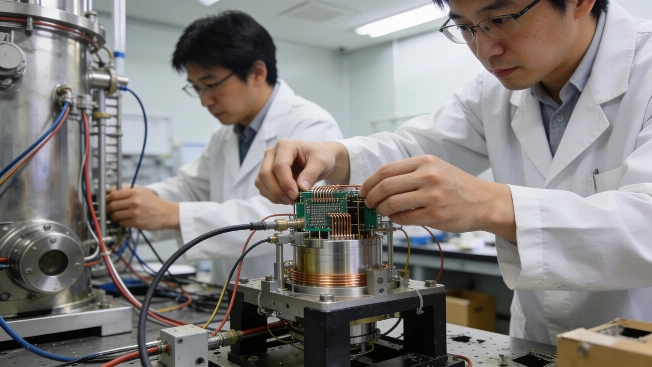
NEC Ends Superconducting Quantum Hardware to Pursue Annealing Algorithms
NEC Corporation has abandoned its superconducting quantum processor development, redirecting resources to quantum-inspired annealing and classical emulation. The move leaves Fujitsu as Japan's main corporate superconducting hardware developer and shifts NEC's focus to software and optimization services.

Blue Origin rocket blast detected over 1600 kilometers from Cape Canaveral
A Blue Origin New Glenn rocket explosion at Cape Canaveral produced infrasound waves detected more than 1600 kilometers away. Researchers used specialized sensors to estimate the blast's energy and assess its impact on launch operations and future missions.
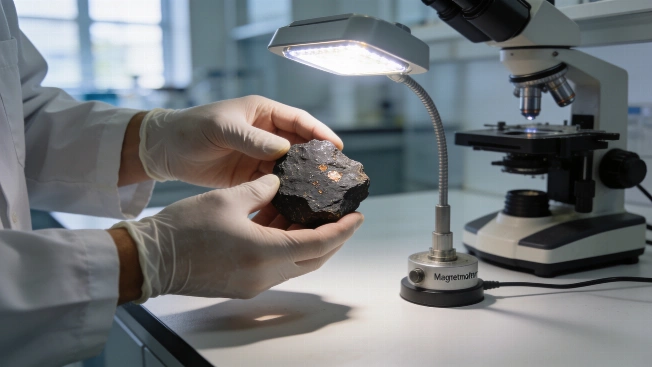
Meteorite dust reveals magnetic forces shaped the infant solar system
Analysis of ancient meteorite grains has uncovered evidence that strong magnetic fields influenced the earliest stages of the solar system's formation, challenging the long-held view that gravity alone sculpted the protoplanetary disk
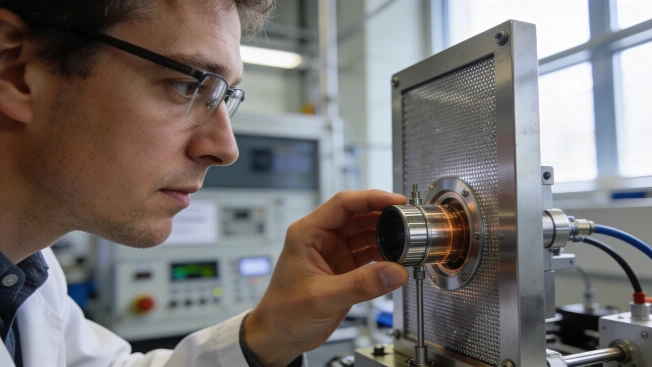
Supernova Experiments Reveal New Clues to Element Formation in Stars
Two new studies use nuclear experiments and astrophysical modeling to clarify how supernovae forge and distribute elements like titanium and nickel, offering the most precise look yet at the processes that shape the chemical makeup of the universe
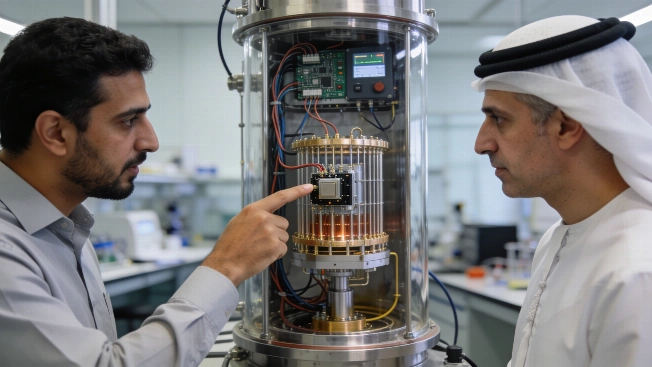
Quantinuum and Aramco Test Trapped Ion Quantum Hardware for Energy Tasks
Quantinuum and Aramco have signed a non-binding agreement to evaluate trapped-ion quantum processors for simulating energy sector chemistry and optimization tasks using Quantinuum's QCCD hardware and software stack
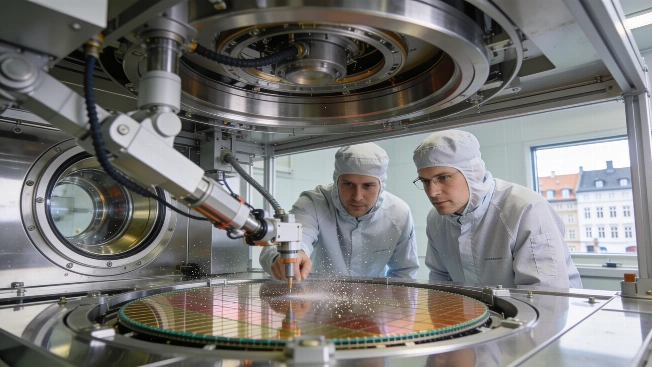
Denmark Targets Quantum Chip Manufacturing With New Copenhagen Facility
A 5300 m² quantum chip fabrication plant is set to open in Copenhagen by 2027, aiming to bridge the gap between academic research and industrial-scale quantum hardware production using ultra-high vacuum nanofabrication and advanced packaging lines
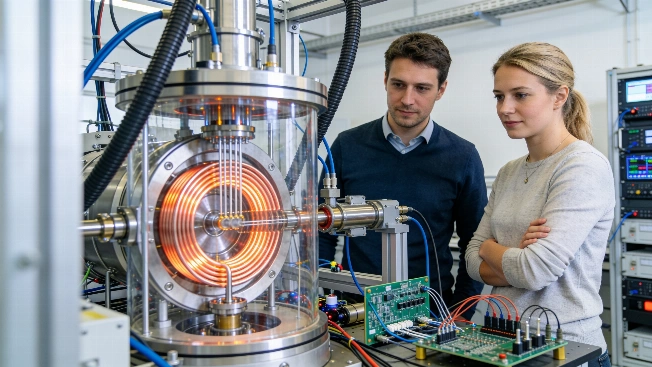
JION Trapped-Ion Quantum Processor Linked to Jülich Supercomputing Cluster
A trapped-ion quantum processor using ytterbium ions and microwave control has been integrated into the Jülich Supercomputing Centre, allowing hybrid quantum-classical workloads and direct access to high-performance computing infrastructure
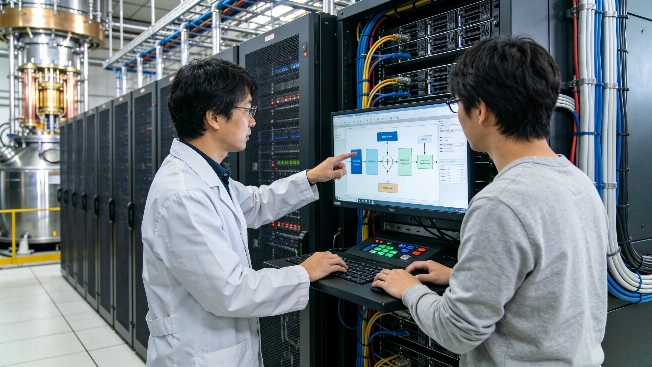
Japan Deploys QunaSys Quantum Software on National Supercomputing Platform
Japan's RIKEN Center for Computational Science has installed QunaSys QURI SDK Enterprise as the core quantum software layer for its JHPC-quantum platform, linking supercomputers and quantum processors for hybrid algorithm development
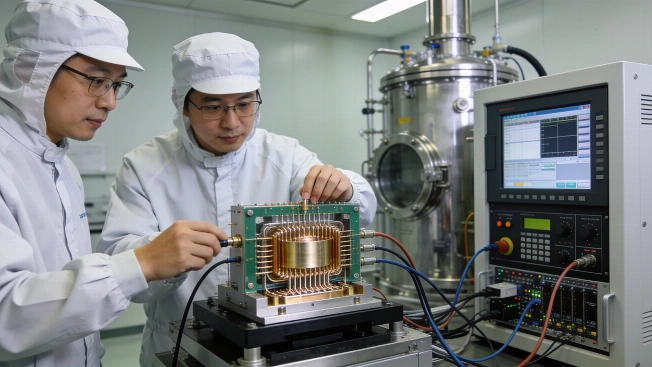
Classiq Targets Taiwan's Quantum-Semiconductor Integration With Dual Partnerships
Classiq Technologies has signed agreements with Scientek Corporation and Kensho to distribute its quantum software in Taiwan, aiming to bridge quantum hardware and application development across the semiconductor and research sectors
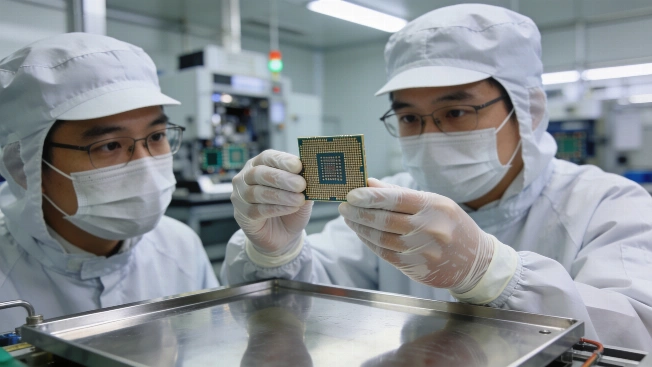
SEEQC and Taiwan QITPO Target Cryogenic Quantum Chip Supply Chain
SEEQC and Taiwan's Quantum Industry Technology Promotion Office have formalized a cross-border partnership to develop and manufacture cryogenic quantum control chips, aiming to integrate U.S. digital quantum IP with Taiwan's advanced semiconductor foundries
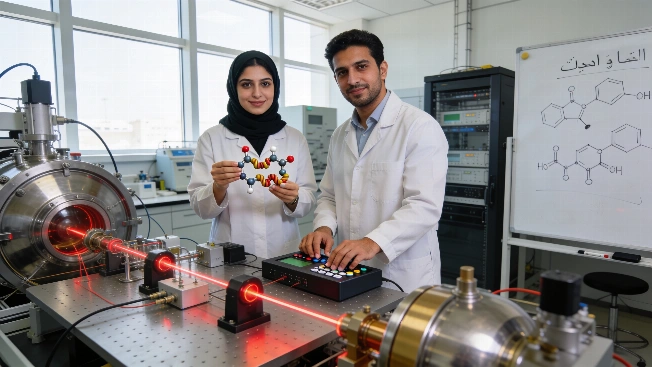
Neutral-Atom Quantum Processors Simulate Protein Gelation Structures
Pasqal and True Nexus have encoded protein gelation structures on neutral-atom quantum processors, aiming to model dynamic protein aggregation beyond the reach of classical simulation and inform the design of functional food proteins
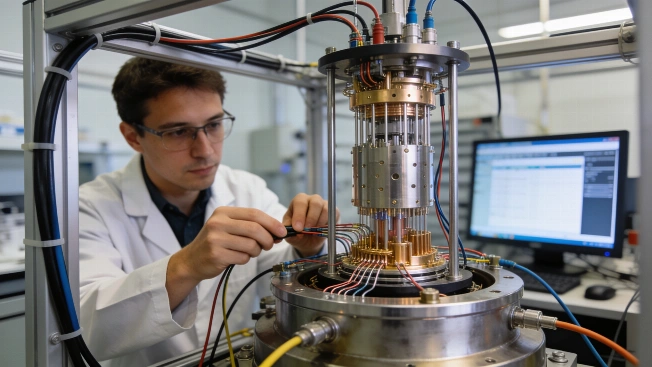
Quantum Preconditioning Cuts Classical Solver Time by Orders of Magnitude
Rigetti Computing and Purdue University have experimentally shown that quantum-derived correlation matrices can accelerate classical mixed-integer programming solvers, reaching near-optimal solutions for hard-constrained combinatorial problems up to 100 times faster
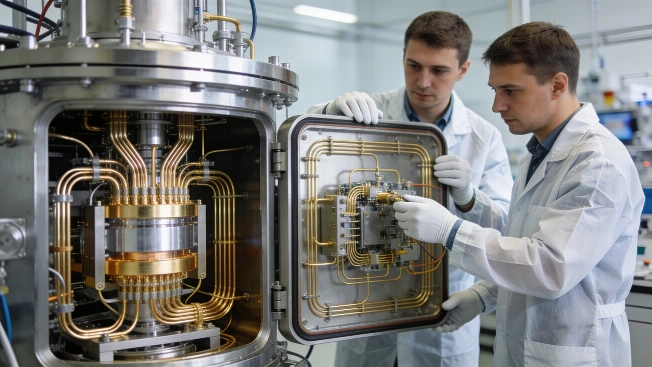
IBM's Nighthawk r2 QPU Cuts Qubit Reset Time to Nanoseconds
IBM Quantum's Nighthawk r2 processor introduces a dissipative qubit reset, reducing idle times and boosting circuit throughput to over 100,000 per second. The 120-qubit device claims a 25-fold speedup over previous IBM hardware in practical benchmarks
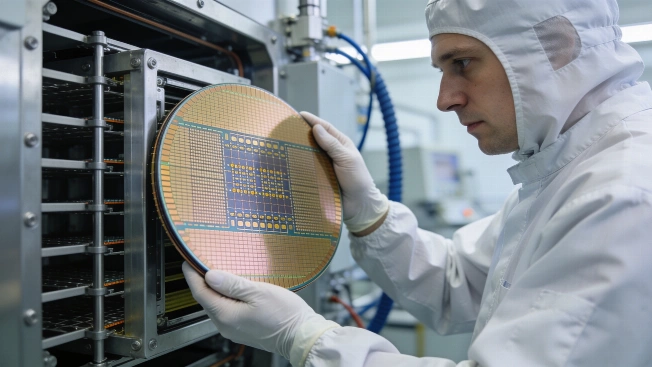
Quobly Targets Industrial-Scale Silicon Spin Qubit Testing in Europe
Quobly has signed agreements with TNO and OrangeQS to develop automated, high-throughput testing and metrology for silicon spin qubits on 300 mm wafers, aiming to address device variability and accelerate commercial quantum processor manufacturing

Army Field Test Pushes QuProtect R3 Toward Quantum-Resistant Deployment
QuSecure's QuProtect R3 platform reached Technical Readiness Level 7 after live integration in U.S. Army tactical networks, marking a concrete step toward post-quantum cryptography in operational defense environments
Part 2 of 8