
Research Updates - Part 15
532 reports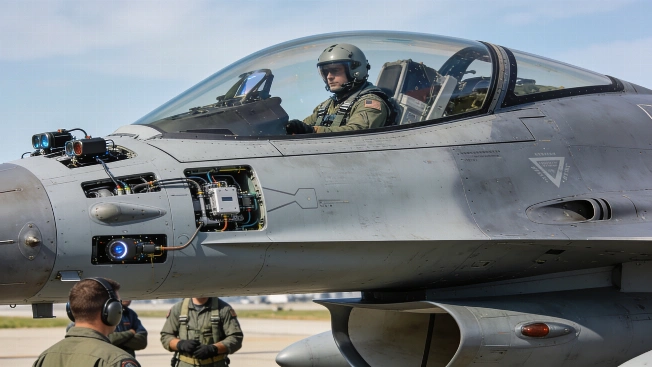
AI System Tested in Remotely Piloted F-16 Without Core Software Rewrite
A modified F-16 fighter jet flew under AI control in a supervised test by DARPA and the US Air Force. The VENOM Autonomy Kit let the aircraft operate without changes to its core flight software.
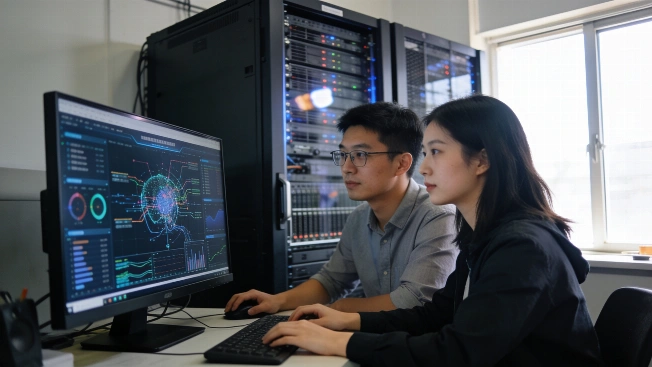
Moonshot AI Releases Kimi K3, a 2.8 Trillion Parameter Open Model
Moonshot AI has introduced Kimi K3, an open-source model with 2.8 trillion parameters and a one-million-token context window, targeting complex scientific and coding workflows. The company claims performance gains, but basic limitations remain.
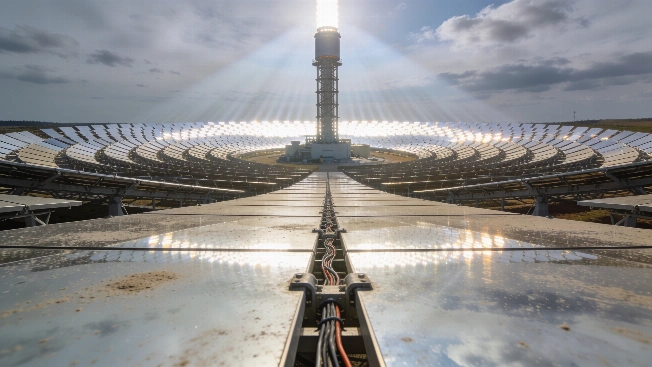
Open CSP Tower Data Set Aims to Advance Solar Thermal Research
A new open-access database from German researchers provides detailed operational data from a solar power tower facility, aiming to accelerate research on concentrated solar power and improve the technology's efficiency and deployment
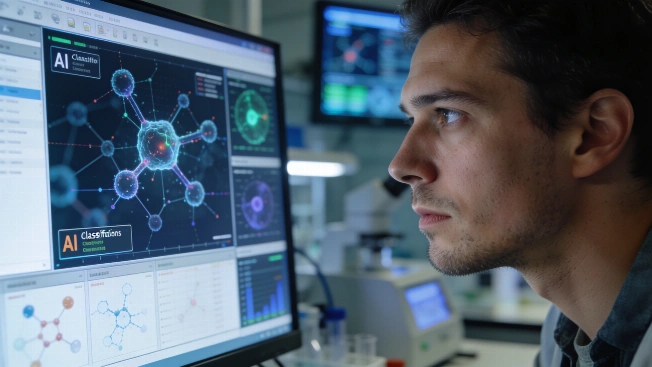
AI Struggles With Unknowns in Search for Extraterrestrial Life
A Michigan State University study using digital life simulations reveals that artificial intelligence can misclassify unfamiliar molecular patterns as signs of life, raising concerns for future missions seeking biosignatures beyond Earth
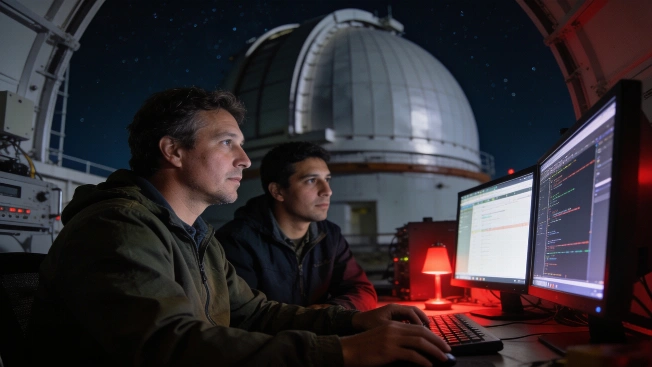
Atmosphere detected on rocky exoplanet in habitable zone
Astronomers have identified helium escaping from LHS 1140 b, a super-Earth orbiting in its star's habitable zone, using infrared spectroscopy. The finding offers the strongest evidence yet that a rocky exoplanet can retain an atmosphere for billions of years
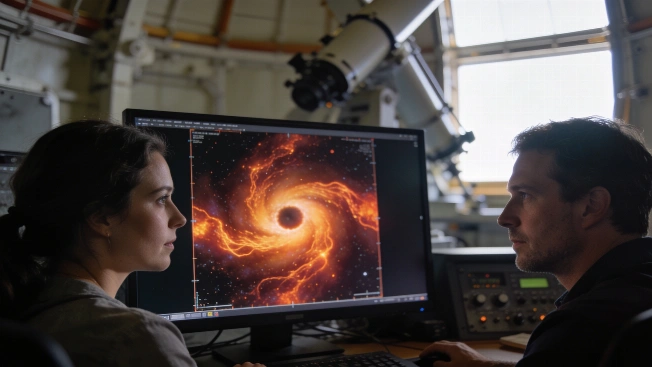
Webb Telescope Maps Gas Feeding a Supermassive Black Hole
Astronomers using the James Webb Space Telescope have studied gas clouds around Sagittarius A*, finding metal-rich gas whose local conditions shape cooling and may affect how material reaches the black hole.
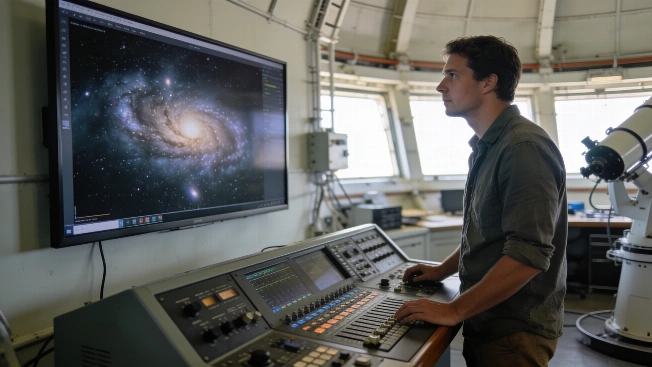
Webb Telescope Uses Gravitational Lensing to Reveal Ancient Galaxies
The James Webb Space Telescope has captured a detailed image of the galaxy cluster MACS J0553.4-3342, using gravitational lensing to magnify galaxies from the universe's first billion years

Roman Female Farm Managers Oversaw Wine and Oil Production
A new analysis of Roman-era texts and archaeological evidence reveals that women known as vilicae managed large-scale wine and olive oil production, challenging the long-held view that their roles were limited to domestic tasks
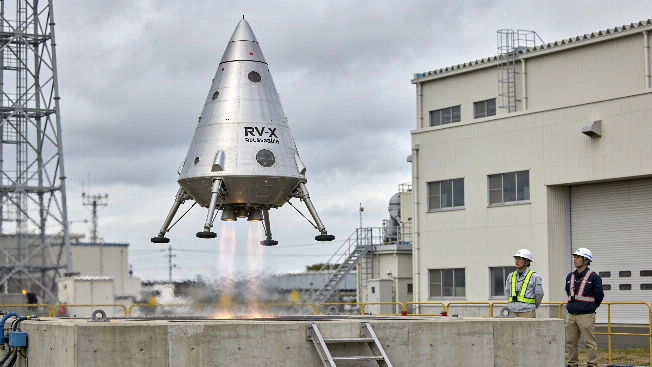
Japan Tests RV-X Prototype in Step Toward Reusable Rocket Technology
Japan Aerospace Exploration Agency has conducted a 40-second test flight of its RV-X prototype, marking a significant milestone in the country's pursuit of reusable launch vehicles and advancing international collaboration in spaceflight engineering
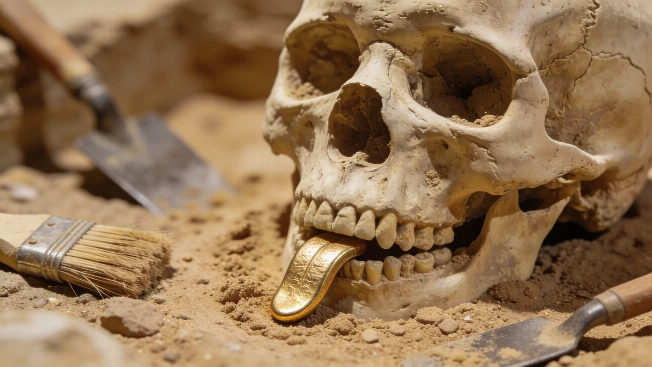
Gold Tongues in Egyptian Tombs and a New Monkey in Congo
Archaeologists have uncovered 18 tombs in Egypt containing gold tongue amulets, while researchers in the Congo rainforest have identified a new monkey species. These discoveries highlight both the complexity of ancient mortuary practices and the ongoing potential for finding new species.
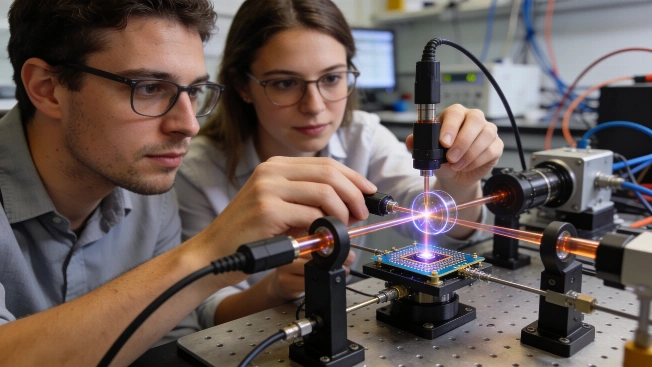
Hybrid Photon-Atom Quantum Blueprint Targets Error Correction Limits
Quantum Source Alpha Labs has published a detailed hardware proposal for a hybrid photon-atom quantum computing architecture aimed at addressing the scaling and error-correction challenges that limit current quantum processors.
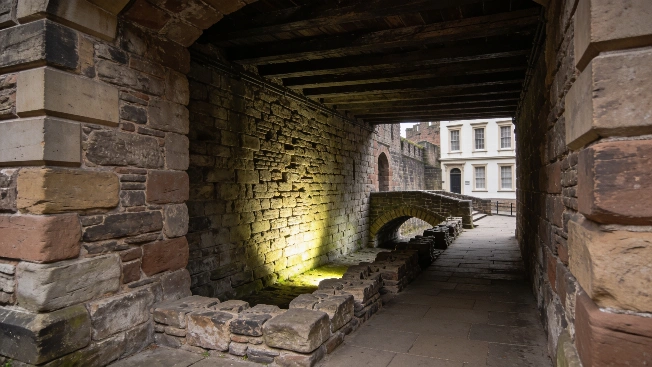
Digital Survey Reveals Medieval Bridge Remains at Chester Castle
Archaeologists using advanced digital scanning have identified the remains of a 13th-century bridge beneath Chester Castle in England, challenging previous assumptions about the site's medieval architecture and preservation
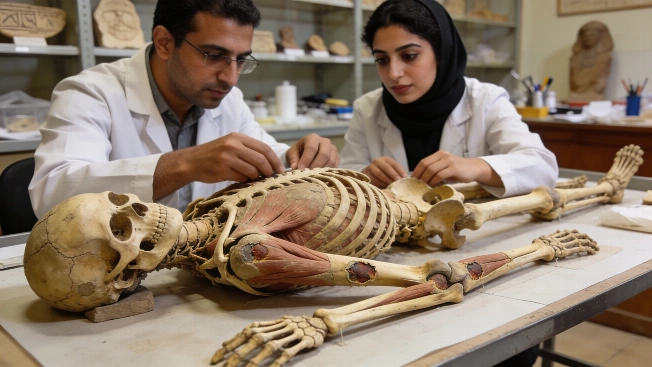
Ancient Egyptian Princesses Show Evidence of Skilled Archery
Bioarchaeological analysis of Middle Kingdom royal women from Dahshur reveals skeletal adaptations consistent with regular archery and hunting, challenging assumptions that weapons in their tombs were only symbolic
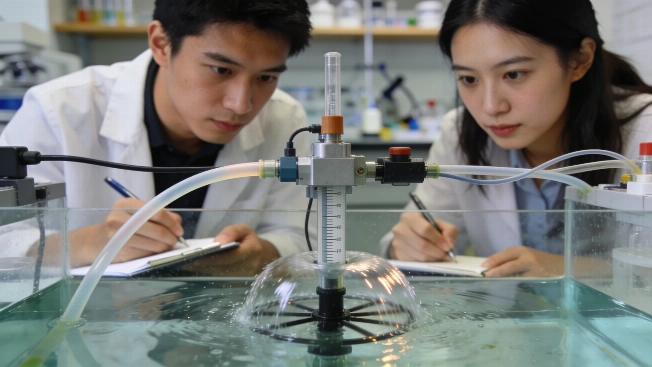
Reverse Sprinkler Experiments Reveal Angular Momentum Mechanism
Researchers at New York University have built custom rotary sprinklers to investigate the reverse sprinkler problem, measuring how angular momentum and device geometry affect rotation when water is drawn in rather than expelled
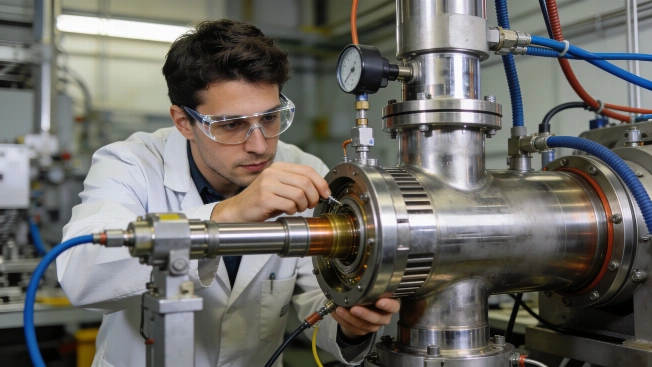
Quantum entanglement measured in heavy-fermion strange metal
Researchers used inelastic neutron scattering and quantum Fisher information to directly probe multipartite entanglement in a heavy-fermion metal, offering new evidence for the quantum origins of strange metal behavior
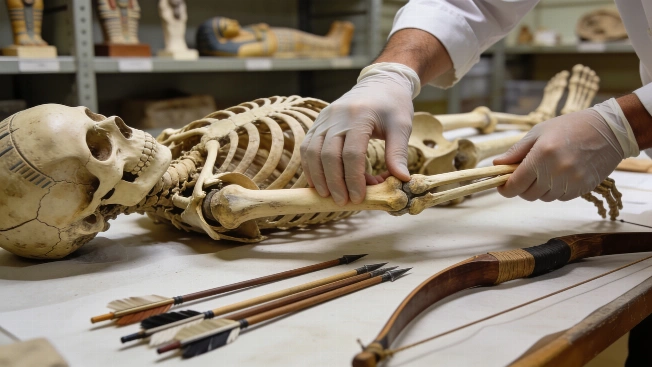
Muscle Marks on Egyptian Royal Women Suggest Weapon Use, Study Debated
Analysis of nearly 4,000-year-old skeletal remains from Egypt's Middle Kingdom reveals pronounced upper-body muscle attachments in several royal women. Researchers propose these changes may reflect archery or weapon training, but experts urge caution
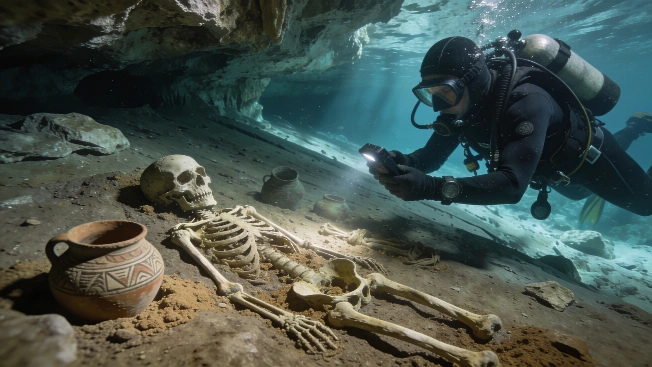
Ancient Human Remains and Maya Ceramics Found in Cenote Yaakun
Archaeologists have begun a research and conservation project at Cenote Yaakun near Playa del Carmen after the discovery of a possible young adult woman's skeleton and a cluster of Maya ceramics in a deep underwater context
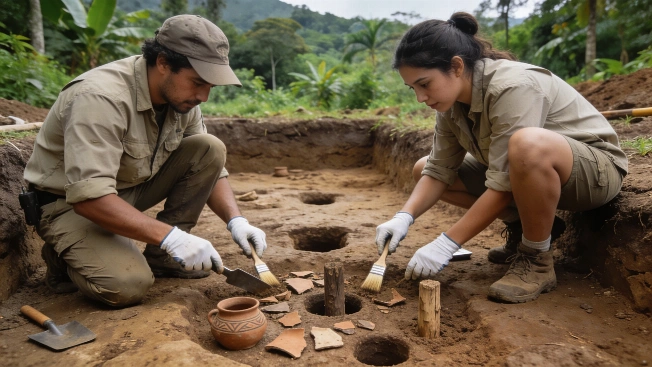
Excavation at Costa Rica Airport Site Reveals Pre-Columbian Settlements
Archaeologists have completed a rescue excavation in the Diquís Delta, documenting residential areas and daily life from AD 800-1500, while confirming that Costa Rica's new airport will not disturb the region's monumental stone sphere sites
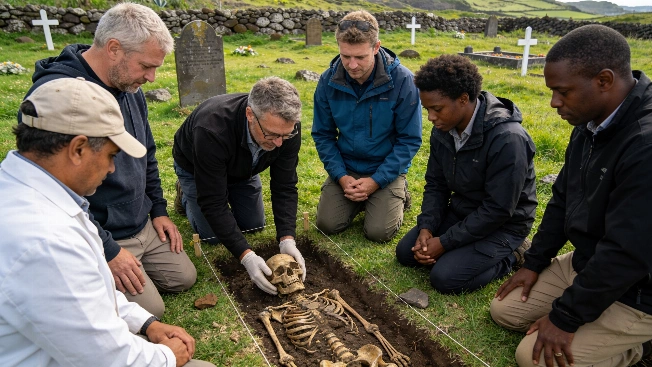
Isotope and DNA Evidence Trace St. Helena Burials to West Africa
Researchers have analyzed teeth and DNA from over 150 individuals buried on St. Helena after liberation from slave ships, revealing diverse childhood origins across West and Central Africa and highlighting the scale of forced displacement
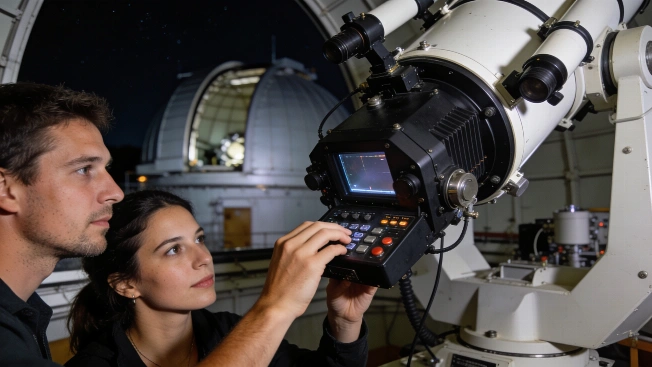
Atmosphere Detected on Rocky Exoplanet in Habitable Zone
Astronomers have directly detected helium in the atmosphere of LHS 1140 b, a rocky exoplanet orbiting within its star's habitable zone, using infrared spectroscopy. The finding raises new questions about atmospheric survival and planetary habitability.
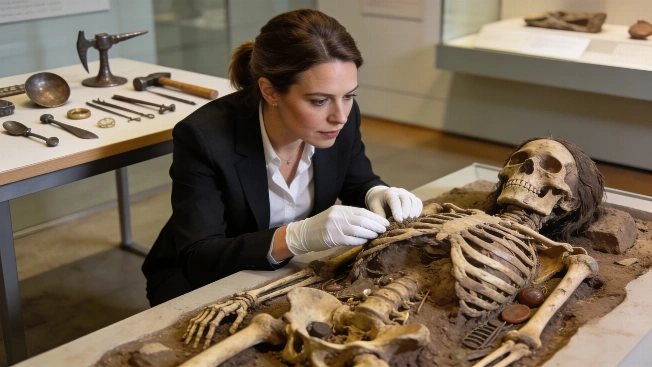
Ancient DNA Reveals Bronze Age Metalworker Near Stonehenge Was Female
A 4,000-year-old burial near Stonehenge, long thought to contain a male shaman, has been re-examined using ancient DNA analysis, revealing the individual was biologically female and challenging assumptions about gender roles in Early Bronze Age Britain
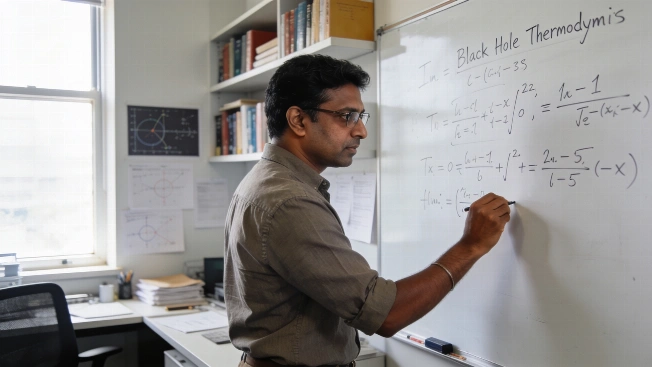
Black Hole Thermodynamics Updated Beyond Hawking's Original Theory
Physicists have proposed a new structure for describing black hole energy loss, extending thermodynamic laws to dynamic black holes and addressing a basic limitation in Stephen Hawking's classic model.
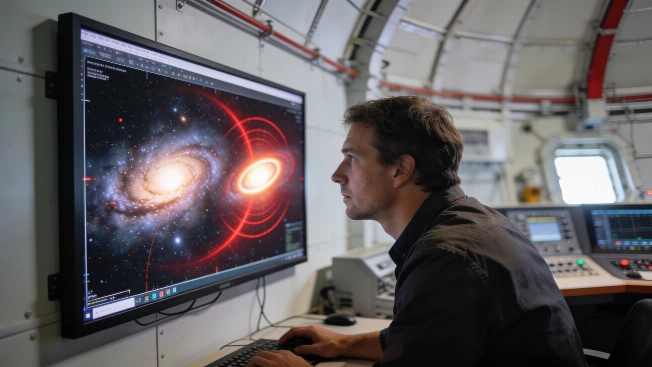
Webb Telescope Reveals Merging Young Galaxy Cluster 4.4 Billion Light-Years Away
NASA's James Webb Space Telescope has imaged galaxy cluster MACS J0553.4-3342 as it appeared 4.4 billion years ago, capturing two massive sub-clusters in the process of merging and showing the gravitational effects shaping distant galaxies
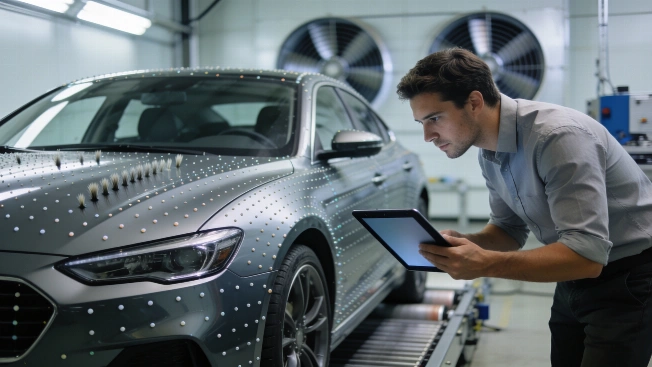
AI-Driven Physics Models Enhance Aerodynamic Testing for Cars
Researchers are integrating artificial intelligence with computational fluid dynamics and wind-tunnel data to refine the aerodynamic performance of passenger vehicles, aiming to bridge the gap between simulation and real-world results
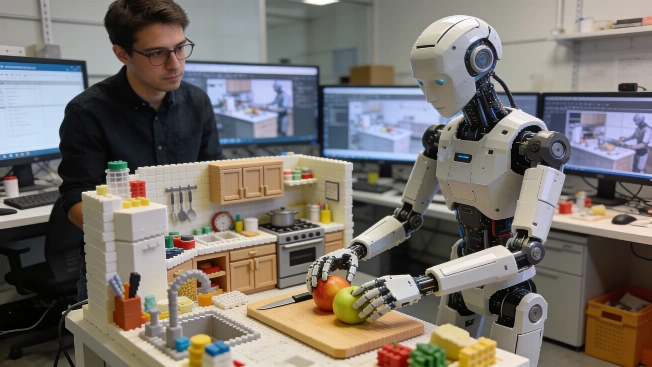
AI agents build complex 3D training worlds for robot learning
Researchers at MIT and Toyota Research Institute have developed SceneSmith, a system that uses collaborative AI agents and vision-language models to generate detailed 3D environments for robotics simulation and training.
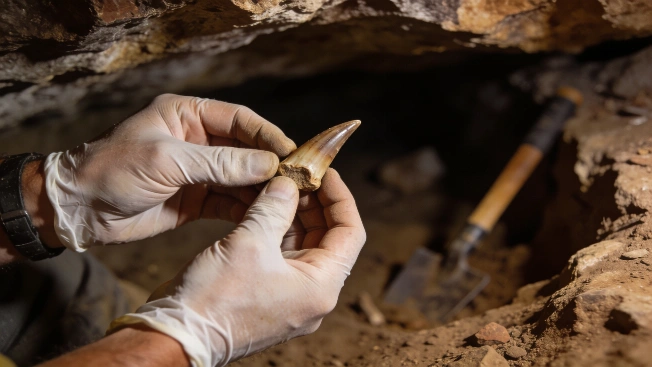
Ancient DNA Survives 50,000 Years in South African Cave
Researchers have recovered DNA from a 50,000-year-old antelope tooth in Boomplaas Cave, South Africa, challenging assumptions about DNA survival in hot climates and expanding the potential for ancient genetic studies in sub-Saharan Africa
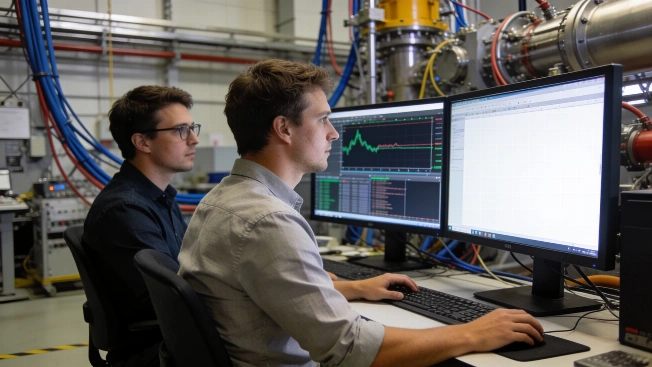
Gravitational Wave Data Reveals Black Hole Event Horizon Properties
Researchers have extracted direct physical parameters from a black hole’s event horizon using an unusually strong gravitational wave signal, providing experimental access to a region previously studied only through theory.
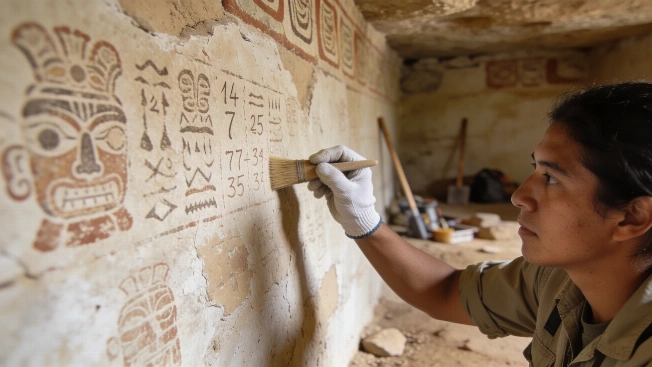
Eighth-Century Maya Astronomer's Name Found at San Bartolo-Xultun
Researchers have identified a Maya mathematician and astronomer in wall inscriptions at the San Bartolo-Xultun site in Guatemala, offering new details about scientific work in the region during the eighth century CE.
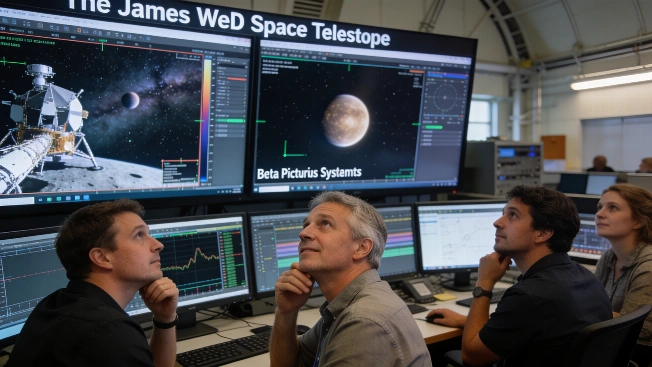
Webb Telescope Detects Hidden Giant Planet in Beta Pictoris System
The Beta Pictoris system contains three known giant exoplanets, while radio observations of β Pictoris b may offer clues to auroral activity and help investigate magnetic fields around distant planets.
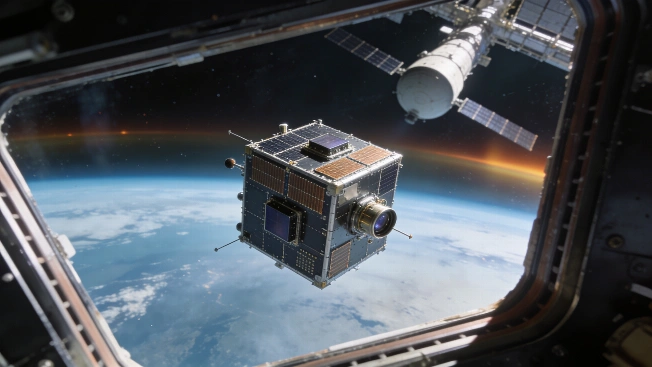
Satellite Neutron Detection Proposed for Nuclear Treaty Verification
A new analysis suggests that satellites equipped with neutron detectors could remotely identify nuclear materials in orbit, offering a potential method to verify compliance with the Outer Space Treaty and address emerging security concerns
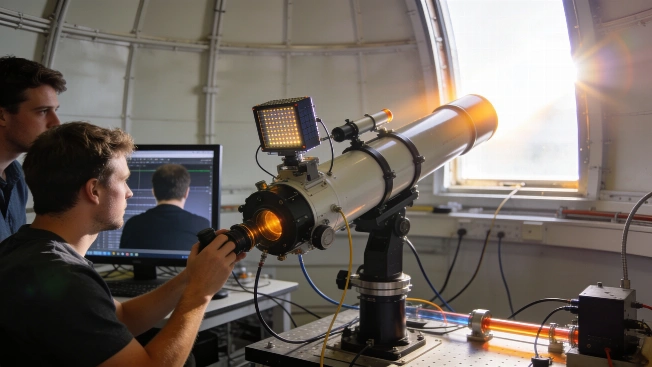
Metasurface Grating Demonstrates Compact Solar Magnetic Field Mapping
A polarization-sensitive metasurface grating has matched conventional instruments in mapping solar magnetic fields, offering a route to smaller, simpler, and potentially more robust hardware for future space-based solar telescopes
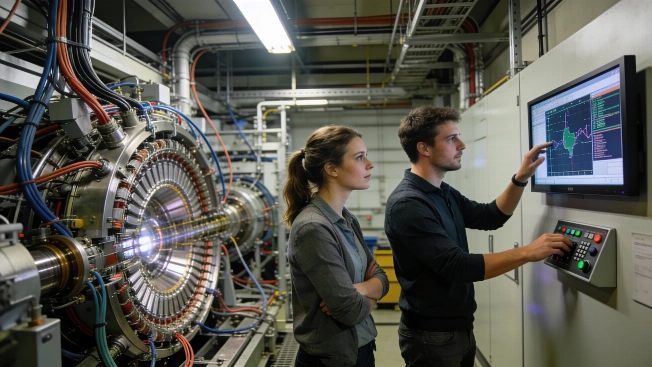
AI in Particle Physics: Discovery Without Full Understanding
Artificial intelligence is now central to particle physics, accelerating data analysis and experiment design. But as AI systems identify patterns beyond human intuition, researchers face new challenges in transparency, reproducibility, and scientific interpretation
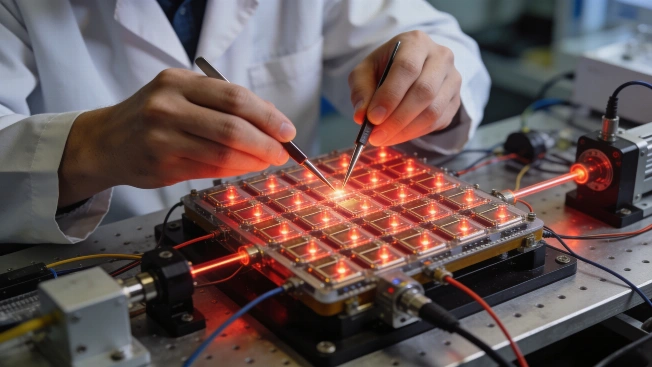
Coupled Laser Array Reveals Nonlinear Effects in Percolation Transition
A team has experimentally realized percolation using a 100-laser array, uncovering how nonlinear interactions shift the critical threshold and alter cluster formation compared to idealized models
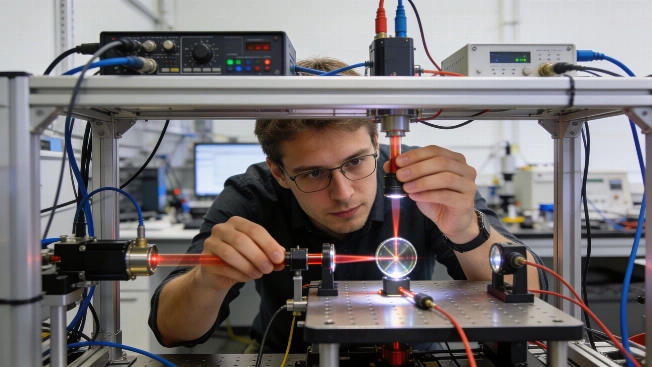
Continuous Models Challenge Sudden Quantum Wavefunction Collapse
A new theoretical framework models quantum measurement as a continuous, stochastic process, offering an alternative to the traditional view of abrupt wavefunction collapse and providing new tools for quantum control and algorithm design
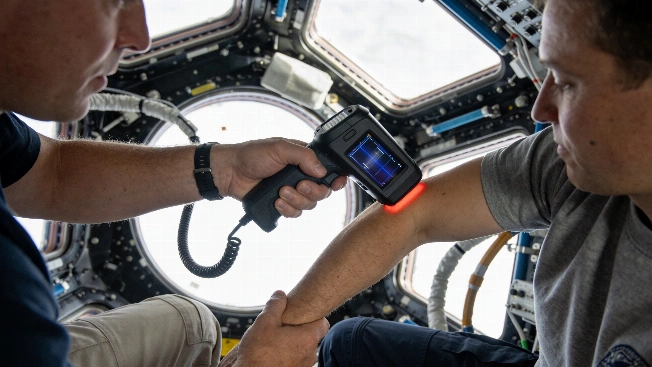
Portable X-ray Imaging System Demonstrates Diagnostic Quality in Space
A commercial portable X-ray device was operated aboard an orbital spacecraft, producing diagnostic-quality radiographs comparable to those acquired on Earth and highlighting the potential for in-flight medical imaging beyond ultrasound
Part 15 of 16