Researchers have recovered DNA from a 50,000-year-old antelope tooth in Boomplaas Cave, South Africa, challenging assumptions about DNA survival in hot climates and expanding the potential for ancient genetic studies in sub-Saharan Africa
New research has demonstrated that ancient DNA can persist far longer in sub-Saharan Africa than previously recognized, with genetic material successfully extracted from a 50,000-year-old antelope tooth found in Boomplaas Cave, southern South Africa. This result extends the known limits of DNA preservation in the region, where high temperatures and humidity have typically been considered major barriers to the survival of ancient genetic material.
Evidence from Boomplaas Cave
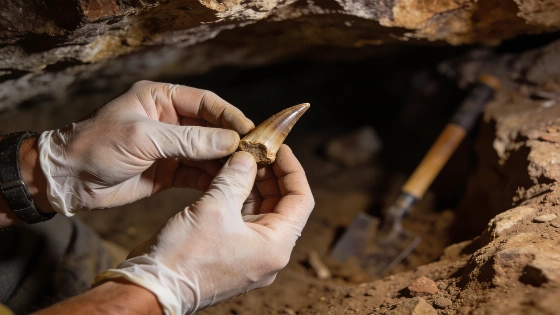
The study focused on more than 300 animal teeth excavated from stratified deposits in Boomplaas Cave and other sites in southern Africa, spanning the last 110,000 years. Researchers targeted teeth from bovids-hoofed mammals including antelope and buffalo-due to their abundance and robust enamel, which can offer some protection against environmental degradation. The oldest DNA recovered came from a partial molar of a mountain reedbuck (Redunca fulvorufula), a species still present in Africa today. This specimen was securely associated with Late Pleistocene layers, dated to approximately 50,000 years ago using stratigraphic context and radiometric methods.
In addition to the reedbuck, DNA was also retrieved from three extinct long-horned buffalo (Syncerus antiquus) specimens, dated to between 12,000 and 21,000 years ago. Most of the analyzed teeth did not yield recoverable DNA, reflecting the challenging preservation conditions. However, the successful extractions demonstrate that, under certain circumstances, ancient DNA can survive for tens of thousands of years even in regions with high ambient temperatures.
Analytical Methods and Limitations
DNA was extracted from the dental material using protocols designed to minimize contamination and maximize recovery of short, degraded fragments typical of ancient samples. The amount of endogenous (original) DNA was low, consistent with expectations for material of this age and environmental context. The reedbuck sample, in particular, showed evidence of some modern human DNA contamination, which was identified and computationally removed during analysis. The researchers note that while the 50,000-year-old result is robustly dated and contextually secure, the low DNA yield and contamination risk mean that the finding should be interpreted with caution.
Since the publication of the study, additional ancient DNA has been sequenced from a 42,000-year-old wildebeest specimen from Ethiopia, further supporting the possibility of long-term DNA survival in African contexts. Nevertheless, the preservation of ancient DNA remains highly variable, and the likelihood of recovery depends on factors such as burial environment, temperature stability, and the specific tissue sampled.
Implications for Human Origins Research
Until now, the oldest human DNA recovered from sub-Saharan Africa dated to around 18,000 years ago, with the oldest animal DNA at approximately 9,300 years. The new findings from Boomplaas Cave push these boundaries back by several tens of thousands of years, opening new possibilities for reconstructing the evolutionary history of African fauna and, potentially, ancient human populations. However, the prospects for recovering DNA from much older hominin fossils, such as Homo naledi (extinct around 240,000 years ago) or Paranthropus robustus (extinct around 1 million years ago), remain extremely limited due to the harsh preservation environment and the age of the material.
The study highlights that certain microenvironments-such as deep caves with stable, cool temperatures or high-altitude sites-may offer better conditions for DNA preservation than previously assumed. Even so, the half-life of DNA in bone and tooth material is estimated at around 521 years, meaning that the amount of recoverable DNA halves over each interval, and only trace amounts are likely to survive beyond 50,000 years in most African contexts.
In total, the research team analyzed over 300 teeth from multiple sites, with successful DNA recovery from only a handful of specimens. The oldest, the mountain reedbuck molar from Boomplaas Cave, represents the current maximum for ancient DNA survival in sub-Saharan Africa. These results suggest that, while rare, ancient DNA analysis is feasible for understanding animal and possibly human population history in Africa over the last 40,000 to 50,000 years, provided that suitable preservation conditions are present.
Ancient DNA research in Africa is constrained by both environmental factors and the ethical considerations surrounding destructive sampling of rare or culturally significant remains. As methods improve and more sites are systematically surveyed, the potential for new discoveries will depend on careful selection of samples, transparent reporting of preservation limitations, and collaboration with local communities and heritage authorities.
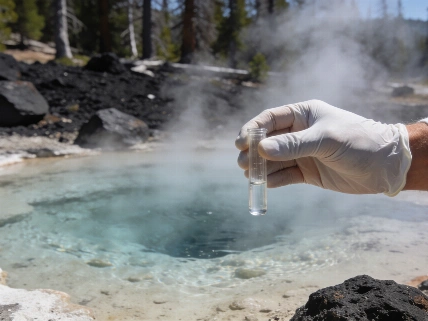
Ancient DNA preservation depends on a complex interplay of environmental and biological factors. After death, DNA begins to degrade due to microbial activity, temperature fluctuations, and chemical reactions in the burial environment. Teeth, especially those with thick enamel, can offer some protection, but even under ideal conditions, DNA fragments become shorter and less abundant over time. The likelihood of recovery is highest in cold, dry, and stable environments, but as this research shows, exceptional preservation can occasionally occur in less favorable settings. Understanding these processes is essential for interpreting the limits and possibilities of ancient DNA analysis in archaeology and human origins research.