
Physics - Part 5
253 reports
New York Invests $60M in Regional Quantum Technology Hubs
New York State will fund up to four regional hubs to accelerate the commercialization of quantum computing, sensing, and secure communications, aiming to connect academic labs, startups, and industry partners across the state
SDT to Manufacture Open-Source Trapped-Ion Quantum Processors
South Korean firm SDT will fabricate trapped-ion quantum processing units based on Open Quantum Design's open-source hardware, aiming to make reproducible quantum computers accessible to research and defense users worldwide

South Korea Begins Integration of Post-Quantum Security in IT Systems
BTQ Technologies and ITCEN PNS have agreed to deploy post-quantum cryptography and quantum-safe authentication across South Korea's financial, public-sector, and enterprise IT infrastructure, targeting regulatory compliance and future cryptographic threats

ORIENTOM and Fondazione LINKS Test Quantum Algorithms for Finance
A new partnership between ORIENTOM and Fondazione LINKS will evaluate quantum and quantum-inspired algorithms for financial modeling, risk analysis, and machine learning, using hybrid quantum-classical workflows and high-performance computing infrastructure
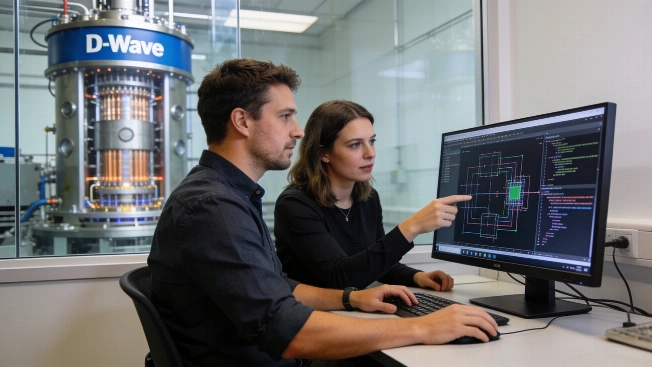
D-Wave Receives NRC Grant to Develop Quantum Annealing Software
D-Wave Quantum Inc. has secured up to CAD $300,000 from Canada's National Research Council to engineer new graph-embedding algorithms and open-source tools for its quantum annealing hardware, targeting more complex commercial optimization tasks
Hybrid Quantum Algorithms Target Defense Mission Planning in Huntsville
Davidson and Strangeworks have launched a collaboration to test hybrid quantum and classical optimization algorithms for military logistics and resource allocation, benchmarking their performance against established classical methods in operational scenarios
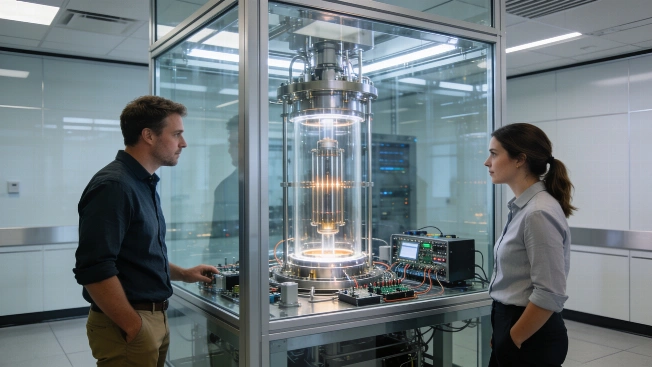
Quantinuum Helios Processor to Be Integrated in Oracle Cloud Data Center
Quantinuum and Oracle have announced a partnership to deploy the 98-qubit Helios trapped-ion quantum processor inside a U.S.-based Oracle Cloud Infrastructure AI data center, enabling managed hybrid quantum-AI workloads for enterprise and research users
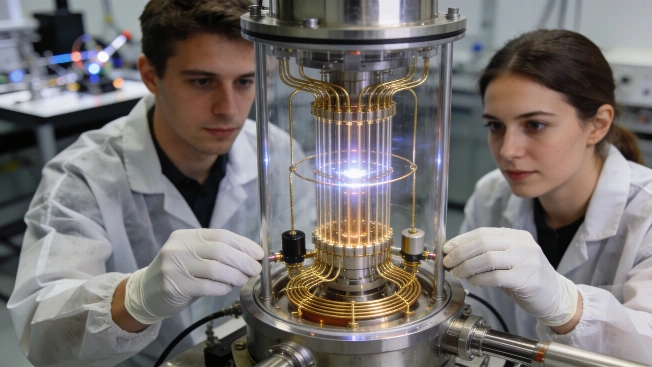
Quantinuum Reports Q2 Results and Oracle Cloud Quantum Integration
Quantinuum has released its first public quarterly results after a $1.7 billion IPO, reporting a sharp rise in revenue and new partnerships for deploying trapped-ion quantum hardware in cloud and hybrid supercomputing environments
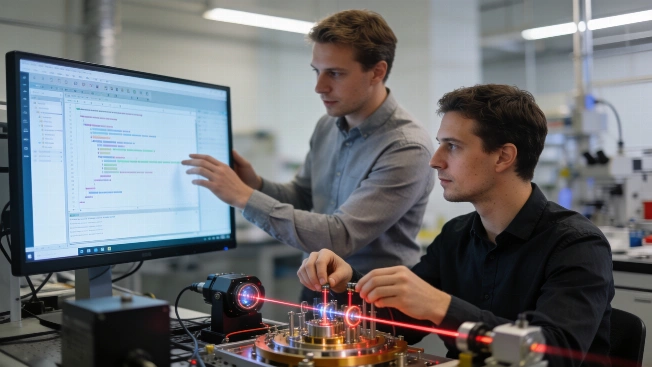
Zapata and QuEra Target Enterprise-Ready Quantum Algorithm Validation
Zapata Quantum and QuEra Computing have announced a partnership to align quantum algorithm development with neutral-atom hardware, aiming to help enterprises and research centers prepare for future fault-tolerant quantum processors
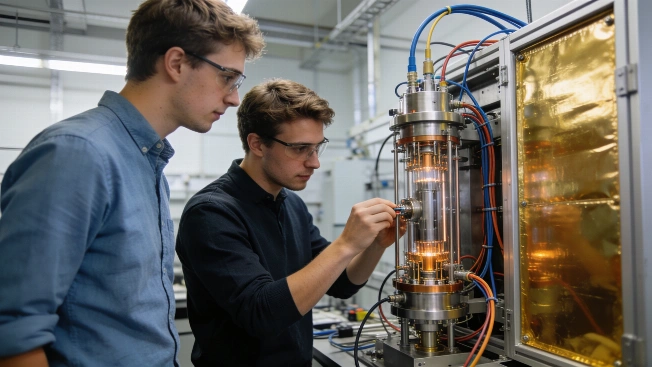
Alice & Bob Joins European Quantum Error Correction Training Network
Alice & Bob will help train PhD researchers in quantum error correction as part of QuBriC, a €4.6 million Horizon Europe-funded doctoral network focused on scalable fault-tolerant quantum computing hardware and software.
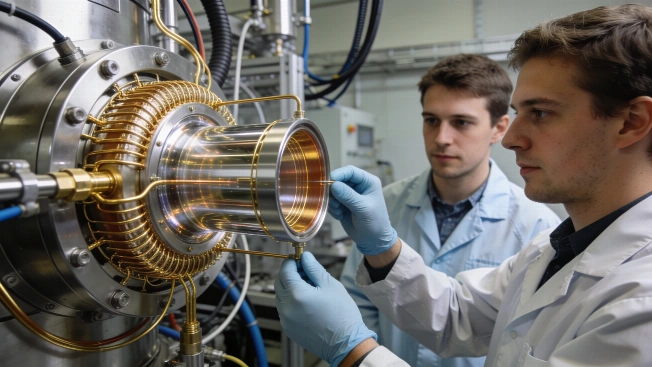
Nord Quantique Demonstrates Bosonic Code Quantum Error Correction
Nord Quantique has advanced quantum error correction using bosonic codes in superconducting cavities, aiming to reduce overhead and improve logical qubit performance in hardware operating at cryogenic temperatures
Utah Launches Quantum Initiative to Coordinate Research and Industry
Utah has established a statewide Quantum Initiative, aiming to align research, advanced manufacturing, and commercialization in quantum technologies. The program will coordinate policy, workforce, and infrastructure to support quantum hardware and applications.
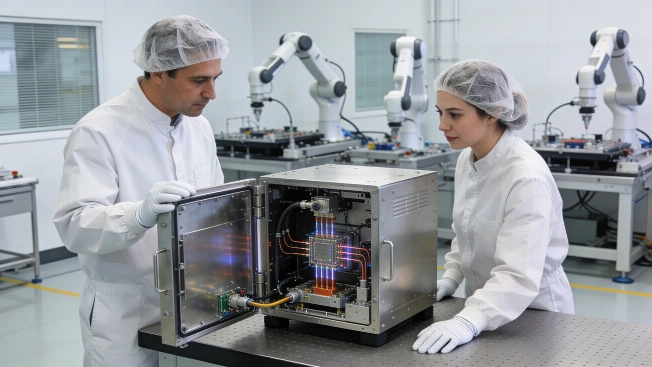
Qunnect and Monarch Target Scalable Quantum Network Hardware
Qunnect and Monarch Quantum have announced a partnership to develop modular, miniaturized entanglement distribution hardware for quantum networks, aiming to reduce system size and cost through advanced photonic manufacturing techniques
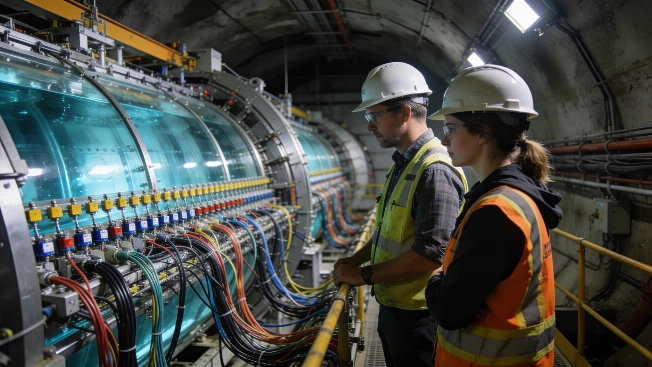
AI Systems Tested for Real-Time Neutrino Detection at DUNE
Researchers at the Deep Underground Neutrino Experiment are developing machine learning tools to process vast detector data, identify rare neutrino events, and monitor system health, aiming to improve the speed and reliability of particle physics research
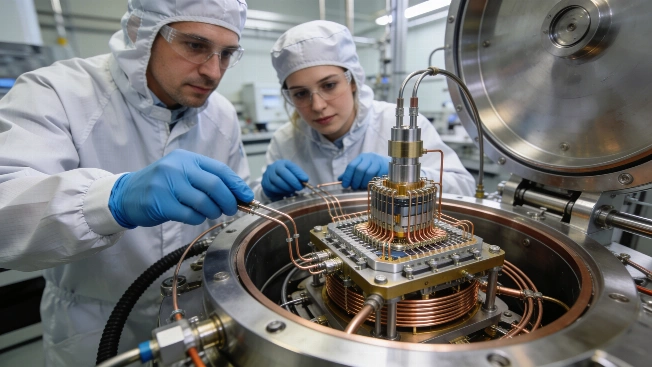
D-Wave Reports Quantum Hardware Progress and Bookings Growth in 2026
D-Wave Quantum Inc. has released its Q2 2026 results, highlighting a surge in bookings, expanded commercial adoption, and technical milestones in both annealing and gate-model quantum computing platforms
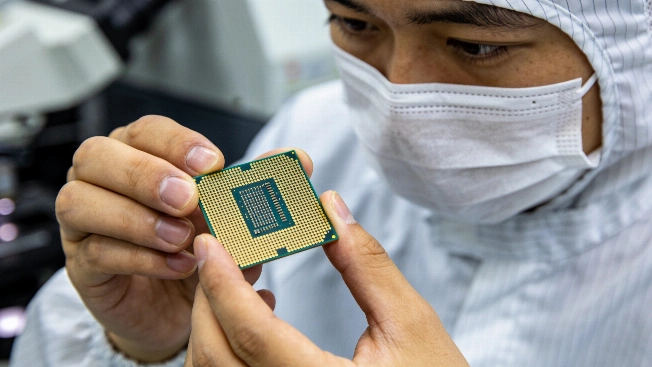
TuringQ Moves Toward IPO With Photonic Quantum Chip Production
TuringQ, a Shanghai-based company specializing in photonic quantum architectures, has begun pre-IPO tutoring as it seeks to become China's first publicly listed quantum computing firm. The company's pilot facility now manufactures thin-film lithium niobate photonic chips at wafer scale
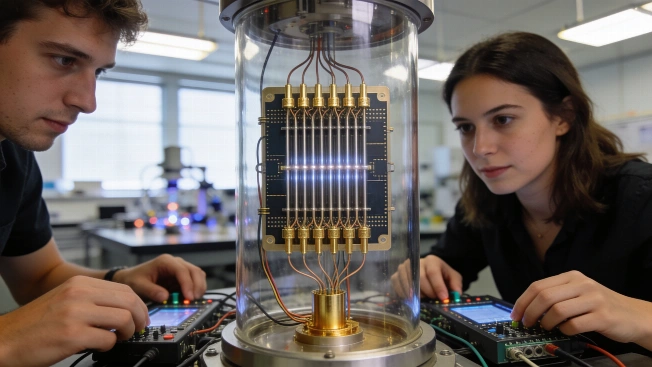
UCLA Consortium Targets 60 Logical Qubits in Trapped-Ion Quantum Design
A UCLA-led team has received $4 million from the National Science Foundation to develop a trapped-ion quantum computer architecture aiming for 60 logical qubits, with a focus on error correction and digital quantum simulation beyond classical reach
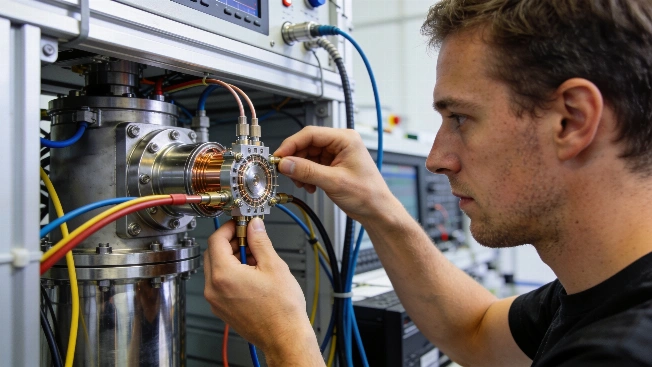
QC Ware Tests Hybrid Quantum-Classical Chemistry on IBM Heron Processor
QC Ware has demonstrated a hybrid quantum-classical workflow for molecular energy calculations, integrating its Promethium platform with IBM's 156-qubit Heron superconducting quantum processor to analyze a complex metalloenzyme system
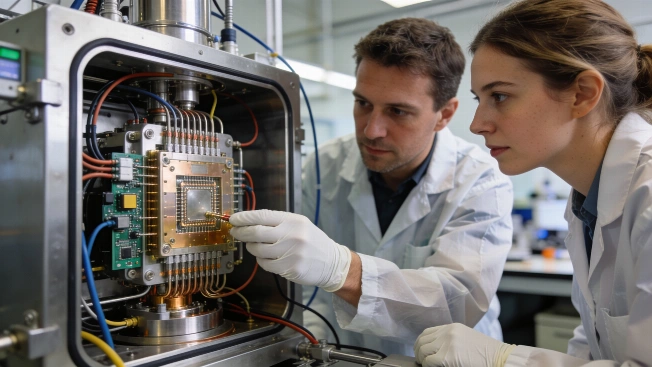
Rigetti Reports Revenue Growth and U.S. CHIPS Act Quantum Funding
Rigetti Computing has reported a sharp increase in revenue, new U.S. government funding under the CHIPS Act, and a partnership with Hewlett Packard Enterprise to deploy superconducting quantum processors in hybrid supercomputing environments
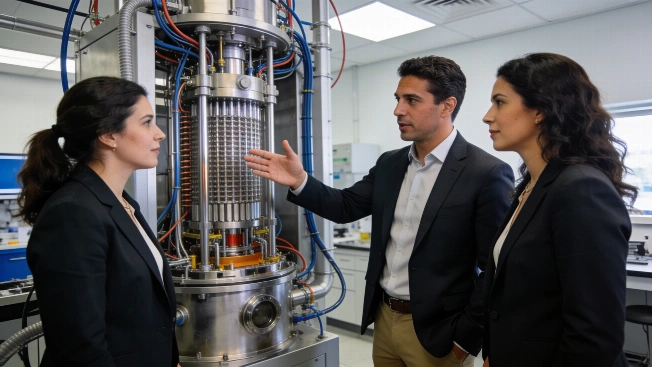
FAU Offers Executive Training on Quantum Computing Strategy
Florida Atlantic University has introduced an eight-week certificate program for enterprise leaders, focusing on quantum computing evaluation, sourcing, and deployment, with hands-on exposure to a 4,400+ qubit annealing system

NASA's IXPE Observes Magnetar and Tests Quantum Vacuum Theory
NASA's IXPE telescope spent over 140 hours observing magnetar 1E 1547-5408, collecting X-ray polarization data that may reveal how empty space behaves in extreme magnetic fields
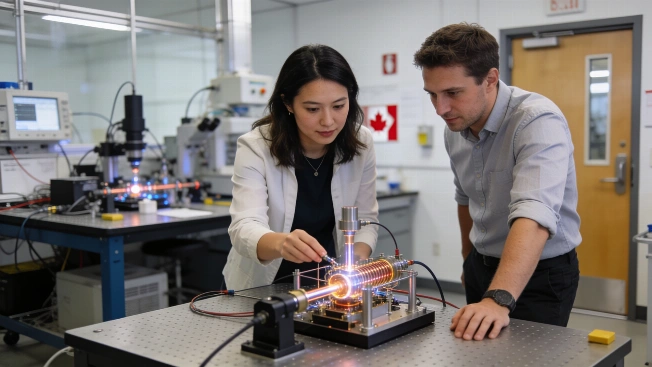
Canada Funds Quantum Defense Hub to Accelerate Military Prototypes
Canada has launched a $20.3 million Quantum Defence Innovation Secure Hub in Calgary, aiming to convert domestic quantum research into deployable prototypes for military and intelligence applications within two years

Post-Quantum Secure Networking Platform Targets US Public Sector
ZeroTier and Carahsoft have announced a partnership to distribute a software-defined networking platform with post-quantum cryptographic features to US government and defense agencies, aiming to address future cryptographic risks in critical infrastructure
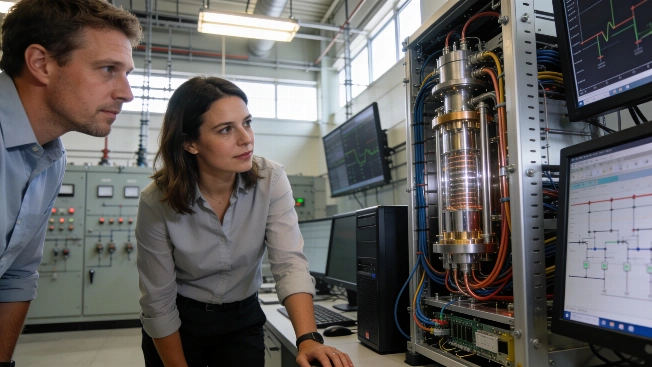
Quantum Hardware Tested for Grid Security Under AFRL Contract
Eaton, Infleqtion, and Penn State will develop and test hybrid quantum-classical algorithms on specialized quantum hardware to analyze and respond to complex threats facing electrical grids under a $7 million U.S. Air Force Research Laboratory contract
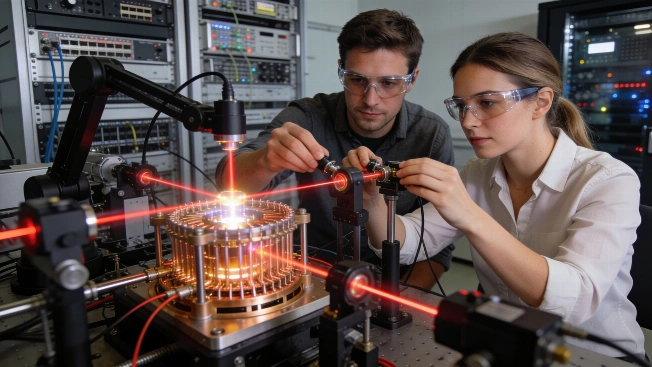
Pasqal's Neutral-Atom Quantum Processor Moves Toward Nasdaq Listing
Pasqal Holding SAS, a developer of neutral-atom quantum processors, has received SEC approval for its planned business combination with Bleichroeder Acquisition Corp. II, setting the stage for a shareholder vote and potential Nasdaq debut
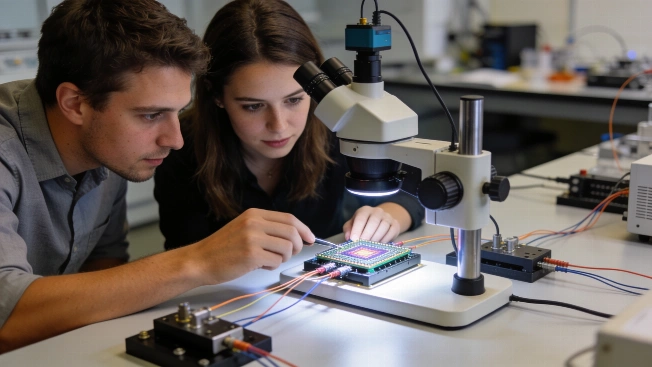
Xanadu Expands US Quantum Operations Amid Hardware and Algorithm Gains
Xanadu Quantum Technologies reported advances in photonic quantum hardware, algorithmic development, and US expansion, while disclosing a strengthened cash position and increased investment in fabrication and engineering
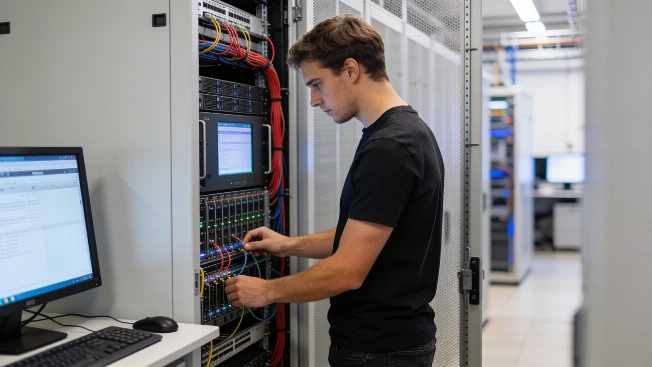
Qoro Quantum Tests Middleware for Multi-QPU and Simulator Integration
Qoro Quantum has developed middleware that automates the routing of quantum circuits to multiple quantum processors and simulators, aiming to simplify access and improve resilience for users working with diverse quantum hardware and high-performance computing environments
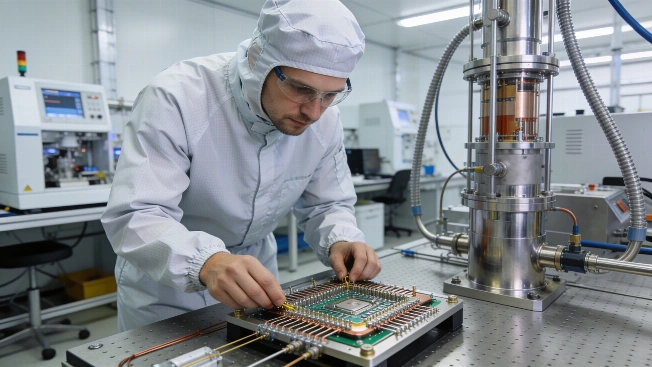
IQM Reports Quantum Computer Deployments and Expanding Order Backlog
IQM Quantum Computers has released its first earnings as a public company, detailing revenue growth, new quantum hardware deliveries, and a significant increase in its order backlog as it scales fabrication and integration efforts
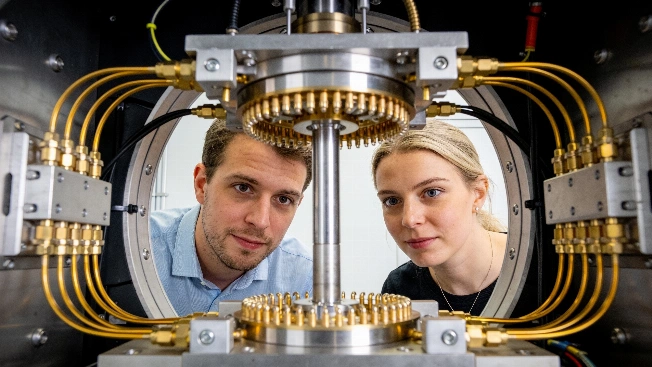
D-Wave Tests High-Fidelity Two-Qubit Gate for Dual-Rail Qubits
D-Wave Quantum Inc. has experimentally demonstrated a fast, high-fidelity two-qubit entangling gate for superconducting dual-rail cavity qubits, addressing key error sources and hardware overhead in quantum error correction architectures

Quantum-Safe Security Integration Targets Critical Infrastructure
enQase and Light Rider Inc. have announced a partnership to integrate quantum-resistant cryptographic software with quantum hardware and key distribution, aiming to address post-quantum security needs for government and industry networks
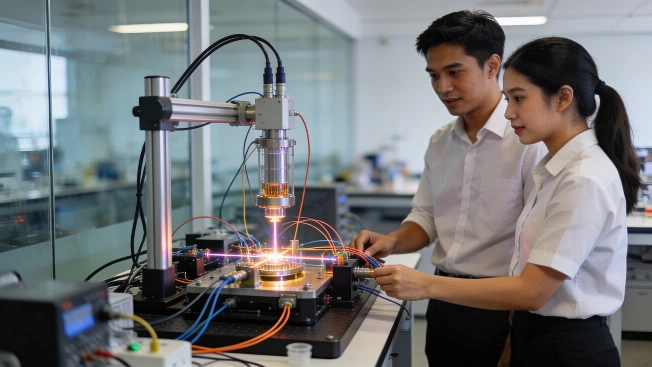
Thailand Opens Quantum Club Hub to Advance Regional Quantum Technology
A new national quantum technology hub has launched at True Digital Park in Bangkok, aiming to accelerate quantum research, workforce training, and industrial adoption across Southeast Asia through coordinated government, academic, and industry collaboration
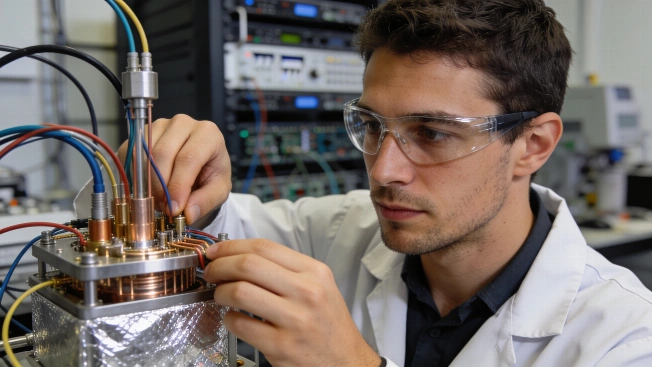
Quantum Circuits Proposed for Nuclear Particle Transport Simulation
Quantum X Labs has outlined a quantum circuit-based method for simulating nuclear particle transport, aiming to address the computational limits of classical Monte Carlo approaches in radiation modeling and nuclear medicine

NASA's IXPE Detects Signs of Quantum Vacuum Effect Near Magnetar
NASA's IXPE telescope has measured X-ray polarization from a magnetar, providing evidence consistent with a quantum electrodynamics effect predicted for nearly a century but never directly observed in space

Thales Luna 8 Hardware Module Targets Quantum Decryption Threats
Thales has introduced Luna 8, a hardware security module designed to support post-quantum cryptography migration and protect enterprise cryptographic infrastructure from quantum-enabled decryption and high-throughput AI workloads
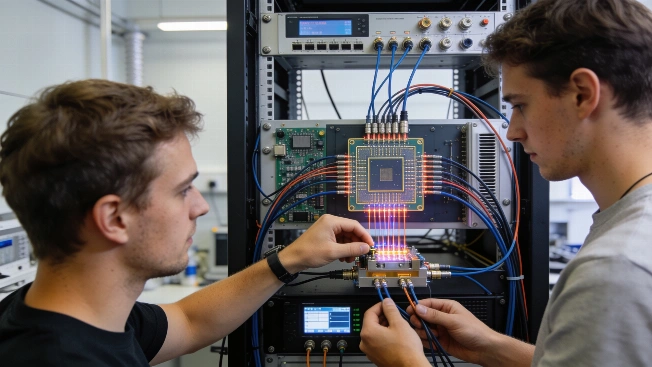
QuiX Quantum Releases Alquor 2.0 Photonic Processor Platform
QuiX Quantum has launched Alquor 2.0, a rack-mountable photonic processor platform based on silicon nitride integrated circuits, aiming to support quantum optics and information processing research with improved stability and automation
Part 5 of 8