
Major Discoveries - Part 9
352 reports
Webb Telescope Reveals 4.4-Billion-Year-Old Galaxy Cluster in Formation
The James Webb Space Telescope has imaged the young galaxy cluster MACS J0553.4-3342, capturing light that began its journey 4.4 billion years ago and offering new understanding into the assembly of large-scale cosmic structures.

Hybrid wheel-leg robot from China targets industrial and rescue tasks
Run Robotics has demonstrated a wheel-leg hybrid robot at WAIC 2026, pairing rapid wheeled movement with robotic arms for inspection and firefighting, as well as emergency response in complex environments. Most of its components are domestically sourced.
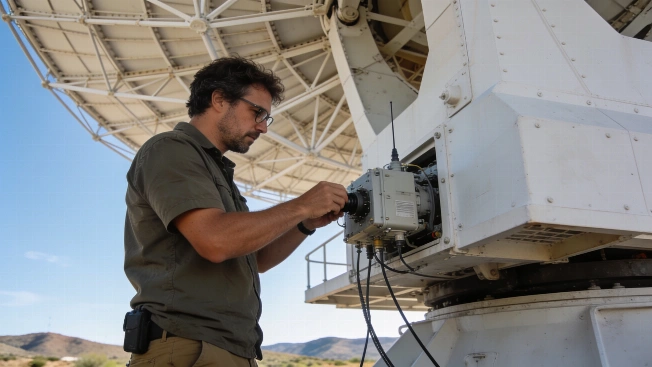
Detection of Four-Carbon Sugar Molecule in Interstellar Space
Researchers have identified the sugar molecule erythrulose in a molecular cloud near the Milky Way's center using radio telescopes, providing new evidence that complex organic compounds can form in interstellar environments under extreme conditions
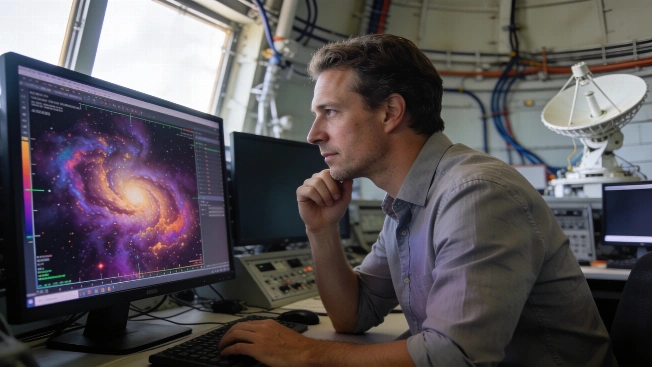
Magnetic Field of Galaxy Cluster Abell 2255 Mapped in Unprecedented Detail
Using deep radio observations from LOFAR, astronomers reconstructed the magnetic field structure of galaxy cluster Abell 2255, revealing how gas dynamics shape cosmic magnetism across millions of light-years.
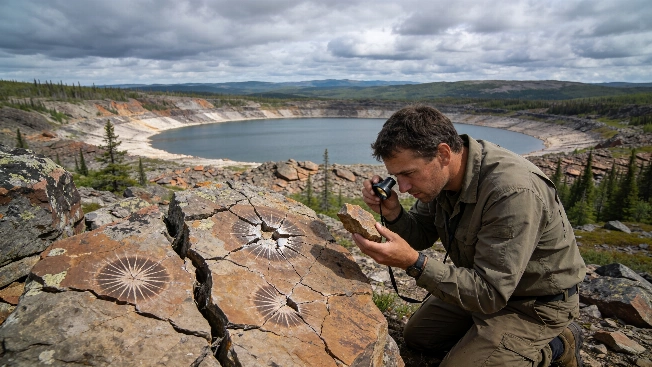
Possible Ancient Impact Crater Identified in Northern Quebec
A large circular structure in Quebec's Côte-Nord region, first spotted on Google Maps, may be a 390-million-year-old impact crater. Fieldwork and rock analysis are underway to confirm its extraterrestrial origin.
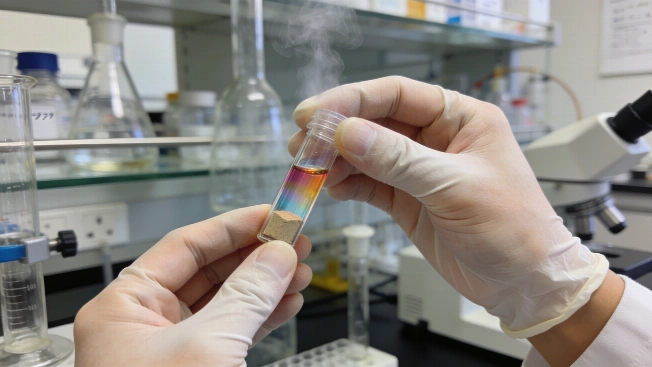
Researchers Demonstrate Vapor-Triggered Switching in Advanced Fluid Materials
A team in Japan has built a reversible system that uses vapor to change the color and physical state of advanced functional fluids, while also switching their phosphorescence. The work offers a new approach to designing smart materials with tunable properties.
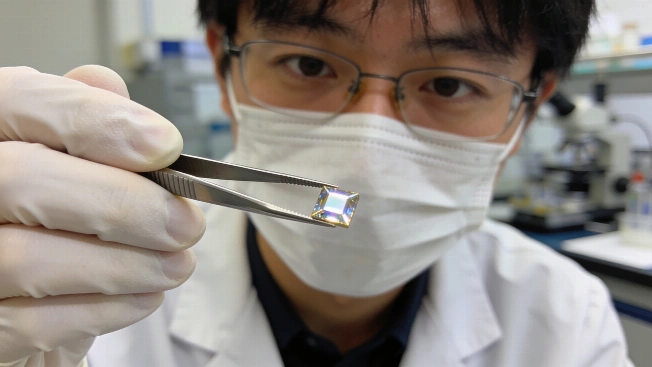
Solid Crystal Thermoelectric Material Demonstrated for Heat Recovery
A research team at the Institute of Science, Tokyo, has engineered a solid crystal thermoelectric material that mimics the properties of atomically thin films, potentially enabling more practical waste heat recovery in industrial settings.
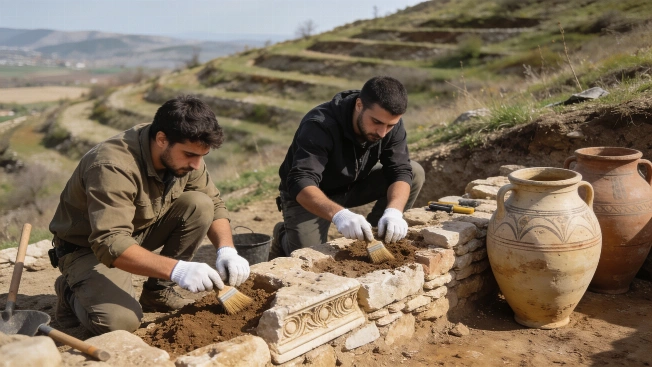
Hellenistic Ritual Dining Complex Uncovered at Gradište in North Macedonia
Archaeologists have identified a rare Hellenistic ritual dining complex at Gradište, North Macedonia, offering evidence of elite religious practices and extensive trade, including imported ceramics, during the fourth and third centuries BCE
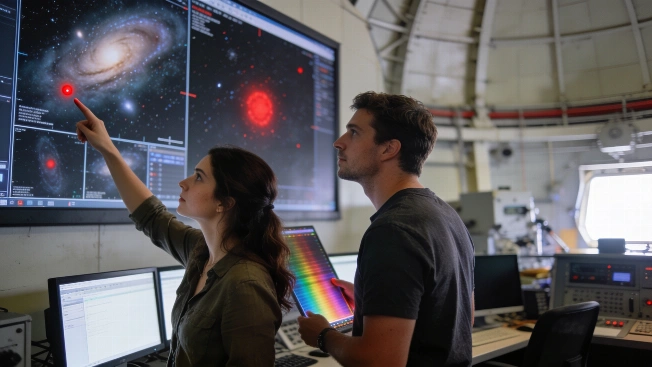
Webb data links early red dots to UV-bright companions and black hole seeds
A new analysis of James Webb Space Telescope images suggests that compact 'little red dots' in the early universe may form near ultraviolet-bright companions, offering a possible route to the rapid birth of supermassive black holes
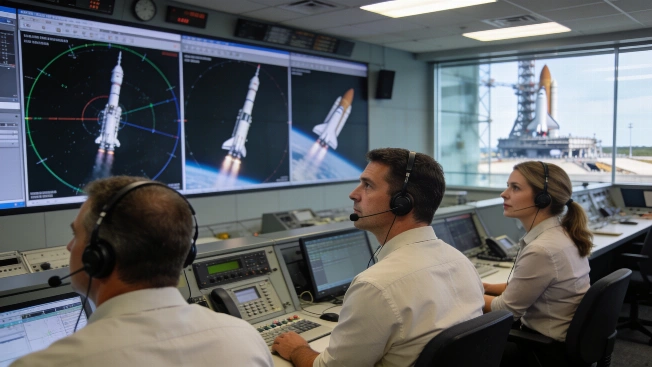
Artemis III to Test NASA's Most Complex Multi-Spacecraft Mission Yet
NASA's Artemis III mission will attempt a coordinated two-week operation involving four astronauts and three independently launched spacecraft, aiming to validate critical lunar landing technologies in low Earth orbit
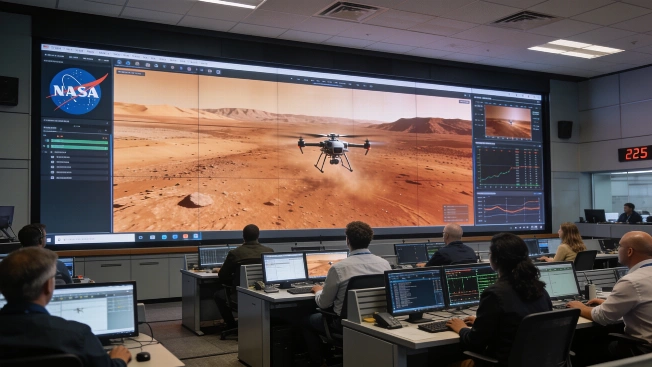
NASA Eyes Mars Skies 50 Years After Viking 1's Landmark Landing
NASA's Viking 1 lander touched down on Mars in 1976, opening a new era of planetary exploration. Now, five decades later, the agency is preparing to extend its reach above the Martian surface with aerial missions.
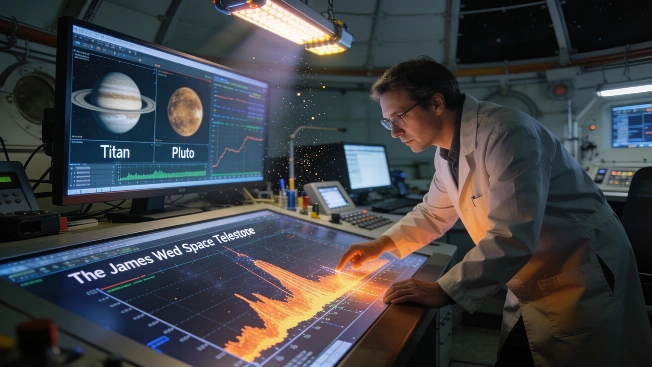
James Webb Telescope Detects Unidentified Infrared Signal on Titan and Pluto
The James Webb Space Telescope has recorded a mysterious infrared absorption feature on both Saturn's moon Titan and the dwarf planet Pluto, hinting at shared surface chemistry despite their contrasting environments.
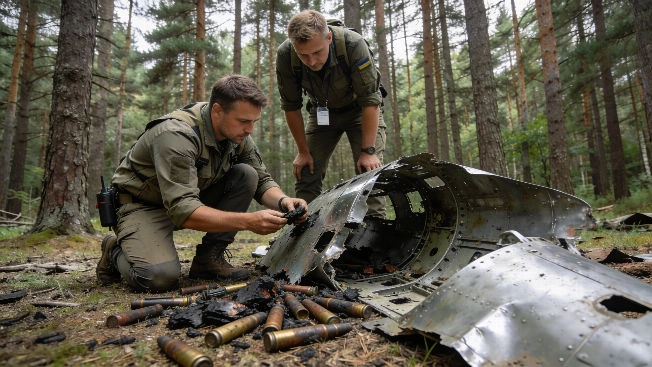
Possible WWII RAF Aircraft Remains Found Near Świnoujście Forest
Archaeologists are investigating a debris field in woodland near Świnoujście, Poland, where aircraft fragments and ammunition suggest a possible Allied wartime crash. The site's context and material evidence are now under formal examination.
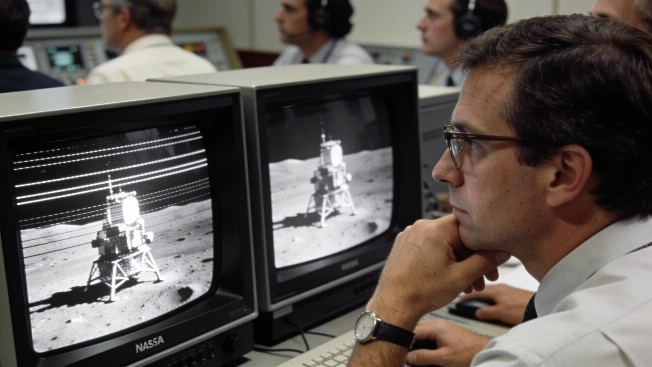
Viking 1's First Mars Surface Image Changed Planetary Exploration
NASA's Viking 1 lander transmitted the first direct image from the Martian surface in July 1976, revealing the planet's rocky terrain and marking a milestone in robotic planetary science
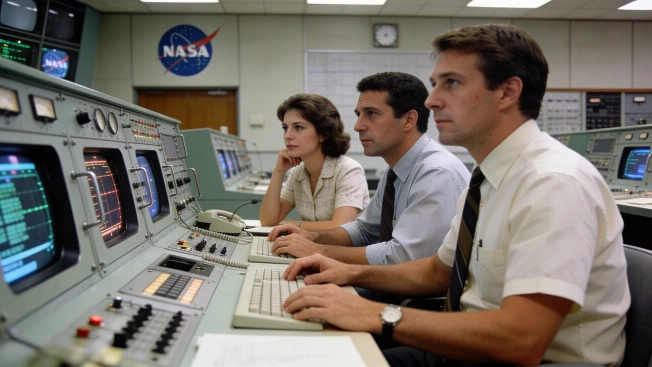
How NASA Langley Engineered the First Mars Landings
Fifty years after Viking 1 and 2 touched down on Mars, the engineering and mission design led by NASA's Langley Research Center remain central to how planetary landings are planned and executed across the solar system.
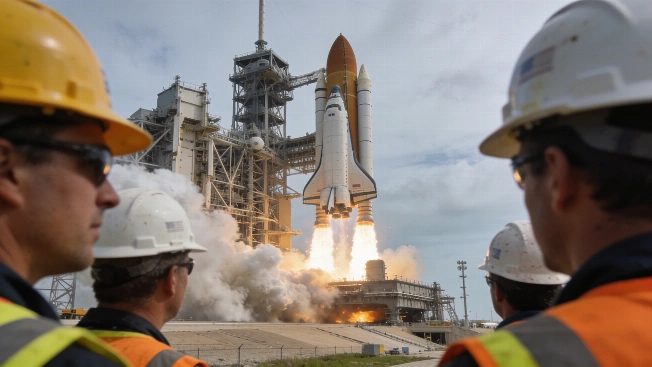
Rocket Launch Costs Plummet but New Barriers Emerge for Space Access
A new analysis of more than 4,400 launches finds that the average cost to send a kilogram to orbit has dropped by 96% since 1960. Future reductions could face constraints from orbital debris and market dominance, with geopolitical shifts adding pressure.
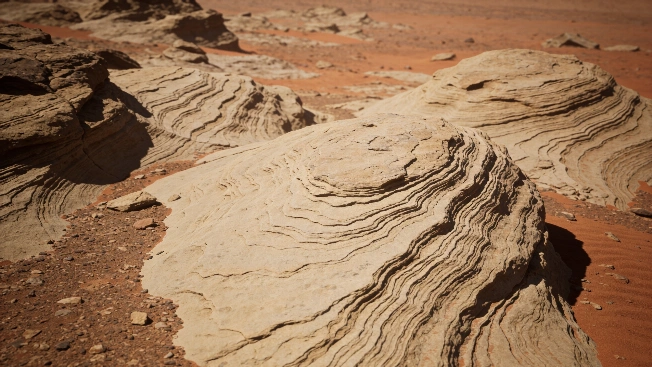
Curiosity Rover Reveals Ancient Sandstorm Evidence on Mars
NASA's Curiosity rover has imaged Martian rocks shaped by a powerful ancient sandstorm, offering new understanding into the Red Planet's dynamic past and the processes that once shaped its surface.
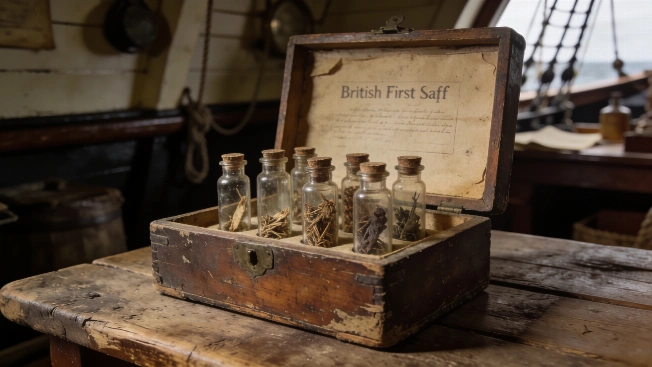
Modeling Study Traces 1789 Smallpox Outbreak to British Arrival
A new modeling study uses historical and epidemiological data to argue that the 1789 smallpox epidemic among Indigenous Australians likely began with British medical material brought by the First Fleet, challenging earlier theories of a northern introduction.
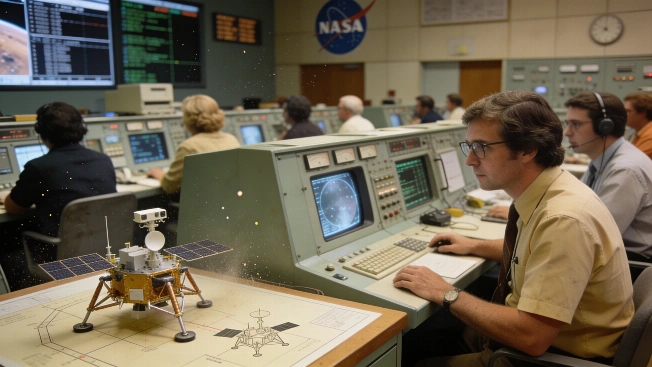
Viking 1's Mars Life Experiments: What the Evidence Still Can't Prove
Fifty years after NASA's Viking 1 lander touched down on Mars, scientists remain divided over whether its life-detection experiments found evidence of Martian biology or were confounded by non-biological chemistry and instrument limitations.
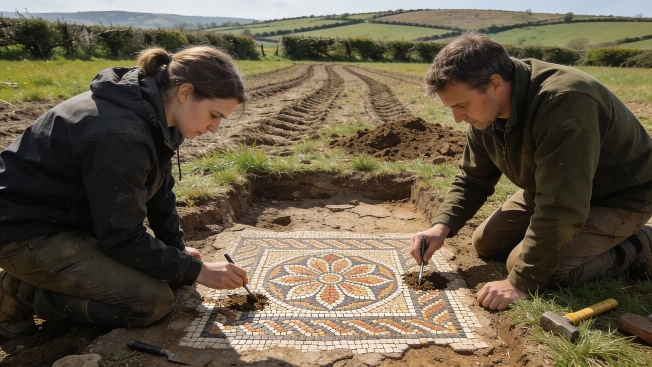
Roman Mosaic Uncovered at Devon Villa Site After 16 Years of Investigation
Archaeologists have excavated a Roman mosaic beneath farmland in Devon, England, after 16 years of investigation, revealing a rare decorated floor from a villa complex. The find offers new evidence of Roman presence in a region where such sites are uncommon.
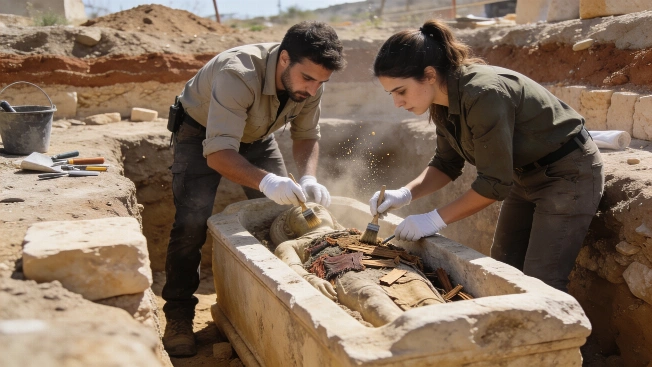
Archaic Necropolis in Southern Italy Yields Rare Organic Artifacts
Archaeologists have uncovered a 6th-century BCE necropolis beneath Gragnano, Italy, preserving organic materials and imported grave goods that reveal new details about elite burial practices and Mediterranean trade in pre-Roman Campania
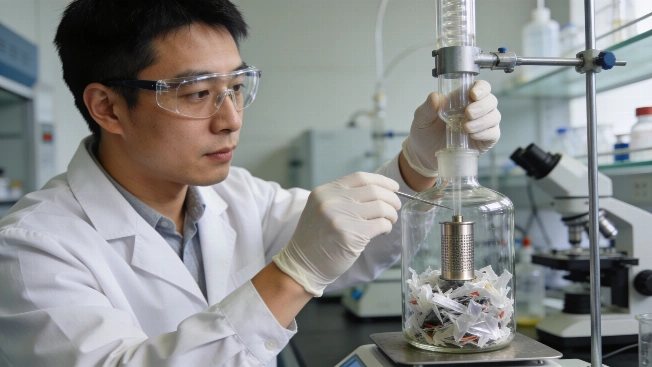
China Tests Low-Cost Catalyst to Turn Plastic Waste Into Jet Fuel
Researchers in China have demonstrated a chemical process that converts polyolefin plastic waste into aviation-grade fuel with a cobalt-nickel catalyst. The method remains at the laboratory stage and faces impressive engineering hurdles.
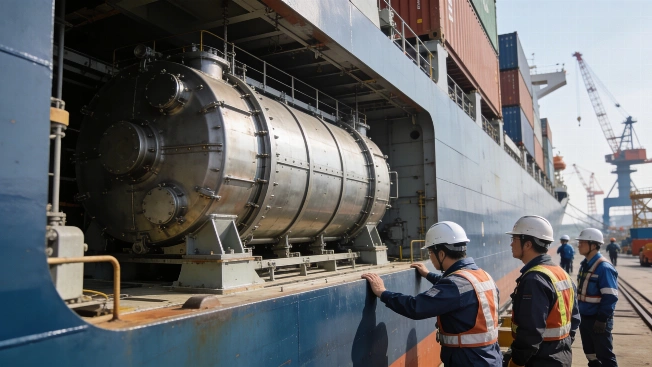
Nuclear-Powered Container Ship Design Receives Initial Safety Approval
A 15,000 TEU container ship concept using small modular reactors has received Approval in Principle from the American Bureau of Shipping, marking a step toward nuclear propulsion in commercial shipping but raising new safety and engineering questions
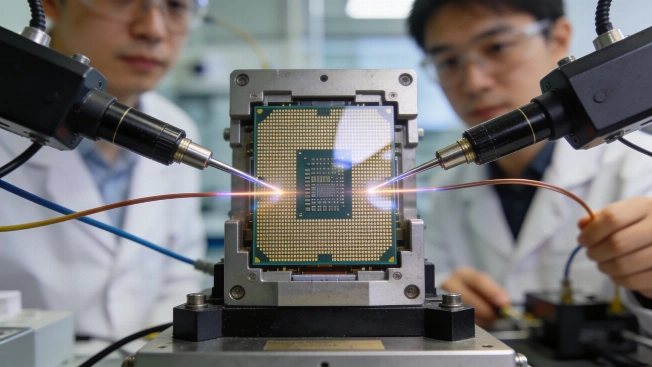
UCLA Team Integrates Terahertz Generation and Detection on One Chip
A UCLA research group has demonstrated a semiconductor chip that combines terahertz signal generation and detection, using quantum-well photodiodes and standard fabrication methods, potentially enabling scalable terahertz systems for communications and sensing
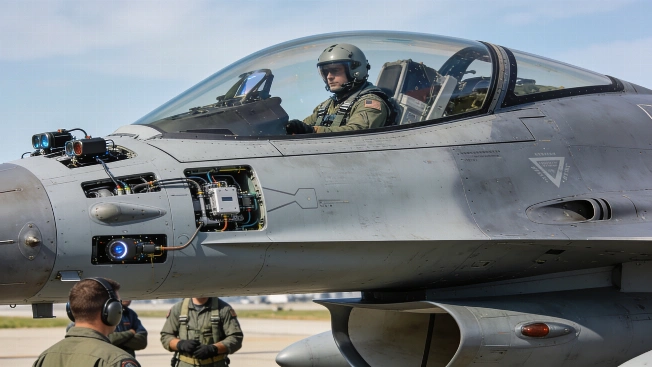
AI System Tested in Remotely Piloted F-16 Without Core Software Rewrite
A modified F-16 fighter jet flew under AI control in a supervised test by DARPA and the US Air Force. The VENOM Autonomy Kit let the aircraft operate without changes to its core flight software.
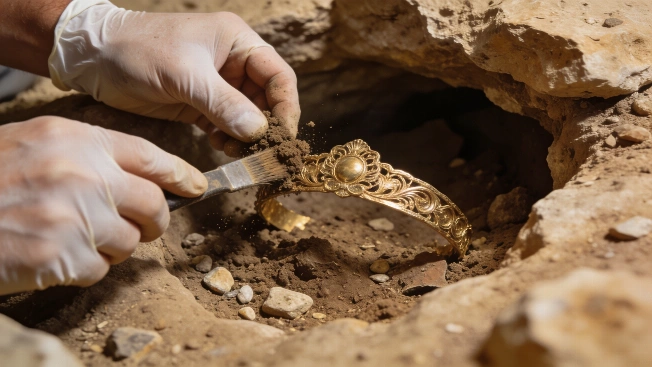
Cypriot Gold Ornaments Reveal Ancient Mediterranean Connections
Archaeologists have analyzed a cache of 3,400-year-old gold ornaments from chamber tombs at Hala Sultan Tekke, Cyprus, finding evidence of local craftsmanship shaped by Egyptian, Mycenaean, Minoan and Near Eastern traditions.
Atmosphere detected on rocky exoplanet in habitable zone
Astronomers have identified helium escaping from LHS 1140 b, a super-Earth orbiting in its star's habitable zone, using infrared spectroscopy. The finding offers the strongest evidence yet that a rocky exoplanet can retain an atmosphere for billions of years
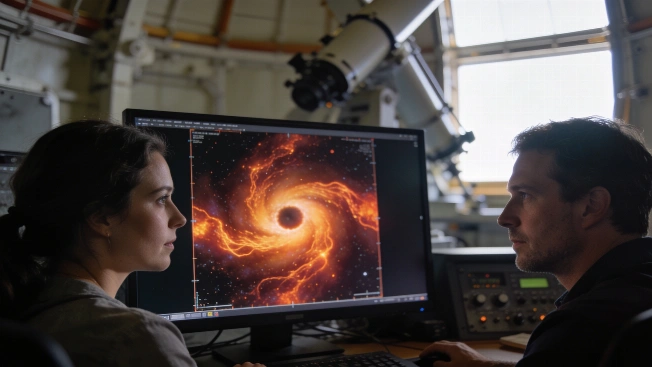
Webb Telescope Maps Gas Feeding a Supermassive Black Hole
Astronomers using the James Webb Space Telescope have studied gas clouds around Sagittarius A*, finding metal-rich gas whose local conditions shape cooling and may affect how material reaches the black hole.
Hayabusa2's Risky Asteroid Flyby Yields Unprecedented Close-Up Data
Japan's Hayabusa2 spacecraft has captured detailed images and thermal data of the near-Earth asteroid Torifune after a high-speed flyby, following intense debate over the mission's safety and scientific value.
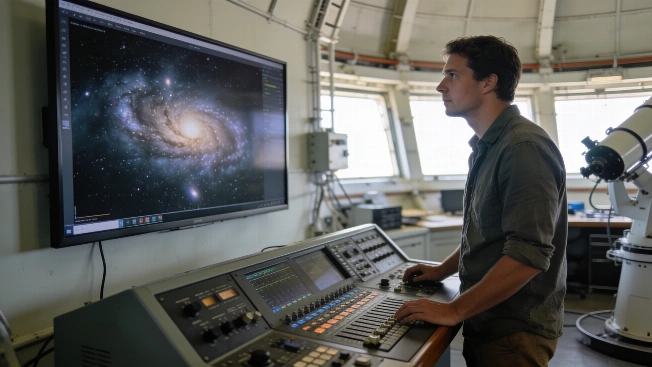
Webb Telescope Uses Gravitational Lensing to Reveal Ancient Galaxies
The James Webb Space Telescope has captured a detailed image of the galaxy cluster MACS J0553.4-3342, using gravitational lensing to magnify galaxies from the universe's first billion years
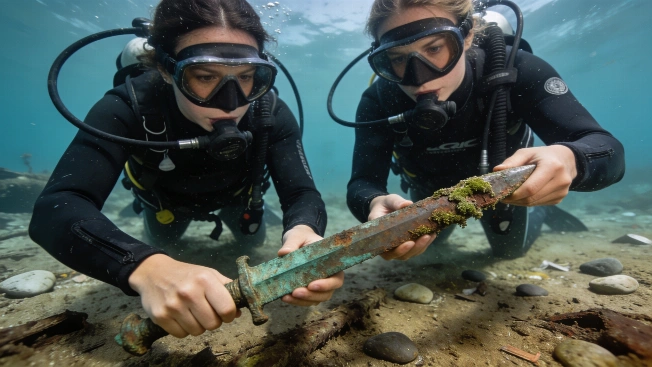
Bronze Age Sword Recovered from Protected Wreck off Devon Coast
A 3,000-year-old Bronze Age sword has been recovered by volunteer divers from the Salcombe Cannon and Moor Sand sites off south Devon, offering new evidence for prehistoric maritime activity and trade in the region

Roman Female Farm Managers Oversaw Wine and Oil Production
A new analysis of Roman-era texts and archaeological evidence reveals that women known as vilicae managed large-scale wine and olive oil production, challenging the long-held view that their roles were limited to domestic tasks
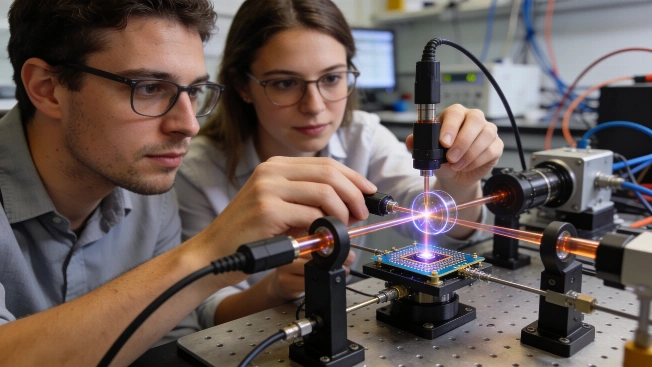
Hybrid Photon-Atom Quantum Blueprint Targets Error Correction Limits
Quantum Source Alpha Labs has published a detailed hardware proposal for a hybrid photon-atom quantum computing architecture aimed at addressing the scaling and error-correction challenges that limit current quantum processors.
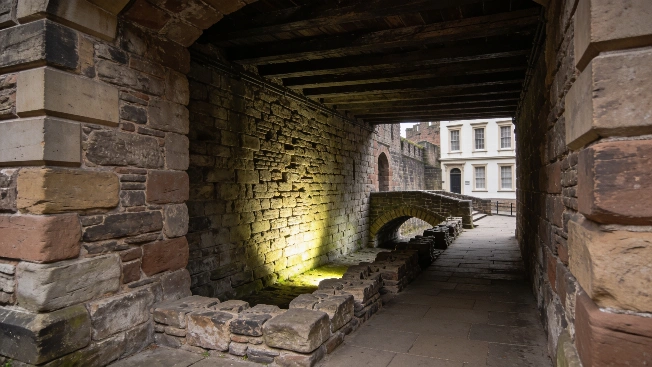
Digital Survey Reveals Medieval Bridge Remains at Chester Castle
Archaeologists using advanced digital scanning have identified the remains of a 13th-century bridge beneath Chester Castle in England, challenging previous assumptions about the site's medieval architecture and preservation
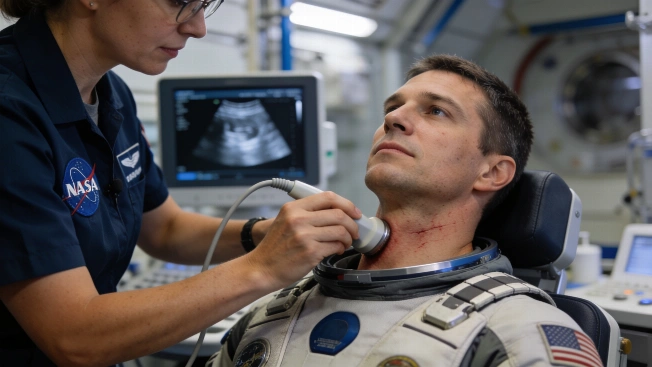
NASA Develops VTE Risk Algorithm for Astronauts on ISS Missions
NASA's medical office has established a new risk assessment algorithm for venous thromboembolism (VTE) in astronauts, following updated case reviews and in-flight blood-flow data from International Space Station missions.
Part 9 of 11