
Bioarchaeology - Part 2
51 reports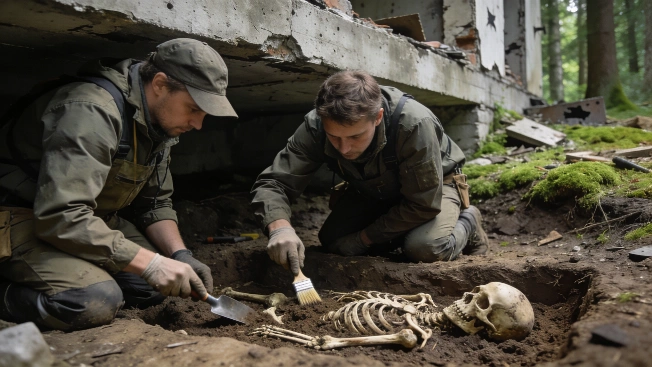
Excavation Reveals Göring's Wolf's Lair Residence Built Over Cemetery
Archaeologists investigating human remains beneath Hermann Göring's former house at the Wolf's Lair have determined the Nazi-era structure was constructed atop a pre-existing cemetery, using stratigraphic and osteological analysis to clarify the context
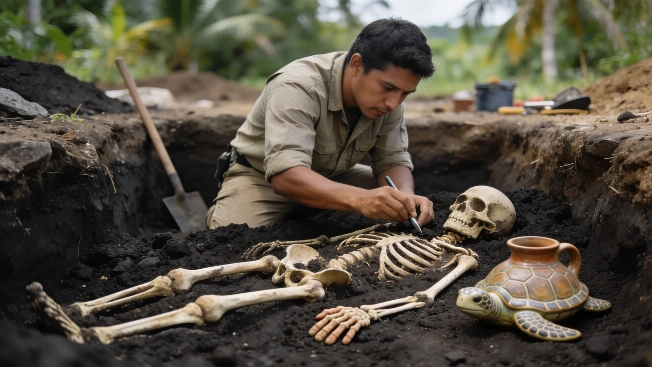
2,800-Year-Old Prone Burial With Sea Turtle Vessel Found in El Salvador
Archaeologists excavating in Antiguo Cuscatlán, El Salvador, have uncovered a 2,800-year-old burial featuring a face-down skeleton and a ceramic vessel shaped like a sea turtle, offering new evidence for mortuary practices in pre-Maya Mesoamerica
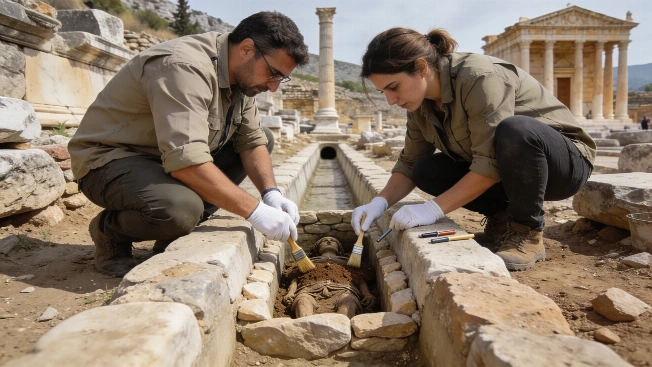
Byzantine-Era Twin Infant Burial Discovered Near Temple of Artemis
Archaeologists have identified a 1,200-year-old grave containing two premature infants near the Temple of Artemis at Ephesus, Turkey, revealing rare evidence of twin burial and a genetic anomaly in one skeleton
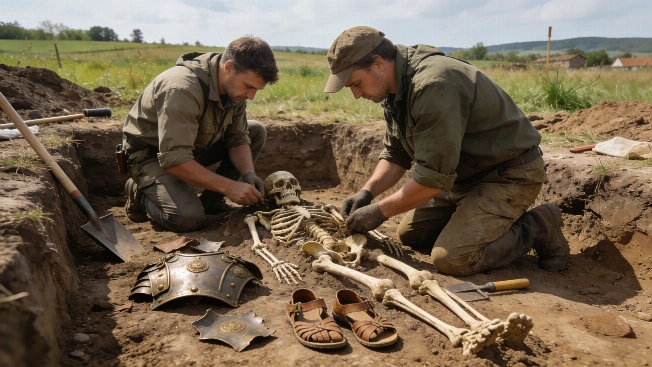
Roman Military Camp in Slovakia Reveals Unusual Soldier Burials
Archaeologists have identified a large Roman military camp near Šurany, Slovakia, containing hastily buried remains of soldiers and military equipment, offering new evidence for Roman campaigns during the Marcomannic Wars
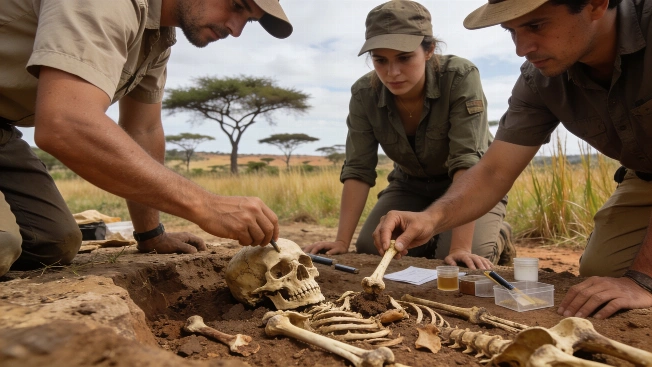
Isotope Evidence Reveals Maize-Based Farming in Ancient Brazilian Cerrado
Analysis of stable isotopes from over 100 individuals across 37 archaeological sites in Brazil's Cerrado shows that some large precolonial communities relied on maize-based polyculture, challenging assumptions about Indigenous subsistence in tropical South America
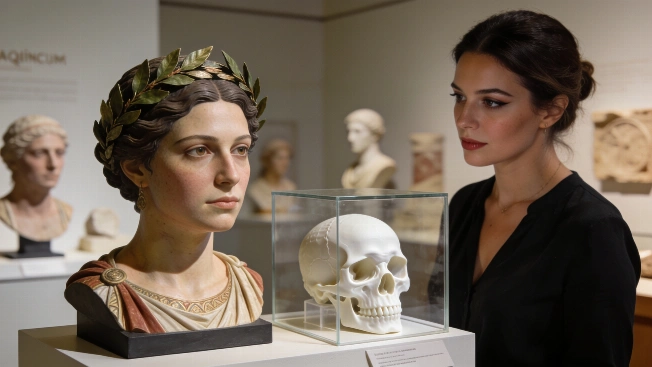
Facial Reconstructions Reveal Roman-Era Lives at Aquincum, Hungary
Researchers used DNA analysis, 3D-printed skulls, and forensic modeling to reconstruct the faces of 16 individuals buried near the Roman frontier city of Aquincum, offering new insights into population diversity and daily life nearly 1,700 years ago
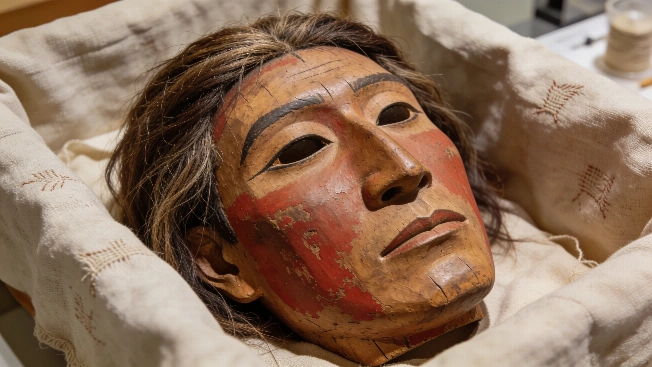
Chancay Mummy Mask Reveals Ancient Funerary Practices in Peru
A wooden mask with human hair and cinnabar pigment, crafted by the Chancay people between 1000 and 1450 CE, offers new insight into pre-Inca mortuary traditions and the use of symbolic 'false heads' in Andean burial bundles
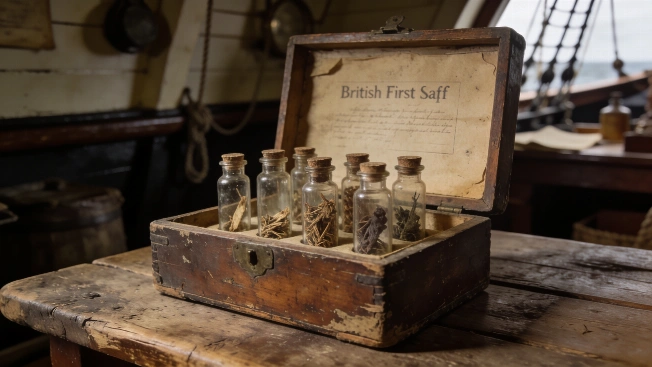
Modeling Study Traces 1789 Smallpox Outbreak to British Arrival
A new modeling study uses historical and epidemiological data to argue that the 1789 smallpox epidemic among Indigenous Australians likely began with British medical material brought by the First Fleet, challenging earlier theories of northern introduction
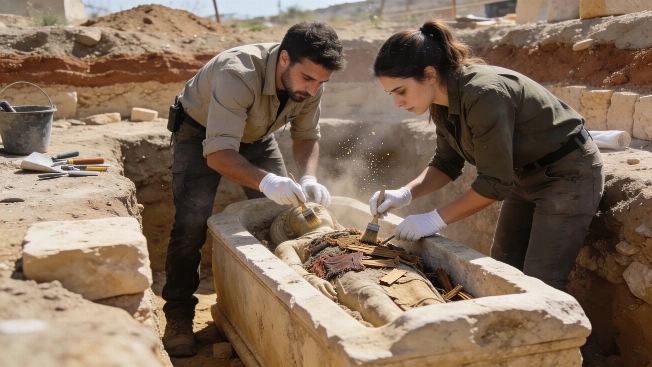
Archaic Necropolis in Southern Italy Yields Rare Organic Artifacts
Archaeologists have uncovered a 6th-century BCE necropolis beneath Gragnano, Italy, preserving organic materials and imported grave goods that reveal new details about elite burial practices and Mediterranean trade in pre-Roman Campania
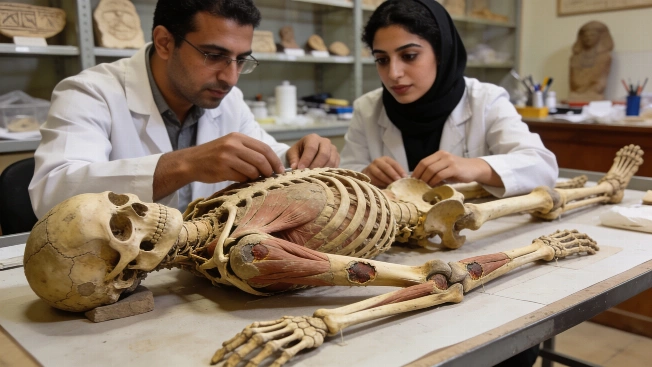
Ancient Egyptian Princesses Show Evidence of Skilled Archery
Bioarchaeological analysis of Middle Kingdom royal women from Dahshur reveals skeletal adaptations consistent with regular archery and hunting, challenging assumptions that weapons in their tombs were only symbolic
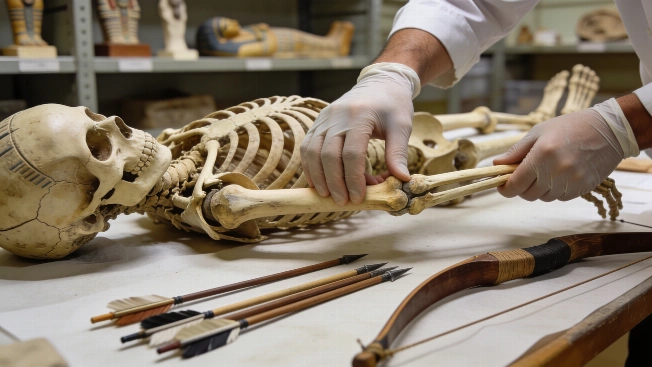
Muscle Marks on Egyptian Royal Women Suggest Weapon Use, Study Debated
Analysis of nearly 4,000-year-old skeletal remains from Egypt's Middle Kingdom reveals pronounced upper-body muscle attachments in several royal women. Researchers propose these changes may reflect archery or weapon training, but experts urge caution
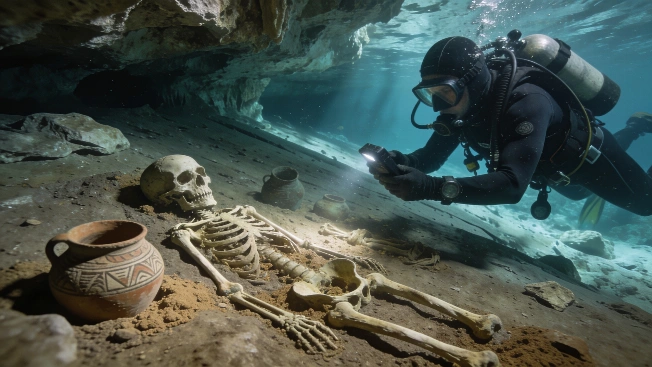
Ancient Human Remains and Maya Ceramics Found in Cenote Yaakun
Archaeologists have begun a research and conservation project at Cenote Yaakun near Playa del Carmen after the discovery of a possible young adult woman's skeleton and a cluster of Maya ceramics in a deep underwater context
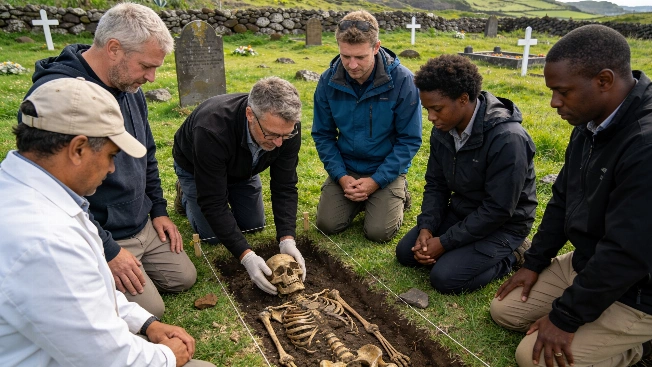
Isotope and DNA Evidence Trace St. Helena Burials to West Africa
Researchers have analyzed teeth and DNA from over 150 individuals buried on St. Helena after liberation from slave ships, revealing diverse childhood origins across West and Central Africa and highlighting the scale of forced displacement
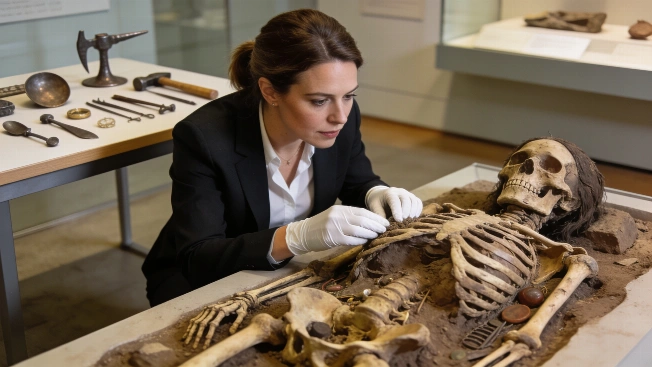
Ancient DNA Reveals Bronze Age Metalworker Near Stonehenge Was Female
A 4,000-year-old burial near Stonehenge, long thought to contain a male shaman, has been re-examined using ancient DNA analysis, revealing the individual was biologically female and challenging assumptions about gender roles in Early Bronze Age Britain
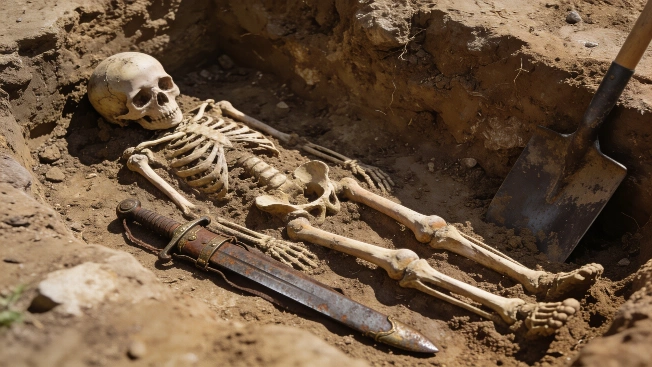
Iron Age Child Burial With Sword Sheds Light on Gaulish Practices
Archaeologists have uncovered a 2,400-year-old iron sword placed beside a child's remains at the Bois Médor site in central France, offering new evidence about burial customs and social roles in Iron Age Gaul
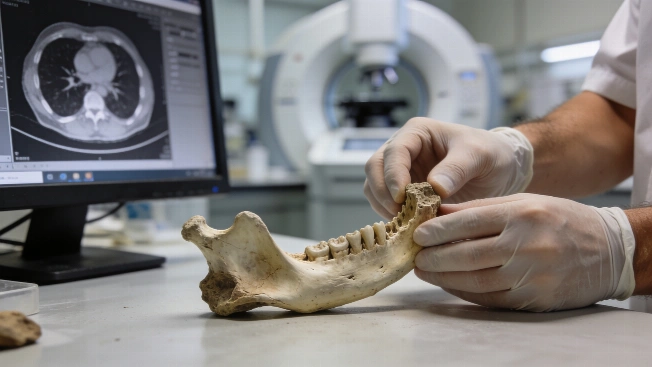
Ancient Jaw Injury in Qafzeh 25 Sheds Light on Early Human Violence
A new micro-CT study of the Qafzeh 25 remains from Israel reveals a partially healed jaw injury, offering rare evidence for trauma and possible interpersonal violence among early Homo sapiens in the Late Pleistocene
Part 2 of 2