
Reports - Part 9
1162 reports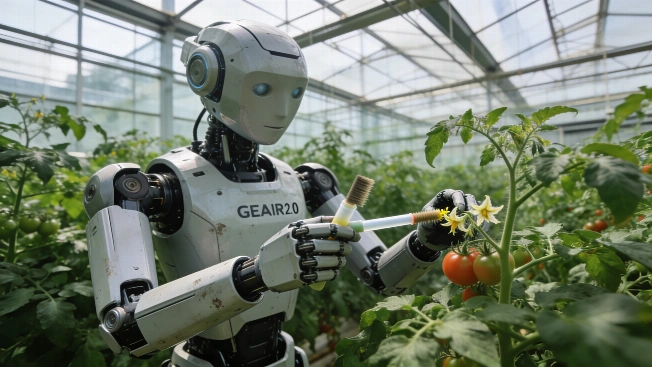
Humanoid Robot GEAIR 2.0 Automates Tomato Flower Pollination in Beijing
A humanoid robot called GEAIR 2.0 has been demonstrated in Beijing performing autonomous hybrid pollination of tomato flowers. The system aims to reduce manual labor in crop breeding by combining robotics, AI, and gene editing in real greenhouse conditions.
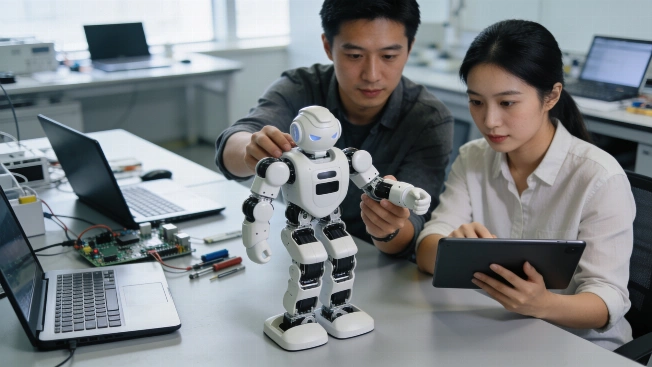
Zeroth releases Bridge robot and open-source platform for embodied AI
Zeroth has launched Bridge, a desktop-sized humanoid robot built for AI research, along with OpenBridge, an open-source platform for sharing robot skills and development tools. The system is aimed at researchers and hardware builders interested in real-world embodied AI.
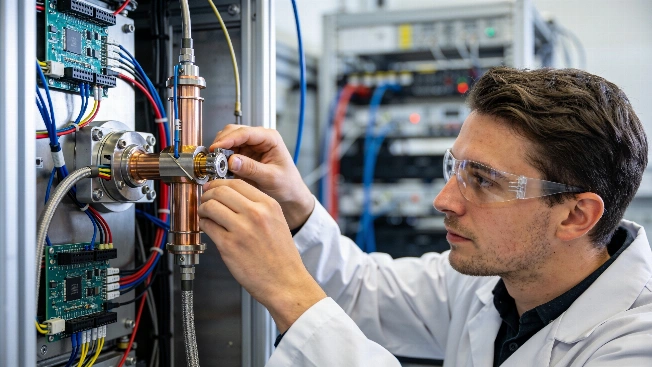
Chalmers Team Accelerates Bosonic Quantum Gates with Single-Period Control
A theoretical advance from Chalmers University enables continuous-variable quantum gates on bosonic codes to run up to 1,000 times faster than previous adiabatic methods, using a single-period Floquet control scheme in superconducting resonators
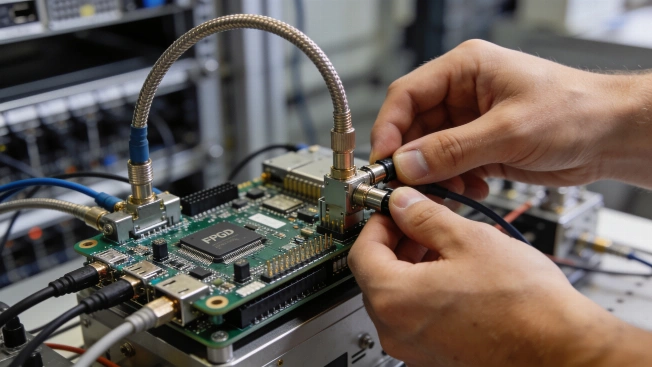
Altera and Riverlane validate real time QEC interface on Agilex FPGAs
Altera and Riverlane have integrated an open source quantum error correction interface on Agilex 7 FPGAs, aiming to standardize real time data movement and control for multi qubit quantum processors across several hardware platforms
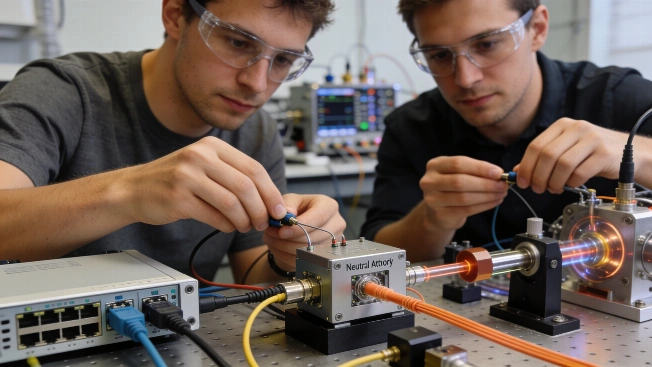
Infleqtion and Cisco test neutral-atom quantum network integration
Infleqtion and Cisco have begun joint R&D to connect neutral-atom quantum memory and processing units with telecom-compatible network switches, aiming to address the physical and protocol challenges of distributed quantum computing
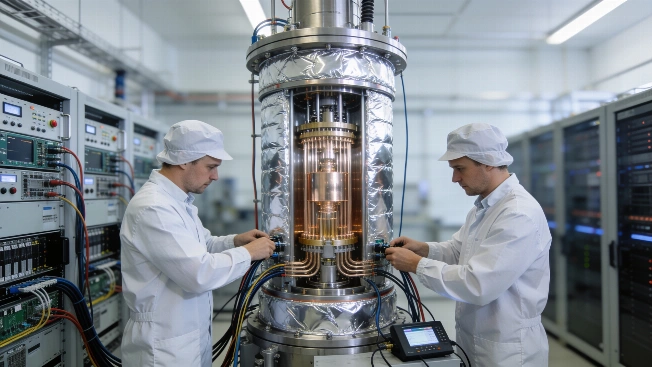
Europe to Deploy Superconducting Logical Qubit System at LUMI AI Factory
A superconducting quantum computer designed for logical qubit operation will be installed at the LUMI AI Factory in Finland, aiming to integrate quantum error correction with high-performance computing and AI infrastructure
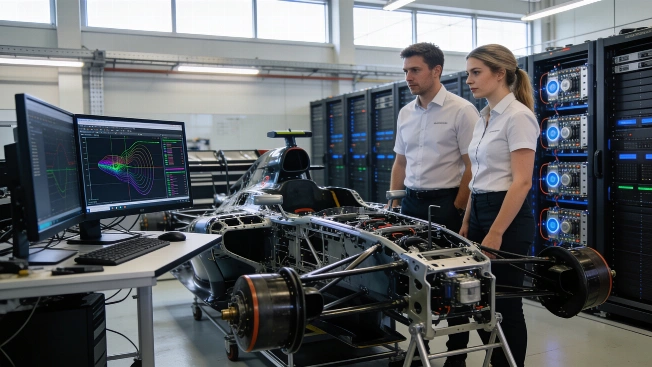
Hybrid Quantum Simulation Targets Formula One Engineering Limits
A Formula One team is piloting hybrid quantum-classical simulation tools to model complex physics in car development, integrating quantum algorithms and post-quantum security hardware under strict computational budgets

Anthropic Blocks Claude Use in Suspected Bioweapons and Espionage Cases
Anthropic has reported five incidents where its Claude AI model was used in research with potential biological weapons implications and uncovered a Russian cyber operation using the same technology, raising urgent questions about AI safety and oversight

Iron Age Longhouse and Rare Coin Reveal Distant Connections in Poland
Excavations at Łysa Góra in central Poland have uncovered a 2,500-year-old longhouse and a rare Thracian coin, providing new insight into Iron Age settlement patterns and long-distance contacts across Europe

Olmec Offerings Reveal Ancient Rituals at Cerro El Manatí
Archaeologists have reunited 3,700-year-old Olmec offerings from Cerro El Manatí, including preserved wooden figures, rubber balls, and jadeite axes, providing new evidence for early Mesoamerican ritual and belief at a sacred Veracruz site
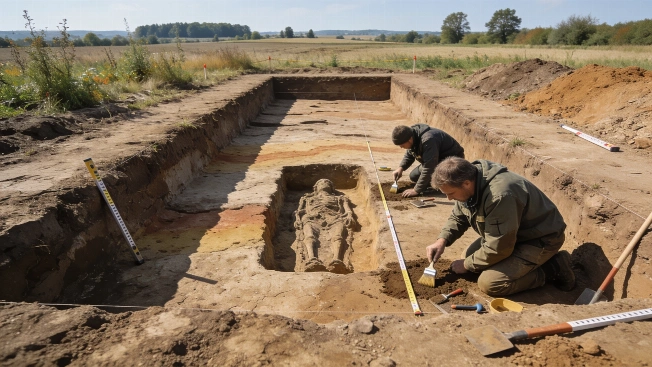
Trapezoidal Neolithic Burial Monument Uncovered Near Leipzig
Archaeologists in Saxony have excavated a 5,500-year-old trapezoidal enclosure containing a single human burial, offering new evidence for selective mortuary architecture and social differentiation among Neolithic Baalberge communities in Central Germany
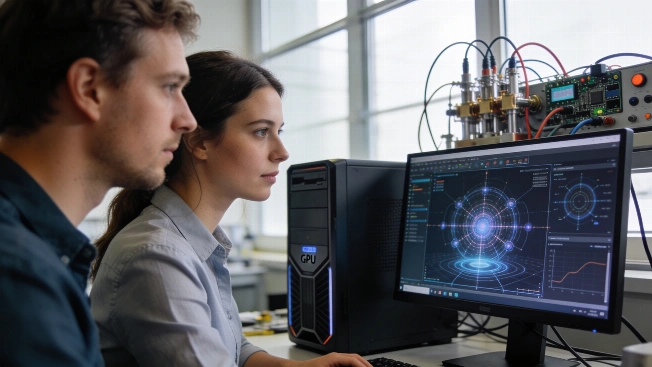
Qilimanjaro Quantum Tech adds GPU acceleration to analog simulation
Qilimanjaro Quantum Tech has released QiliSDK v0.3.0, introducing GPU-accelerated analog quantum simulation, a new stabilizer state simulator, and expanded classical optimization tools for hybrid quantum-classical workflows
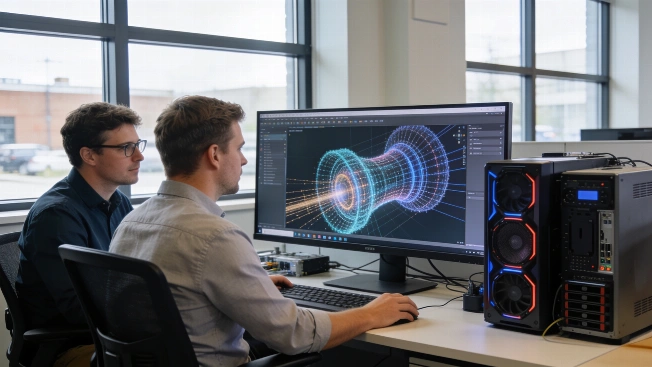
IBM Ventures Backs BQP for Quantum Physics Simulation Acceleration
BQP has secured an $8 million investment led by IBM Ventures to expand its quantum-accelerated physics simulation platform. The company aims to bridge the gap between classical high-performance computing and hybrid quantum-classical workflows for engineering applications.
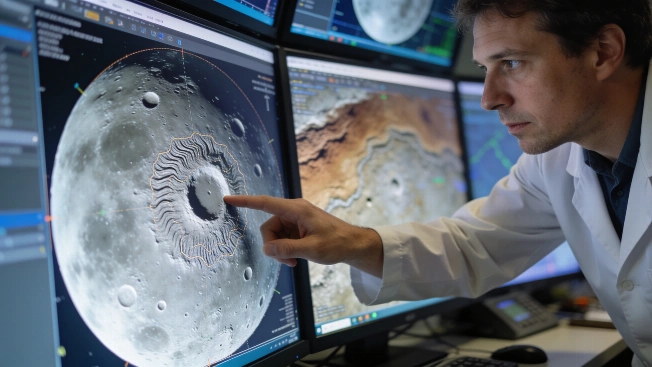
Mercury's Surface Hides Evidence of Greater Planetary Shrinkage
A new study using NASA MESSENGER data finds Mercury may have shrunk by up to 30 percent more than earlier models indicated, with impact debris masking the true scale of planetary contraction
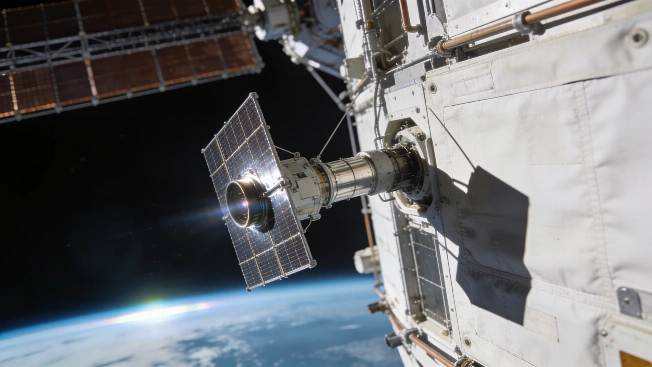
New sensor concept aims to reveal hidden nuclear weapons in orbit
A proposed satellite-based detector could identify nuclear warheads concealed on spacecraft by measuring neutron emissions, offering the first practical method to verify the decades-old ban on nuclear arms in space

AI reconstructs black hole jet motion from decades of radio data
A new AI-driven analysis of 27 years of radio telescope data has produced the sharpest reconstruction yet of a black hole jet, revealing unexpected details about plasma motion in the blazar 3C 345

September sky offers rare view of five planets and the Harvest Moon
Astronomers in the Northern Hemisphere can observe all five naked-eye planets and the Harvest Moon this September as earlier sunsets and mild weather create optimal conditions for stargazing
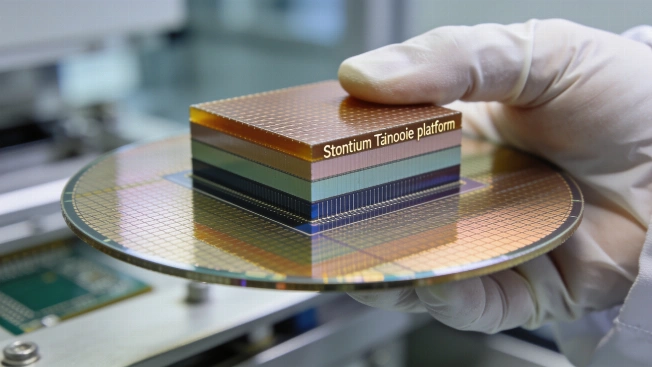
Strontium Titanate Insulator Platform Targets Quantum Device Integration
La Luce Cristallina has introduced a silicon-based quantum paraelectric strontium titanate on insulator wafer platform engineered for quantum computing and cryogenic electronics, with a focus on foundry compatibility and voltage-tunable dielectric control
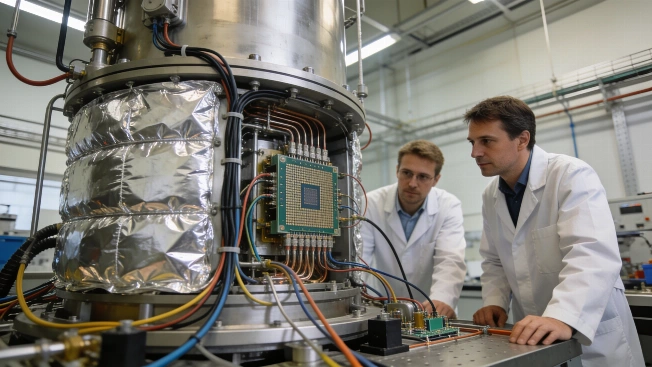
Cryogenic Milestone for Silicon Spin Qubits as Quobly and Absolut System Advance
Quobly and Absolut System have qualified a 100 mW sub-kelvin cryogenic platform to support silicon spin-qubit quantum processors, marking a key step toward scalable quantum computing hardware and revealing the engineering limits of thermal management
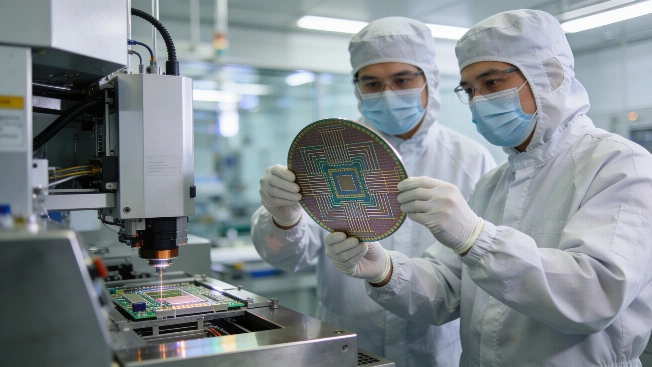
Xanadu and ASML target lower optical loss in silicon quantum chips
Xanadu Quantum Technologies and ASML have launched a technical collaboration to reduce optical propagation loss in integrated silicon photonic circuits, a key challenge for scalable fault-tolerant quantum computing hardware
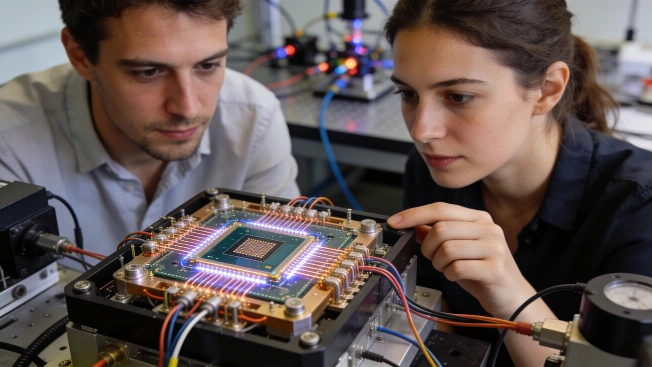
NVision Targets Scalable Spin Qubit Chips With Photonic Links
NVision Quantum Technologies has secured EuroHPC funding to develop a roadmap for quantum processors that combine organic molecular spin qubits with photonic interconnects, aiming to address scaling and integration challenges in quantum computing hardware
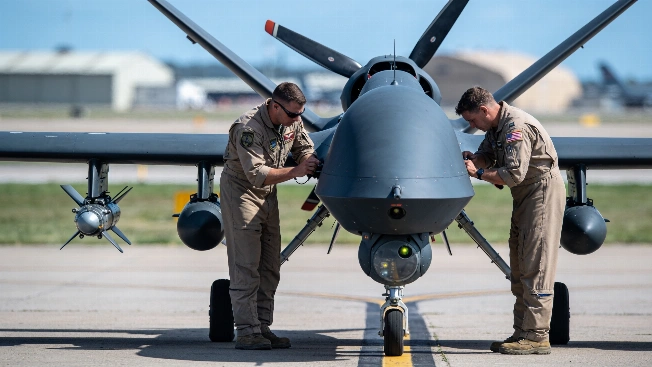
Quantum Navigation System Tested on Attritable Drone in GPS Denial Trial
SandboxAQ and Northrop Grumman have flight-tested a magnetic anomaly-based quantum navigation system on the Lumberjack attritable drone, aiming to establish reliable positioning in environments where GPS is unavailable or jammed
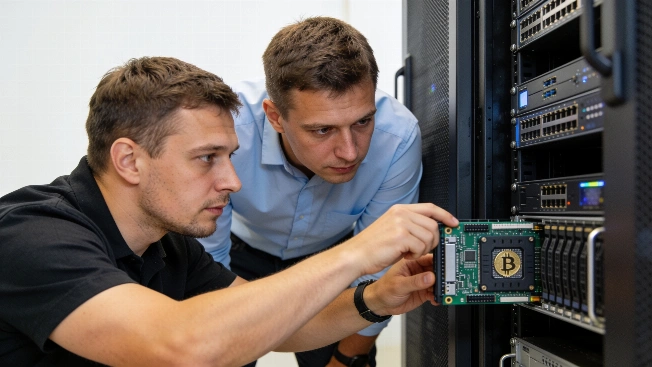
Keyfactor revenue doubles as post-quantum migration accelerates
Keyfactor reports annual recurring revenue above $200 million as regulatory deadlines and post-quantum cryptography migration drive rapid adoption of automated certificate management and trust infrastructure
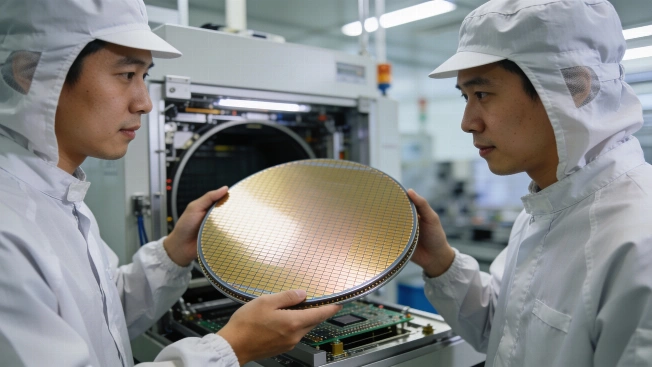
Universal Quantum launches Singapore center for trapped-ion chip development
Universal Quantum has opened its first Asia-Pacific R&D center in Singapore, aiming to advance trapped-ion quantum processor fabrication and algorithm co-design with over SGD 30 million in investment
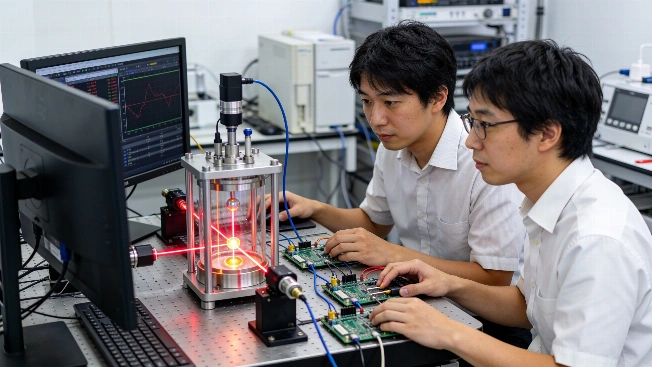
Neutral Atom Quantum Processors Tested With STAR Architecture Integration
Fujitsu and Yaqumo have begun experimental validation of the STAR architecture on cold-atom quantum processors, aiming to reduce physical qubit overhead and test error correction strategies on hardware using ytterbium atom arrays

UNEP report signals global temperature rise beyond Paris Agreement target
A new United Nations Environment Programme analysis finds that global average temperatures are set to exceed the 1.5°C threshold established by the Paris Agreement within years, raising the stakes for rapid emission reductions and climate adaptation
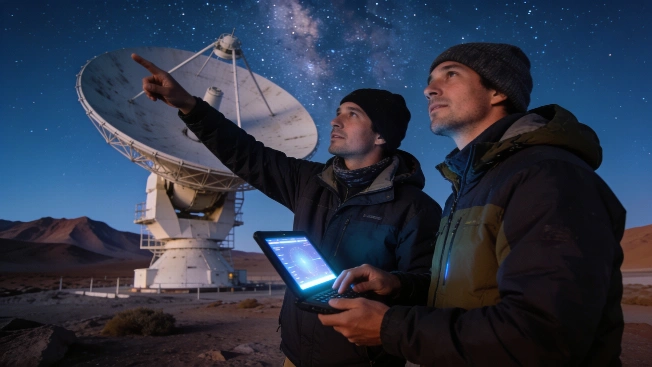
ALMA reveals chaotic birth of massive binary stars in real time
Astronomers using ALMA have reconstructed the formation of a massive binary star system just 5,300 light-years away, finding evidence that the two stars joined forces only decades ago rather than forming together
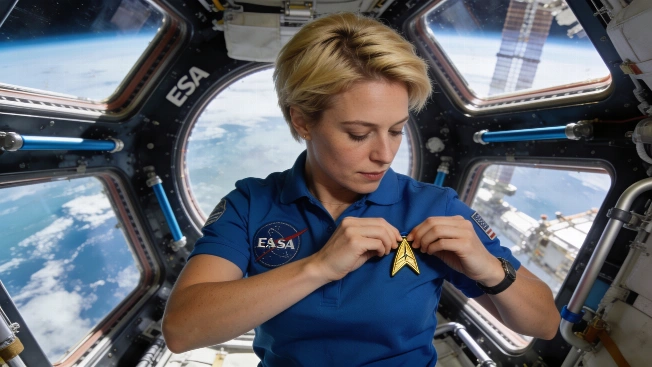
ESA astronaut honors Star Trek legacy aboard International Space Station
ESA astronaut Sophie Adenot marked Star Trek's 60th anniversary by wearing a Starfleet badge on the International Space Station, highlighting the show's influence on real-world space exploration and international scientific cooperation

Fluffy Robot MOFU Tested for Lifelike Movement in Animacy Study
A Japanese team built MOFU, a spherical robot that expands and contracts its body to test whether volumetric movement makes machines seem more alive. Nearly 500 participants rated its lifelikeness in controlled video experiments
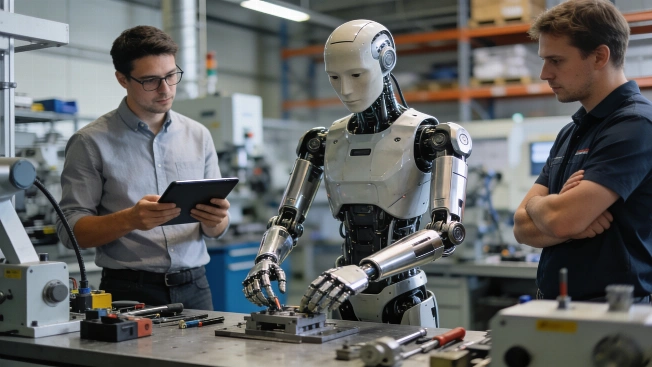
AEON Humanoid Robot Begins Industrial Training at Schaeffler Facility
Hexagon Robotics and Schaeffler have started training the AEON humanoid robot in a dedicated industrial environment in Germany, aiming to equip the system for manufacturing tasks and prepare for a planned rollout of at least 1,000 units

Anthropic Researcher Resigns Over Unchecked AI Race and Safety Risks
A leading Anthropic researcher has resigned, warning that the current corporate race to develop advanced AI systems could pose a greater threat to humanity than nuclear conflict or climate change. The call for a global pause exposes deep industry anxiety

Zodiacal Light to Illuminate September Skies Before Sunrise
A faint pyramid of zodiacal light will become visible in the eastern sky before dawn this September, offering a rare opportunity for observers to witness sunlight scattered by interplanetary dust using only the naked eye under dark conditions

High Energy Photon From Distant Gamma Ray Burst Challenges Physics Limits
A photon with record-breaking energy from the gamma ray burst GRB 221009A reached Earth despite theoretical barriers. New analysis suggests a possible explanation involving axion-like particles and Lorentz invariance violation

Landsat 8 Captures Anak Krakatau Eruption from Orbit
NASA and USGS's Landsat 8 satellite recorded Anak Krakatau's eruption as volcanic gas and ash reached the atmosphere, grounding flights and halting local activity while the volcano remains active
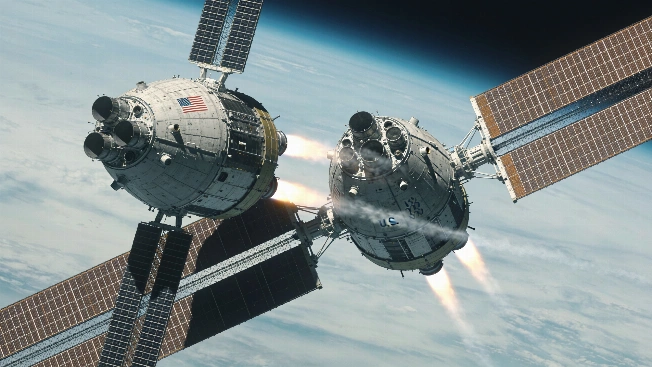
US Space Command simulates orbital maneuvers in live satellite exercise
US Space Command has conducted its first live orbital maneuver exercise, using satellites to simulate close-approach operations and test military tactics for potential conflict in Earth orbit
Part 9 of 20