
Biology
13 reportsEcology and microbiology provide the main comparison, while cell biology tests the interpretation. Reports address how living systems are studied and how cells regulate function, comparing competing models without treating agreement as proof of mechanism.
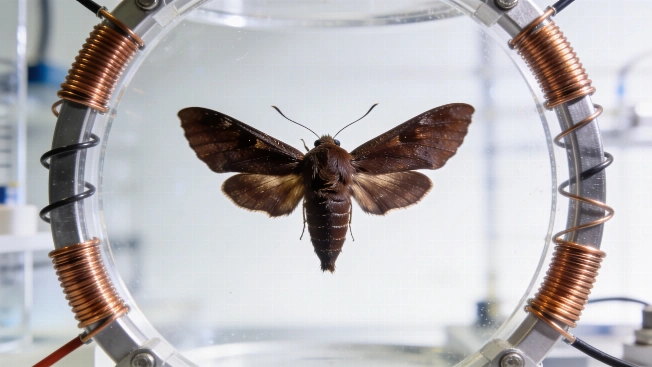
Bogong Moths Use Earth's Magnetic Field to Hold Their Course
By reversing the geomagnetic field around tethered moths in a flight arena researchers found that the insects changed direction accordingly, evidence that their nocturnal navigation combines magnetic and stellar cues

A Pigeon Needs 60 Metres to Glide to a Zero-Speed Landing
A control-theory model finds that a pigeon could stop at a raised perch without flapping, but only after building speed and covering about 60 metres horizontally
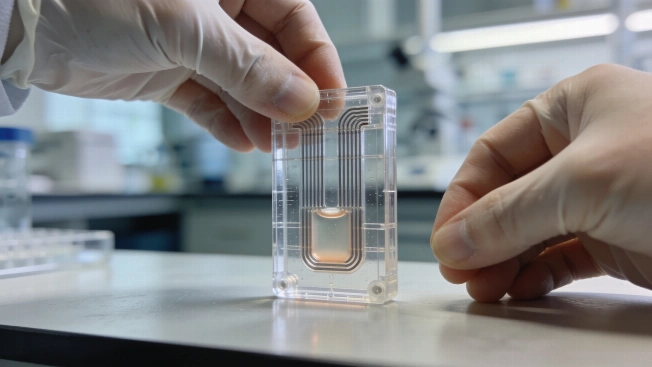
NASA Seeks Digital Twins of Astronaut Bone Marrow
NASA's BPS Digital AVATAR Challenge offers $150,000 for computational models of astronaut bone marrow responses to spaceflight stressors. Registration opened Nov. 16, 2026, and submissions are due Feb. 12, 2027
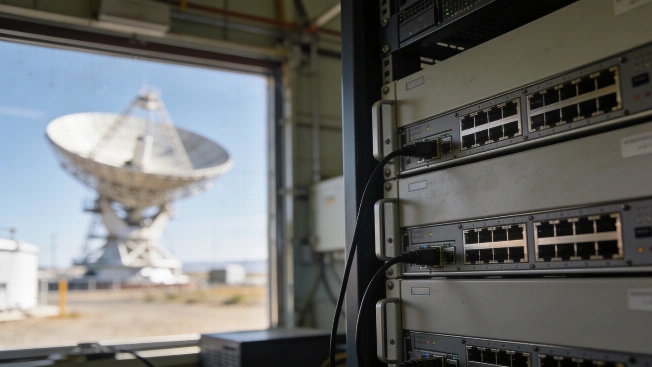
NVIDIA reports 900-fold speedup in cell analysis
NVIDIA is pairing a science-focused open model with GPU software for research workloads. The company reports an eight-minute correlation time for telescope data and a 900-fold gain in one cell-analysis task
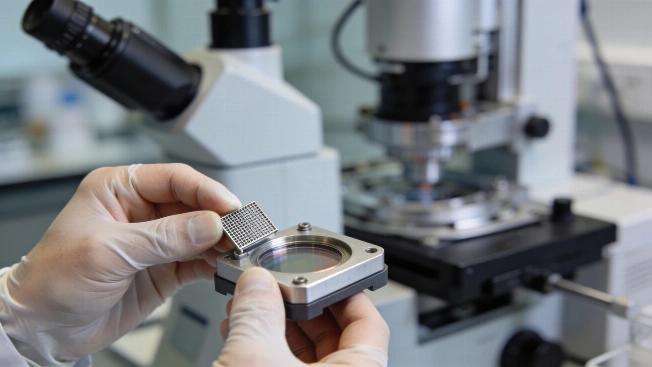
Claude Helped Map a Bacteriophage-Derived Vault-Like Particle
Anthropic's biology team used Claude to find candidate proteins and analyze cryo-EM data, mapping a 96-copy particle from a bacteriophage protein while also encountering errors that required human correction
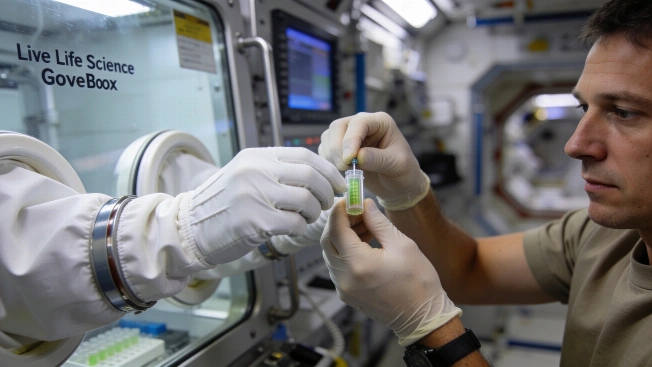
Jessica Watkins Prepares Cells for Cartilage Printing in Microgravity
On Oct. 9, 2026, Jessica Watkins prepared a cell-and-bioink mixture in Kibo's Life Science Glovebox for an investigation of cartilage bioprinting in microgravity; NASA's account describes the setup, not a tissue-quality result
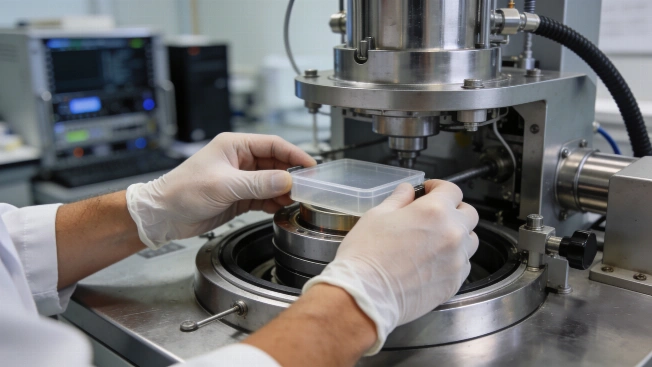
A $1.8 Billion Bet on Predictive Models of Living Cells
Federal agencies and major technology companies are assembling nearly $1.8 billion in funding and resources for open biological datasets designed to train models that predict cellular responses
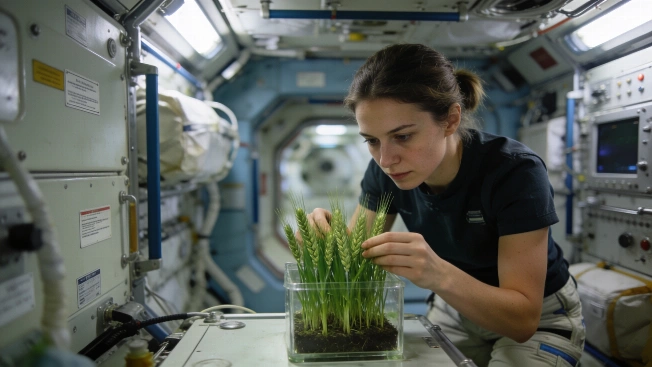
Shannon Lucid Set a Human Spaceflight Record on Mir
Shannon Lucid spent 188 days aboard Russia's Mir, tending life-science experiments and helping NASA understand the human demands of long-duration spaceflight, from station operations to life across cultures.
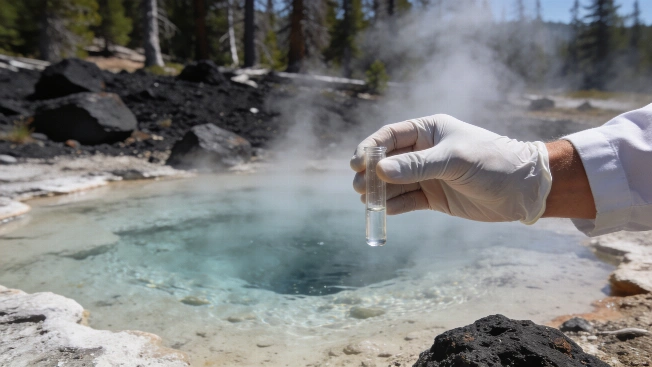
A Fire Amoeba Sets a New Heat Limit for Complex Life
A NASA-supported study identifies an amoeba from California hot springs that reproduces at 63°C, remains active at 64°C and can recover after brief exposure to temperatures approaching 70°C.

Anthropic Blocks Claude Use in Suspected Bioweapons and Espionage Cases
Anthropic has reported five incidents involving Claude in research with potential biological weapons implications and uncovered a Russian cyber operation that used the same technology, raising urgent questions about AI safety and oversight.
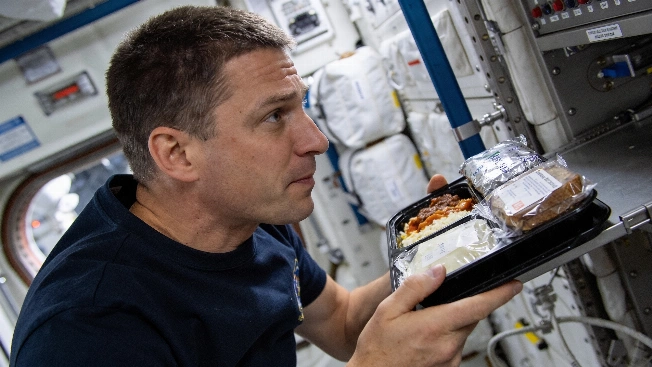
Microgravity Slows Digestion for Astronauts on the ISS, Study Finds
A new analysis of blood samples from 52 astronauts aboard the International Space Station finds that microgravity alters gut function, slowing digestion and changing microbial activity in ways not fully explained by diet alone.
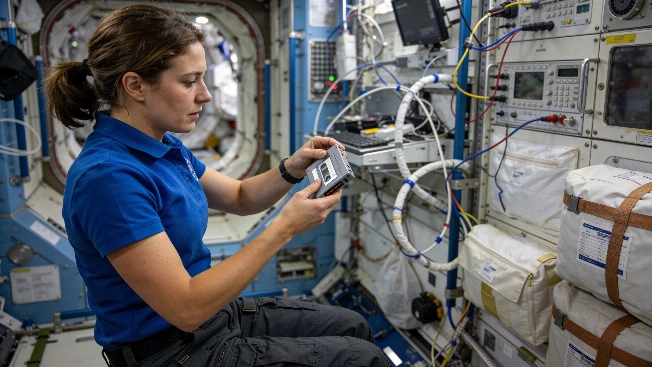
Automated Mini-Labs Expand Space Station Research With Less Crew Time
Redwire's ADvanced Space Experiment Processors (ADSEPs) allow the International Space Station to run complex biological and materials science experiments with minimal astronaut involvement, advancing pharmaceutical and fundamental research in microgravity.
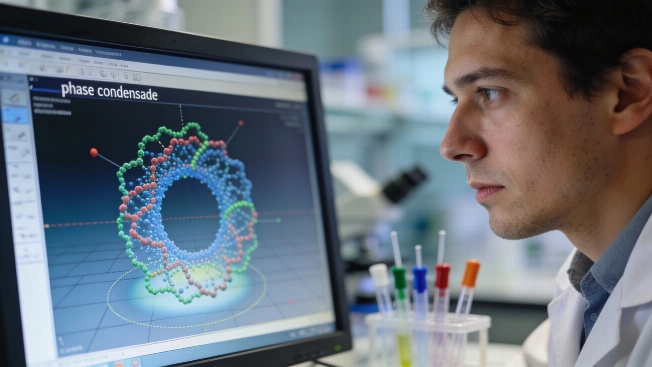
Simulations Map Phase Separation in Disordered Protein Condensates
Researchers used computer simulations to analyze how intrinsically disordered proteins with prion-like domains cluster and undergo phase separation, identifying distinct regimes and challenges in measuring critical parameters.